Skip to content

Posts from the ‘Around France’ Category

No. 41: The “Frogs”

While in London this weekend, I asked around about why the Brits call the French “Frogs”. Most people assume the nickname comes from the Frenchies taste for frog legs. However, it turns out there are a whole bunch of different theories about where this term of endearment or offense (depending on your prospective) originated.

Here are a few of my favorites:

The Fleur-de-Lys: During the Middle Ages the French flew a blue flag with a gold fleur-de-lys on it. The English, unfamiliar with the fleur-de-lys, mistook the flower for a frog, and had a right old laugh about a country that would put a gold frog on their flag, and thus began sarcastically calling their nemesis “frogs”.

Elizabeth I & Her Term of Affection: Apparently England’s Queen Elizabeth I had a strong affinity for frogs and often used the word to refer to her closest friends and lovers. At some point one of her dangerous liaisons was with her top diplomat to France, and their juicy correspondence often began with “My dear frog…” Somehow word got out about this term of endearment, and the French became the frogs.

The Swamp: Before Napoleon and Haussmann came in to clean up Paris and transform it into the city we know today, the city was much less the city of light and much more the city of frogs (quite literally). Paris was swampy and therefore full of many little croakers. The now upscale Marais–which means swamp, was in fact a swamp, back in the day, and a very undesirable place to live. The monied-folk living outside of the city in places like Versailles began referring to those who lived in the swamp, as the “frogs”. Foreign ambassadors took a shine to the term, and voilà, the French became the frogs.

Culinary Observations in WWI: British soldiers observed their French comrades odd affection for eating frog legs while serving side-by-side in the trenches, and felt they had no other choice than to call their allies frogs.

Camouflaged Foes: During the next war, WWII, it is claimed that the French resistance fighters were so brilliant at hiding from the Germans, that the Germans began to grumble that trying to find them was like trying to find a frog in a murky pond.

So there you have it. Which do you prefer? Do you know any other stories that explain the amphibian nickname?

Next up: Why the French call the British “roast beefs”…

No. 39: Les Vacances

madamethomasfrench.wordpress.com

Just freshly back from the Toussaint holiday, it’s clear that one of the 365 things any sane person would love about France is les vacances. The French do vacation right. I don’t think it is an overstatement to say that the French are always on holiday. They truly are.

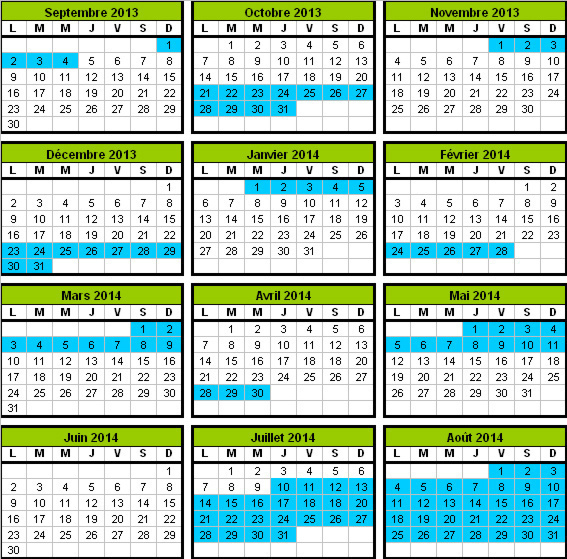
On the books, France has just one public holiday for which workers are guaranteed a paid day off every year — Labor Day on May 1; mais in reality, most French workers enjoy 11 national jours fériés per year.  During the month of May alone there is a holiday nearly every week. In addition to national holidays, France has one of the most generous vacation policy, mandating a minimum of 30 paid days off per year…which you would think would be enough, but the way the school calendar shakes out, it would appear that even with 41 days off per year, most parents must have to either take time off without pay, or pay for a lot of extra daycare. (Take a look at this school calendar. Blue means vacation–and doesn’t include all the of the extra national holidays. Just look at all that blue!)

school holiday calendar for France, zone C (Paris and environs)

school holiday calendar for France, zone C (Paris and environs)

At Button’s French bilingual school, she follows a schedule of roughly 6-8 weeks on, with 2 weeks off, with a handful of other holidays scattered throughout.

Meanwhile, the average US worker receives a scant 16 paid vacation days and holidays combined. In fact according to the Center for Economic and Policy Research, “the US is the only advanced economy in the world that doesn’t require employers to offer paid vacation time.” C’est fou! Contrast these two scenarios and you can understand why les vacances ranks high on my list of things I love about France.

IMG_2897

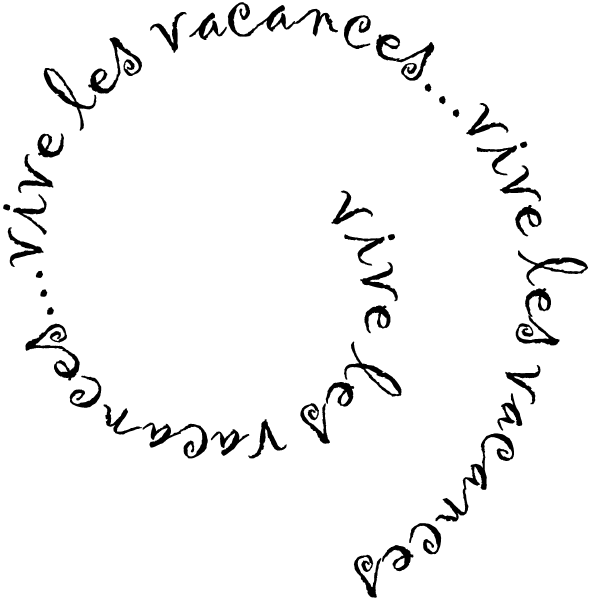
I don’t think the French will ever budge when it comes to their right to holiday–to them vacation is sacred. France nearly shuts down in the summer as the entire population takes the entire month of July or August (or sometimes both) off. What’s even better, as far as I can tell, is that the French jamais, jamais, jamais, take their work on the road. Vacation is vacation. There is no place for work while on holiday. Indeed the French have co-opted a verb (rentrer) and turned it into a noun with a BIG “r” :  la Rentrée, to describe the en mass homecoming when families return from vacation at the end of August and kids head back to school.

Alors, as long as I am lucky enough to live in France, I will continue to be faithful to the saying “à Rome, fais comme les Romains.” Vive les vacances!!

alexandracollege.eu

Vocabulaire 

à Rome, fais comme les Romains: In Rome, do as the Romans

C’est fou! That’s crazy!

jamais, jamais, jamais: never, never, never

jours fériés: holidays

la Rentrée: THE homecoming (after the summer hols)

les vacances: vacation

mais: but

rentrer: to return (home)

Toussaint: All Saints (Day/Holiday period)

Vive les vacances! Long live vacation!!


No. 38: Edible Insults en Français

As I soldiered on with my intensive French course today, le prof decided to liven things up by presenting us with a list of insults / reprimands en Français. He taught us some good ones and they are so yummy, I just had to share them with you!

…in keeping with the food theme of last week’s French idioms, all of these insolent phrases continue to pay homage to France’s love of, and connection to, food.

Amusez-vous!

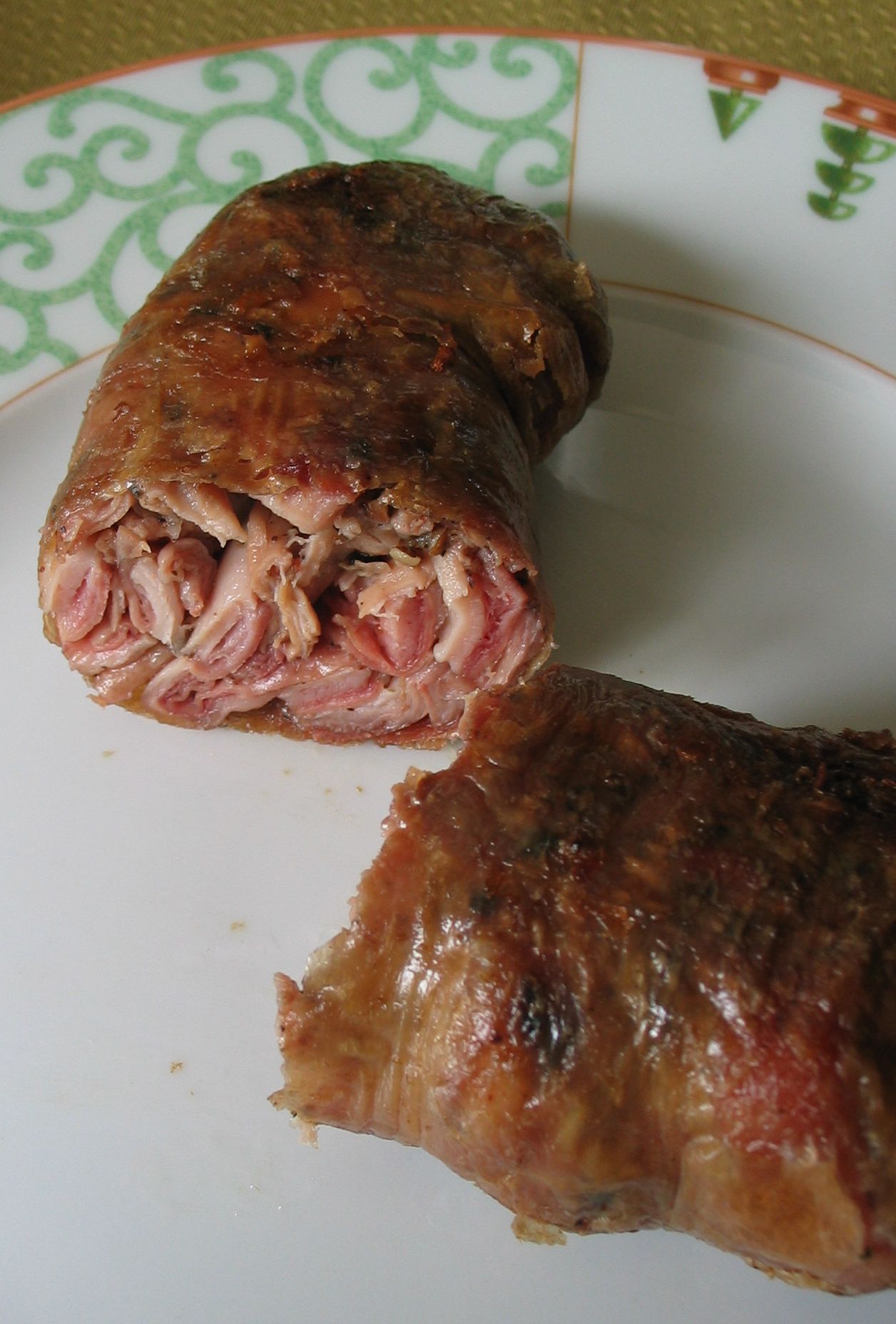
AndouilletteSay for example, you are angry with someone, and you want to be more descriptive than simply calling him/her an idiot, you could say instead:

Espèce d’andouille! (You) piece of sausage!

Une vraie courge!  (What) an utter squash!

Quelle nouille!  What a noodle!

Quelle poire!  What a pear!

 If you want to tell someone to go where the sun don’t shine, you could say:

Va te faire cuire un œuf! Go cook yourself an egg! (Go to hell!)img_0244

Want to tell someone to mind his own beeswax? Try this gem:

Occupe-toi de tes oignons!Mind your own onions!

If you think your colleague is one twist short of a slinky, you might tell your boss:

Elle travaille de la cafetièr.  She’s working from her coffee pot!

OR

Elle pédale dans la choucroute!. She pedals in the sauerkraut!images 2

If you want to criticize a person’s looks you can handily compare them to some common food. For example, you could tell a woman:

Vous avez deux oeufs sur le plat. You have two fried eggs on the plate. (You’re flat-chested.)

Think someone’s ears are too big? Try:

Vous avez des oreilles en chou-fleur.  You have ears made of cauliflowers.

Have a friend who has become a bit pudgy around the middle? How about comparing him to a breakfast bun?

Il a de la brioche.  He has some brioche. (a potbelly)

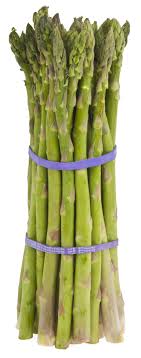
Do you have a friend who is much taller than the average? You could always call him:

Une grande asperge. A big asparagus.images

Oh, I love this tricky and vivid language! Please let me know if you have come across any other charming food-related insults (and if I have made any mistakes).

Vocabulaire

Amusez-vous!  Enjoy! / Have fun!

en Français: in French

le prof: the teacher (short for le professeur-informal)


No. 35: French Idioms: Fruits et Legumes

Steve Martin, Good Cop, Bad Cop, The Pink Panther, 2006

Steve Martin, Good Cop, Bad Cop, The Pink Panther, 2006

“Bizu: And now he’s pushing up the daisies.

Inspector Jacques Clouseau: He is not ‘pushing up the daisies,’ he is DEAD!

Bizu: (glares) It’s an idiom!

Inspector Jacques Clouseau: You, sir, are the idiom.”

Steve Martin and William Abadie, The Pink Panther, 2006

I’ve just started an intensive French course, so don’t be surprised if November’s post are a bit heavy on new vocabulary and sayings. Today our class spent the afternoon learning about French idioms, particularly those with references to food. Et bien sûr, le French adore eating and cooking so it only makes sense that their language is flavored with the stuff meals are made of…

…here are some of my favorites:

IMG_1056

J’ai la pêche! I feel great! (I have the peach; I’m peachy)

Couper la poire en deux: to meet someone halfway; (to cut the pear in two)

Sucrer les fraises: to be a bit nutty; (to sugar the strawberries)

Se prendre une prune: to take a punch/hit, or get a speeding ticket; (to take a plum—perhaps the purple skin resembles a bruise?)

Tomber dans les pommes: to faint/pass out; (to fall in the apples)

Avoir la banana: to have a big smile; (to have the banana)

Etre la bonne poire: to be easily tricked/duped, to be too trusting (to be a good pear- ripe for the picking)

Avoir un coeur d’artichaud: to be tender-hearted, to fall easily in love; (to have the heart of an artichoke)

 IMG_1049

Appuyer sur le champignon: to drive very fast, speed, accelerate; (to press on the mushroom)

Raconter des salades: to tell lies or exaggerated stories; (to tell salads)

Ne plus avoir un radis: to have no money, to be broke; (to no longer have any radishes)

Les carottes sont cuites: it’s all over, nothing more can be done; (the carrots are cooked)

Mon petit chou: a term of endearment; (my little cabbage)


No. 33: Last Minute Finds

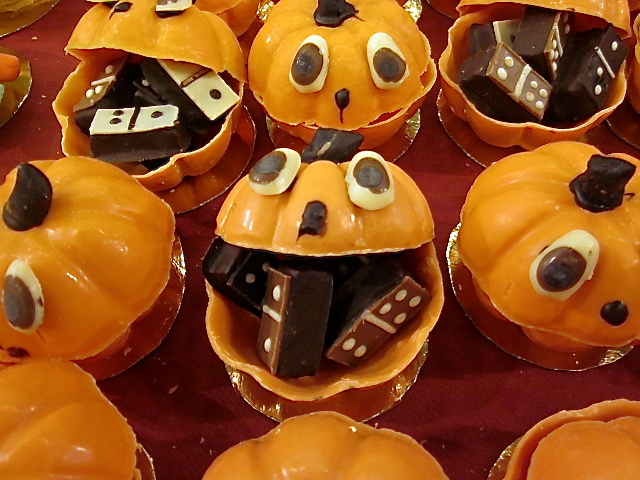
IMG_4058It’s not always easy to find the missing ingredients from your homeland in France. Sometimes it can take weeks or months to track something down when you’re desperate for a piece of home.  But tonight was an exception to the rule. Cet automne, j’ai du pain sur la planche with so many different and exciting things, that I didn’t even remember until last night that today America is celebrating Halloween.

Most Frenchies don’t observe Halloween. It’s not part of their history. Toussaint, tomorrow, is their holiday, and a pretty serious one at that. So when ma fille cadette came home from rehearsal for her Sondheim showcase tonight, and announced, “No one even acknowledged that today was Halloween,” I felt a little pang of regret. Even though Button is halfway to 18, I know she misses the fun and high spirits of dressing up, trick-or-treating, and being a teen in America.

So because I’m a good maman, while she was showering and changing, I ran out with Taz, and thought I’d take a chance on finding some Halloween candy for her to share with the cast ce soir. Et, voilà au marché d’à côté, on the highest shelf, sat one lone box of miniature-sized American candy! Quelle chance! That never happens in Paris.IMG_8452

A burly Russian tourist stood on his tiptoes and knocked it from the shelf and into my grateful hands.

Alors, happy Halloween à tous!

Vocabulaire

 à tous: to all

au marché d’à côté: at the market next door

ce soir: this evening

Cet automne j’ai du pain sur la planche: This autumn, my plate is full, literally “the bread is on the board”

ma fille cadette: my younger daughter

marché d’à côté: market next door

Quelle chance! What luck!

Toussaint: All Saints’ Day

No. 32: Blue-and-White Stripes

One of the many happy surprises of our p’tit week-end down south was our encounter with stripes. I was thrilled to see that particular French cliché alive and well and wandering the streets of Marseille. En fait, les rues were bursting with stripes. Once we saw our first friend dressed in stripes, we started to see them everywhere. It was good fun stalking and photographing the best stripes, turning into un jeu du chat et de la souris. The cat holding the camera while the mice scurried through town.

The more blue-and-white stripes I saw, the more I wanted to learn the history behind the stripes. I always associated the stripes with the French sea and it turns out that the striped shirt was indeed part of the official uniform of the French Navy. The theory was that if there were a “man over board” he would be more easily spotted among the waves and brought to safety if he was wearing stripes. Originally the uniform had 21 stripes, each one symbolizing one of Napoleon’s victories. At the time the uniform was conceived, the majority of the French Navy was located in Brittany, so the shirt became known as the “Breton”.

The “Breton” became popular with the non-military crowd once Coco Chanel, enamored with the sailing shirt, made it part of her fashion line for the modern woman. By the early 1930s the blue-and-white stripes were considered haute couture, and in the decades that followed, the “Breton” featured prominently in French cinema and Hollywood’s motion pictures, until it reached a sort of iconic status.

Today in Marseille you see mostly blue-and-white stripes, with a healthy handful of red-and-white ones thrown in…such a playful break from the black-on-black of Par-ee!

If you haven’t already seen Audrey Tautou in Coco Before Chanel, take a look at this teaser. Moi, j’adore ce film! Maybe you will like it too.

Vocabulaire:

En fait, les rues…  in fact, the streets…

Moi, j’adore ce film! Me, I adore/love this film.

un jeu du chat et de la souris: a game of cat and mouse

 un p’tit week-end: long weekend get-away (literally a small weekend)

No. 31: Savon de Marseille

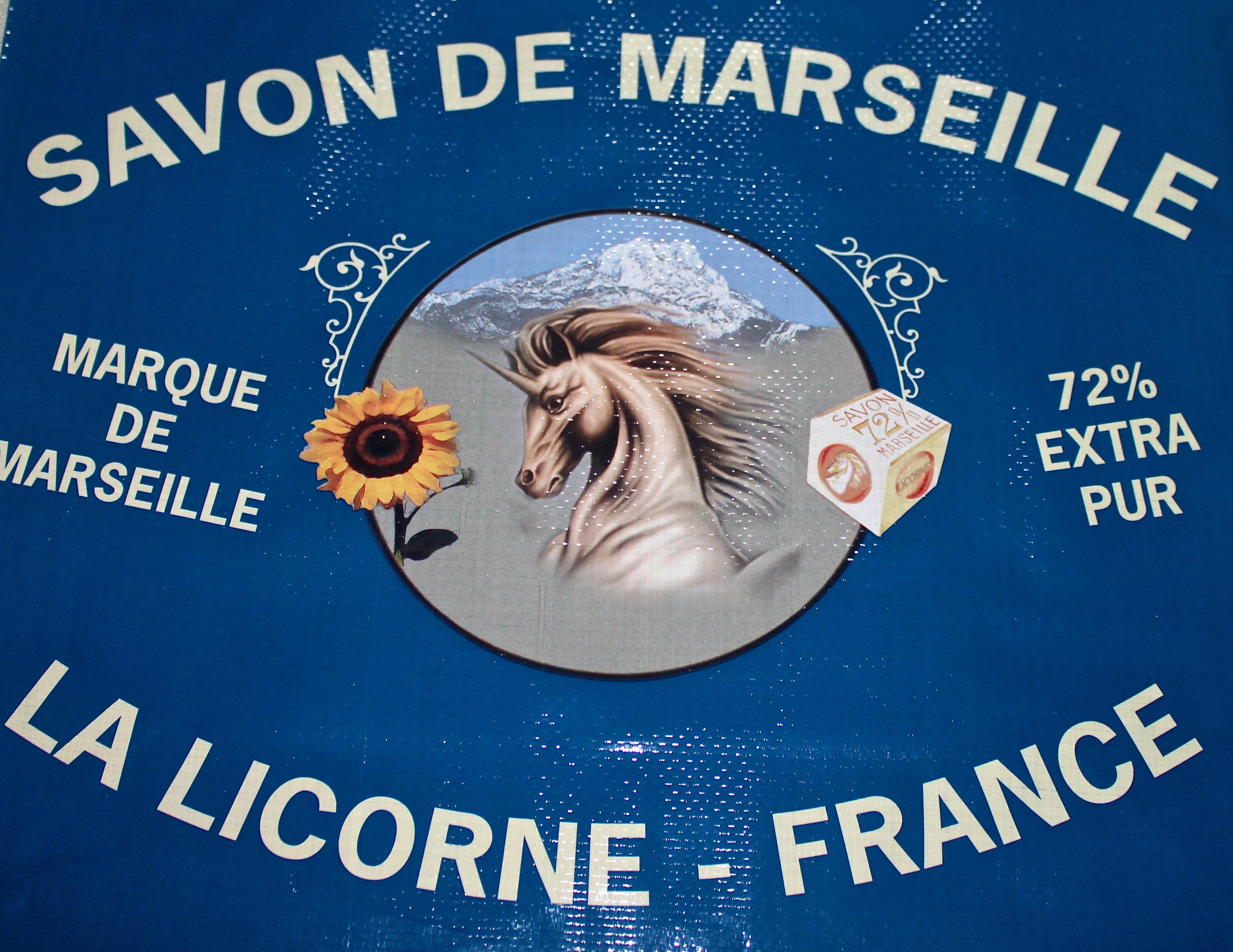
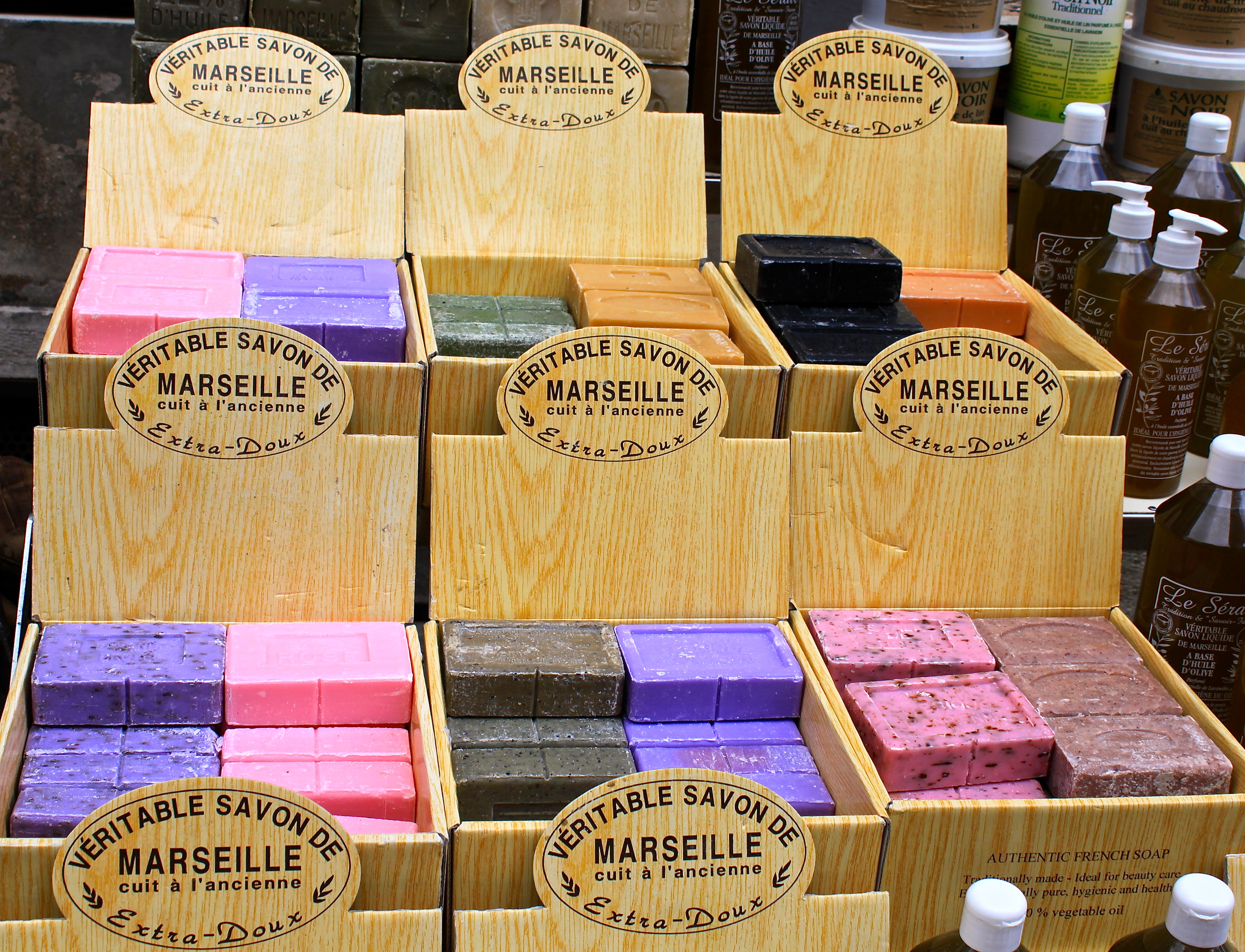
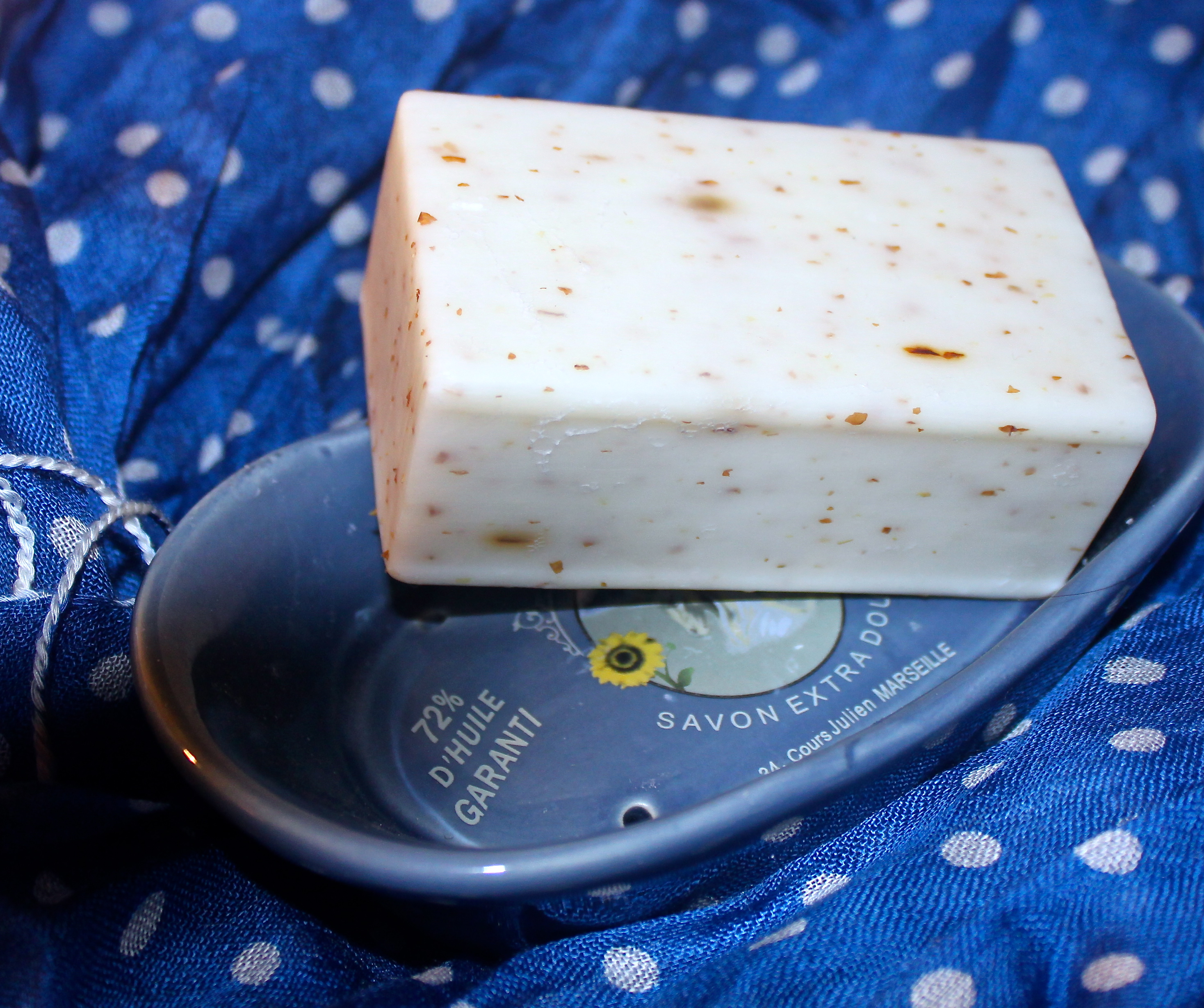
IMG_8425I love the world famous soap from Marseille. The authentic product is made from vegetable oils, mostly olive oil, and must contain 72 percent oil to be stamped as savon de Marseille.

Marseille and Provence have been associated with soap making since the 16th century. According to The Insiders Guide to the Most Beautiful Part of France, “in 1900, 60 percent of the population was involved in soap-making in some capacity and records from 1908 state that the city then had 81 factories producing 140,000 tons (308 million pounds) of soap a year.” That’s a tremendous amount of soap!

IMG_8241

Being crazy for color, I love to look at the colorful displays of soap found at every market in Marseille and Provence, but as far as washing up, I go for the natural miel et citron. With no artificial colors or dye. It smooths and nourishes and smells heavenly to boot…

IMG_8427

Vocabulaire

savon de Marseille: soap from Marseille

miel et citron: honey and lemon