No.142: The Delicious Colors of Winter
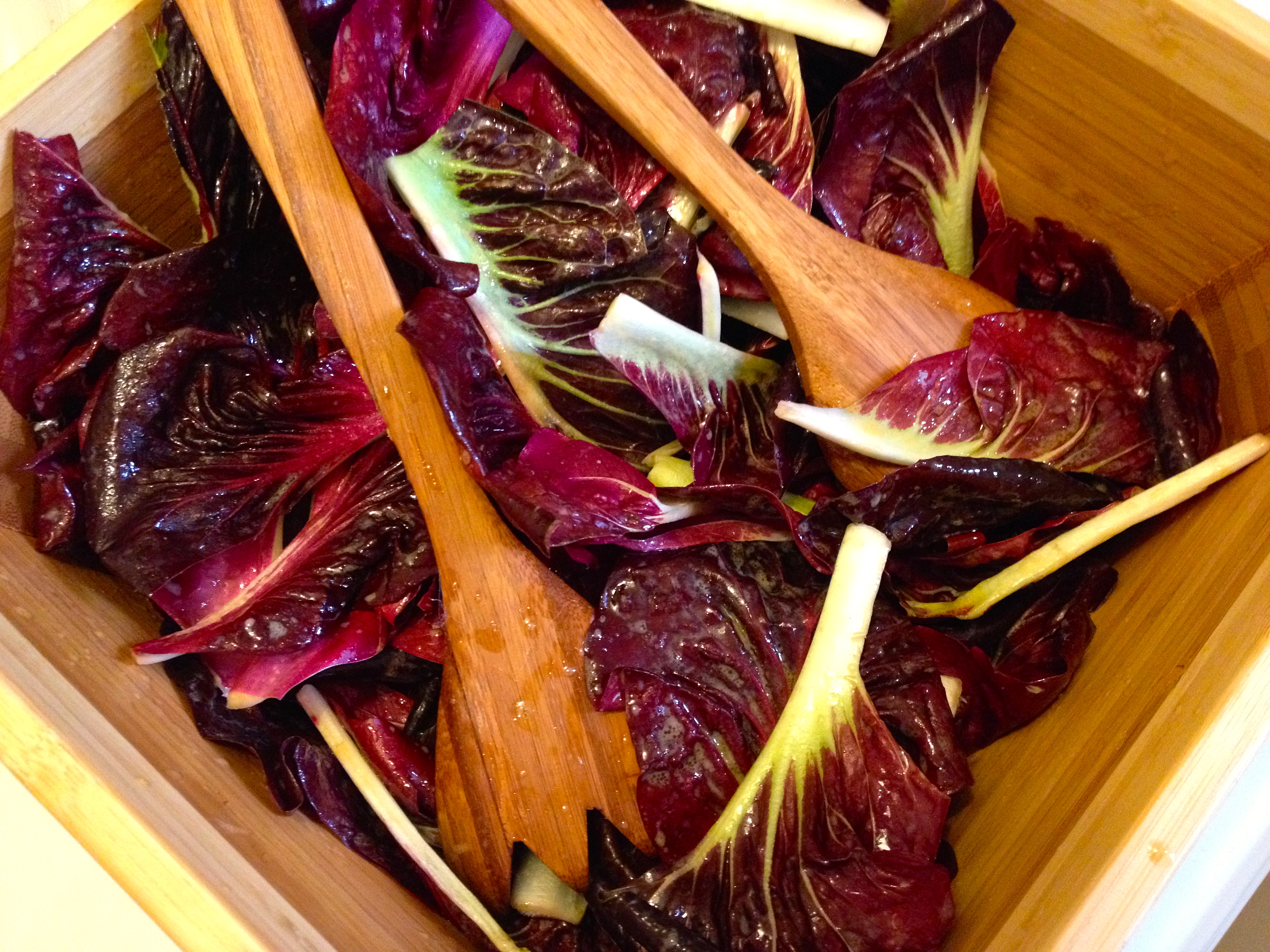


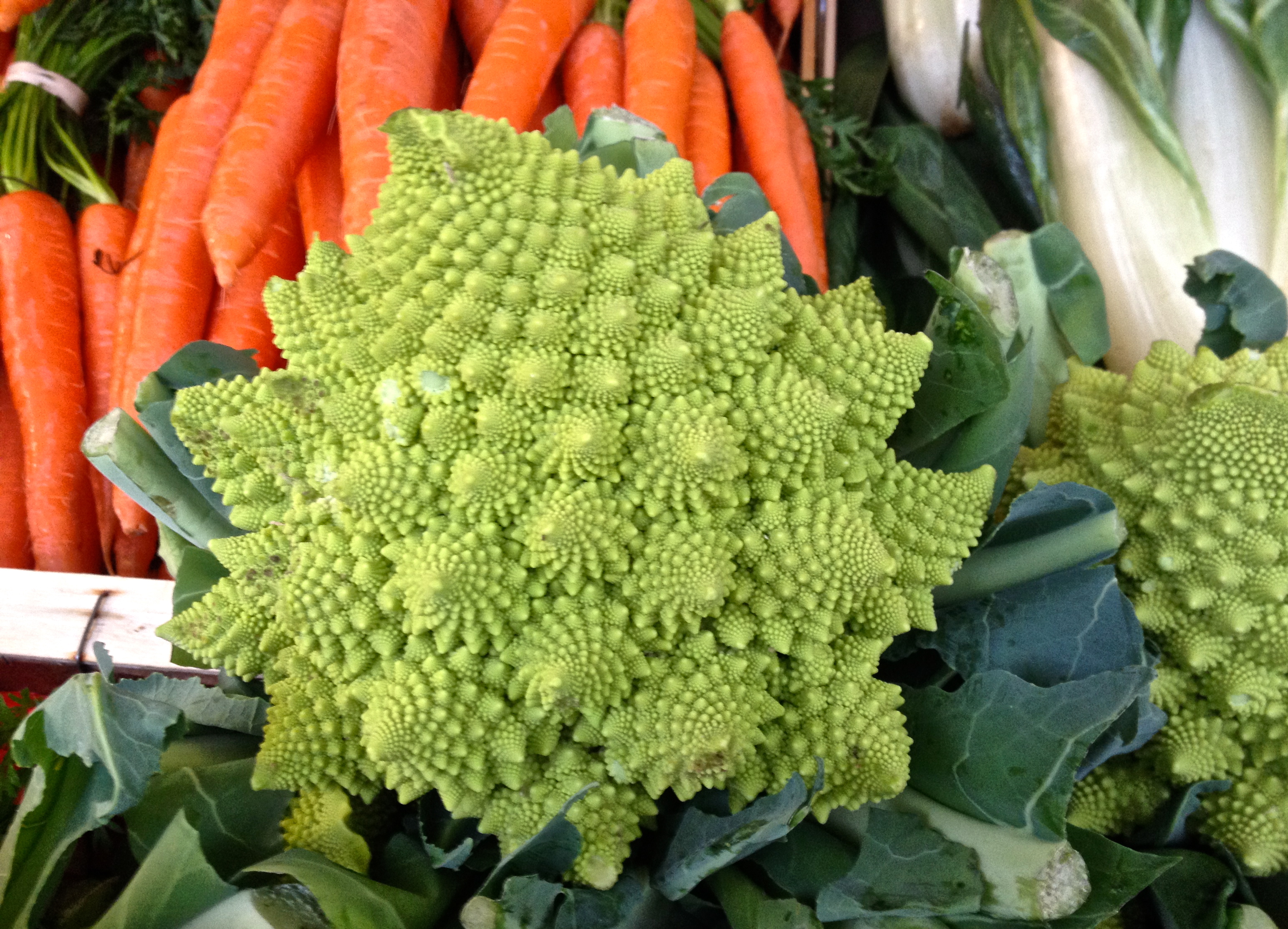
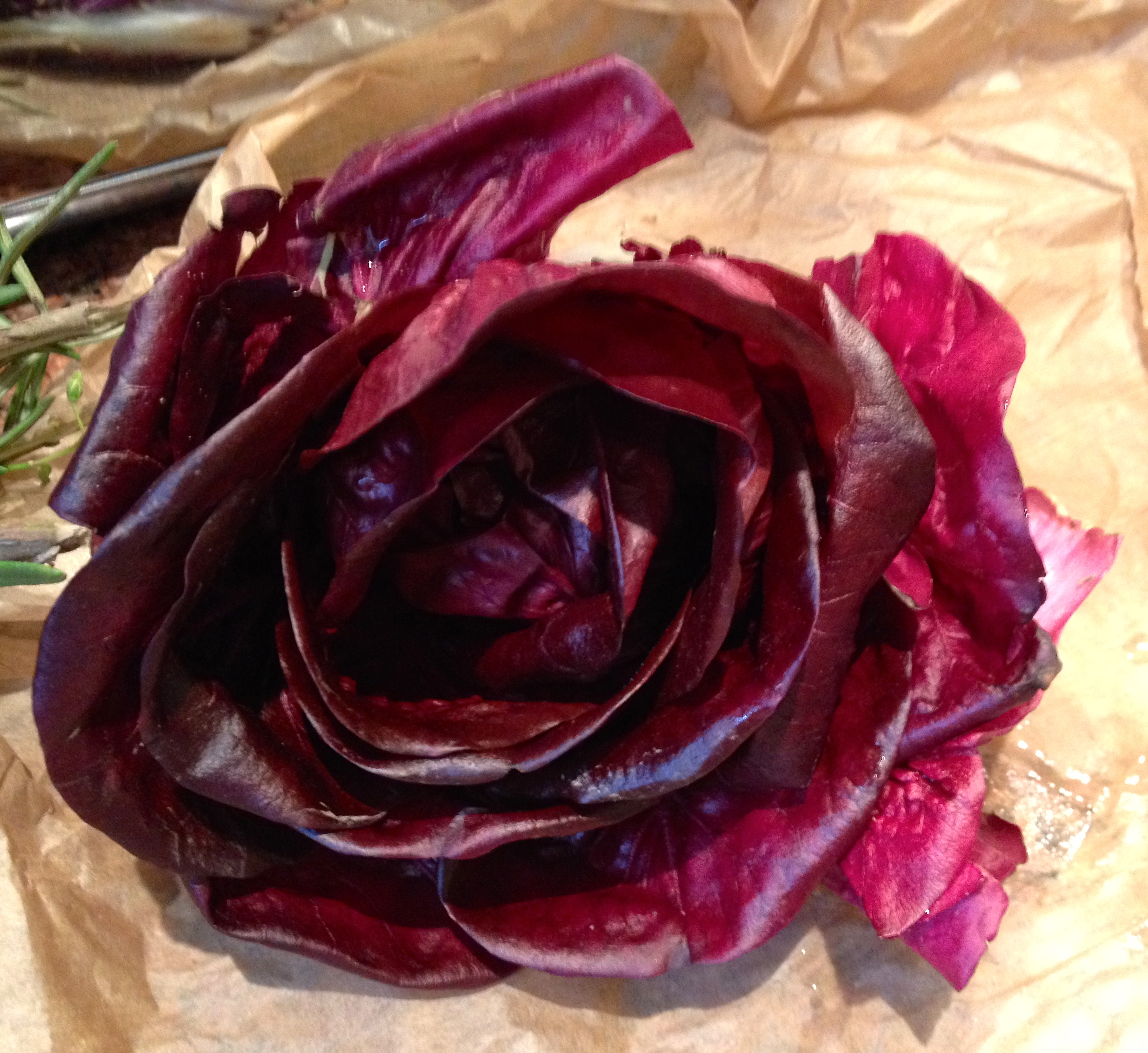
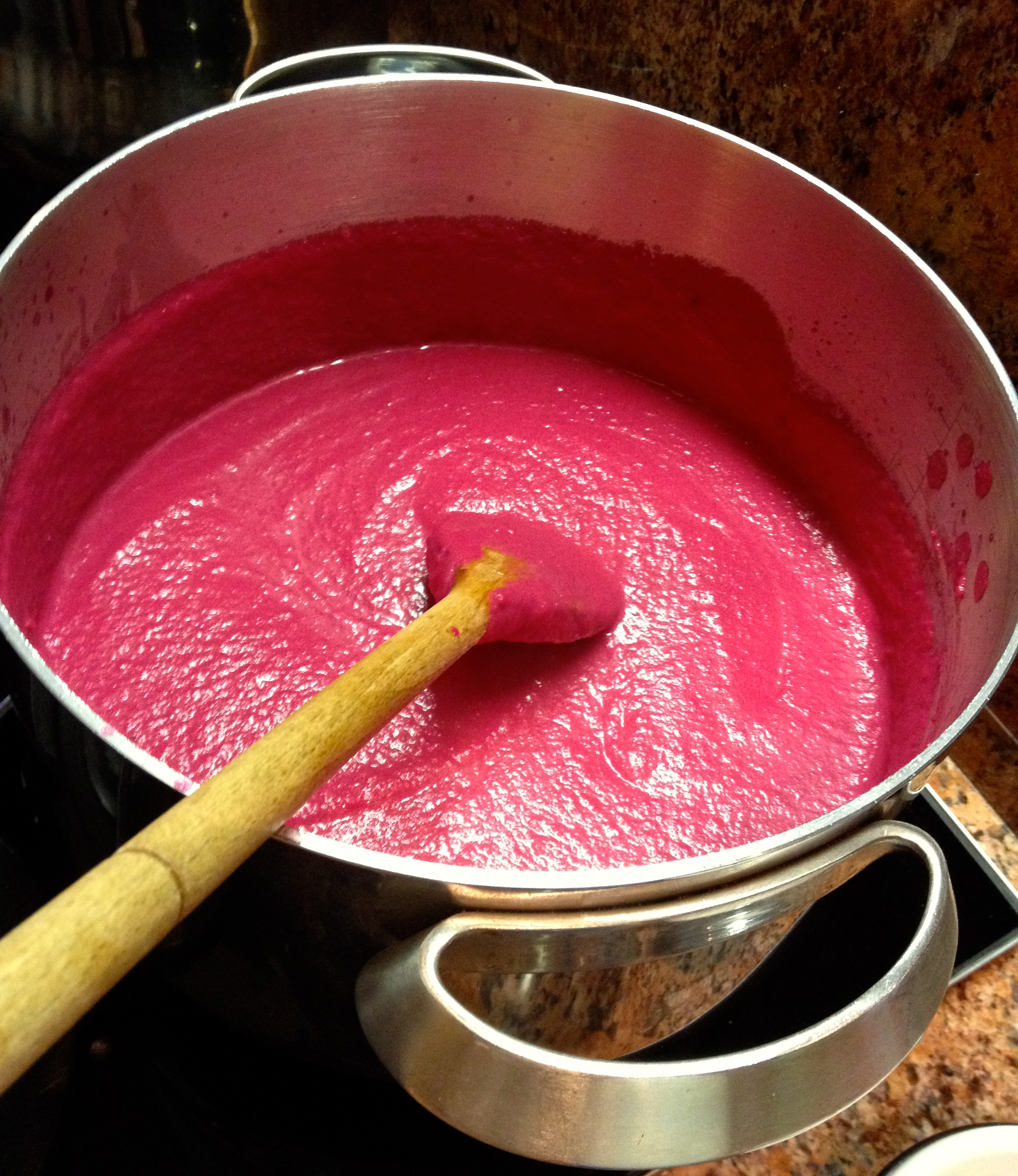
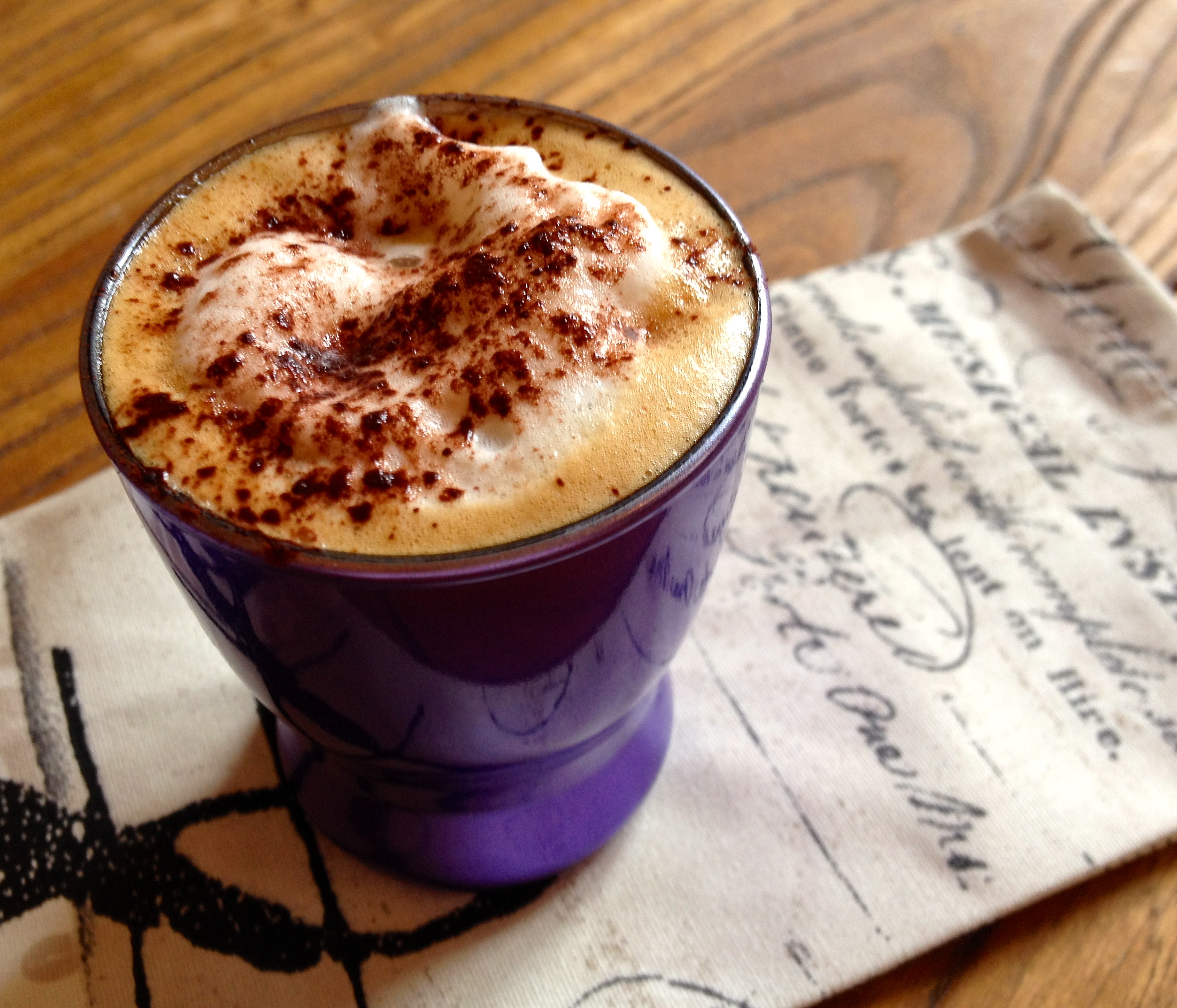
Moi, j’adore!
Vocabulaire
Moi, j’adore! Me, I love (it)!
Feb 13
Feb 12
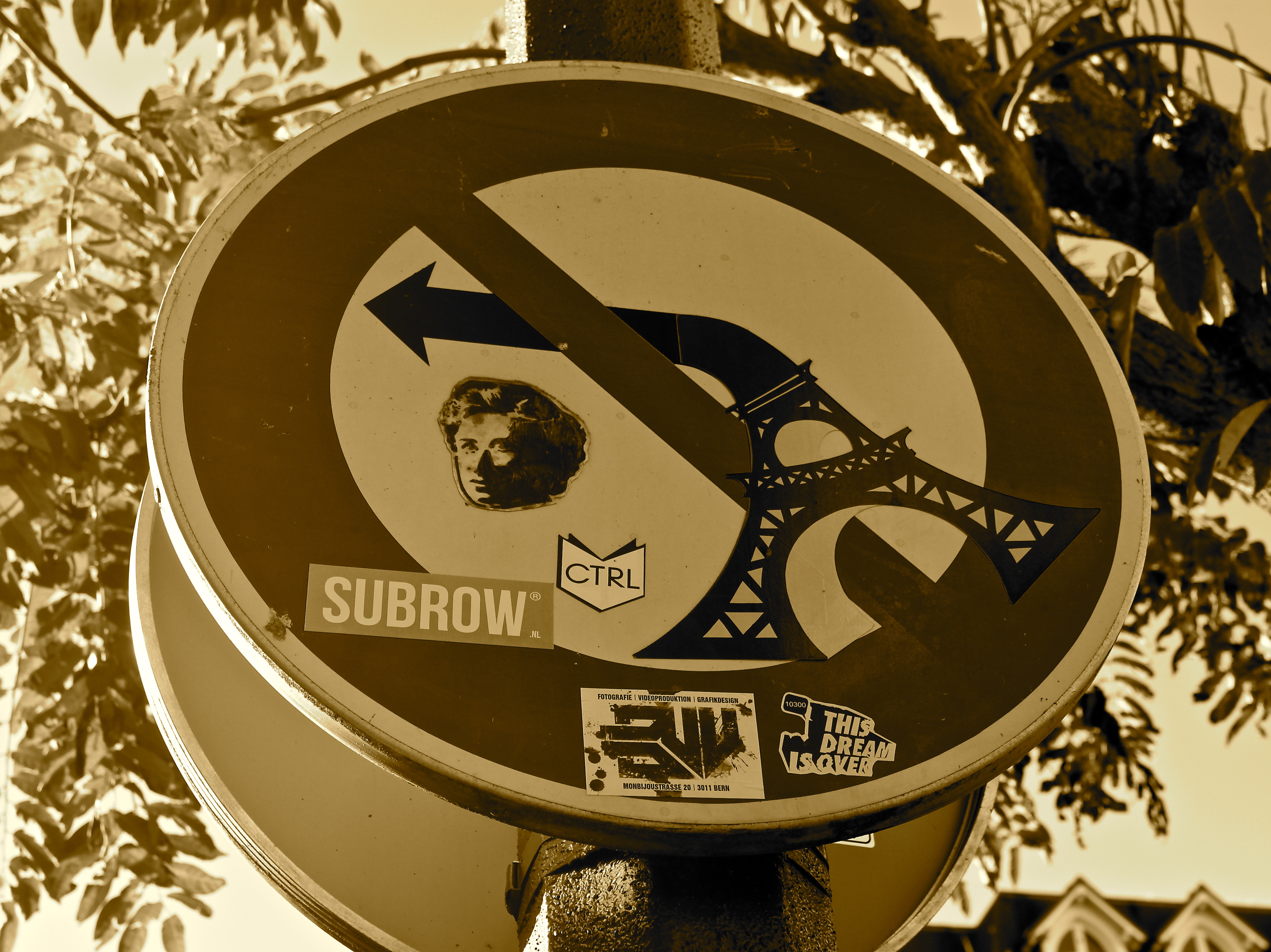
Some rascal with a clever sense of humor has been altering the street signs around Paris and is mischievously guiding the way to my tragic street lamp.




Vocabulaire
Où est la Tour Eiffel? Where is the Eiffel Tower?
Feb 11


Today is the last day of the winter sales in France. Over the last 6 weeks, boutiques, department stores, shoe and bag shops, and even hardware stores have been clearing out items from the previous season, gradually slashing prices as the weeks tick by. Paris has been plastered with colorful soldes signs and we have been in the thick of deep markdowns for the last two weeks. This is the stage of the sales called the dernière démarque, or the final markdown (as opposed to the nouvelle démarque or the deuxième démarque) of the biannual government-sanctioned sale.

sometimes the nouvelle démarque is just as good as the dernière démarque
The dernière démarque is usually as much as 75 percent off the original price, but one year I bought a coat on the last day for ten percent of the original cost. Sometimes good things truly do come to those who wait.
However, this year, I haven’t really had the heart, money or patience to hit the sales. I did come across some deeply discounted sweaters and a few basics on my way to the cinema the other day. I couldn’t resist them. Picking them up for a mere 33€ in total.


Coming from a culture of “Sales! Sales! Sales!”—where you can find some sort of massive discount on something nearly 24/7—moving to a country with sales only twice a year was a bit of a shockeroo to the system. But I have to say, I have really come to appreciate and love this aspect of France. I find that biannual sales force you to buy less and buy better. I used to wonder how so many Parisians succeed in looking so flawless every day. Now I know. They wait, they scheme, and they work the soldes to their advantage. Their closets are less full, but full of great pieces.
It’s certainly something to aim for, and something to consciously save for, and of course, something to find the will to cultivate the patience for: la dernière démarque.
Vocabulaire
dernière démarque: final markdown
deuxième démarque: second markdown
nouvelle démarque: the new, and first markdown of a sale
soldes: sales
Feb 11
Before moving to France I took for granted all the things we call “French” in English. Since I’ve lived here, I’ve become curious to find out exactly what those things are.
I mean French bread—loosely refers to a baguette, although much larger and wider in most grocery stores in America. A French braid, I’m very familiar with, as my girls have spent hours plaiting each other’s hair. We all know what a French kiss is, and as teenagers became familiar with “Frenching”, the verb. But what exactly are French lentils or French vanilla? What does French blue mean? And why do we refer to a disgusting mayo, ketchup and sweet relish dressing as “French”, when I’ve never, ever seen it in France?
Donc, whenever I have a long bus ride, or am bored, I’ve been looking up these curious items to figure out what is what. This is what I’ve come up with so far. Some are more obvious than other. As I’m on a diet, today’s post focuses on food, of course…corrections welcome, svp.
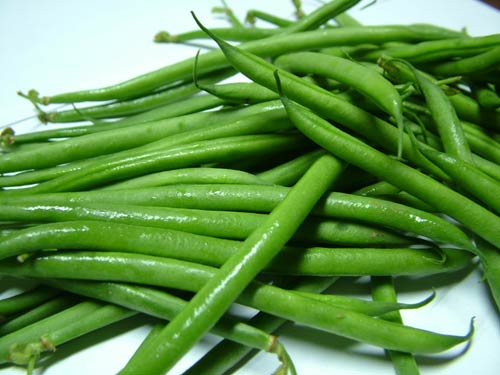
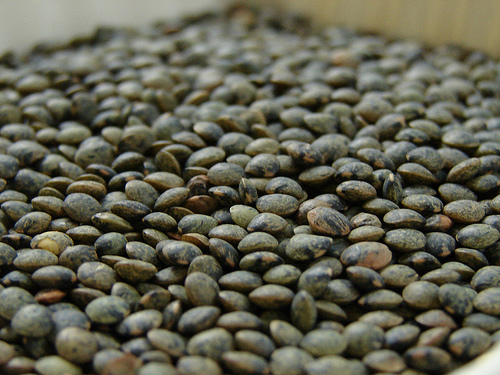


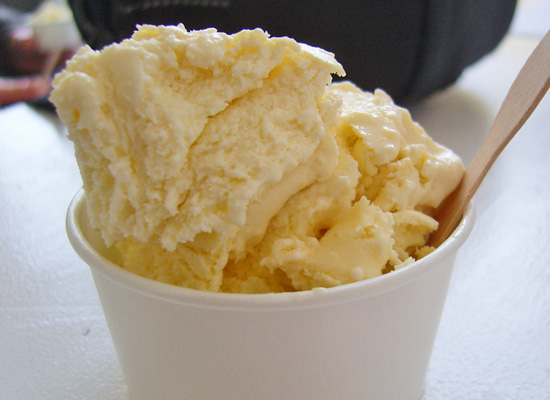
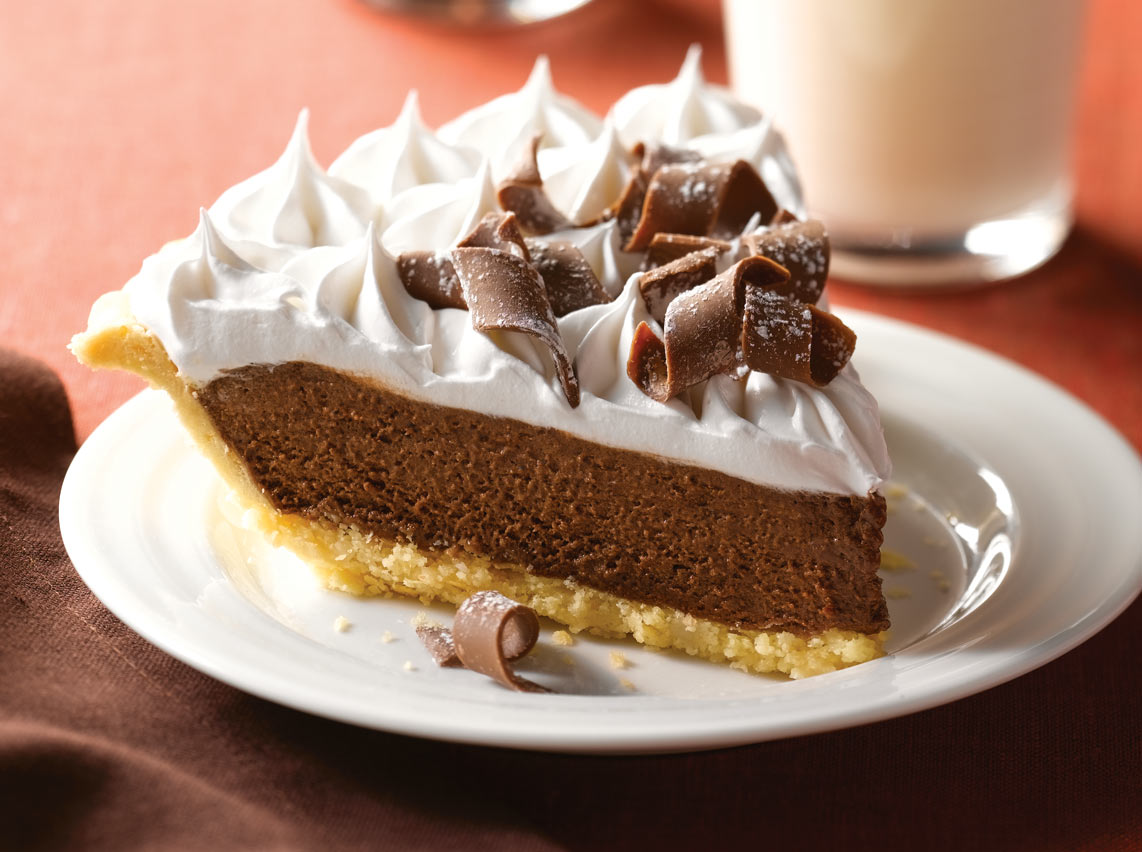
Whew.
Now if you’ll excuse me, I need to open my French door to use my French press after taking out my French twist before I have a lie down in my French bed under my French roof…
…to be continued…
“Qu’ils mangent de la brioche,” or the most common English translation: “Let them eat cake,” was supposedly uttered by Marie Antoinette, wife to King Louis XVI, the last, and possibly most extravagant queen of France. The story goes that upon hearing that her people were enduring difficult times and ongoing bread shortages, she proclaimed, “Then let them eat brioche.”
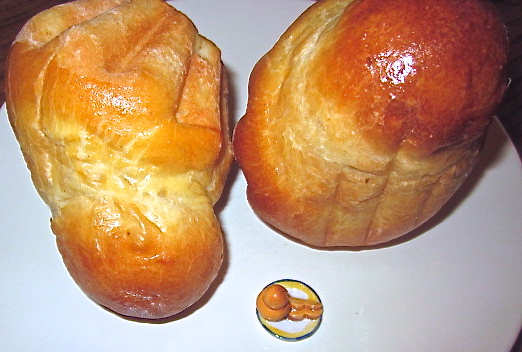
qu’ils mangent de la brioche…let them eat brioche…
As brioche is made from sweeter dough enhanced with butter, eggs, and sugar (limited and luxurious ingredients at the time), brioche was even more out of the reach of the peasants than bread. This declaration was said to reflect the Queen’s obliviousness to the shocking condition of her people, and in the end contributed to her losing her head by guillotine.
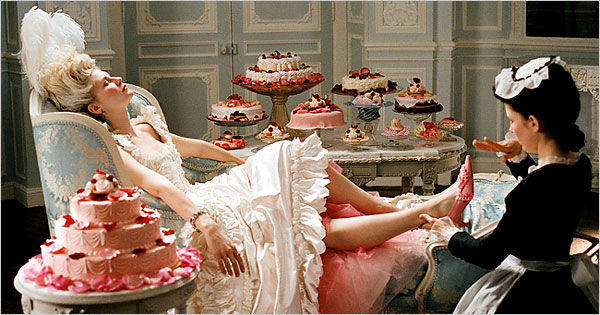
source: Kirsten Dunst in “Marie Antoinette,” directed by Sofia Coppola, NYT
Well it turns out there is no evidence that the Queen ever uttered these words et en fait this anecdote was never cited by opponents of the monarchy at the time of the French Revolution. Jean-Jacques Rousseau, political philosopher and composer, more likely wrote it when Marie Antoinette was a young child living in Austria. But even before Rousseau’s writings, it was attributed to Queen Marie-Thérèse the wife of Louis XIV, a hundred years earlier. And way before that, Chinese scholars claim that the phrase originated with an ancient Chinese emperor who, altogether unsympathetic to the fact that his subjects had no rice to eat, said, “Why don’t they eat meat?”
Regardless of who did or didn’t say this, or who, unfortunately, lost their head and who didn’t, I have recently been introduced to this slightly sweet, funny-shaped, golden, eggy morning staple, and I can confirm that when I have a choice, I would rather eat brioche than bread, at least for breakfast. And these days, une petite brioche et un petit pain à Paris are each 1€ apiece, so on rare occasions, I let myself eat both.
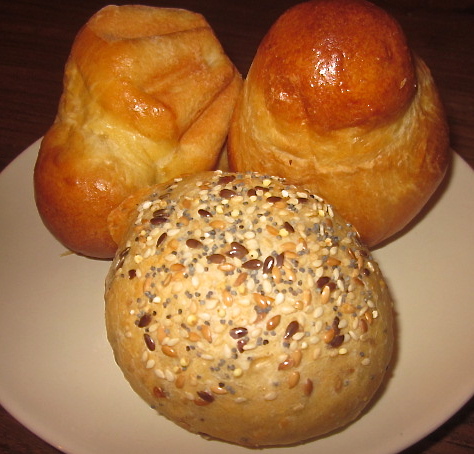
petite brioche et petit pain
Click here for a yummy airy brioche recipe from Fine Cooking. Best served with strawberry jam, lemon curd, or caramel à la fleur de sel.
Vocabulaire
caramel à la fleur de sel: salted caramel
et en fait : and in fact
Qu’ils mangent de la brioche. Let them eat brioche.
une petite brioche et un petit pain à Paris… a small brioche or small roll in Paris…
Feb 9
I don’t know how many different types of cakes and tarts there are in France, but since there are over 350 different varieties of cheese available here, I’m wagering there has to be at least that many possibilities for decadent dessert.
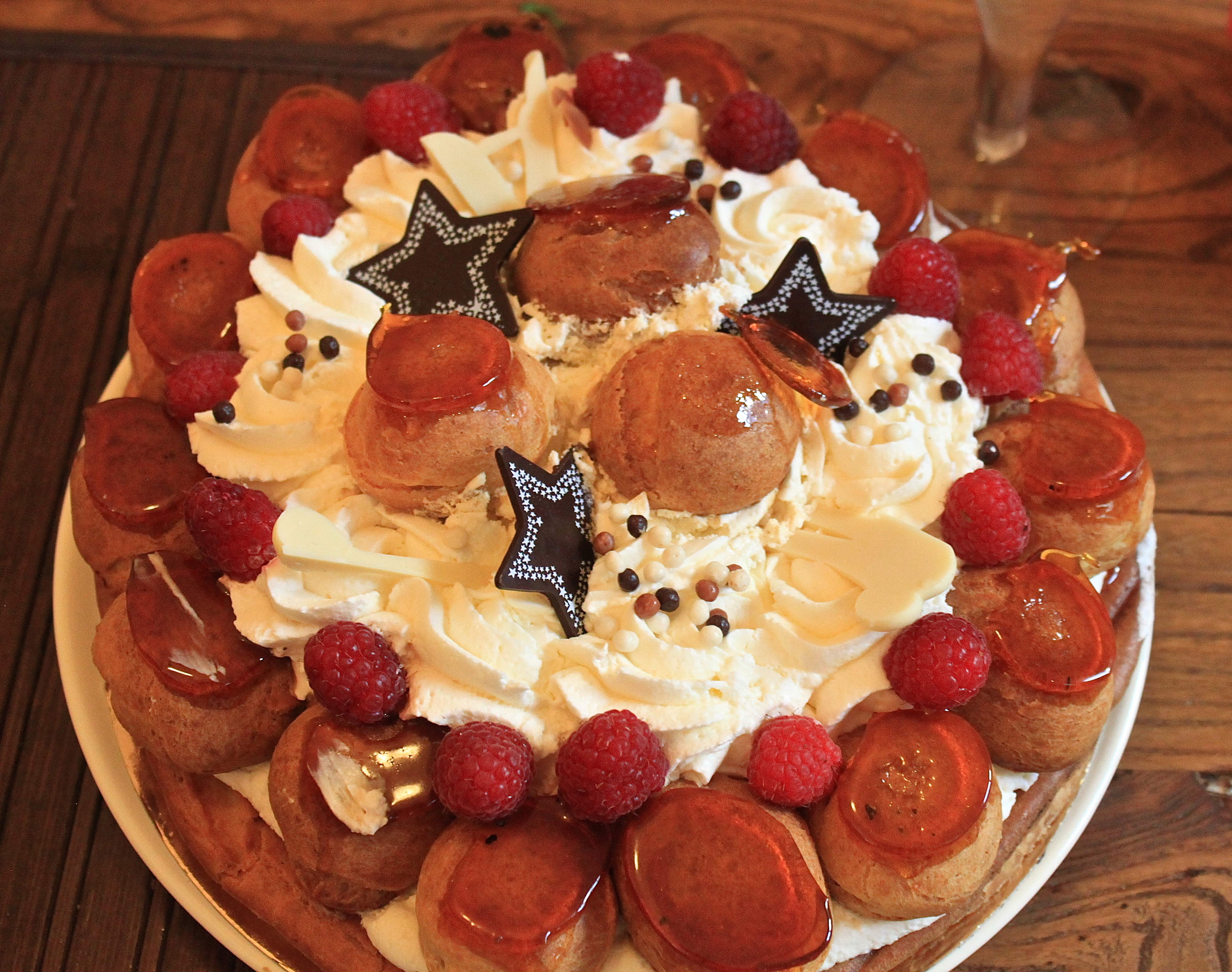
Gâteau Saint Honoré


Gâteau au chocolat

Charlotte Mont-Blanc…biscuit cuillère, crème vanille, chantilly, marron glacés et crème de marrons…
En France, I have never met a gâteau or tarte I don’t care for, and this being a birthday weekend chez nous, I thought I’d share a few pictures of some of my favorites I’ve indulged in either in reality or in my dreams.


Even when I’m being good (which is most of the time), I’m lucky to be surrounded by this dazzling eye candy. Not only are they delicious on the taste buds, but they are also exquisite works of art.
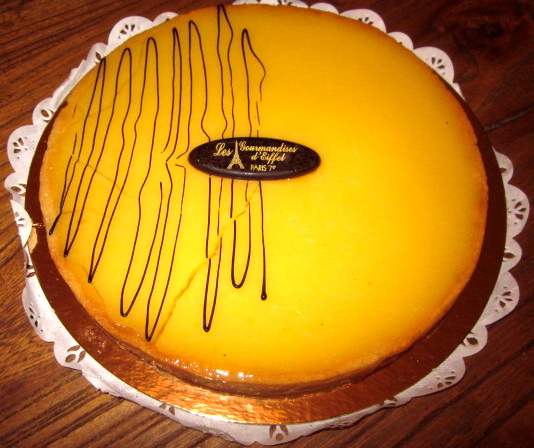
Tarte au citron, c’est notre préféré…

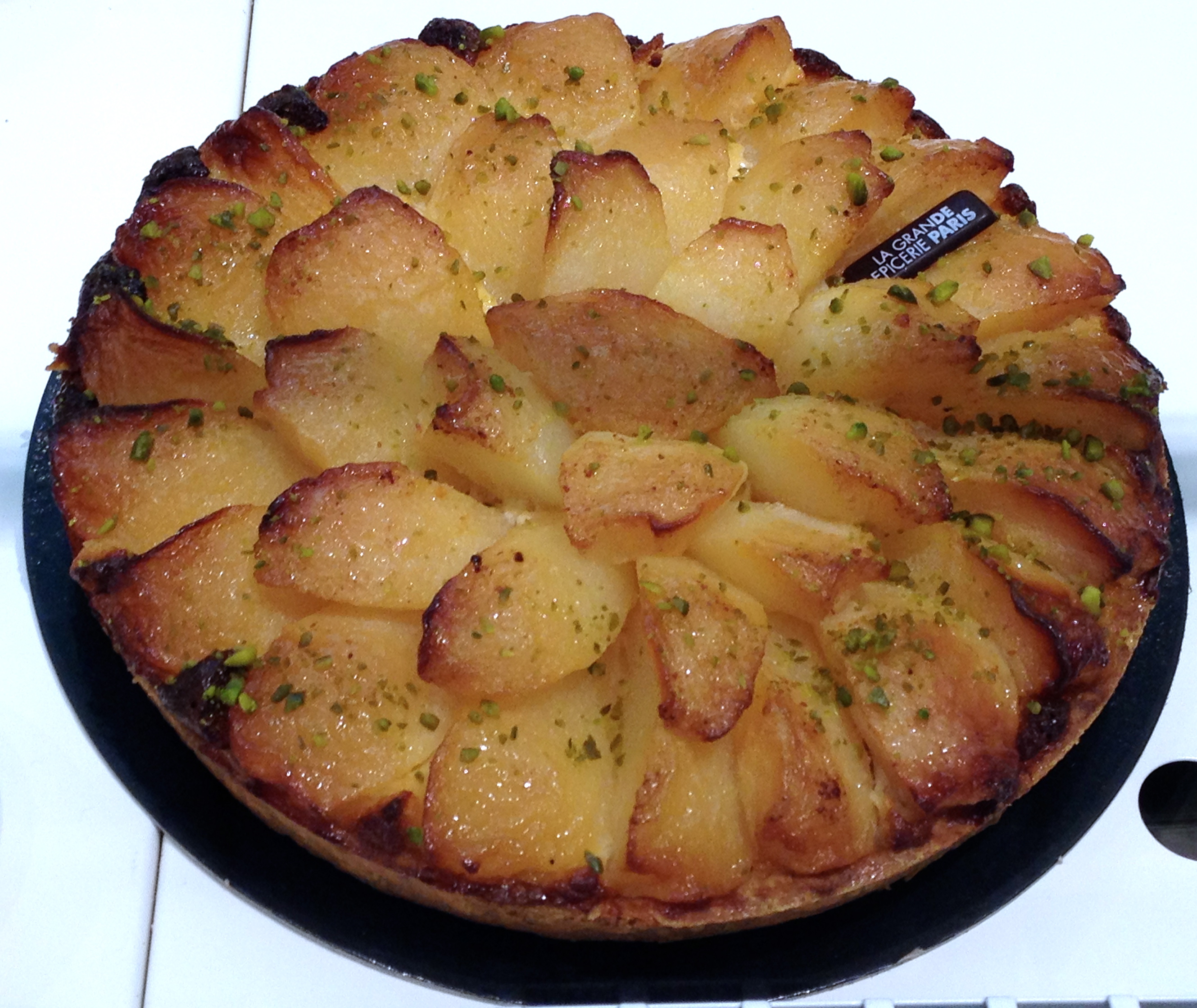
tarte aux pommes
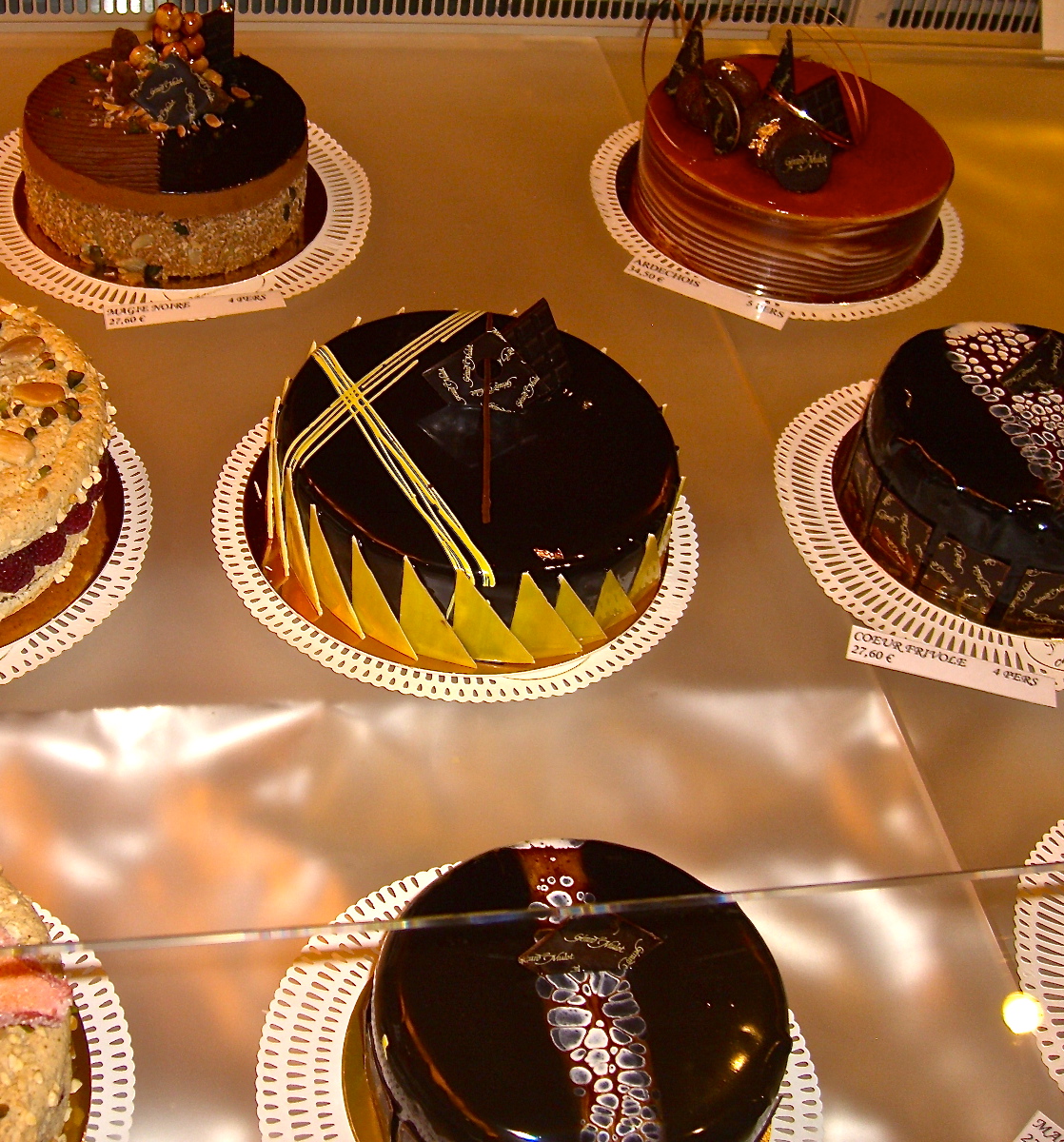
Bonne dégustation!
Vocabulaire
Bonne dégustation! Enjoy! (literally good tasting)
c’est notre préféré: it’s our favorite
chez nous: at our house
gâteau au chocolat: chocolate cake
gâteau or tarte: cake or tart
tarte aux pommes: apple tart
tarte au citron: lemon tart
Roman Payne, Rooftop Soliloquy