Skip to content

No. 144: Effeuiller la Marguerite-He Loves Me, He Loves Me Not

giverny

giverny

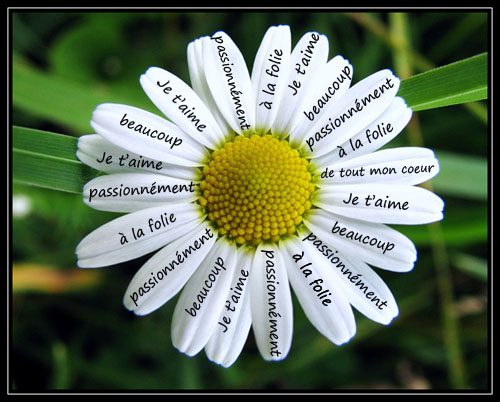
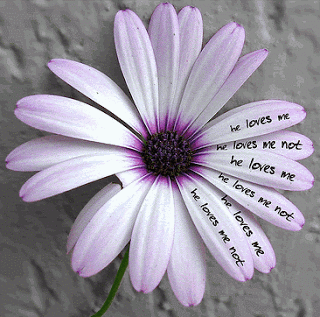
Il m’aime un peu—beaucoup—passionément—à la folie—pas du tout…

He loves me a little—very much—passionately—madly—not at all

source: profdefrances.blogspot.com

source: profdefrances.blogspot.com

Je crois que c’est mieux to play the game of love, effeuiller la marguerite, in France than in America.

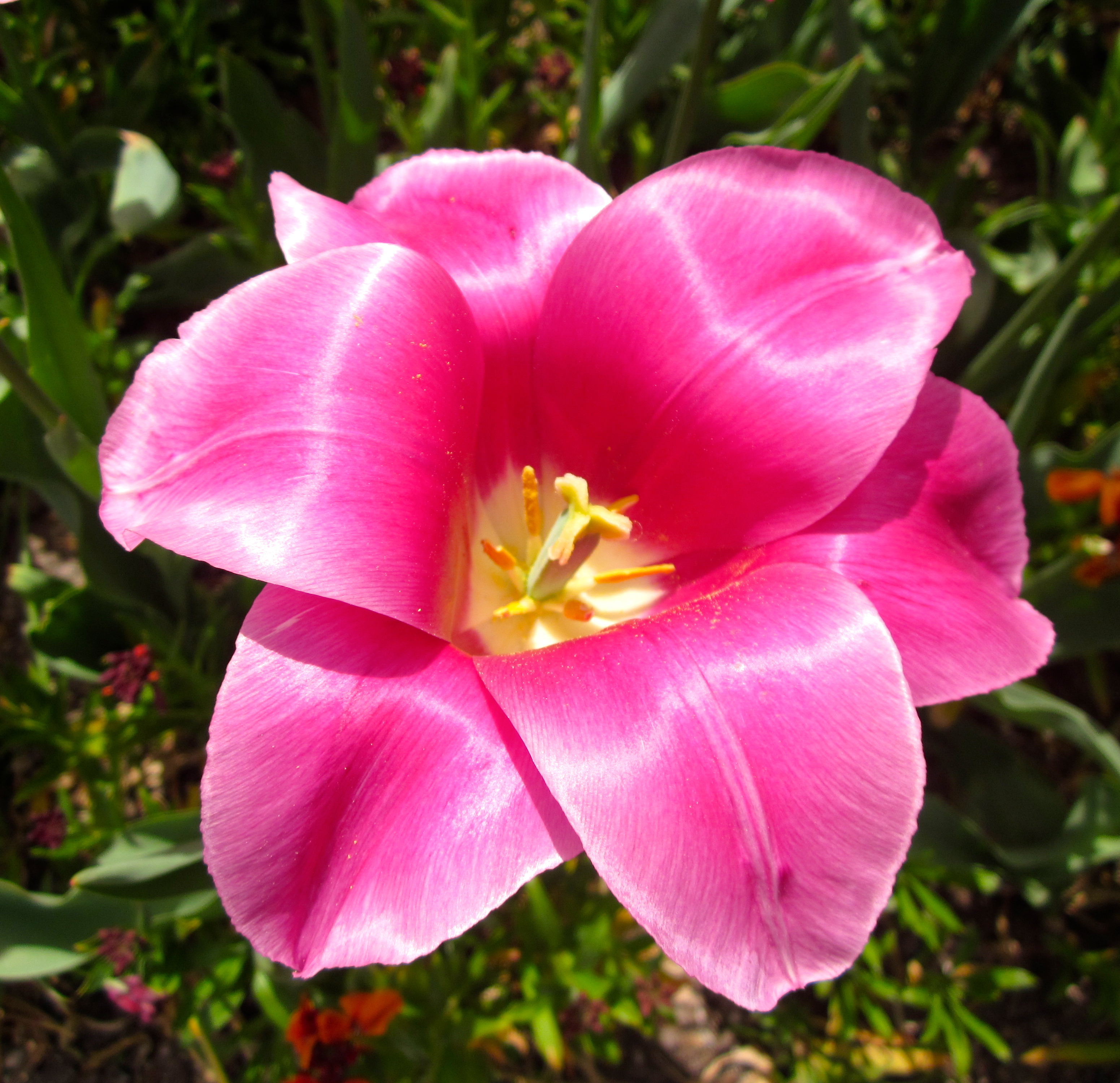
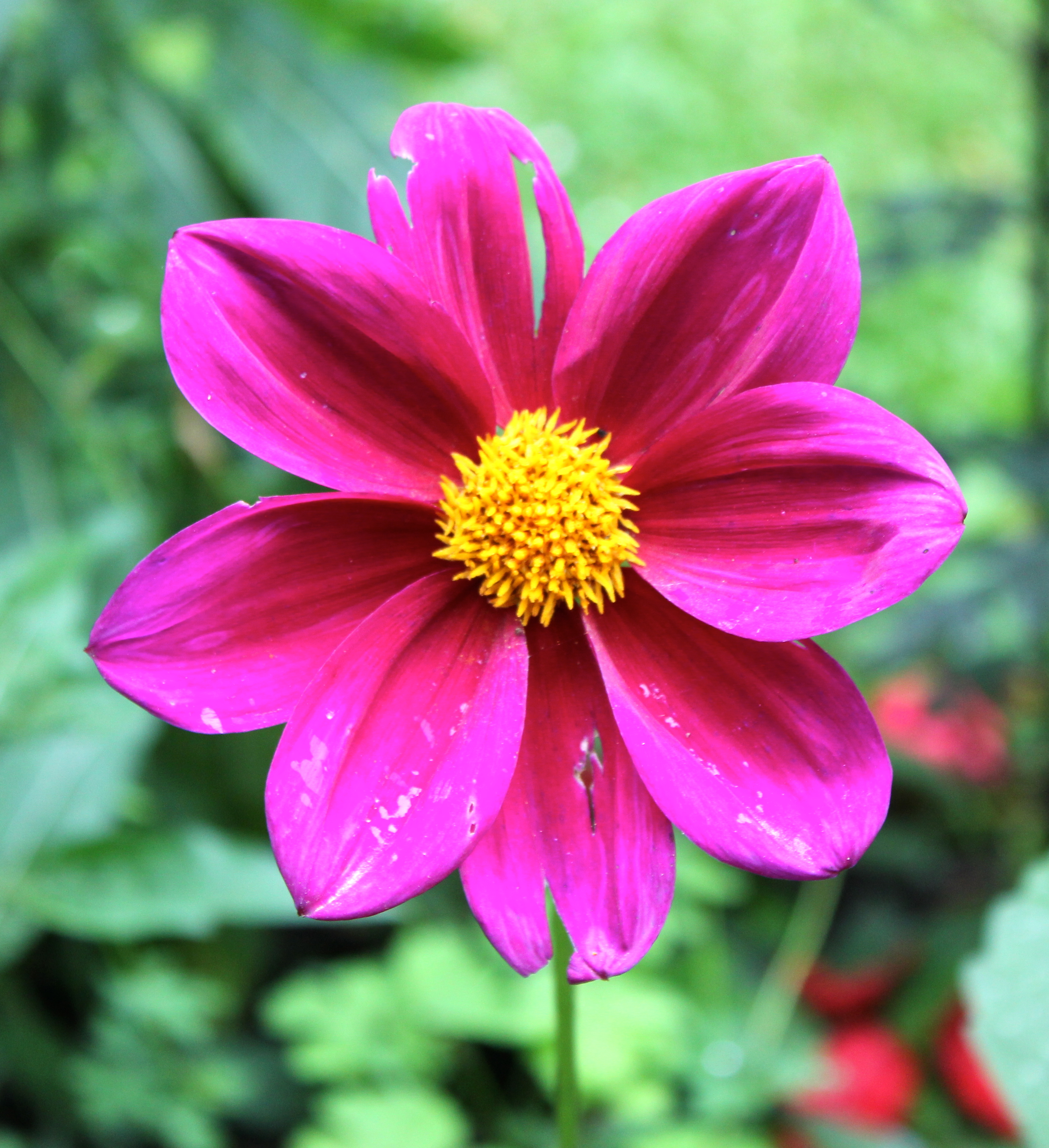
giverny-flower-pink.jpg

The odds are forever in your favor. You have at least a 4 out of 5 chance of finding some degree of love when pulling petals from a daisy en France.

source: satinandlace.blogspot.frl

source: satinandlace.blogspot.frl


Vocabulaire

effeuiller la marguerite: to play “he loves me, he loves me not”; literally, “to pick the petals off the daisy”

en français: in French

je crois que c’est mieuxI believe it is better to…

No. 143: French Terms of Endearment

This one goes out to mon chéri, mon cœur, mon trognon.

Happy Valentine’s Day, Superman.

What’s your favorite term of endearment?


mon amour: my love, mon ange: my angel, mon bébé: my baby

ma belle my beautiful

ma biche: my doe, fawn, ma bichette: my little doe, mon bijou: my jewel

ma caille: my quail, mon canard: my duck

mon chaton; my kitten, ma chatte: my cat, mon cher / ma chère: my dear

mon chéri / ma chérie: my dearie

mon chou: my cream puff (my cabbage), mon petit cochon: my little pig

mon coco: my coco(nut) / rooster, ma cocotte: my hen

mon cœur: my heart, ma douce: my sweet / sweetie

mon doudou: blankie, soft one

mon grand / ma grande: my big guy / girl

mon lapin: my rabbit, ma loutre: my otter, mon loup: my wolf

ma mie: my dear/love (from mon amie, also the soft part of bread)

ma miel: my honey

mon mignon: my cutie, mon minet / mimi / ma minette: my pussycat

ma moitié: my half

mon nounours: my teddybear

mon petit / ma petite: my little guy / girl, ma poule: my hen

mon poulet / ma poulette: my chicken

ma poupée: my doll, mon poussin: my chick

mon précieux, ma précieuse: my precious, ma puce: my flea

mon sucre d’orge: my barley sugar / candy cane

mon trésor: my treasure, mon trognon:  my (apple) core
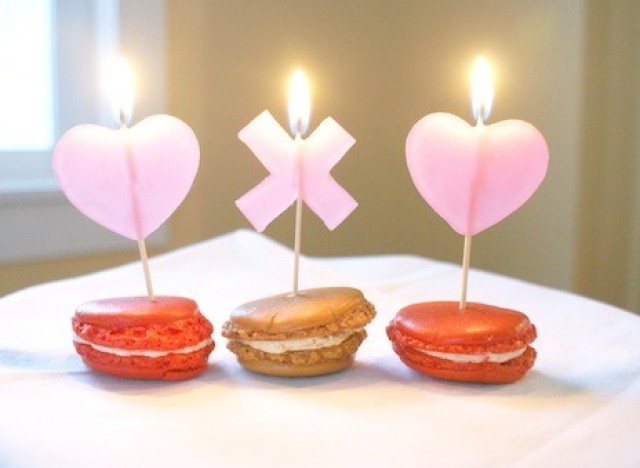
source: Huffington Post

source: Huffington Post

…and some equally amusing terms of endearment en anglais:

Angel, Angel Face, Boo, Baby, Baby Cakes, Babe, Bean, Bug, Bunny, Button

Chicken, Cookie Ears, Crab Cake, Cupcake, Cutie Pie, Dumpling, Darling, Goose

Hookie Poo, Honey, Honey Pie, Honey Bunny, Little Bucket

Little One, Love, Lovey, Love Bug

Mate, Muffin, Noodle, Pumpkin, Pookie, Pumpkin Pie, Peanut, Potato, Pine nut

Sassafras, Sass, Spicy Pepper, Soul Mate, Sweetheart, Sweetness

Sweet Thing, Sweet Pea

Sweetie-pie, Sweets, Sweet Cheeks, Sugar, Sugar Bug, Sugar Plum

Tootsie Pants, Toots, Widget

…and my all-time favorite: Cheese Weasel

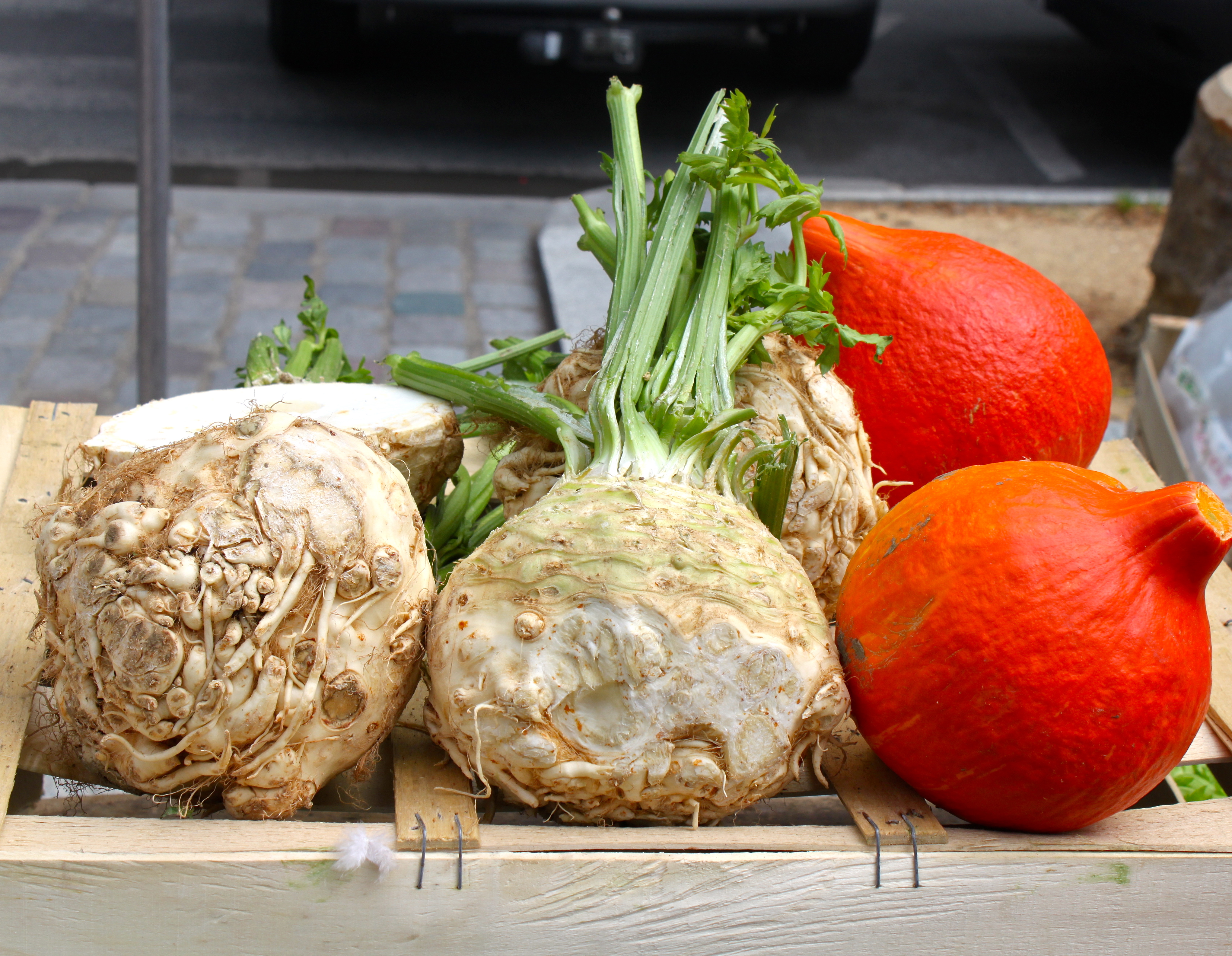
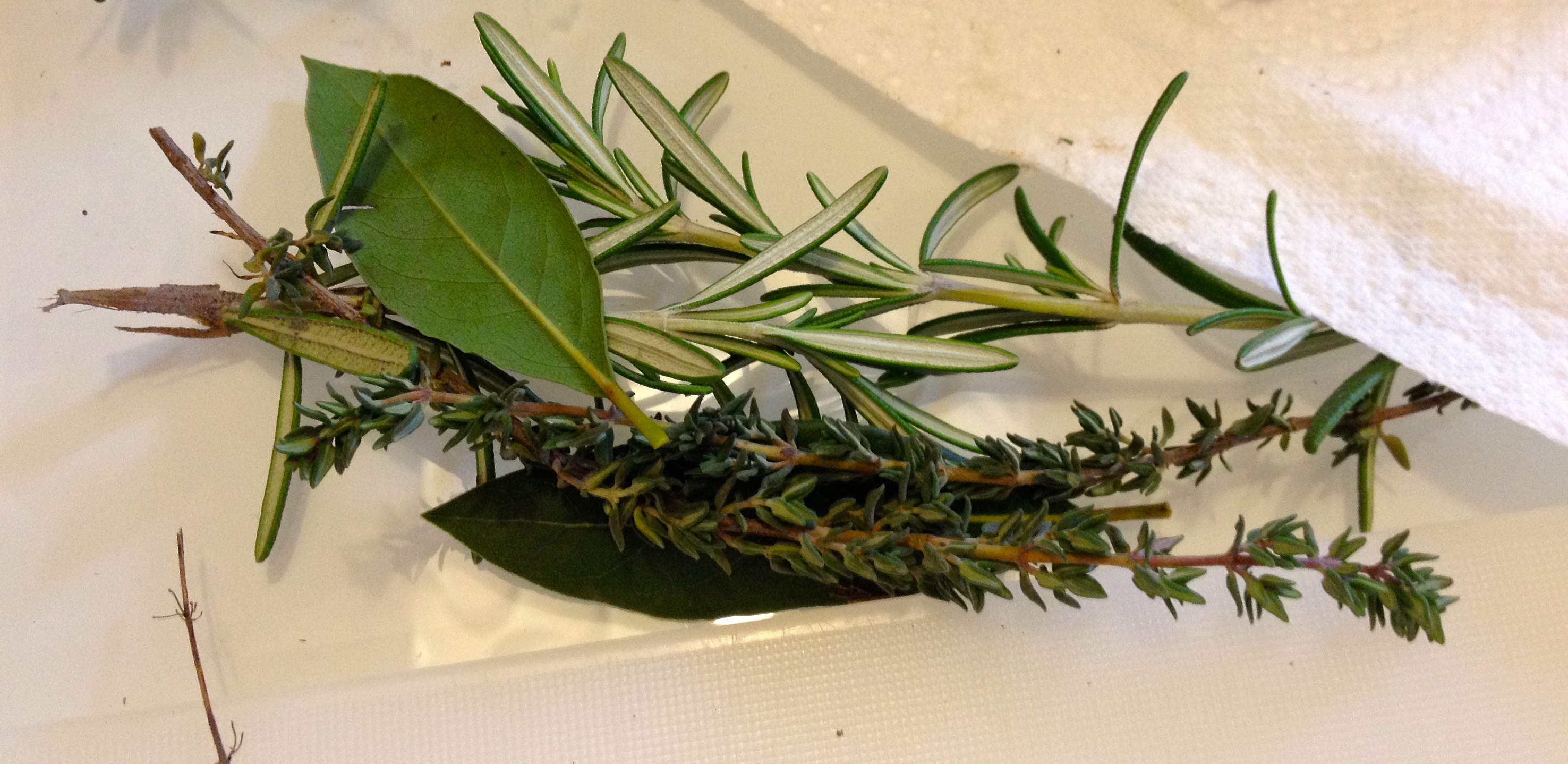
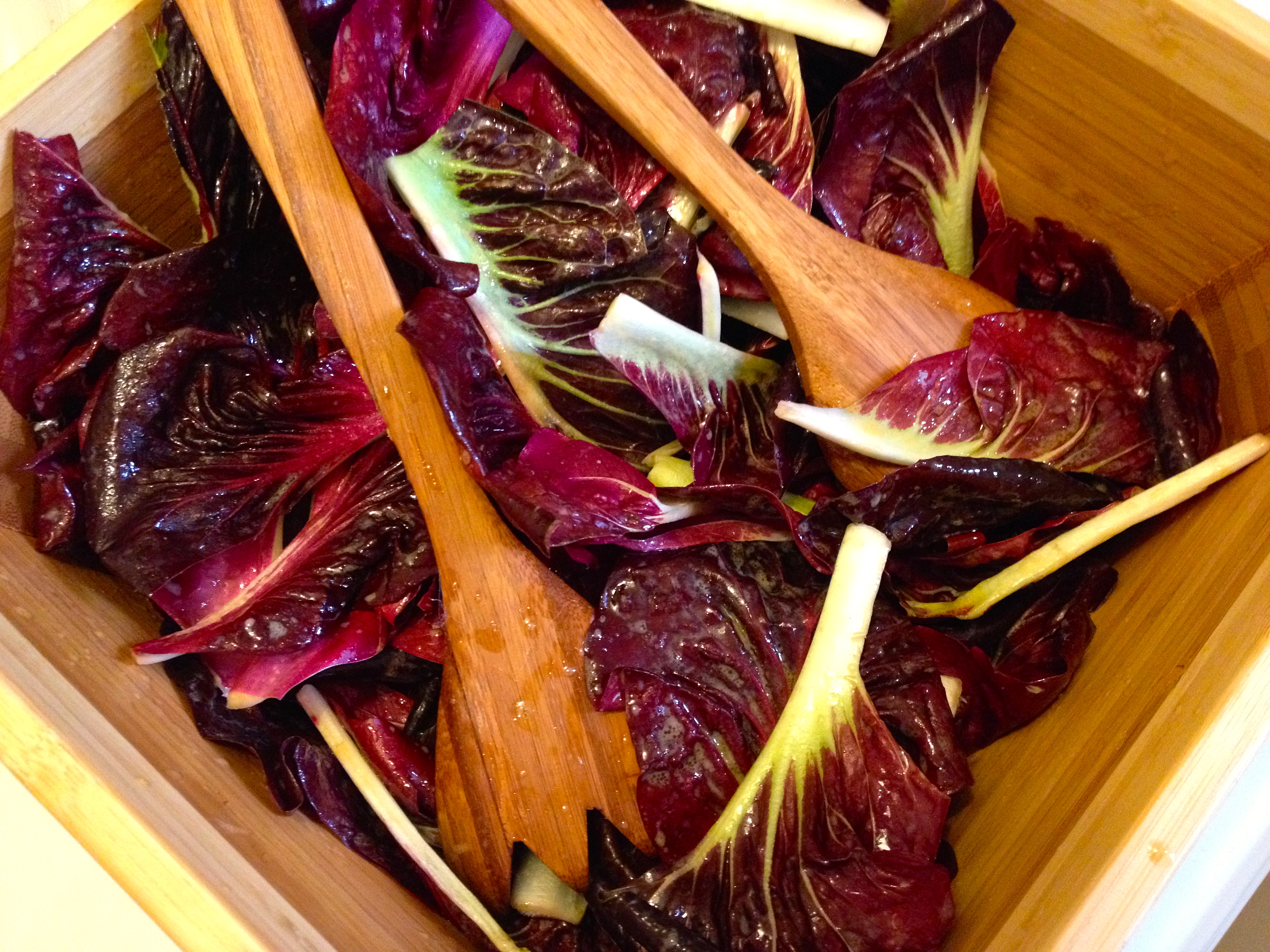
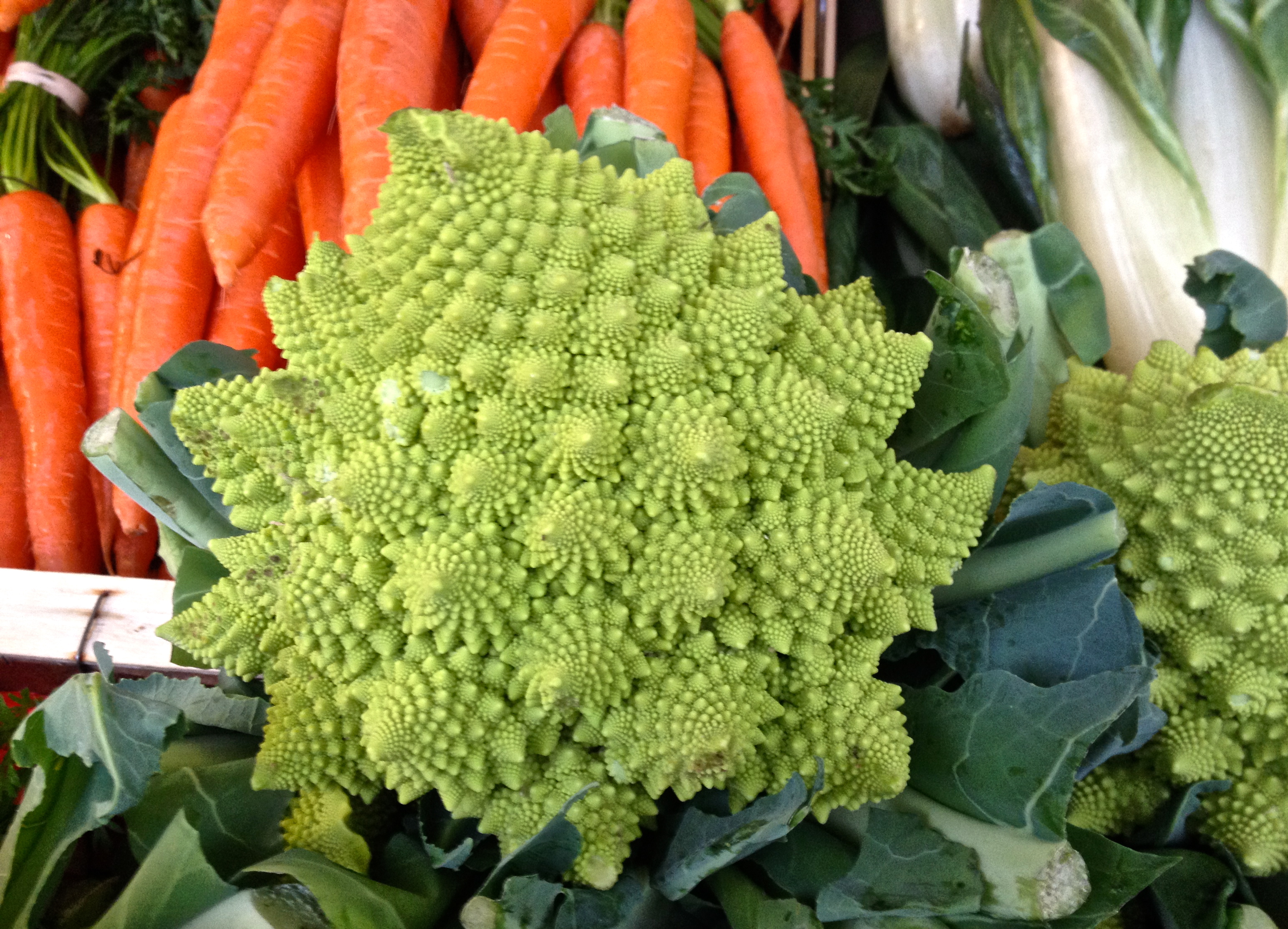
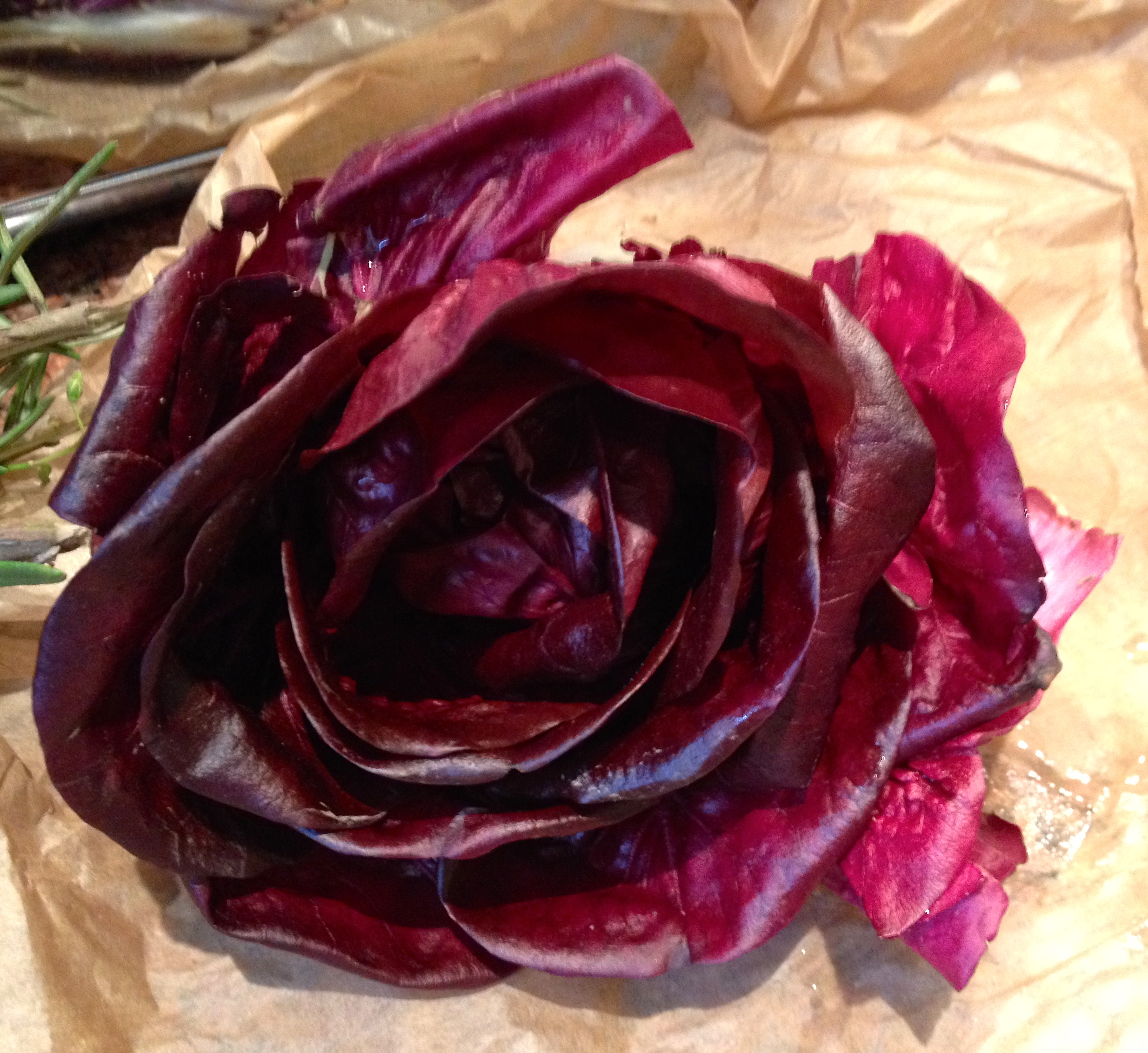
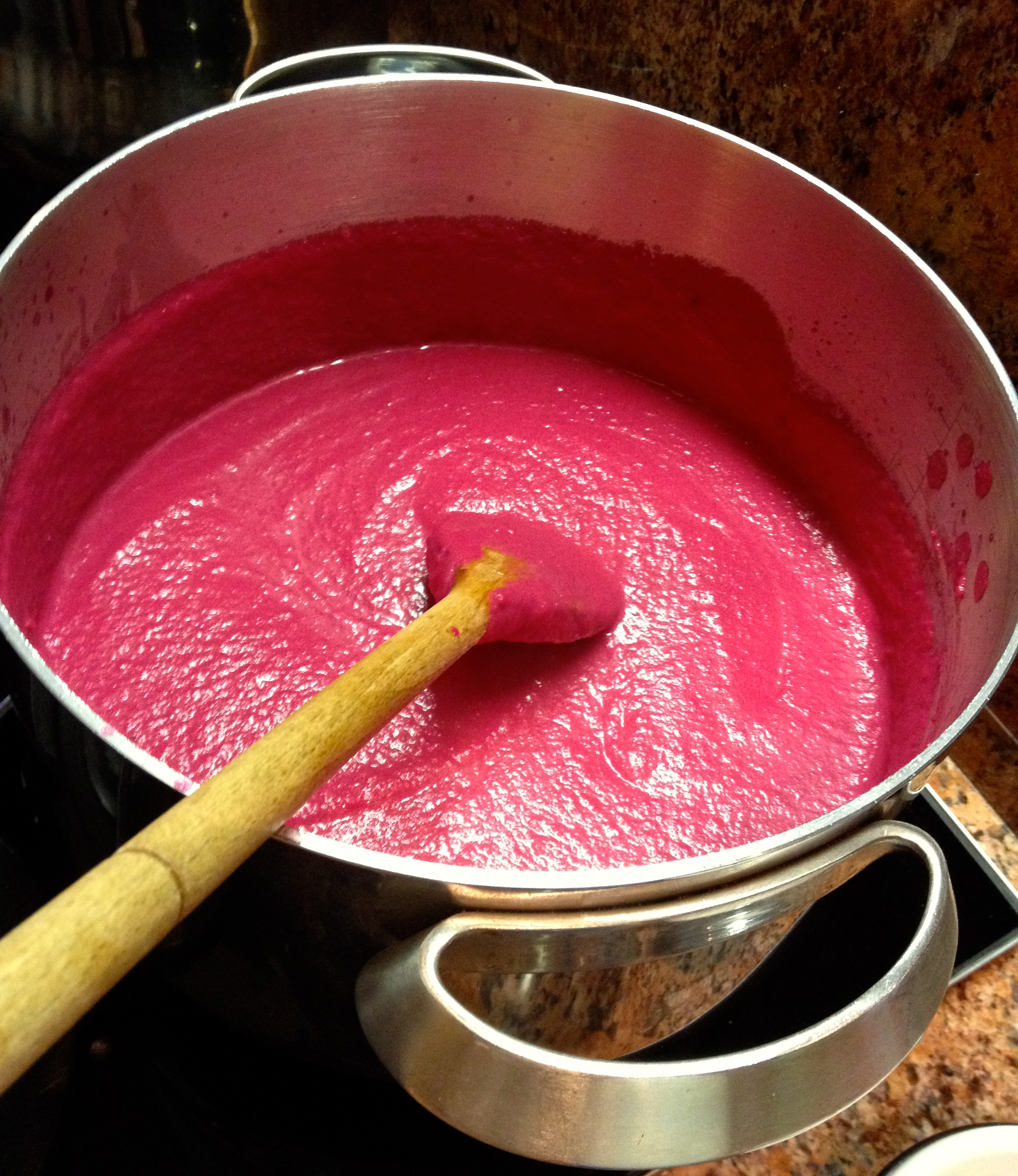
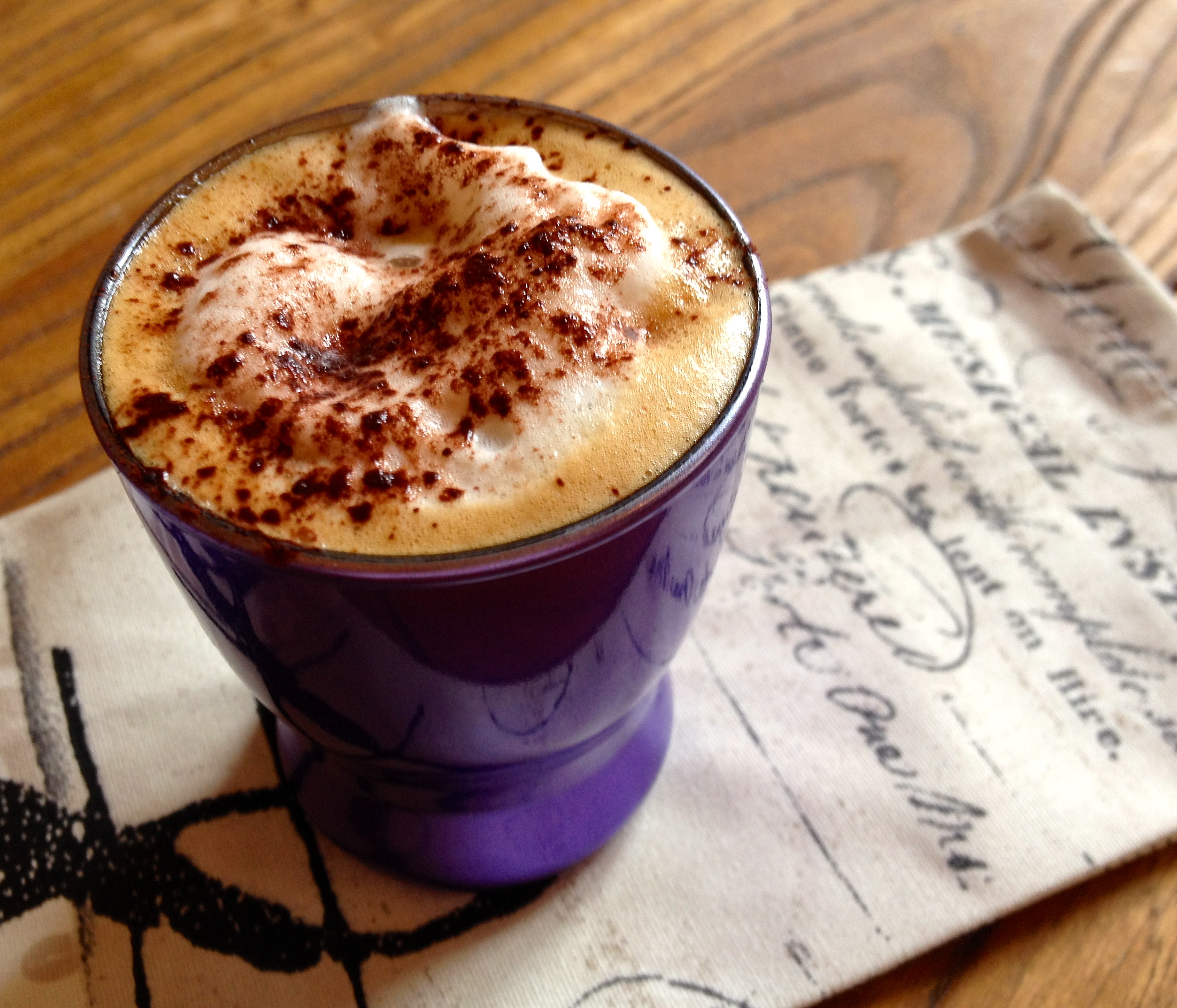
No.142: The Delicious Colors of Winter

celeryroot-paris-benioff.jpg

herbs-paris-benioff.jpg

winter-salad-paris-market.jpg

broccoli-paris-market.jpg

red-lettuce-paris-market.jpg

beetroot-soup.jpg

café-noisette-paris.jpg

Moi, j’adore!

Vocabulaire

Moi, j’adore! Me, I love (it)!

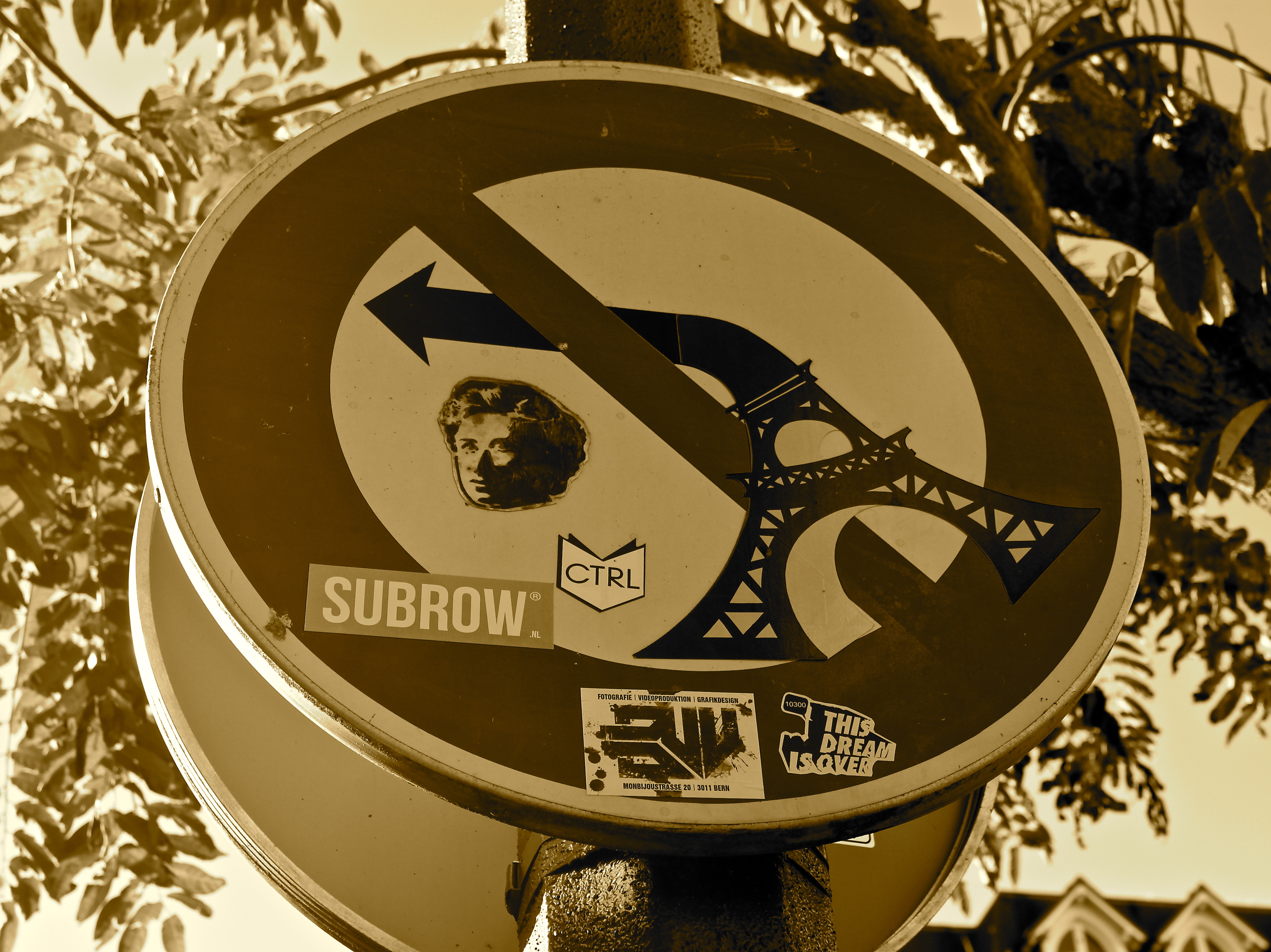
No. 141: Où est la Tour Eiffel?

Some rascal with a clever sense of humor has been altering the street signs around Paris and is mischievously guiding the way to my tragic street lamp.

Eiffel-tower.jpg

eiffel-tower-sepia.jpg

Eiffel-Tower5.jpg

Vocabulaire

Où est la Tour Eiffel? Where is the Eiffel Tower?

No. 140: La Dernière Démarque

Today is the last day of the winter sales in France. Over the last 6 weeks, boutiques, department stores, shoe and bag shops, and even hardware stores have been clearing out items from the previous season, gradually slashing prices as the weeks tick by. Paris has been plastered with colorful soldes signs and we have been in the thick of deep markdowns for the last two weeks. This is the stage of the sales called the dernière démarque, or the final markdown (as opposed to the nouvelle démarque or the deuxième démarque) of the biannual government-sanctioned sale.
sometimes the nouvelle démarque is just as good as the dernière démarque

sometimes the nouvelle démarque is just as good as the dernière démarque

The dernière démarque is usually as much as 75 percent off the original price, but one year I bought a coat on the last day for ten percent of the original cost. Sometimes good things truly do come to those who wait.

However, this year, I haven’t really had the heart, money or patience to hit the sales. I did come across some deeply discounted sweaters and a few basics on my way to the cinema the other day. I couldn’t resist them. Picking them up for a mere 33€ in total.
Coming from a culture of “Sales! Sales! Sales!”—where you can find some sort of massive discount on something nearly 24/7—moving to a country with sales only twice a year was a bit of a shockeroo to the system. But I have to say, I have really come to appreciate and love this aspect of France. I find that biannual sales force you to buy less and buy better. I used to wonder how so many Parisians succeed in looking so flawless every day. Now I know. They wait, they scheme, and they work the soldes to their advantage. Their closets are less full, but full of great pieces.

It’s certainly something to aim for, and something to consciously save for, and of course, something to find the will to cultivate the patience for: la dernière démarque.

Vocabulaire

dernière démarque: final markdown

deuxième démarque: second markdown 

nouvelle démarque: the new, and first markdown of a sale

soldes: sales


No. 139: All Things French in English

Before moving to France I took for granted all the things we call “French” in English. Since I’ve lived here, I’ve become curious to find out exactly what those things are.

I mean French bread—loosely refers to a baguette, although much larger and wider in most grocery stores in America. A French braid, I’m very familiar with, as my girls have spent hours plaiting each other’s hair. We all know what a French kiss is, and as teenagers became familiar with “Frenching”, the verb. But what exactly are French lentils or French vanilla? What does French blue mean? And why do we refer to a disgusting mayo, ketchup and sweet relish dressing as “French”, when I’ve never, ever seen it in France?

Donc, whenever I have a long bus ride, or am bored, I’ve been looking up these curious items to figure out what is what. This is what I’ve come up with so far. Some are more obvious than other. As I’m on a diet, today’s post focuses on food, of course…corrections welcome, svp.

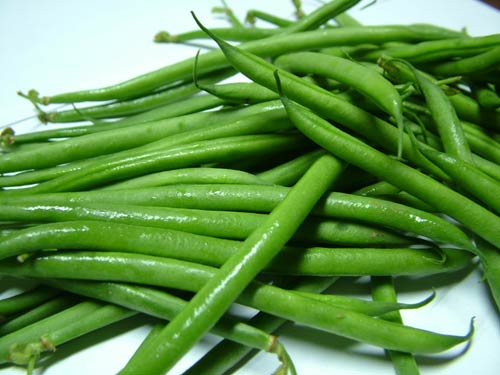
French-beans-Paris

  • French beanle haricot vert—a long thin green bean that is eaten whole.
  • French endiveas far as I can tell, is just endive. I think some of us call it chicory.
  • French fryla (pomme de terre) fritefried potato sticks, originating in Belgium, thank you very much.
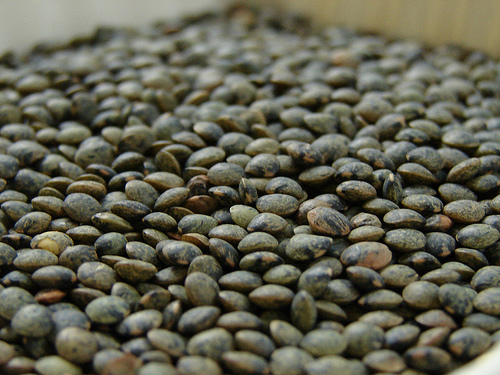
  • French lentilsles lentilles du Puy—lentils from the French town of Puy. Delicate, earthy, and peppery they hold their shape well, take a little longer to cook, but are perfect for salads.french-lentils-Paris
  • French dip sandwich—beef sandwich dipped into beef juice (au jus)—has anyone ever had one of these in France?
  • French dressingla vinaigrette – I think this is what the French would call French dressing; in the UK “French dressing” is usually vinaigrette, none of that nasty tomato-relish-mayo stuff.
  • French rollun petit pain –I think this is just a generic term for a small single serving roll; also refers to an updo.
  • French roast coffee—named because of the roasting style in France; a double roasted coffee; intense and smoky.
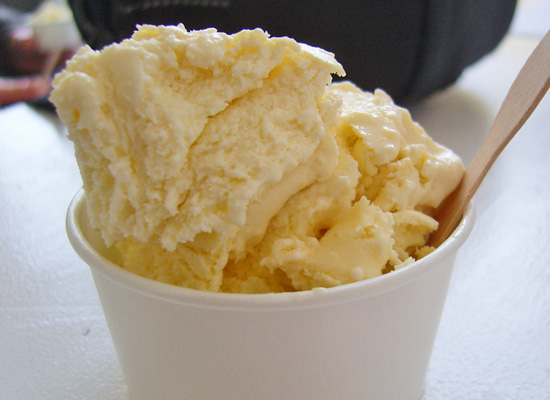
  • French vanilla ice creammade using an egg custard base and having a caramelized and slightly floral taste; also more yellow in color than regular vanilla ice cream.

 french-vanilla-ice-cream

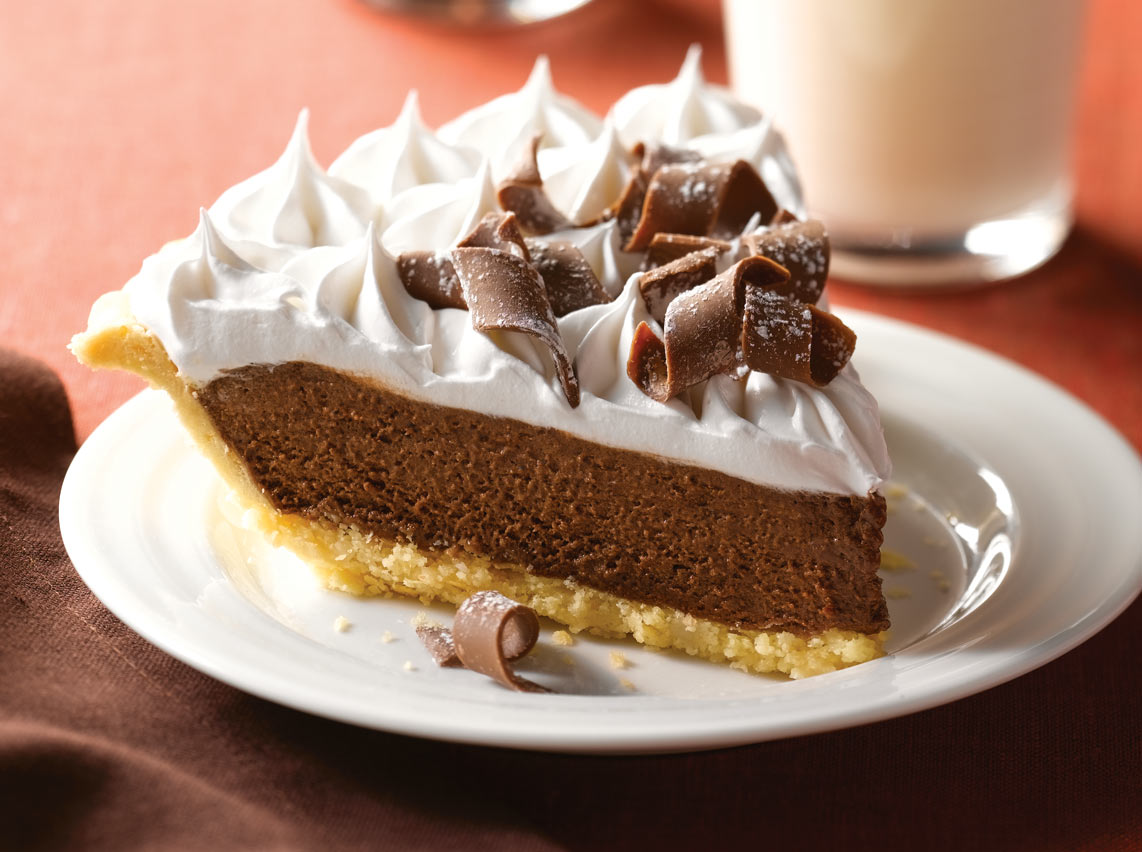
  • French silk piea pie with a chocolate mousse or pudding filling and whipped cream topping; it appears to have originated in the American south. I have never seen it in France.

 frenchsilk-pie

  • French toastle pain perdu—literally “lost bread”; it did not originate in France and soon will be a subject of another post.

Whew.

Now if you’ll excuse me, I need to open my French door to use my French press after taking out my French twist before I have a lie down in my French bed under my French roof…

…to be continued…

No. 138: Brioche: Let them Eat Cake

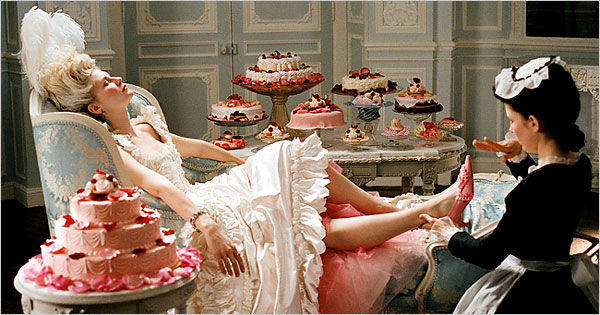
Qu’ils mangent de la brioche,” or the most common English translation: “Let them eat cake,” was supposedly uttered by Marie Antoinette, wife to King Louis XVI, the last, and possibly most extravagant queen of France. The story goes that upon hearing that her people were enduring difficult times and ongoing bread shortages, she proclaimed, “Then let them eat brioche.”

qu'ils mangent de la brioche...let them eat brioche…

qu’ils mangent de la brioche…let them eat brioche…

As brioche is made from sweeter dough enhanced with butter, eggs, and sugar (limited and luxurious ingredients at the time), brioche was even more out of the reach of the peasants than bread. This declaration was said to reflect the Queen’s obliviousness to the shocking condition of her people, and in the end contributed to her losing her head by guillotine.

source: Kirsten Dunst in “Marie Antoinette,” directed by Sofia Coppola, NYT

source: Kirsten Dunst in “Marie Antoinette,” directed by Sofia Coppola, NYT

Well it turns out there is no evidence that the Queen ever uttered these words et en fait this anecdote was never cited by opponents of the monarchy at the time of the French Revolution. Jean-Jacques Rousseau, political philosopher and composer, more likely wrote it when Marie Antoinette was a young child living in Austria. But even before Rousseau’s writings, it was attributed to Queen Marie-Thérèse the wife of Louis XIV, a hundred years earlier. And way before that, Chinese scholars claim that the phrase originated with an ancient Chinese emperor who, altogether unsympathetic to the fact that his subjects had no rice to eat, said, “Why don’t they eat meat?

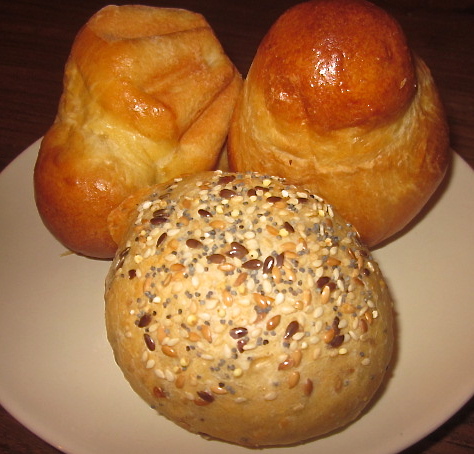
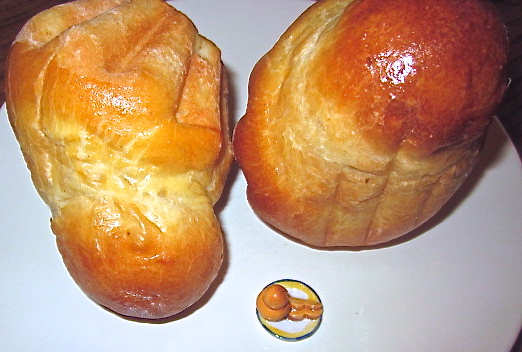
Regardless of who did or didn’t say this, or who, unfortunately, lost their head and who didn’t, I have recently been introduced to this slightly sweet, funny-shaped, golden, eggy morning staple, and I can confirm that when I have a choice, I would rather eat brioche than bread, at least for breakfast. And these days, une petite brioche et un petit pain à Paris are each 1€ apiece, so on rare occasions, I let myself eat both.

petite brioche et petit pain

petite brioche et petit pain

Click here for a yummy airy brioche recipe from Fine Cooking. Best served with strawberry jam, lemon curd, or caramel à la fleur de sel.


Vocabulaire 

caramel à la fleur de sel: salted caramel

et en fait : and in fact

Qu’ils mangent de la brioche. Let them eat brioche.

une petite brioche et un petit pain à Paris… a small brioche or small roll in Paris…