Skip to content

Posts from the ‘France’ Category

No. 150: Métro, Boulot, DoDo

I love my new French phrase: métro, boulot, dodo.

I’ll be using it a lot when winter break is over, and we’re back to keeping our noses to the grindstone.

Métro:

Boulot:

…back to work for Taz in Paris...

…back to work for Taz in Paris…

DoDo:

sleeping-camping.jpg

La routine: commute, work and sleep; the rat race

No. 149: Chocolate Covered Candy Bacon: Ce n’est pas possible!

I came across this the other day in Boston...

I came across this the other day in Boston…

Here’s a dessert to desert. It ranks right up there with the deep-fried Twinkie Burger. Jeezel! Only in America, non?

deep-fried-Twinkie-burger. jpg

I’d rather have my sweet “bacon” the way the French do it: marzipan and chocolate…

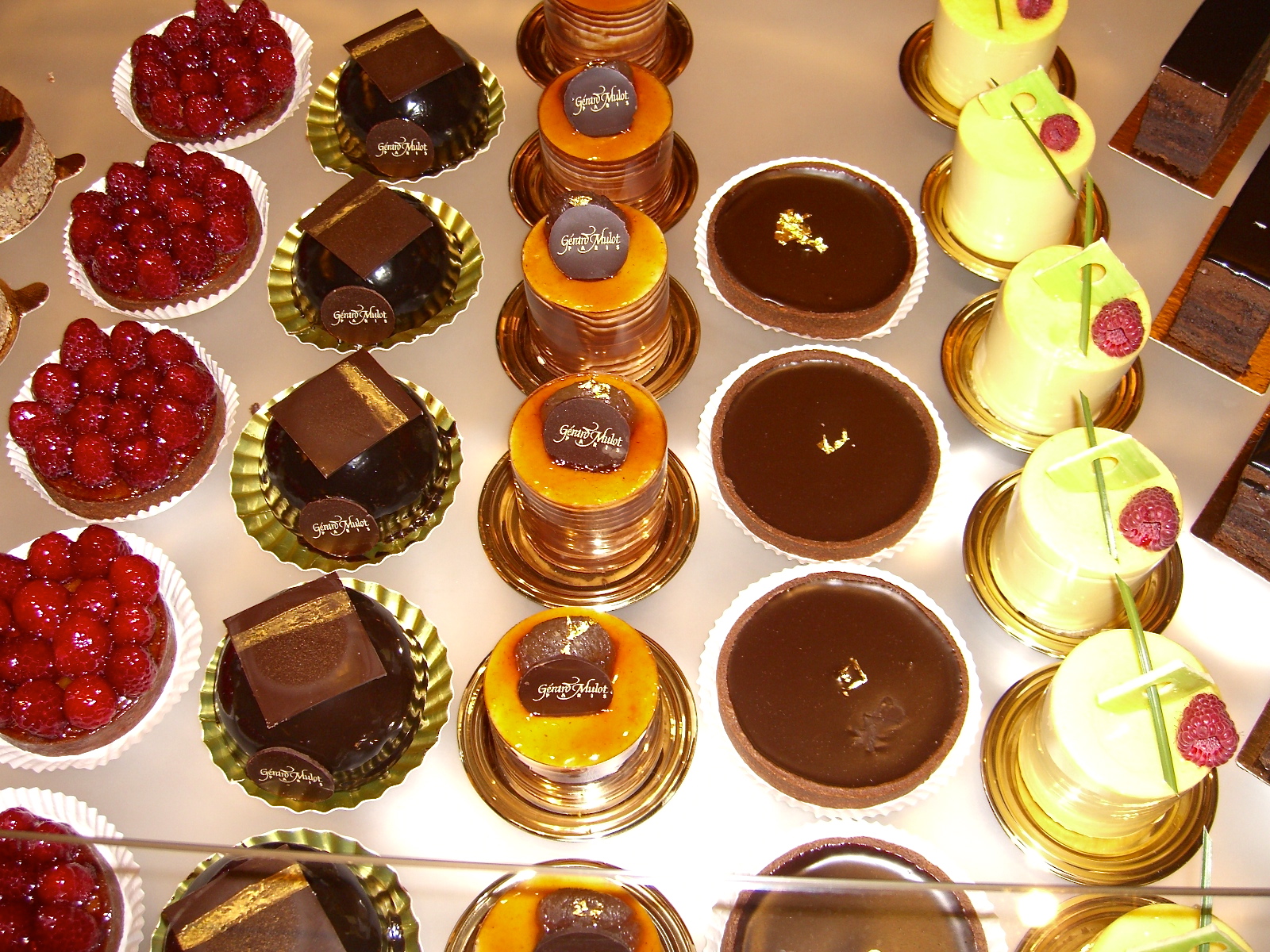
or, just give me any old French pâtisserie, s’il vous plaît.

french-pastry.jpg

French-pastry2.jpg

No. 145-146: Monsieur Parmentier and One French Woman’s Secret

When the modest pomme de terre arrived in Europe via the Andes Mountains in the 1500s, much like corn in modern day France, they were used only to feed hogs. They were also thought to cause leprosy.

However, in 1772, Monsieur Parmentier, a chemist by training, seeing the benefits of nourishing the famished masses with this compact carbohydrate, came up with a peculiar plot to trick the French into eating this humble tuber.

His plan? To plant a field of potatoes in the outskirts of Paris. His trick? To have arm guards watch over the crops in the daylight, and leave them unprotected when the sun went down. Convinced that the crop in the mysterious field must be valuable, the curious Parisians began to steal the potatoes under the cover of darkness and realized they were pretty darn good for dinner (and lunch and breakfast, I assume).

These days, I can’t imagine French cooking without potatoes. So many French dishes feature or are complimented by these earth apples, and parmentier, pronounced par-maan-tyé, is now used as an adjective to refer to mashed or boiled potatoes in some recipes.

I first became interested in Monsieur Parmentier when my friend Hélène served a delicious Parmentier de Confit de Canard at one of her winetasting. After several months of bugging her for the recipe, she invited a few of us over for a quick cooking lesson from a busy French woman’s kitchen.

This is when I discovered that French women are full of all sorts of secrets and shortcuts that make them seem super human in the kitchen when, in fact, they are mere mortals. In less than 2 hours we had prepared, cooked and eaten a perfect and delicious Parmentier de Confit de Canard accompanied by a fresh green salad and a lovely bottle of wine.

So what is the secret? A couple of hints:  you won’t find the answer at the butcher’s, but you will find it at your local super marché; no need to head to the milkman’s—no butter, milk or crème fraîche required.

Now keep this on the low down, but the answer comes in a tin.

Only in France can you find a large can of duck legs perfectly preserved in their fat. Add one of Monsieur Parmentier jewels per person, and some garlic powder, and voilà! Parmentier de Confit de Canard Express.

Vocabulaire

Parmentier de Confit de Canard: a dish similar to shepherd’s pie, consisting of a layer of shredded roasted duck legs topped with a layer of mashed potatoes baked briefly at a high temperature to form a golden brown crust on top.

pomme de terre: potatoes; literally earth apples

super marché: supermarket

No. 144: Effeuiller la Marguerite-He Loves Me, He Loves Me Not

giverny

giverny

Il m’aime un peu—beaucoup—passionément—à la folie—pas du tout…

He loves me a little—very much—passionately—madly—not at all

source: profdefrances.blogspot.com

source: profdefrances.blogspot.com

Je crois que c’est mieux to play the game of love, effeuiller la marguerite, in France than in America.

giverny-flower-pink.jpg

The odds are forever in your favor. You have at least a 4 out of 5 chance of finding some degree of love when pulling petals from a daisy en France.

source: satinandlace.blogspot.frl

source: satinandlace.blogspot.frl


Vocabulaire

effeuiller la marguerite: to play “he loves me, he loves me not”; literally, “to pick the petals off the daisy”

en français: in French

je crois que c’est mieuxI believe it is better to…

No.142: The Delicious Colors of Winter

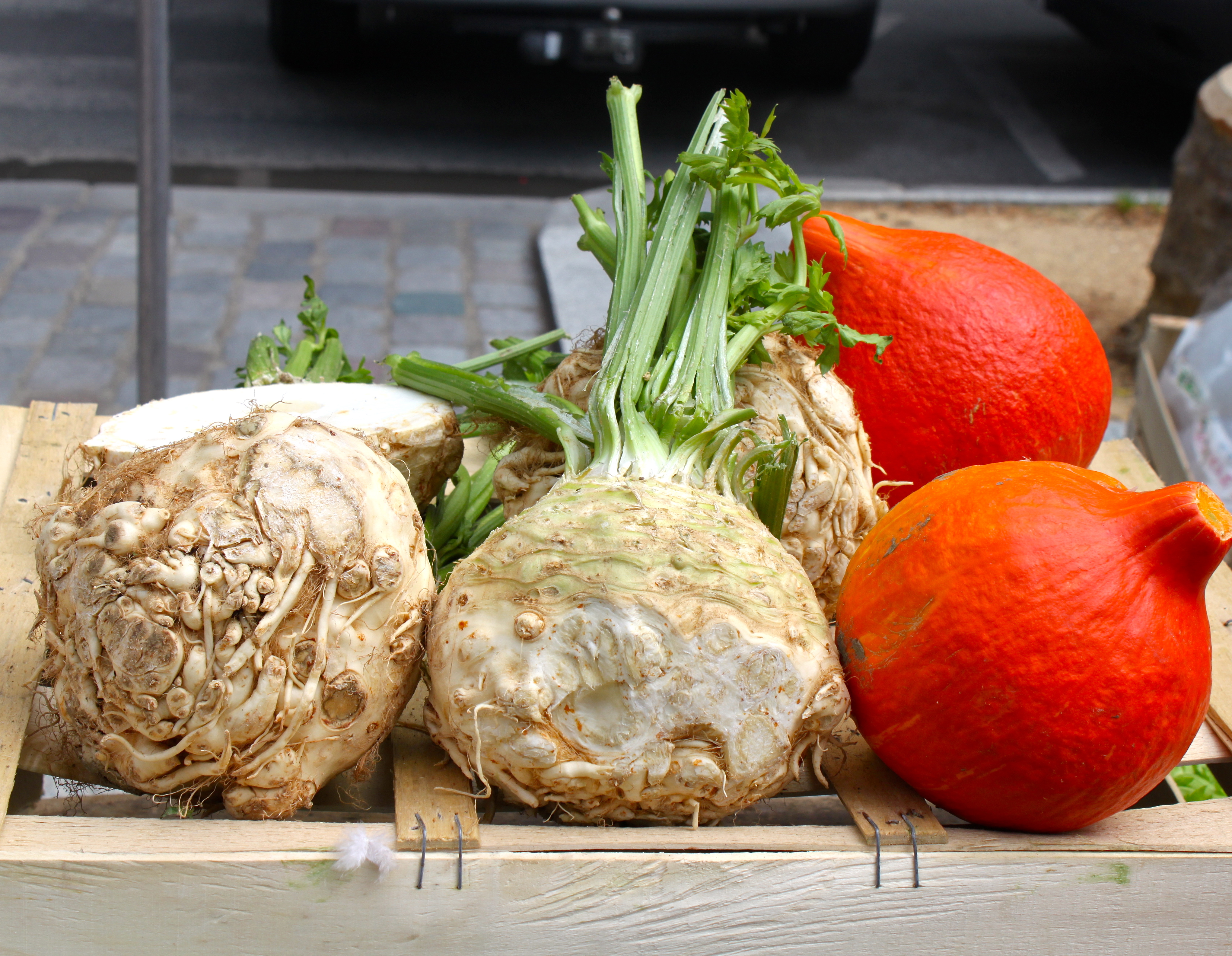
celeryroot-paris-benioff.jpg

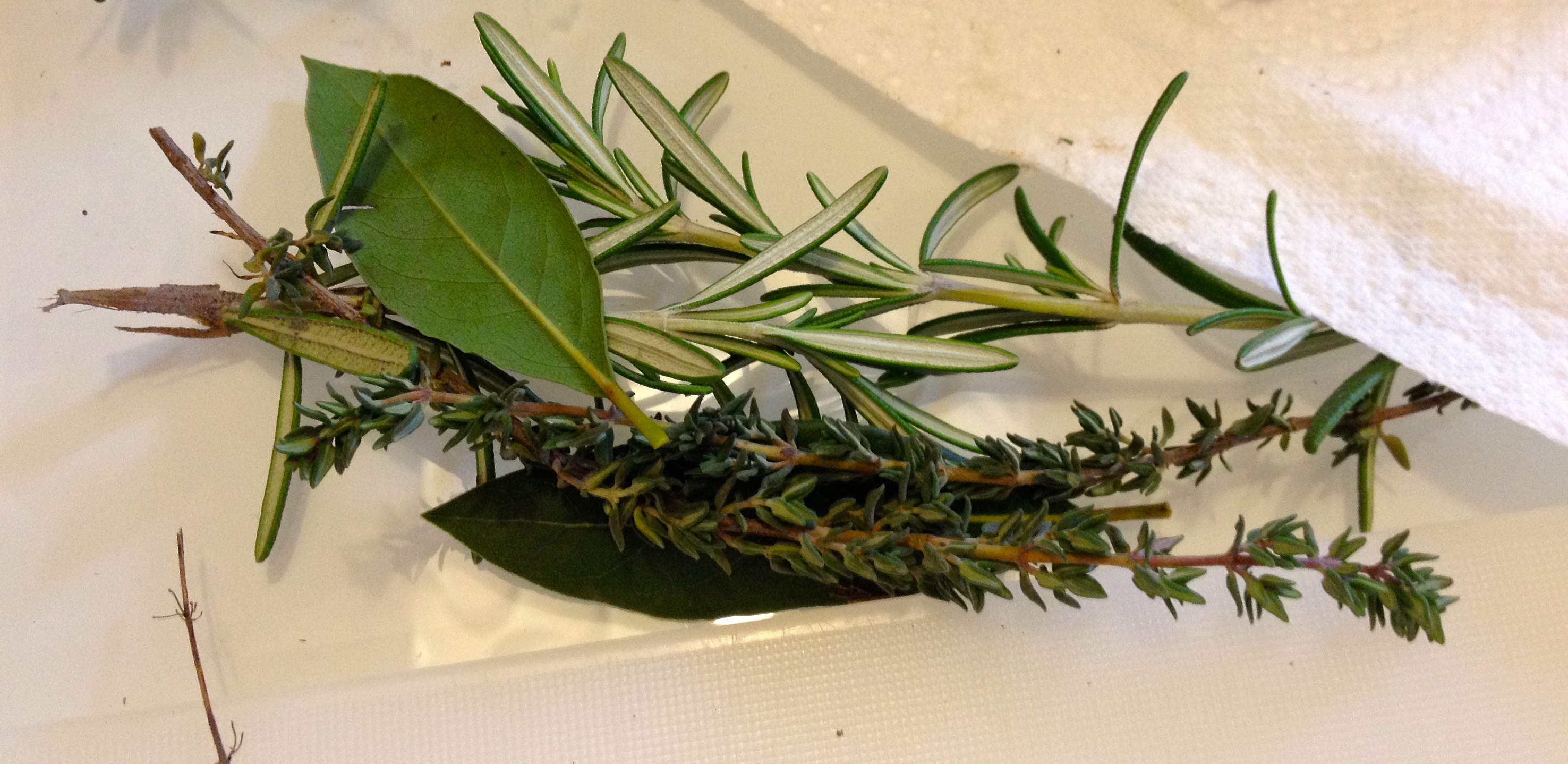
herbs-paris-benioff.jpg

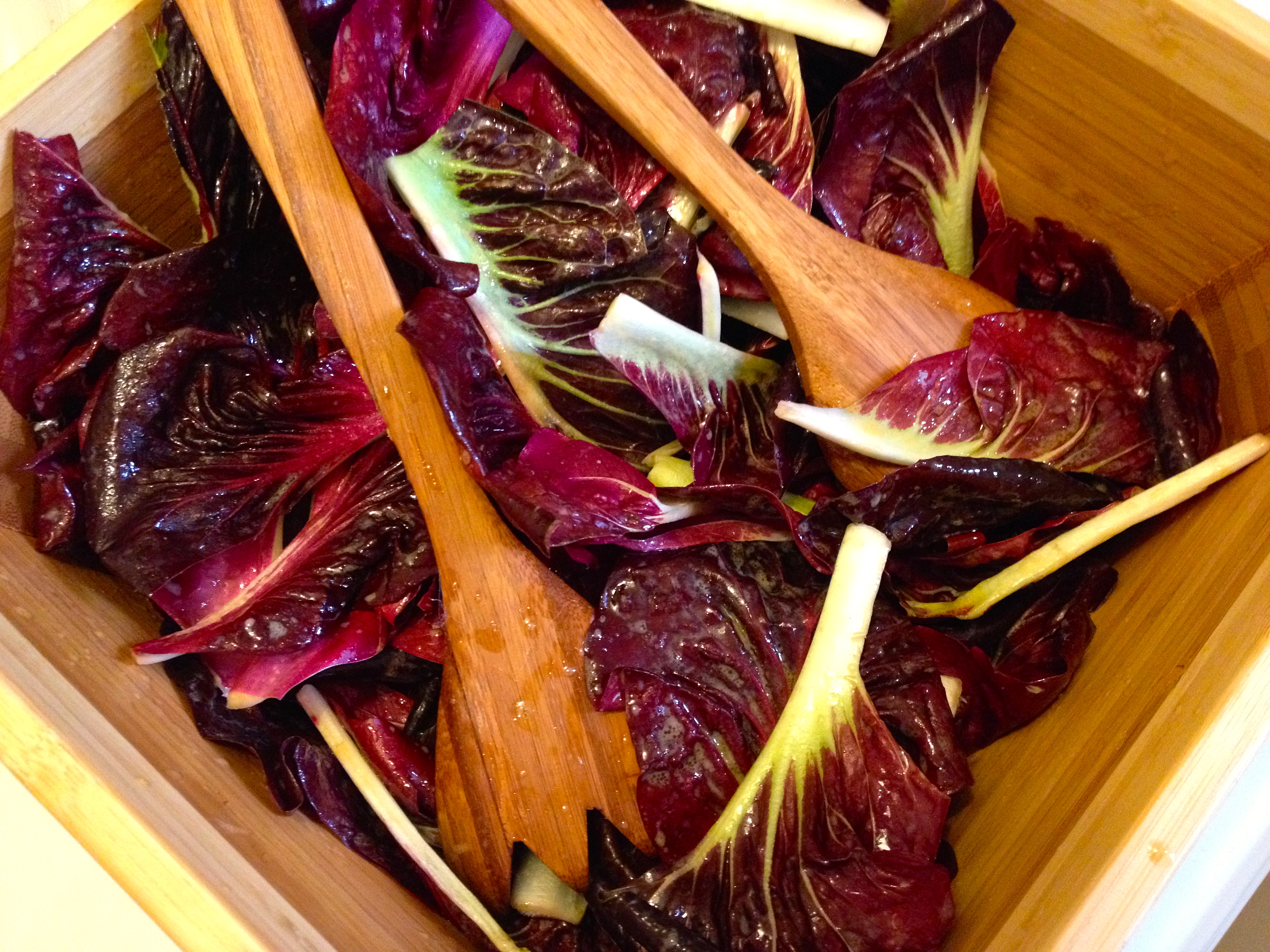
winter-salad-paris-market.jpg

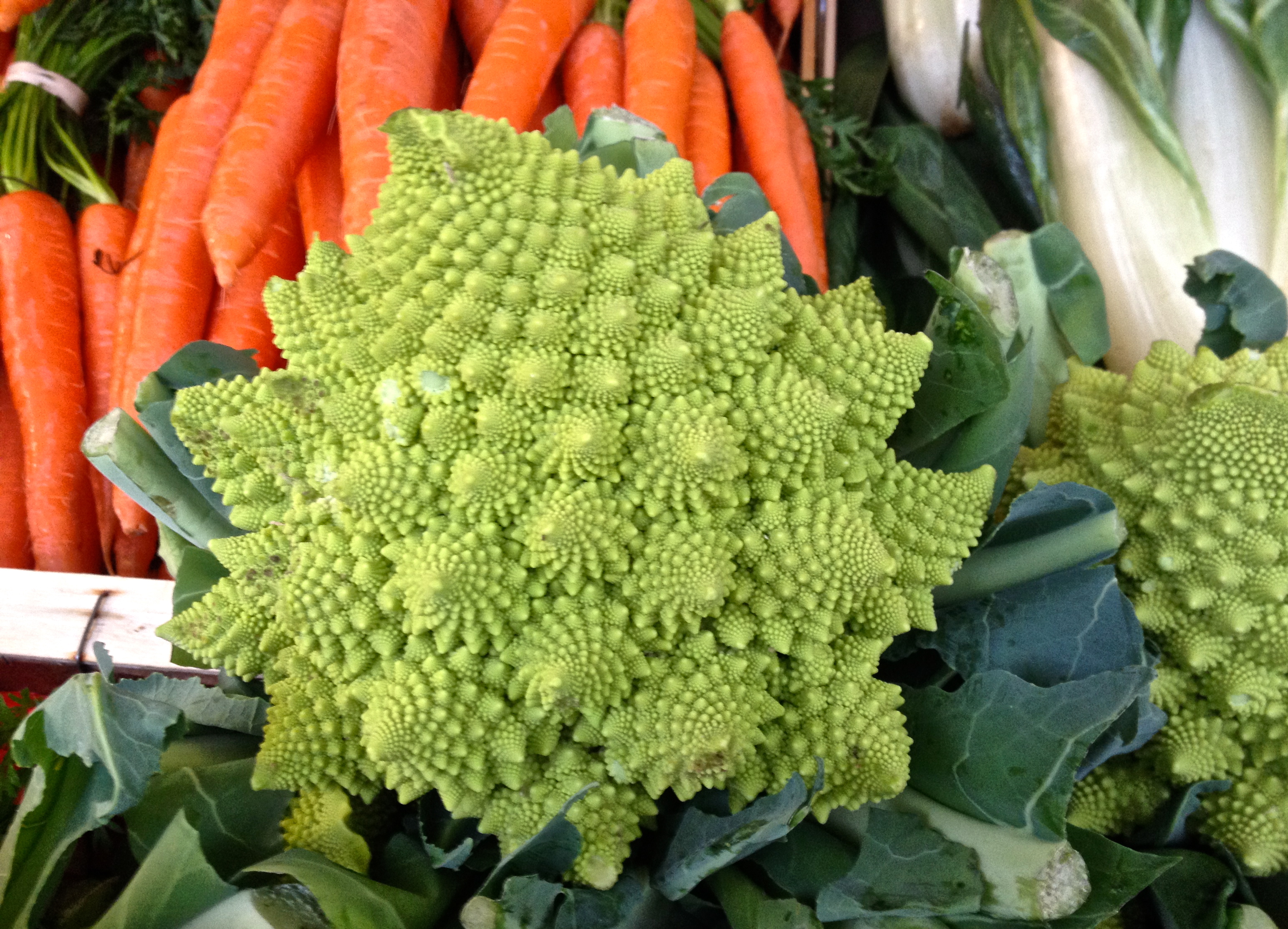
broccoli-paris-market.jpg

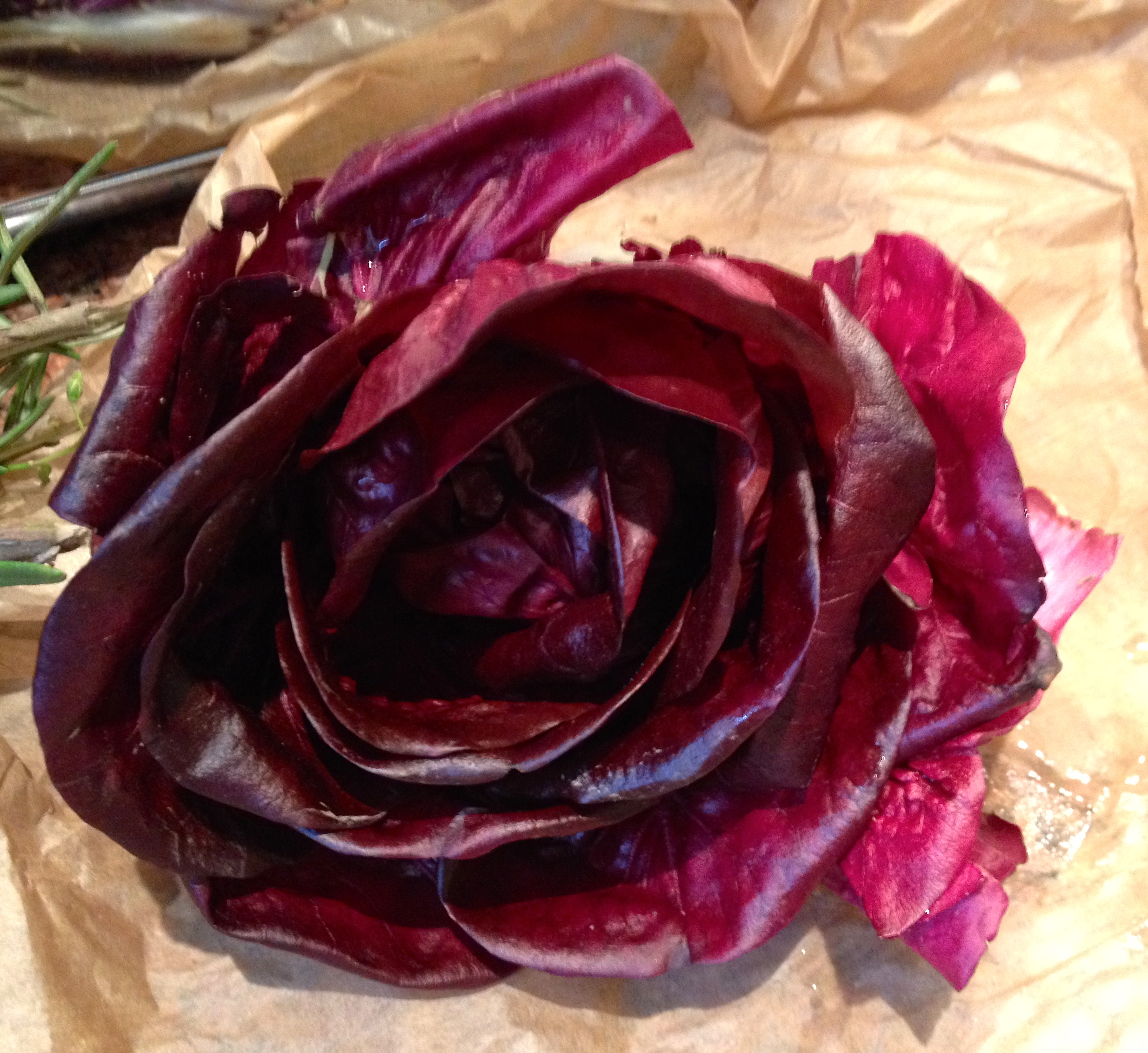
red-lettuce-paris-market.jpg

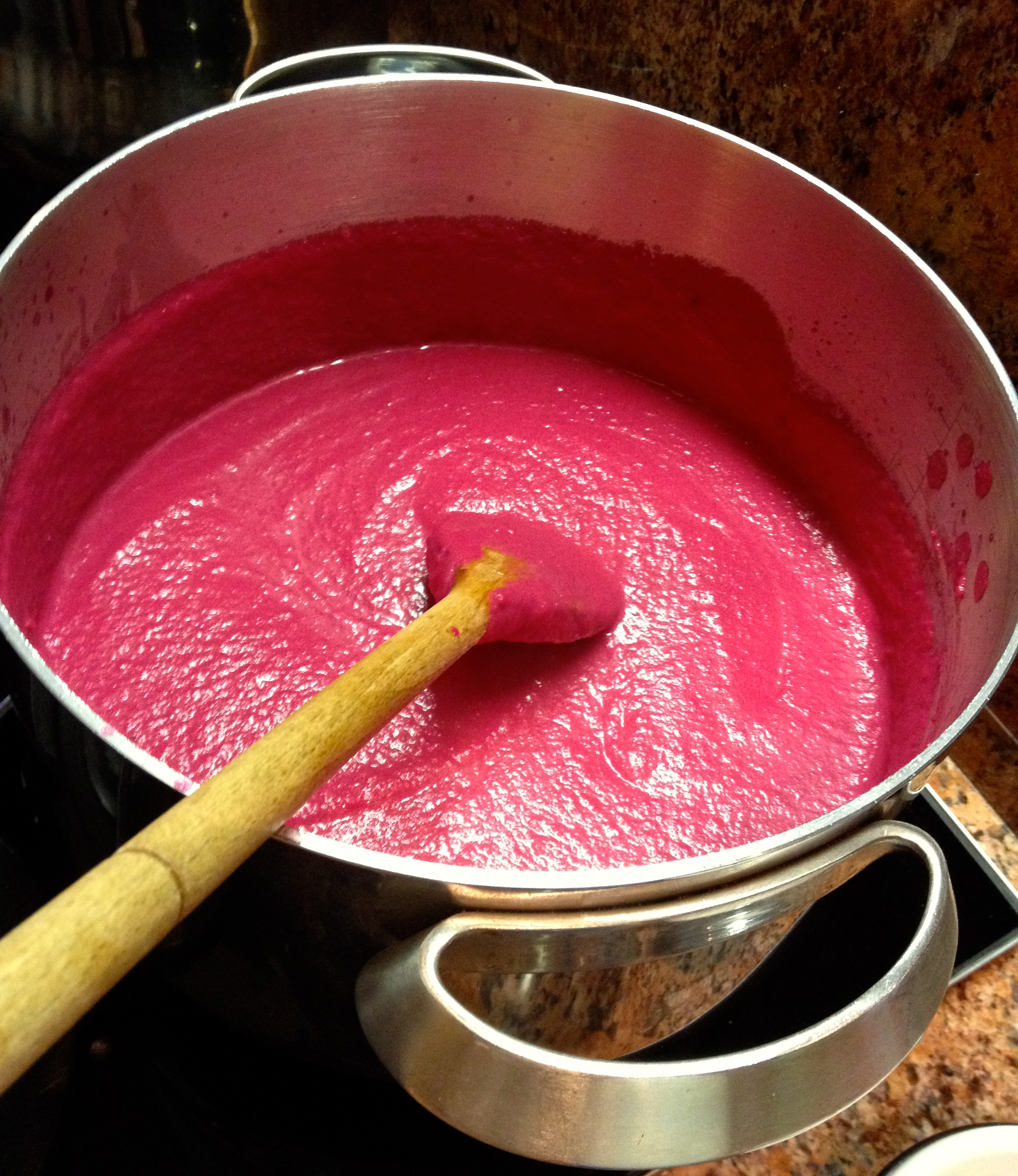
beetroot-soup.jpg

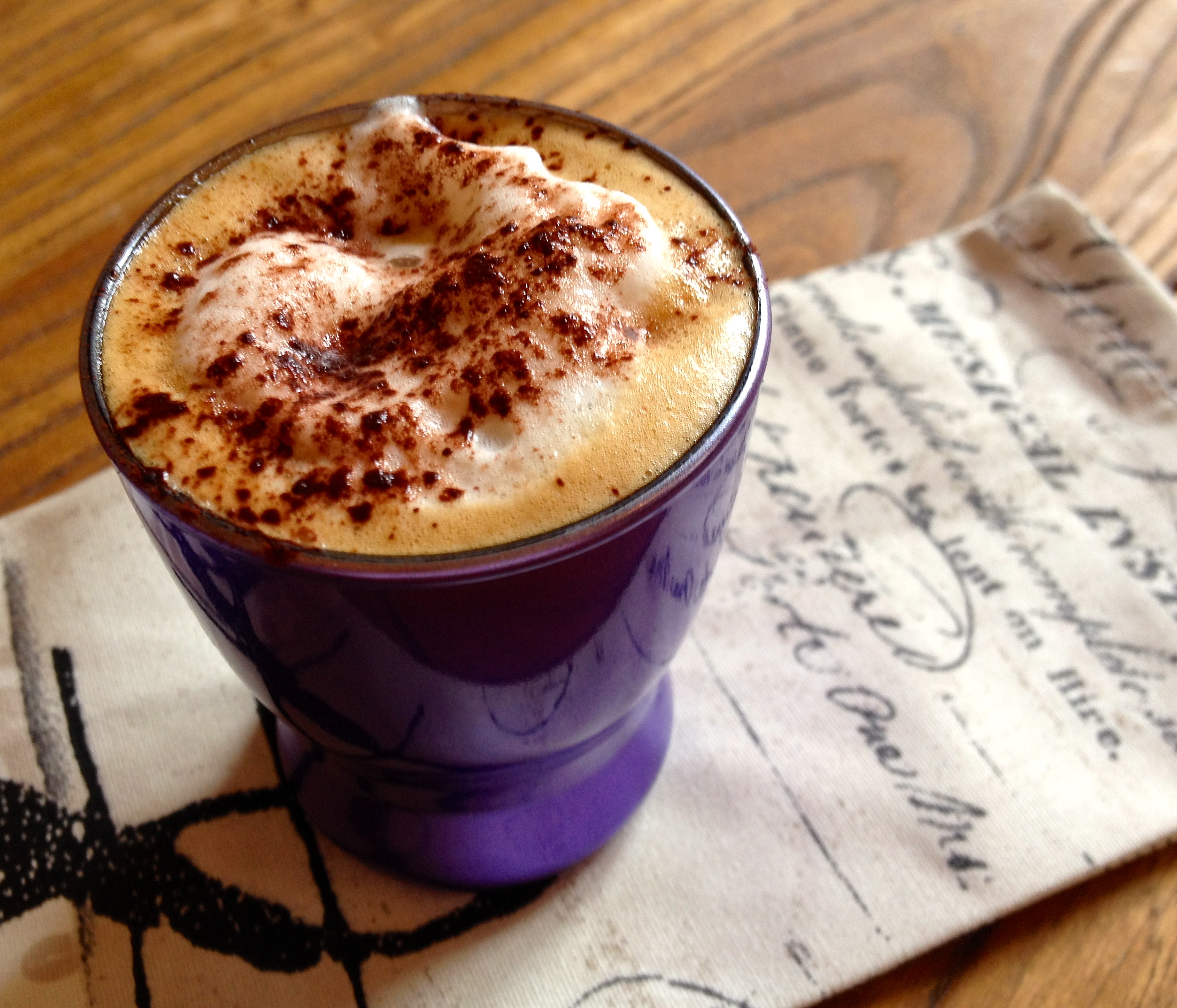
café-noisette-paris.jpg

Moi, j’adore!

Vocabulaire

Moi, j’adore! Me, I love (it)!

No. 141: Où est la Tour Eiffel?

Some rascal with a clever sense of humor has been altering the street signs around Paris and is mischievously guiding the way to my tragic street lamp.

Eiffel-tower.jpg

eiffel-tower-sepia.jpg

Eiffel-Tower5.jpg

Vocabulaire

Où est la Tour Eiffel? Where is the Eiffel Tower?

No. 138: Brioche: Let them Eat Cake

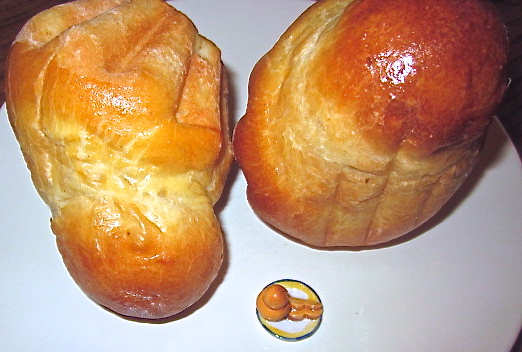
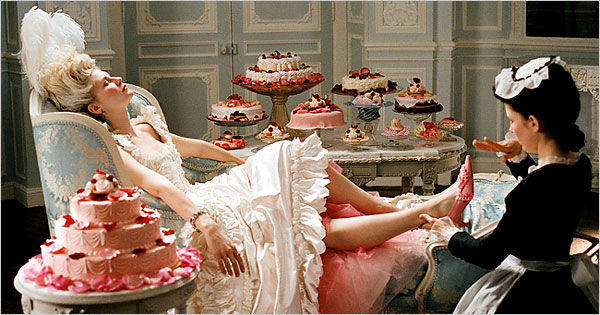
Qu’ils mangent de la brioche,” or the most common English translation: “Let them eat cake,” was supposedly uttered by Marie Antoinette, wife to King Louis XVI, the last, and possibly most extravagant queen of France. The story goes that upon hearing that her people were enduring difficult times and ongoing bread shortages, she proclaimed, “Then let them eat brioche.”

qu'ils mangent de la brioche...let them eat brioche…

qu’ils mangent de la brioche…let them eat brioche…

As brioche is made from sweeter dough enhanced with butter, eggs, and sugar (limited and luxurious ingredients at the time), brioche was even more out of the reach of the peasants than bread. This declaration was said to reflect the Queen’s obliviousness to the shocking condition of her people, and in the end contributed to her losing her head by guillotine.

source: Kirsten Dunst in “Marie Antoinette,” directed by Sofia Coppola, NYT

source: Kirsten Dunst in “Marie Antoinette,” directed by Sofia Coppola, NYT

Well it turns out there is no evidence that the Queen ever uttered these words et en fait this anecdote was never cited by opponents of the monarchy at the time of the French Revolution. Jean-Jacques Rousseau, political philosopher and composer, more likely wrote it when Marie Antoinette was a young child living in Austria. But even before Rousseau’s writings, it was attributed to Queen Marie-Thérèse the wife of Louis XIV, a hundred years earlier. And way before that, Chinese scholars claim that the phrase originated with an ancient Chinese emperor who, altogether unsympathetic to the fact that his subjects had no rice to eat, said, “Why don’t they eat meat?

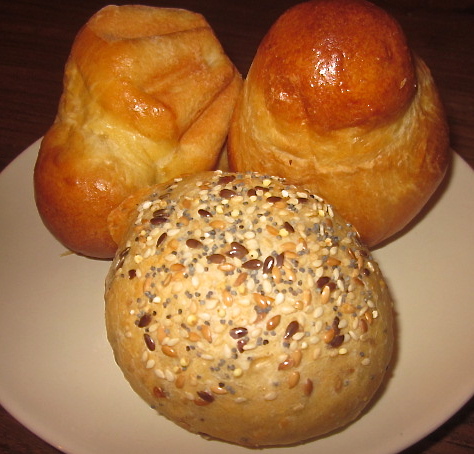
Regardless of who did or didn’t say this, or who, unfortunately, lost their head and who didn’t, I have recently been introduced to this slightly sweet, funny-shaped, golden, eggy morning staple, and I can confirm that when I have a choice, I would rather eat brioche than bread, at least for breakfast. And these days, une petite brioche et un petit pain à Paris are each 1€ apiece, so on rare occasions, I let myself eat both.

petite brioche et petit pain

petite brioche et petit pain

Click here for a yummy airy brioche recipe from Fine Cooking. Best served with strawberry jam, lemon curd, or caramel à la fleur de sel.


Vocabulaire 

caramel à la fleur de sel: salted caramel

et en fait : and in fact

Qu’ils mangent de la brioche. Let them eat brioche.

une petite brioche et un petit pain à Paris… a small brioche or small roll in Paris…