Skip to content

Posts tagged ‘Travel’

No. 341: Tuscan Wines

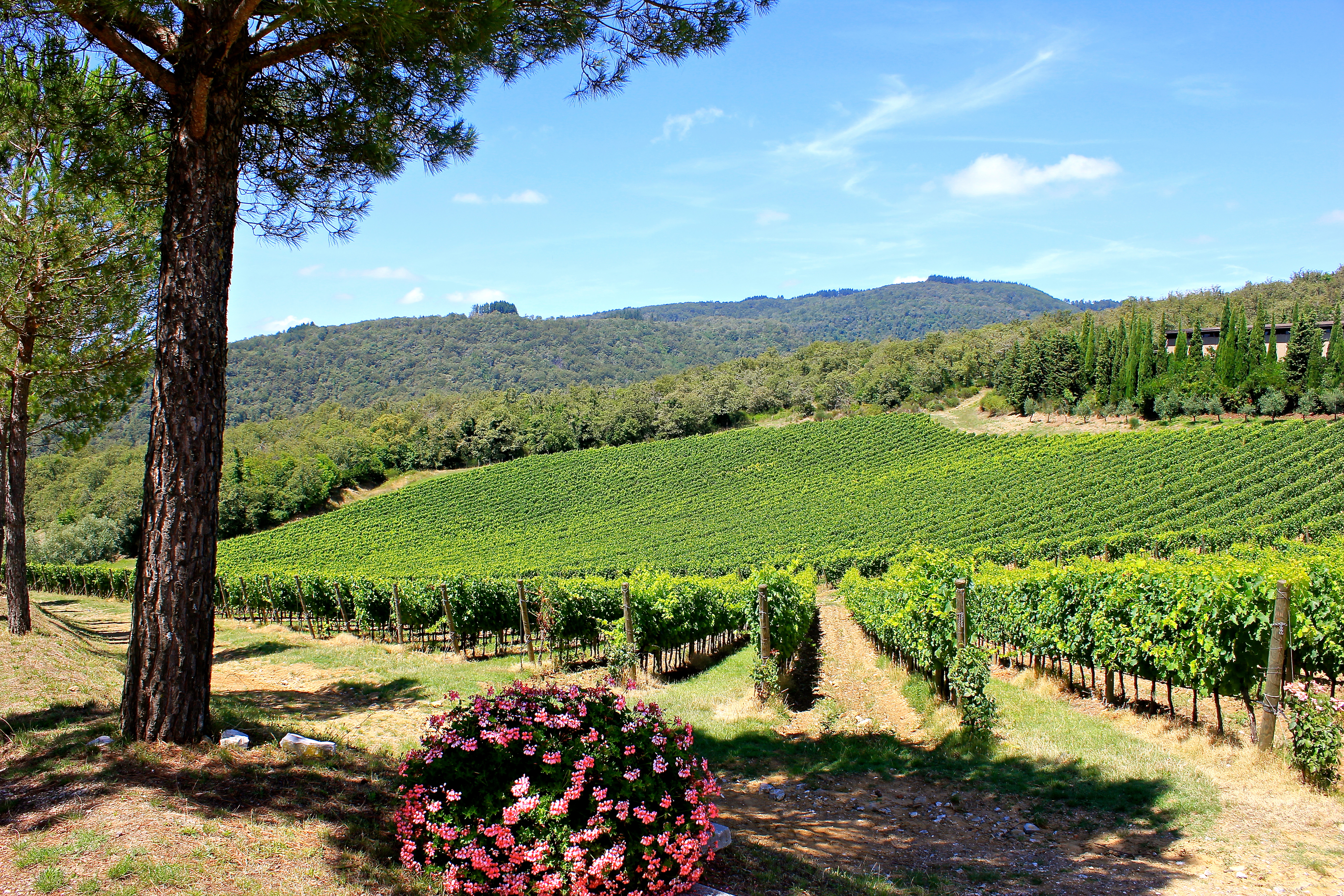
vineyard_tuscany.jpg

On my short visit to Tuscany I have discovered many things to love, not the least of which are the wine, and the lovely and genuine winemakers and sellers we have had the pleasure of getting to know. I have entirely enjoyed the Chiantis and the Vino Nobile de Montepulciano. I think what makes Tuscan wine so divine for me is the whole experience: the luminous young grapes, the tidy, leafy vineyards and the rolling vistas that scatter their blues and greens like waves breaking on the sand. It is nice to take the time to really taste and chat and feel the harvest’s link with the land—to be in the moment and greet the terroir.

Vocabulaire

terroir: the complete natural environment in which a particular wine is produced, including factors such as the soil, topography, and climate. “Literal-minded fundamentalists love to call terroir the soil and climate of a specific vineyard, but in truth it’s about husbandry, about sensitivity to place and its careful management so that the best of things can be delivered of it.”

No. 334-339: Five + 1 Things to Love About Tuscany

I know it is another stretch of a post to add Tuscany to things I love about France, but very simply, we would not have driven to Italy if we didn’t live in France. Travelling down through the south of France, we thought, “What the heck, let’s go to Tuscany!” It has been on the bucket list forever, and there is no time like the present, non?

So far we have not been disappointed, although, I don’t know about the whole under-the-Tuscan-sun-thing. For most of the time we have been under the Tuscan clouds, but yesterday, the sun finally came out. That said, the light has been extraordinary in the clouds, mist, and sunshine, and the family time more than precious. Even for this dedicated Francophile, it has been nice to have a short break from France (although there are so many French here, some days it feels like we never left). The Italians have been gracious and gregarious (except for the Florentines, who can definitely give the Parisians a run for their money on the unpleasant and rude front) and the food, of course, has been fantastic.

Here are a few favorite things I have notice (and loved) about Tuscany on this trip:

Laughing out Loud Loudly

I had not realized how much I miss hearing other people laugh out loud loudly. It is so very rare to hear French people laughing out loud without reserve in public. In Italy it seems like a requirement to laugh out loud.

I am a big laugher, not an annoying one, but I do like to laugh, so being back in a culture where it is okay to express your happy self in public is terrific. I also love watching (and hearing) Tuscans talk to each other. At first I thought every conversation was an argument, but it seems like they are simply just very animated (loud) here. It is liberating to not feel like you have to be reserved and talk in hushed tones all the time. As much as I love the quiet restaurants in France and the French desire to keep their private lives (and observations) to themselves, it has made me quite happy to see strangers laughing it up in public and wearing their emotions on their sleeves.

Laughing-Out-Loud01-550x341

The Lack of Litigiousness

Compared to the USA, both Italy and France fall in line with this lovely lack of litigiousness. We enjoy the fact that it is possible in both countries, to do and see things that in America would be a lawsuit-waiting-to-happen. In the States you can sue anyone for anything. No one takes personal responsibility for anything.
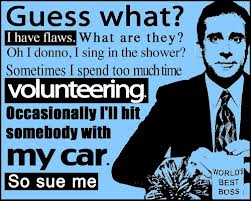
the_office_sue_me.jpg

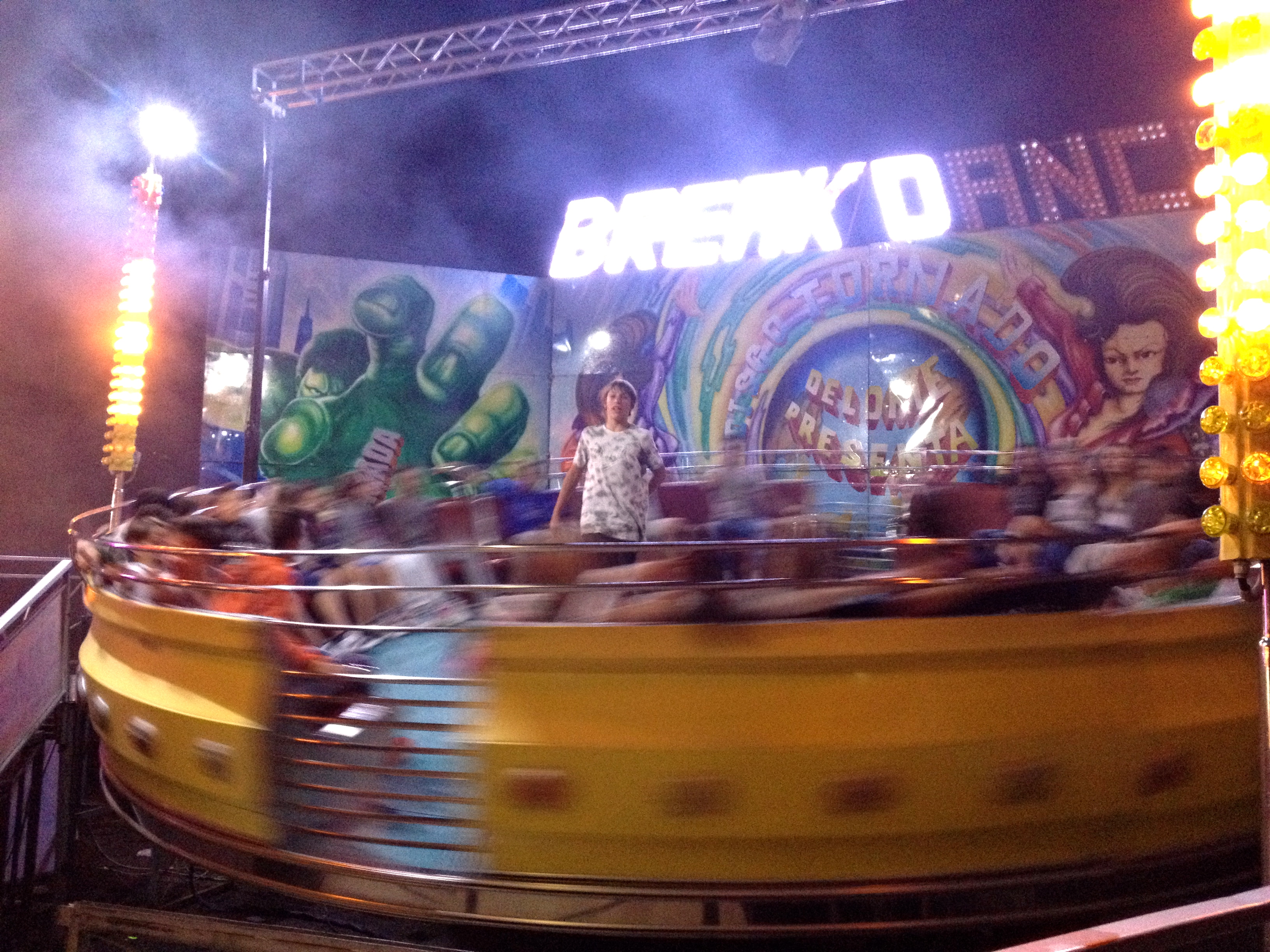
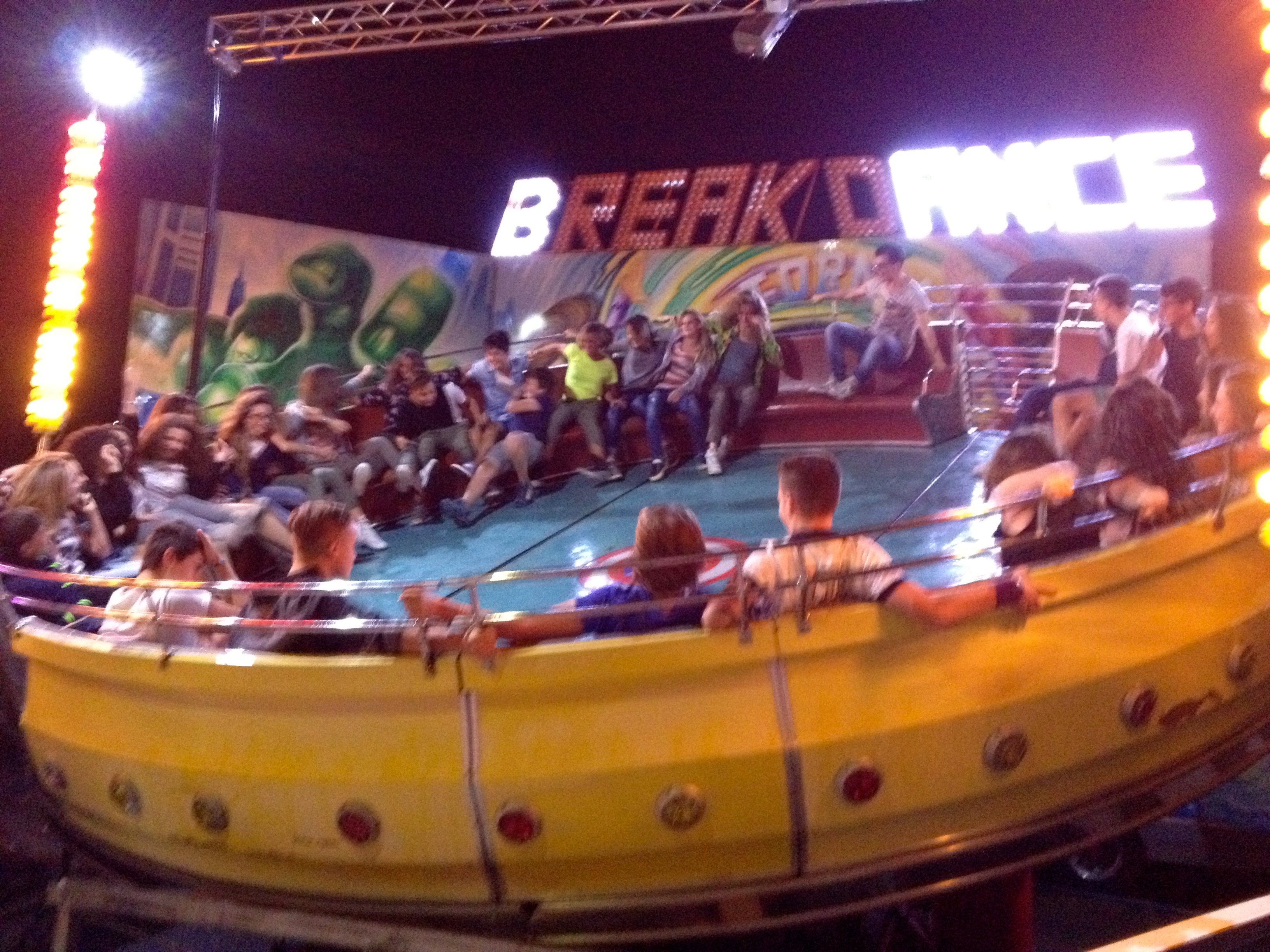
If you trip on a crack and slightly injure yourself on your neighbor’s driveway in Colorado, go ahead and sue them. The potholes are too big after a huge snowstorm and your scalding hot MacDo coffee burns your leg as you drive down the highway? Sue the city for the lack of immediate street maintenance and Mickey D’s for making their coffee too hot. In France and Italy it is the opposite. Climb a narrow winding 700-year-old staircase with your enthusiastic dog, but without railings or proper lighting to capture the perfect sunset over Siena, do it at your own risk. Ride the crazy whirly-doo at the local town fair without seatbelts and be encouraged to stand up and dance in the middle and drag a few strangers with you, bien sûr! Have as much fun as you want. Just remember, it was your decision, you are responsible for the outcome.
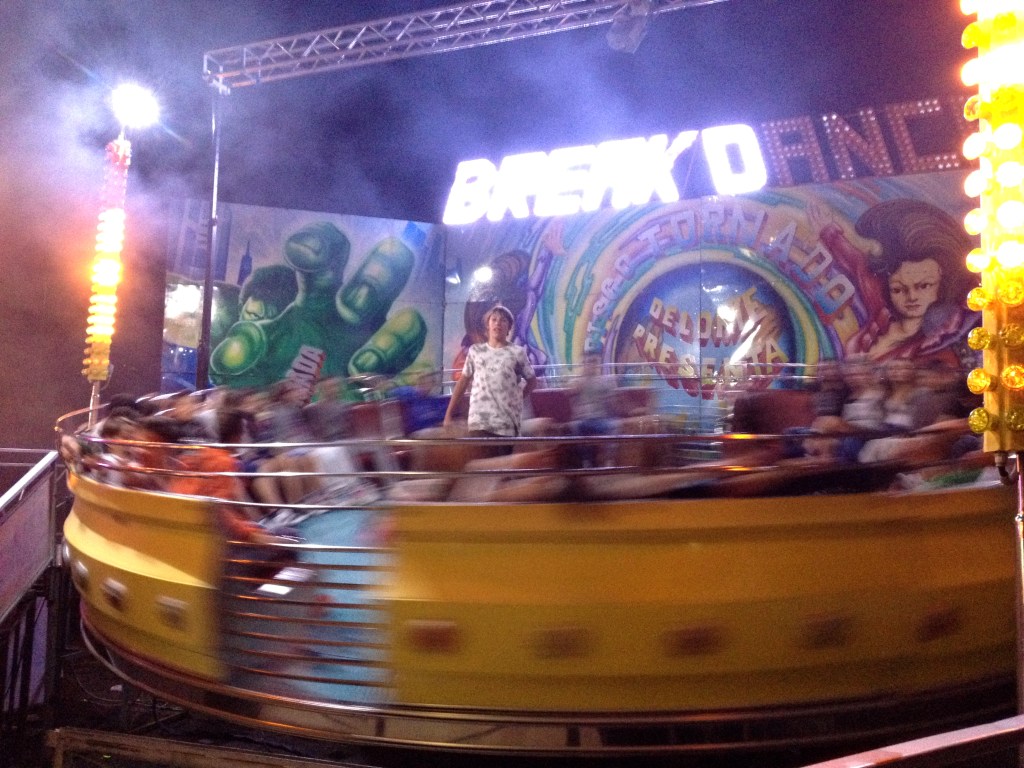
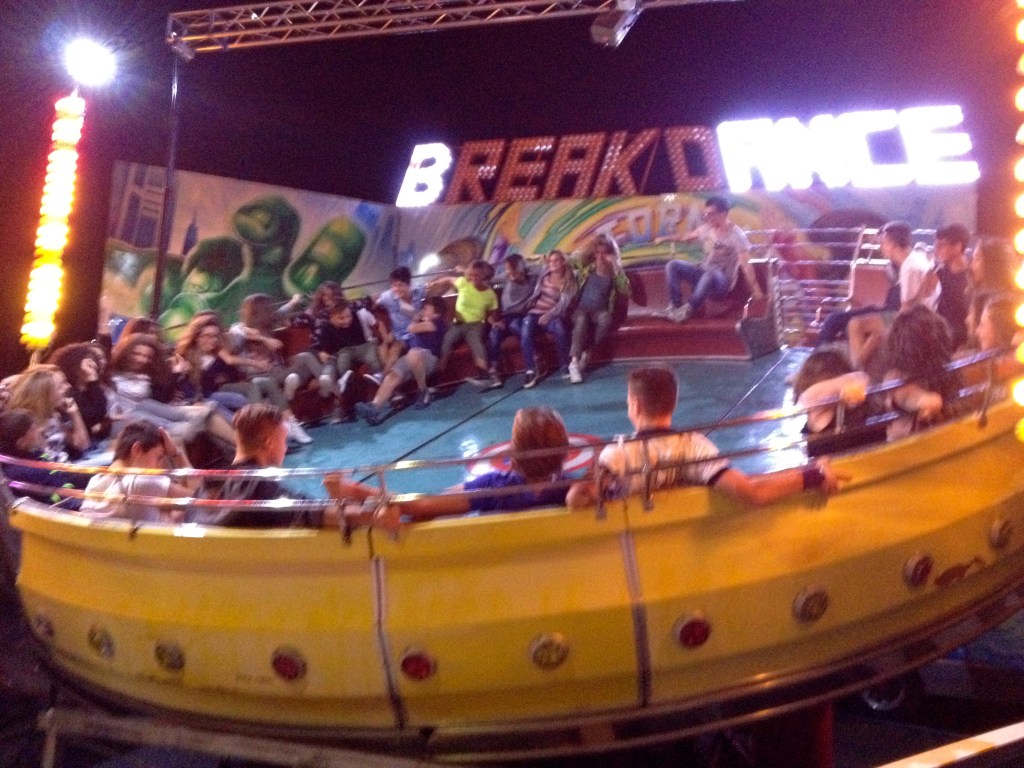
town_fair_italy_tuscany.jpgtown_fair_italy_tuscany2.jpg

Piazzas

Italians do plazas and grand gathering spaces really, really well. As much as I love café sitting in Paris, it is just not the same as sitting in the sunshine in one of these grand piazzas and being overwhelmed by the history of those who have come before you, and those who are living the experience with you at the moment. Nothing beats an Italian Piazza for people watching.

Prosecco

The Italian’s answer to the French’s champagne. I love them both, but sipping Prosecco with your family and friends on your terrace overlooking Chianti is pretty darn magical.
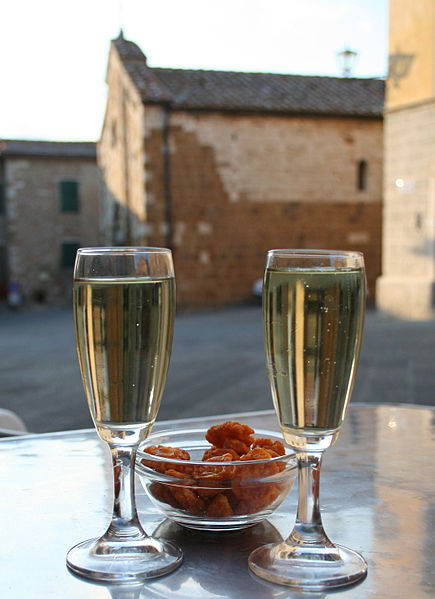
435px-Prosecco_and_snacks_in_Tuscany_wikipedia.jpg

source: wikipedia

Burnt Siena Rooftops

The rooftops in Tuscany are very different from the Paris rooftops, but equally as lovely. After spending a few weeks in Tuscany, I now understand where all those colors in the 100-pack Crayola crayons come from. The rolling waves of tiled tops make me want to paint.

Teeny Tiny Cars

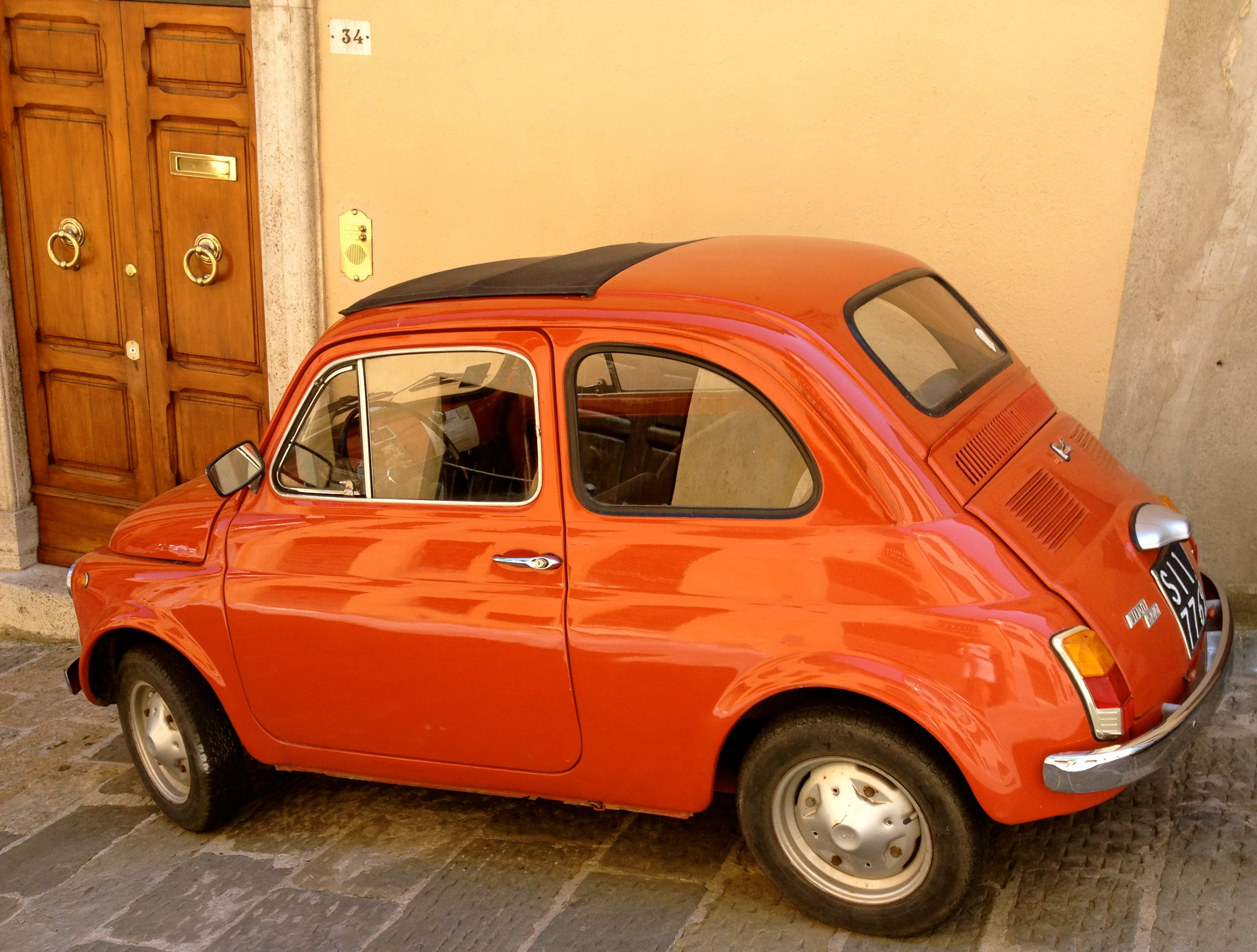
As I have posted previously, I am nutty for the teeny tiny cars of France. (Remember I come from the environmentally unfriendly land of the mighty SUVs and Humvees.) So while in Italy, I have forced my family to stop every time I see an adorable mini car. Cliché moi especially loves the itty-bitty Fiat 500.
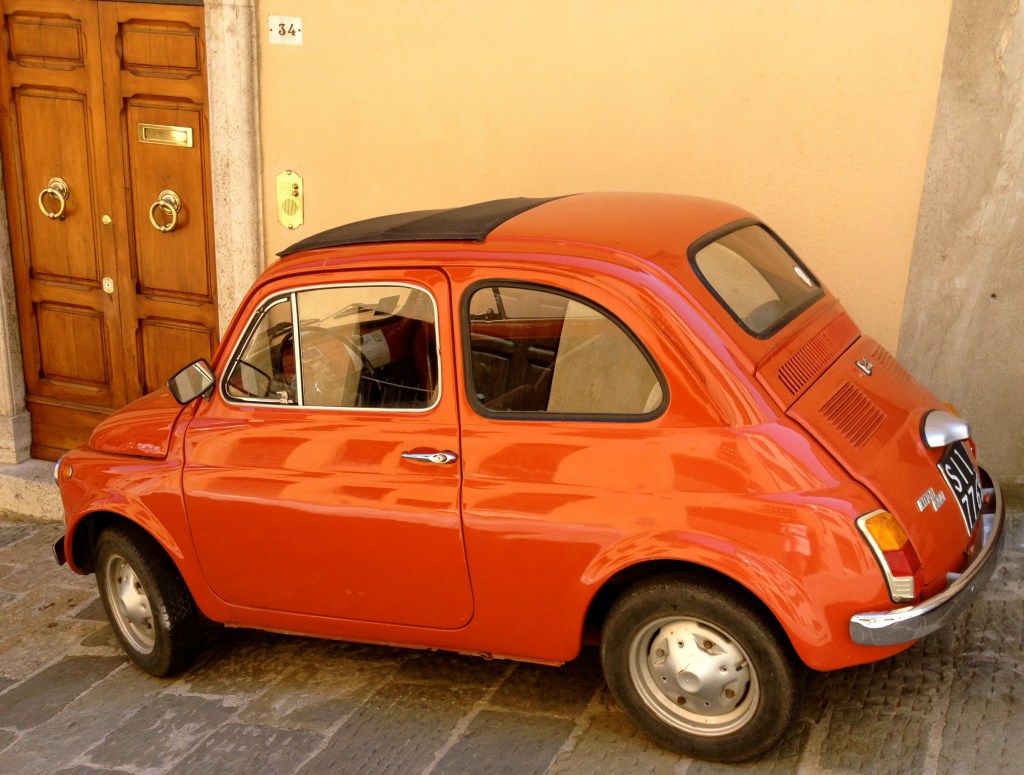
small_cars_italy_tuscany.jpg

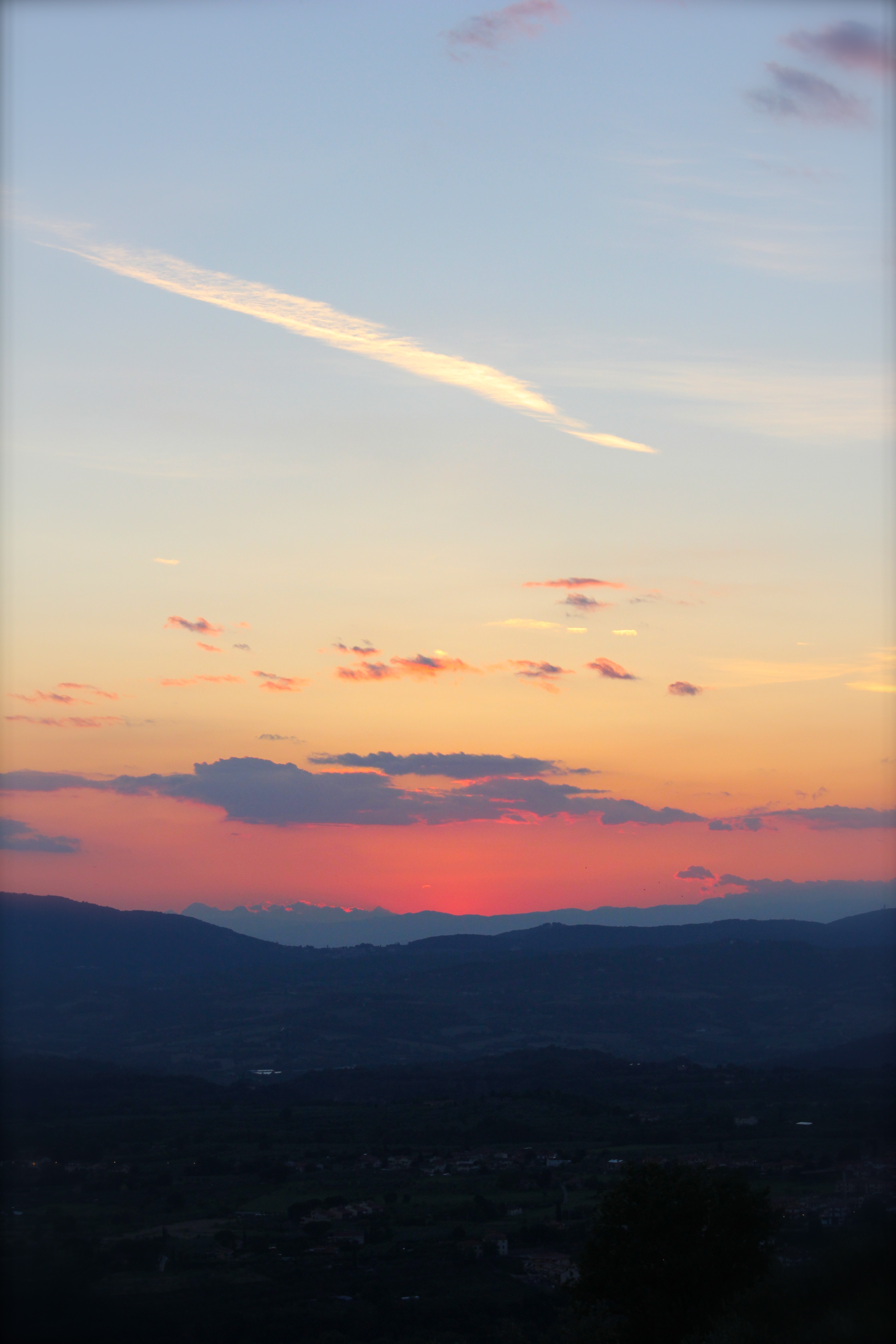
No. 333: Tuscan Sunsets

sunset_Tuscany.jpgsunset_Tuscany1.jpgsunset_Tuscany2.jpg

No. 332: Vespas

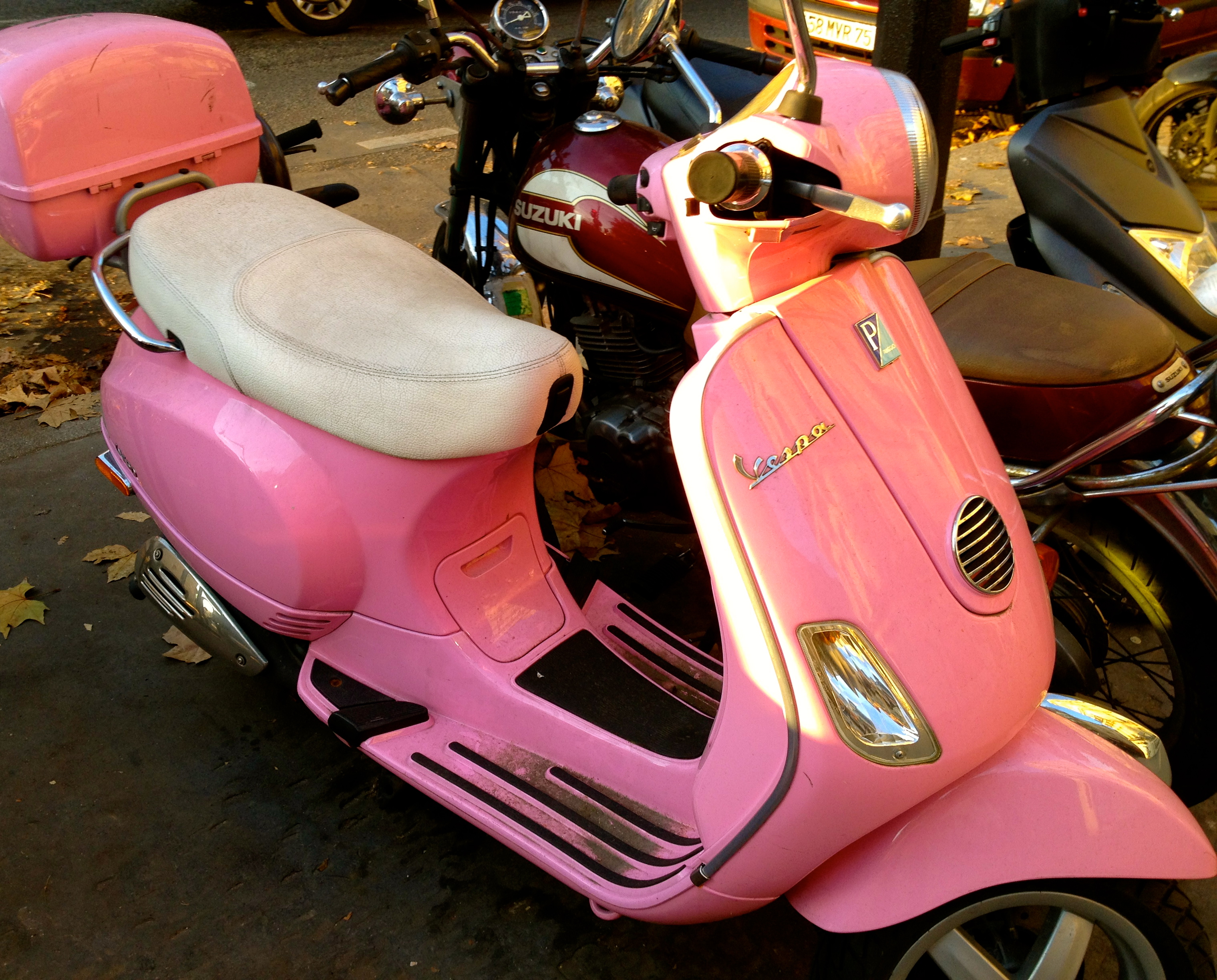
vespa_pink_france.jpgWe have now made our way to Italy, so it seems appropriate to write about their beloved and iconic Vespas. I have actually been collecting photos of these lovable shiny scooters in Paris and around France over the years, and now that I am in their homeland, I am thinking that it is time do a little poetic waxing on the subject.

In the interest of full disclosure, I have never driven a Vespa, never taken a ride on one, and never even sat on one. I guess I am just plain chicken when it comes to anything with only two wheels, except for my beloved vélo. Still, in my mind’s eye, I see myself on one of these snappy, multihued machines, tooling through the French (or Italian) countryside or zipping between cars on the Paris streets, harmonizing helmet protecting my noggin. I have a couple of girlfriends in Paris who brave the wacky French drivers, and scoot about on their Vespas, and I must say, they look quite marvelous, and save a lot of money on petrol to boot.

vespa_france_nancy.jpg

The Vespa came about as a response to the realities of post-WWII Italy. It was a cheap and reliable mode of transport for struggling Italians who needed to get around the bombed out country. However, had it been only a form of transportation, I doubt we would still be talking about them; but a fashion statement, now that is another story.

original 1946 Vespa…source: www.businessweek.com

original 1946 Vespa…source: http://www.businessweek.com

The original prototype designed by the Piaggio Company was based on the small motorcycles made for parachutists and nicknamed “Paperino” (the Italian name for Donald Duck) because of its strange shape. Not quite right, the head of the company ask for a redesign. Using their technological and design know-how gleaned from designing rail carriages, luxury coaches, seaplanes and of course, airplanes, propellers and engines for the war, and “unfettered by any preconceptions about what a motorcycle or scooter should look like”, the slick, sporty Vespa was born. Equally important to function and drivability was comfort and style. The Vespa was designed to keep its driver looking smart, not disheveled, but perfectly intact for any photo-finish. Piaggio decided to call its creation the wasp (vespa) based on the sound of its engine, its aerodynamic form, and its lean, but curvy, and sexy shape. Once he introduced the snazzy and sleek colors, we were all goners.

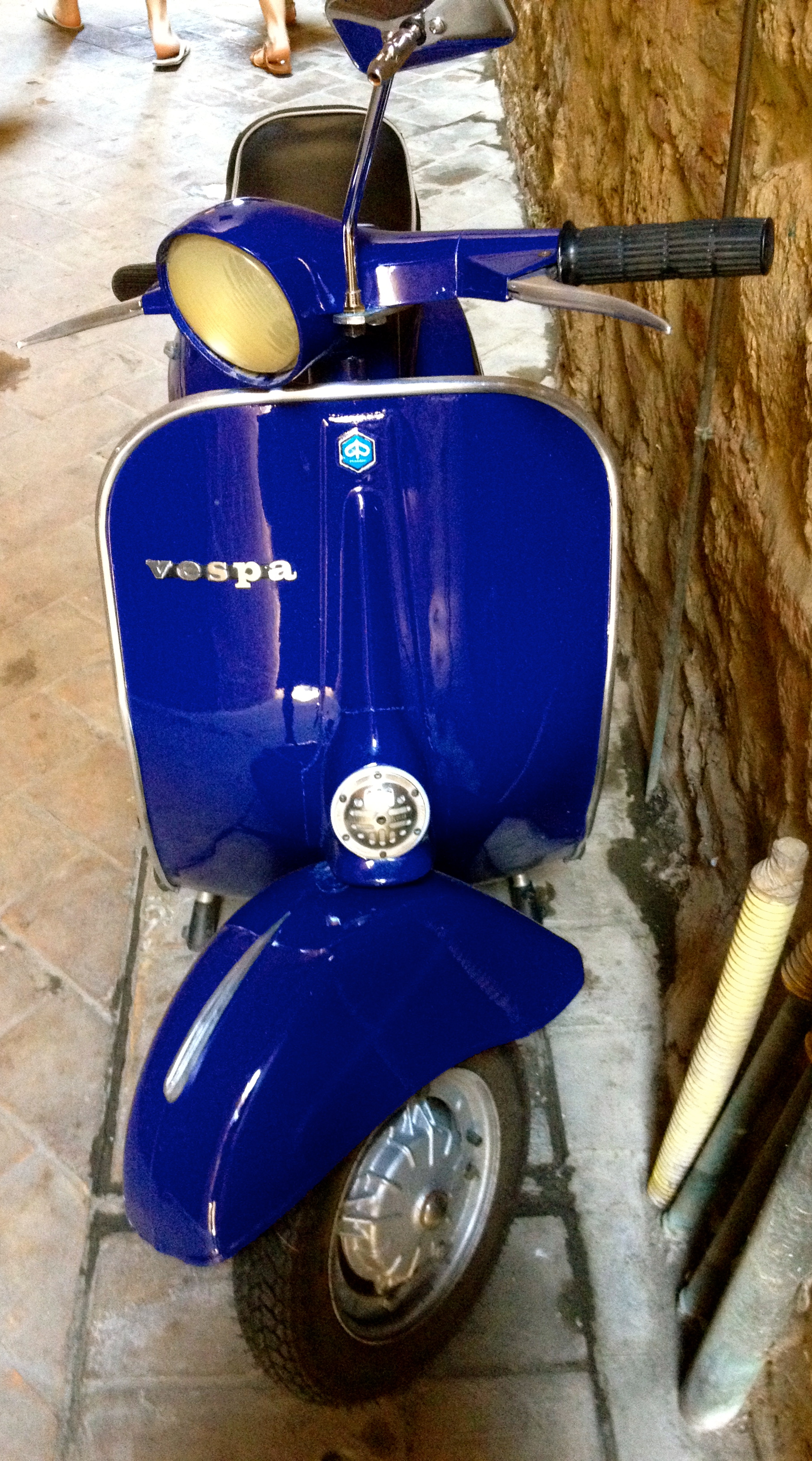
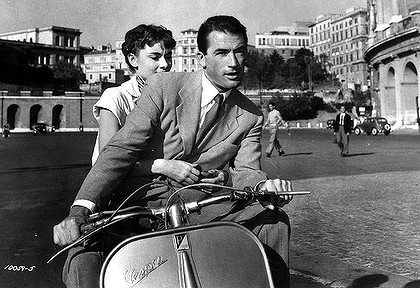
vespa_montepulciano_italy.jpgNowadays the Vespa is an intrinsic part of Italian (and French) social history. Riding one today, I imagine you still feel a kinship to the “Dolce Vita” years. Maybe someday I will have the guts to jump on one and ride through the splendid countryside or romantic cities of Italy and live my own “Roman Holiday”…I can picture that…

roman_holiday_main-420x0

Audrey Hepburn and Gregory Peck in Roman Holiday

Viva la Vespa!

No. 331: What Does the Fox Say?

goats_france.jpgAs we travel through southern France and the Alps, we have seen a fair bit of domesticated wildlife. This got us thinking about what animals say in French. You know, those lovely onomatopoeias that phonetically replicate the sounds that animals make? Animal sounds are different in most languages, and some of them are adorable en français.

Par exemple:

A frog in American English croaks, Ribbit! Ribbit! but the hoppy amphibian in French belts roughly, Côa! Côa! American horses have been heard to say, Neigh! while French horses laugh, Hihihi! In Paris satisfied French chats hum, Ron-Ron! but their Manhattan amis naturally prrrrrrr, and then prrrrrr some more.

In the countryside in the States, we wake up to a screeching, Cock-a-doodle-doo! mais in France nature’s alarm clock is slightly more pleasing, Cocorico! (Italy’s roosters top them both with their melodious, Chicchirichi!) In contrast their better halves, the hens, say, Cot-Cot-Cod! not Cluck! Cluck! Cluck! as the fluff-ball baby Yanks chirp, Cheep! and Peep!, the French bèbès warble, Piou! Piou!

Both the wild boars and the pigs in France grunt, Groin! Groin! (grwan grwan) whereas their piggy-tailed American chums, squeal, Oink! Oink!


The donkey below our mountain chalet brays, Hiii-hearnn! or sometimes, Ihà Ihà, which does sound a lot like the familiar, Hee Haw! Hee Haw! The birds in the canopy call, Cui! Cui! (kwee-kwee) not, Tweet! Tweet! The canoodling French doves whisper softly, Rou! Rou! Rou! while their fine-feathered-friends respond, Coo! Coo! Coo!
French ducks on the lake quack, Coin! Coin! Coin! (kwan-kwan-kwan), as the wild turkeys in the bush gobble, Glou! Glou! Glou!

The cows on both side of the Atlantic can be heard lowing, Meuh! or Moo! And the sheep and goats sound alike bleating, Bêê! and Bah! and Naaah! and Naaah!

…but can you tell me please, what does the fox say?

No. 328-330: Mighty Climbers, Mont Blanc and Raclette

I love driving through France. It gives you a strong appreciation of how quickly the geography changes, and as the landscape changes, so do the people, languages and cuisines.

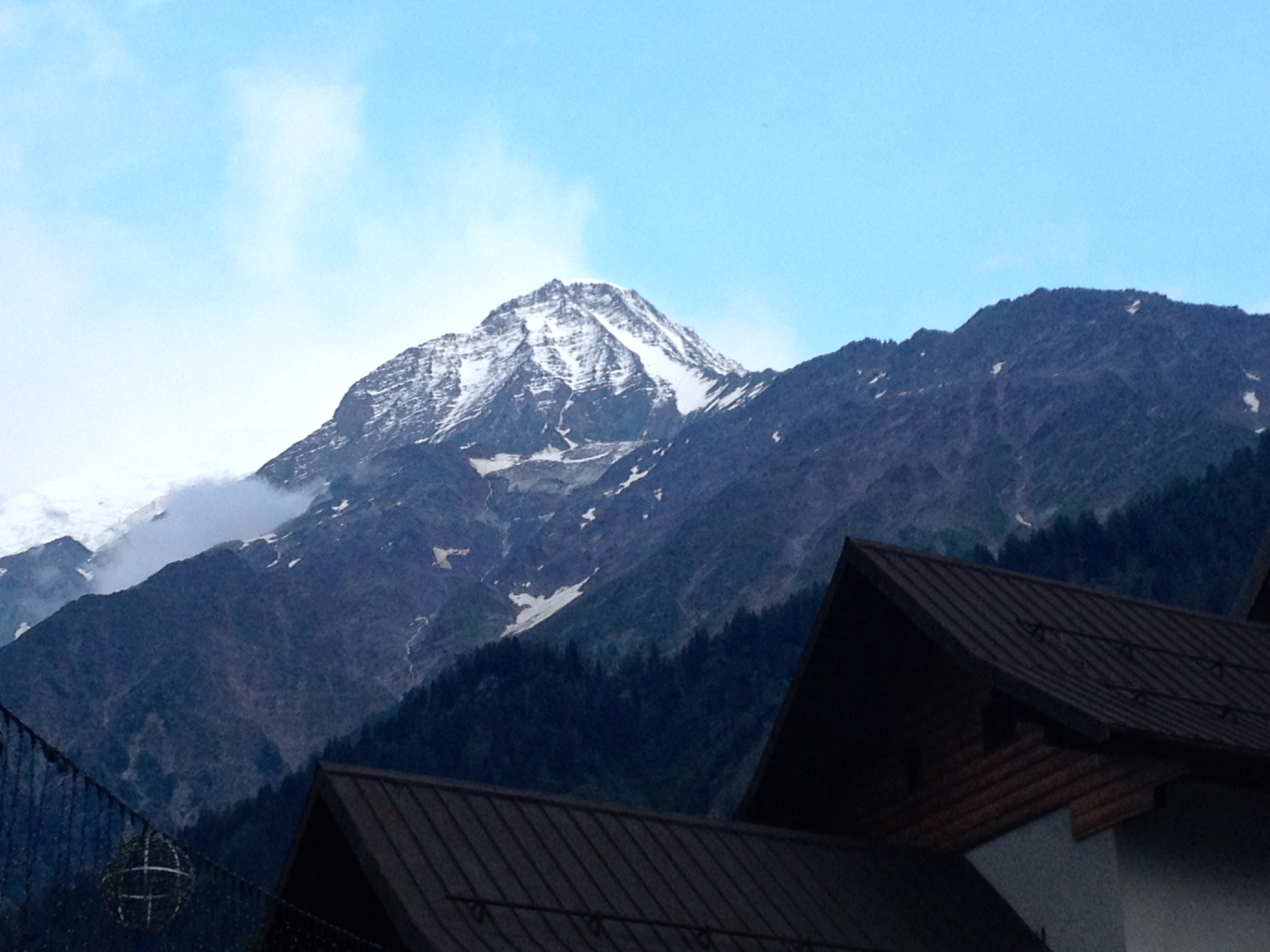
We just passed through the French Alps, or the Savoie, famous in the summer for her high, snow-capped mountains, pristine lakes and chic spa towns. Paragliding, hiking and climbing above and among the vast fields of wild flowers seem to be the activities of choice. With the backdrop of Europe’s highest mountain, Mont Blanc, it is indeed a spectacular part of France.

Trying to get to our next destination as quickly as possible, we were a bit disheartened to see that the wait time to travel to Italy via the tunnel burrowed through the majestic mountain was nearly 2 hours. Hungry and tired, we made a snap decision to dine in the small resort town of les Houches about 6-kilometers from Chamonix. This impromptu-pretty-village stop turned out to be a brilliant break, as the quiet town is nestled directly under the impressive mountain. Old wooden Savoyard farmhouses and restaurants dot the ski-town, and the centre ville boasts a sweet country church along with a friendly and relaxed atmosphere, all with a 360-degree view of Mont Blanc.

mont_blanc_les_houches.jpg

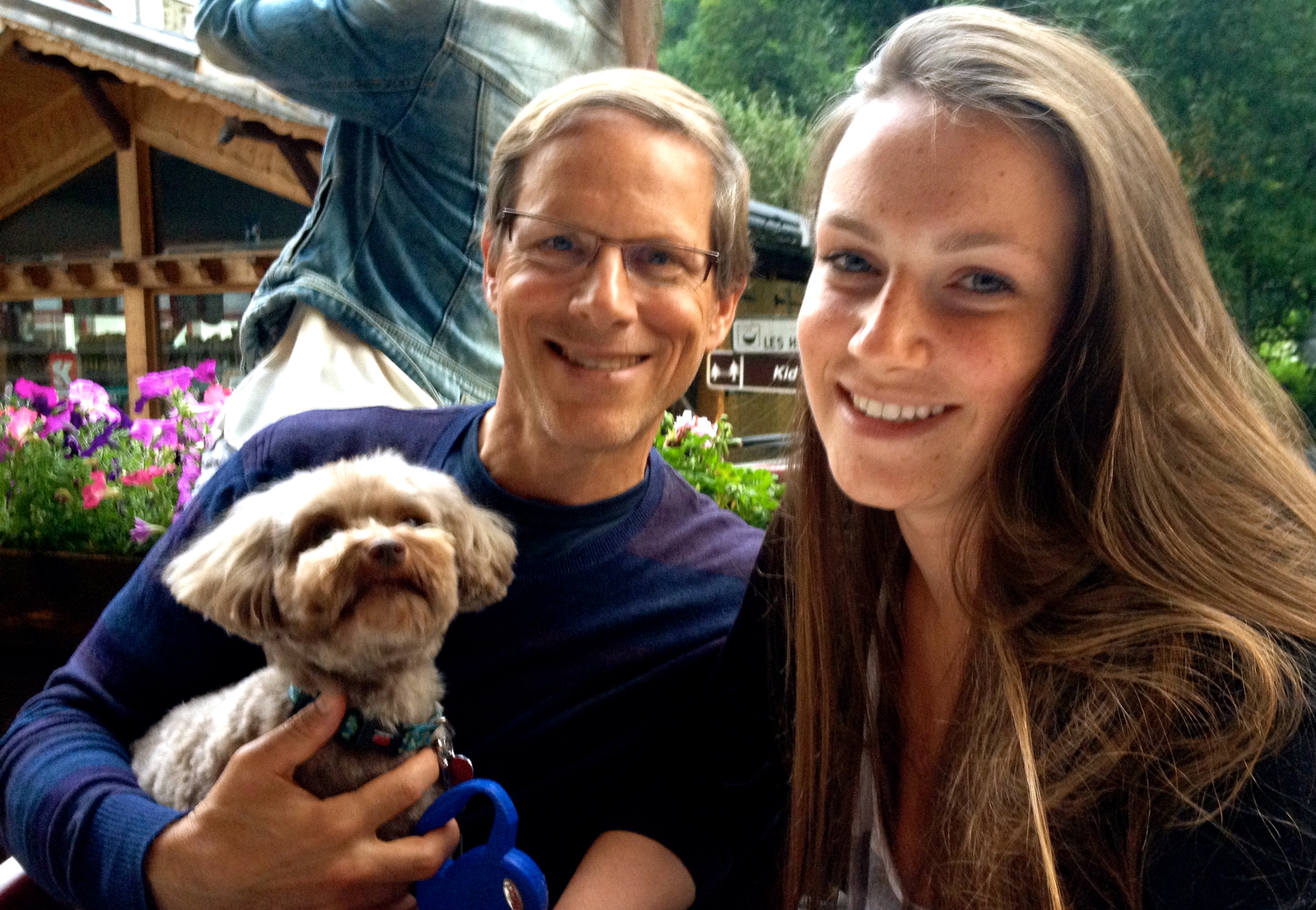
les-houches-France.jpgWe found a traditional resto with a warm-enough terrace (the weather is oddly cool for August), and tucked ourselves in next to a jolly young Scotsman who was bursting to tell someone about his marvelous achievement. It turns out that les Houches is the starting point of the popular ‘Tour de Mont Blanc’ trek, and our humble, but proud, Scottish lad had, after four previous attempts, just succeeded in summiting his highland foe. Although completely caught up in his enthusiasm, I was at first less than impressed that it had taken him four separate trips to the mountain to realize his dream. But as he continued to regale us with his story, I began to understand the skill and dangers involved in trekking the Alp’s highest peak. While the scenery is magnificent on the way up, the trail gets quite rugged, and the final, exposed, snow and ice-covered summit ridge sounds harrowing. En fait, not only is Mont Blanc Europe’s highest apex, it is also the deadliest. As he modestly described his dramatic high-altitude climb and final achievement, I felt so pleased for him. Proud, like a big sister delighted for her brother. He also told us about the well-appointed hut system and fabulous food to be had on the trek, which all seemed so very French to me.

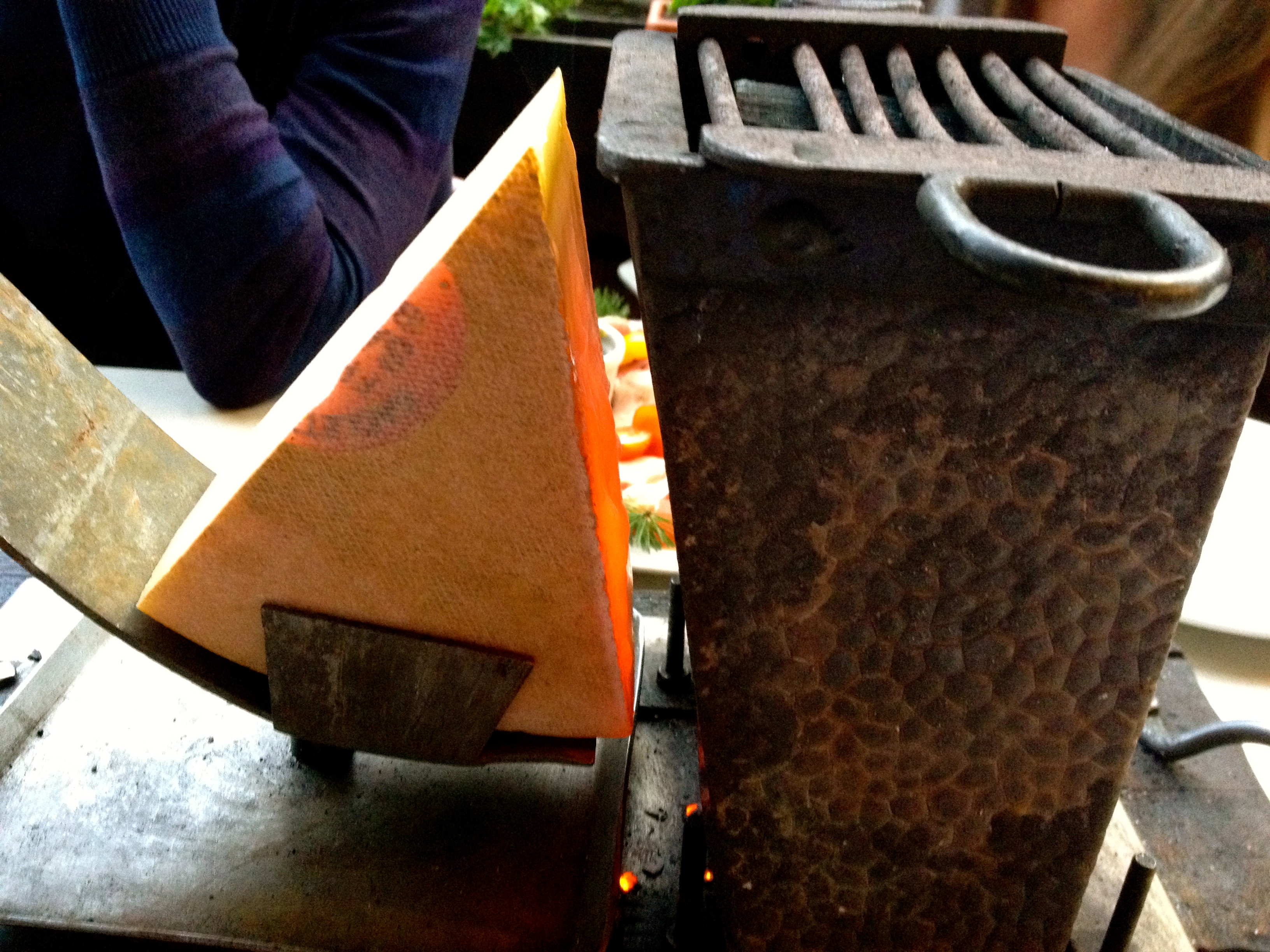
This brings me of course to our own fabulous and calorific Savoyard meal in les Houches: Raclette.

raclette-french-alps3,jpg

If you have never had raclette, you should. Although it originated in the Swiss Alps, you can order it all over France, but it is especially delicious down here in the Chamonix Valley. There are centuries of tradition behind this simple feast (first mentioned in writings as early as 1291!), but as far as I can tell, things haven’t changed much. This semi-hard, mild, and slightly salty cows’-milk cheese (also called Raclette) was, and is still, easy to transport and yummy to eat; shepherds and farmers originally ate it over an open campfire as they broke from work. They would place a block of cheese by the fire, and as it became soft, they would drizzle the melted cheese over potatoes, onions and pickles.

“Raclette” comes from the French word racler, meaning “to scrape.” It is a bit like fondue, but you have to work a little harder and be quick on the draw to scrape the cheese as it melts from the rind. I have used the modern fancy Raclette grills at the homes of French families in Paris, but I much prefer the old-style Raclette board to enjoy this delicious fare. The warm, rich and scrumptious cheese heaped on boiled potatoes, and these days charcuterie, accompanied by crunchy pickles and healthy green salad is perfectly perfect for warming the body and soul in the cool mountain air.

No. 327: Grapes

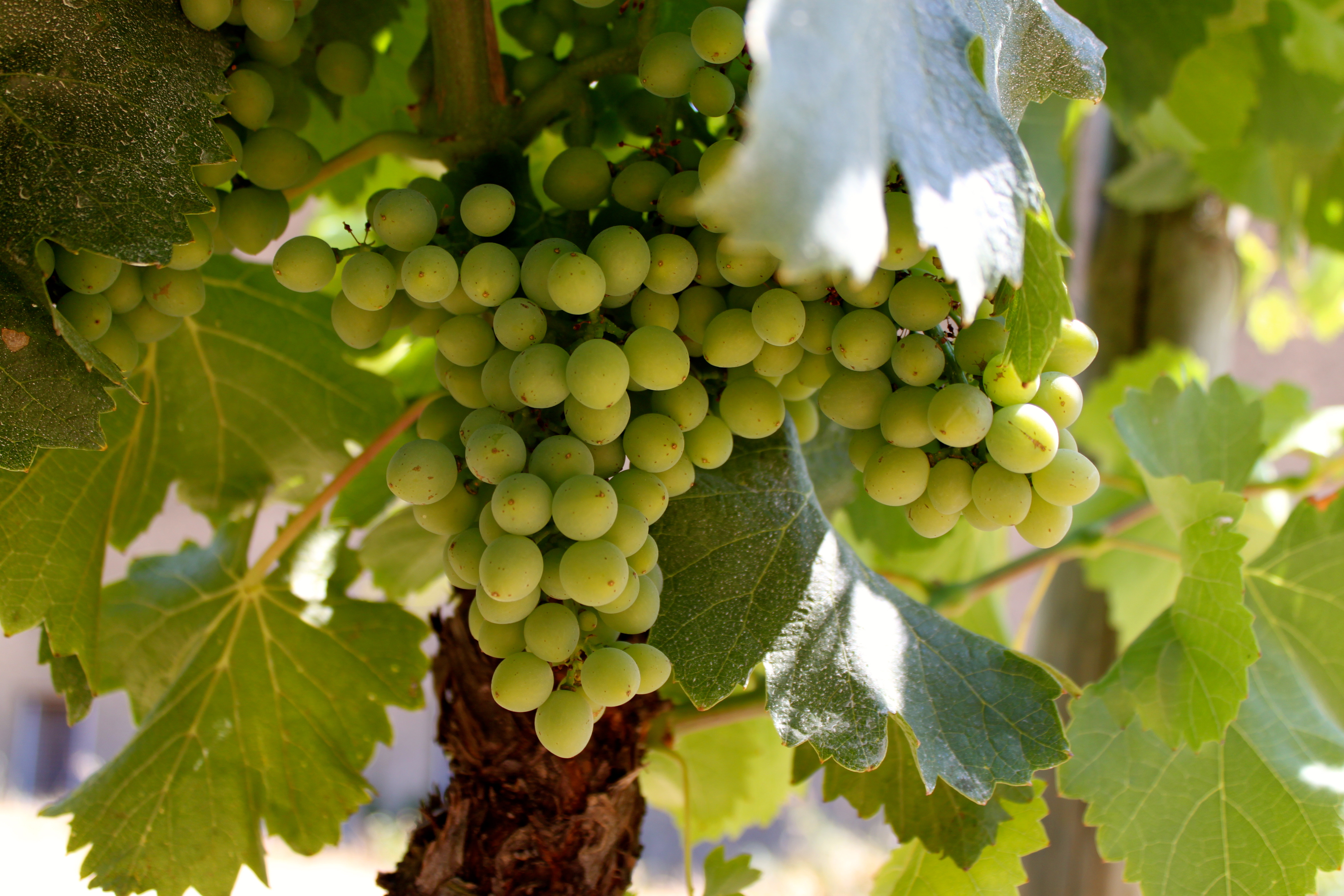
grapes_france.jpg

France’s Major White Grape Varieties

Grape Variety and Region(s)
Chardonnay: Burgundy; Champagne; Languedoc
Chenin Blanc: Loire Valley
Sauvignon Blanc: Bordeaux; Loire Valley; southwestern France; Languedoc
Gewürztraminer: Alsace
Pinot Gris: Alsace
Pinot Blanc: Alsace
Marsanne: Rhône Valley
Muscadet: Loire Valley
Riesling: Alsace
Roussanne: Rhône Valley
Sémillon: Bordeaux; Southwest France
Viognier: Rhône Valley; Languedoc

France’s Major Red Grape Varieties

Grape Variety and Region(s)
Cabernet Sauvignon: Bordeaux; Southwest France; Languedoc
Cabernet Franc: Loire Valley; Bordeaux; Southwest France
Carignan: Rhône Valley; Southern France
Cinsault: Rhône Valley; Southern France
Gamay: Beaujolais
Grenache: Rhône Valley; Southern France
Merlot: Bordeaux; Southwest France; Languedoc
Malbec: Southwest France; Bordeaux
Mourvèdre: Rhône Valley; Southern France
Pinot Noir: Burgundy; Champagne
Syrah: Rhône Valley; Southern France

Source: Grape Varieties Grown in France – For Dummies