Skip to content

Posts tagged ‘photography’

No. 332: Vespas

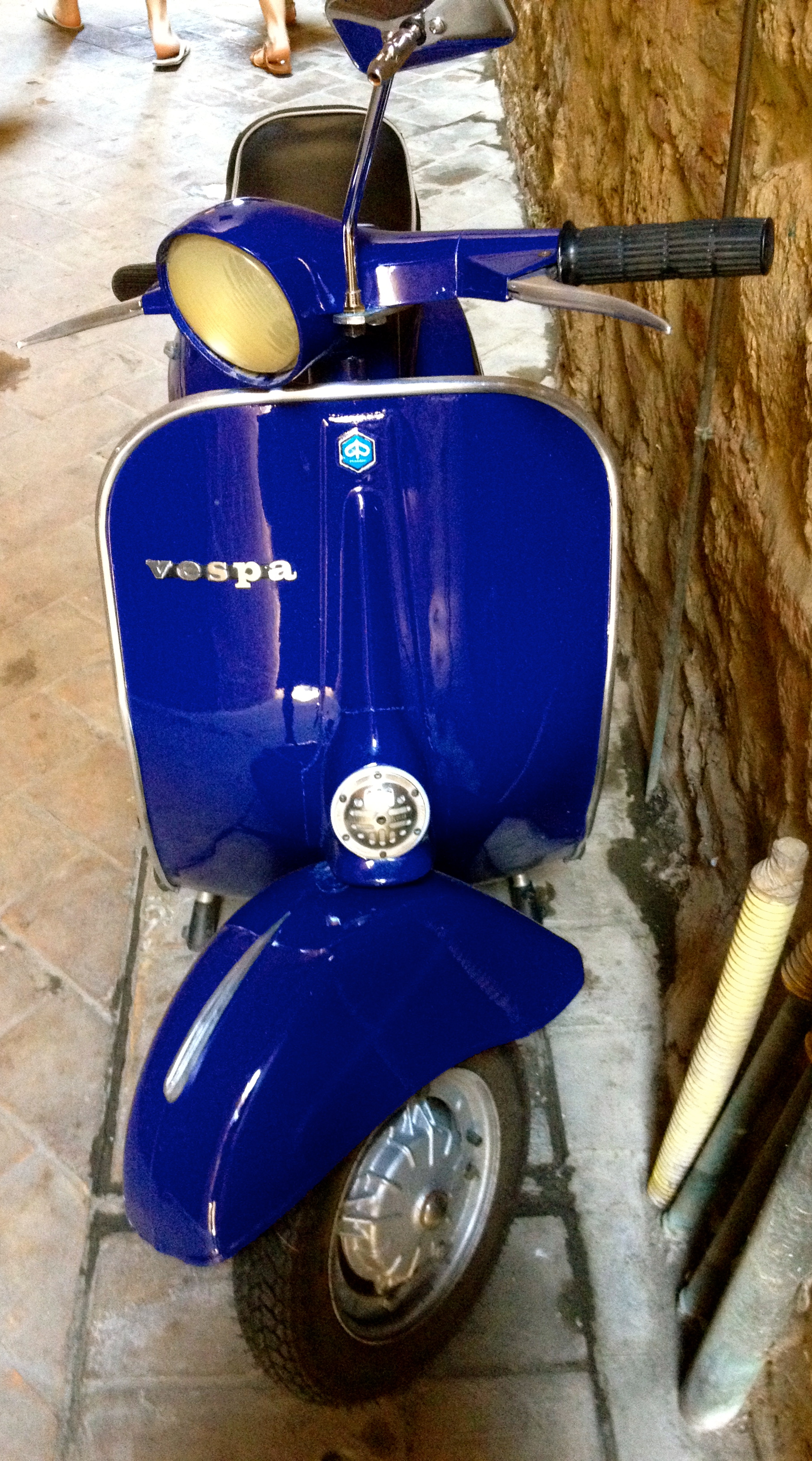
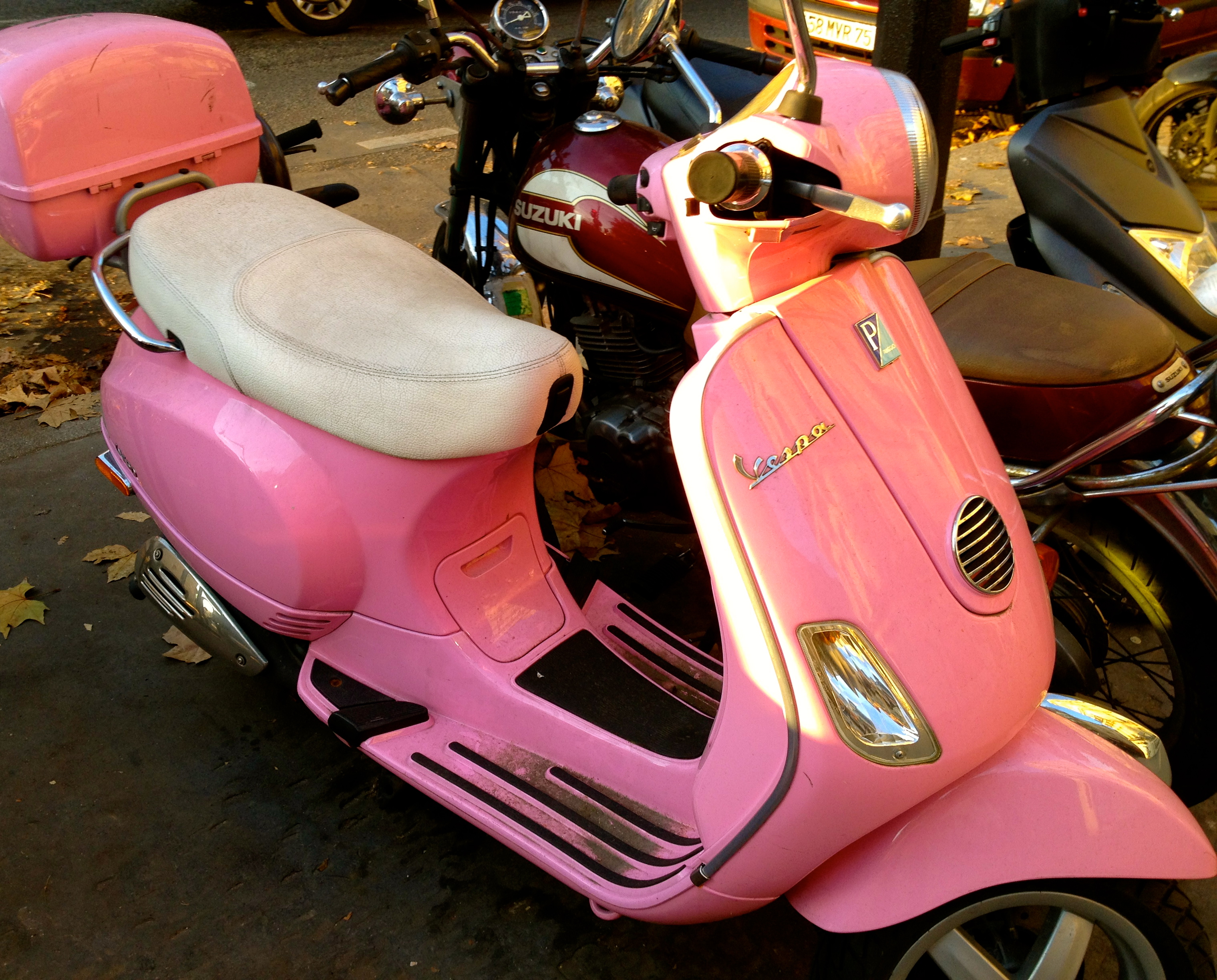
vespa_pink_france.jpgWe have now made our way to Italy, so it seems appropriate to write about their beloved and iconic Vespas. I have actually been collecting photos of these lovable shiny scooters in Paris and around France over the years, and now that I am in their homeland, I am thinking that it is time do a little poetic waxing on the subject.

In the interest of full disclosure, I have never driven a Vespa, never taken a ride on one, and never even sat on one. I guess I am just plain chicken when it comes to anything with only two wheels, except for my beloved vélo. Still, in my mind’s eye, I see myself on one of these snappy, multihued machines, tooling through the French (or Italian) countryside or zipping between cars on the Paris streets, harmonizing helmet protecting my noggin. I have a couple of girlfriends in Paris who brave the wacky French drivers, and scoot about on their Vespas, and I must say, they look quite marvelous, and save a lot of money on petrol to boot.

vespa_france_nancy.jpg

The Vespa came about as a response to the realities of post-WWII Italy. It was a cheap and reliable mode of transport for struggling Italians who needed to get around the bombed out country. However, had it been only a form of transportation, I doubt we would still be talking about them; but a fashion statement, now that is another story.

original 1946 Vespa…source: www.businessweek.com

original 1946 Vespa…source: http://www.businessweek.com

The original prototype designed by the Piaggio Company was based on the small motorcycles made for parachutists and nicknamed “Paperino” (the Italian name for Donald Duck) because of its strange shape. Not quite right, the head of the company ask for a redesign. Using their technological and design know-how gleaned from designing rail carriages, luxury coaches, seaplanes and of course, airplanes, propellers and engines for the war, and “unfettered by any preconceptions about what a motorcycle or scooter should look like”, the slick, sporty Vespa was born. Equally important to function and drivability was comfort and style. The Vespa was designed to keep its driver looking smart, not disheveled, but perfectly intact for any photo-finish. Piaggio decided to call its creation the wasp (vespa) based on the sound of its engine, its aerodynamic form, and its lean, but curvy, and sexy shape. Once he introduced the snazzy and sleek colors, we were all goners.

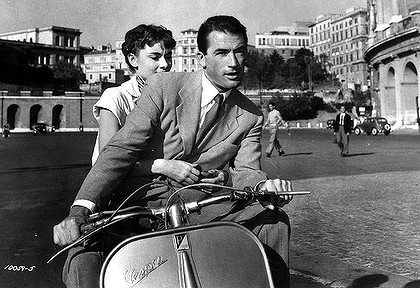
vespa_montepulciano_italy.jpgNowadays the Vespa is an intrinsic part of Italian (and French) social history. Riding one today, I imagine you still feel a kinship to the “Dolce Vita” years. Maybe someday I will have the guts to jump on one and ride through the splendid countryside or romantic cities of Italy and live my own “Roman Holiday”…I can picture that…
roman_holiday_main-420x0

Audrey Hepburn and Gregory Peck in Roman Holiday

Viva la Vespa!
No. 327: Grapes

grapes_france.jpg

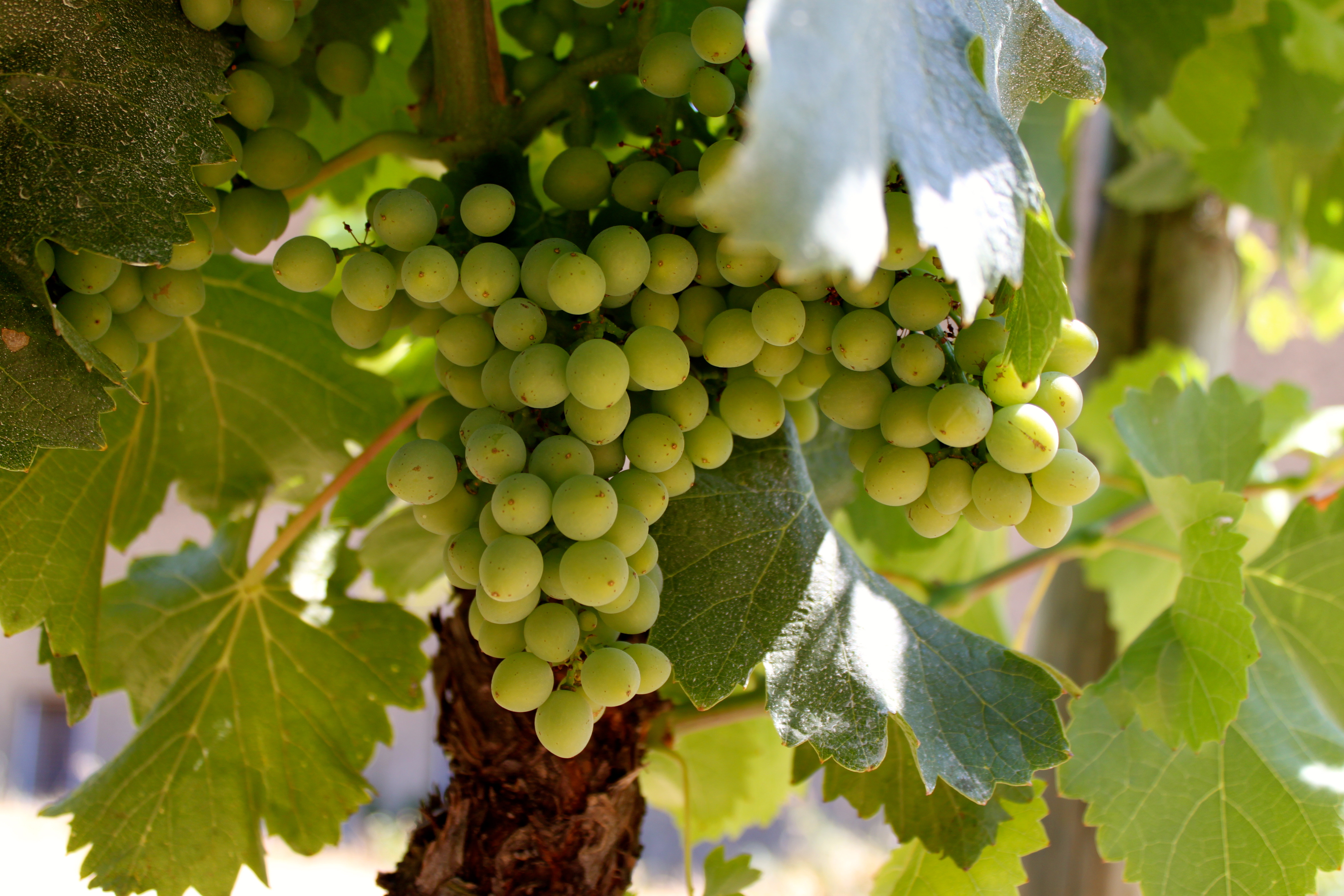
France’s Major White Grape Varieties

Grape Variety and Region(s)
Chardonnay: Burgundy; Champagne; Languedoc
Chenin Blanc: Loire Valley
Sauvignon Blanc: Bordeaux; Loire Valley; southwestern France; Languedoc
Gewürztraminer: Alsace
Pinot Gris: Alsace
Pinot Blanc: Alsace
Marsanne: Rhône Valley
Muscadet: Loire Valley
Riesling: Alsace
Roussanne: Rhône Valley
Sémillon: Bordeaux; Southwest France
Viognier: Rhône Valley; Languedoc

France’s Major Red Grape Varieties

Grape Variety and Region(s)
Cabernet Sauvignon: Bordeaux; Southwest France; Languedoc
Cabernet Franc: Loire Valley; Bordeaux; Southwest France
Carignan: Rhône Valley; Southern France
Cinsault: Rhône Valley; Southern France
Gamay: Beaujolais
Grenache: Rhône Valley; Southern France
Merlot: Bordeaux; Southwest France; Languedoc
Malbec: Southwest France; Bordeaux
Mourvèdre: Rhône Valley; Southern France
Pinot Noir: Burgundy; Champagne
Syrah: Rhône Valley; Southern France

Source: Grape Varieties Grown in France – For Dummies

No. 326: French Doors

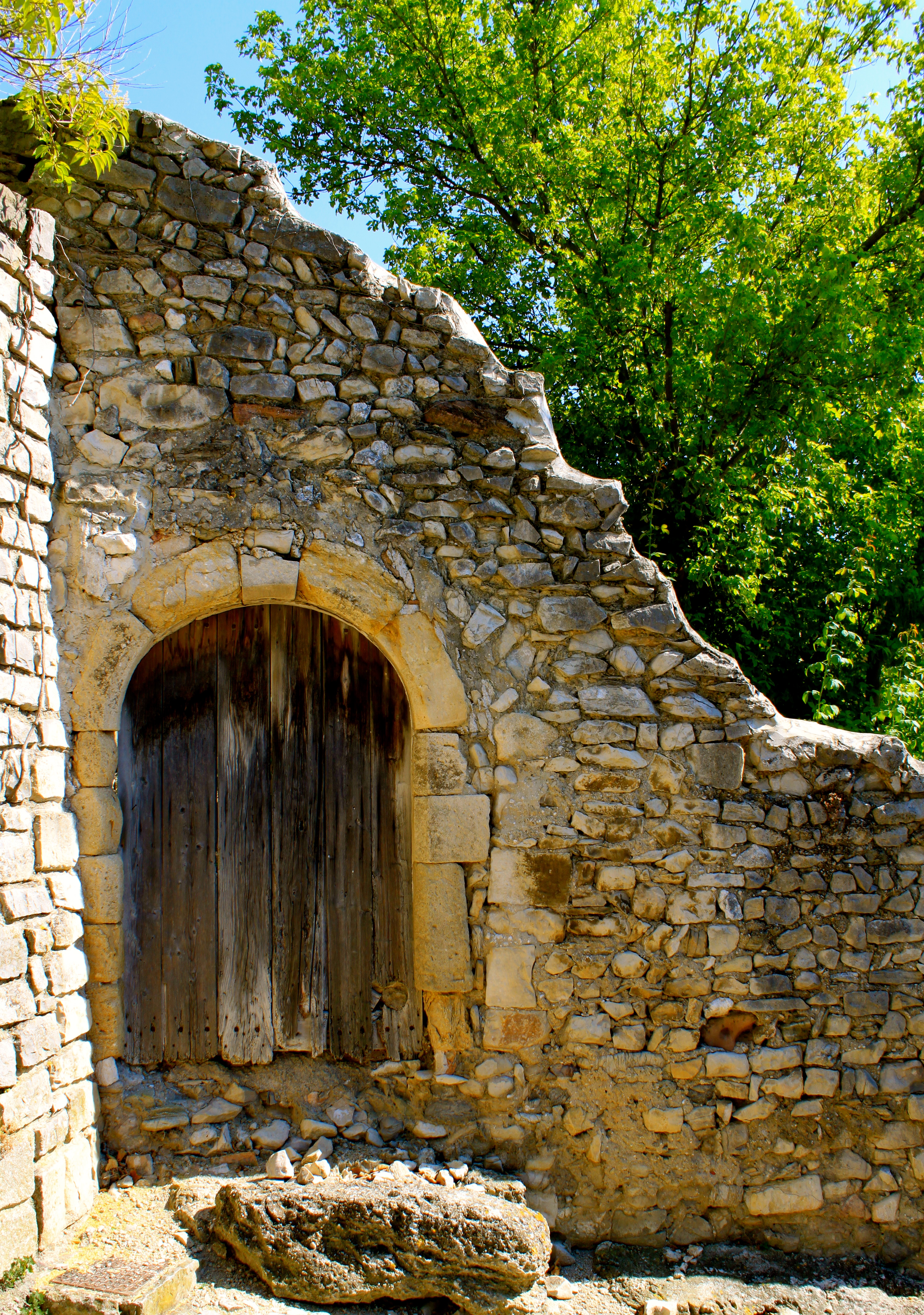
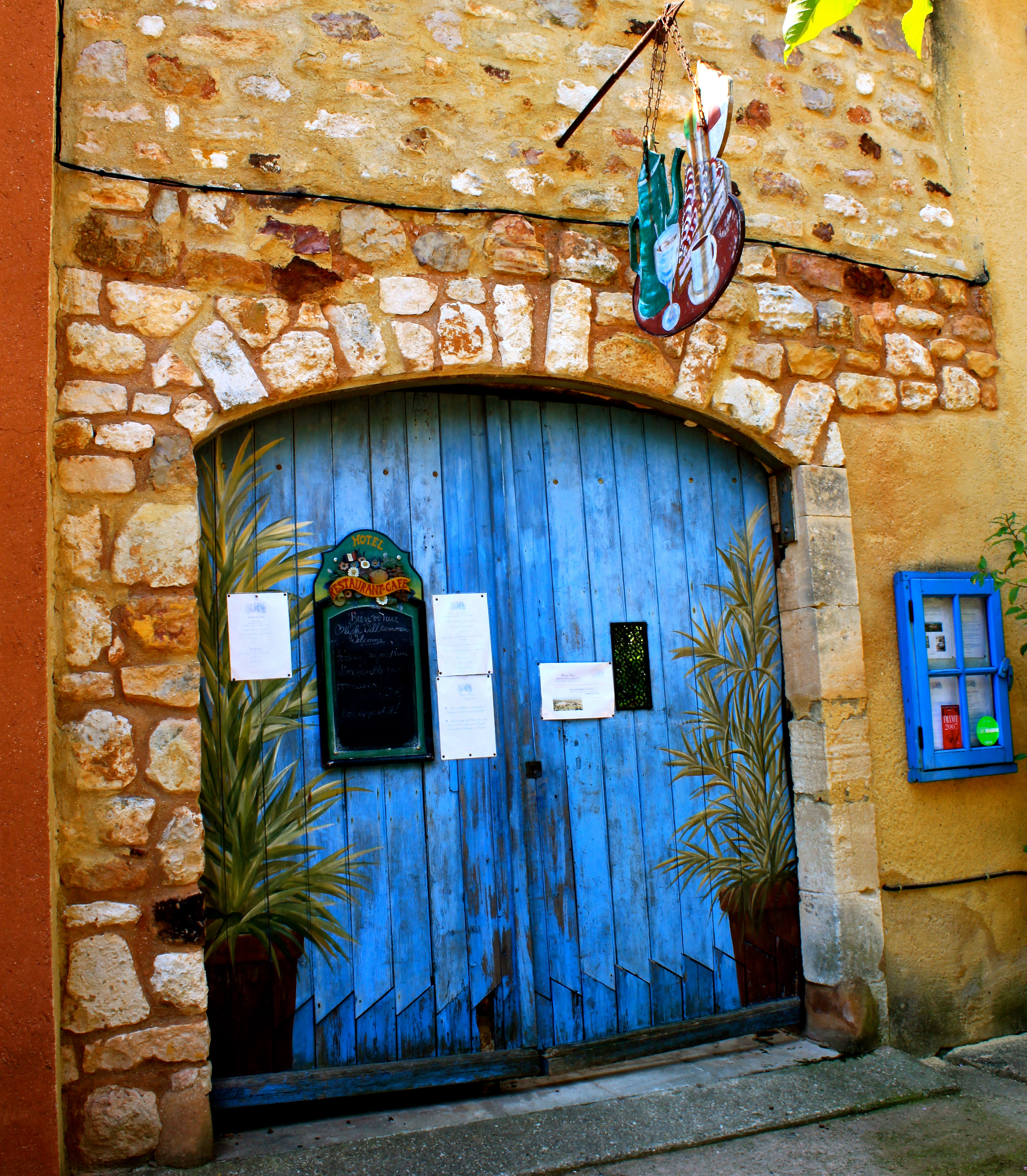
provence_door4.jpg

provence_door5.jpg

provence_door6.jpg

door_provence9.jpg

door_provence.jpg

provence_france8.jpg

No. 322: Let the Sun(flowers) Shine In

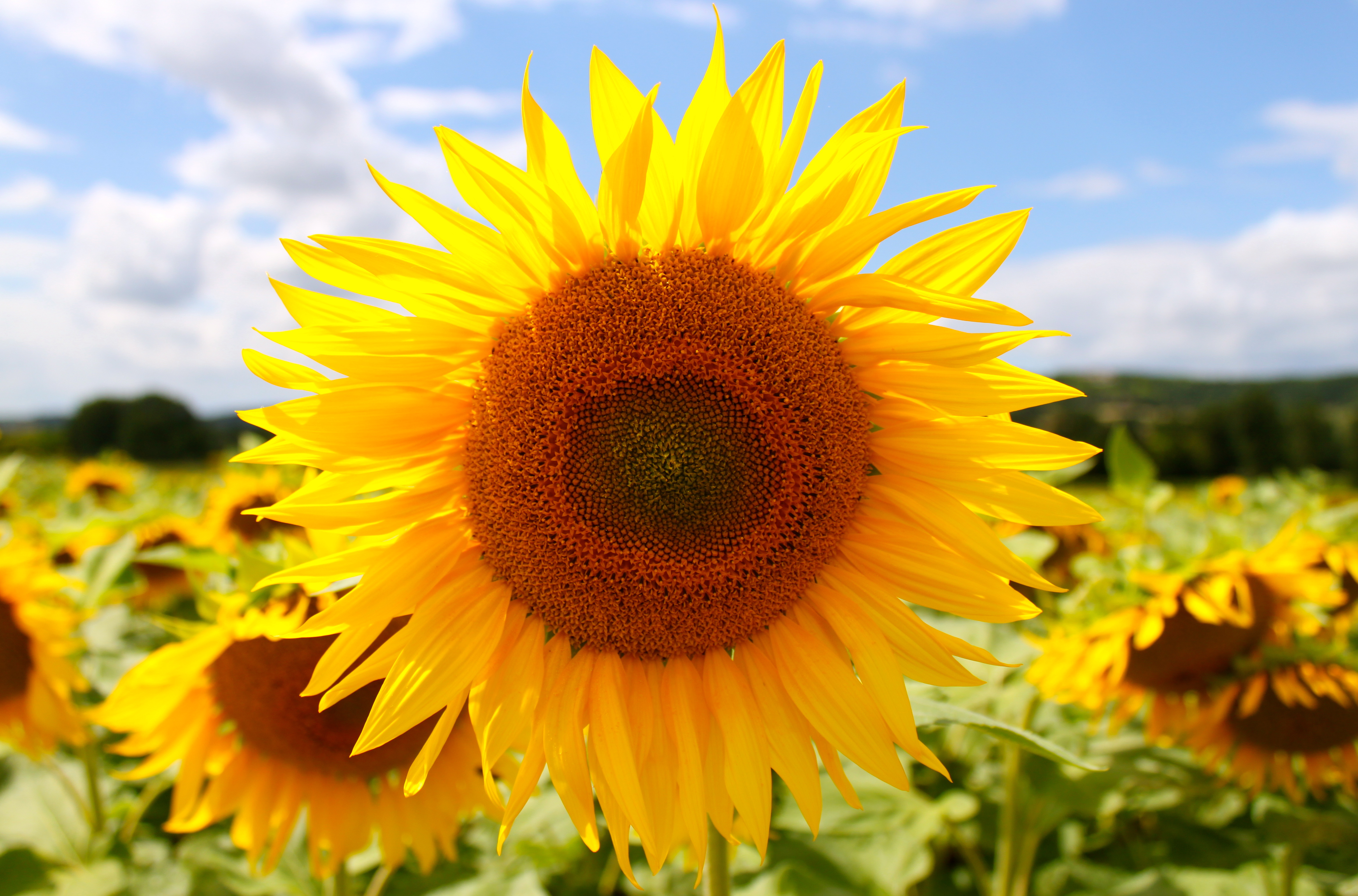
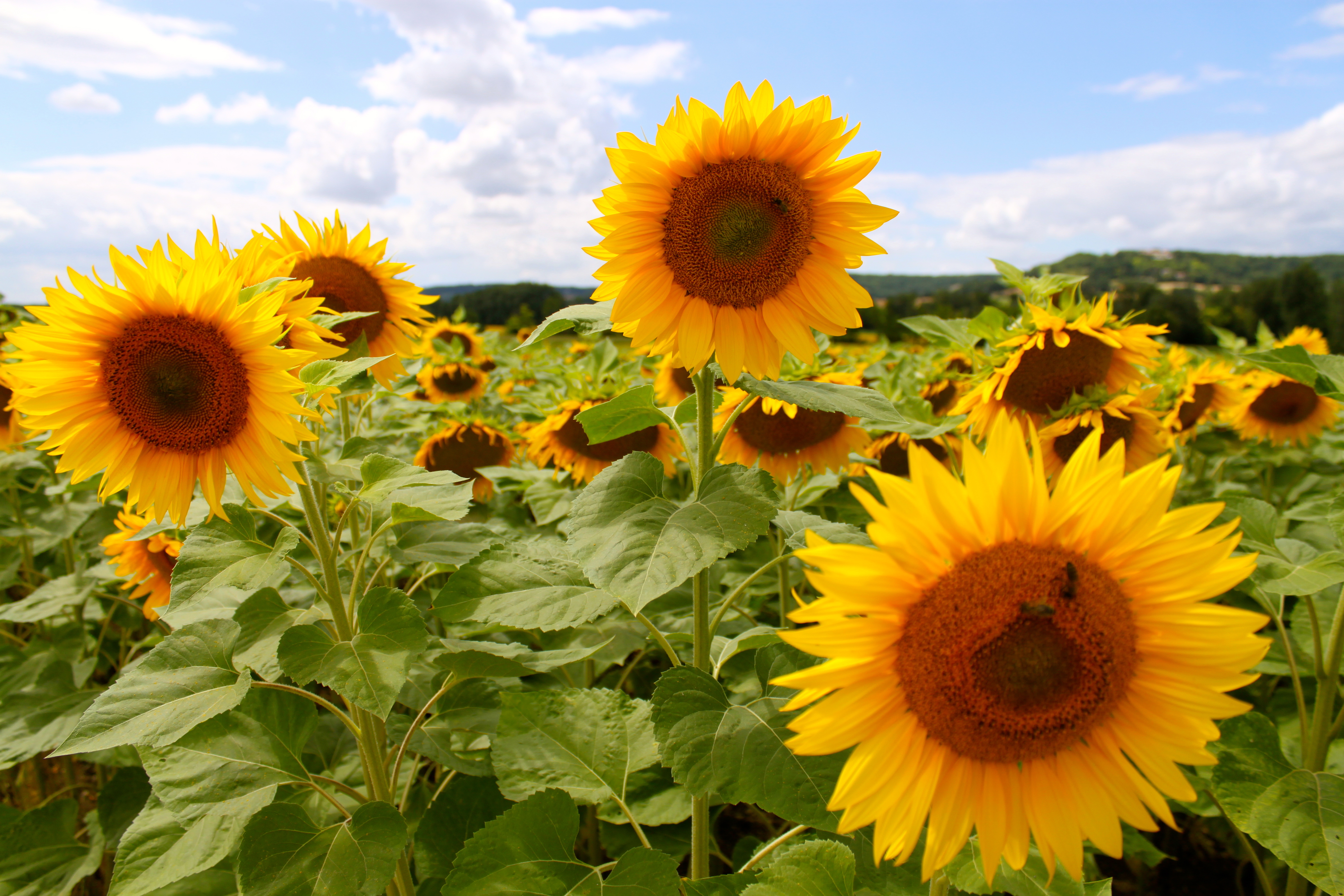
sunflowers_provence_france3.jpgsunflowers_provence_france2.jpgsunflowers_provence_france.jpgsunflowers_provence_france6.jpgsunflowers_provence_france5.jpgsunflowers_provence_france7.jpg

No. 321: Lavender Fields Forever

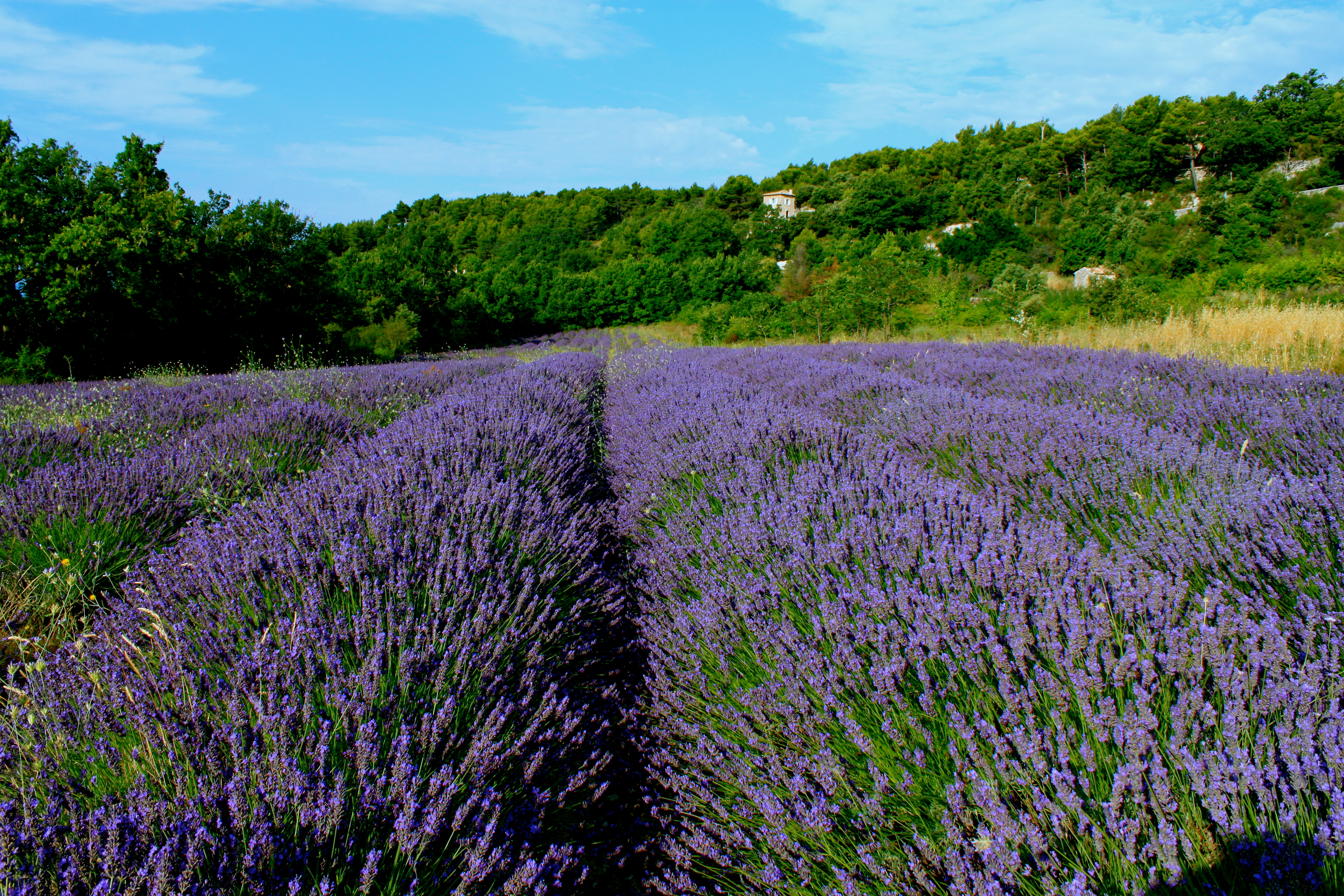
lavendar_provence_France.jpg

lavendar_provence_France3.jpg

No. 315-316: Cute Little French Towns and Half-Timbered Houses

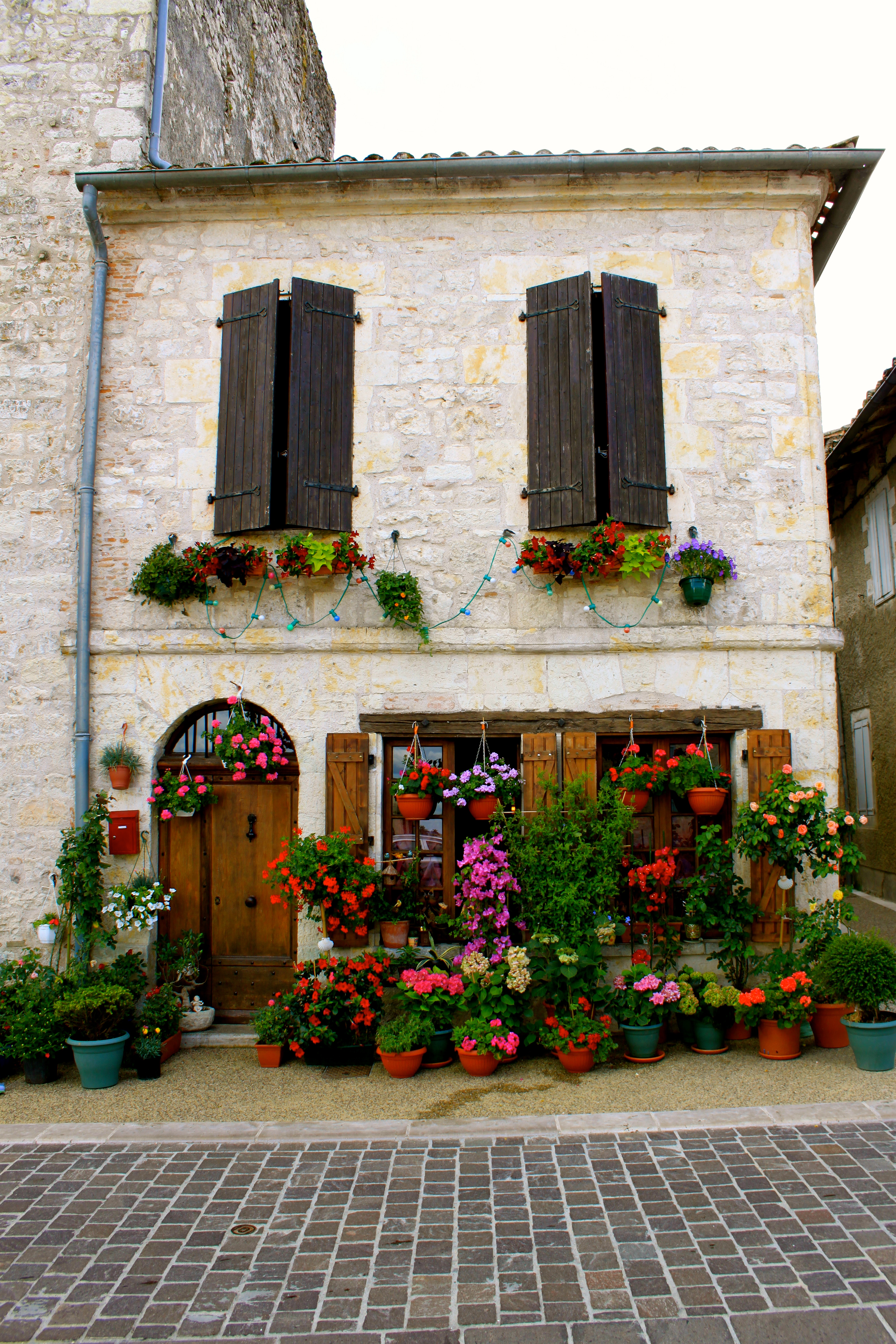
France is sprinkled with cute little French towns. Well actually it is more than sprinkled, I think “slathered” might be a bit more accurate. It seems like once you leave Paris, the cuteness-factor goes up by about 100. The French do an outstanding job of flowering their hamlets, and as I have mentioned before, compete for the designation of les Villes et Villages Fleuris (Towns and Villages in Bloom) and the title of Les Plus Beaux Villages de France (Most Beautiful Villages in France). They are also quite keen to preserve and present the history of their centres-villes anciens.


In 2013 the Huffington Post published their list of France’s 10 most charming towns. So far I have only visited two of their top-10, which thankfully gives me plenty of undiscovered villages to look forward to in the coming years. Les Plus Beaux Villages Association also provides their annual list, which you can find here—this year there are 157.

While I can’t say that I have been anywhere close to 150 French villages, I have been to my own fair share of small enchanting towns, and every time I turn a corner on my bike or by foot, I find myself smack dab in the middle of another one. And, it just tickles me pink.

Lately the half-timbered houses that add to the image of these fairytale towns have especially charmed my socks off. As these split-lumber dwellings seem to be everywhere I turn, I decided to do a little bit of research and find out how they are built.

It appears that French examples of these houses-of-charm dates all the way back to the twelfth century. Although the country was blessed with an abundant supply of oak, it was still an expensive building material, so most could only afford to use it for framing. According to medieval historians the term “half-timbering” refers to the fact that the logs were halved, or a least cut down to a square inner section. The fact that they used oak so long ago is an added bonus for us; its durability explains why so many medieval half-timbered houses are still standing.

While in modern framed buildings we installed the walls on the outside and inside of the frame, in the ancient half-timbered houses the walls were filled in between the structural timbers. What were they filled with? Why, wattle-and-daub, of course. In case this term is new to you, as it was to me, it was a mixture of different lengths of branches woven together and covered by muddy clay or bricks and sometimes plaster. (The best translation I could find for wattle-and-daub was clayonnage et torchis en français—ça marche? Native French speakers aidez-moi!)


These days most of the surviving structures are extremely narrow and surprisingly tall, and packed together like sardines. This has to do with the taxing structure of the time where buildings were taxes on the amount of street front they took up. As time went on and living conditions improved, faux half-timbers were added as decorations to improve the facades of newer houses. The wobbly and slanting timbers and windows we see nowadays on the ancient buildings are not due to shoddy workmanship of the time, but simply victims of the passage of time and the expected buckling of aged wood.

So there you have it, a brief history lesson on the half-timbering that makes these little towns so darn adorable. C’est très charmant, n’est-ce pas?

No. 312-314: La Loire à Vélo, Bike Share Programs and Biking in Dresses

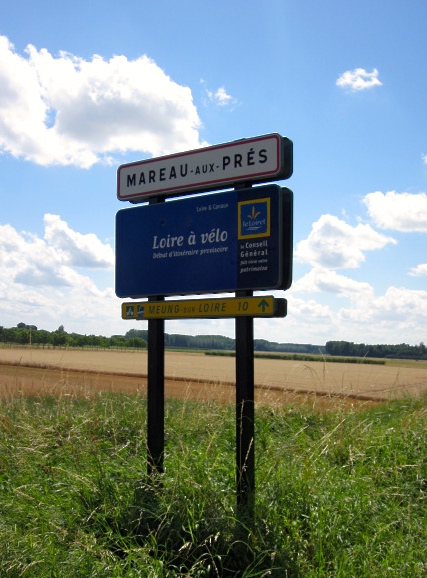
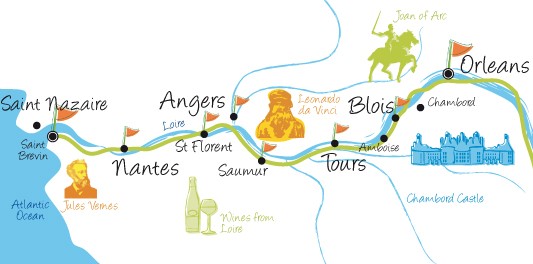
la_loire_a_velo_bike.jpgFor a Colorado girl accustom to always having to ride the hills, the Loire à Vélo is a gem of a bike trail. The 800km path spans two regions of France, the Centre and the Pays de la Loire, and connects six cities: Orléans, Blois, Tours, Saumur, Angers, Nantes. There are no hills, en fait, recreational and professional riders are faced with nothing more than minor “bumps” as they make their way to or from the Bay of Biscay. Hands down, it is one of the most enjoyable vélo paths in France. La Loire à Vélo was an enormous public works undertaking that took the better part of two decades and cost a whopping €52 million to develop and signpost. A favorite among the French and tourists alike, over 800,000 cyclists follow some part of the trail each year. Happily our family is a lucky addition to that statistic.

There is really no excuse not to give it a go, as the usually friendly (when not striking) folks at SNCF make it an extremely easy bicycle holiday by allowing you to take your bike with you on their Interloire-trains. Between Orléans and the bay there are over 20 train stations with quick access to the trail, which makes it very easy to cycle as far as you want and then hop the train back to where you started.

We have biked the Loire as day trips from Paris and as long weekends. I plan to celebrate the BIG 50 by biking the whole 500 miles in 2015. Even if you are not as ambitious as me, or don’t have your own bike, it still makes a super fun and undemanding afternoon outing from any of the cities listed above, because the French have made it super easy. If you only want to go for an hour or two, you can rent a bike for a few euros in most cities from their vélib or bike share programs. So even if you spend the morning visiting museums and lunching on the local cuisine, you can still hop on a bike (ladies, go ahead and bike in your dresses—the French are not the “gearheads” that Americans are), and enjoy some of the most beautiful landscapes in France…mais, bien sûr don’t forget your (chic) bicycle helmets.

Bon vélo!

stage-loire-valley-eurovelo6