Skip to content

Posts tagged ‘Paris’

No. 10: Chagall

La Danse 1950-1952

La Danse 1950-1952

I am a huge fan of Marc Chagall.

I was lucky enough to see the Chagall exhibit at the Musée du Luxembourg in Paris at the end of summer, and it was stunning. I adore his vibrant palette and enthusiasm. Boy, could Chagall do color! As Picasso said, “When Matisse dies Chagall will be the only painter left who understands what color really is”. Je suis d’accord, brother.

Although Chagall was born in Belarus, the French considers him first a French artist, and then a Russian painter. While he did spend the majority of his life in France, much of his work reflects and was inspired by his memories and dreams of his homeland in Vitebsk. But, fortunately for all us admirers, many of his most famous works can still be found in France.

Le Paysage Bleu, 1949

Le Paysage Bleu, 1949

The expos. A remarkable thing about living in Paris and France is the exceptional access to great works of art. At this exhibit, I fell in love with his fiddlers dancing on the roofs and his ghostly figures gliding through his magical sky, the green and yellow dancers and whimsical forms, the purple roosters and blue violins, the stuff that dreams are made of…his hopes, longings, and losses—a delightful and thought-provoking display of some of his major works.

A night at the symphony. The Palais Garnier, Paris’ famous opera house, is also the home to his famous, fanciful ceiling. Although there was a whole heap of debate and some very disgruntled Frenchies when he was first commissioned to paint it in 1963, it has become a much beloved part of any evening at the opera or ballet.

Palais Garnier, Paris

Palais Garnier, Paris

The windows. You may not know that a set of Chagall stain glassed windows is housed in Reims at the gothic Notre-Dame Cathedral. I was oh so pleasantly surprised to find them when touring Champagne country. Someday soon I hope to make it to Metz to visit Saint-Etienne Cathedral to see, as one French friend has told me the most “flamboyant” of all of Chagall’s windows.
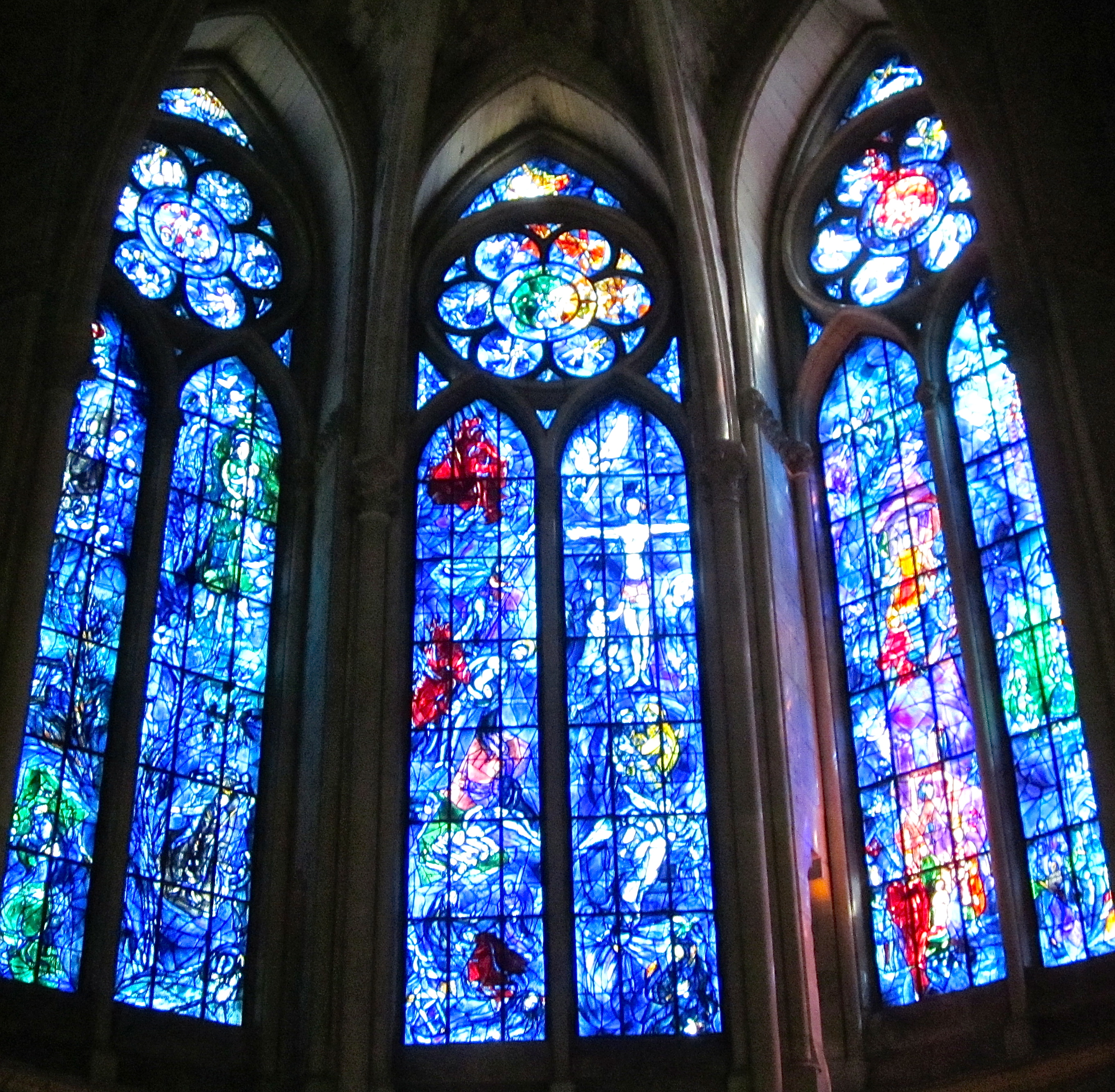
Reims Cathedral

Reims Cathedral

The sets and costumes. On top of that, I just learned from my lovely daughter and dancer, Kitcat, that Chagall also designed and hand-painted the madly imaginative costumes and sets for the1942 production of Aleko, for the New York Ballet Theatre and did the same for New York’s Metropolitan Opera’s production of the Magic Flute, later in the 1960s. (Do I have to go to New York to see them? Does anyone know where they are housed?)

Fish
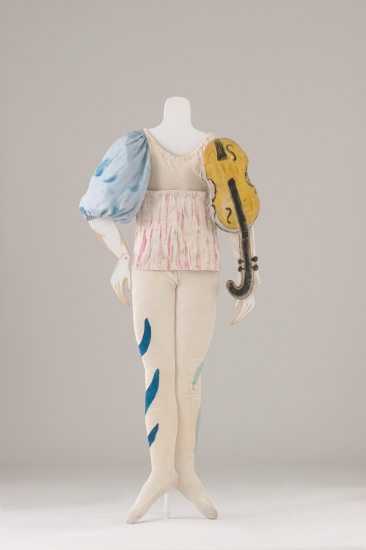
Fish

Clown costume, Aleko

Clown costume, Aleko

Most definitely on my radar this fall, is a trip to the Carrières de Lumières, via Marseilles, to see the “Monet, Renoir… Chagall: Journeys around the Mediterranean” expo…and, of course Nice is my Mecca. Someday I hope I’ll visit the Musée National Marc Chagall.

Vocabulaire:

Je suis d’accord: I agree

No. 8: My Nespresso

NespressoI wasn’t always a coffee snob, in fact, I’m not sure that I am one. I’m pretty inexperienced. I’ve only been drinking coffee for a few years, turned on to the benefits of possibly staving off Parkinson’s disease, as it runs in my family. Watching my maman decline and eventually die from this dignity denying disease, I have chosen to cling to any remedy that offers a hope of preventing me from succumbing as well. So naturally when I saw the recent studies showing a link between prevention of Parkinson’s and coffee drinking, I very easily picked up the daily habit of drinking two café noisettes. (Which by the way has nothing to do with hazelnuts.)

I say easily, because it such a part of the French culture to have a coffee. They drink their coffees standing in the morning at a bar, sitting in a brasserie for lunch, reclining at their cafés at teatime, and of course, luxuriously finishing their final cup after dinner at a resto with a pack of cigarettes.

The Frenchies aren’t so much of  a coffee culture as they are a café culture, and I think that’s where things have gone wrong in regards to a good cup of Joe. I’m not sure it matters to them what they are drinking as much where they are drinking it, and with whom. There have been many an article and blog post written about the regretfully awful coffee served in France, with headlines ranging from bad to worse: Why is French Coffee so Bad?  How the French Ruined Coffee, and my favorite, How Not to Drink Black Tar in Paris.

But there is still hope. When I asked my Italian friend Sarah where to get a good cup of coffee in Paris, she said, and I quote, “There are only two places I can recommend: Coutume on rue de Babylone and the Fiat dealership (yes, no kidding, they have a bar there!!!) on the Rond Point des Champs Elysees”.

Guess I better buy a Fiat.Coffee3

Vocabulaire:


un café noisette: An espresso with a little bit of hot milk.

une noisette: a hazelnut

un restau: a cool way to say restaurant

No. 6: Crème fraîche

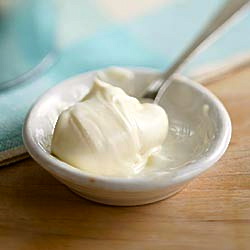
www.vermontcreamery.com

photo: vermont creamery

Excuse me while I take a moment to pop the top button on my skinning jeans and ask, “What is not to love about crème fraîche?” Bien sûr, it holds a place on the 365-things-I-love-about-France list. And who’d of thunk that before I landed in Paris, I’d never even heard of it.

According to people in the know, all you need is one willing dairy cow, a set of nimble milking hands, a simple means to separate the milk from the cream, and a little time to let the natural lactic bacteria take over, et voilà, before you know it: crème fraîche; the most delicious and divine “sour cream” you can imagine, albeit with a MUCH higher fat content. I shudder to associate American sour cream with French crème fraîche, there really is no comparison, especially when you buy it from the lively M. Laitier at le Marché Saxe in the seventh arrondissement in Paris.

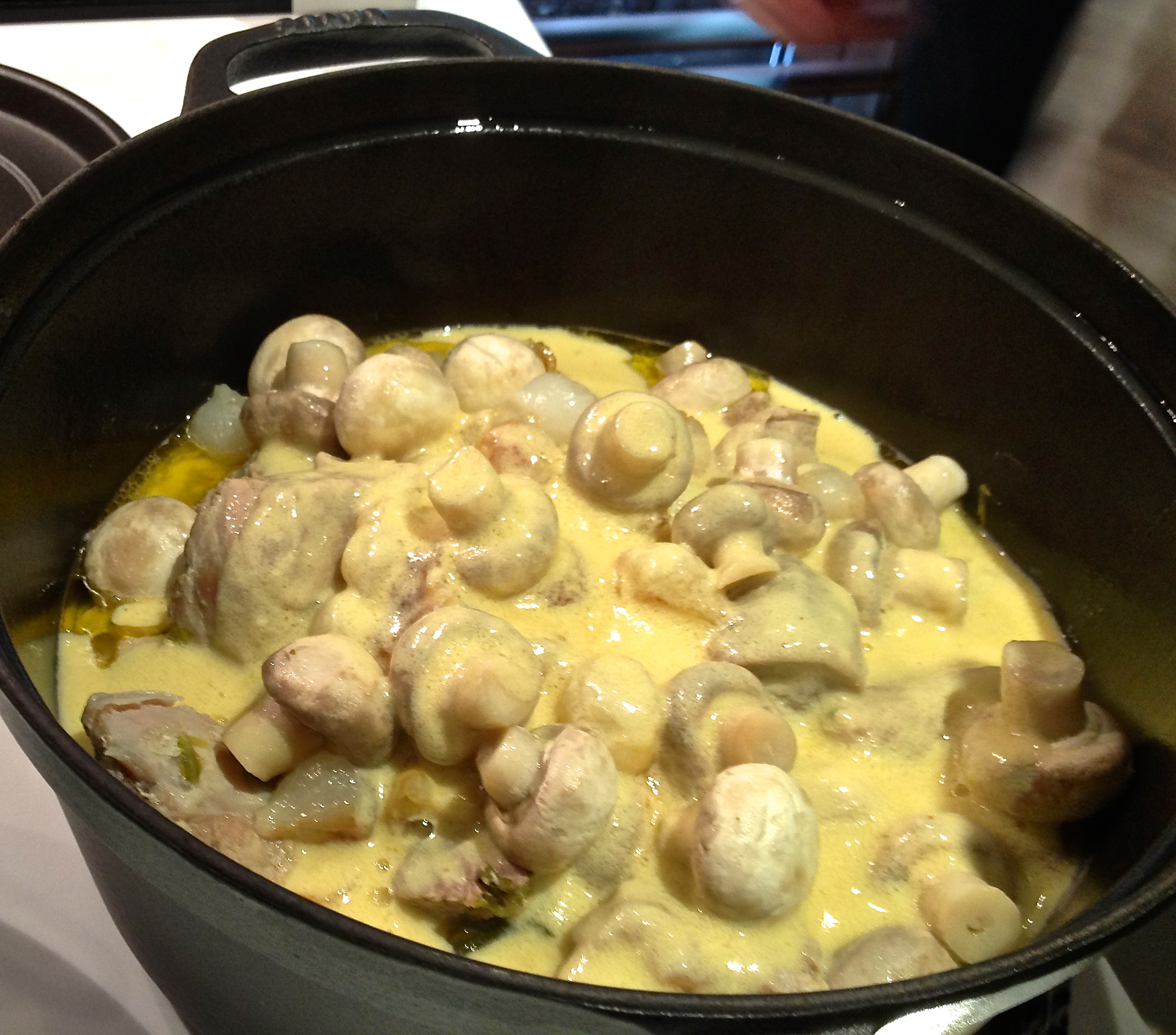
In regards to French cooking, Julia Childs certainly had it right when she said, “If you’re afraid of butter, use cream.” And boy do the Frenchies know how to use cream. Each time I take a French cooking class, at least one, if not all five recipes call for a minimum of one generous tablespoon. Crème fraîche is used in sauces, dressing, pastry, custards, and soups; with, poultry, beef, pork, fish, chocolate, tartes and crêpes. Of course it is exquisite with fresh fruit; or if you are like me, you could always eat it straight from the pot. Its unique sweet and slightly tangy flavor and creamy texture is, as Button would say, “Like heaven popped on a plate!”

Blanquette de Veau

Blanquette de Veau

Velouté d’Oseille

Velouté d’Oseille

Poule-au-Pot Sauce Suprême

Poule-au-Pot Sauce Suprême

Can’t find it in your favorite grocery store back home, try this do-it-yourself recipe from Emeril Lagasse.

Vocabulaire:

bien sûr – of course

crème fraîche –  fresh cream

le laitier – milkman, dairy farmer

No. 3: Picard

Picard Sign

The farmers’ markets may be where the purist buys their ingredients, but the rest of us (Frenchies and expats alike) know the true secret of French cuisine, Picard.

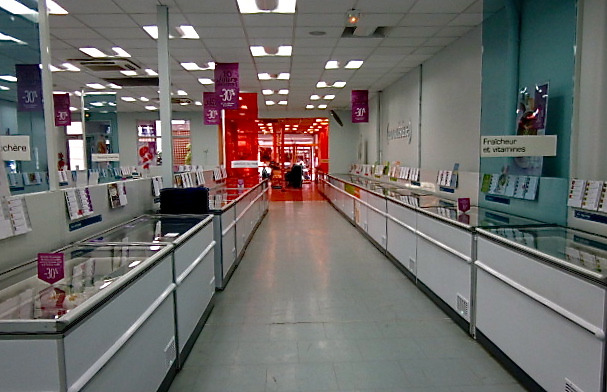
When I first arrived in France with not a lick of French, I used to hesitate when I passed these ultra-white, antiseptic stores, glancing furtively, I’d wonder, “What the heck is going on in there? And who are those workers in the crisp white lab coats?” Hmmm…Picard Surgelés?

With my brilliant grasp on the French language, I decided that “surgelés” obviously had to have something to do with surgery; therefore, these must be stores exclusively for pharmaceutical and surgical supply reps. I imagined, freezer after freezer filled with lifesaving vaccinations and disease curing antibodies, but why were all the women filling huge shopping carts with medicine?

Medical Supplies or TV dinners?

Medical Supplies or TV dinners?

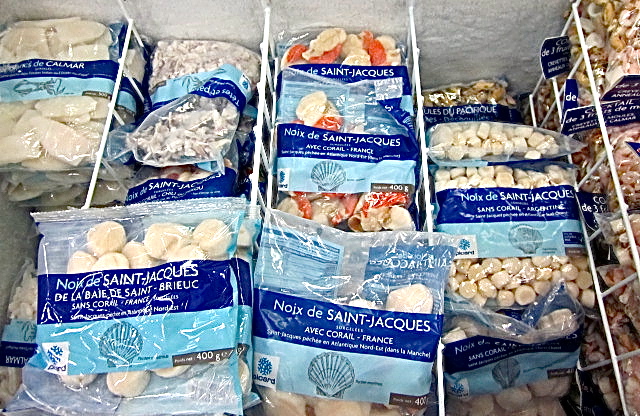
It turns out that Picard Surgelés is the French retailer specializing in frozen food started by M. Picard, a purveyor of ice blocks in the early 1900s in Fontainebleau. Now with over 800 stores in France (100 in Paris alone), and more than 1,000 rotating products, Picard is the sneaky solution to every French woman’s dinner party. While it may feel like cheating sometimes, I’m all for cutting out a few hours of slicing, dicing and sautéing, in exchange for some face time with my family and friends. Not only is Picard a huge time saver, it is also the surest way to assuage a maman’s guilt when she dares to leave the family for her annual girls’ weekend: “They have Picard,” she thinks, “Cassolettes aux noix de Saint-Jacques on Friday night.” (A slight step up from the Totino Pizzas, my folks would offer us on their date-night.)

Saint-Jacques

Saint-Jacques

So heartily have the French embraced Picard, I have yet to attend a dinner party where something from Picard is NOT being served. When pressed even the most traditional French hostess will admit to using les ingrédients congelésis in their delicate creations. Heck, I’ve even been to French cooking lessons, where the chef has clandestinely thrown in a handful of something popped fresh from Picard’s freezer. These sterile stores are a sight to behold, row after row of neatly arranged freezers, humming and glowing, what they lack in market romance and charm, they more than makes up for in convenience. When you spot that shining snowflake in the distance, you know dinner is saved.

Les mamans saving grace

Les mamans saving grace

Zut alors! So much grub to try: Australian wild boar, New Zealand doe, flash frozen ostrich, Burgundy snails, frog legs in creamy walnut pesto, lobster tails from Maine, and scallops floating in a Sancerre wine sauce. Need to spice up your spiceless French fare? Pick up some ethnic vittles: Thai, Japanese, Indian, Mexican, Lebanese, Mediterranean, Latin America and Caribbean, to name a few. By God, François Théron even has his own designer-line of gourmand ice creams and sorbets.

Donc, bravo surgelés. When the French do it, they do it right!

Vocabulaire:

surgelés: frozen food

No. 2: The Colors of France

Macaron

Dyes

Paints

Shades

Washes

Blushes

Flushes

Pigment

Tinge

Tone

Dash

Drop

Streak

Stain

Flash


Colors

Coustellet (Avignon) Marché

Coustellet (Avignon) Marché

One of the things I love about France is color.

Aubergine, Provence

Aubergine, Provence

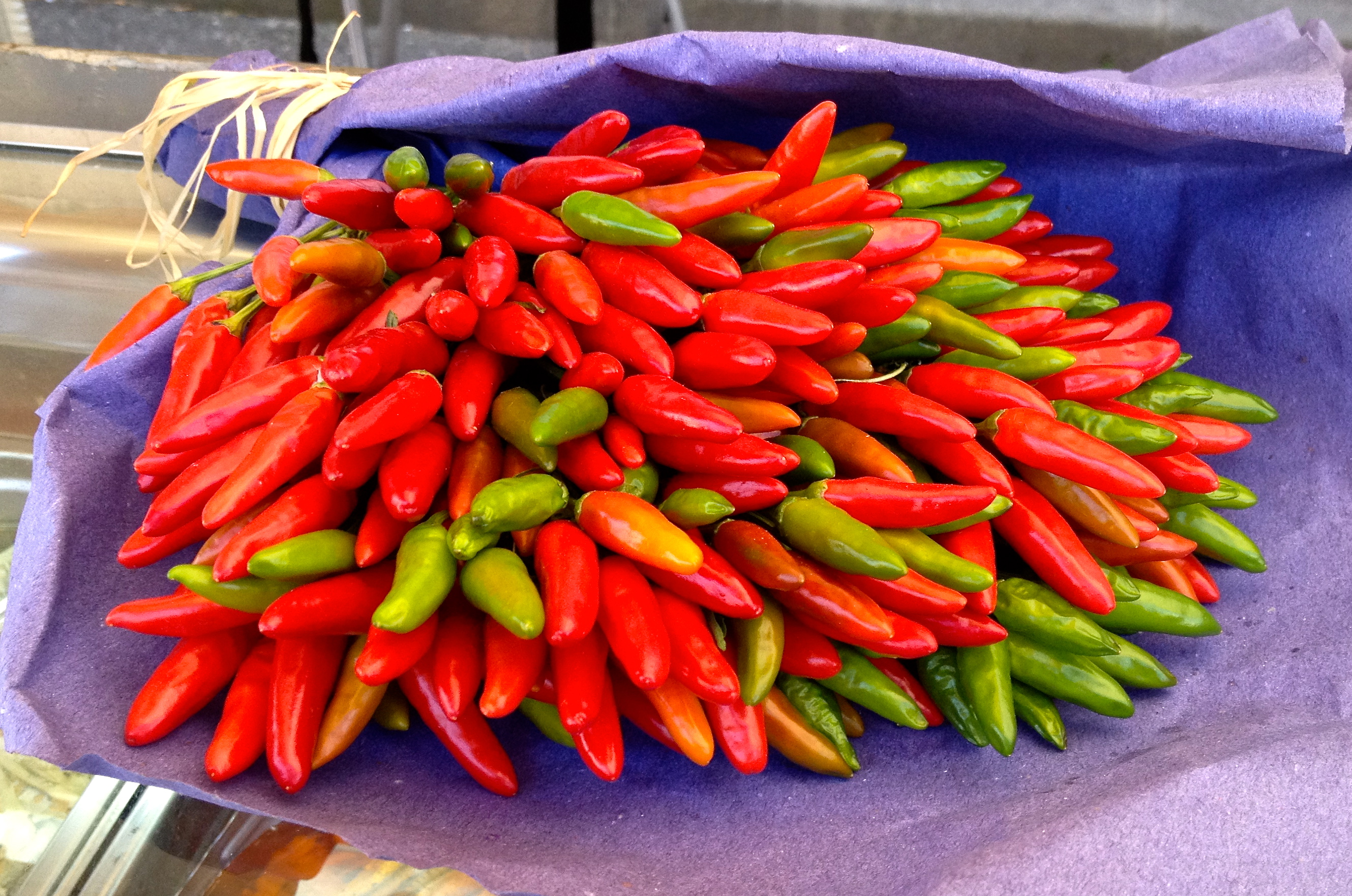
Un bouquet de piments, Provence

Un bouquet de piments, Provence

Which upon reflection seems a bit ironic coming from a girl who calls Paris home—the small town where the natives only wear dark black, medium black, light black, murky black, mournful black, gloomy black, sometimes dreary grey, or, if they are feeling especially adventurous, a reliable navy blue, or peut-être, chocolate brown.

Paris street style by Vogue

Paris street style by Vogue

I guess the reason the colors of France strike me as something to devote a whole post to is because in the City of Light, there is a whole lot of darkness.

Le Centre Pompidou

Le Centre Pompidou

So when you see the flushes and blushes of color among the sea of blackness, you can’t help but beam and sometimes even be bedazzled.

Giverny, Claude Monet's Gardens

Giverny, Claude Monet’s Gardens

Vocabulaire:

peut-être: maybe, perhaps, possibly, perchance

No. 1: France, je t’aime!

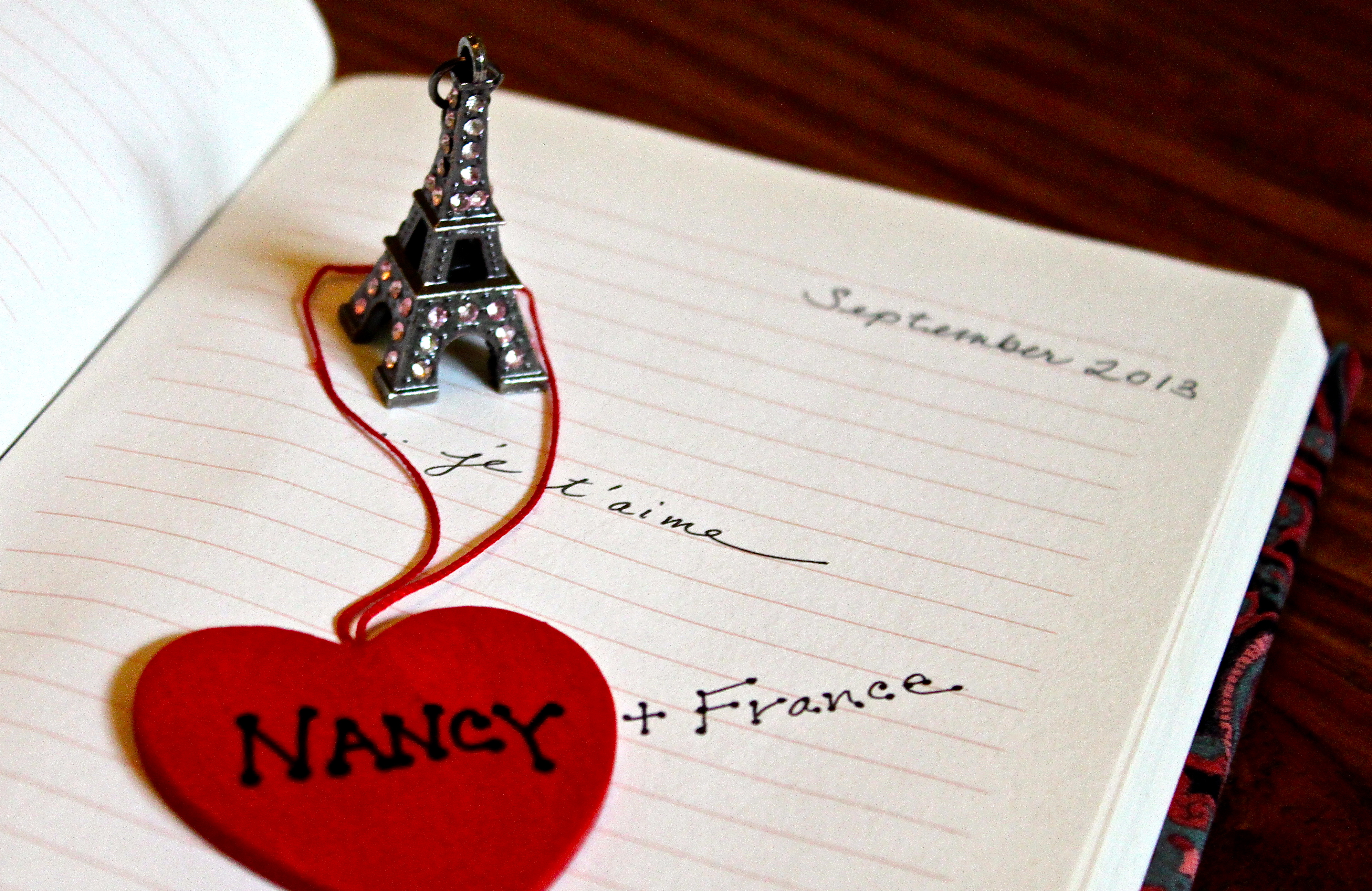
IMG_8040So how can France, herself, be the first of the 365-things-I-love-about-France, as she is obviously the focus of this entire blog?  Simply put, there would be no blog if not for my great fortune of having landed in France to begin with.

Paris has been our on-and-off home since the summer of 2009. To be honest, even though we made a conscious effort to quit the US for a while in exchange for an experience abroad, France was not our first choice. In fact, none of us knew much about Paris or France. With the collective knowledge of the countless romantic Hollywood moments we’d watched on the big screen, and the storied love-hate relationship between our two countries, we arrived in Paris excited, apprehensive, and pretty darn green.

Since my husband, Superman, and I had been exposed to all the negative stereotypes about the French and France, we weren’t overly keen to make this leap. One might even say, we were terrified of the French, but nonetheless, as good liberals, willing to give them the benefit of the doubt.

Unfortunately, in the beginning, our reality in Paris wasn’t so far off from the cauchemars we had secretly and frequently imagined, before we left the States. The postman was cruel, the French teachers abusive, the shopkeepers hardened and smug, the dog poop piled high on the trottoirs, and the average Frenchman more happy to play a game of sidewalk chicken, than break a smile or lend a helping hand. No matter what day you checked on us, one family member was undoubtedly lying in a heap on the bed sobbing uncontrollably.

But thanks to the support of the girls’ bilingual school community and a thimble full of kind French friends, things began to shift. Ever so slowly, happiness began to trickle in. France and all things French seemed to get under our skin and creep into our hearts. We began to fall in love with this complicated country.depositphoto.com

And now, after two years we feel incredibly grateful for this experience and, at least I, feel more at home in France than I ever did in Colorado. Which is not to say that the rose tint has not begun to fade when I look out at my French world. But even though I may no longer be a Polly Anna in regards to the wonders of France, I have begun to panic at the possibility of saying goodbye to this country yet again. En ce moment, I can’t imagine living anywhere but Paris and I am rattled by the possibility of only having a short 365 days left among the French.

This blog is a way for me to fondly share both the things that make living in France so downright astonishing, and the things that drive us expats mad, yet in their own strange way, make this bewildering country a place I feel enormously fortunate to call home. While our Paris life will, by default, be the focus of my writing, I also plan to share the daily marvels and exasperations of as many corners of France as I can.

Thanks for following along as I countdown the 365-things-I-love-about-France.

Alors, ça commence..allons-y!