Skip to content

Posts tagged ‘French language’

No. 116: American Optimism

I haven’t posted for a while because, frankly, sometimes the French just get me down. And lately they’ve really been bringing me down.

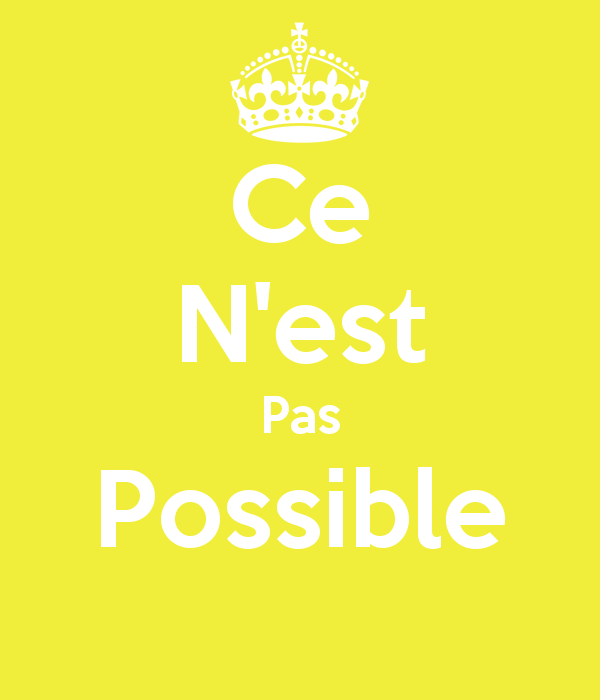
Some days, some weeks, some months, it seems like nothing is possible in France. I hate to go down the road of crabby expat, but lately many things (from the smallest thing—trying to pay for a baguette with a 20€ note, to things on a grand scale—looking into applying for a work visa, have been branded by the French as: “Ce (n’est) pas possible!”
ce-n-est-pas-possible

I was pushed to my last nerve this afternoon as I was biking to a birthday lunch. I was riding against traffic in a clearly marked bike lane, following all the rules of the road. (Bike lanes on streets in Paris are marked with a picture of a vélo and an arrow pointing in the direction you should be biking.) Twice, I found myself blocked by a car driving or stopped in the bike lane, leaving me absolutely no room to pass. There were three alternatives. Hastily hop off my bike and walk it on the sidewalk around parked cars and pedestrians; squeeze into the lane of oncoming traffic and pray the drivers would move over and let me pass rather than knock me over; or three, gingerly tap on the window and ask the driver if they would, “Please move.”

Being the polite (and stubborn) sort, I chose to tap on the window and ask (as if it wasn’t already obvious to them) to move their car, s’il vous plaît.

s'il vous plaît...

s’il vous plaît…

The first time I tried this, the woman just shook her head and muttered, “Ce pas possible.” Although there was a good five feet ahead of her to scoot into, she rolled up her window, refused to make any more eye contact, and laughed aloud like I was the most hilarious thing she had ever come across.

The second time I came fender to fender with another faultlessly coifed femme d’un certain âge, before I could even open my mouth, she told me defiantly, “Ce n’est pas possible!” Then she glowered and added, “Ce n’est pas ma faute.” Well friend, then who can I blame for you driving in the bike lane?

At this point, only 10 minutes into my 30-minute ride, I lost it, and went into my why-are-you-frickin’-Parisians-so-damn-mean-and-rude diatribe, en anglais, bien sûr, because, sadly, I can’t argue or swear in French. (Note to self: work on French “fighting words”.)

The result, of course, was nothing more than a tight-faced smirk from la femme and a feeling of helplessness from moi. When she did finally move, she made sure to hit me with her mirror, c’est normal!

Although my day, thanks in large part to an Anglophone/Italian birthday party held at a new Paris resto run by a native South Carolinian, only got better, I found myself thinking of those two encounters on and off. I felt sullen and defeated as I mounted my bike for the ride chez moi.

But then something small and wonderful happened when I came home and turned on the light in the kitchen. There spread across the rustic fruitwood table were six freshly planted window boxes waiting to be place on the sill…ready and willing, and against all the odds, planning to grow me some herbs.
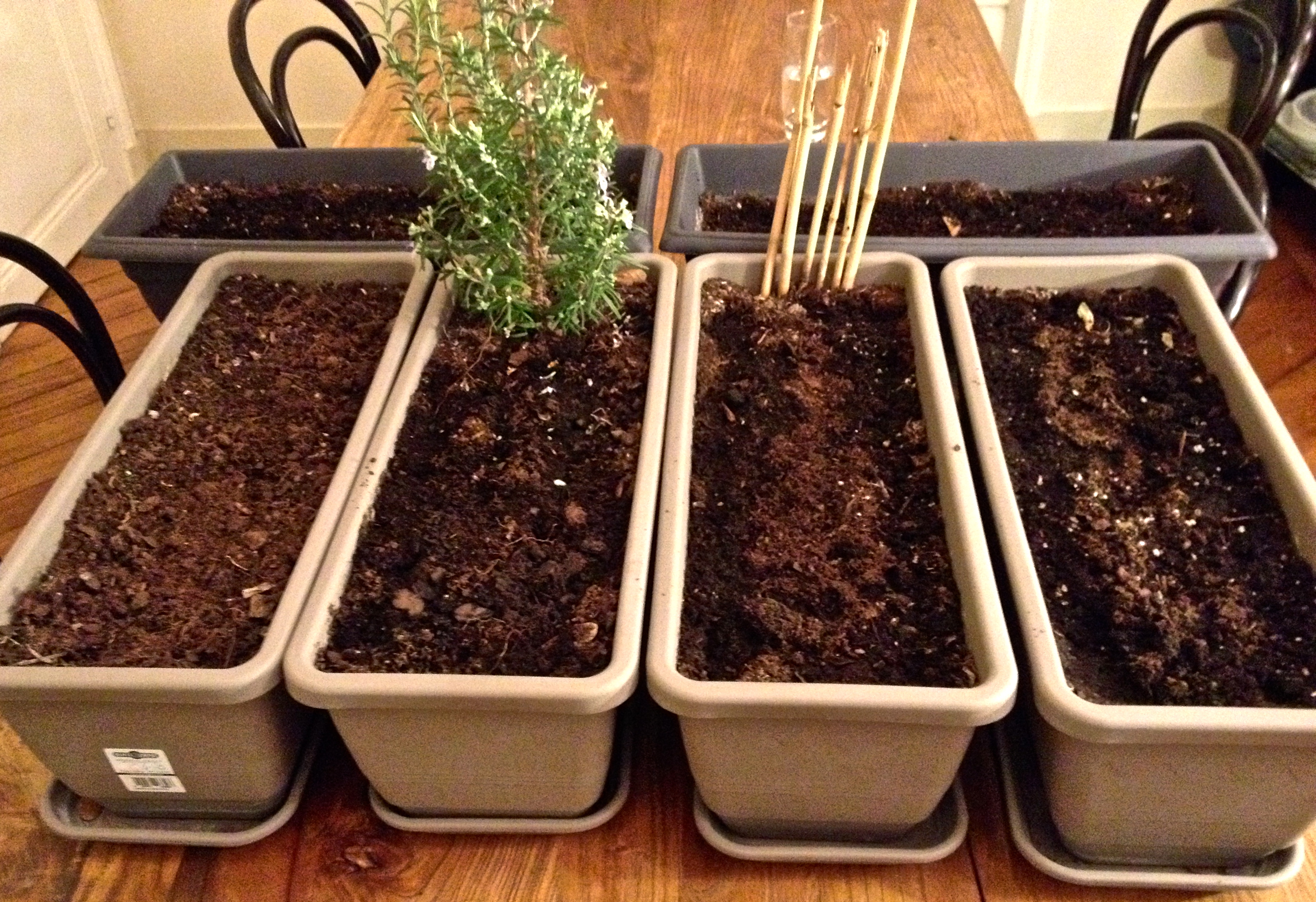
window boxes

Now this might not seem remarkable, but remember, it is only January 21.

Donc, this Francophile was reminded of one of the great things about NOT being French. For all my countries faults and follies, I am grateful to have grown up in a country brimming with optimism. If Superman wants to try and grow an herb garden in the middle of winter, well then dang it all, give it a go! What have you got to lose? A couple of Euros spent on seeds, and some happy time spent dreaming.

You know what, my dear French amis and enemies, “C’est possible!”

Vive l’optimisme américain!
ywc_wordle

Vocabulaire

amis: friends

C’est normal. That’s normal; as usual

C’est possible! It’s possible!

Ce n’est pas ma faute. It’s not my fault.

Ce (n’est) pas possible! It’s not possible!

chez moi: (at) home

en anglais, bien sûr: in English, of course

femme d’un certain âge: literally, woman of a certain age, which in France implies a certain type of sexual prowess, or when it comes to bike riders vs. cars, radically rude women over 50.

la femme: the woman, lady, wife

moi: me

s’il vous plaît: please

Vive l’optimisme américain! Long live American optimism!

vélo: bicycle

No. 111: Learning to Laugh at Myself

I go through extreme ups and extreme downs when it comes to learning French. Some weeks I feel very confident and have great ego-boosting moments when I faire les courses, give proper directions to lost French tourists, or can have a solid conversation with my gardienne. But there are a lot of weeks, when I feel like a toddler trapped in a grown woman’s body just trying to be understood.

Learning French has been one of my biggest stumbling blocks over the last 5 years. I’ve studied hard and taken many classes. I listen to French on my iPod everyday. I keep journals of new vocabulary. I do lots of grammar worksheets. I’m fine on paper when I read and write, and I’m fine on understanding spoken French. But often when I speak, I completely freeze. My mouth dries up, my tongue gets tied, and my brain seems to go on holiday. It is a pattern I can’t seem to break.

Spoken French is the monkey on my back.

source: cheeeseburger.com

source: cheeeseburger.com

I just wish he would climb off and head back to the tropics!

2014 has to be the year that I finally stick to my resolution to stop being afraid of making mistakes and learn to laugh at myself.

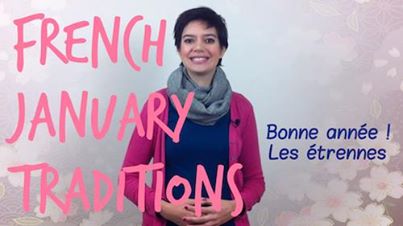
Having been trying to make that resolution my mantra for the last 2 weeks, it was quite fortuitous that this (from my new favorite online teacher, Géraldine of Comme une Française TV ) showed up today, just as I was beating myself up about a rough exchange with Air France over the telephone.

Géraldine is great at making me realize I am not alone in my foibles and always encourages her students to shrug it off, chuckle at yourself, and keep on trying.

Give her newest video a lookie-loo and smile!

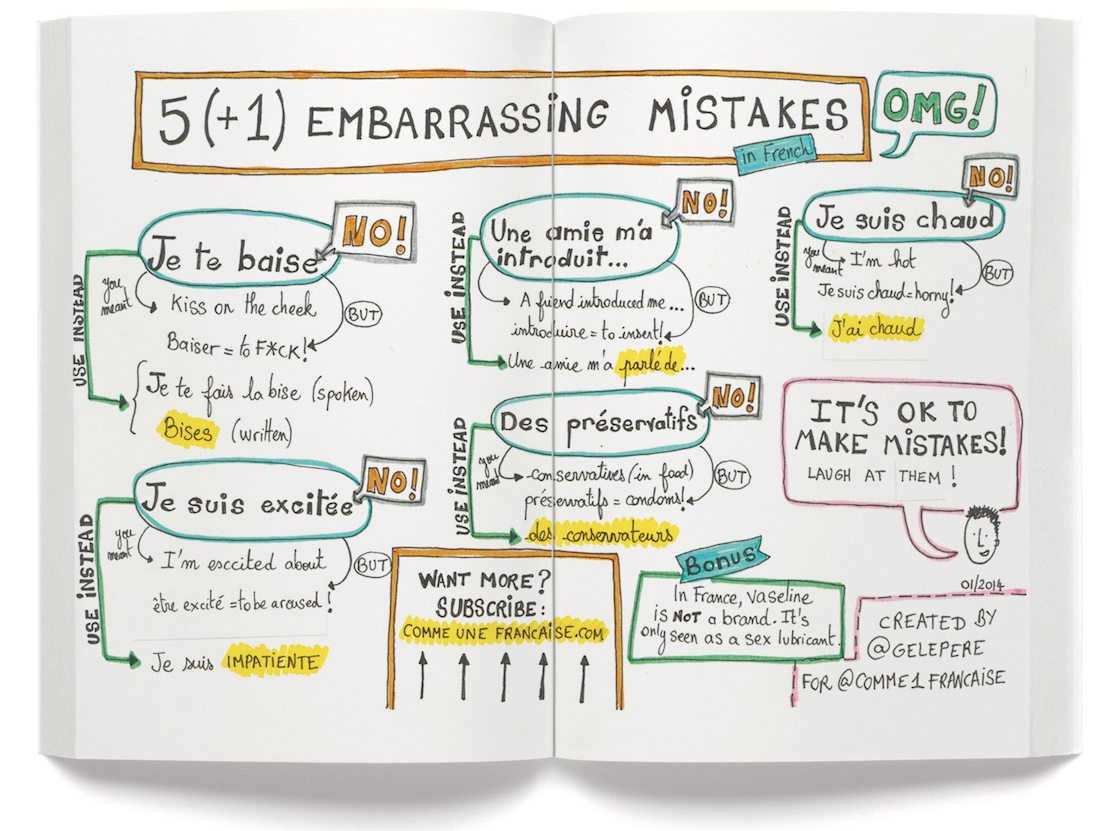
Five (Very) Embarrassing Mistakes from Comme une Française TV

  1. Je te baise ≠ I give/send you a kiss; it does mean: I (want to) f*ck you. It’s much better to say: je t’embrasse.
  2. Je suis excité(e) ≠ I’m excited for/to; it does mean: I am aroused. It’s better to say: J’ai hâte de… or je suis impatient al’idée de…(I’m looking forward to…)
  3. Une amie m’a introduit ≠ a friend introduced me to; It does mean: A friend inserted themselves in me. Better to say: Une amie m’a parlé de
  4. Des préservatifs ≠ preservative; it does mean: condoms. Don’t ask your mother-in-law if there are préservatifs in her jam, better to say conservateurs.
  5. Je suis chaud ≠ I’m hot (temperature-wise); it does mean: I’m horny/I’m hot (for you) or very motivated. Remember to use: J’ai chaud instead.
 A great website for learning everyday French: source: www.commeunefrancaise.com

A great website for learning everyday French: source: http://www.commeunefrancaise.com

Vocabulaire

Comme une Française: Like a French (woman), as in speak like a French woman; also a brilliant website to learn very practical French taught by a thoughtful but silly française.

gardienne: caretaker, the person (often a Portuguese woman) who watches over your apartment building

faire les courses: do the shopping, run errands

I love this website: http://www.commeunefrancaise.com do take a look!

I love this website:
http://www.commeunefrancaise.com do take a look!

No. 89: French People who want to be Tutoyer-ed

In addition to enjoying the luxury of hanging out with the slow speaking Martiniquais and the confidence boost they provide to my own speaking ability, I also love the fact that the people on this island want to be tutoyer-ed.

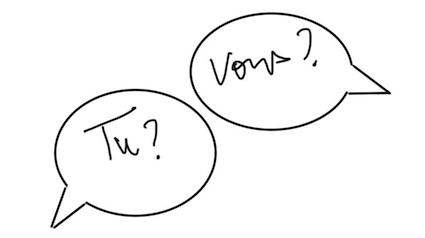
Yes. In case you don’t know, the French actually have a verb for calling someone by the familiar form of “you” (tu)tutoyer versus the formal form of “you” (vous)—vouvoyer. So you can actually ask someone if they would like to be “tu”-ed or “vous”-ed.

trnd_tu_tutoiement

I always err on the side of caution and choose to “vous” everyone until I am told otherwise, or notice that they have begun “tu”-ing me. It’s my default position. The way I see it, it’s better to be formal than risk starting off on the wrong side of the rue with the French.

IMG_9212As English speakers, this phenomenon of “tu-ing” and “vous-ing” does not exist in our language, and sometimes I find it too elitist for my taste. I’m guessing my difficulty with the French way of sorting out who is a friend/family versus who is an acquaintance, is the same difficulty but in reverse for the French when they travel to Anglo countries. They must find it quite startling when we greet them for the first time as if we are chums and ask them gamely how they are, when, in fact, they really don’t want to share that information with a stranger.

But the Martiniquais are different. From the minute we met the family we are renting our house from here, it has been “tu”, “tu”,“tu”. When I asked our hosts about it, they simple said, “Mais bien sûr, nous sommes amis, comme de la famille!”

What a delightful change. In my American mindset it makes me feel at ease and makes me feel a greater sense of equality, and all and all just makes me feel good.

Vocabulaire:

Mais bien sûr, nous sommes amis, comme de la famille! But of course, we are friends, like a family. 

rue: street

tu: you, informal

tutoyer: to use “tu” when speaking to someone

vous: you, formal and plural

vouvoyer: to use “vous” when speaking to someone


No. 54: un p’tit… / une p’tite…

hopper.com

hopper.com

Now that I’m more in tune with the French (literally, I can finally understand a lot of what the French are saying to me…hurrah!), I keep hearing “un p’tit / une p’tite so and so”… Short, of course for un petit/ une petite.

While I, with my VERY literal grasp on français, find it an adorable habit to make nouns smaller than they actually are by prefacing them with the word “petite”, mes amies françaises have a slightly different take on it.

They seem to be of two minds, or perhaps I should say, they can see both a positive side and a negative side to their compatriots’ linguistic addiction to le p’tit mot “petit(e)”.

On the positive side, when used among close friends, or people you’d like to be close friends with, the word petite, indicates a “closeness” and not  a smaller size. For example, when you invite a few good friends to “une p’tite soirée” (a party), you are implying that it will be a warm gathering among close friends. Un p’tit café  with a friend implies an intimate catching up over coffee (not a tiny cup of Joe), where as an invitation to have un café with an acquaintance or colleague, is more in line with the business end of things.

Among friends you could share une p’tite bière, (beer), une p’tite blanquette de veau, (veal stew), un petit dîner (dinner), or un p’tit verre (a glass of wine). You could go for un p’tit ciné (a trip to the movies), on une p’tite ballade (walk), and, of course, un p’tit week-end, which the French adore. None of these things are necessarily reduced in size or length.

As a form of politeness you could ask your prof une p’tite question, or the cashier at the grocery store might ask for un p’tit signiture for your credit card bill. Both of which imply a certain reticence for disturbing you with a request.

But according to my French friends, the addition of the word petite also has a negative implication. They say that the word petite can be used to negate something that was actually a very pleasurable experience… lowering the bar and the value of a really enjoyable moment. Much as the French will almost always reply, when ask about their opinion of something, that it was: “pas mal” (not bad), rather than daring to articulate that is was pretty darn great, the word petite can take the wind from your sails, and imply that the glass is definitely half empty, and nowhere near full. That’s when un p’tit dîner detours from being a lovely dinner among friends, to a dinner that was pretty boring and hardly worth the time, or at least that’s what you want others to believe.

Mais moi, je préfère to go with the literal and positive translation. I like to imagine that when I’m invited to un p’tit restau (restaurant) that I will be dining in a tiny cozy café with my closest friends, drinking small beers and small glasses of wine and sharing tiny plates of food while laughing large and reveling in vast quantities of friendship.

Vocabulaire

le p’tit mot “petit(e)”: the small word “petite”

Mais moi, je préfère..: But me, I prefer…

mes amies françaises: my French friends

No. 46: Faux Amis

There are so many things I love about learning French. One of my favorite is the chance to collect the funny stories or ridiculous things foreigners say as we plod along in our language classes. It can get particularly silly in French.

Donc, over the past three weeks, I have been compiling a list of faux amis, or false friends, that my classmates and I have incorrectly used in our attempt to communicate with our prof. These are the words that look the same (or nearly the same) in French and English, which foreigners desperately throw into their conversations in hopes of being understood.

Although there are thousands of words that are true cognates or vrai amis in French, I’ve found that sometimes it’s better not to simply throw in the English word, and avoid feeling like un imbécile.

For example, it’s best not to ask an owner of a fruit orchard if she puts préservatifs in her jam, as I’m quite sure she hasn’t been adding condoms to her confiture. Better to say: conservateurs or agent de conservation.

When someone asks you to bring your baskets, don’t go looking for some nice wooden ones, better to head to the closet and pick up your tennis shoes/trainers.

If you are a single male at a bar, you might not want to start the conversation by notifying the ladies that you are un bachelier, unless you want to impress upon them that you did indeed pass the bac (the French equivalent of a high school degree.) Try célibataire instead.

Shopping for some lingerie or undergarments, please don’t ask where the bras are, or you could end up in the storage room with the spare mannequin arms.   Ask for the soutien-gorge instead.

When you go to vote, don’t expect to get un ballot, unless you want to hang out with the nitwits or nerds. If you want to make sure your vote is counted, see if they will rustle you up a un bulletin de vote.

Don’t ever ask someone if you can pet le chien, unless you want them to call the animal welfare agency to ticket you for thumping, beating, or passing gas on their furry friend. You’ll be better off if you simply ask if you can câliner or caresser the little guy.

When you come down with the inevitable autumn cold, don’t tell your prof that you can’t speak because you avoir la flemme, unless you are trying to tell him, “you really can’t be bothered” or you are “just plain lazy”. Rather explain to him that you have la mucosité in your throat.

If you are so sick that you have to go to the doctor, please don’t tell him that you have un pain in your throat, or he might spend the next 30 minutes rooting around for last night’s baguette. (Instead explain that you are mal à la gorge.)

And finally, when you are eating in a restau or café, it’s better not to ask the waiter for more napkins, unless you really need a couple of sanitary pads. Best to ask for une serviette.

So, what are some of the funny Franglais conversations you’ve had with the French? Please send in your comments, I can always use a few more chuckles in my life.

Vocabulaire

avoir la flemme: can’t be bothered with

baskets: tennis shoes/trainers

bras: arms

câliner: to pet, pat

caresser: to caress, pet

célibataire: (to be) single

confiture: jam

conservateurs, agent de conservation: preservatives

faux amis: false friends

la mucosité: phlegm, mucus

le chien: male dog

mal à la gorge: to have a sore throat

napkins: sanitary pads

pain: bread

pet (péter): to thump, beat, pass gas, fart

préservatifs: condoms

soutien-gorge: bra

un bachelier: someone who has passed the bac (high school degree)

un ballot: a nitwit, nerd

un bulletin de vote: a ballot

un restau: cool way to say restaurant

une serviette: a napkin

vrai amis: real friends


No. 39: Les Vacances

madamethomasfrench.wordpress.com

Just freshly back from the Toussaint holiday, it’s clear that one of the 365 things any sane person would love about France is les vacances. The French do vacation right. I don’t think it is an overstatement to say that the French are always on holiday. They truly are.

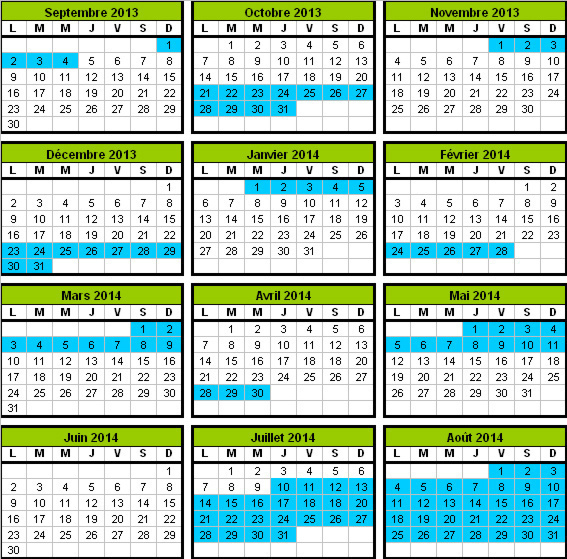
On the books, France has just one public holiday for which workers are guaranteed a paid day off every year — Labor Day on May 1; mais in reality, most French workers enjoy 11 national jours fériés per year.  During the month of May alone there is a holiday nearly every week. In addition to national holidays, France has one of the most generous vacation policy, mandating a minimum of 30 paid days off per year…which you would think would be enough, but the way the school calendar shakes out, it would appear that even with 41 days off per year, most parents must have to either take time off without pay, or pay for a lot of extra daycare. (Take a look at this school calendar. Blue means vacation–and doesn’t include all the of the extra national holidays. Just look at all that blue!)

school holiday calendar for France, zone C (Paris and environs)

school holiday calendar for France, zone C (Paris and environs)

At Button’s French bilingual school, she follows a schedule of roughly 6-8 weeks on, with 2 weeks off, with a handful of other holidays scattered throughout.

Meanwhile, the average US worker receives a scant 16 paid vacation days and holidays combined. In fact according to the Center for Economic and Policy Research, “the US is the only advanced economy in the world that doesn’t require employers to offer paid vacation time.” C’est fou! Contrast these two scenarios and you can understand why les vacances ranks high on my list of things I love about France.

IMG_2897

I don’t think the French will ever budge when it comes to their right to holiday–to them vacation is sacred. France nearly shuts down in the summer as the entire population takes the entire month of July or August (or sometimes both) off. What’s even better, as far as I can tell, is that the French jamais, jamais, jamais, take their work on the road. Vacation is vacation. There is no place for work while on holiday. Indeed the French have co-opted a verb (rentrer) and turned it into a noun with a BIG “r” :  la Rentrée, to describe the en mass homecoming when families return from vacation at the end of August and kids head back to school.

Alors, as long as I am lucky enough to live in France, I will continue to be faithful to the saying “à Rome, fais comme les Romains.” Vive les vacances!!

alexandracollege.eu

Vocabulaire 

à Rome, fais comme les Romains: In Rome, do as the Romans

C’est fou! That’s crazy!

jamais, jamais, jamais: never, never, never

jours fériés: holidays

la Rentrée: THE homecoming (after the summer hols)

les vacances: vacation

mais: but

rentrer: to return (home)

Toussaint: All Saints (Day/Holiday period)

Vive les vacances! Long live vacation!!


No. 38: Edible Insults en Français

As I soldiered on with my intensive French course today, le prof decided to liven things up by presenting us with a list of insults / reprimands en Français. He taught us some good ones and they are so yummy, I just had to share them with you!

…in keeping with the food theme of last week’s French idioms, all of these insolent phrases continue to pay homage to France’s love of, and connection to, food.

Amusez-vous!

AndouilletteSay for example, you are angry with someone, and you want to be more descriptive than simply calling him/her an idiot, you could say instead:

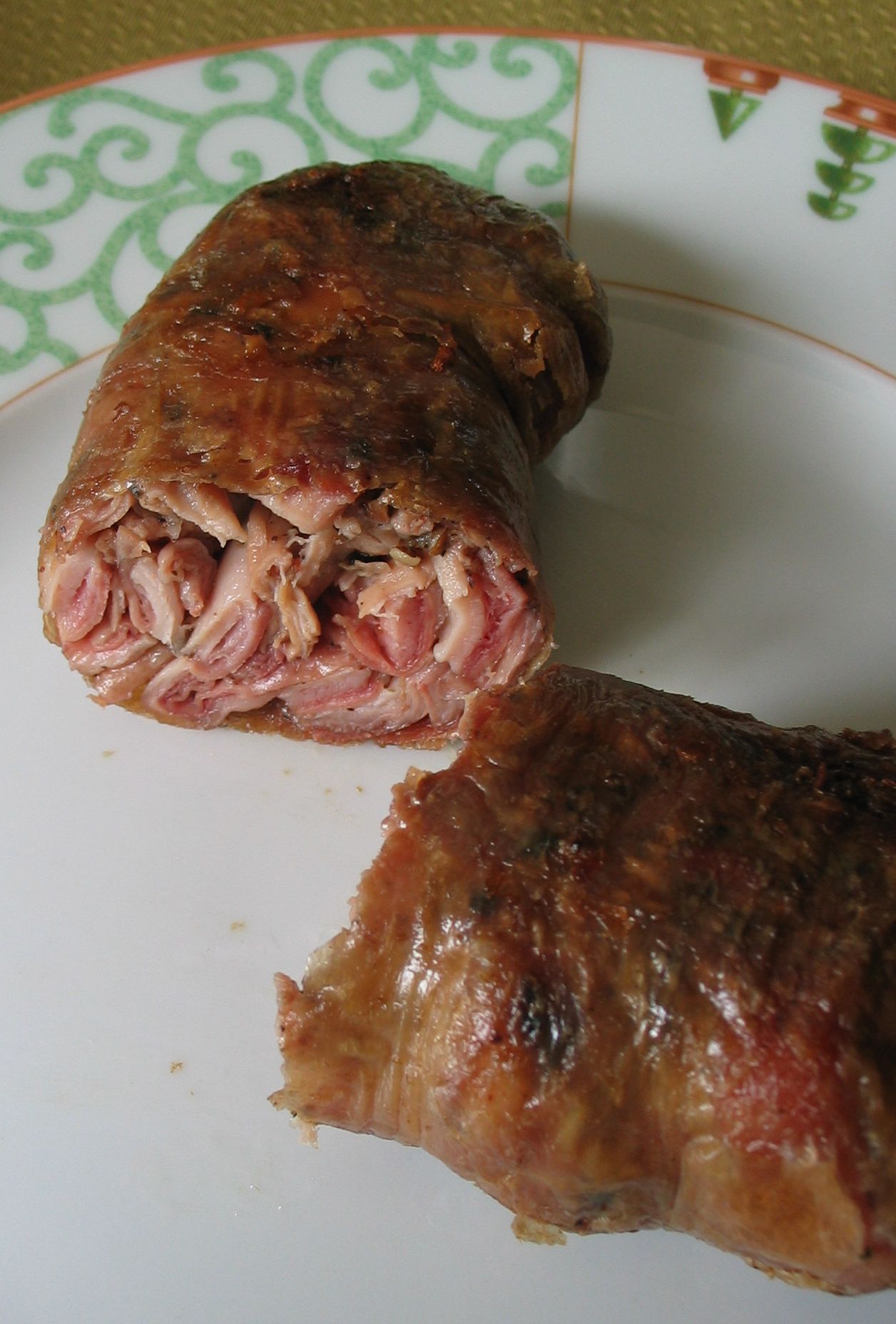
Espèce d’andouille! (You) piece of sausage!

Une vraie courge!  (What) an utter squash!

Quelle nouille!  What a noodle!

Quelle poire!  What a pear!

 If you want to tell someone to go where the sun don’t shine, you could say:

Va te faire cuire un œuf! Go cook yourself an egg! (Go to hell!)img_0244

Want to tell someone to mind his own beeswax? Try this gem:

Occupe-toi de tes oignons!Mind your own onions!

If you think your colleague is one twist short of a slinky, you might tell your boss:

Elle travaille de la cafetièr.  She’s working from her coffee pot!

OR

Elle pédale dans la choucroute!. She pedals in the sauerkraut!images 2

If you want to criticize a person’s looks you can handily compare them to some common food. For example, you could tell a woman:

Vous avez deux oeufs sur le plat. You have two fried eggs on the plate. (You’re flat-chested.)

Think someone’s ears are too big? Try:

Vous avez des oreilles en chou-fleur.  You have ears made of cauliflowers.

Have a friend who has become a bit pudgy around the middle? How about comparing him to a breakfast bun?

Il a de la brioche.  He has some brioche. (a potbelly)

Do you have a friend who is much taller than the average? You could always call him:

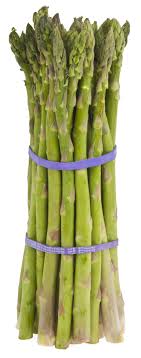
Une grande asperge. A big asparagus.images

Oh, I love this tricky and vivid language! Please let me know if you have come across any other charming food-related insults (and if I have made any mistakes).

Vocabulaire

Amusez-vous!  Enjoy! / Have fun!

en Français: in French

le prof: the teacher (short for le professeur-informal)