Skip to content

Posts tagged ‘French Food’

No.216-218: Bordeaux: Boardwalks, Markets, and Spécialités
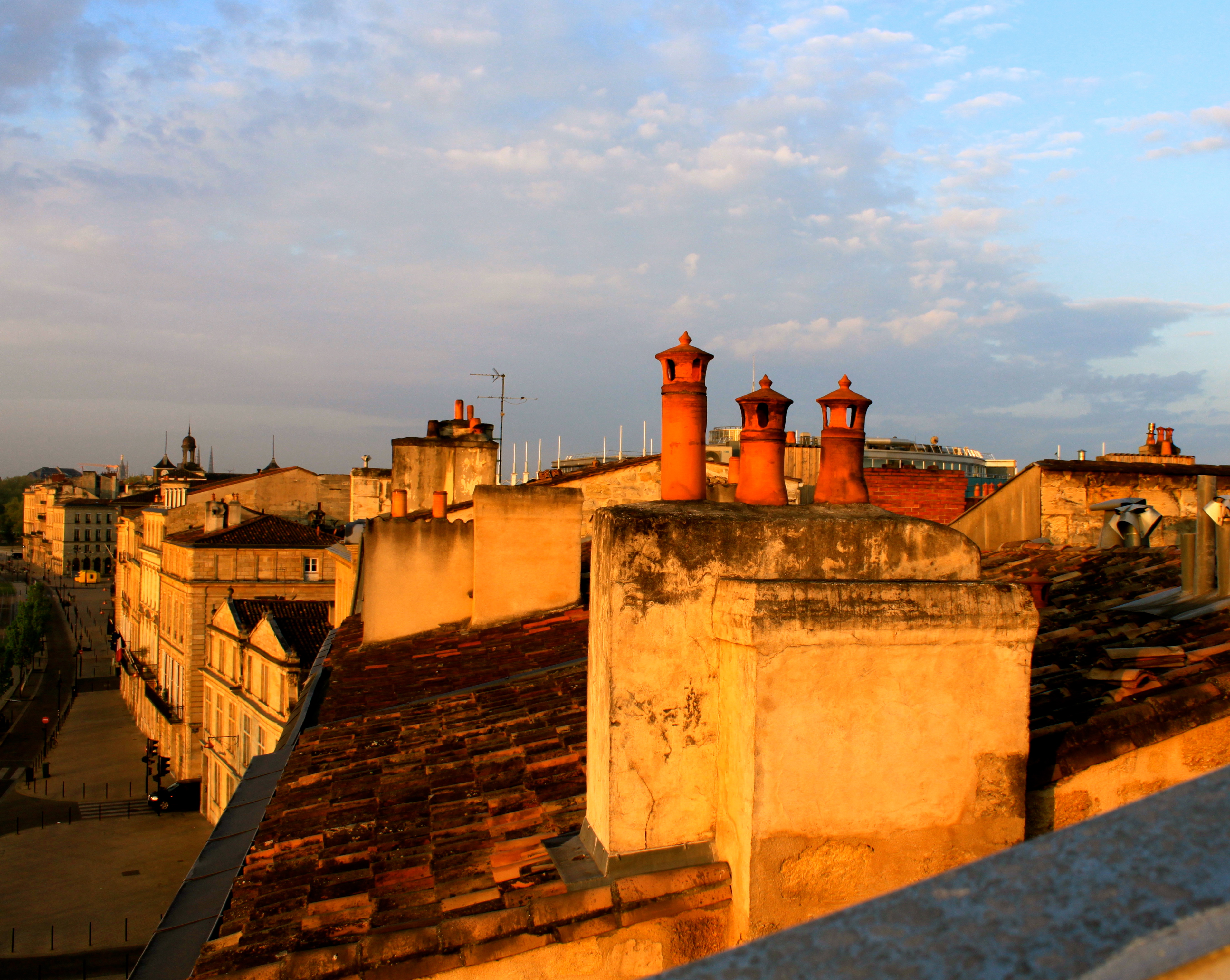
Bordeaux_rooftops.jpg

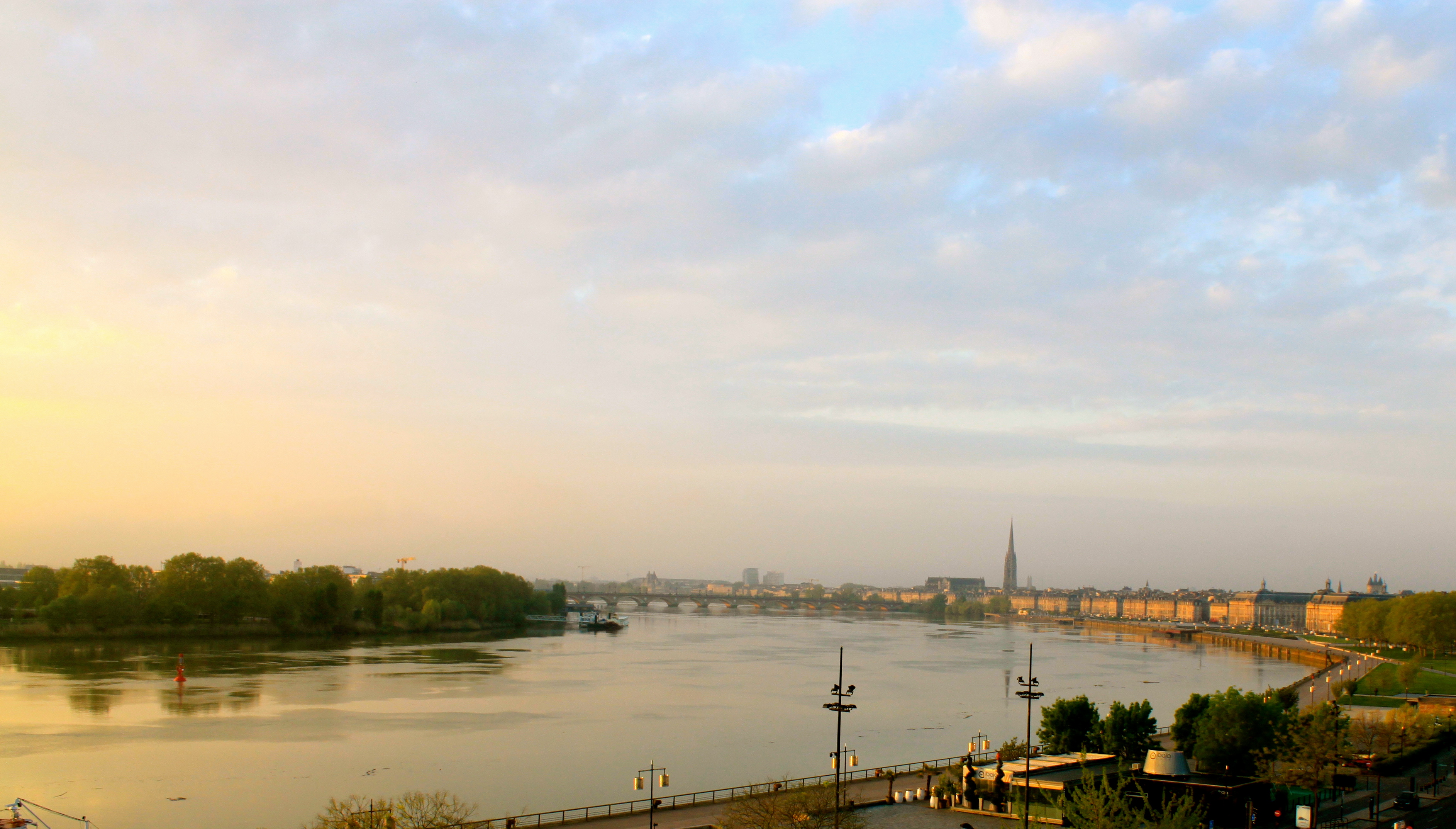
We are just back from our warm and relaxing trip to Bordeaux. I fell in love with la perle d’Aquitaine, as Bordeaux is known, and hope that sometime in my life I get to spend at least 365 days there. At the moment, it is the newest bee in my bonnet.
Bordeaux_river.jpg

Bordeaux is France’s ninth largest city (with the sixth largest metropolitan area) and is the first French city Superman could see himself living in for the long-term. Three particular aspects of the city sealed the deal for us: the laid back, sporty, friendly and slow-speaking Bordelais(es), the fresh, multipurpose boardwalk, and the balmy, sunny weather.
Bordeaux_bridge.jpg

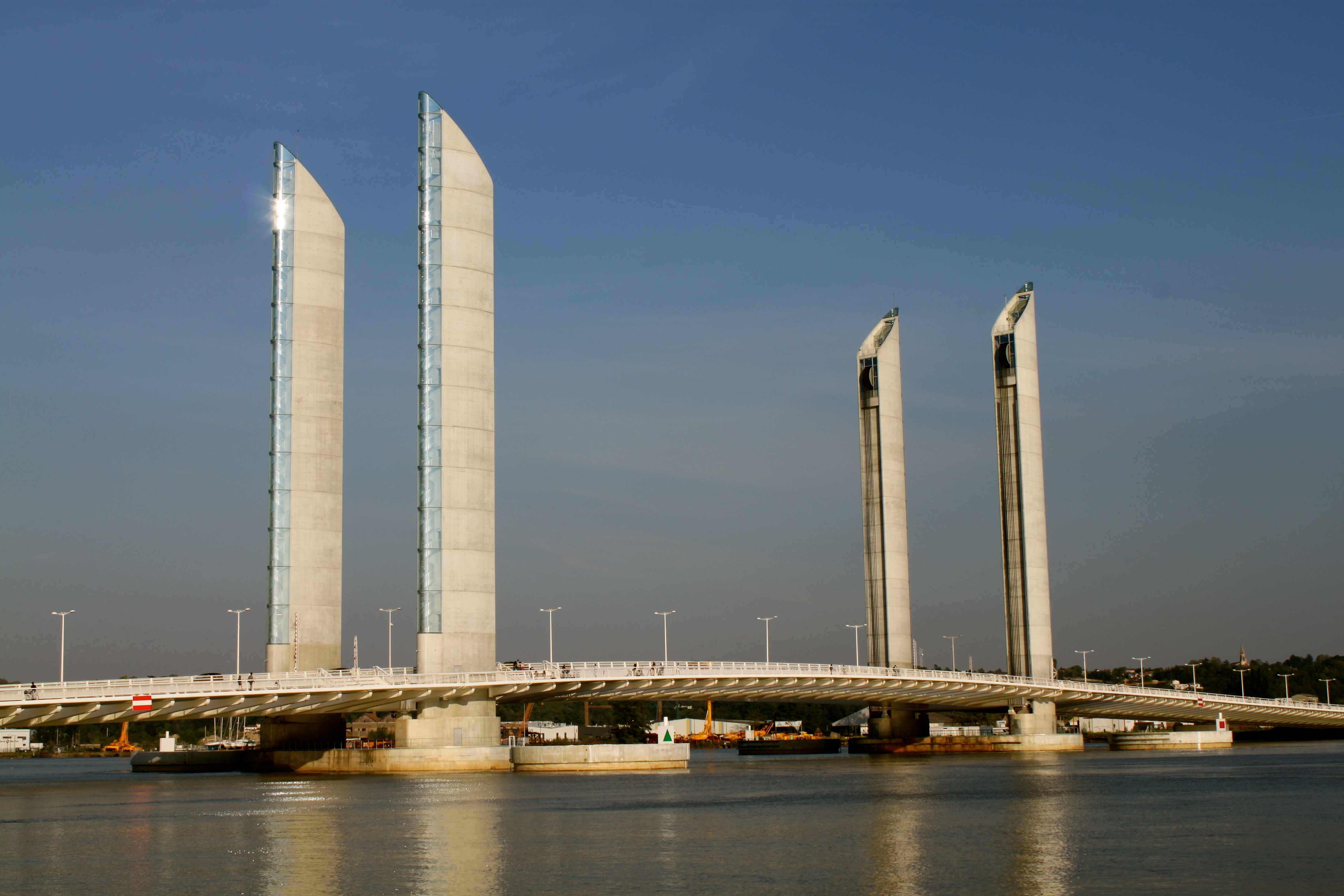
We were lucky to stay in a riverside apartment with a terrace in the charming Chartrons district near the historic UNESCO World Heritage part of the city and found that its inviting squares, funky neighborhoods, and lively markets made it the ideal city to meander through both on foot and bike. The city, famous for wine, is like a fine wine itself, offering the perfect balance of ageless grandeur and architecture, fresh, modern tones and more than a hint of fruitiness and fun.
bourdeaux_water_feature3.jpg

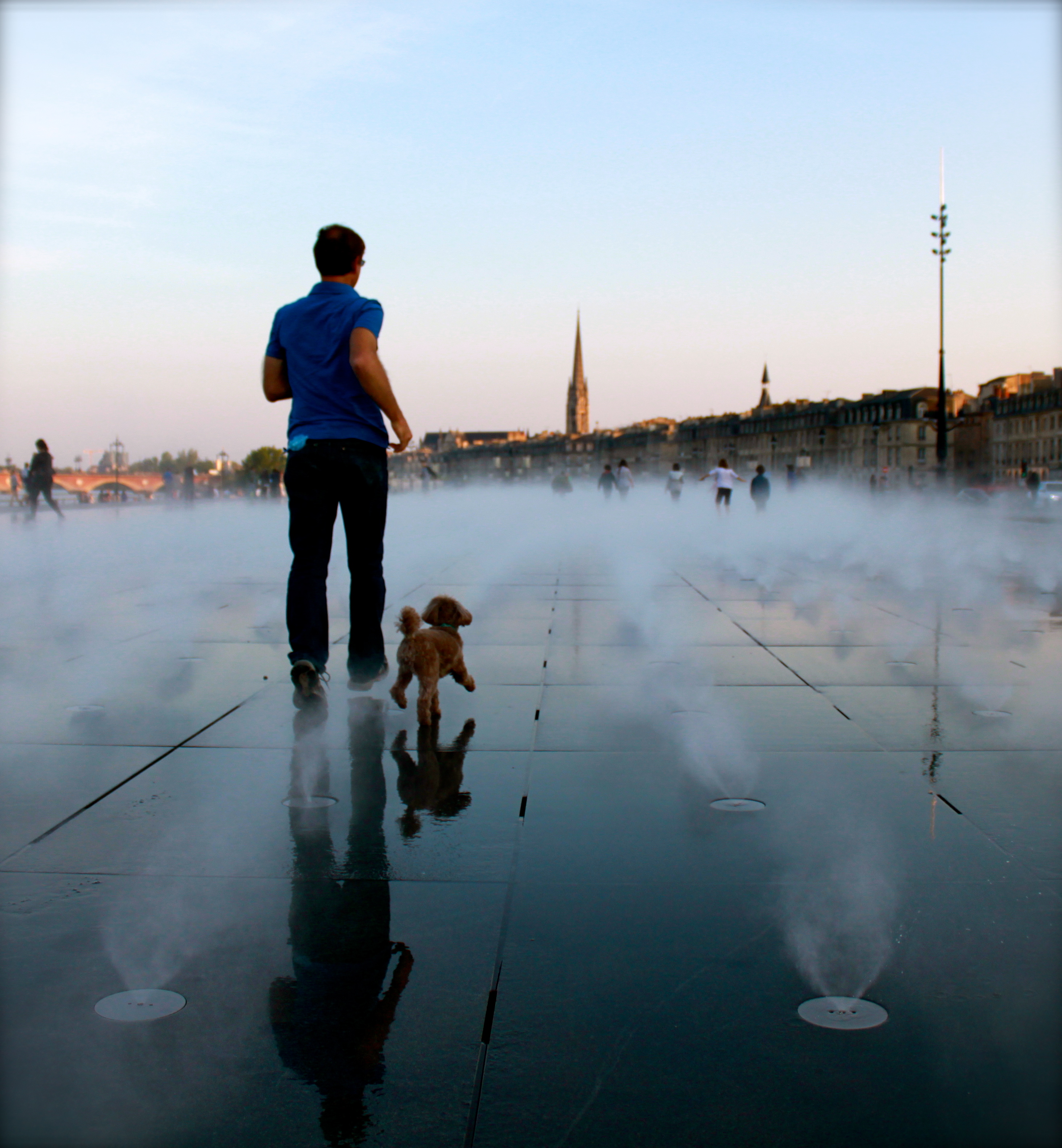
I posted earlier about what I’m calling Bordeaux’s Saint Marc’s Square, but is in fact called the miroir d’eau (water mirror). In my opinion, this central feature of the boardwalk lining the Garonne River is one of the most striking urban sites in France reflecting both the joyful heart of the city and the impressive Palais-de-la-Bourse. The boardwalk is a spot for young adults, extended families, casual wanderers and serious athletes all pulsing in sync. Rollerbladers duck and zoom, runners pant and croon, old couples hold hands and beam, youngsters scoot and skip, furry friends wrestle and romp, and vélos roll by, their cheery chimes announcing their approach.

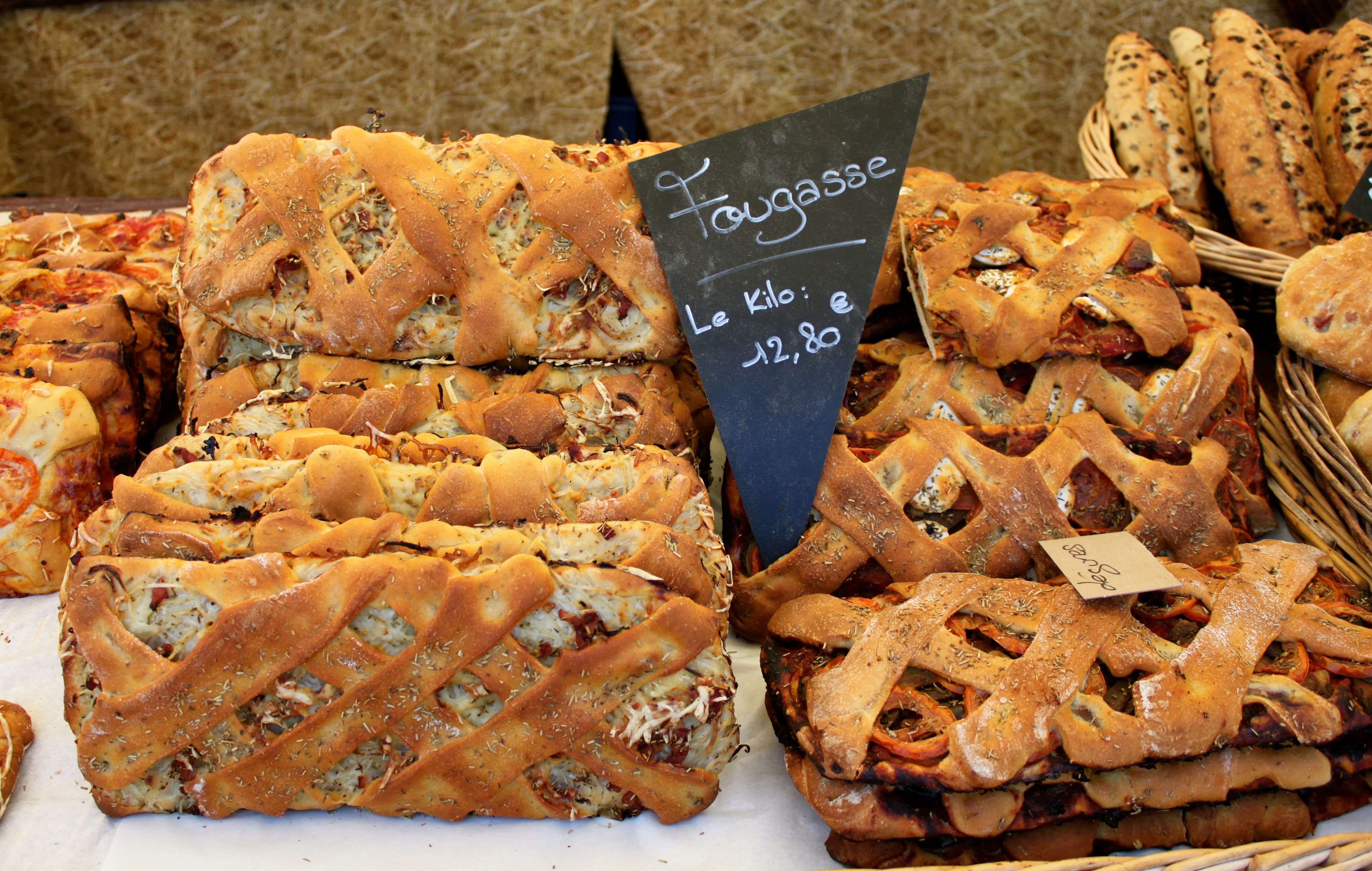
The city boasts numerous outdoor cafés, lots of spots for picnicking, live music jams, colorfully clad open-air tangoing, first-class museums, gorgeous architecture, fresh seafood (yummy oysters) and haute cuisine, and of course, caves for tasting the region’s wine. There is also an excellent farmers market on Sundays (Marché des Quais) selling all the usual suspects along with some of the unusual and distinctively Bordelaise spécialités. Comme ça:
bordeaux_market.jpg

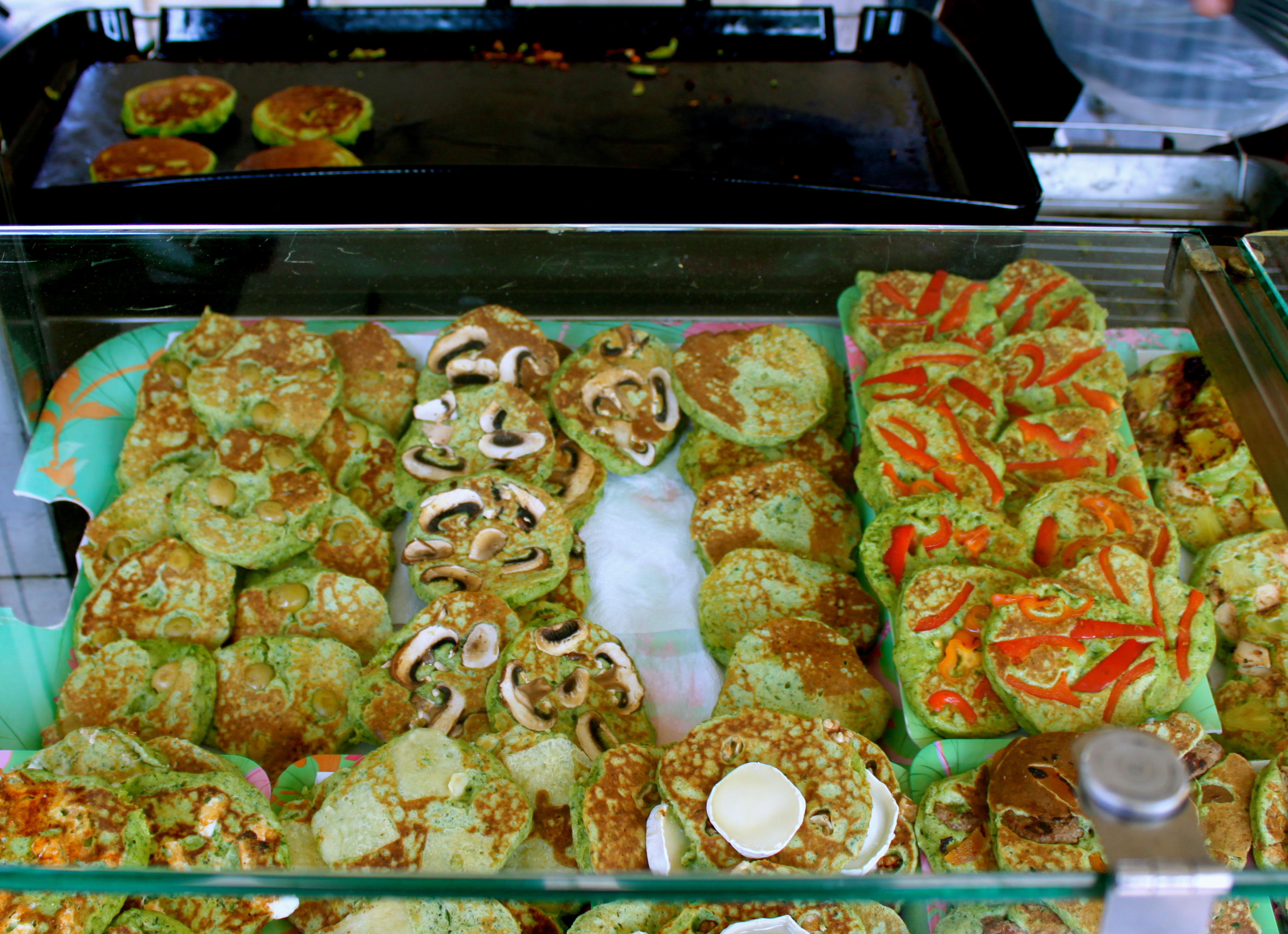
Farcou (herb pancakes) 3/5€ or 7/10€
Farcou (herb pancakes) 3/5€ or 7/10€


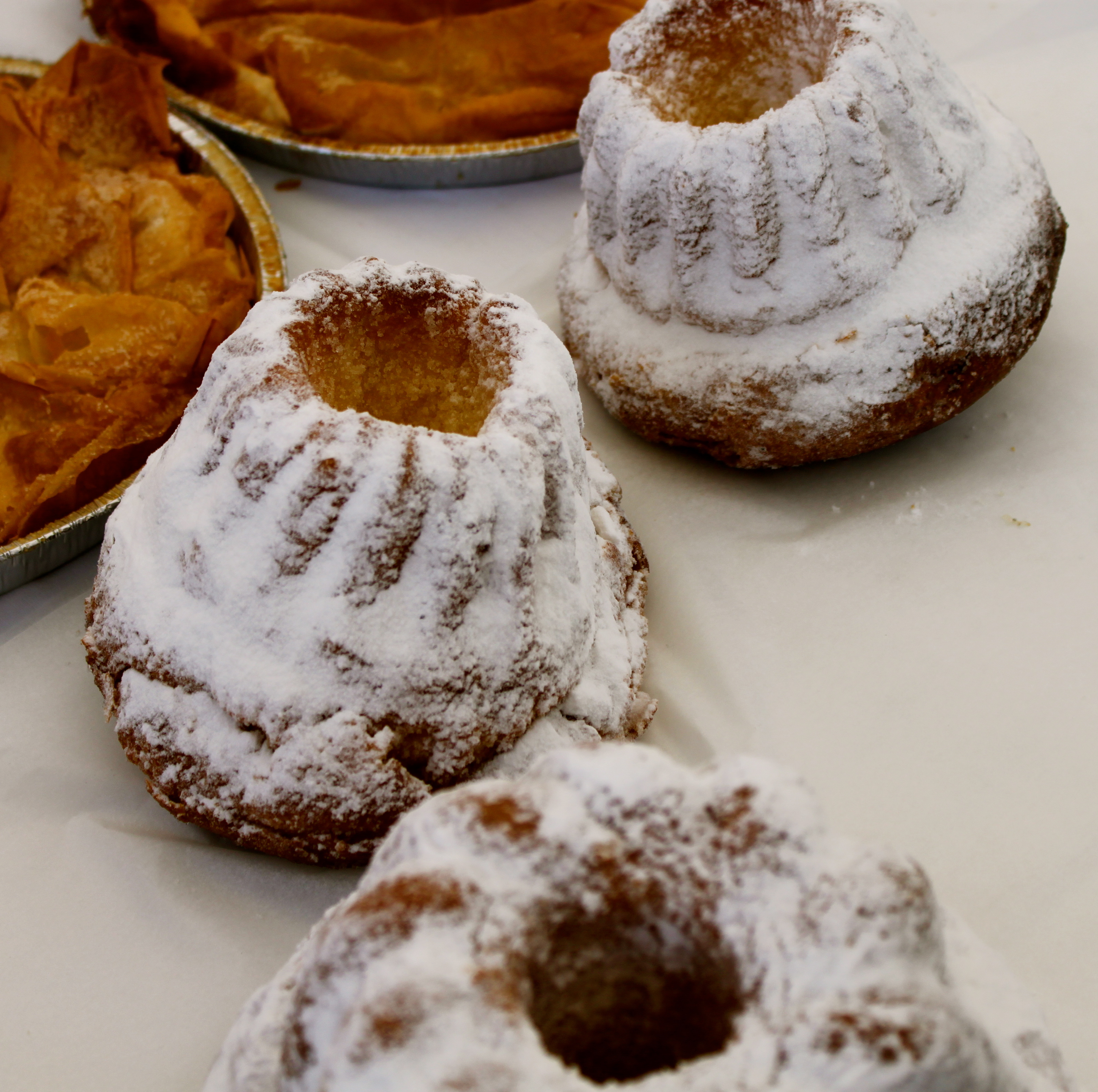
Kongloff…giant brioche cake with powder sugar
Kongloff…giant brioche cake with powder sugar

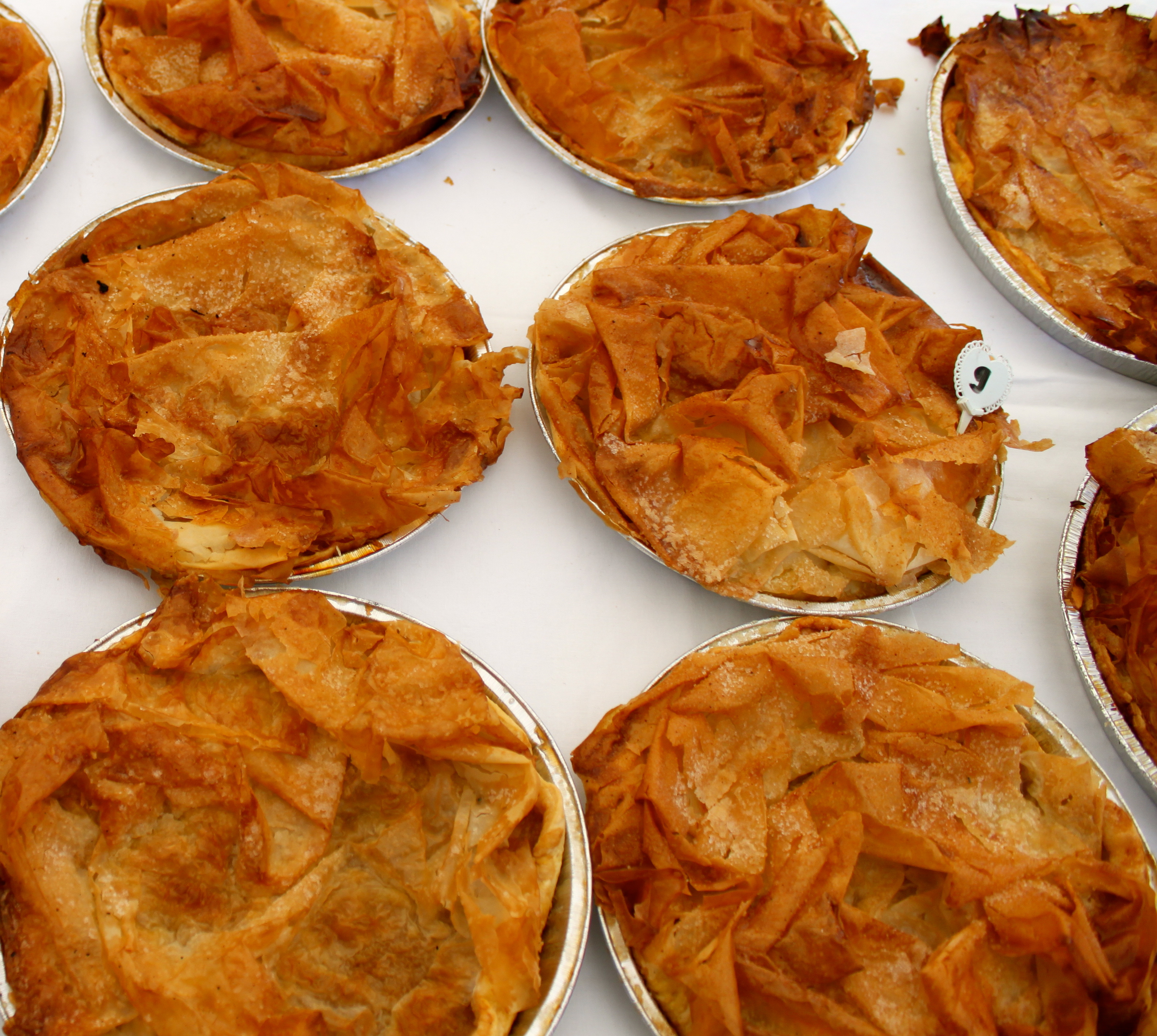
la petite croustades…filo, apples sauce and almond paste...

la petite croustades…filo, apples sauce and almond paste…
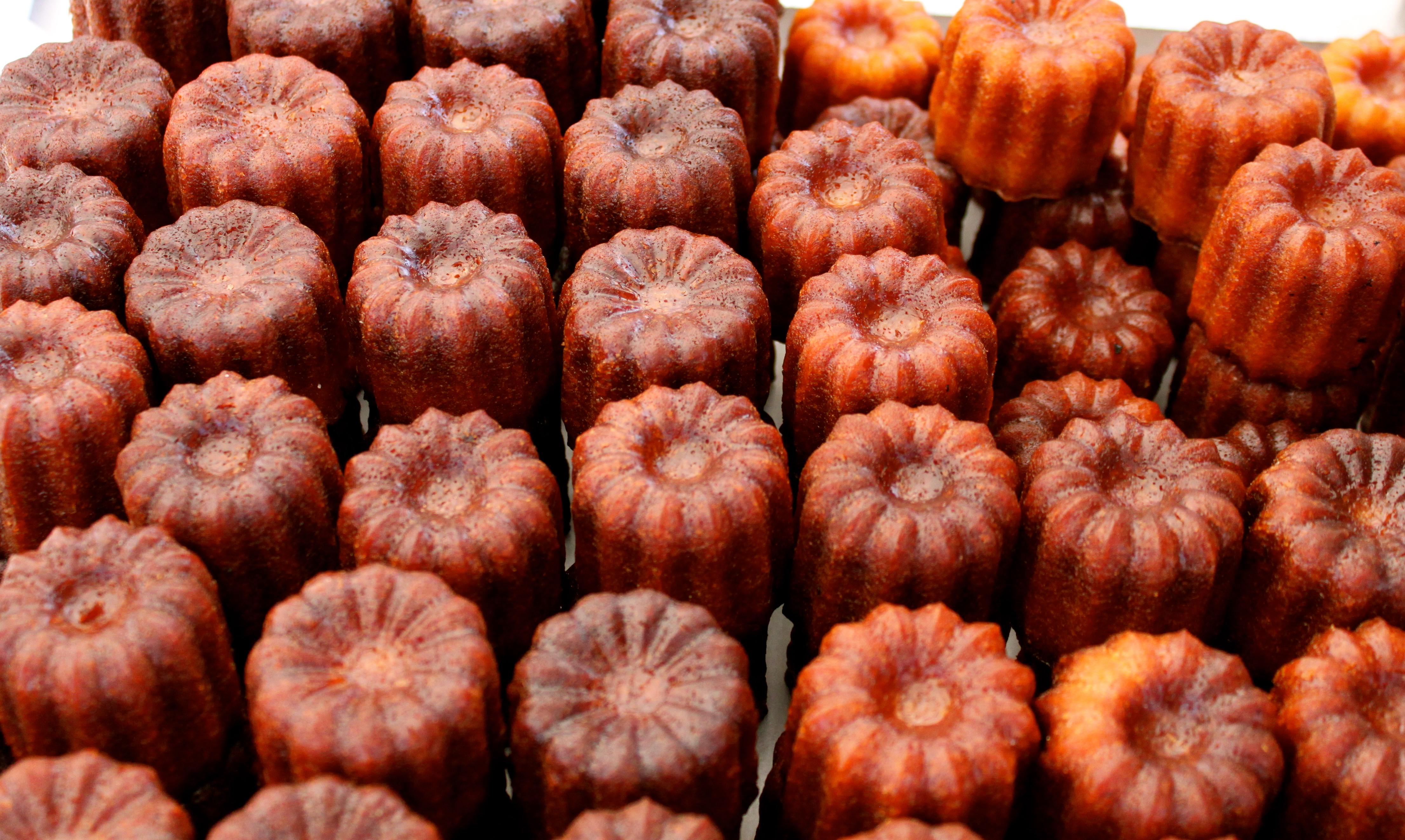


caneles de Bordeaux

caneles de Bordeaux

As you may have noticed, I am totally smitten with Bordeaux and this region of France. The sparkling pearl of Aquitaine has a little something for everyone and is quite effectively enticing this Parisphile south…
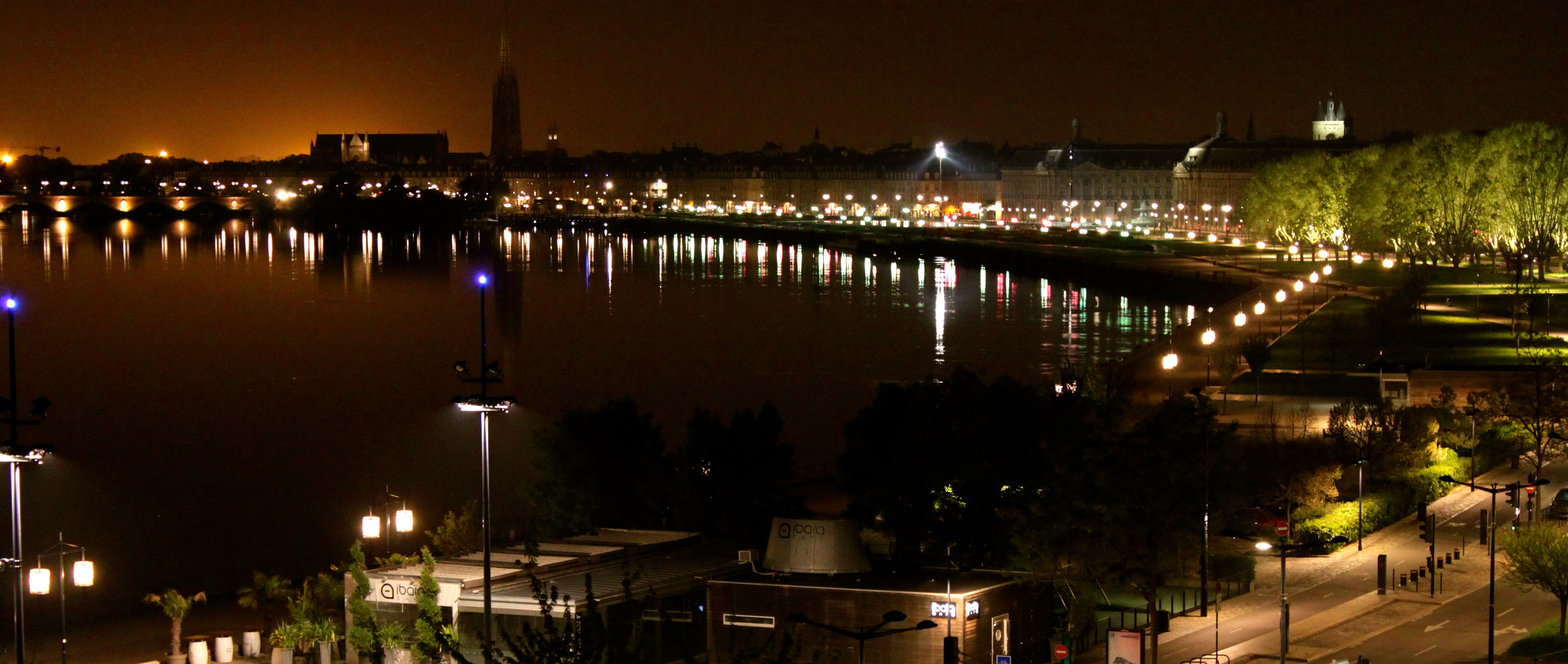
Bordeaux_Nighttime.jpg


Vocabulaire

Bordelais(es): people from Bordeaux

caves: wine cellars, storage space

Comme ça: Like this:

la perle d’Aquitaine: the pearl of Aquitaine (the Aquitaine pearl)

spécialités: specialties


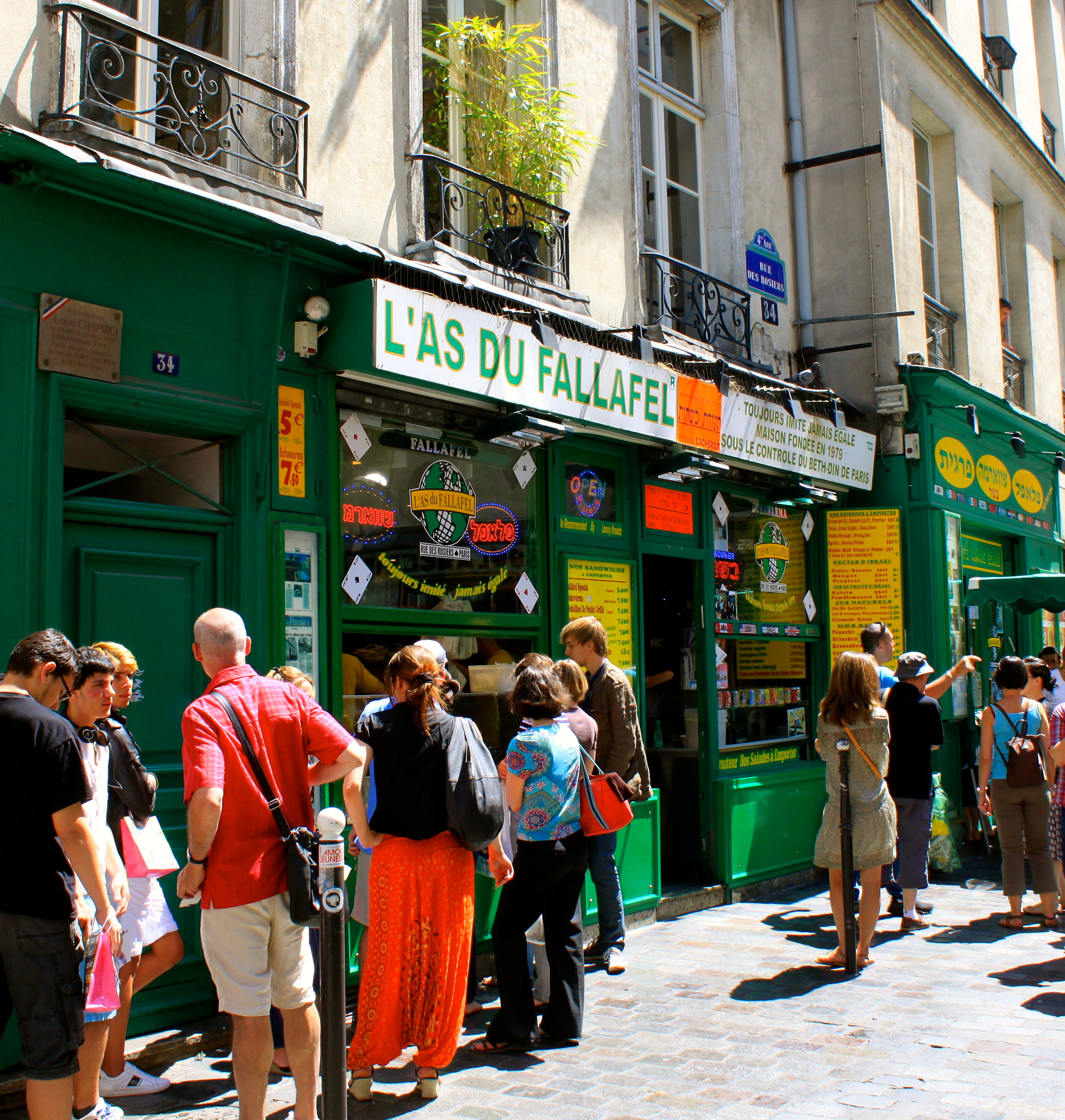
No. 196: The Most Délicieux € 5.50 Meal in Paris

L'As_Du_Fallafel2.jpg
L'As_Du_Fallafel.jpg
L’As Du Fallafel – Marais

No. 195: Poisson d’Avril

poisson_d'Avril

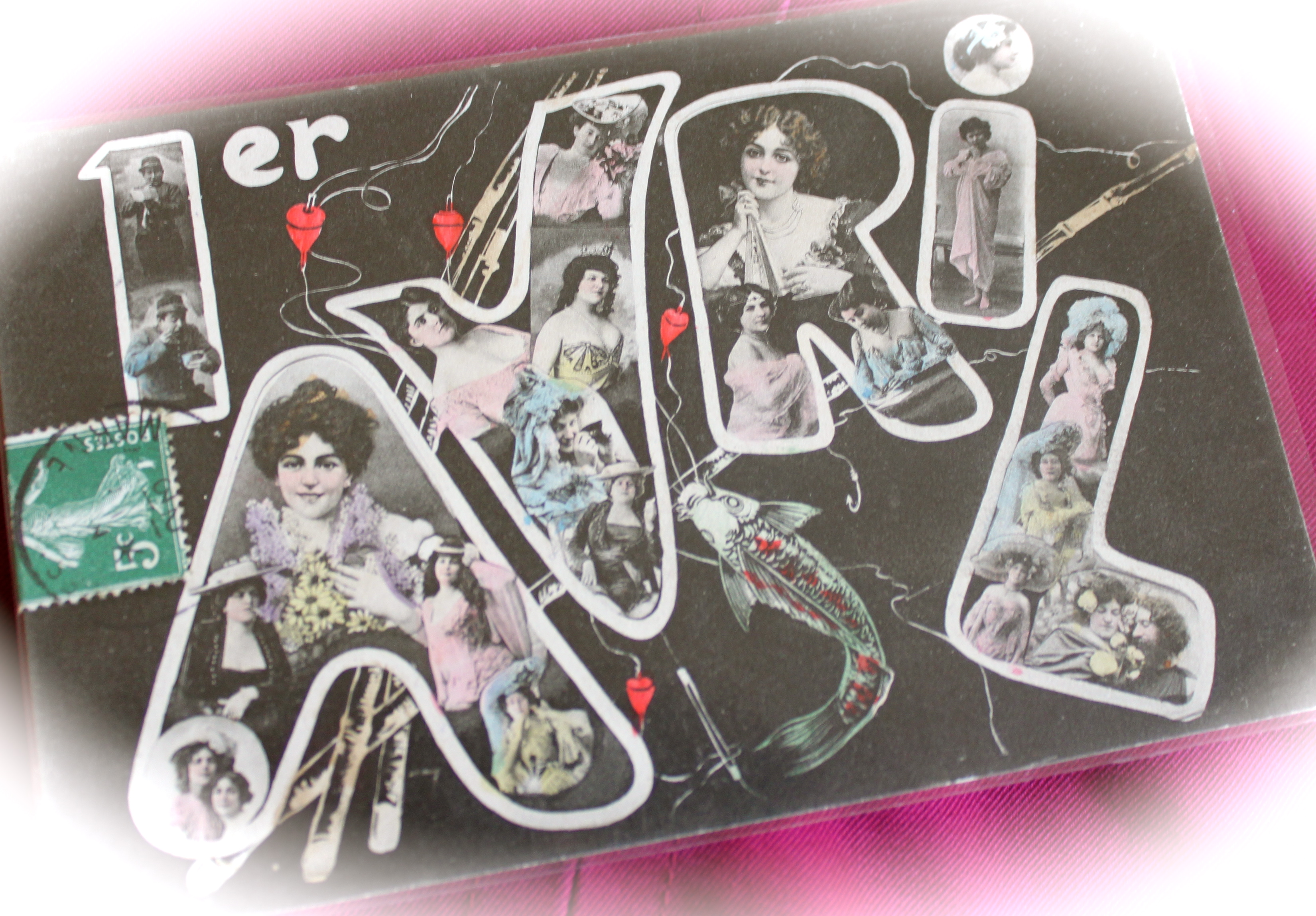
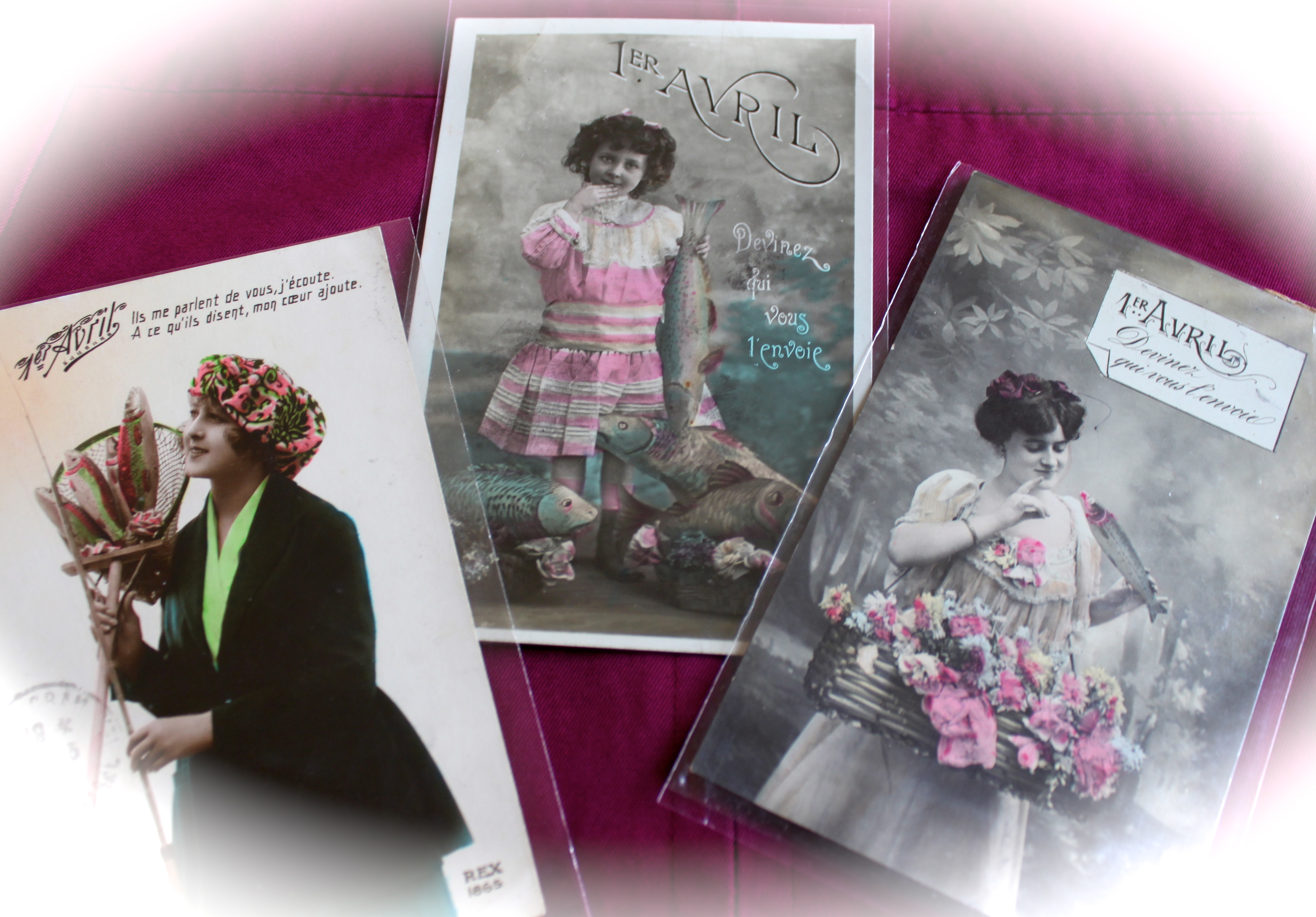
If you happen to be in France on April 1, beware of the fish.  Yes indeed, if you let yourself be duped or tricked, you’re not just a fool, but you’re also a poisson d’avril, or an April fish.

The jury is still out as to why you are a fish en français instead of just a fool, but so far this morning, I’ve already seen a bus full of prankster in my ‘hood, and they were all quite fishy-looking.

Out early with Taz, I spied a group of grade school children bounding off their coach and making merry, gamely tumbling over each other while trying to pin cut out paper fish on each others’ backs. Despite their teachers’ stern disciplinary warnings, les enfants could not help themselves, as fiendish squawks of “Poisson d’Avril” escaped their mugs announcing their foolery to the passing tourists.

I’ve always wondered about April Fools’ Day. As far as I know it is the only holiday dedicated specifically to hoodwinking your gullible friends and unsuspecting family members. For me, the French-fish-thing adds a whole new dimension to this goofy day.

There are several theories about where the fish imagery came from in relation to the first day of April en France, and they go from the simple to the more complex:

  • The most basic theory is that “April fish” simply refers to a young fish, or those easily caught (in a hoax);
  • While others reason that as April 1 falls within the Lenten season, the fish depict Christ, who was sometimes represented as a fish in early Christian times.
  • Still others insist that it is only the pagan Zodiac sign of Pisces (also a fish) falling during the month of April, that has led to all this fishy trickery.
  • But the historians, well they pin it all on King Charles IX of France and his edict to reform the calendar system and move the start of the year from the first day of April to the first day of January. As the story goes, the masses were either uninformed or resistant to this change, and continued to celebrate the New Year on April 1. Eventually they were mocked and made the butt of jokes by those who conformed to the new calendar. (Said jokes included: pretending to make a neighborly New Year’s calling on April 1 complete with a fresh Lenten fish to share, thus making a fool of those who accepted the gift and did not comply with the changing times and calendar.) In later centuries, this little joke changed to surreptitiously hooking a paper fish on the backs of those naive characters stubbornly hanging on to the past.

poisson_d'Arvil2.jpg

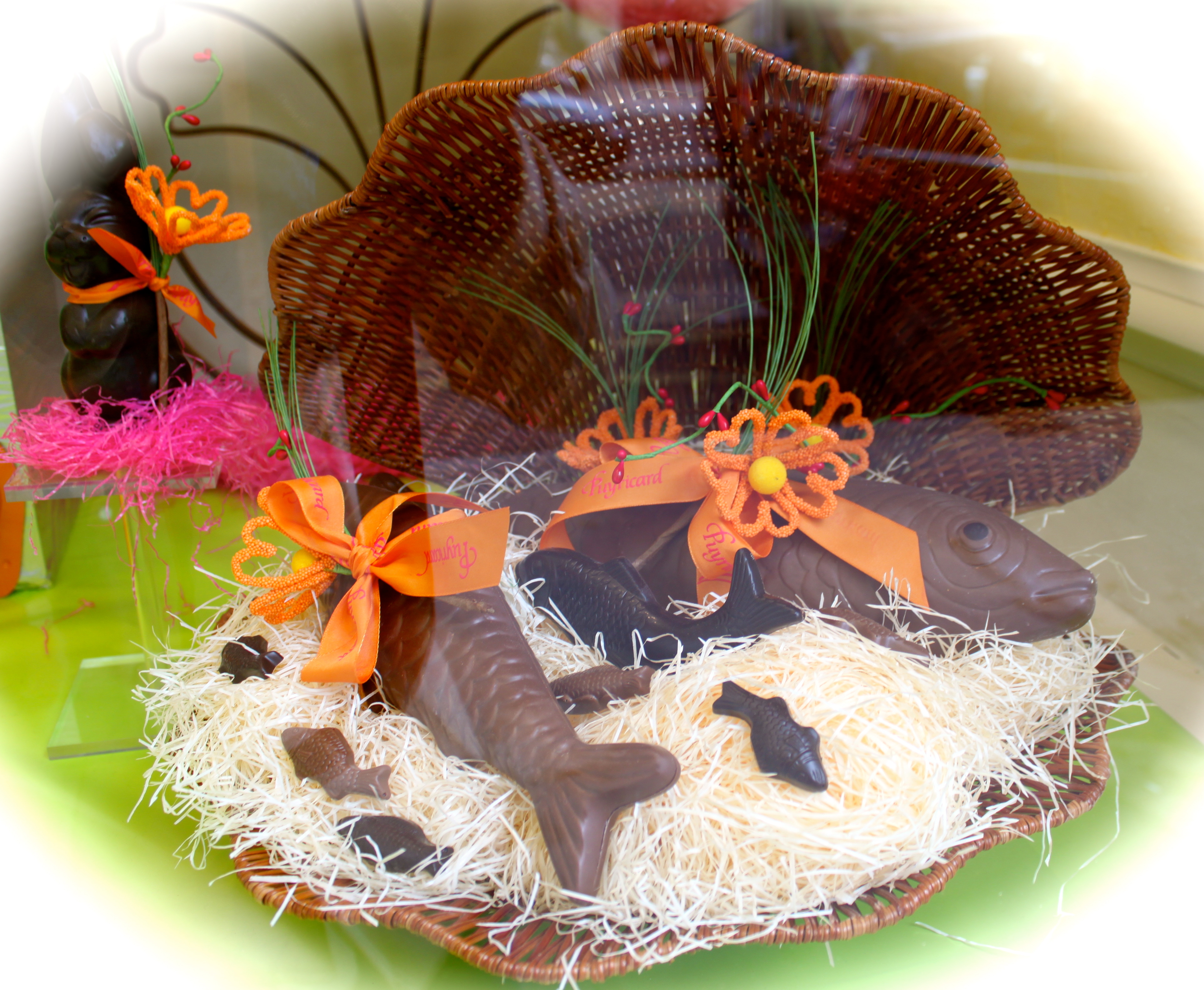
No matter the uncertainty behind all this French fishiness, there is one thing you can always be certain of in France. The French, God bless them all, cannot celebrate a holiday without some sort of beautiful and delicious food or pastry attached to it. The Poisson d’Avril is no exception. En ce moment, French pâtisseries, boulangeries, and chocolateries are currently filled to the brim with fish-themed and fish-shaped delights.

Hmmm…me thinks we might be having fish for dinner tonight…probably not salmon, but maybe something of the cocoa bean variety?

poisson_d'Arvil_chocolate_fish.jpg

No. 181-182: Reims and Champagne Country

The other day, we made a quick trip to the city of Reims (pronounced ““rINce”—sort of rhymes with a nasally “France”) on our way to the Champagne region.

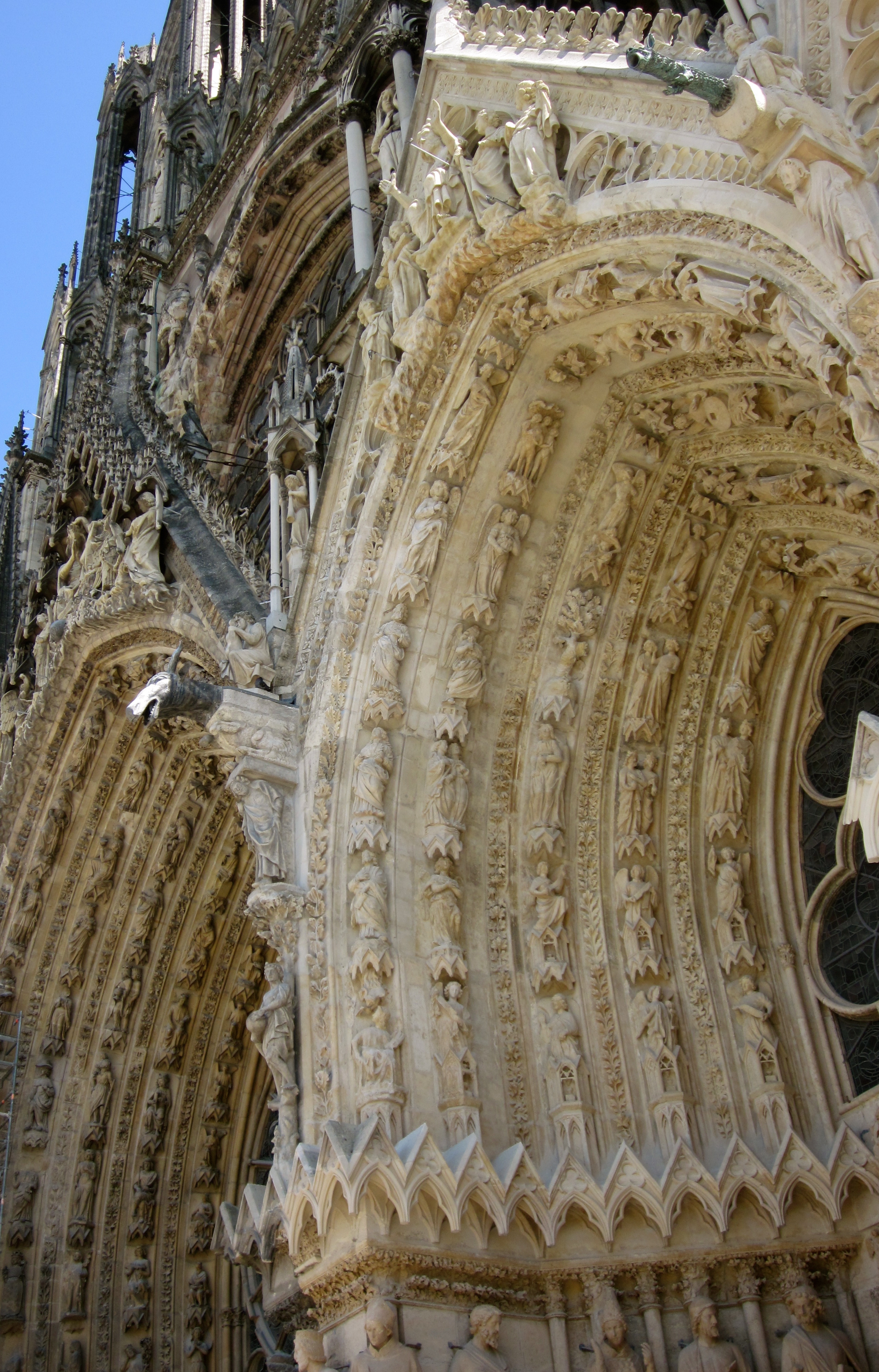
According to legend, Reims, 80 miles northeast of Paris, was founded by those naughty Roman brothers, Remus and Romulus, and houses some impressive Roman artifacts. Whether or not the brothers as founding fathers is true, Reims has always been an important city for the French monarchy, its beautiful cathedral could be called the Westminster Abbey of France. Not only was this historic cathedral the site of 25 royal coronations, it is also a glorious example of Gothic architecture.

reims-cathedral.jpg

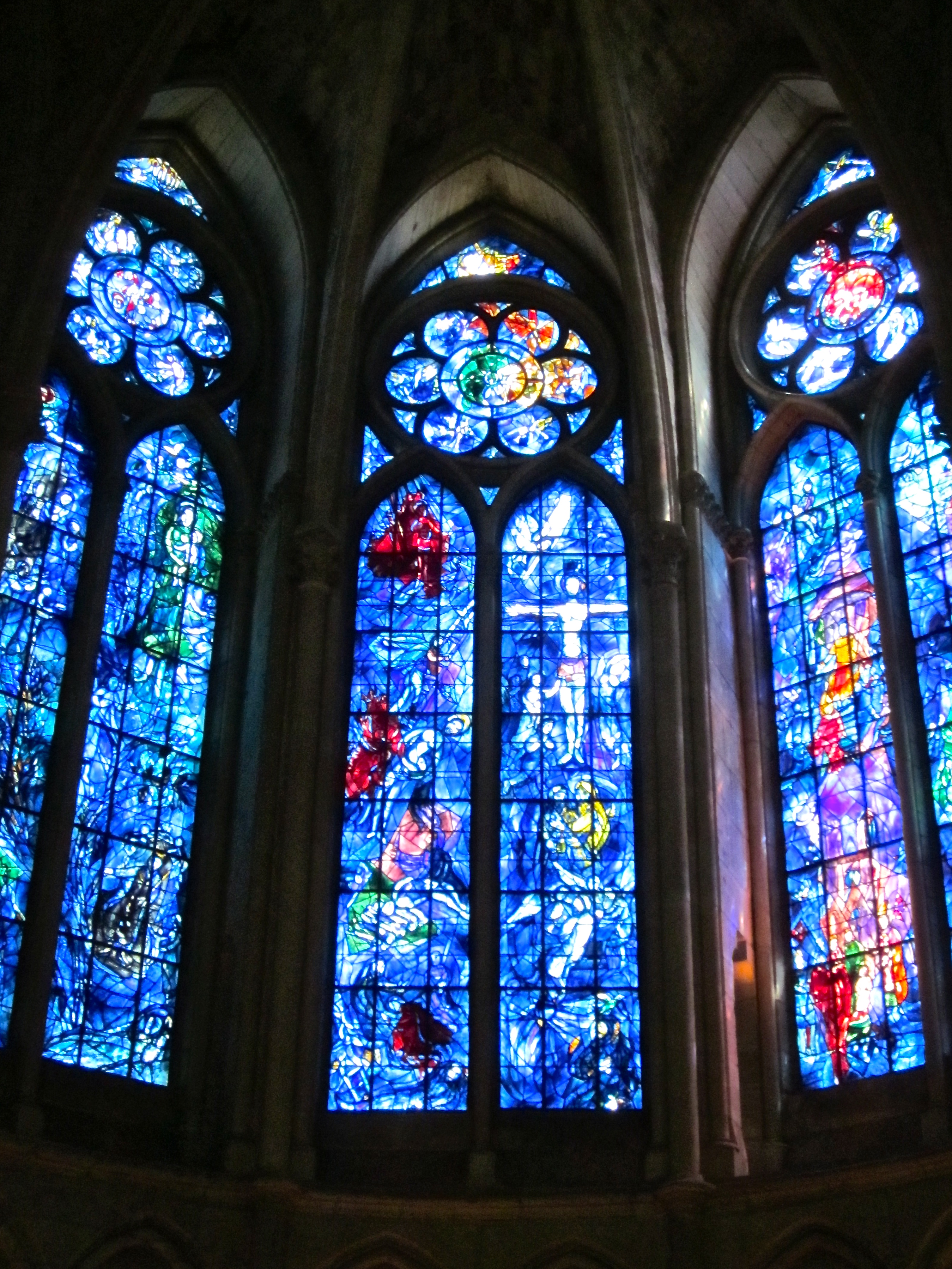
Unfortunately it sustained terrible damage during WWI and was further damaged during WWII. Thankfully it has been restored (no small thanks to John D. Rockefeller) to all its splendor. In addition to housing an amazing original rose window (dating from 1255), it also holds a luminous set of Marc Chagall’s stained-glass windows.The windows are dazzling and the church a welcoming spiritual home for believers and non-believers alike.

chagall-windows-reins. jpg

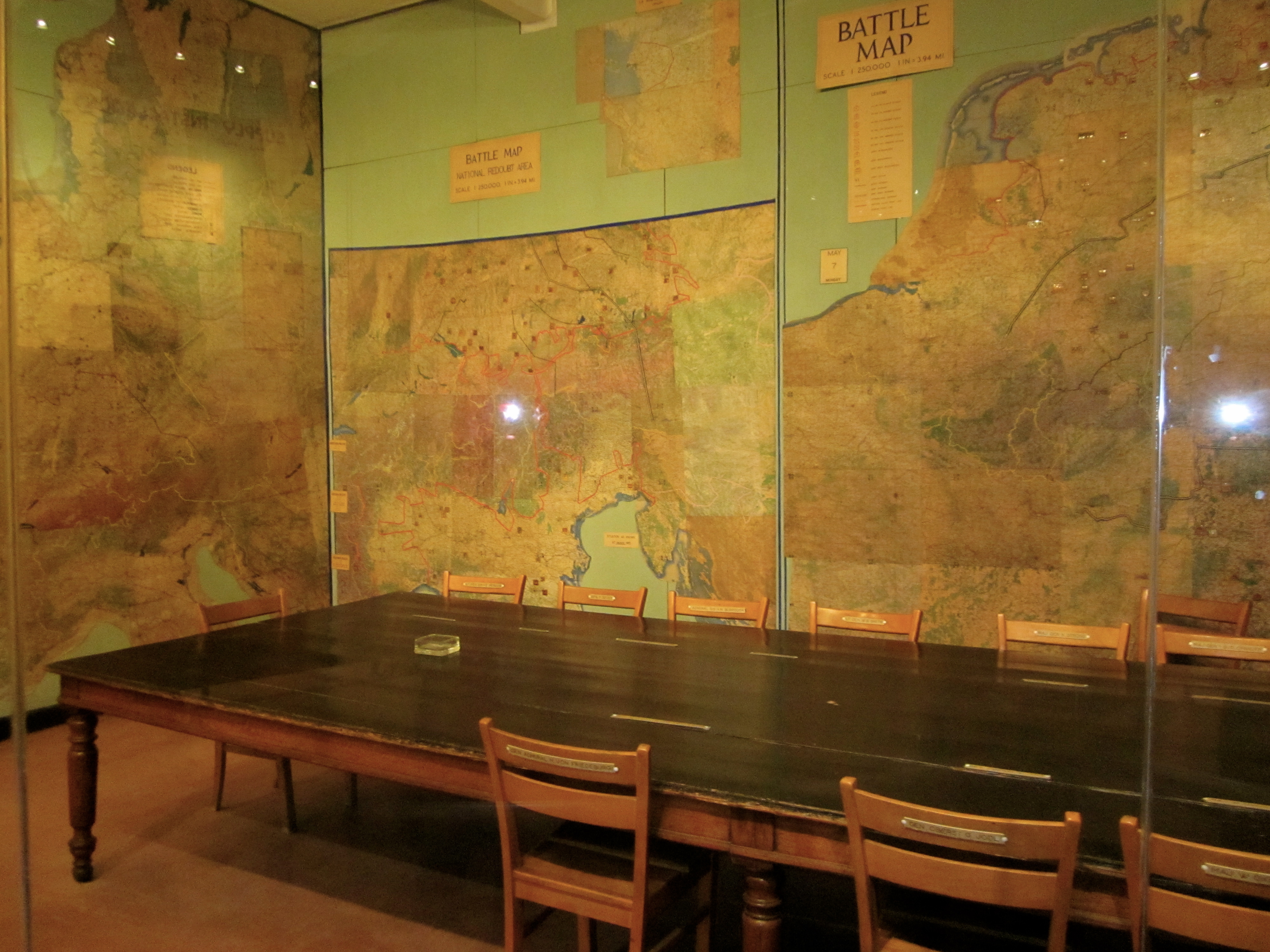
Reims is also famous for its red schoolhouse which now houses the Museum of Surrender (Musée de la Reddition). It was here that on May 7, 1945 at 2:41 in the wee hours of the morning, the Germans under General Jodl surrendered unconditionally to General Eisenhower, ending World War II in Europe. This fascinating museum houses photographs, press clippings, relics, and a good film detailing the last days of the war in France. The small signing room remains exactly as it was on that day in May and is exceptionally moving to see.

nazi-surrender-room-reims.jpg

From Reims we headed to the countryside on an arduous trek (someone had to do it) to learn the ins-and-outs of the journey champagne makes from grapevine to glass.

champagne-france.jpg

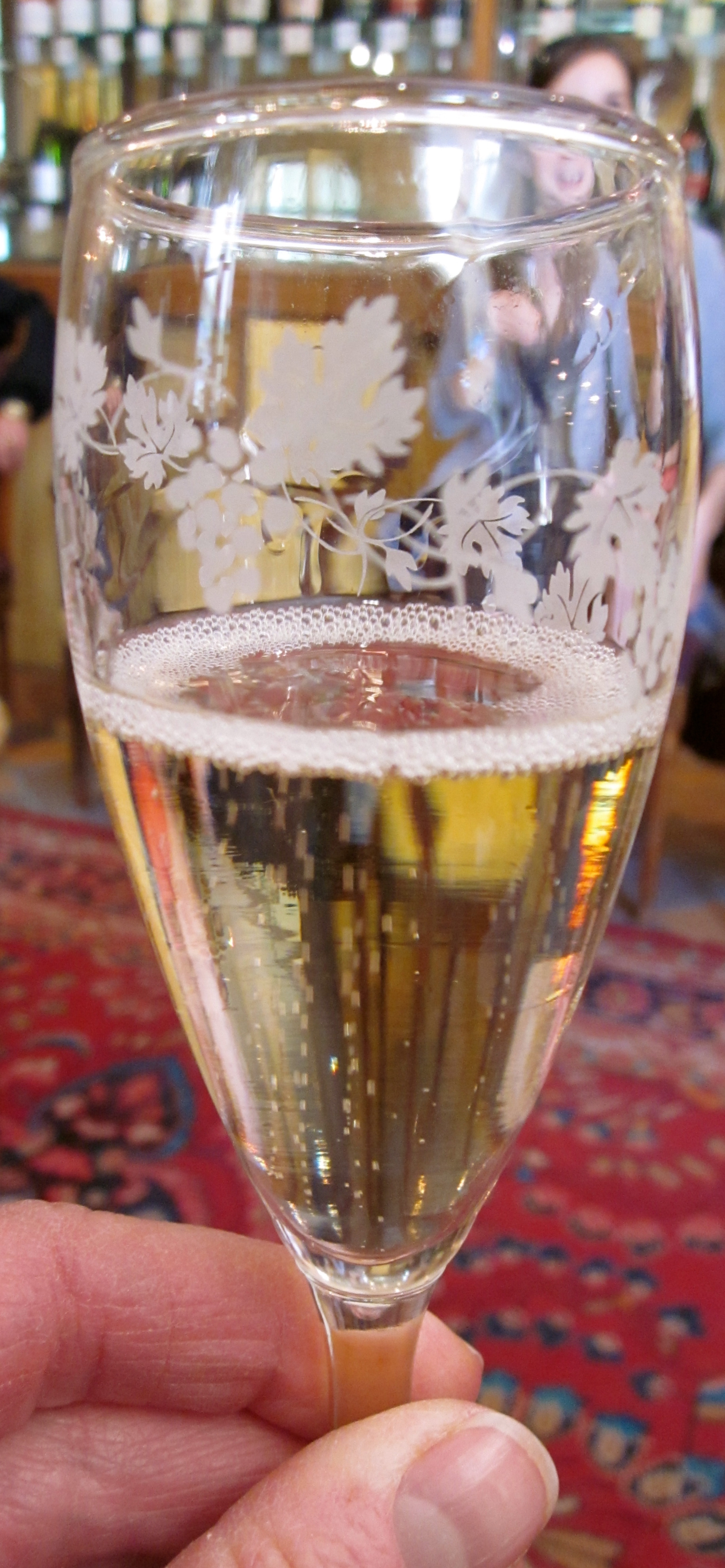
As you know, champagne gets its name from the region in France of the same name: a strictly defined area encompassing 634 villages in five different départaments. What you might not know is that during the Middle Ages, church wine used for the Eucharist was one decidedly sought after commodity. As luck would have it, the English preferred the “light and crisp” wines made in the Champagne region. Their high demand and the low supply led to the continued cultivation of grapes in the region, which with new techniques, eventually evolved into our favorite apéritif. Although the first sparkling wines were produced near Carcassonne, France, when the “sparkling” technique was applied to Champagne’s wines in the 1700s, champagne as we know it was born.

In our quest to appreciate and sample champagne, we toured both swanky champagne houses and homey and relaxed estates. In the name of research, we burrowed hundreds of metres below ground into the dark and chilly caves and listened to several Chef de Cave explain what makes champagne, champagne. Personally, I found the champagne making process fascinating and instructive. The tasting wasn’t so bad either.

I now understand why champagne is so expensive (the double fermentation process and a minimum of 2-years ageing) and the historic and climatic reasons that the grapes are grown in the Champagne region.

Next stop, Chablis…


Vocabulaire

Chef de Cave: The cellarmaster, who is typically the person in charge of the winemaking team. In the New World this person might be called a “winemaker”, but in many champagne houses the winemaking team is large, involving multiple winemakers, and the chef de cave is the one who heads the group and provides overall direction.

No. 162: France, London-style

I’m traveling to London and environs again to lend support to Button as she auditions for more Musical Theatre programs and to spend time with the much missed Kitcat in Epsom.

I feel like I haven’t been in Paris forever and I have really been missing my life in France. Lucky for me, London seems to (secretly) love the French, as much as I do, as every time I turn around, I seem to run into a little bit of France—London-style, i.e. a bit on the larger (and sometimes slightly cheekier) side of the scale.

As I’ve mentioned before, London is the sixth largest French city in the world with more than 400,000 Frenchies making their home here—in fact, there are more French in London than in Bordeaux.

Here’s a glimpse of why I’m feeling right at home this weekend.

These pastries are all at least twice the size of their compatriots in France…but, bigger is not necessarily better…

Maison Ladurée looks just about the same, although with a much smaller selection at this one…

And of course, Pret à Manger, one of my favorite "French" quick food alternatives...

And of course, Pret à Manger, one of my favorite “French” quick food alternatives…

No. 155: A Munchy, Crunchy Tower

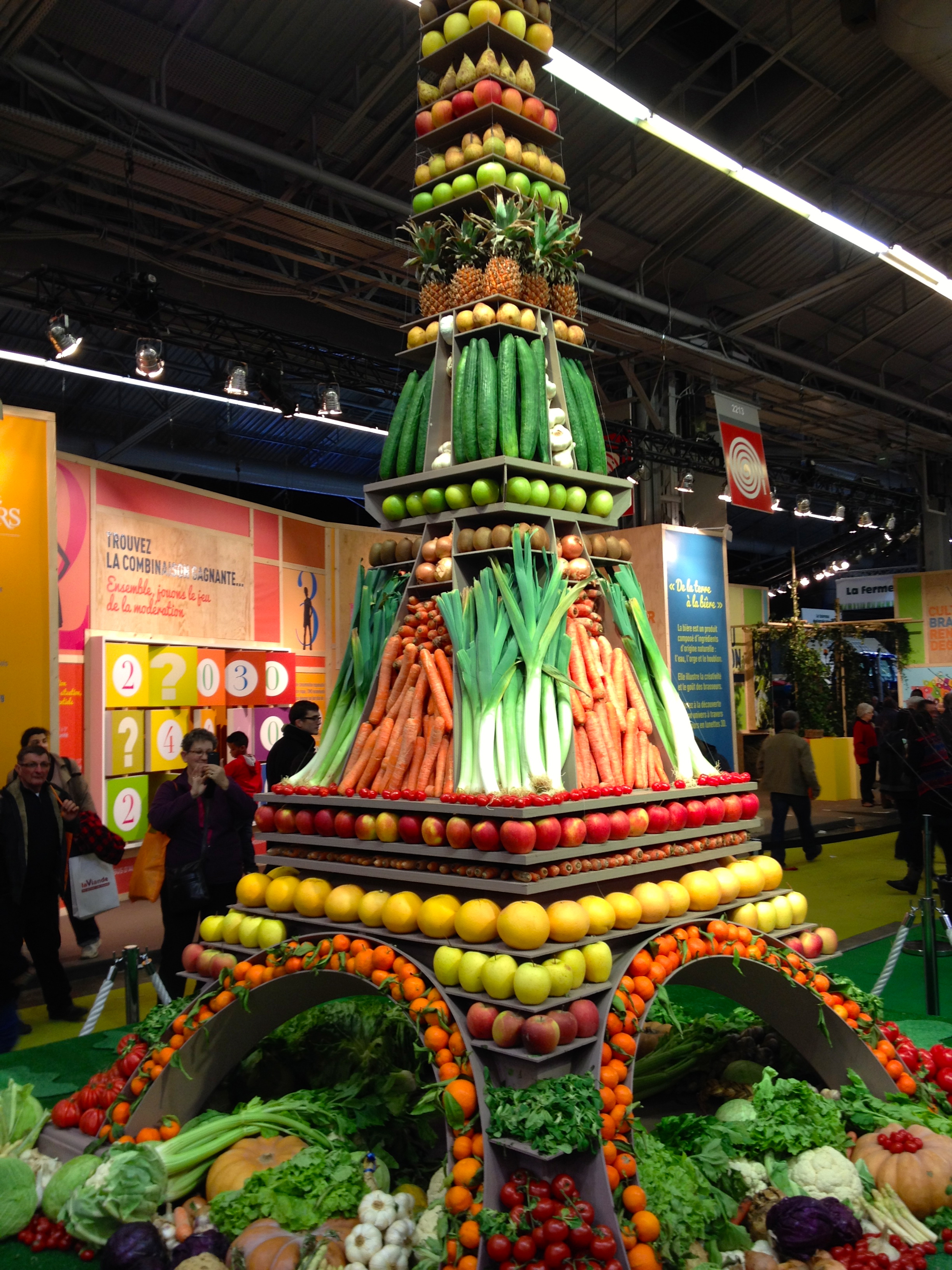
eiffel-tower-benioff.jpg

Imagine how healthy we would be if this was our “food pyramid”…the edible Eiffel Tower…

No. 134: Chocolate Celebration

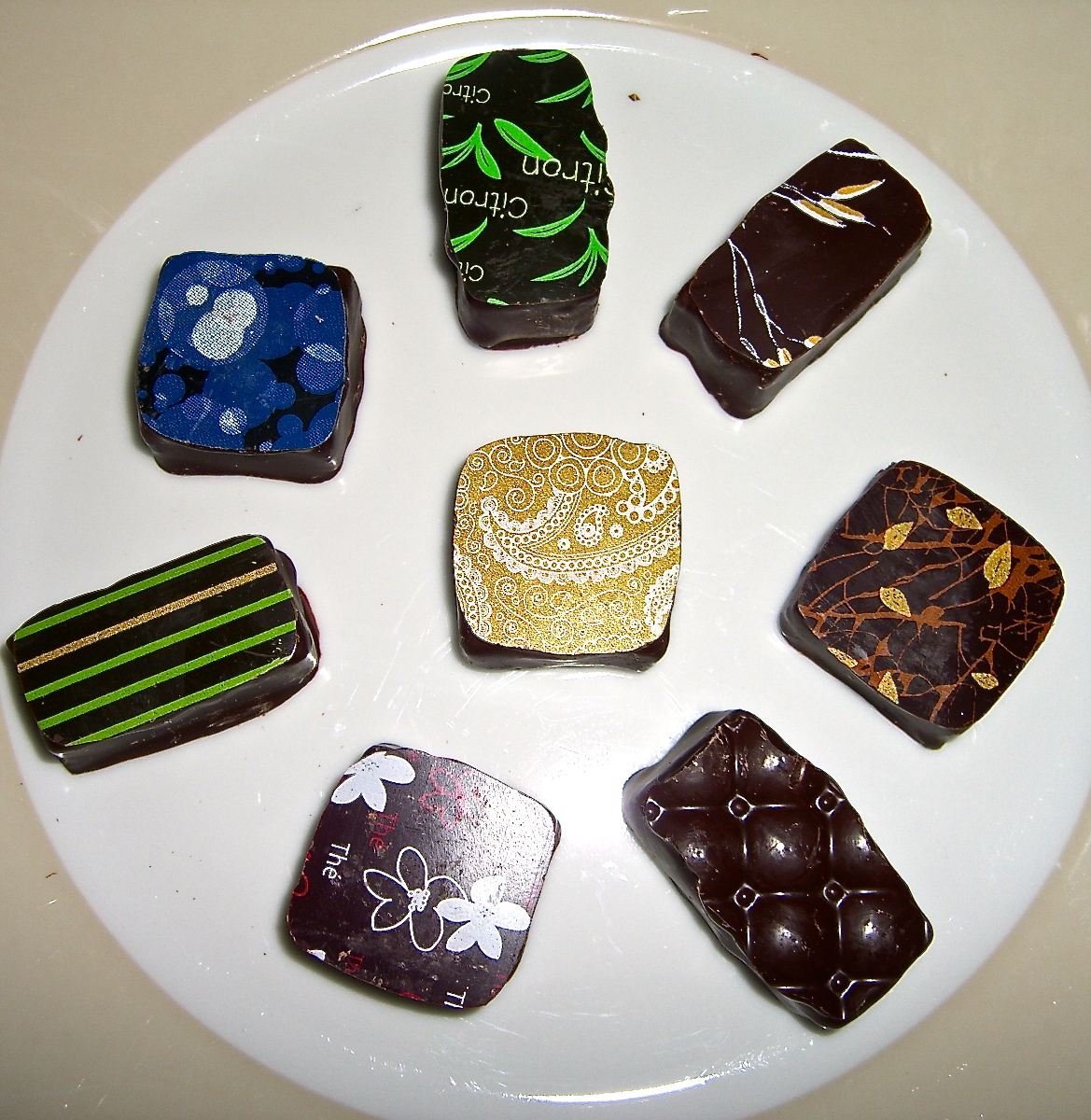
Paris Chocoloate

“He showed the words ‘chocolate cake’ to a group of Americans and recorded their word associations. ‘Guilt’ was the top response. If that strikes you as unexceptional, consider the response of French eaters to the same prompt: ‘celebration’.”

Michael Pollan, In Defense of Food: An Eater’s Manifesto

Scottish Chocolate

I know that most of us carry around emotional baggage tied to food and that there are plenty of French women (and men) who see food as the enemy, but I do find this cultural difference between the above word associations thought-provoking.

It does my body good to luxuriate in an exquisite piece of chocolate or share an artisanal pastry in a special moment, in the right atmosphere, rather than guiltily guzzling down a dozen of quelque chose in front of my computer.

gâteau au chocolat Paris

After 2 ½ years in France, I’m getting better and better at thinking of chocolate (and other foods) as a celebration and choosing smaller portions and higher quality foods over huge and highly processed junk.

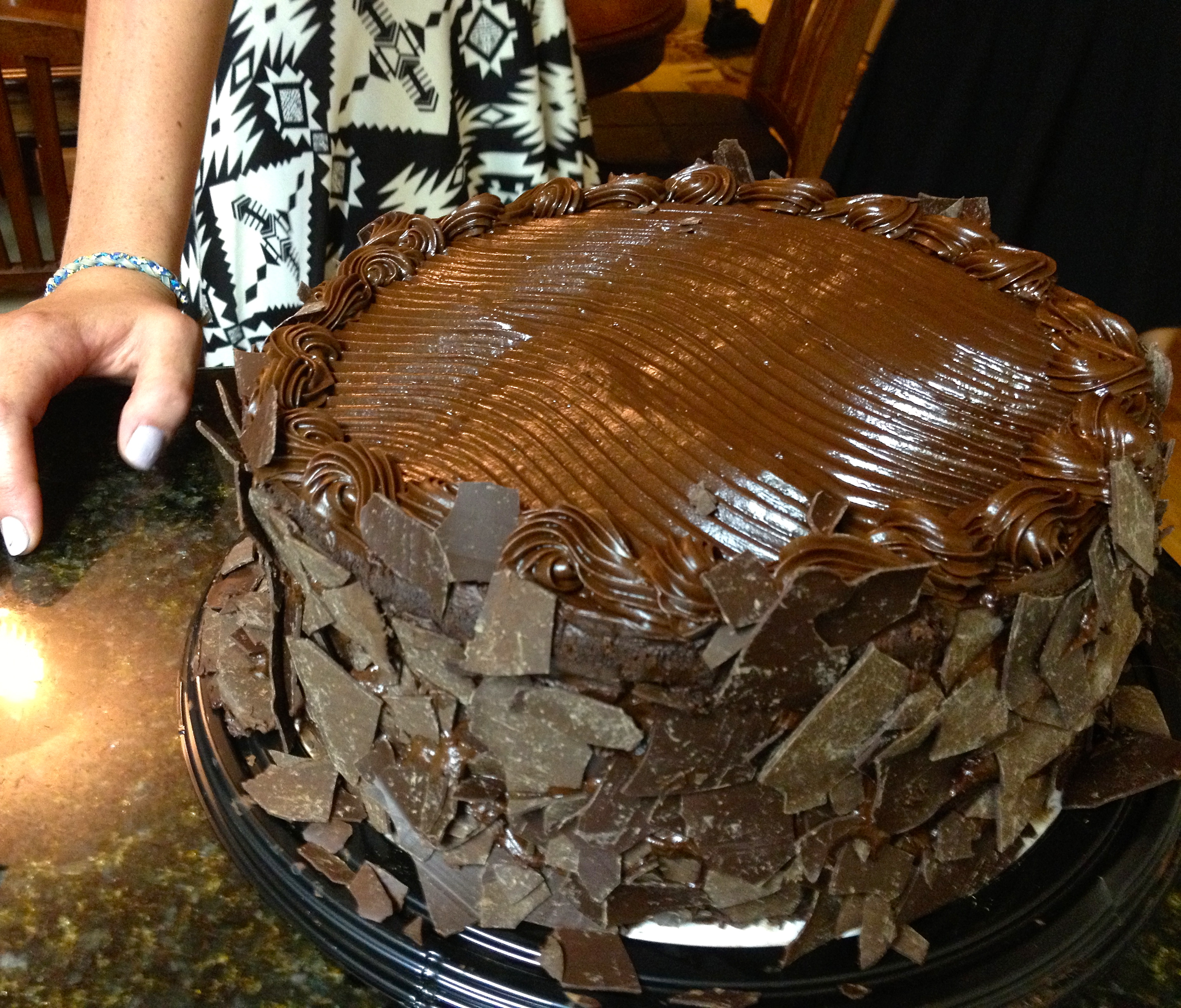
….a massive 7-lb American chocolate cake from COSTCO...

….a massive 7-lb American chocolate cake from COSTCO…

Old habits die hard, but I find that this particular bad habit is easier to break en France.

…a much smaller, and far more expensive and delicious gâteau au chocolat (55€-$75), one could only afford for a true celebration...

…a much smaller, and far more expensive and delicious gâteau au chocolat (55€-$75), one could only afford for a true celebration…

Vocabulaire

en France: in France

quelque chose: something, anything