Skip to content

Posts tagged ‘French cooking’

No. 158-159: Better than the Stock Show & Martinique Revisited

I know I have some diehard rodeo and cowboy/girl readers in Colorado and the West, so please don’t be offended, but I have to say, I enjoyed my day at the Salon l’Argiculture this past weekend more than I have ever enjoyed the Great Western Stock Show in Denver. Please don’t throw any rotten tomatoes my way, but I had a heck of a time standing slack-jawed eyeing the fine bovine, porcine, and ovine of France, in, of all places, the Paris exposition hall.

I don’t know what I was thinking it would be like. I tried not to read any blogs or adverts ahead of time so I would be surprised by the French interpretation of a Stock Show. And surprised I was—mostly by the fact that these huge, prize-winning animals were holed up in gay Par-ee. I know France is a country in love with their food, and their high quality ingredients, so it makes sense to showcase them all in their capital city. It’s just that I don’t normally associate the City of Light with livestock.

Now, in a state with a blazing-eyed, 32-foot high (9,000-pound) electric blue, anatomically correct, wild mustang welcoming visitors as they land at their airport (i.e. Denver, Colorado), I find it much easier to make that association. Denver and livestock, they go hand-in-hand.

source: DIA-promo.com

source: DIA-promo.com

So I was very surprised to see this “little” guy, when I walked into the first expo hall at Porte de Versailles

salon-l'agriculture-paris.jpg

…along with all his friends and competitors.

There were of course the adorable intertwined piglets and baby goats…

…and a few lessons on where our cuts of beef come from…perhaps I should become a vegetarian?

A whole hall dedicated to cats and dogs…hmmm…I don’t want to be eating those.

….hmmm…don't want to eat those...

….hmmm…don’t want to eat those…

And of course, my favorite part, the halls full of artisanal and farm fresh agricultural products.

There were some lunch options you most definitely would NOT find in Denver…

…and I’ve never seen olive oil being pressed or liqueur made from cèpes (mushrooms) in my hometown either.

Nor the cheese, glorious chèvre! There were even milk bars serving both cow’s and goat’s milk.

Et enfin, we were able to revisit Martinique, the French department in the Caribbean where we were lucky enough to create some very happy Christmas memories.

Alors, Yippee-Ki-Yay! Or as we say back in Colorado, “Howdy Folks! Welcome to Golden Paris. Where the West Lives.”

Golden-Colorado-welcome-sign.jpg


No. 157: Even Burnt Cake!

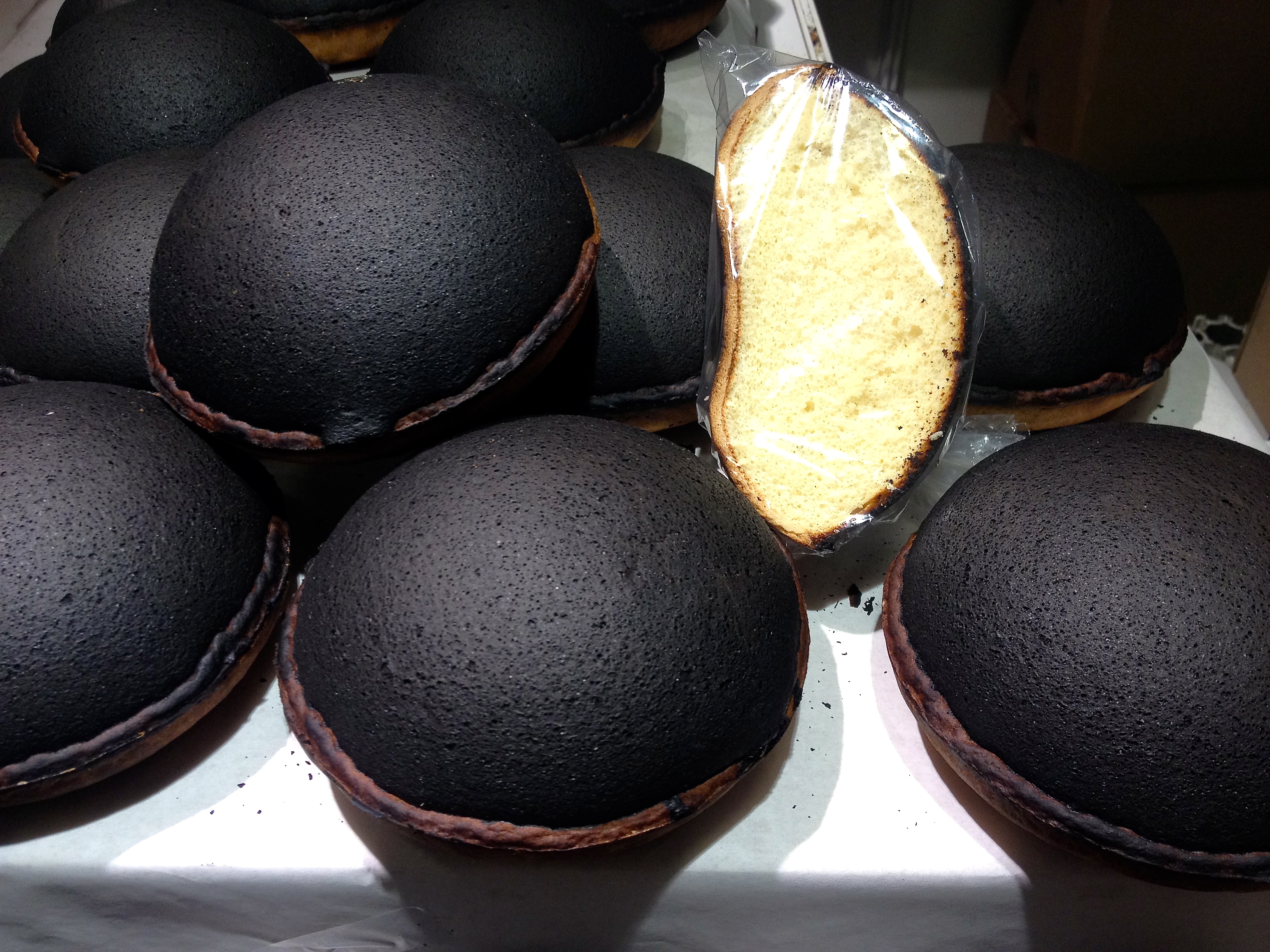
Yesterday at the Salon l’Agriculture one of the many interesting things I came across was this:

Tourteau-Fromagé.jpg

My first thought was, “Yum! A large chocolate globe.” My second thought was, “Is that burnt?”

Turns out I was right on track with the whole overcooked thing. After taking a few pictures and catching the twinkle in the eye of the vendeur, I summoned up the courage to ask him just exactly what the heck those big black, burnt things were. Noticing of course, that I speak French with an accent, he asked me where I was from. When I told him I was from the States, he said, in French, “This is the French version of New York Cheese Cake, the Tourteau Fromagé”, or the Cheese Crab.

cheese crabs….

cheese crabs….

They do look a little like giant crabs, don’t you think? They are also known as Tortue Fromagé (Cheese Turtle) and Tourteaux Fromagé (Cheese Cakes).

I had never laid eyes on a Tourteau Fromagé until 24-hours ago, but already I’m a convert. How is it that the French can even make burnt cake taste good??

The Cheese Crab/Cake is a specialty of the Poitou-Charente region in Southwest France, and not usually found at a boulangerie or a pâtisserie, but rather in a fromagerie—especially those that specialize in goat cheese.

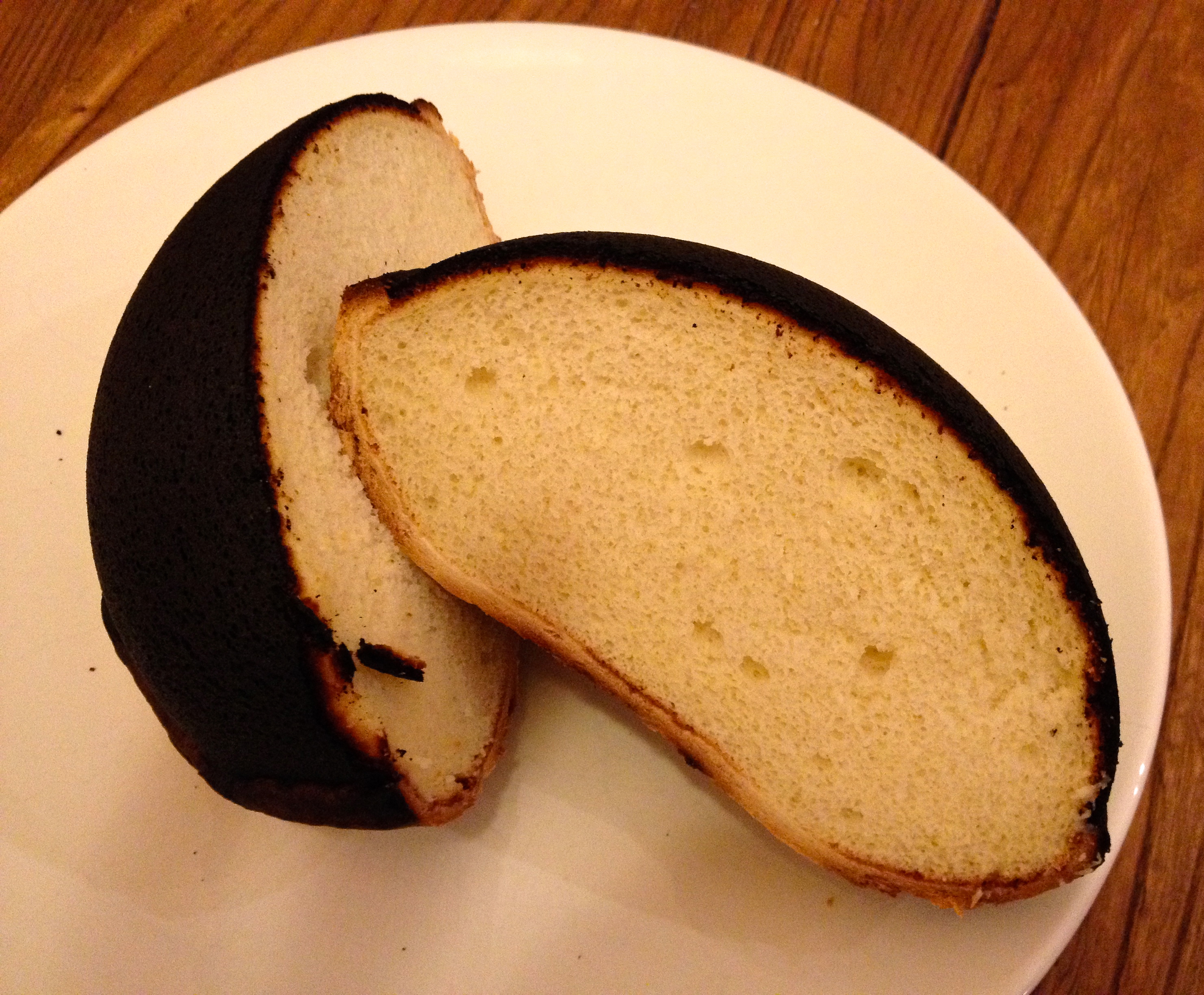
To set the record straight, it is nothing like New York Cheese Cake, but it is a lot like a springy and airy Angel Food Cake, with a bit of tangy sweetness.

The cake’s story is one I can relate to: a harried baker accidently shoved a goat-cheesy gâteau into a blistering-hot oven. She smelled something burning, and opened the oven to find a blackened and hardened crusted cake. Obviously she must have been having company, because she tried desperately to salvage it. She lowered the temperature, crossed her fingers, and hoped for the best. To her surprise, the burnt crust protected the inside of the cake, and her finished creation was a spongy, sweet but slightly tart, absolutely perfect cake.

After sharing one with my family last night, I must admit, it seems like a very versatile creation. You could eat it as a breakfast cake with a café au lait, or at lunch with a little fruit on top, or it would be divine after dinner with some strawberry ice cream, and maybe just a wee bit of chocolat noir. It also seems very well suited for a picnic or car trip as it would take a good deal of force to flatten this crab / turtle en route.

Tourteau-Fromagé.jpg

When I asked the vendeur if I should eat the crust, his response was, “Comme vous voulez!” I liked it better without the crust, but admittedly, I ate a slice with the crust. Yes. It tasted markedly burnt. Mais it’s a thin crust, and the inside is most definitely worth tasting.

Vocabulaire

boulangerie: bakery

chocolat noir: dark chocolate

Comme vous voulez: As you like.

fromagerie: cheese shop

gâteau: cake

mais: but

pâtisserie: pastry shop

vendeur: seller, merchant

No. 151: Quiet Restaurants

The new Paramount Theatre at Emerson University, Boston

The new Paramount Theatre at Emerson University, Boston

After following Button around on a 10-day audition whirlwind tour between Boston and New York City, my appreciation for the quiet and calm restaurants of France has only deepened.

Boston-Conservatory.jpg

Holy Smokes! Eating out in America can be agitating.

Between the throbbing red lights at Lolita’s Mexican Restaurant in Boston and the Vanderbilt in Brooklyn serving up pounding heavy metal music at 11 p.m. on a Sunday evening, my vocal cords and eyeballs could use a rest. There is nothing worse than shouting at your girlfriends or daughter between bites of a fancy meal or $15 cocktails.  So glad we had a kitchen to cook in for most of our days in the States.

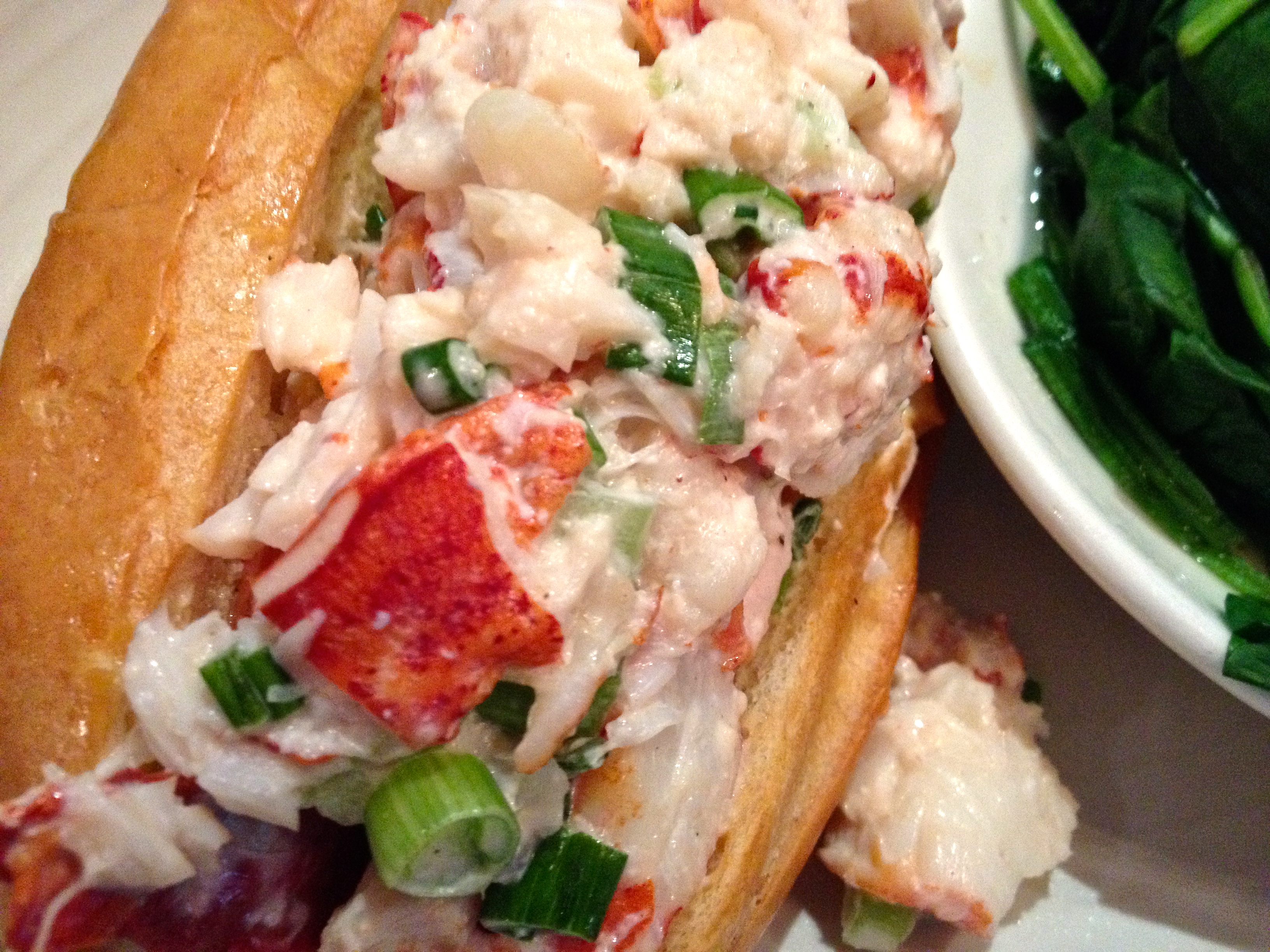
The best meal we had was a late-lunch at Legal Seafood in Boston (a chain restaurant of all places) because we arrived at 3 p.m. after the lunch crowd and were the sole guests dining. The lobster rolls and crab cakes were wonderfully fresh and the noise level was limited to two expats using our “French voices”, or our inside voices, which Americans seem to have forgotten how to use inside. To top things off there were no flashing lights, no obnoxious soundtrack imposed on our meal, and no one trying to rush us out so they could give the table to the next guest.

The crab cakes in Boston are amazing...

The crab cakes in Boston are amazing…

Lovely lobster roll

Lovely lobster roll

I know some Anglophones complain about restos being so hush-hush in France and the French squelching the fun out of dinnertime, but I am convinced that the unruffled atmosphere in French restaurants makes French food taste even better, is infinitely better for the digestion, and certainly more conducive to cultivating friendships.  Even in a crowded café the noise levels never require you to raise your voice. I couldn’t imagine the French engaging in a shouting conversation over a meal, and I wish it wasn’t the norm in the States too.

While it is always nice to spend some time in my homeland and there are many things I miss, I am happy to be headed home today and am looking forward to enjoying some serene meals en famille surrounded by quiet French voices.

Vocabulaire:

en famille: with family

restos: short for restaurant

No. 149: Chocolate Covered Candy Bacon: Ce n’est pas possible!

I came across this the other day in Boston...

I came across this the other day in Boston…

Here’s a dessert to desert. It ranks right up there with the deep-fried Twinkie Burger. Jeezel! Only in America, non?

deep-fried-Twinkie-burger. jpg

I’d rather have my sweet “bacon” the way the French do it: marzipan and chocolate…

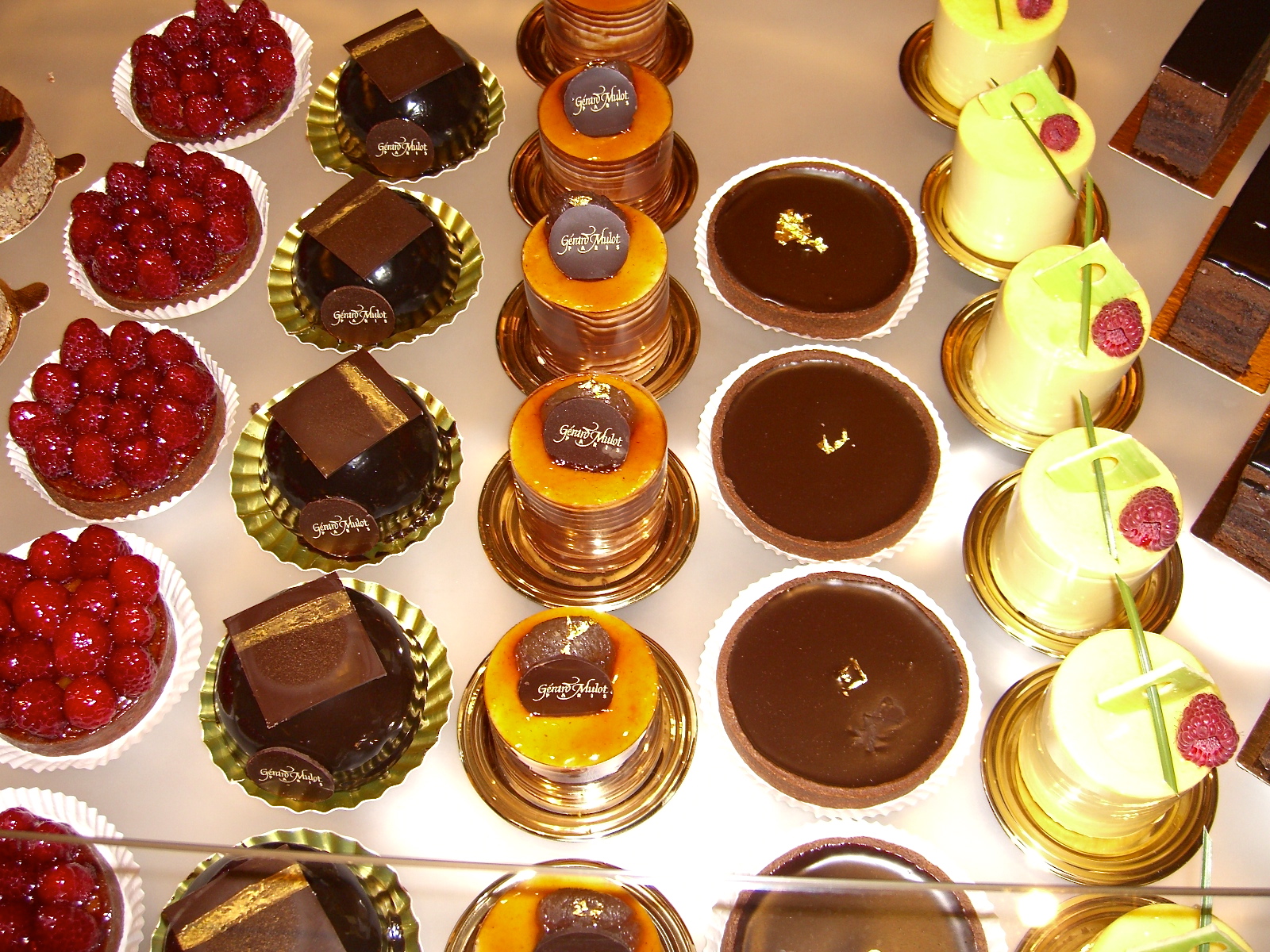
or, just give me any old French pâtisserie, s’il vous plaît.

french-pastry.jpg

French-pastry2.jpg

No. 145-146: Monsieur Parmentier and One French Woman’s Secret

When the modest pomme de terre arrived in Europe via the Andes Mountains in the 1500s, much like corn in modern day France, they were used only to feed hogs. They were also thought to cause leprosy.

However, in 1772, Monsieur Parmentier, a chemist by training, seeing the benefits of nourishing the famished masses with this compact carbohydrate, came up with a peculiar plot to trick the French into eating this humble tuber.

His plan? To plant a field of potatoes in the outskirts of Paris. His trick? To have arm guards watch over the crops in the daylight, and leave them unprotected when the sun went down. Convinced that the crop in the mysterious field must be valuable, the curious Parisians began to steal the potatoes under the cover of darkness and realized they were pretty darn good for dinner (and lunch and breakfast, I assume).

These days, I can’t imagine French cooking without potatoes. So many French dishes feature or are complimented by these earth apples, and parmentier, pronounced par-maan-tyé, is now used as an adjective to refer to mashed or boiled potatoes in some recipes.

I first became interested in Monsieur Parmentier when my friend Hélène served a delicious Parmentier de Confit de Canard at one of her winetasting. After several months of bugging her for the recipe, she invited a few of us over for a quick cooking lesson from a busy French woman’s kitchen.

This is when I discovered that French women are full of all sorts of secrets and shortcuts that make them seem super human in the kitchen when, in fact, they are mere mortals. In less than 2 hours we had prepared, cooked and eaten a perfect and delicious Parmentier de Confit de Canard accompanied by a fresh green salad and a lovely bottle of wine.

So what is the secret? A couple of hints:  you won’t find the answer at the butcher’s, but you will find it at your local super marché; no need to head to the milkman’s—no butter, milk or crème fraîche required.

Now keep this on the low down, but the answer comes in a tin.

Only in France can you find a large can of duck legs perfectly preserved in their fat. Add one of Monsieur Parmentier jewels per person, and some garlic powder, and voilà! Parmentier de Confit de Canard Express.

Vocabulaire

Parmentier de Confit de Canard: a dish similar to shepherd’s pie, consisting of a layer of shredded roasted duck legs topped with a layer of mashed potatoes baked briefly at a high temperature to form a golden brown crust on top.

pomme de terre: potatoes; literally earth apples

super marché: supermarket

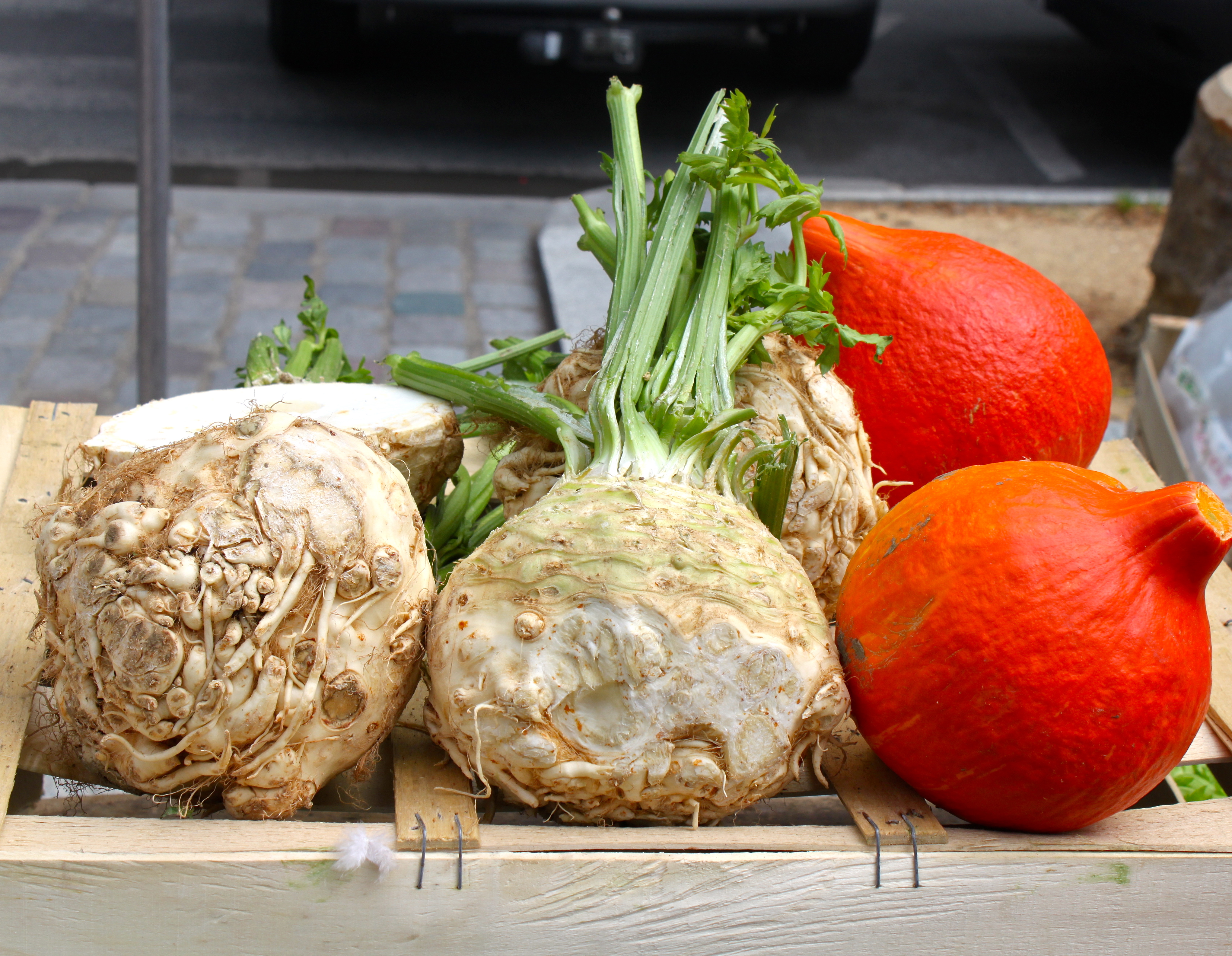
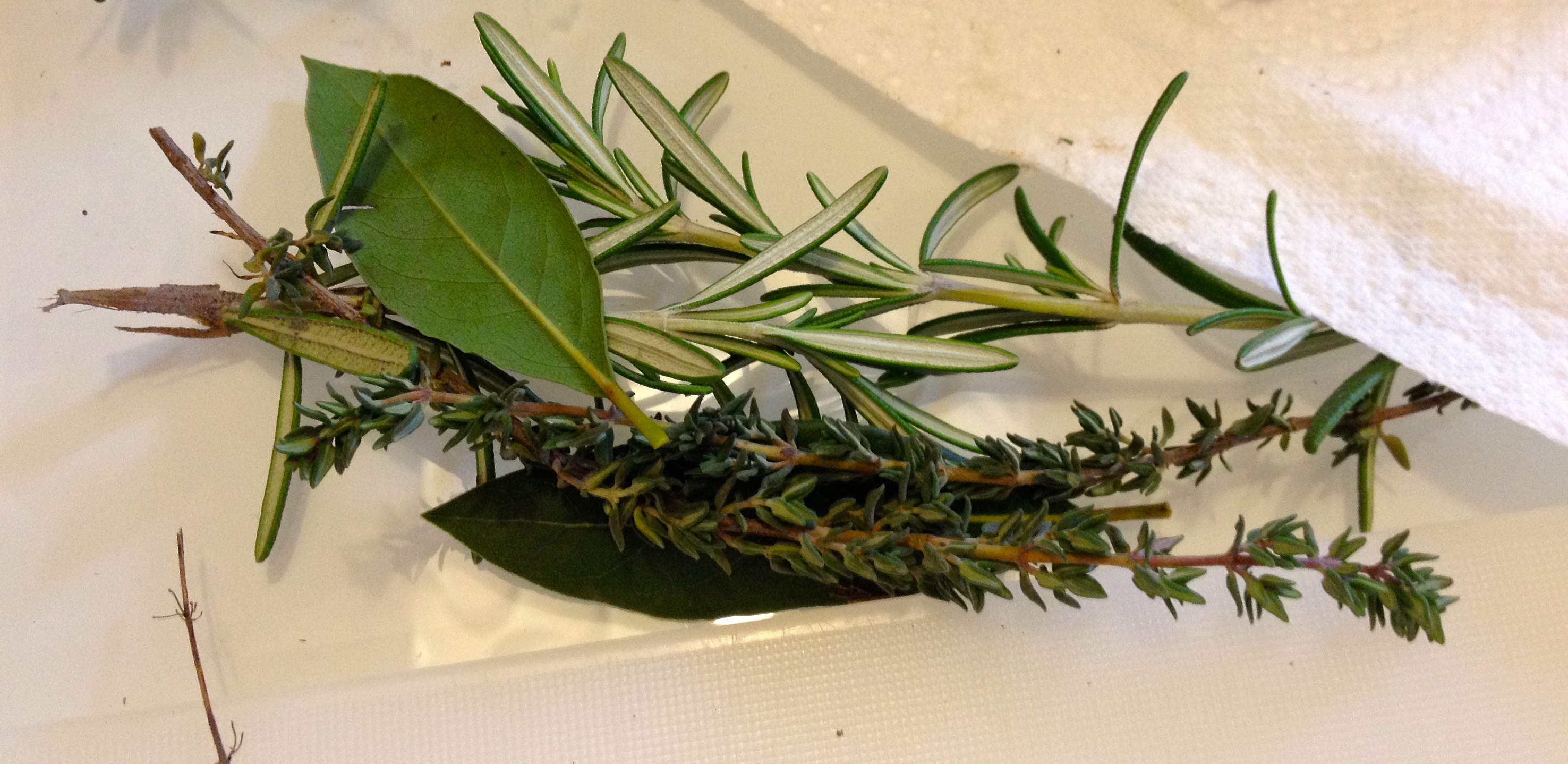
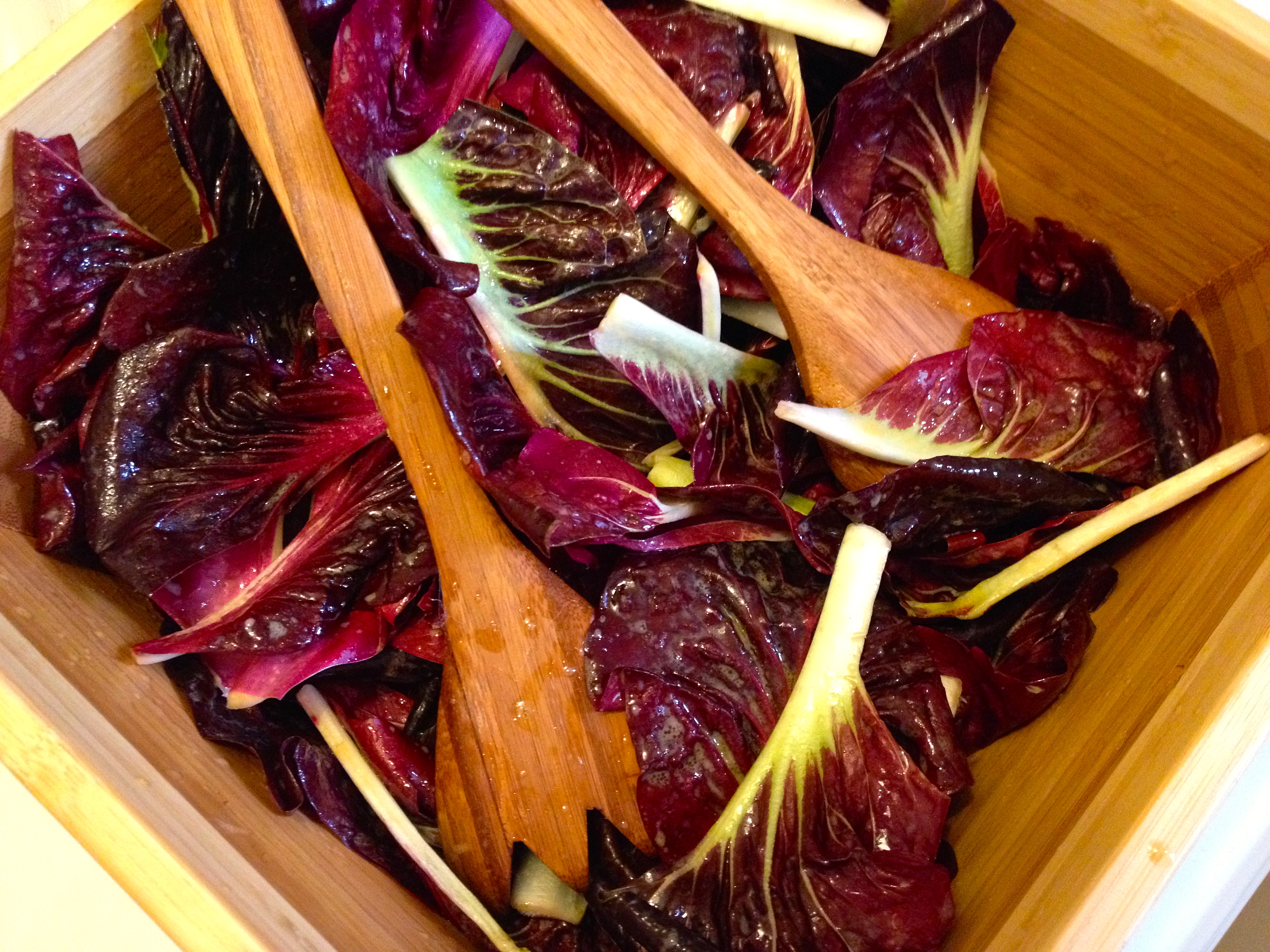
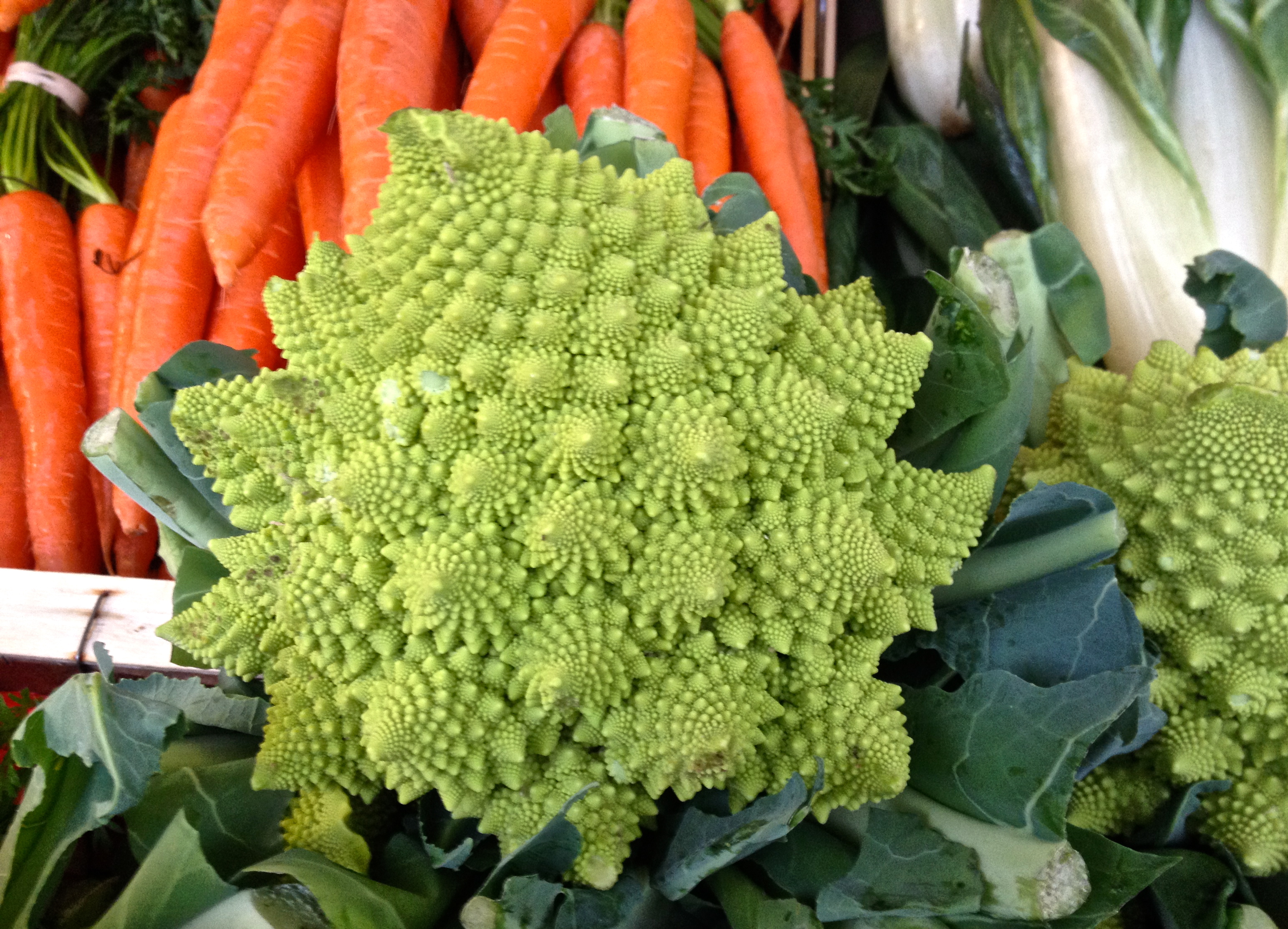
No.142: The Delicious Colors of Winter

celeryroot-paris-benioff.jpg

herbs-paris-benioff.jpg

winter-salad-paris-market.jpg

broccoli-paris-market.jpg

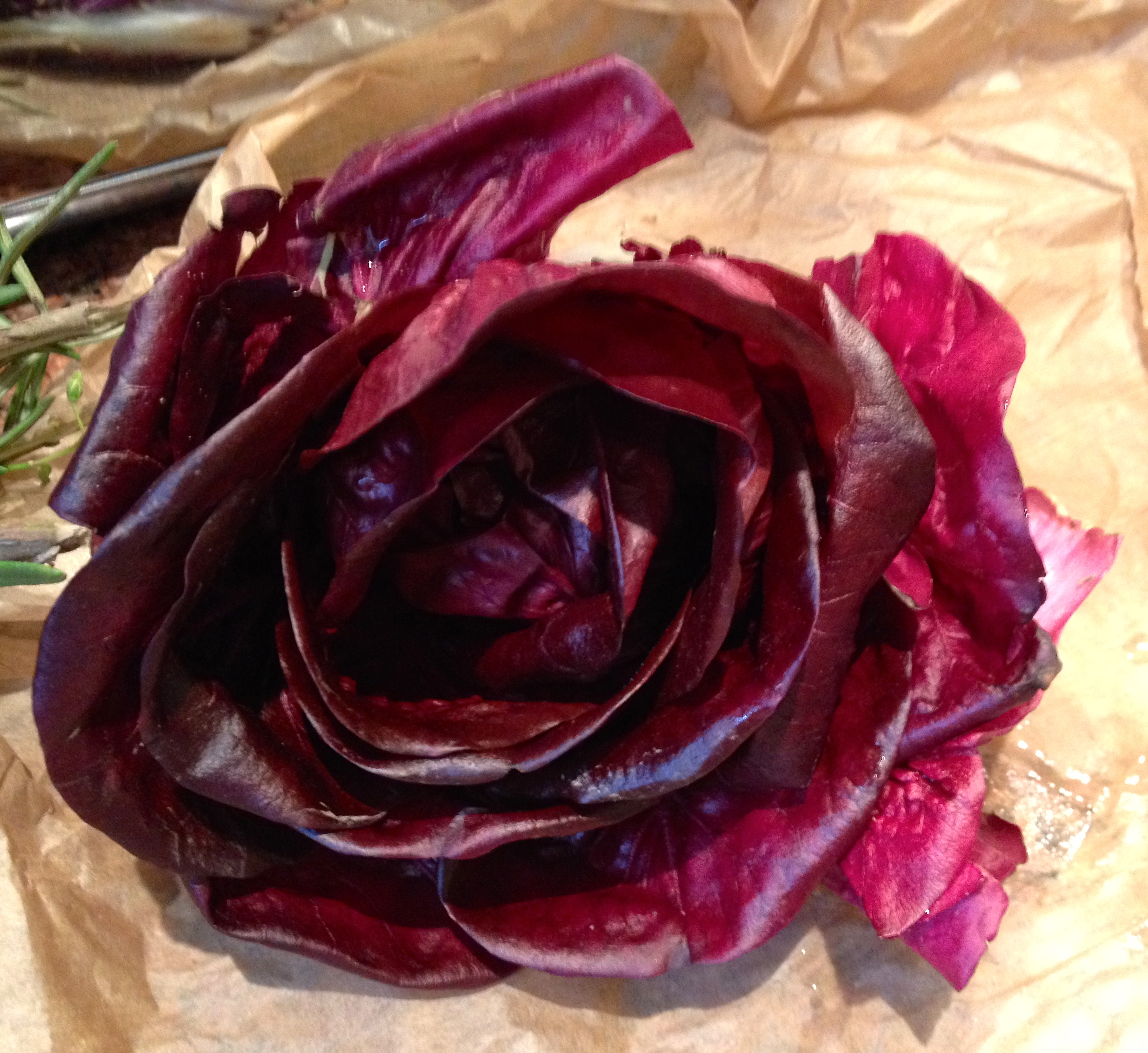
red-lettuce-paris-market.jpg

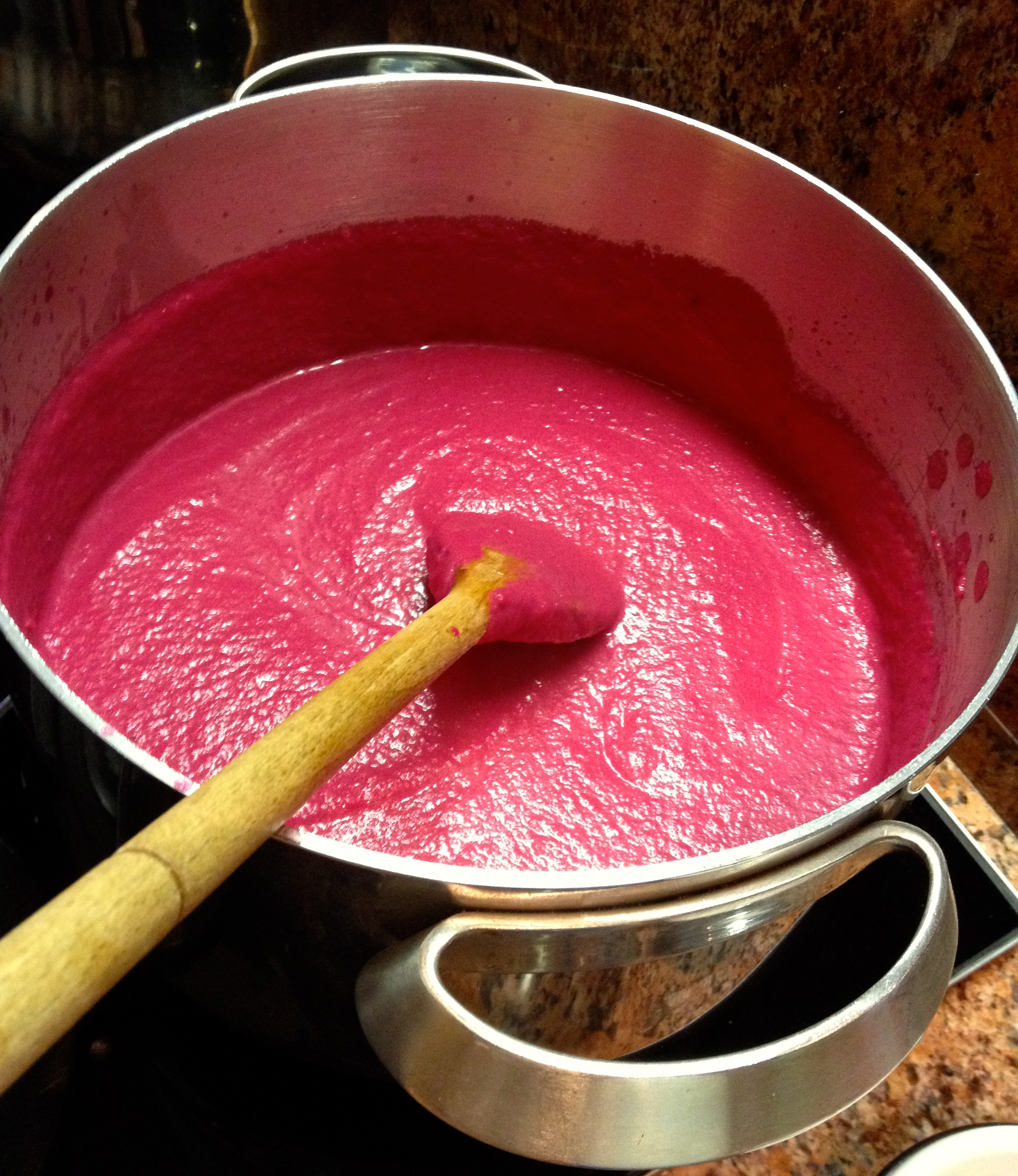
beetroot-soup.jpg

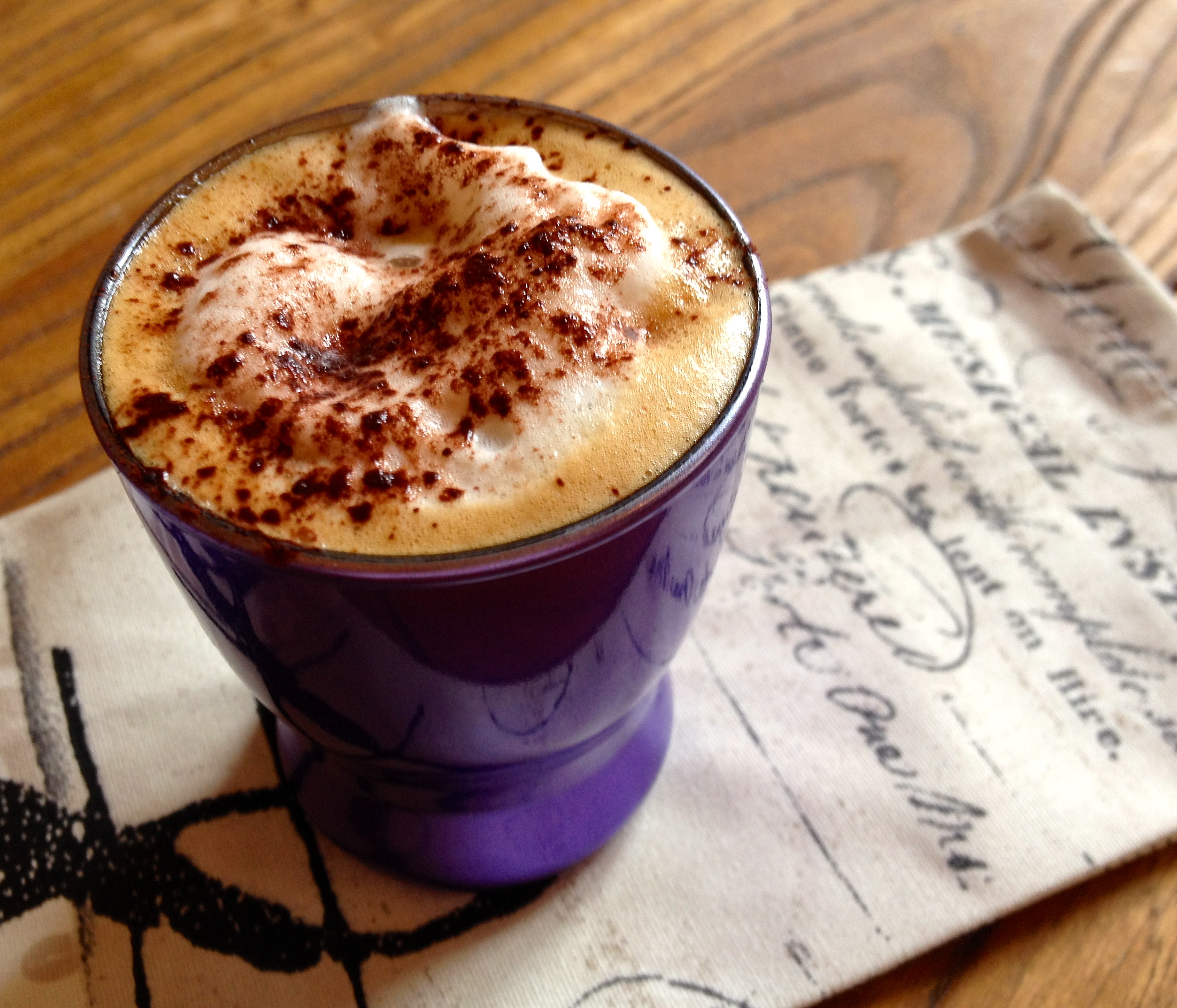
café-noisette-paris.jpg

Moi, j’adore!

Vocabulaire

Moi, j’adore! Me, I love (it)!

No. 139: All Things French in English

Before moving to France I took for granted all the things we call “French” in English. Since I’ve lived here, I’ve become curious to find out exactly what those things are.

I mean French bread—loosely refers to a baguette, although much larger and wider in most grocery stores in America. A French braid, I’m very familiar with, as my girls have spent hours plaiting each other’s hair. We all know what a French kiss is, and as teenagers became familiar with “Frenching”, the verb. But what exactly are French lentils or French vanilla? What does French blue mean? And why do we refer to a disgusting mayo, ketchup and sweet relish dressing as “French”, when I’ve never, ever seen it in France?

Donc, whenever I have a long bus ride, or am bored, I’ve been looking up these curious items to figure out what is what. This is what I’ve come up with so far. Some are more obvious than other. As I’m on a diet, today’s post focuses on food, of course…corrections welcome, svp.

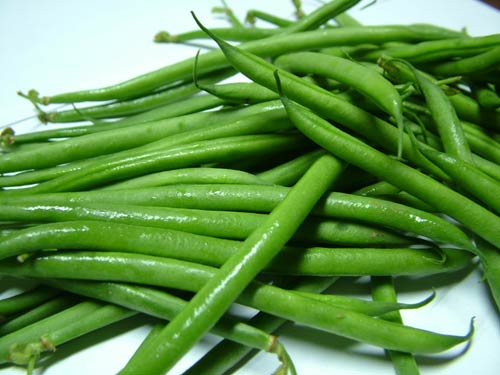
French-beans-Paris

  • French beanle haricot vert—a long thin green bean that is eaten whole.
  • French endiveas far as I can tell, is just endive. I think some of us call it chicory.
  • French fryla (pomme de terre) fritefried potato sticks, originating in Belgium, thank you very much.
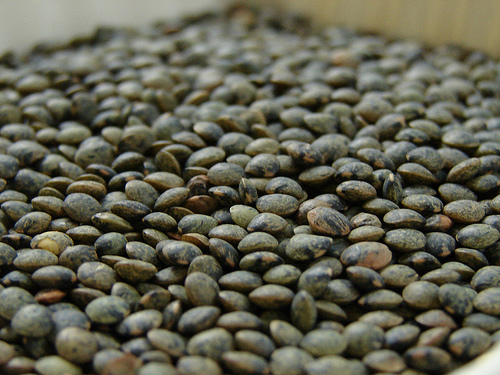
  • French lentilsles lentilles du Puy—lentils from the French town of Puy. Delicate, earthy, and peppery they hold their shape well, take a little longer to cook, but are perfect for salads.french-lentils-Paris
  • French dip sandwich—beef sandwich dipped into beef juice (au jus)—has anyone ever had one of these in France?
  • French dressingla vinaigrette – I think this is what the French would call French dressing; in the UK “French dressing” is usually vinaigrette, none of that nasty tomato-relish-mayo stuff.
  • French rollun petit pain –I think this is just a generic term for a small single serving roll; also refers to an updo.
  • French roast coffee—named because of the roasting style in France; a double roasted coffee; intense and smoky.
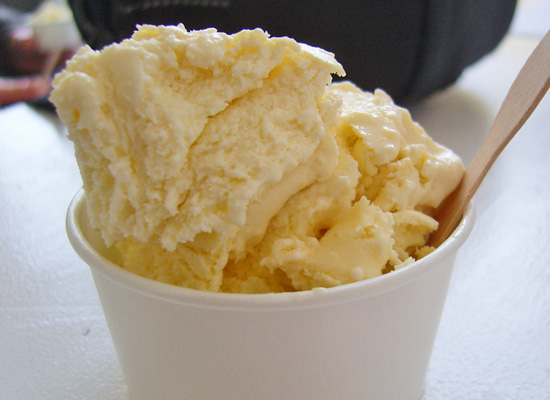
  • French vanilla ice creammade using an egg custard base and having a caramelized and slightly floral taste; also more yellow in color than regular vanilla ice cream.

 french-vanilla-ice-cream

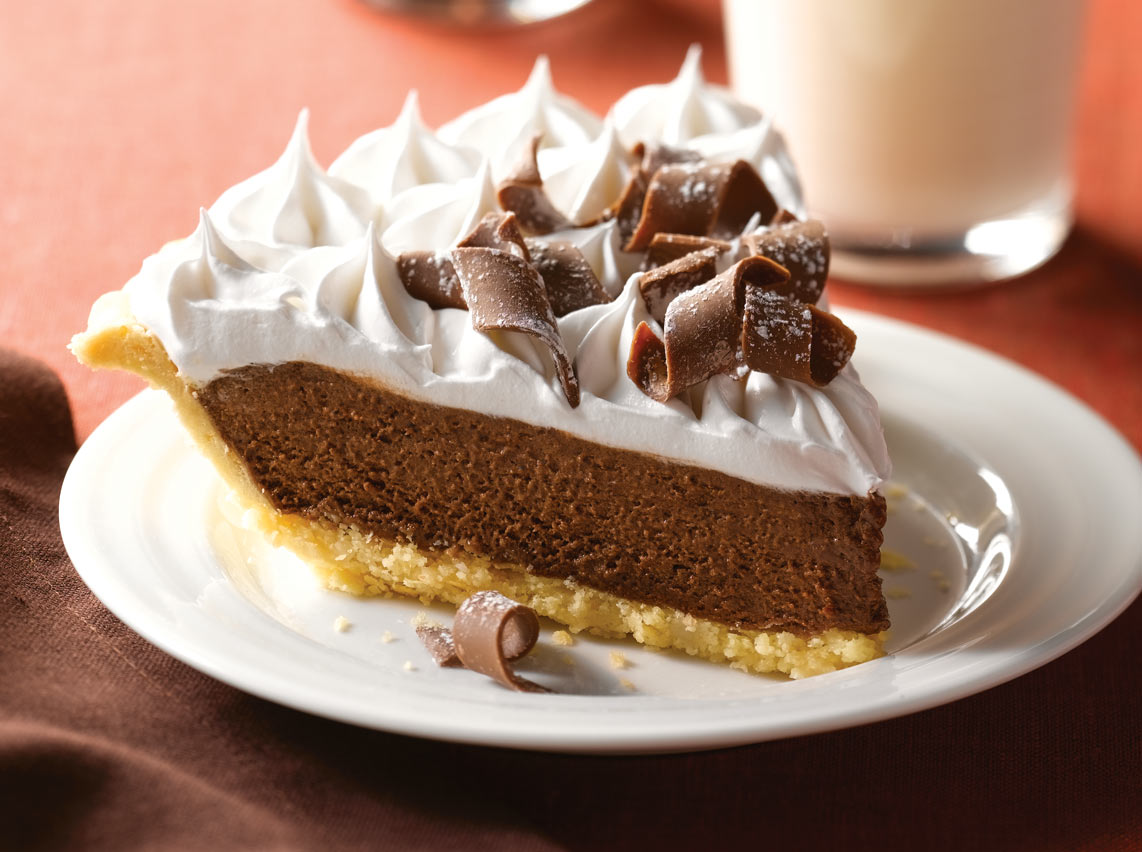
  • French silk piea pie with a chocolate mousse or pudding filling and whipped cream topping; it appears to have originated in the American south. I have never seen it in France.

 frenchsilk-pie

  • French toastle pain perdu—literally “lost bread”; it did not originate in France and soon will be a subject of another post.

Whew.

Now if you’ll excuse me, I need to open my French door to use my French press after taking out my French twist before I have a lie down in my French bed under my French roof…

…to be continued…