Skip to content

Posts from the ‘Around France’ Category

No. 87: Petit-déjeuner en Martinique

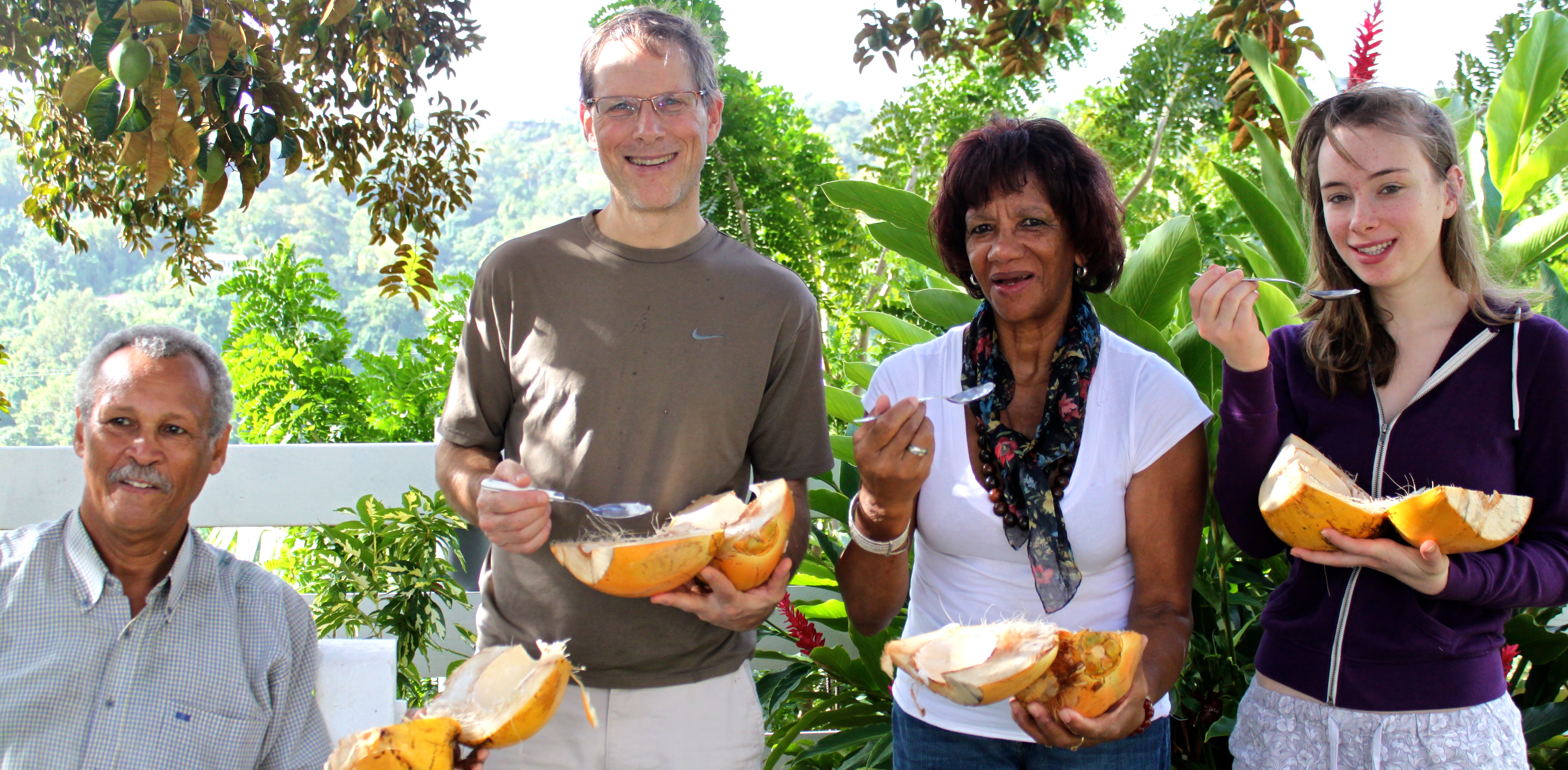
This was breakfast in Martinique this morning. Refreshing, authentic and just so thrilled Superman did not chop off his fingertips.IMG_9227

IMG_9218

IMG_9232

We are loving the Martiniquais and their beautiful island.


Vocabulaire:

petit-déjeuner: breakfast


No. 86: Marché de Noël

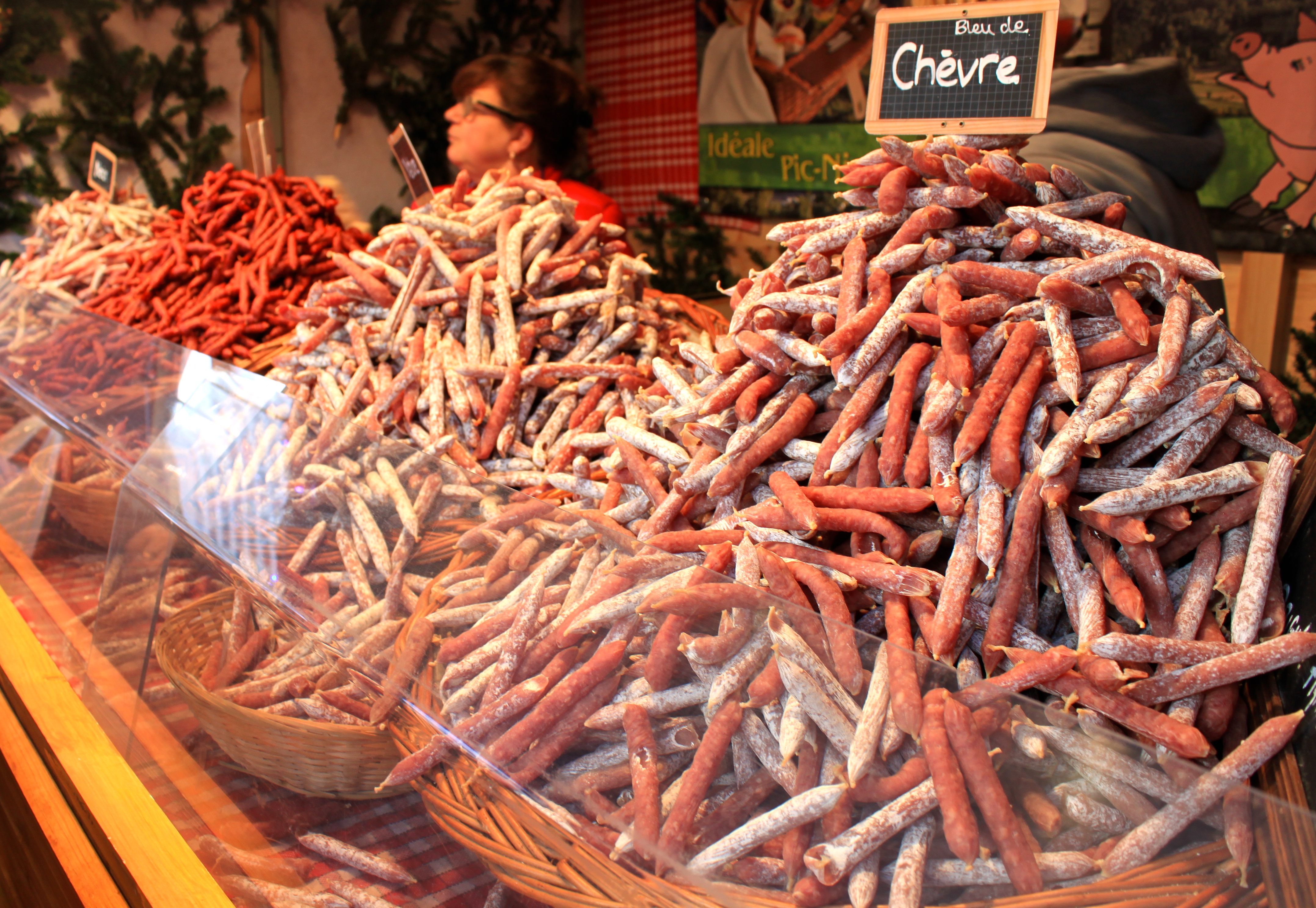
Christmas markets can be found in all the major cities of France, and also in the small villages and hamlets. Most of them are characterized by charming wooden chalets, vin chaud, local food specialties, gingerbread, and lots and lots of saucisson.

IMG_9170

They have strayed from their original purpose of supplying rural French femmes au foyer with all the hard to find ingredients for preparing the traditional holiday feast. And while the marché de Noël originated in the northern Alsace region, (belonging to Germany at assorted moments in history) and tend to draws on German Christmas market traditions, these days, at least in Paris most of the “handcrafted” toys and gifts are junky stuff mass produced in China.

That said, I still love them. They do add a terrifically festive feel to France in December. Here are the ones I’ve managed to see this year.

Marché de Noël Suédois, Swedish Church in Paris

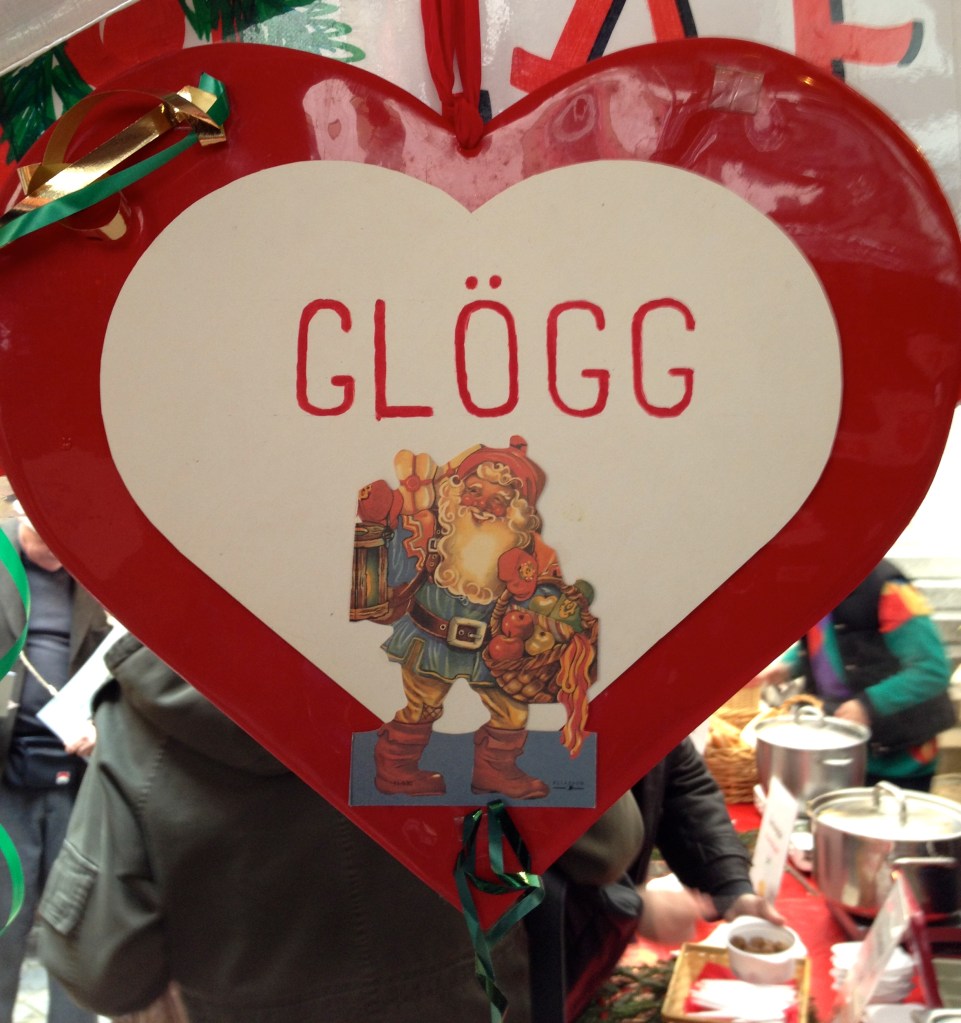
I’d never been to a Swedish Christmas market so I really enjoyed this one. It was small and intimate, and the Swedish community was so very friendly. All things Swedish and holiday-ish available, including reindeer sausage, amazing ginger crisps, and of course Swedish meatballs and Glögg. (Held right before Lucia, so you’ve already missed it, but do look for it next year.)
IMG_2427

Marché de Noël, La Défense

More than 350 stands, very jolly despite the chalets nestled in the surreal setting of glass high-rise buildings and the ominous Grande Arche. (November 27-December 28.)

IMG_9168

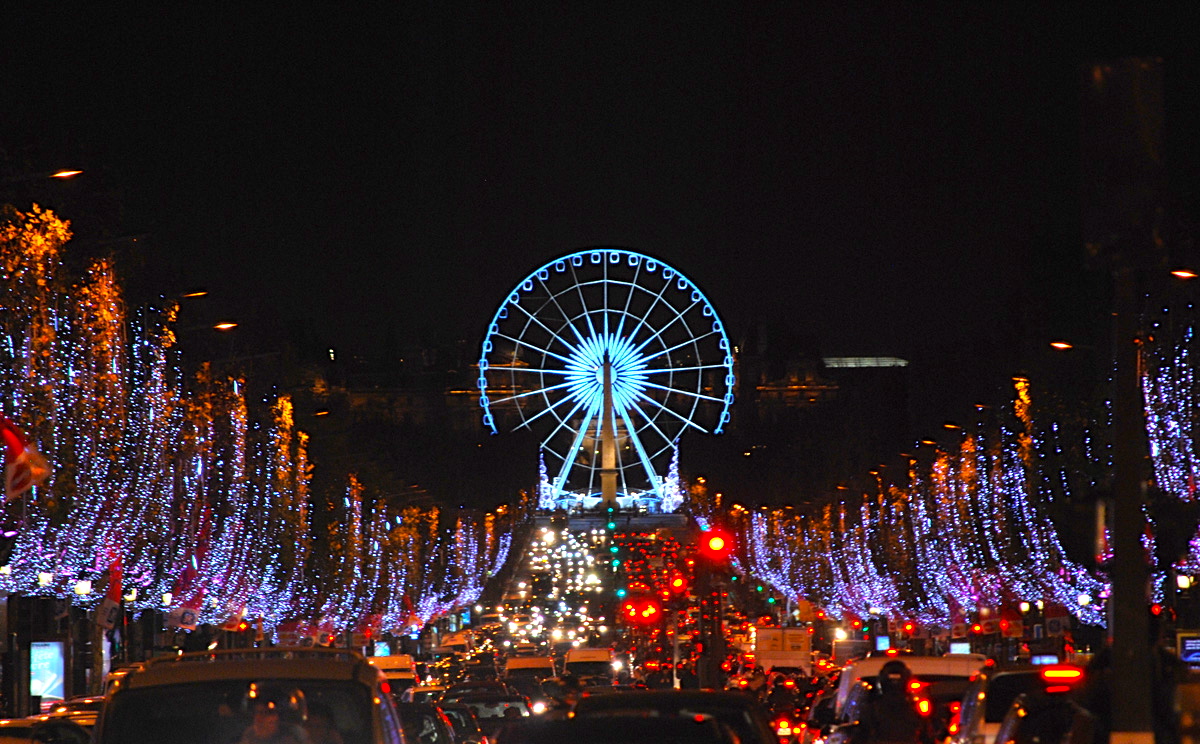
Marché de Noël, Avenue des Champs-Elysées

The largest Christmas market within the Paris city limits. Incredibly crowded and best at nighttime—if you are going to brave the throngs of people, you might as well see the lights. (November 15-January 5.)

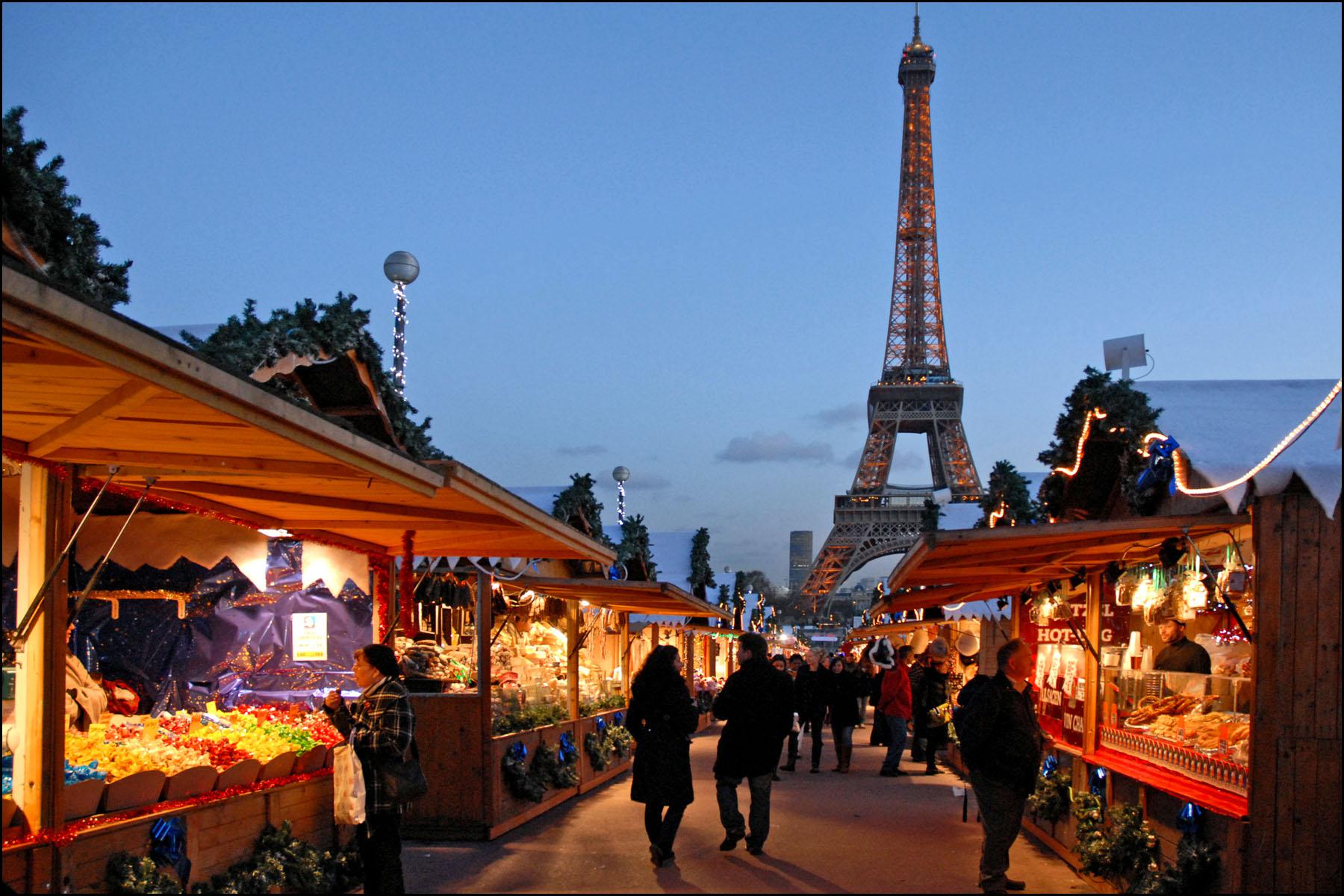
Marché de Noël, Trocadero

About 100 stands, a “snow” village, and an ice-skating rink with the best view of the Eiffel Tower in Paris. Lots of tourist, kiddos, African Eiffel Tower sellers, and pickpockets.

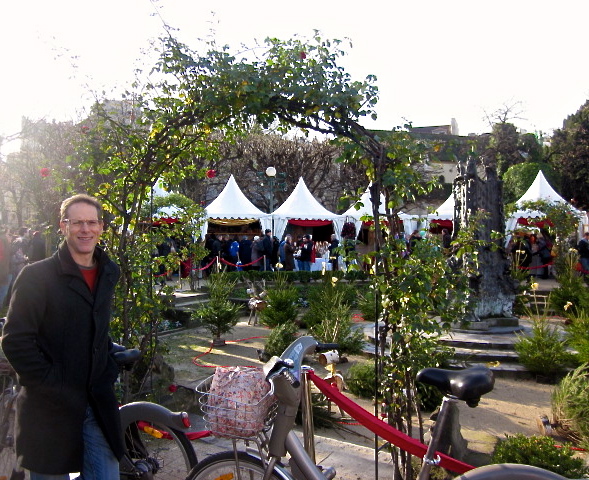
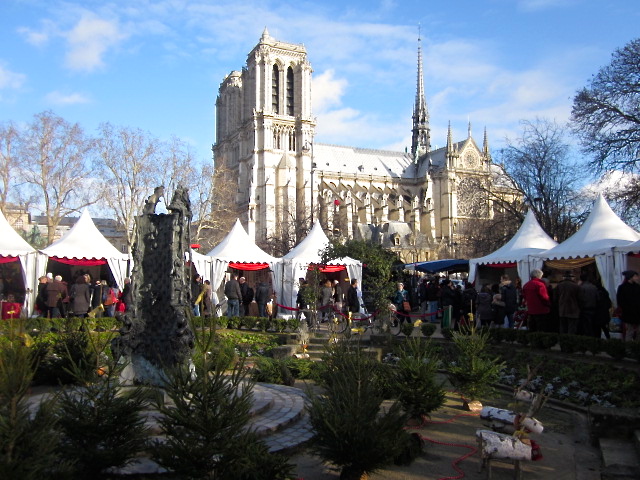
Marché de Noël, Notre Dame Cathedral
IMG_3580

IMG_3579

Charming and cheery Christmassy views. Good photo opportunities. Beware of the gypsies and their tricks.

Marché de Noël on my bucket list:

Marché de Noël, Strasbourg

The mother of all Christmas markets and the largest and oldest one in France. A pilgrimage for those obsessed with Noël. Set in front of the Strasbourg Cathedral. I’ve seen pictures and the views are spectacular.

Marché de Noël, Bordeaux

Supposedly one of the more “magical” of the French Christmas markets, and of course, a great opportunity to stock up on wine from Bordeaux.

Marché de Noël, Nancy

Even though Nancy, France is my namesake, I have never made it there. I need to. Know for its range of traditional and regional foods and less junk from China.


Vocabulaire

femmes au foyer: housewives

marché de Noël: Christmas markets

saucisson: sausage

vin chaud: mulled wine
                          

No. 85: Edible Christmas Windows

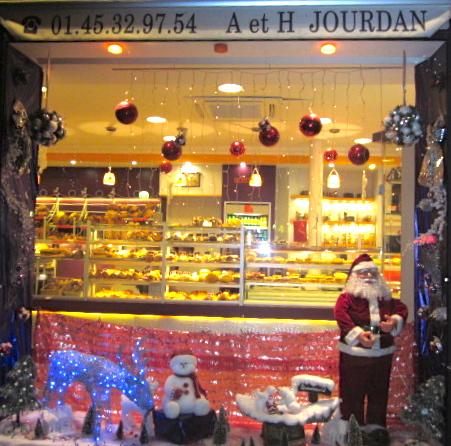
These Christmas windows aren’t just for licking, they are for eating.

IMG_4365

IMG_4364

IMG_2238

IMG_8500IMG_2579

IMG_1872

IMG_2235

IMG_2762

IMG_4419

No. 84: Christmas Lights

Thomas Edison not only invented the light bulb, but we also have him to thank for the lovely (or tacky) strings of Christmas lights we take for granted these days. Always ahead of the curve, in 1880, he strung up the first string of incandescent bulbs around his Menlo Park laboratory compound to attract the attention of commuters on the nearby railway, and ever since then, fairy lights (as the Brits call them), have been an intricate part of the December holidays.

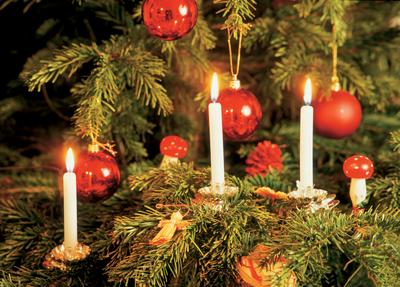
Maybe you are a fan of them, maybe you’re not, but regardless of how they look to you, they are an infinitely better option than sticking candles in a tree or tucking them into your garland.

BAUMKERZEN

Back in the 1700s when Europeans first began lighting Christmas trees, the experience was a lot less relaxing then it is today and required some serious vigilance. The candles were only lit for a few minutes per night, while the families sitting on edge around the tree, readied themselves with buckets of sand and water.

Understandably by the early 1900s insurance companies refused to pay for the damage caused by flaming Christmas trees. So people (exceptionally rich people, that is) began to string lights on their trees. Eventually, when the lights became much, much cheaper, the masses began to light up their trees, homes and village streets.

Which brings me to twenty-first century France where lighted streets and villages are not only the norm but as much a part of the French holiday season as the Bûche de Noël.

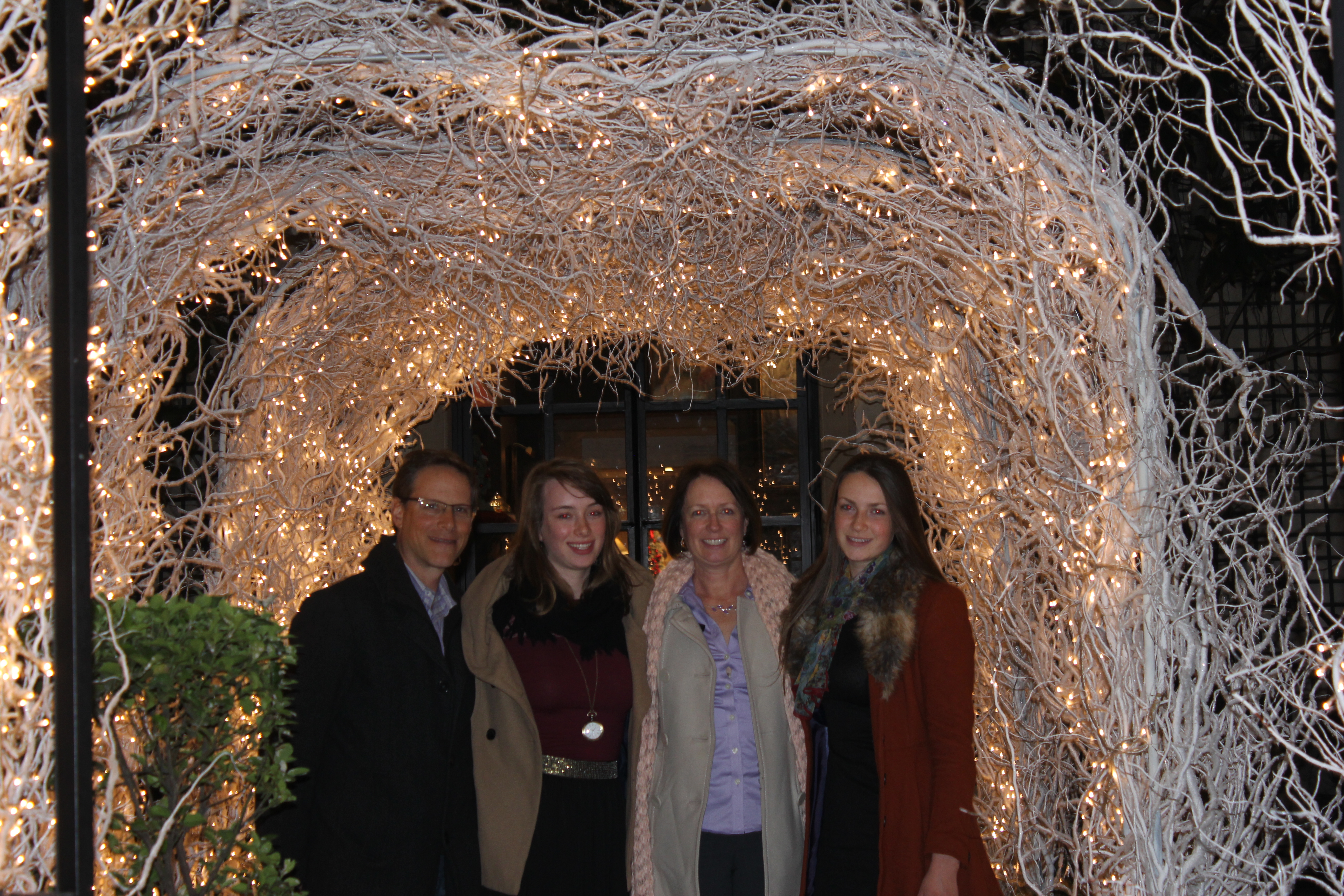
Paris is always lovely by night, but at Christmastime it is exceptional. Take a look.


IMG_1676

No. 83: Tacky Christmas Trees

What I love about these really tacky Christmas trees in France is that the fact that they exist proves that the French do NOT have impeccable taste, and are, after all, human like the rest of us.

These foam sprayed trees don’t just come in white (to mimic snow), but in every color imaginable, and they seem to be selling like hotcakes.

Tacky Christmas Tree

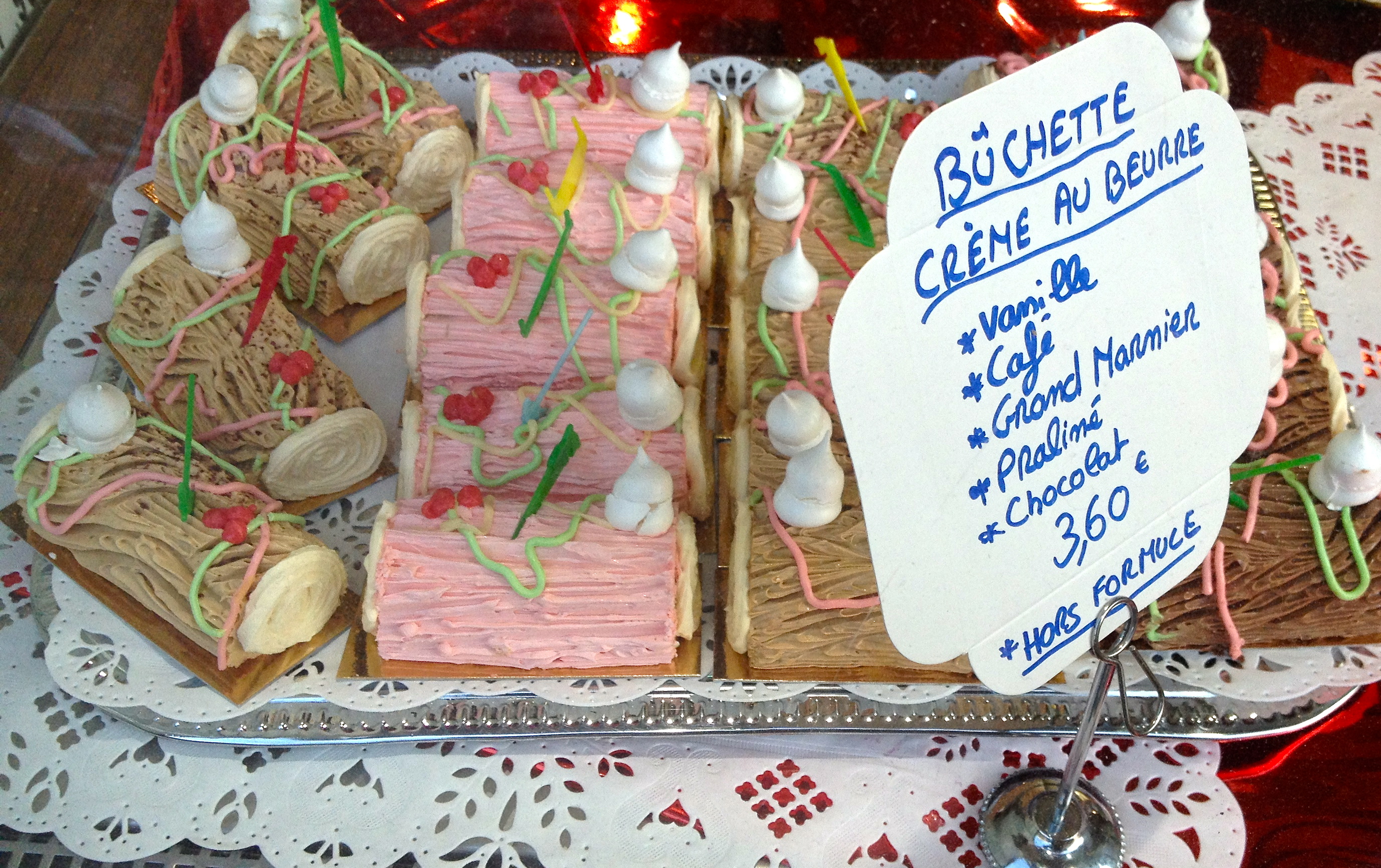
No. 76: la petite bûchette

IMG_2576

Imagine my delight when right after my Bûche de Noël afternoon with Marie-Françoise, I wandered into my corner pâtisserie to pick up some bread for dinner, et voilá, there behind the glass were these adorable bûchettes. As you know, j’adore anything mini in France, so I couldn’t pass them up. Four didn’t seem too lucky, so I bought five.

No. 75: Traditions – la Bûche de Noël

Bûche de NoëlI love the family traditions and special foods surrounding Christmas in France, and this week I had the opportunity to learn a few family secrets. I headed to the kitchen of my friend Marie-Françoise to learn how to make la Bûche de Noël, well actually three different Bûche de Noël…each cake a guarded recipe from three special women, from three different generations.

La Bûche de Noël is the traditional French Christmas cake, shaped like a log, made to symbolize the Yule log. The custom of burning a Yule log at the end of the year dates back to at least medieval times, when villages would gather to celebrate the Winter Solstice. After the shortest day of the year, the log would be lit to acknowledge the coming daylight and to welcome the New Year.

In the early days the Yule log was a carefully selected tree (yes, tree, and traditionally a fruit tree). Once chosen and cut, the bulkiest end was placed into the hearth while the rest of the tree filled the room. The tree was lit using the remains of the Yule log from the year before and burned from Christmas Eve, through the Twelve Days, and was extinguished on the Twelfth night. Whatever was left was stored carefully in the house to bring good luck and protect the family from lightning, of course.

Interestingly, according to Marie-Françoise, the tradition of burning the Yule log in Paris, came to an abrupt halt when Napoleon and his city planning pal, Haussmann decided to gentrify the city by tearing down the disorder and getting rid of the riffraff. The familiar Haussmann apartments, many of which did not have chimneys, replaced them.

Lacking the fireplaces to burn the logs, the culinary-inclined Parisians headed to the kitchen (or perhaps the corner bakery) to create (or pick up) an edible log and continue the tradition in a slightly different way.

As for yesterday, it was great fun learning to make three different varieties of Bûche de Noël, all with sweet and meaningful family memories attached.