Skip to content

Posts tagged ‘Travel’

No. 278: les petites fêtes

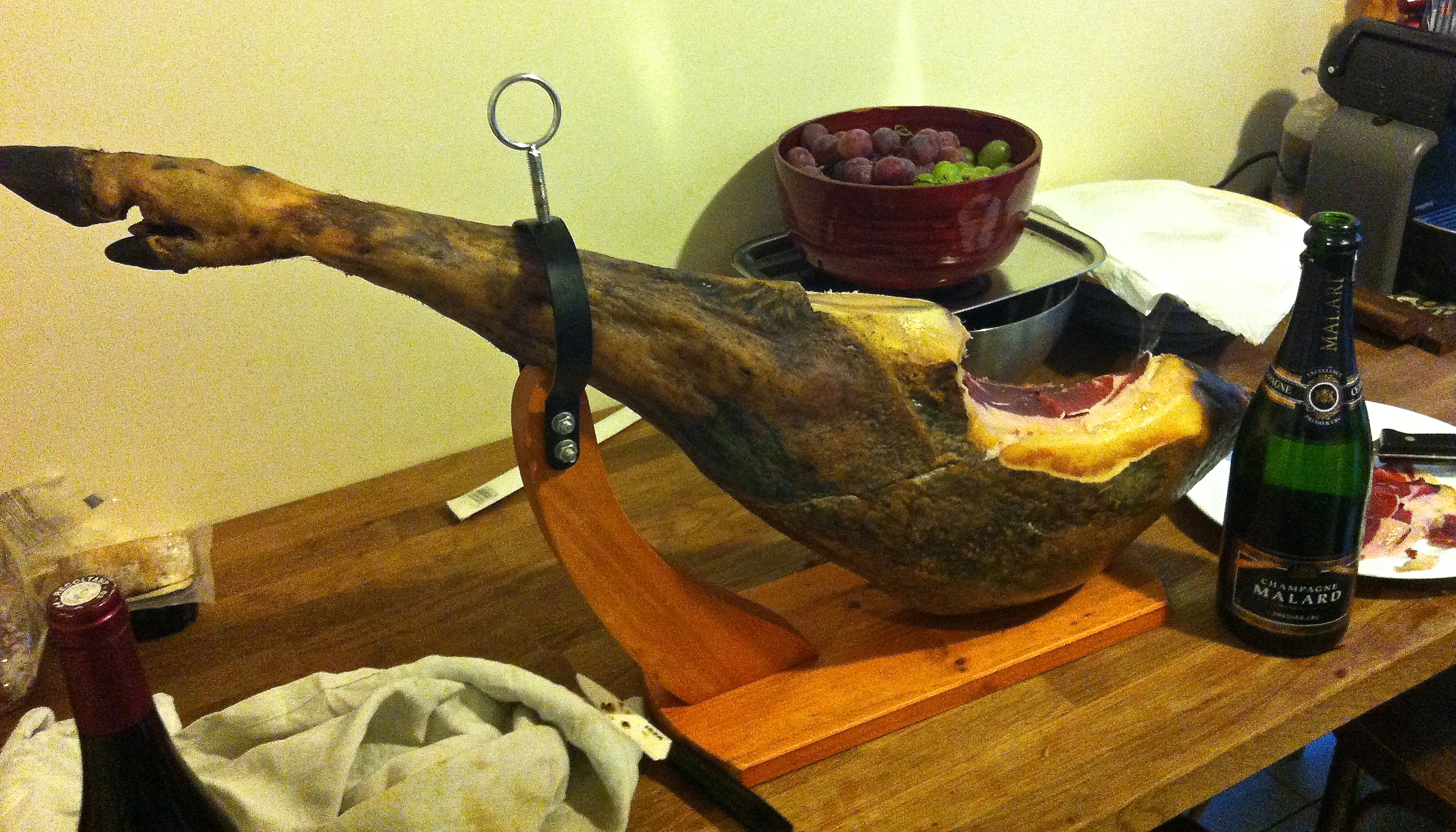
Last night Superman and I were invited to une petite fête with a very international crowd. Being part of an international community in France is one of the things I love most about my life in France. After nearly three years in Paris, we have friends from all over the world, and it is wonderful…plus now I get to have things like this for dinner:

C'était délicieux! Era deliziosa! Estaba delicioso! Es war lecker! To je izvrsno! Det var lækkert! Ήταν πολύ νόστιμο! Ez finom volt! Bhí sé blasta! It was delicious! 美味しかった!To było pyszne! Bilo je veoma ukusno! มันอร่อยดี! Het was heerlijk!

C’était délicieux! Era deliziosa! Estaba delicioso! Es war lecker! To je izvrsno! Det var lækkert! Ήταν πολύ νόστιμο! Ez finom volt! Bhí sé blasta! It was delicious! 美味しかった!To było pyszne! Bilo je veoma ukusno! มันอร่อยดี! Het was heerlijk!


Vocabulaire

petite fête: close gathering, party

No. 277: mille-feuille

1024px-Mille-feuille_20100916

It seems like it has been awhile since I did a post on food, but I was reminded yesterday evening when I attended a dessert party (so much for the ole regime, encore), of the sometimes underrated mille-feuille, or thousand leaves pastry.

Also know as the Napoleon, it consists of two layers of crème pâtissière sandwiched between three layers of pâte feuilletée traditionally glazed with a white icing and chocolate stripes. The even more delicious versions are filled with whipped cream and/or jam and lightly dusted with confectioner’s sugar or cocoa, or both.

If you are lucky enough to live in France, comme moi, there is no need to ever attempt to make a mille-feuille chez vous, but for those of you who don’t live in France, here is a très instructive recipe video (complete with happy French café music and crackling puff pastry sounds), so you can taste this yummy French dessert at your house.


Vocabulaire

chez vous: at your house

comme moi: like me

crème pâtissière: pastry creme

pâte feuilletée: puff pastry


No. 276: Roland-Garros dans la Ville

French-open-Champ-de-Mars.jpg

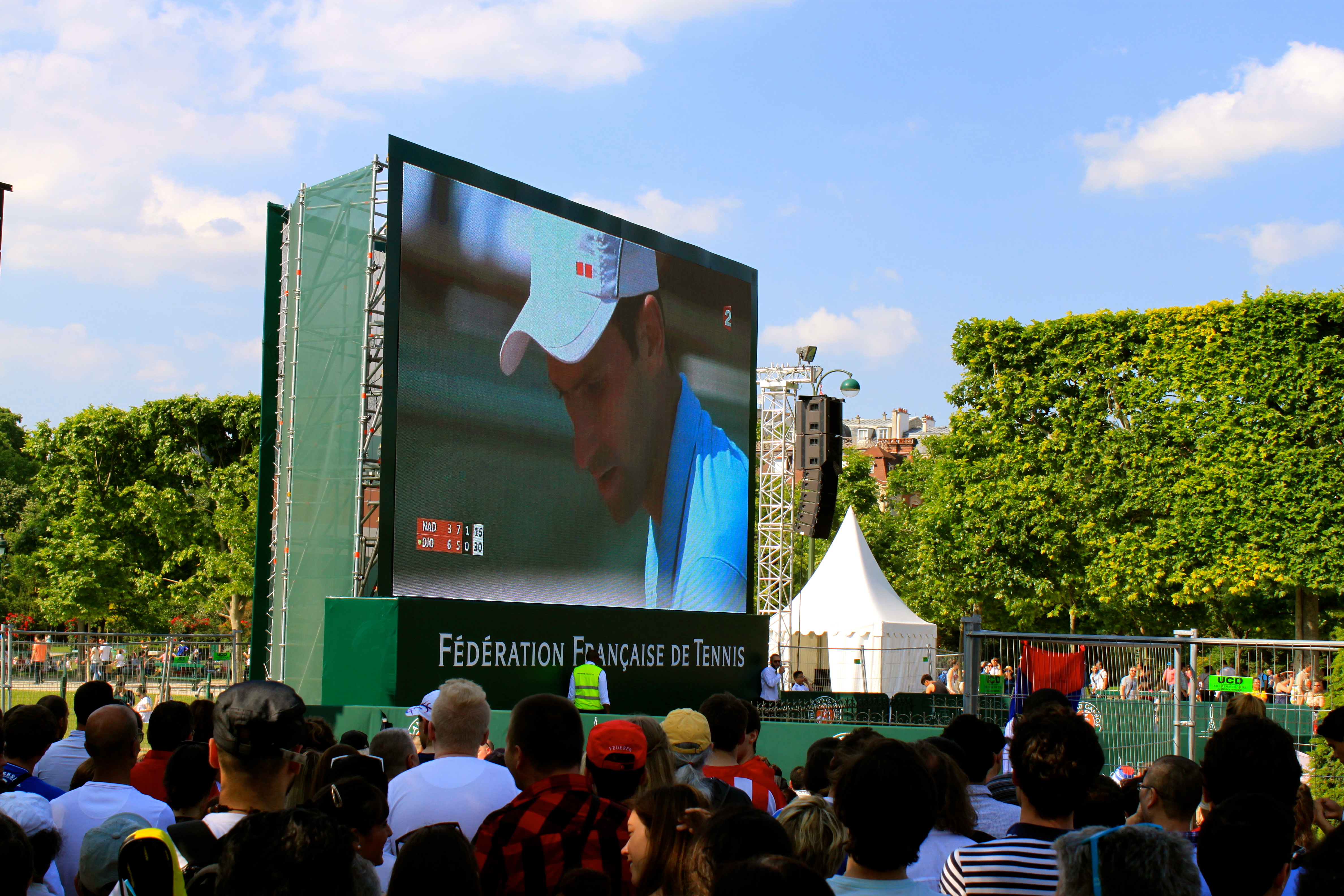
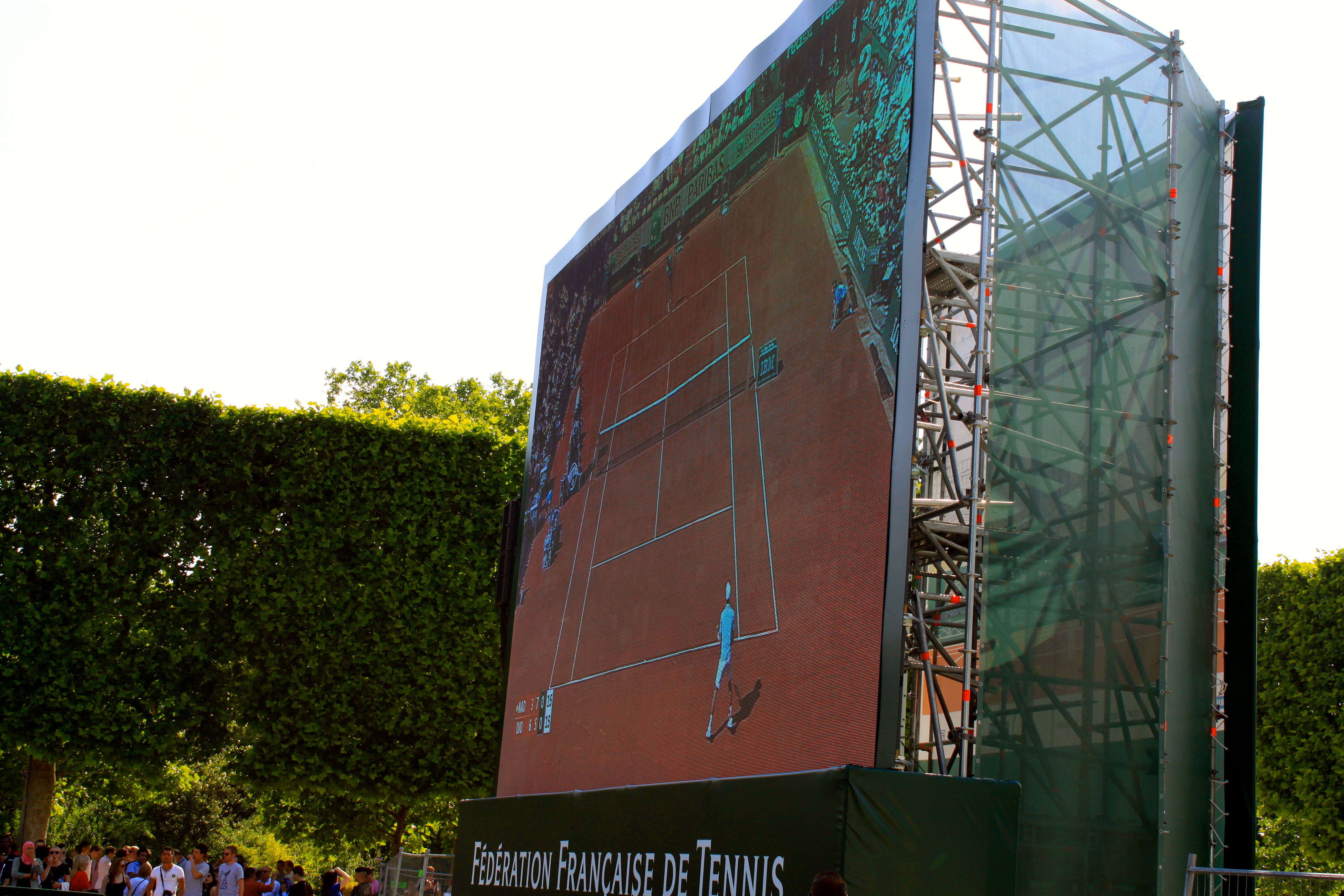
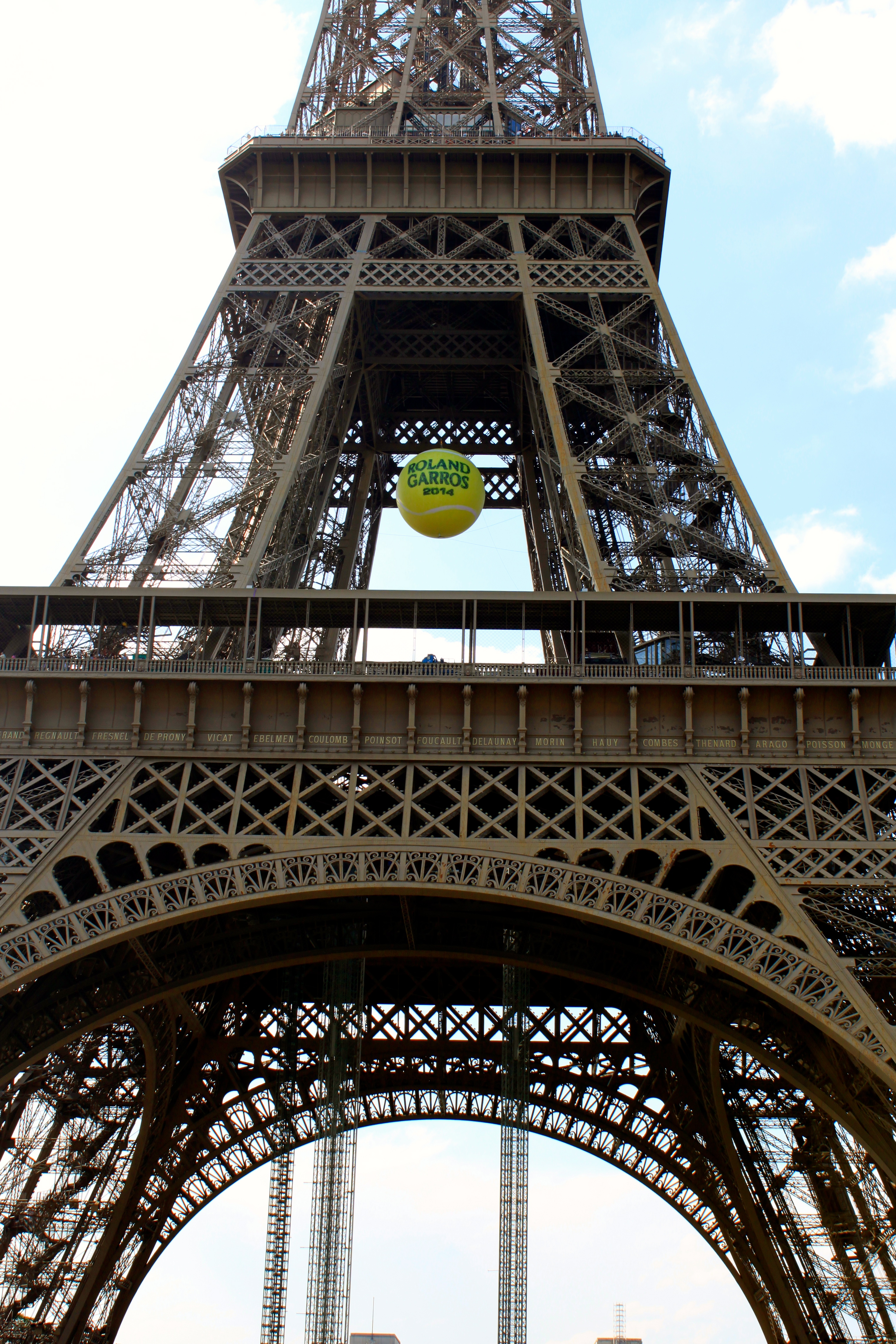
I know that the French Open has come and gone, but I have to say, I certainly did love watching it with thousands of my closest friends on the Champ de Mars, when Roland-Garros came to my ville this year. It was the first French Open that I remember there being a humongous Jumbo-tron on the grounds in front of the Eiffel Tower, not to mention the serving cages where you could perfect your serve and measure your speed, and a temporary clay court perfect for volleying with friends.

The weather certainly cooperated throughout most of the Open and it was a hoot to picnic in the park and watch the drama unfold without having to pay a pretty penny. Merci bien to the City of Light for providing this excellent experience.

French-open-Champ-de-Mars.jpgIMG_1256

French-open-Champ-de-Mars.jpg

No. 275: Dîner en Blanc

diîner-en-blanc-paris.jpgOn my way home from the Eurostar last night I found myself smack dab in the middle of the twenty-sixth annual dîner en blanc. This pop-up dining event secretly planned and held al fresco in a predetermined place which is kept secret from attendees until a few moments before it begins, is definitely on my bucket list of things I hope some day to be invited to.

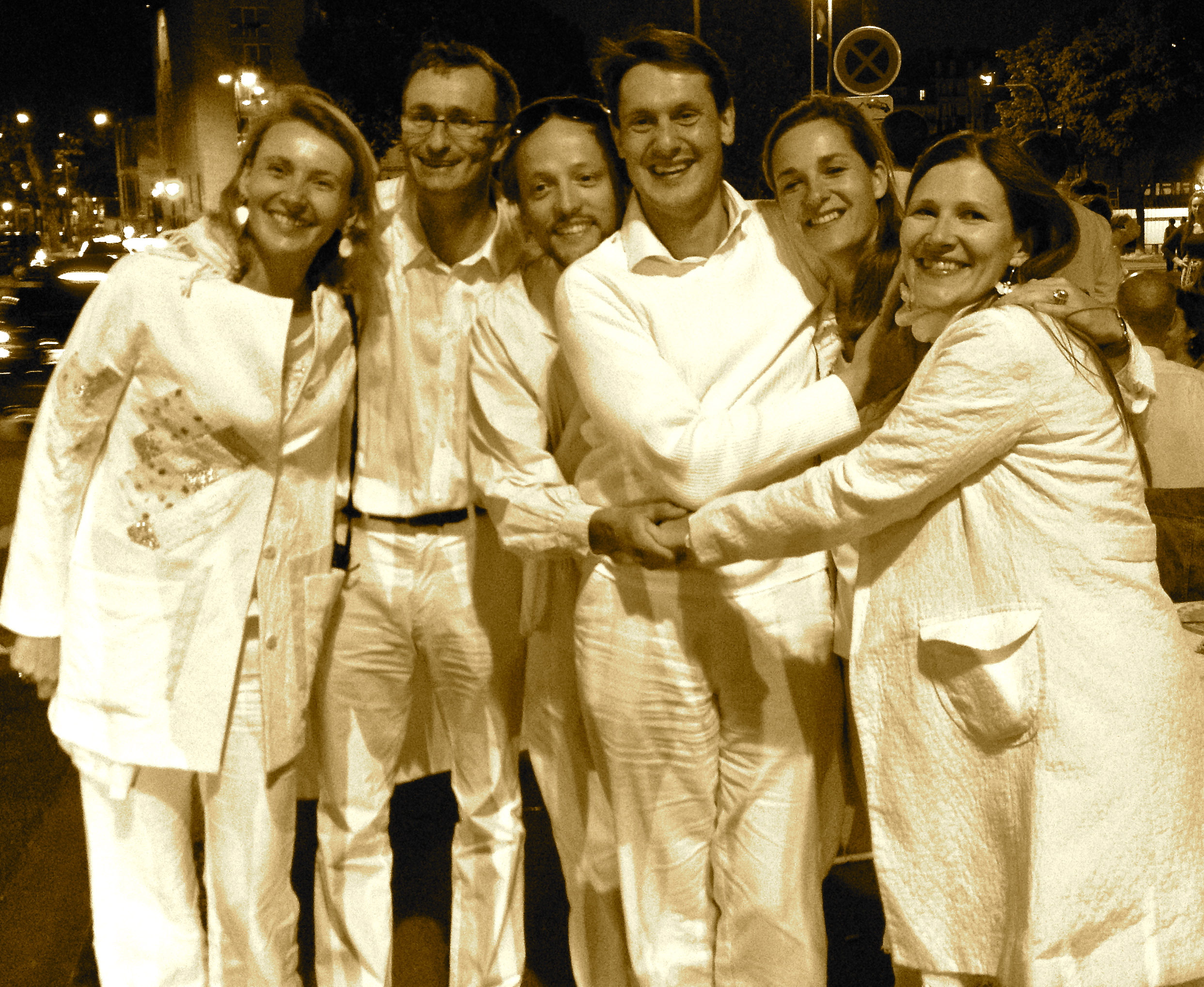
This year’s by-invitation-only-soirée took place over six bridges throughout Paris. Dressed in all white and eating only white food (no vin rouge allowed), over 12,000 people participated in this posh version of a flash mob.

From talking to friends who have been a guest at this feast in the past, dîner en blanc seems to be a highly codified event. There are “team leaders” who are responsible for the invitation, organization and behavior of each small group. In addition to the white dress code, white food, and white wine or champagne (beer and spirits are prohibited), you must also bring your own table and chairs (white, bien sûr), white tablecloths, and dishes. Some diners go as far as bringing white flowers in vases, candles, and center pieces. The most important rule is that everyone disappears before midnight and leaves their dining site undamaged and spotless—under threat of being blacklisted for the following year’s festivities.

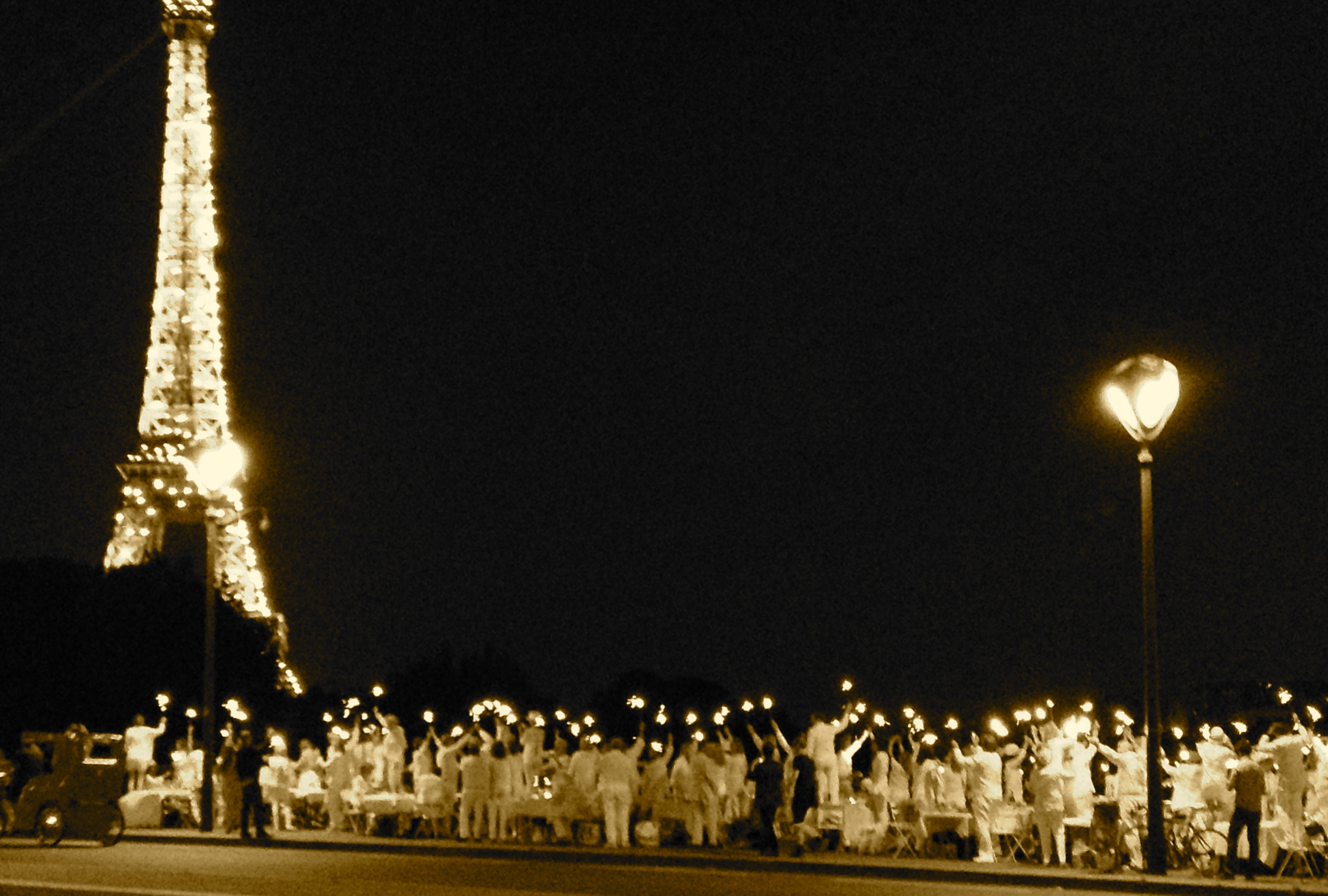
Last night there were lots of extravagant white hats and pearl-buttoned gloves, and when the Eiffel Tower sparkled, the revelers did too—producing long sparklers lit up on cue like synchronized swimmers in an old MGM film.

diîner-en-blanc-paris10.jpg

It is an elegant affair, and possibly the one-and-only time of the year that you will encounter so many happy, smiling and relaxed Parisians. Furrowed brows, downturned lips and icy stares, all disappear for a joyous but respectful evening. It is also the only day of the year that Parisians stow away their all-black wardrobes and slip into something brighter, whiter and lighter.

It is a lovely change. Hmmm…maybe dîner en blanc ought to be a monthly event?


Vocabulaire

al fresco: in the open air

dîner en blanc: white dinner, dinner in white

vin rouge: red wine


No. 274: Oradour-sur-Glane

It has been a week of somber remembrances in France marking various events of WWII.

Today is the seventieth anniversary of the massacre of 642 men, women and children in the small village of Oradour-sur-Glane. While this may seem like another odd post, and certainly not something I “love” about France, it is something I think is important to know about France, and an event to be remembered and marked.
Oradour-sur-Glane.jpg

On our way to Bordeaux in April, we stop for the afternoon in this perfectly preserved and moving village-memorial to the horrors borne by French civilians during the Nazi occupation. It is a difficult site to visit, but I am grateful that we did, and grateful to the local government for leaving the village exactly as it died on June 10, 1944.

During the war, Oradour-sur-Glane was an unimportant and peaceful town located close to Limoges, not too far from Dordogne. Like many small hamlets in France, its residents were struggling to get by during the occupation, but there is no clear record of any Resistance activity in the village, although a captured SS officer may have been briefly held there prior to the massacre. But on the morning of June 10, just four days after the D-day landings, the towns’ passive status could not save them from the wrath of the Nazis.

Early in the day, a group of SS soldiers entered the village and rounded up all the residents on the pretext that they wanted to check their identity papers and search their houses for weapons. They moved the men to nearby barns and herded the women and children into the village church, suggesting that they sing as they marched.

Oradour-sur-Glane7.jpg

What followed was the methodical and evil extermination of an entire town within hours. Below is a text chronicling this horrific war crime:

“A large gas bomb, seemingly made out of smoke-screen grenades and intended to asphyxiate the occupants, was placed in the church, but it did not work properly when it went off and so the SS had to use machine guns and hand grenades to disable and kill the women and children. After they had subdued all the occupants of the church, the soldiers piled wood on the bodies, many of which were still alive and set it on fire.

At the same time that the gas bomb exploded in the church, the SS fired their machine guns into the men crowded in the barns. They deliberately fired low, so that many of the men were badly wounded but not killed. The soldiers then piled wood and straw on the bodies and set it alight, many of the men thus burned to death, unable to move because of their injuries. Six men did manage to escape from Madame Laudy’s barn, but one of them was seen and shot dead, the other 5 all wounded, got away under cover of darkness.

Whilst these killings were taking place, the soldiers searched the village for any people who had evaded the initial roundup and killed them where they found them. One old invalid man was burned to death in his bed and a baby was baked to death in the local bakery ovens, other people were killed and their bodies thrown down a well. People who attempted to enter the village to see what was going on were shot dead. A local tram, which arrived during the killings, was emptied of passengers, who after several terrifying minutes were let go in peace.

After killing all the villagers that they could find, the soldiers set the whole village on fire and early the next day, laden with booty stolen from the houses, they left.” (source: www.oradour.info)

Oradour-sur-Glane9.jpg

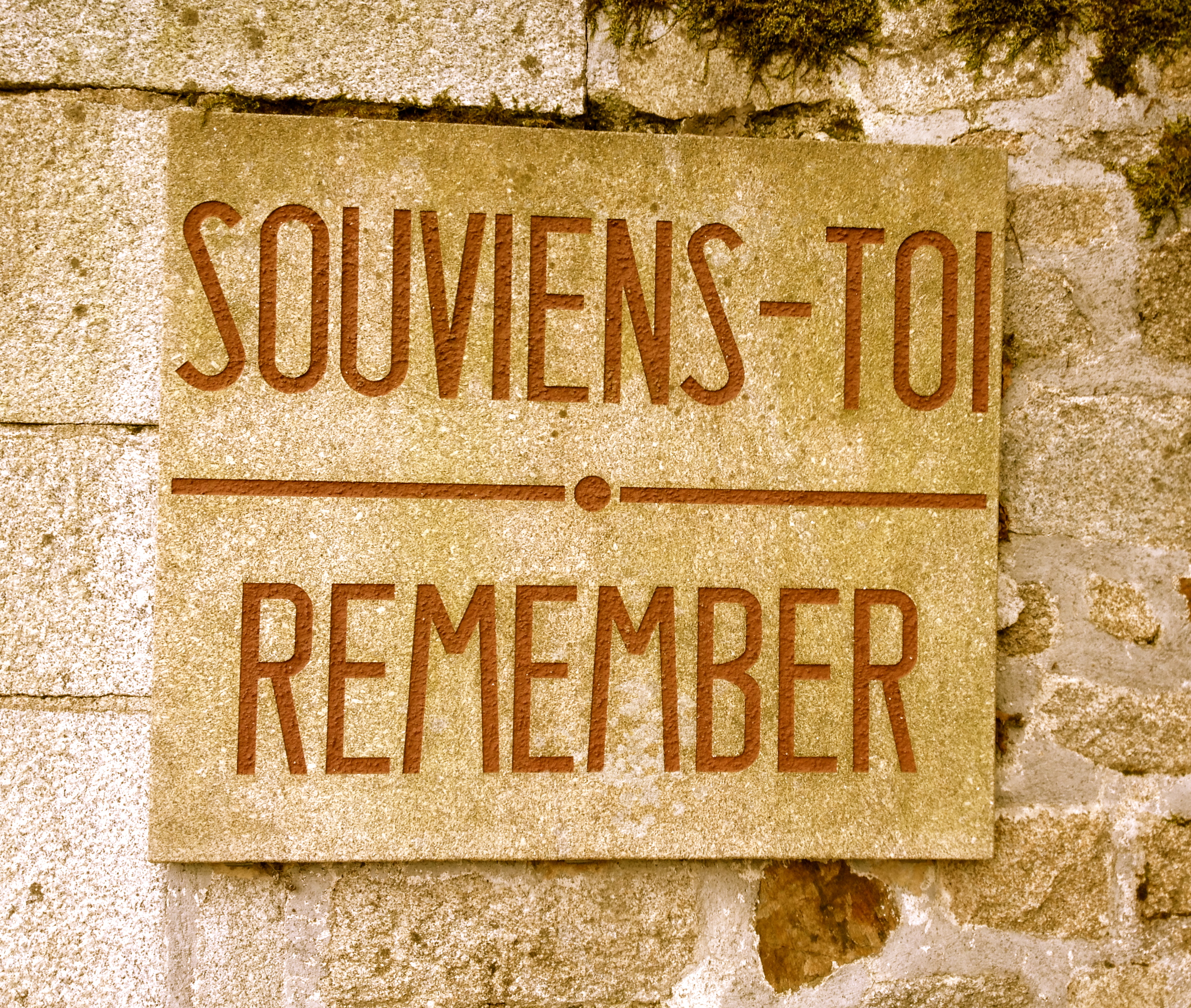
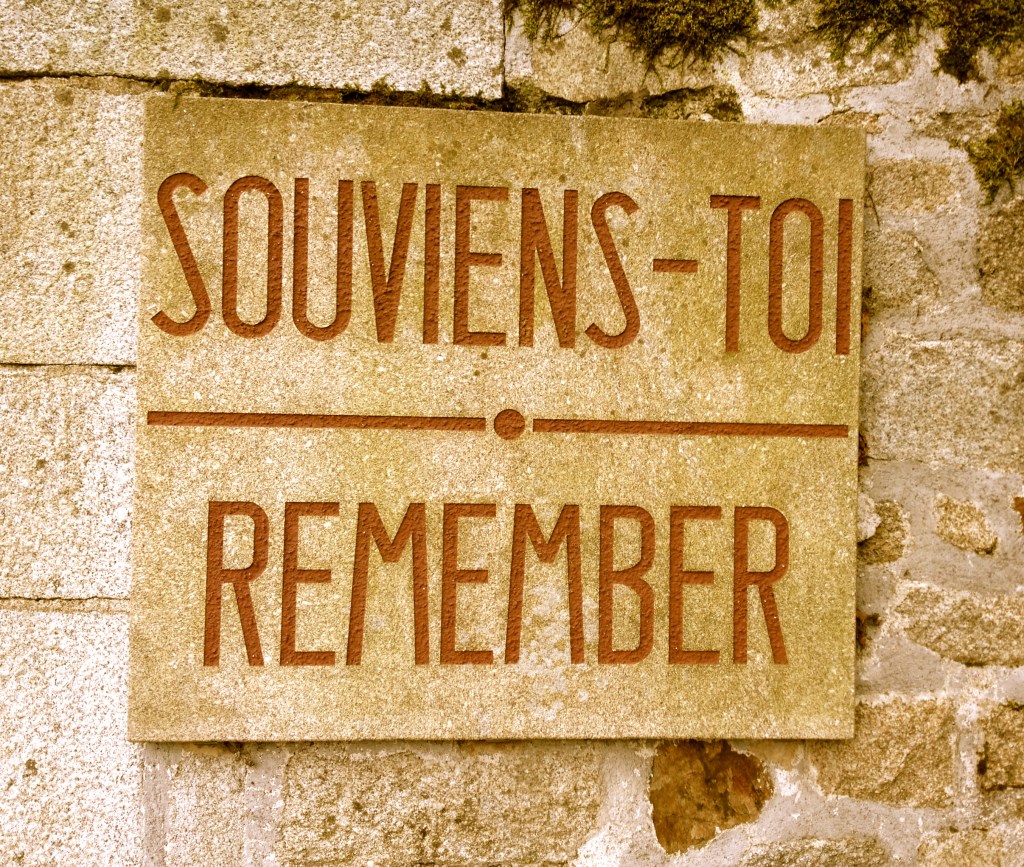
Souviens-toi: Remember

No. 273: Spectacular Lightning

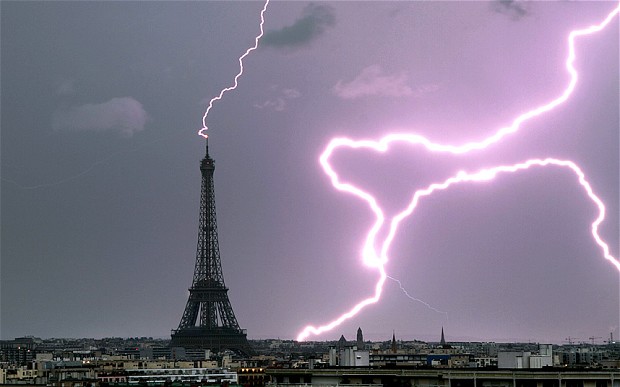
Lightning strikes the top and to the side of the Eiffel Tower in Paris Photo: BERTRAND KULIK/CATERS

Lightning strikes the top and to the side of the Eiffel Tower in Paris Photo: BERTRAND KULIK/CATERS
We have had two crazy storm here in Paris over the last few nights. I was too chicken to go outside and photograph them, and the photos I took from my windows did not do the storms justice, so I grabbed this gorgeous picture off of google images (source: BERTRAND KULIK/CATERS).

I am a sucker for thunder and lightning storms. I love them and I fear them, and these past two nights have been spectacular–with snarling roars and jagged streaks striking the tip of my beloved tower.

No. 270: Normandie—D-day Beaches

“At the edge of the cliffs, the wind is a smack, and D-day becomes wildly clear: climbing that cutting edge into the bullets.”

— John Vinoc

Normandy_D-day_beaches_france.7jpg

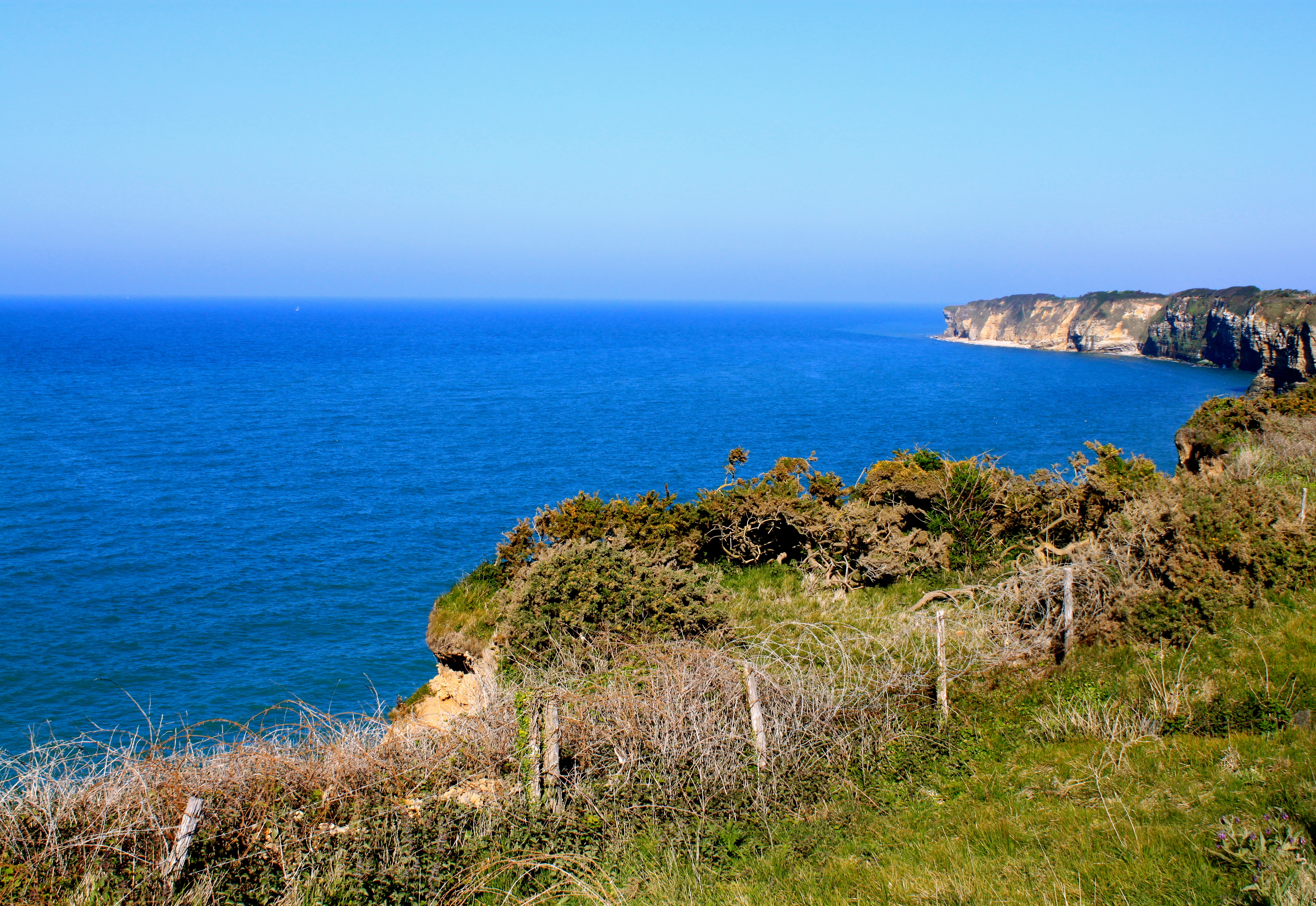
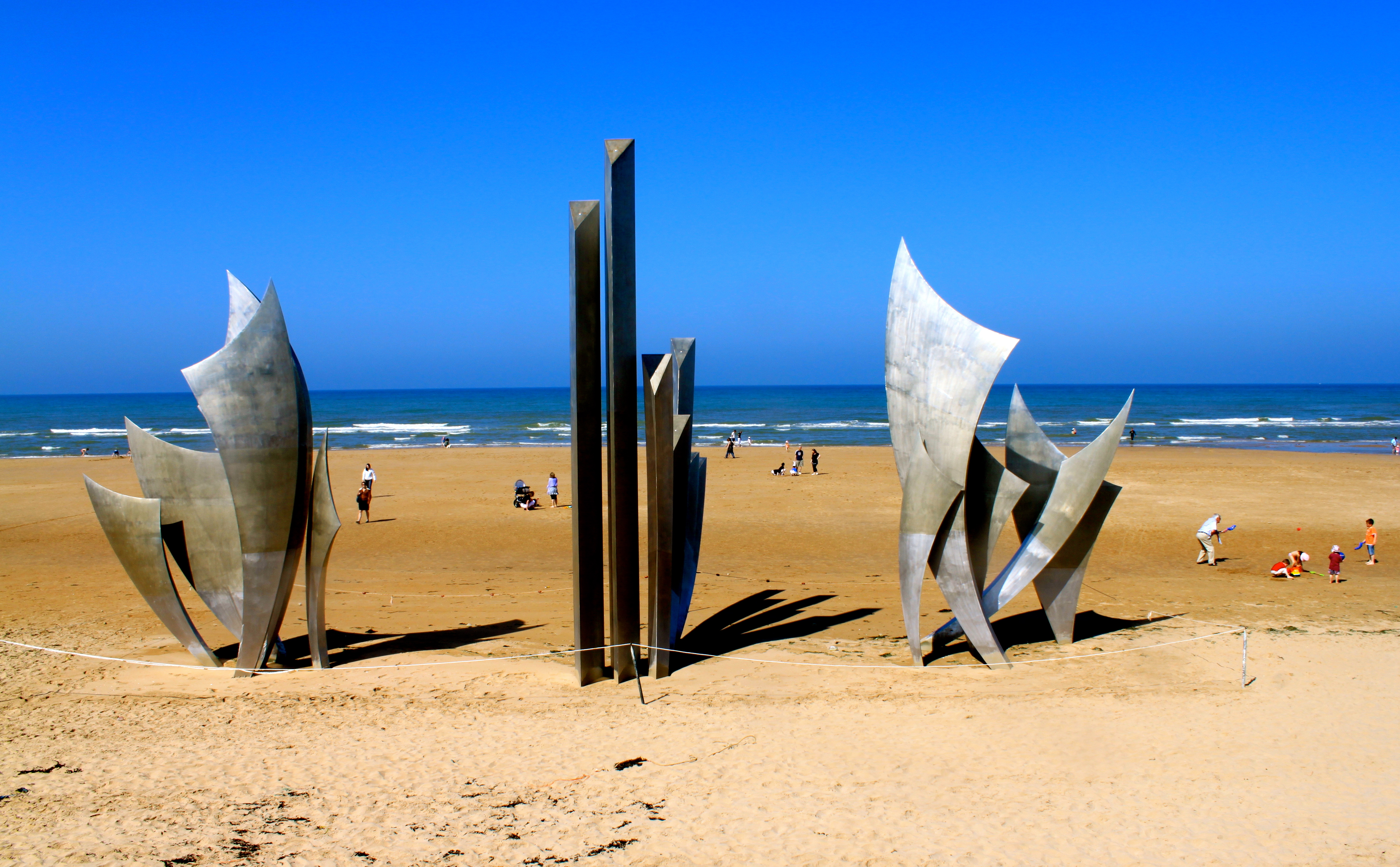
The D-Day beaches in Normandie are a study in contrasts. They are flat-out gorgeous—expansive ginger seaside bound by sheer rocky cliffs, burnt-orange and dripping with green. And beyond the shore, a gem-like sapphire sea too blue to be real, dares us to dip our toes, splash about and maybe even go under. I wasn’t expecting real beaches with colorfully clad beachgoers, sand buckets, and picnics. I had anticipated a more museum-like feel or roped off memorial.

Yet among the vacationers, there is a quiet reverence and consciousness amid the many reminders of the thousands of men who stormed the beaches at the crack of dawn on June 6, 1944. In fact the entire coastline, while still a sunshine playground, pays tribute to the British, American, and Canadian armies who laid down their lives to liberate France and occupied Europe.

Normandy_D-day_beaches_france.2jpg

Never have I felt so close to a moment in history.

To walk the shoreline and climb the cliffs and watch the waves crash towards Winston Churchill’s brilliant artificial harbor, you can almost see the ghosts of Robert Capa’s black and white photographs slugging through the tempest tides, gunned down or drown in the first minutes of the longest day. You certainly can feel their presence.

Overcome with pride and immense sadness and sheer wonder at how the lucky ones physically and mentally survived. Time and again you are reminded of the doughboys and the thousands of wide-eyed journeys they made from the cities and small towns of America, Britain, and Canada to the violent beaches of Normandy, France, to help a country and people they had never seen and to whom they had little tangible connection.

Yet still they came, willingly and righteously, and offered up their lives.

It is nothing short of astounding.