Skip to content

Posts tagged ‘Travel’

No. 210-211: Jesus Shaves: Easter Explained (in French Class) by David Sedaris and the Returning Bells of Easter

imgme-talk-pretty-one-day2

David Sedaris’ Me Talk Pretty One Day is a must read for any expat in France, especially those of us who have taken too many French classes to count, and are still longing to “talk pretty” one day. In this particular excerpt, Sedaris and his global classmates are asked to explain the religious significance of Easter to an Islamic student who has never heard of the holiday. Without having the vocabulary for “cross” or “resurrection” let alone, “He gave His only begotten Son”, the conversation, and I use that term very loosely, quickly degenerates to trying to explain the Easter Bunny, and understand how and why the French Easter Bells fly in from Rome.

Take a listen (or read the transcript below).

It is a dead on and excruciatingly accurate (and hilarious) portrayal of those cringe worthy moments in French class when your dismal vocabulary and tenuous grasp on grammar leads you to say things like:

“He call his self Jesus, and then he be die one day on two . . . morsels of . . . lumber.”

lumber-stacked

 Jesus Shaves by David Sedaris

“And what does one do on the fourteenth of July? Does one celebrate Bastille Day?”

It was my second month of French class, and the teacher was leading us in an exercise designed to promote the use of one, our latest personal pronoun. “Might one sing on Bastille Day?” she asked. “Might one dance in the street? Somebody give me an answer.”

Printed in our textbooks was a list of major holidays alongside a scattered arrangement of photos depicting French people in the act of celebration. The object was to match the holiday with the corresponding picture. It was simple enough but seemed an exercise better suited to the use of the word they. I didn’t know about the rest of the class, but when Bastille Day eventually rolled around, I planned to stay home and clean my oven. Normally, when working from the book, it was my habit to tune out my fellow students and scout ahead, concentrating on the question I’d calculated might fall to me, but this afternoon, we were veering from the usual format. Questions were answered on a volunteer basis, and I was able to sit back, confident that the same few students would do the talking.

Today’s discussion was dominated by an Italian nanny, two chatty Poles, and a pouty, plump Moroccan woman who had grown up speaking French and had enrolled in the class to improve her spelling. She’d covered these lessons back in the third grade and took every opportunity to demonstrate her superiority. A question would be asked and she’d give the answer, behaving as though this were a game show and, if quick enough, she might go home with a tropical vacation or a side-by-side refrigerator-freezer. By the end of her first day, she’d raised her hand so many times, her shoulder had given out. Now she just leaned back in her seat and shouted the answers, her bronzed arms folded across her chest like some great grammar genie.

We finished discussing Bastille Day, and the teacher moved on to Easter, which was represented in our textbook by a black-and-white photograph of a chocolate bell lying upon a bed of palm fronds. “And what does one do on Easter? Would anyone like to tell us?” The Italian nanny was attempting to answer the question when the Moroccan student interrupted, shouting, “Excuse me, but what’s an Easter?” Despite her having grown up in a Muslim country, it seemed she might have heard it mentioned once or twice, but no. “I mean it,” she said. “I have no idea what you people are talking about.”

The teacher then called upon the rest of us to explain. The Poles led the charge to the best of their ability.

“It is,” said one, “a party for the little boy of God who call his self Jesus and . . . oh, shit.” She faltered, and her fellow countryman came to her aid. “He call his self Jesus, and then he be die one day on two . . . morsels of . . . lumber.”

The rest of the class jumped in, offering bits of information that would have given the pope an aneurysm.

“He die one day, and then he go above of my head to live with your father.”

“He weared the long hair, and after he died, the first day he come back here for to say hello to the peoples.”

“He nice, the Jesus.”

“He make the good things, and on the Easter we be sad because somebody makes him dead today.”

Part of the problem had to do with grammar. Simple nouns such as cross and resurrection were beyond our grasp, let alone such complicated reflexive phrases as “To give of yourself your only begotten son.” Faced with the challenge of explaining the cornerstone of Christianity, we did what any self-respecting group of people might do. We talked about food instead.

“Easter is a party for to eat of the lamb,” the Italian nanny explained. “One, too, may eat of the chocolate.”

“And who brings the chocolate?” the teacher asked.

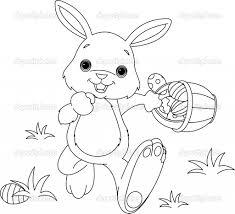
I knew the word, and so I raised my hand, saying, “The Rabbit of Easter. He bring of the chocolate.”easter_bunny.jpg
My classmates reacted as though I’d attributed the delivery to the Antichrist. They were mortified.

“A rabbit?” The teacher, assuming I’d used the wrong word, positioned her index fingers on top of her head, wiggling them as though they were ears. “You mean one of these? A rabbit rabbit?”

“Well, sure,” I said. “He come in the night when one sleep on a bed. With a hand he have the basket and foods.”

The teacher sadly shook her head, as if this explained everything that was wrong with my country.

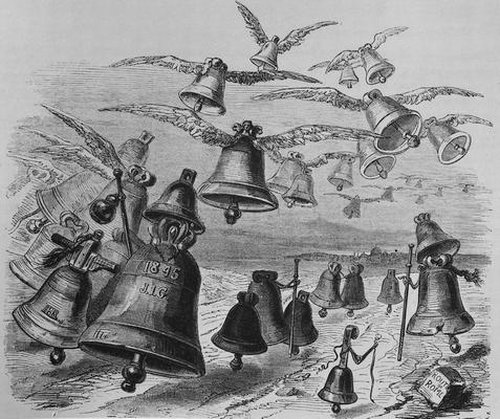
“No, no,” she said. “Here in France the chocolate is brought by the big bell that flies in from Rome.”

I called for a time-out.

“But how do the bell know where you live?”

“Well,” she said, “how does a rabbit?”

It was a decent point, but at least a rabbit has eyes. That’s a start. Rabbits move from place to place, while most bells can only go back and forth–and they can’t even do that on their own power. On top of that, the Easter Bunny has character; he’s someone you’d like to meet and shake hands with. A bell has all the personality of a cast-iron skillet. It’s like saying that come Christmas, a magic dustpan flies in from the North Pole, led by eight flying cinder blocks.

Who wants to stay up all night so they can see a bell? And why fly one in from Rome when they’ve got more bells than they know what to do with right here in Paris? That’s the most implausible aspect of the whole story, as there’s no way the bells of France would allow a foreign worker to fly in and take their jobs. That Roman bell would be lucky to get work cleaning up after a French bell’s dog -and even then he’d need papers.flying-bells.jpg

It just didn’t add up.

Nothing we said was of any help to the Moroccan student. A dead man with long hair supposedly living with her father, a leg of lamb served with palm fronds and chocolate. Confused and disgusted, she shrugged her massive shoulders and turned her attention back to the comic book she kept hidden beneath her binder.

I wondered then if, without the language barrier, my classmates and I could have done a better job making sense of Christianity, an idea that sounds pretty far-fetched to begin with. In communicating any religious belief, the operative word is faith, a concept illustrated by our very presence in that classroom. Why bother struggling with the grammar lessons of a six- year-old if each of us didn’t believe that, against all reason, we might eventually improve?

If I could hope to one day carry on a fluent conversation, it was a relatively short leap to believing that a rabbit might visit my home in the middle of the night, leaving behind a handful of chocolate kisses and a carton of menthol cigarettes. So why stop there? If I could believe in myself, why not give other improbabilities the benefit of the doubt? I accepted the idea that an omniscient God had cast me in his own image and that he watched over me and guided me from one place to the next. The virgin birth, the resurrection, and the countless miracles -my heart expanded to encompass all the wonders and possibilities of the universe.

A bell, though, that’s fucked up.
france-easter-bells

THEY’RE BACK! JOYEUSES PÂQUES…

No. 207-209: A Château, Playing Dress up, and the Best Picnic Spot Ever

After living in France for a while, you sometimes begin to take for granted certain things that, to short-term visitors, seem exceptional. Warm crusty baguettes around every corner? Bien sûr! Stunning architecture? Tout à fait. World-class museums? Naturellement. Fairytale châteaux? Toutes sont les mêmes.

En fait, I started this blog to help me avoid becoming one of those jaded expat, and to instead, find the extraordinary every single day.

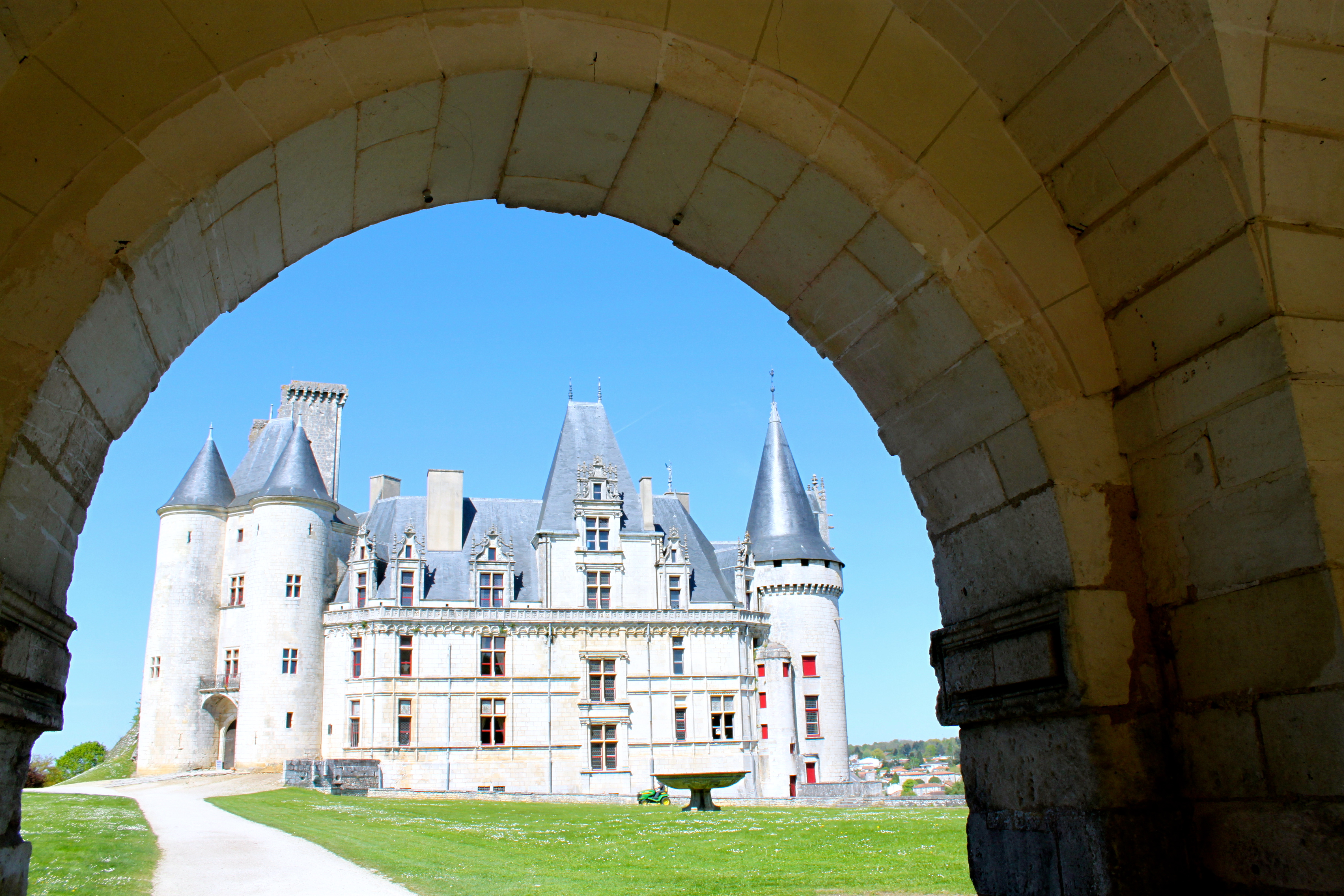
I was reminded of the crazy wonderfulness of this country yesterday as we got turned around on our drive through Aquitaine and strayed into the Limousin region. In France, one wrong turn, and the next thing you know, you may find yourself standing in front of Sleeping Beauty’s Castle.

château_rochefouclauld_benioff.jpg

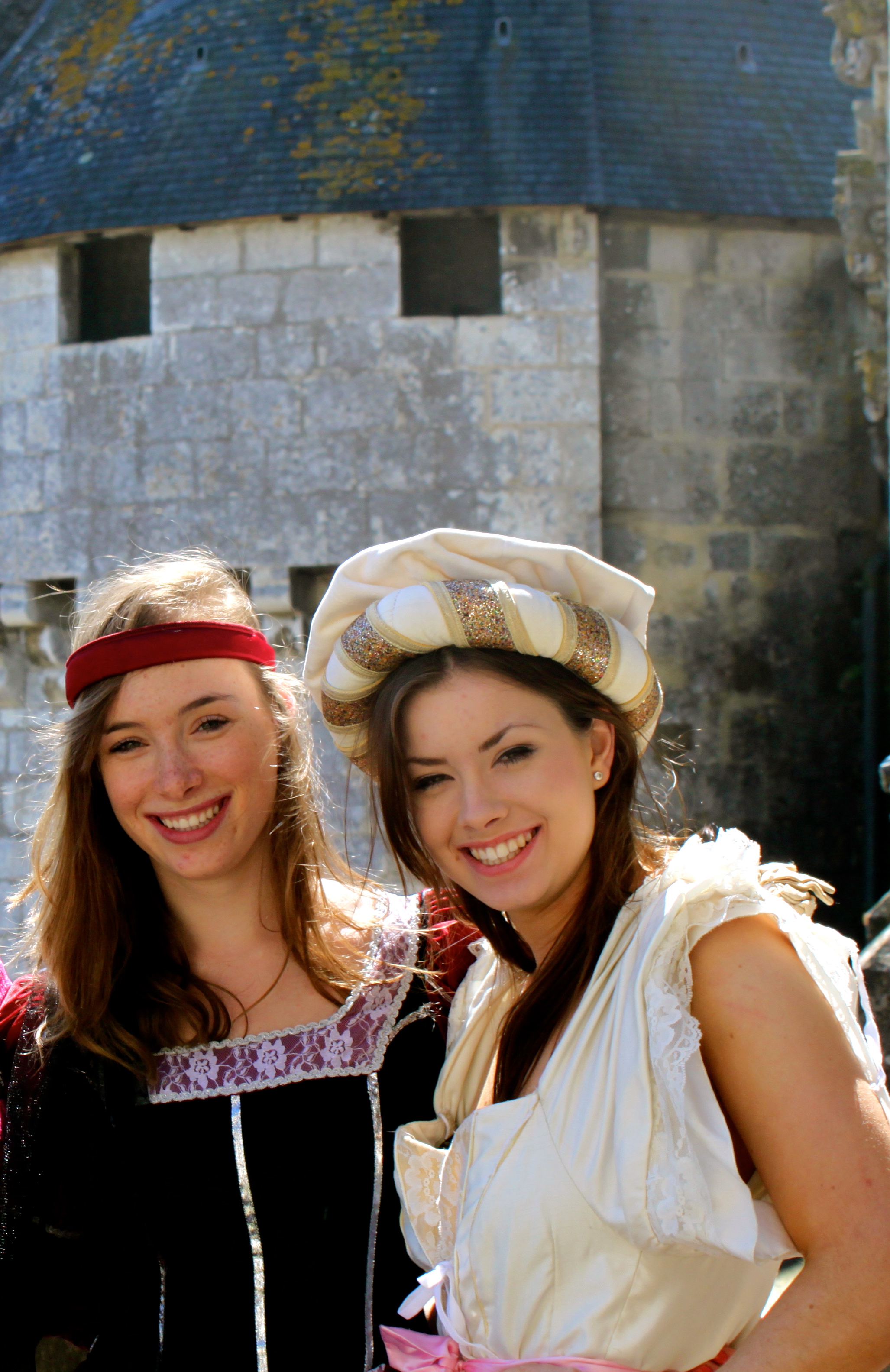
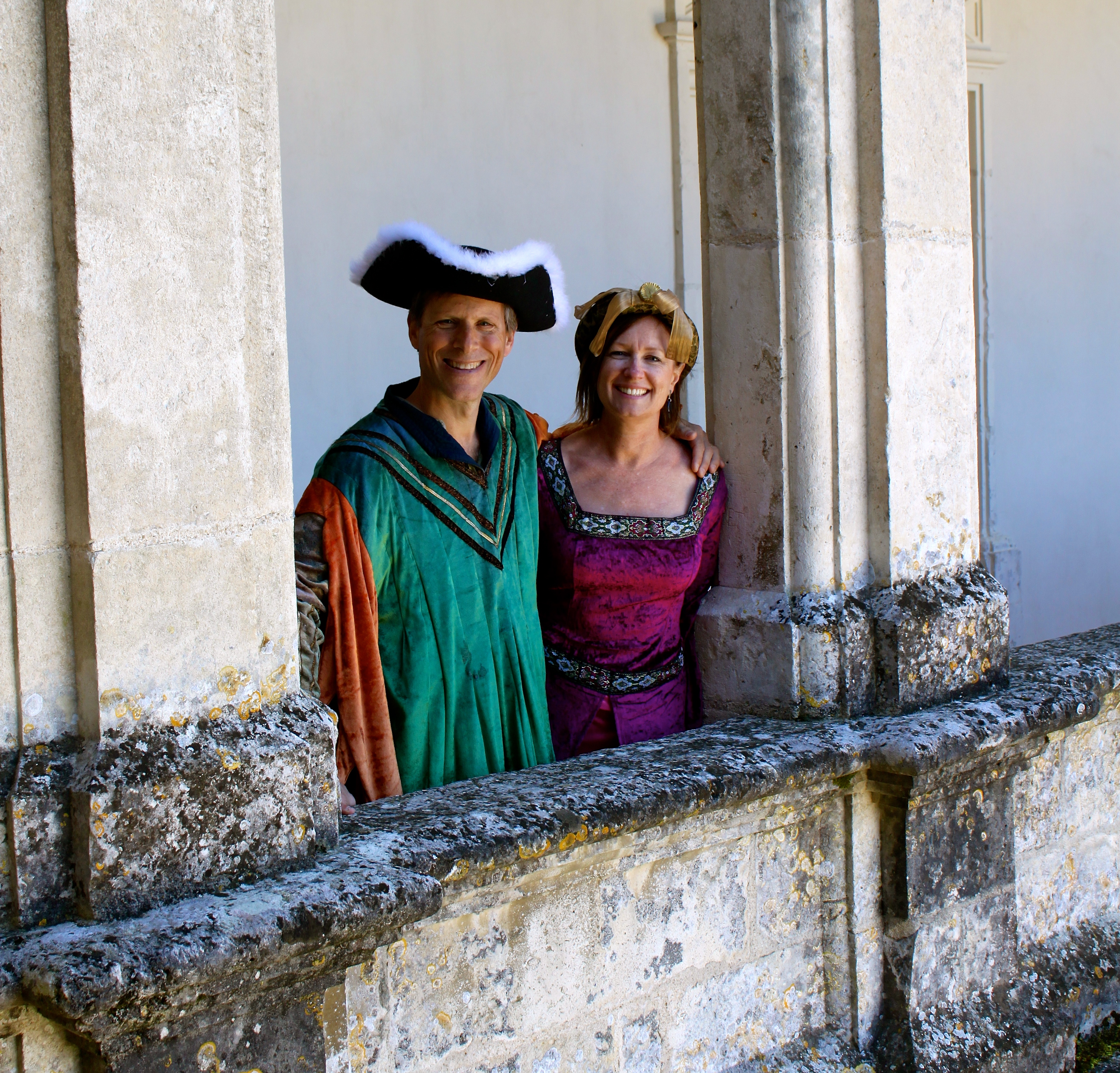
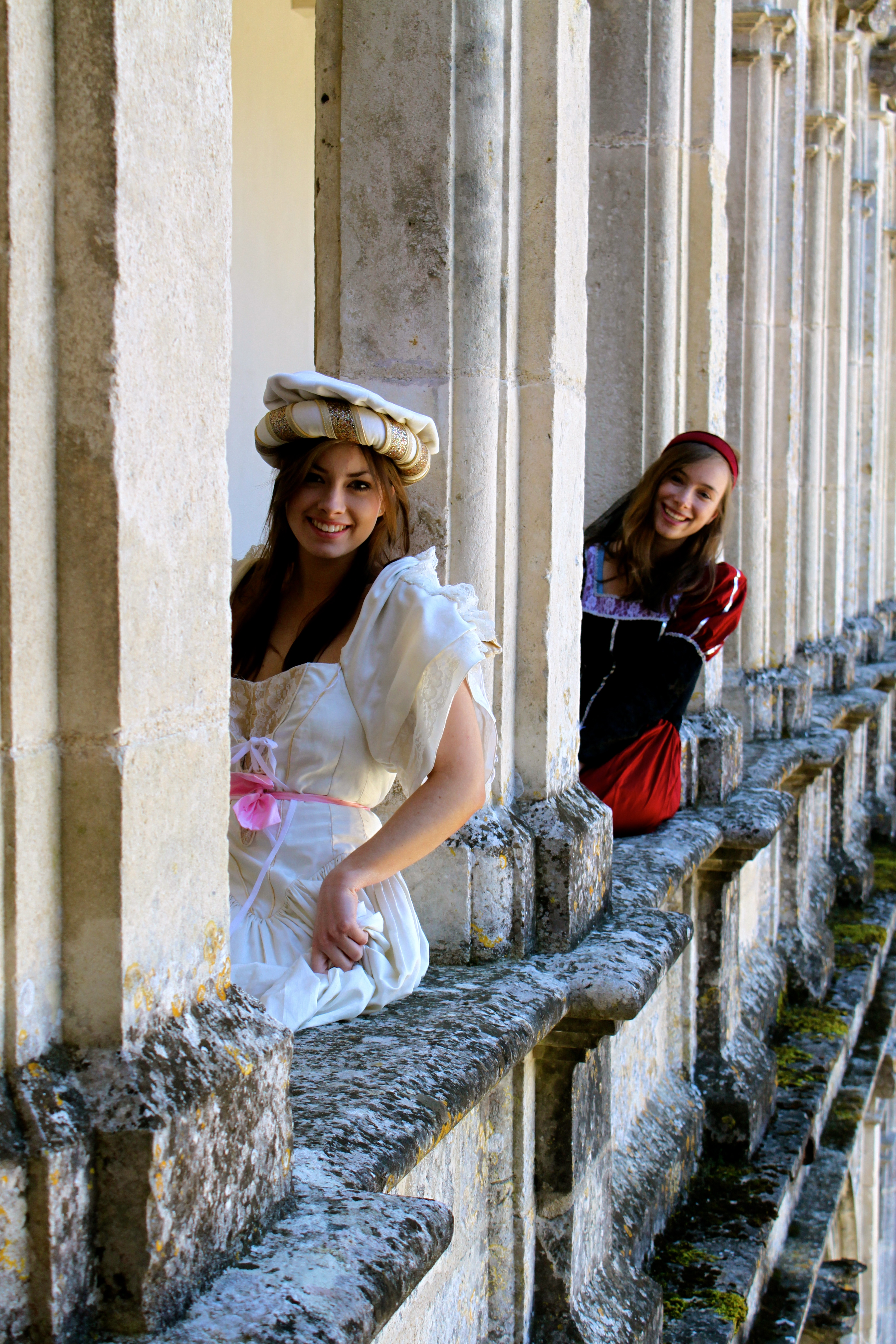
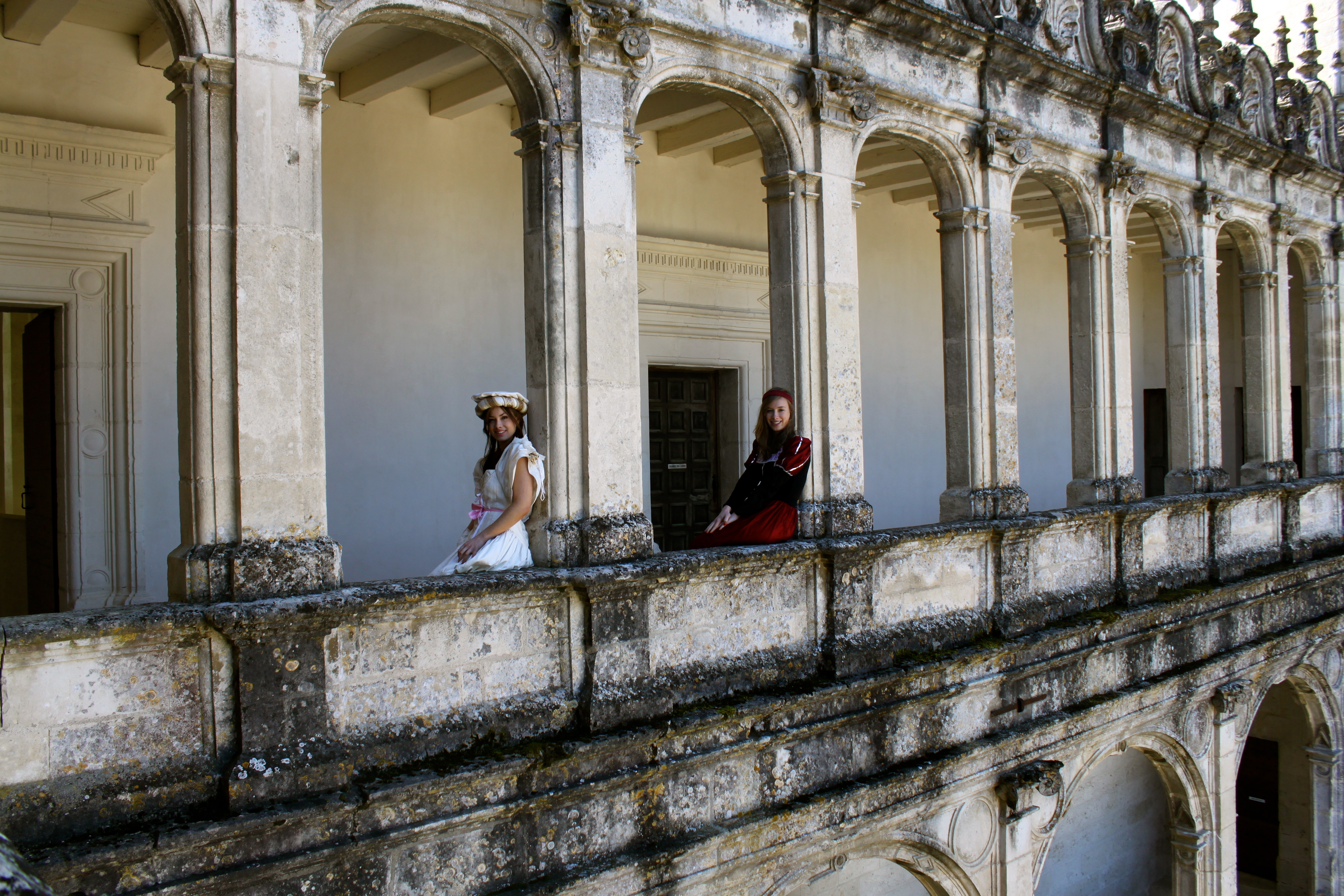
Château Rochefoucauld, une petite maison, is easily the most fun and friendly château we have ever stumbled across. As I mentioned, from the outside, it is all Disney, but on the inside, it is like an Italian palazzo with a magnificent courtyard that evokes Renaissance Italy. It is a château that has been in the family for over 1,000 years, and its spiral staircases, elegant rooms, and bursting libraries are still used by the 19th Duke Rochefoucauld and his young family. Not only are there family portraits painted by French masters lining the walls, there are also black and white photographs, glossy Polaroid’s and normal Kodak moment framed and displayed for all to see. It’s like the modern regal family went out for a stroll and left the doors unlocked to (un)wanted guests.

château_rochefouclauld_benioff6.jpg

There are lots of things to see and do at Château Rochefoucauld, from snaking through the strange cave in the basement, to touching the real roche, to pretending to cook up a royal feast in the original kitchens, to resting your weary head on the beds in the servants’ chilly rooms. But most fun of all, is an entire room dedicated to dress up clothes for all aspiring royals, the young and the old included. Think medieval kings and queens, wenches and jesters, mad hatters and knights. Once dressed, you are free to roam the entire castle, ramparts and all.

château_rochefouclauld_benioff15.jpg

château_rochefouclauld_benioff14.jpg

château_rochefouclauld_benioff13.jpgchâteau_rochefouclauld_benioff12.jpgchâteau_rochefouclauld_benioff11.jpgchâteau_rochefouclauld_benioff10.jpg

After satisfying your theatrical bent and maybe, say, acting out a scene or two from the new princess movie Frozen, the caretakers are happy to let you picnic on the daisy-filled lawn just beyond the castle doors…with your dog!

château_rochefouclauld_benioff16.jpg

C’est bien extraordinaire…even for France.

château_rochefouclauld_benioff17.jpg

Vocabulaire

Bien sûr! Of course!

C’est bien extraordinaire: it’s (very) extraordinary

En fait: in fact

Naturellement: Naturally

Tout à fait: quite, absolutely

Toutes sont les mêmes. They’re all the same.

une petite maison: a small house


No 206: Bordeaux’s Saint Mark’s Square

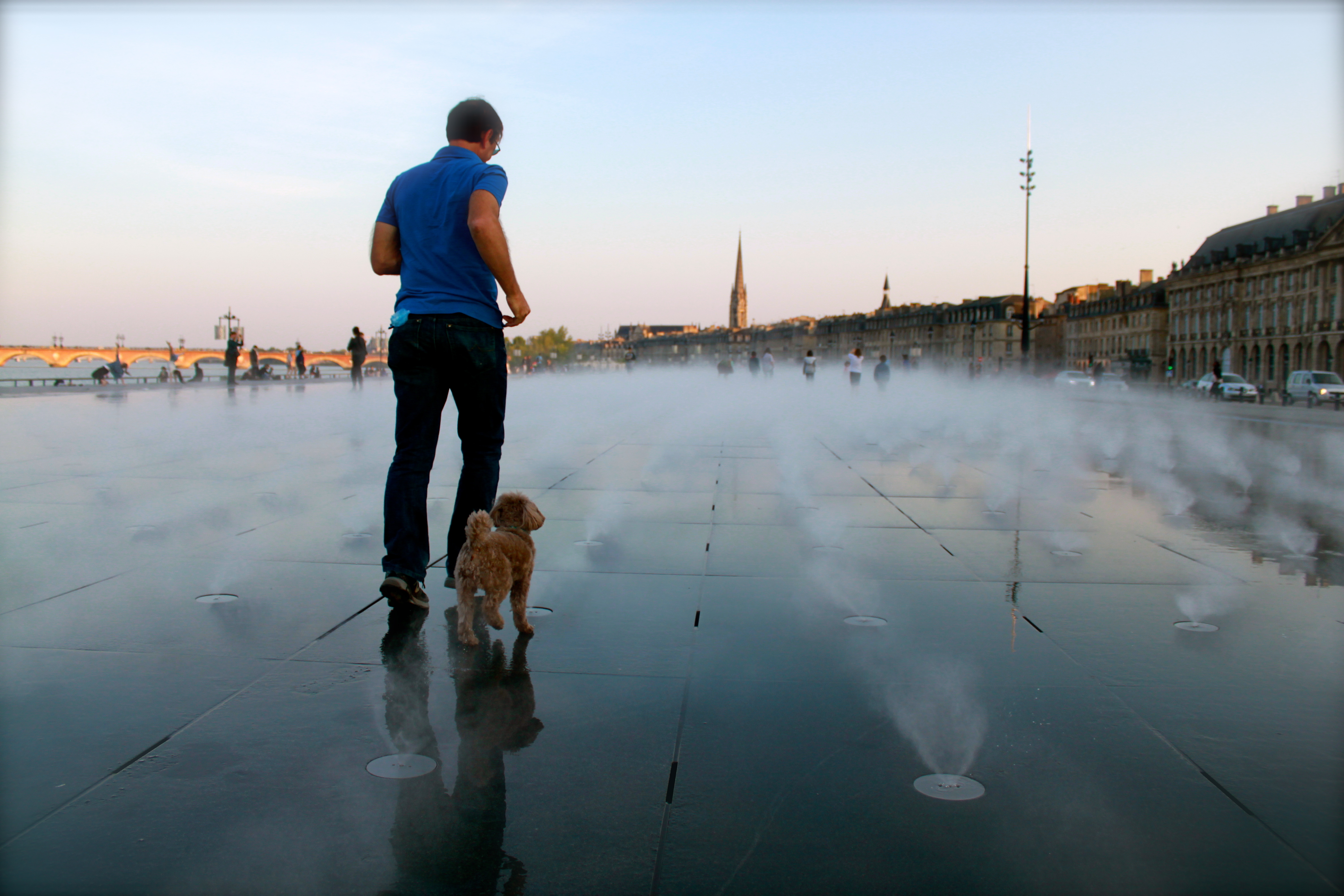
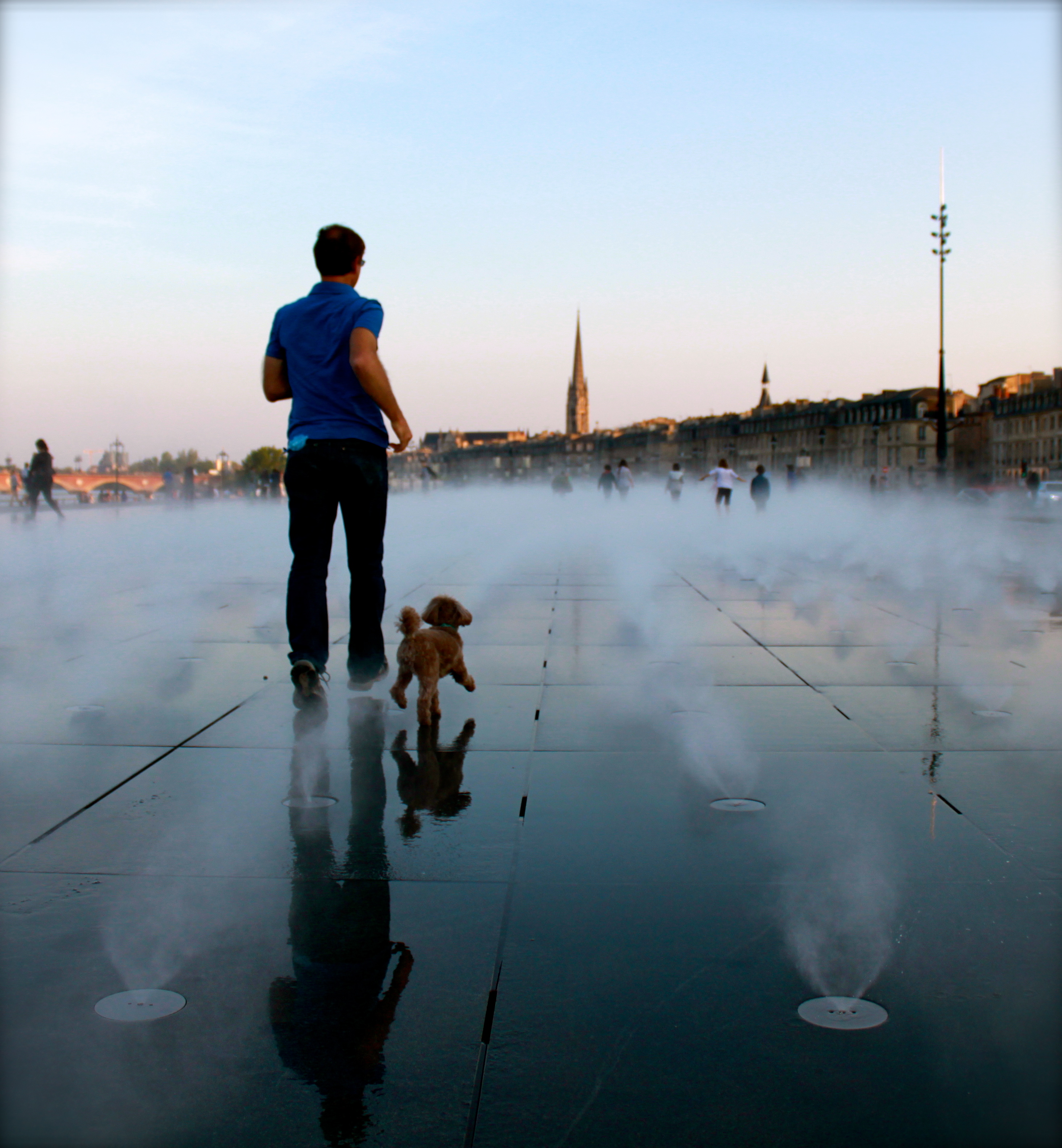
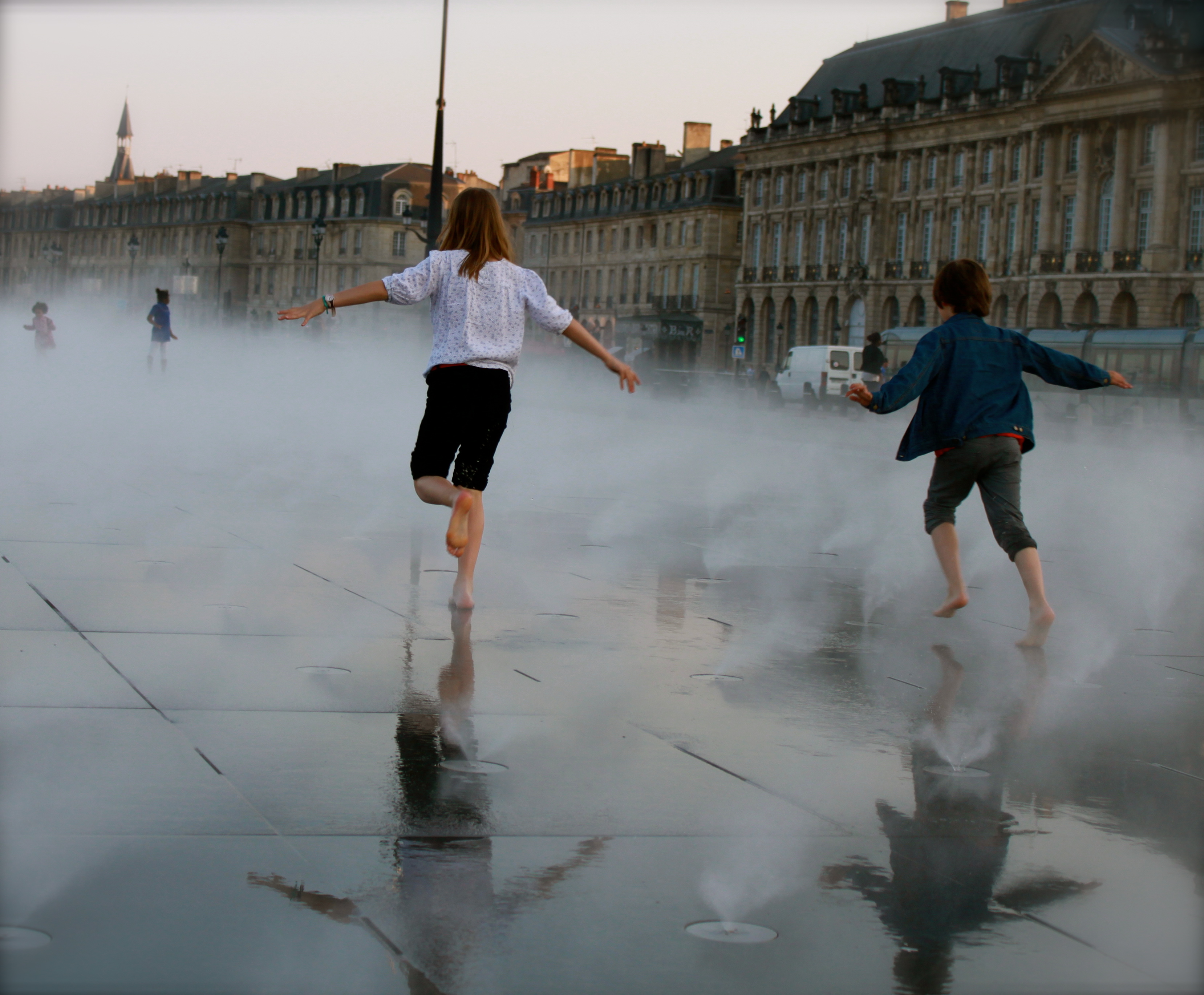
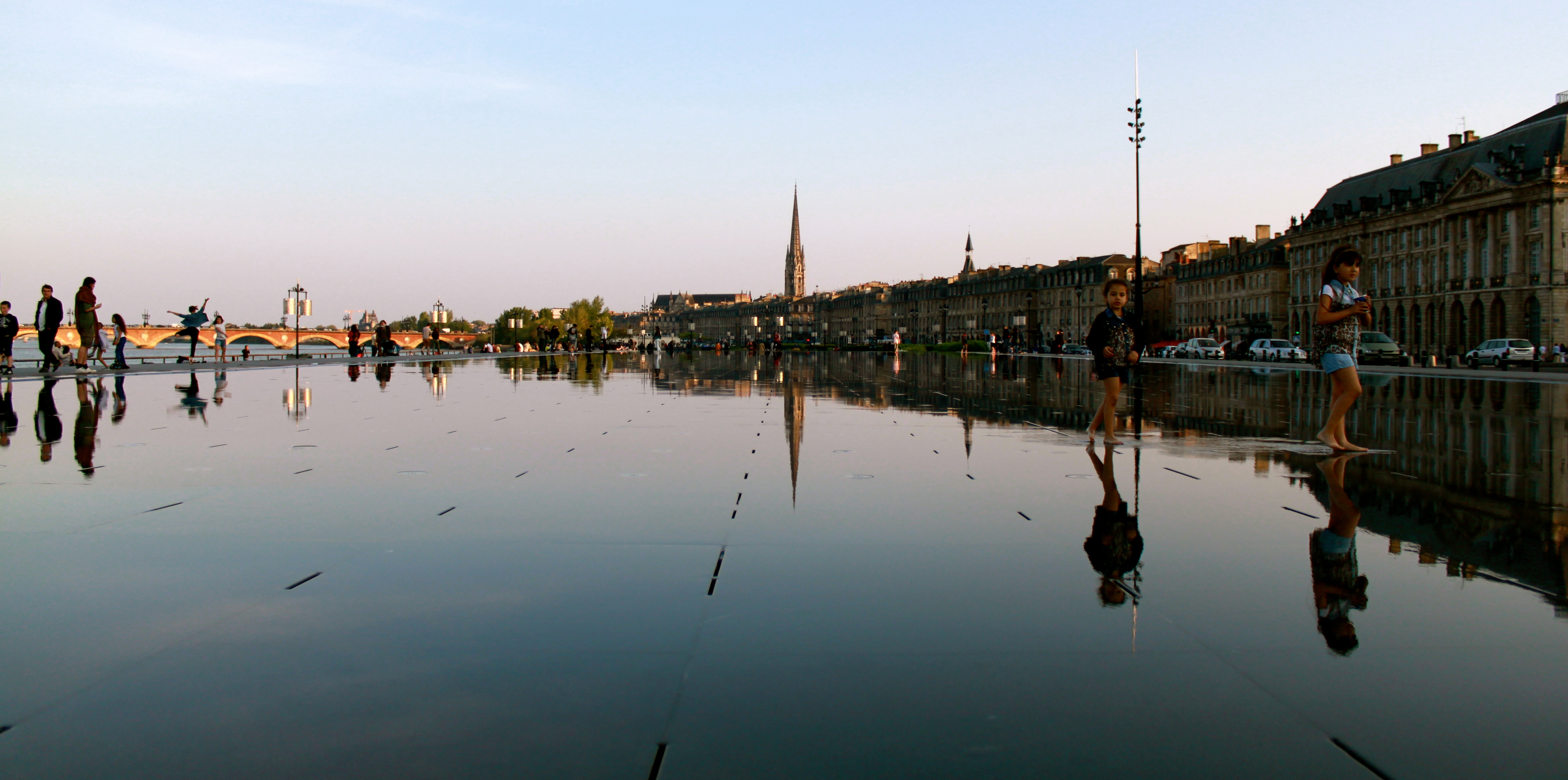
Inspired by the winter flooding on Venice’s St. Mark’s Square, the 3,000 square meters water feature on Bordeaux’s well-designed boardwalk, floods with a thin layer of water followed by an apocalyptic mist effect when the water mysteriously disappears on the hour. 
 (Architects: P. Gagnet and Atelier R. Landscape Architects: Michel and Claire Corajoud)

bordeaux_water_feature.jpgbordeaux_water_feature2.jpgbourdeaux_water_feature3.jpgbourdeaux_water_feature4.jpgbourdeaux_water_feature5.jpg

bourdeaux_water_feature6.jpgbourdeaux_water_feature7.jpgbourdeaux_water_feature7.jpgbourdeaux_water_feature8.jpgbourdeaux_water_feature9.jpgbourdeaux_water_feature10.jpg

No. 205: More Tulips and Flowering Things

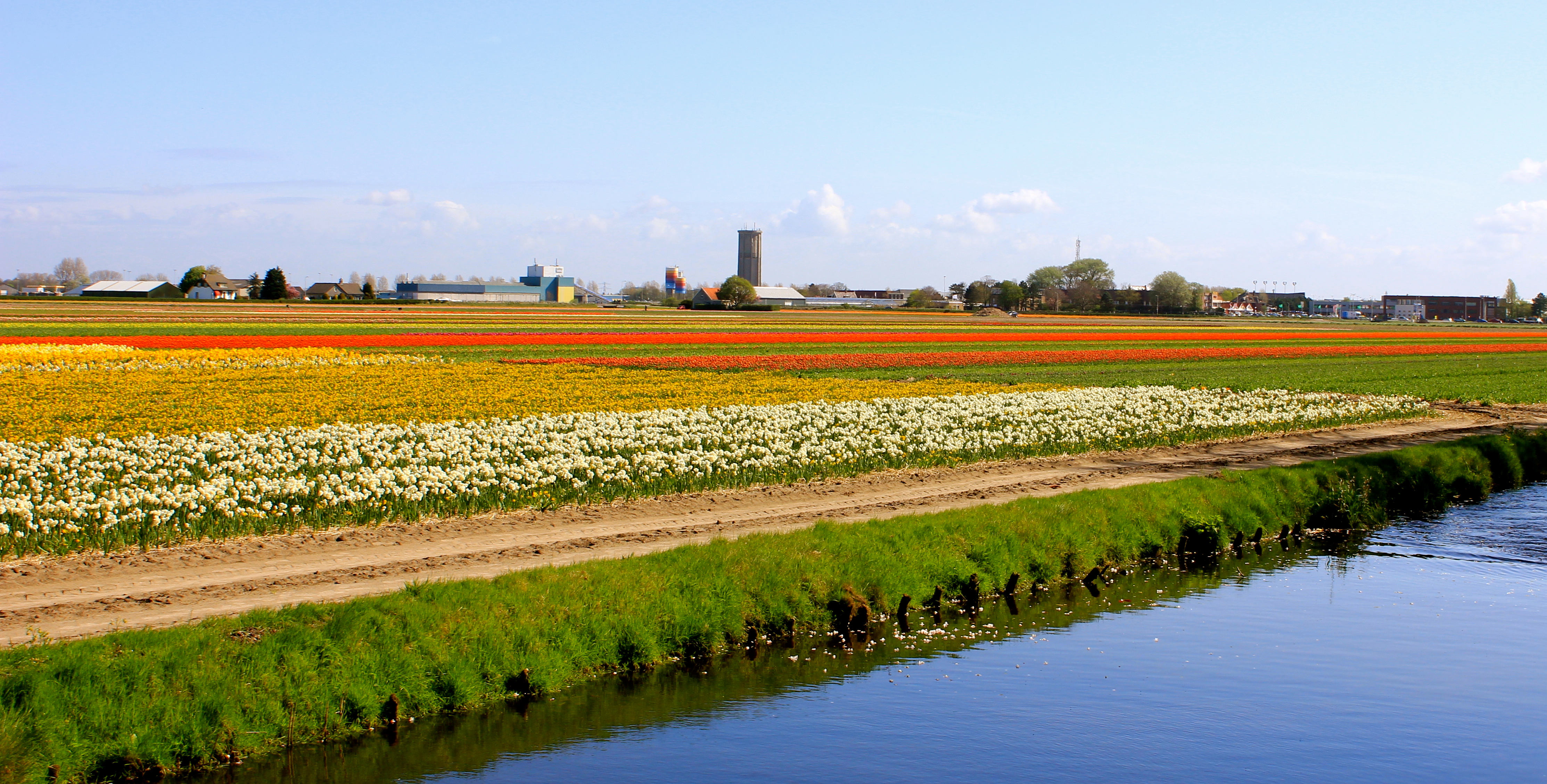
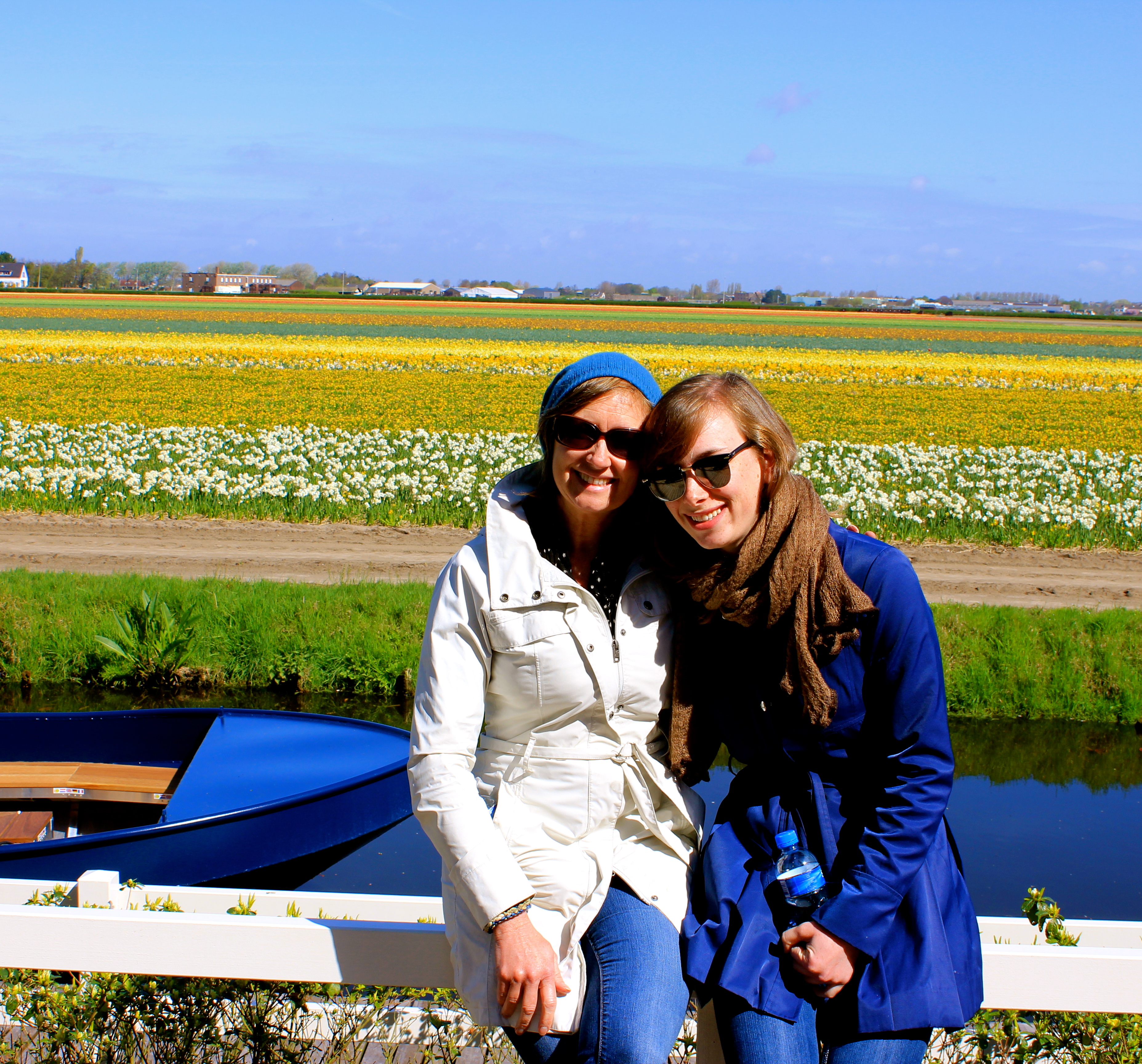
Continuing on with my non-French cheekiness…I have to share a few more photos of Keukenhof and the tulips from the surrounding villages in Holland. Remember Amsterdam is just over 3 hours from Paris by train, and fares start as low as €70 aller-retour. Another thing to love about living in France.

keukenhof_tulips.jpg

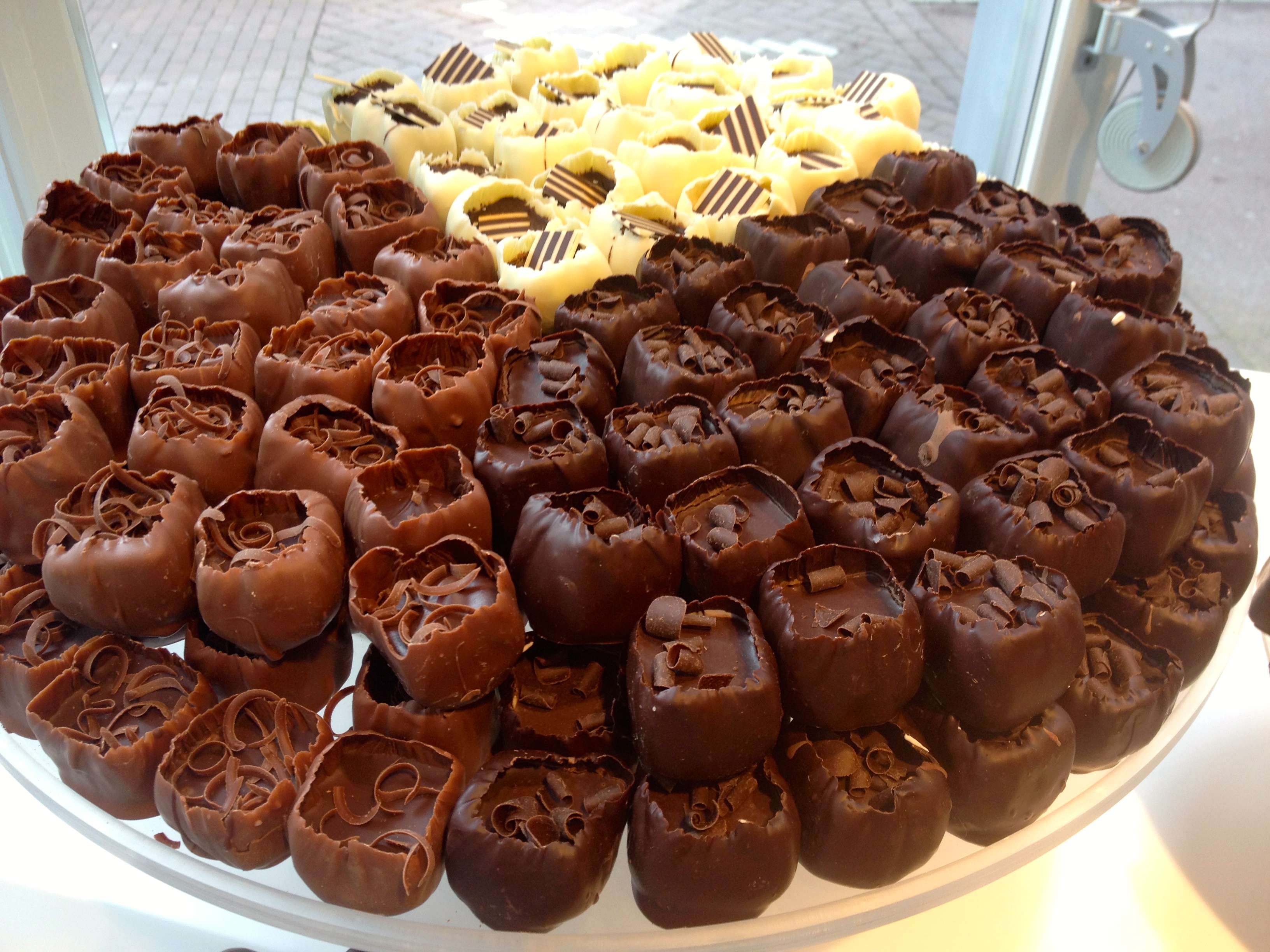
chocolate_tulips_holland.jpg

keukenhof_tulips6.jpgkeukenhof_tulips5.jpg

keukenhof_tulips_benioff.jpg

Vocabulaire:

aller-retour: round trip 


No. 200-204: Stroopwafles, Canals, Tulips, Friets with Mayo & Bucket Lists

Holland_wooden_shoes_benioff.jpg

I’m going to be a bit cheeky again and add Amsterdam to the list of the things I love about France.

I know the Netherlands is not part of France. I know French isn’t the native tongue (although some residents speak French, along with two or three other languages), and I know I should be spending my last few months in France rather than dipping in and out of other countries. But with the high-speed train network crisscrossing France and the rest of Europe, it’s hard not to take advantage of extremely cheap rail tickets and take a peek at how the non-French live.

bikes_Amsterdam_Benioff.jpg

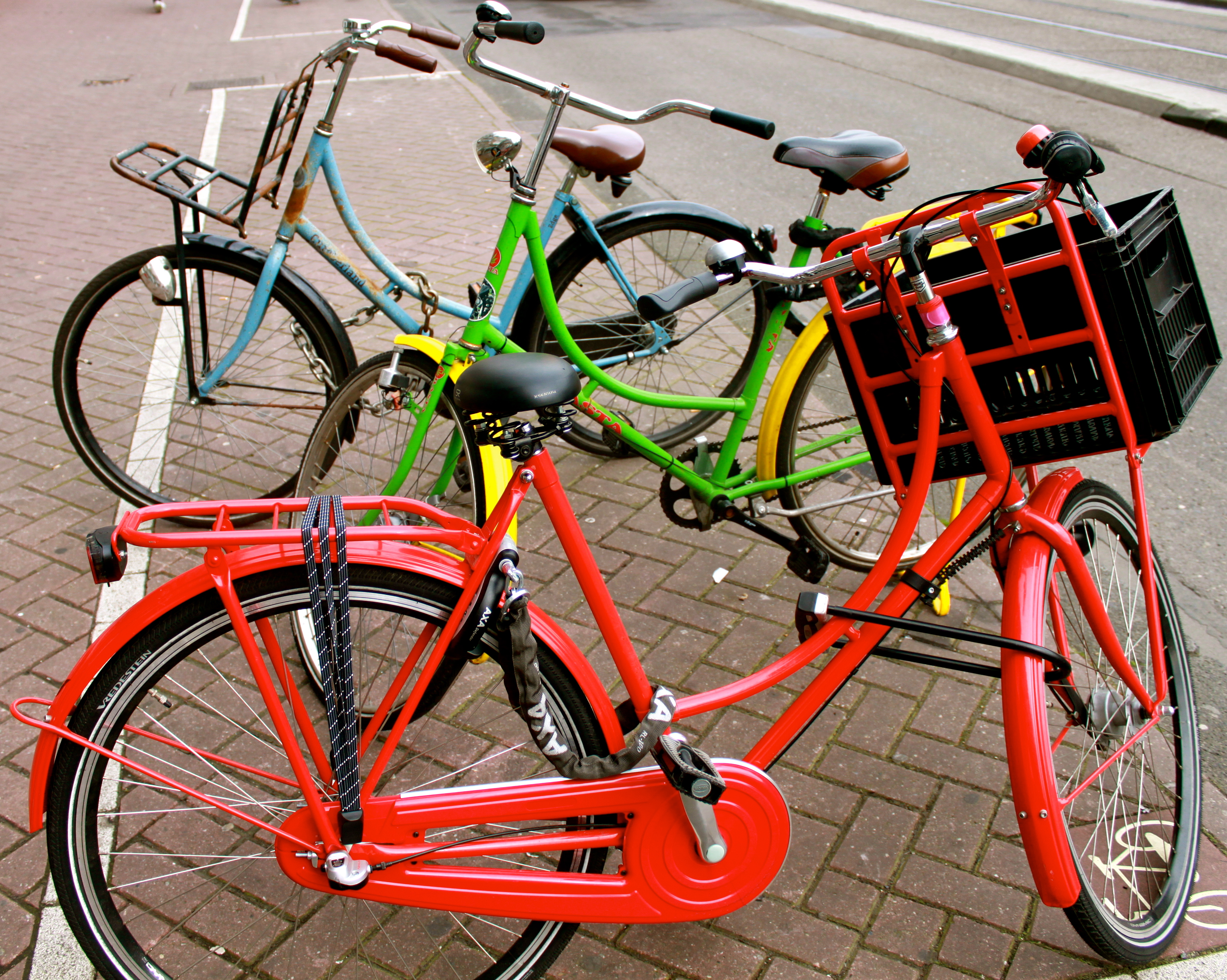
After four lively days in Amsterdam and the surrounding areas, I have to say, I’m pretty jazzed about the Dutch and how they run their capital city. First of all, they are so organized, efficient, and clean. Second, they all ride bikes all the time and everywhere. (In fact, there are more bikes in Amsterdam than residents.)

Holland_stroopwafel_Benioff.jpg

Third, they speak American English. Fourth, stroopwafels hot off the griddle oozing caramel and dipped in chocolate are to die for. Fourth, their canal system and ability to make land where there was only water is remarkable.

canals_Amsterdam_Benioff.jpg

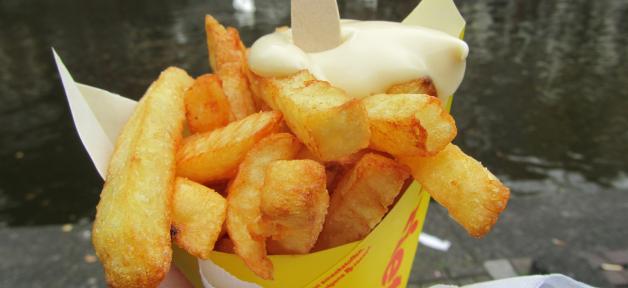
Fifth, friets, or “French” fries smothered in Dutch mayonnaise, just may make a heart attack worth having.

friet_mayo_Amsterdam.jpg

But the real reason to travel to Amsterdam in the springtime is the tulips…those flat and insanely brilliant fields of tulips, that seem to go on and on for miles, or kilometers, I suppose. Seeing and smelling these fields of colorful perennials has been on my bucket list since I was a shy 10-year-old girl dreaming about my future beyond the Wild West. I drew the Netherlands from a hat for my fourth grade term paper, “Countries of the World”, and since the moment I discovered the tulip fields in LIFE Magazine in 1974, I have been itching to go.

Tulips_Keukenhof_Netherlands.jpg

Tulips_Keukenhof_Holland.jpg

And now I’ve been, and seen, and smelled, and it was glorious. So I have another thing to love about France. Life in Paris gave me my jumping off point to realize one of my first childhood desires and see it first hand, just as I planned nearly 40 years ago.


No. 198: The HAPPY French

Who says the French aren’t HAPPY and fun? C’est pas vrai!

Take a look at all these happy Frenchies dancing around in Montmartre. I LOVE this. I dare you not to smile (and dance). Thanks to Julie and Meeting the French for reminding me that there is a lot of joy in this country.

Vocabulaire:

Ce n’est pas vrai! (C’est pas vrai!) It’s not true!

No. 145-146: Monsieur Parmentier and One French Woman’s Secret

When the modest pomme de terre arrived in Europe via the Andes Mountains in the 1500s, much like corn in modern day France, they were used only to feed hogs. They were also thought to cause leprosy.

However, in 1772, Monsieur Parmentier, a chemist by training, seeing the benefits of nourishing the famished masses with this compact carbohydrate, came up with a peculiar plot to trick the French into eating this humble tuber.

His plan? To plant a field of potatoes in the outskirts of Paris. His trick? To have arm guards watch over the crops in the daylight, and leave them unprotected when the sun went down. Convinced that the crop in the mysterious field must be valuable, the curious Parisians began to steal the potatoes under the cover of darkness and realized they were pretty darn good for dinner (and lunch and breakfast, I assume).

These days, I can’t imagine French cooking without potatoes. So many French dishes feature or are complimented by these earth apples, and parmentier, pronounced par-maan-tyé, is now used as an adjective to refer to mashed or boiled potatoes in some recipes.

I first became interested in Monsieur Parmentier when my friend Hélène served a delicious Parmentier de Confit de Canard at one of her winetasting. After several months of bugging her for the recipe, she invited a few of us over for a quick cooking lesson from a busy French woman’s kitchen.

This is when I discovered that French women are full of all sorts of secrets and shortcuts that make them seem super human in the kitchen when, in fact, they are mere mortals. In less than 2 hours we had prepared, cooked and eaten a perfect and delicious Parmentier de Confit de Canard accompanied by a fresh green salad and a lovely bottle of wine.

So what is the secret? A couple of hints:  you won’t find the answer at the butcher’s, but you will find it at your local super marché; no need to head to the milkman’s—no butter, milk or crème fraîche required.

Now keep this on the low down, but the answer comes in a tin.

Only in France can you find a large can of duck legs perfectly preserved in their fat. Add one of Monsieur Parmentier jewels per person, and some garlic powder, and voilà! Parmentier de Confit de Canard Express.

Vocabulaire

Parmentier de Confit de Canard: a dish similar to shepherd’s pie, consisting of a layer of shredded roasted duck legs topped with a layer of mashed potatoes baked briefly at a high temperature to form a golden brown crust on top.

pomme de terre: potatoes; literally earth apples

super marché: supermarket