Skip to content

Posts tagged ‘photography’

No. 274: Oradour-sur-Glane

It has been a week of somber remembrances in France marking various events of WWII.

Today is the seventieth anniversary of the massacre of 642 men, women and children in the small village of Oradour-sur-Glane. While this may seem like another odd post, and certainly not something I “love” about France, it is something I think is important to know about France, and an event to be remembered and marked.
Oradour-sur-Glane.jpg

On our way to Bordeaux in April, we stop for the afternoon in this perfectly preserved and moving village-memorial to the horrors borne by French civilians during the Nazi occupation. It is a difficult site to visit, but I am grateful that we did, and grateful to the local government for leaving the village exactly as it died on June 10, 1944.

During the war, Oradour-sur-Glane was an unimportant and peaceful town located close to Limoges, not too far from Dordogne. Like many small hamlets in France, its residents were struggling to get by during the occupation, but there is no clear record of any Resistance activity in the village, although a captured SS officer may have been briefly held there prior to the massacre. But on the morning of June 10, just four days after the D-day landings, the towns’ passive status could not save them from the wrath of the Nazis.

Early in the day, a group of SS soldiers entered the village and rounded up all the residents on the pretext that they wanted to check their identity papers and search their houses for weapons. They moved the men to nearby barns and herded the women and children into the village church, suggesting that they sing as they marched.

Oradour-sur-Glane7.jpg

What followed was the methodical and evil extermination of an entire town within hours. Below is a text chronicling this horrific war crime:

“A large gas bomb, seemingly made out of smoke-screen grenades and intended to asphyxiate the occupants, was placed in the church, but it did not work properly when it went off and so the SS had to use machine guns and hand grenades to disable and kill the women and children. After they had subdued all the occupants of the church, the soldiers piled wood on the bodies, many of which were still alive and set it on fire.

At the same time that the gas bomb exploded in the church, the SS fired their machine guns into the men crowded in the barns. They deliberately fired low, so that many of the men were badly wounded but not killed. The soldiers then piled wood and straw on the bodies and set it alight, many of the men thus burned to death, unable to move because of their injuries. Six men did manage to escape from Madame Laudy’s barn, but one of them was seen and shot dead, the other 5 all wounded, got away under cover of darkness.

Whilst these killings were taking place, the soldiers searched the village for any people who had evaded the initial roundup and killed them where they found them. One old invalid man was burned to death in his bed and a baby was baked to death in the local bakery ovens, other people were killed and their bodies thrown down a well. People who attempted to enter the village to see what was going on were shot dead. A local tram, which arrived during the killings, was emptied of passengers, who after several terrifying minutes were let go in peace.

After killing all the villagers that they could find, the soldiers set the whole village on fire and early the next day, laden with booty stolen from the houses, they left.” (source: www.oradour.info)
Oradour-sur-Glane9.jpg

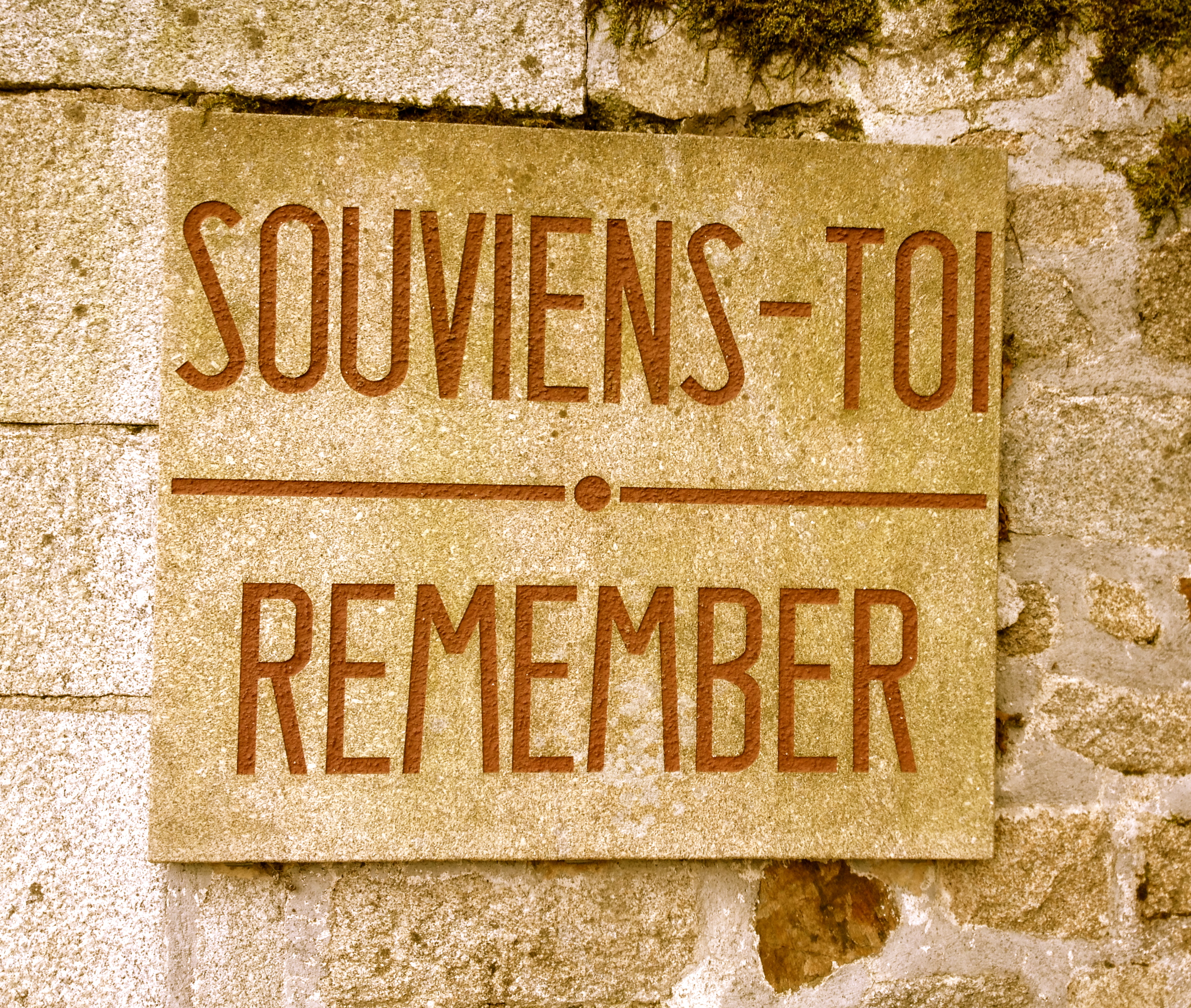
Souviens-toi: Remember

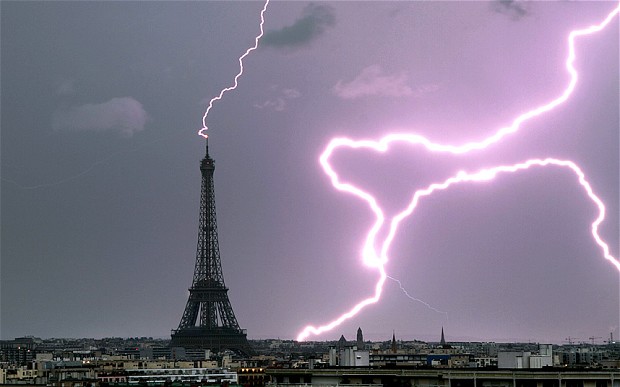
No. 273: Spectacular Lightning

Lightning strikes the top and to the side of the Eiffel Tower in Paris Photo: BERTRAND KULIK/CATERS

Lightning strikes the top and to the side of the Eiffel Tower in Paris Photo: BERTRAND KULIK/CATERS

We have had two crazy storm here in Paris over the last few nights. I was too chicken to go outside and photograph them, and the photos I took from my windows did not do the storms justice, so I grabbed this gorgeous picture off of google images (source: BERTRAND KULIK/CATERS).

I am a sucker for thunder and lightning storms. I love them and I fear them, and these past two nights have been spectacular–with snarling roars and jagged streaks striking the tip of my beloved tower.

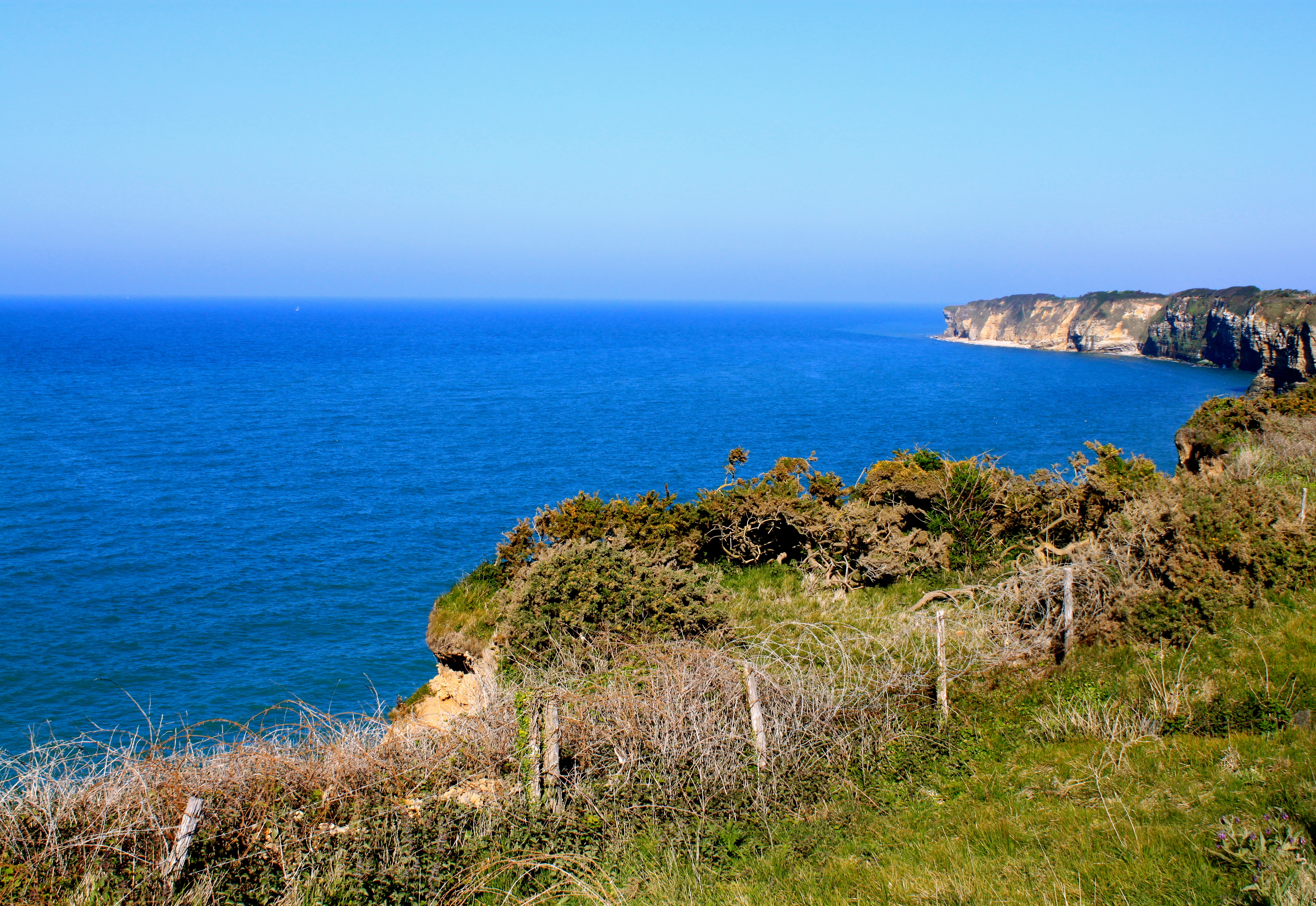
No. 270: Normandie—D-day Beaches

“At the edge of the cliffs, the wind is a smack, and D-day becomes wildly clear: climbing that cutting edge into the bullets.”

— John Vinoc

Normandy_D-day_beaches_france.7jpg

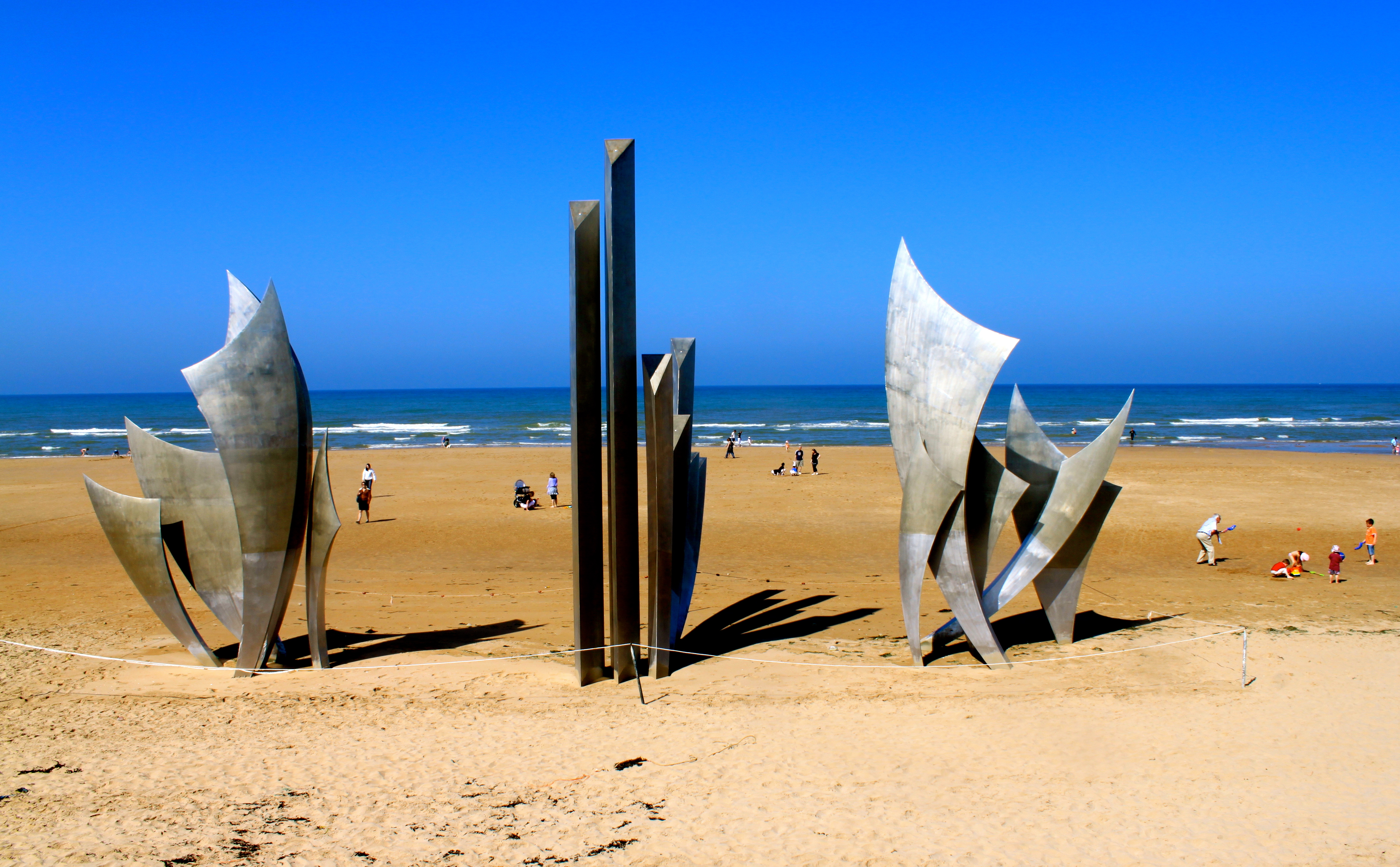
The D-Day beaches in Normandie are a study in contrasts. They are flat-out gorgeous—expansive ginger seaside bound by sheer rocky cliffs, burnt-orange and dripping with green. And beyond the shore, a gem-like sapphire sea too blue to be real, dares us to dip our toes, splash about and maybe even go under. I wasn’t expecting real beaches with colorfully clad beachgoers, sand buckets, and picnics. I had anticipated a more museum-like feel or roped off memorial.

Yet among the vacationers, there is a quiet reverence and consciousness amid the many reminders of the thousands of men who stormed the beaches at the crack of dawn on June 6, 1944. In fact the entire coastline, while still a sunshine playground, pays tribute to the British, American, and Canadian armies who laid down their lives to liberate France and occupied Europe.

Normandy_D-day_beaches_france.2jpg

Never have I felt so close to a moment in history.

To walk the shoreline and climb the cliffs and watch the waves crash towards Winston Churchill’s brilliant artificial harbor, you can almost see the ghosts of Robert Capa’s black and white photographs slugging through the tempest tides, gunned down or drown in the first minutes of the longest day. You certainly can feel their presence.

Overcome with pride and immense sadness and sheer wonder at how the lucky ones physically and mentally survived. Time and again you are reminded of the doughboys and the thousands of wide-eyed journeys they made from the cities and small towns of America, Britain, and Canada to the violent beaches of Normandy, France, to help a country and people they had never seen and to whom they had little tangible connection.

Yet still they came, willingly and righteously, and offered up their lives.

It is nothing short of astounding.


No. 264-268: Burano, Murano, Gondolas, Street Lights, and Masks

In another moment of cheekiness, I feel inclined to post about somewhere other than France this morning. I justify these infrequent and random posts secure in the knowledge that if I wasn’t living in France, there is no way I would have the opportunity to so easily and cheaply leave la belle France and explore other parts of Europe. The ability to make these trips from the bustling hub of my hometown Paris is yet another thing I love about France.

Donc here are a few colorful memories from an inspiring quick trip to Venice. While Superman was busy discussing green growth and climate change with graduate students in a city which is 18 inches or so from being wiped out by sea level rise, I was strolling through the back streets of Venice and visiting the islands beyond while they are still here.

masks-Venice2.jpg

No. 263: Monet in Venice

I was extremely fortunate to accompany Superman on a work trip to Venice, the City of Changing Light. A painter’s and photographer’s dream.

venice_2014.jpg


monet_venice3.jpgmonet_venice2.jpg

monetvenice


No. 230: Bourges: France’s Heartland

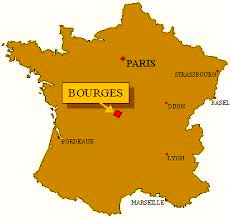
map_france-Bourges.jpgWe are a couple of days back from faire(ing) le pont in Bourges.

This was one of those completely unexpected, point-to-a-place-on-the-map-where-we-can-afford-the-train-tickets type of getaway. It turned out to be an excellent choice.

Bourges lies almost exactly in the center of France, so now if/when I have to leave France, I can say, both that I left my heart in France, and that I have been to the heart of France.

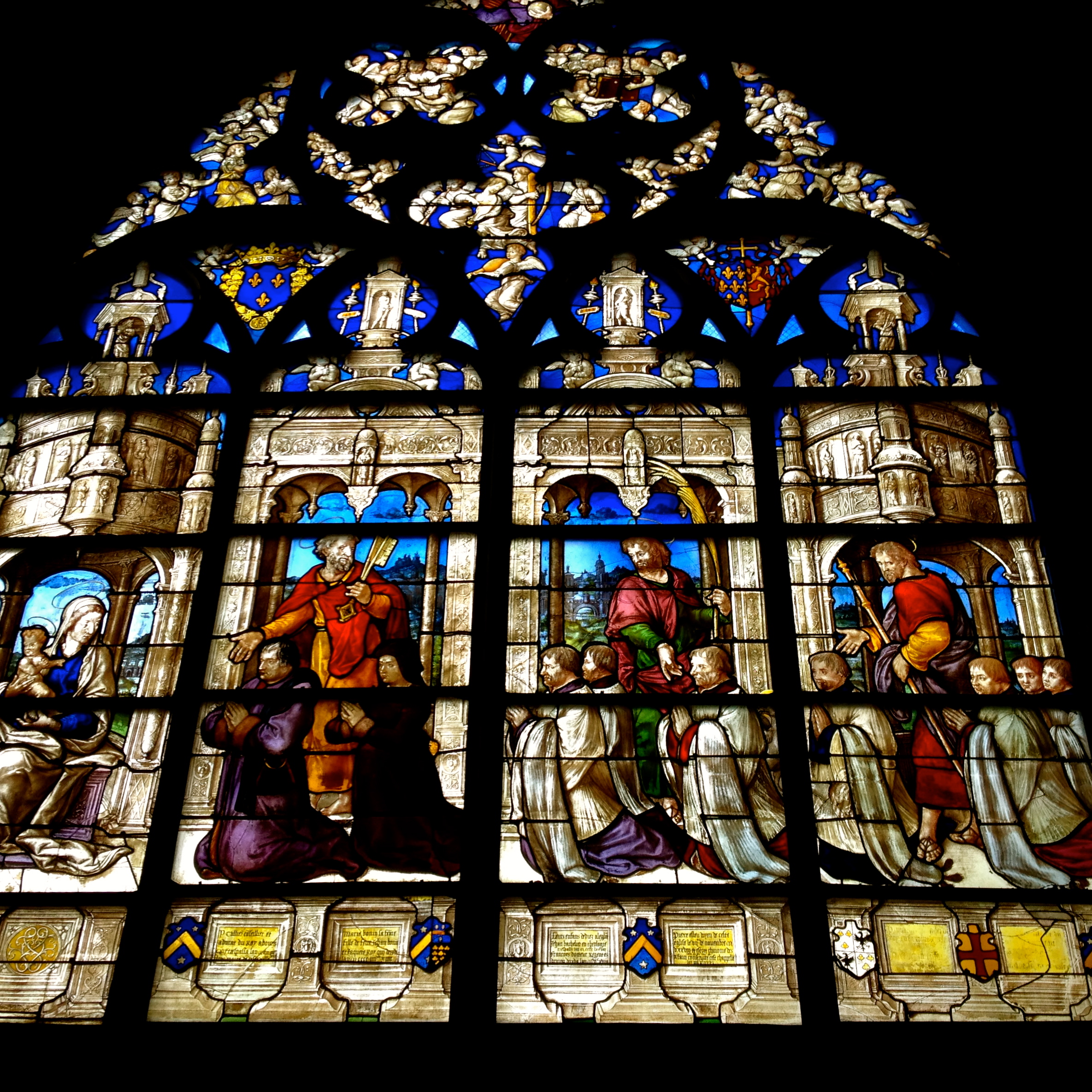
Bourges is a classic French town housing one of the great Gothic cathedrals of Europe, Sainte-Etienne, a UNESCO world heritage site, known for its stunning stained-glass windows, some dating back as far as the 13th century, an amazingly accurate astronomical clock, and its arched-entrance, chiseled with eerie carvings illustrating a grim Judgment Day.

bourges_cathedral.window.jpg

According to our bed and breakfast host, guests tend to use Bourges as an overnight stop when traveling north-to-south or vice versa. But I would say Bourges is worthy of a long weekend, to allow you the time to get to know the picturesque town surrounded by rivers, listen to the pealing church bells, soak up the rich history, and experience the relaxed and friendly locals.

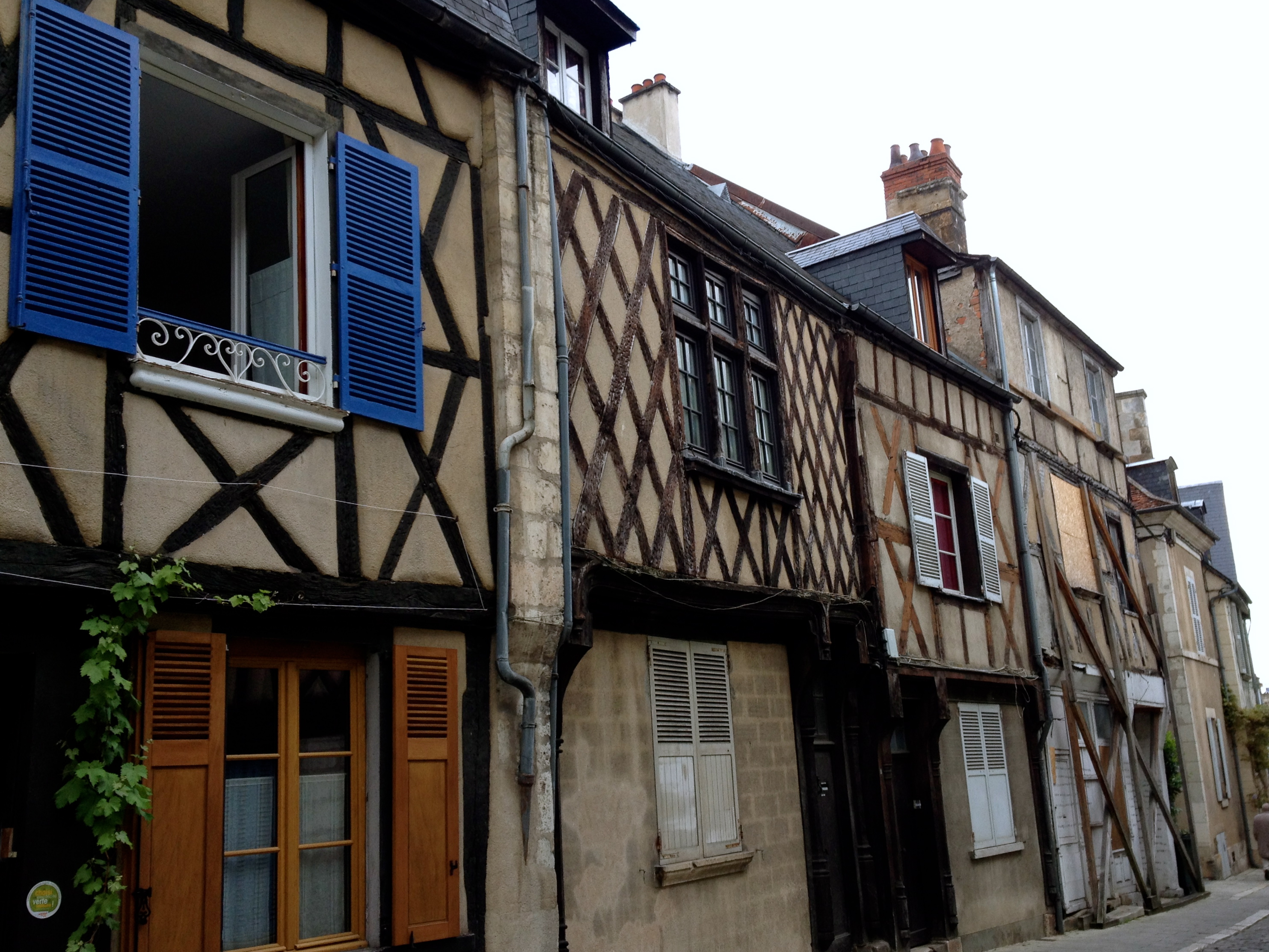
bourges_france_medieval_houses.jpg

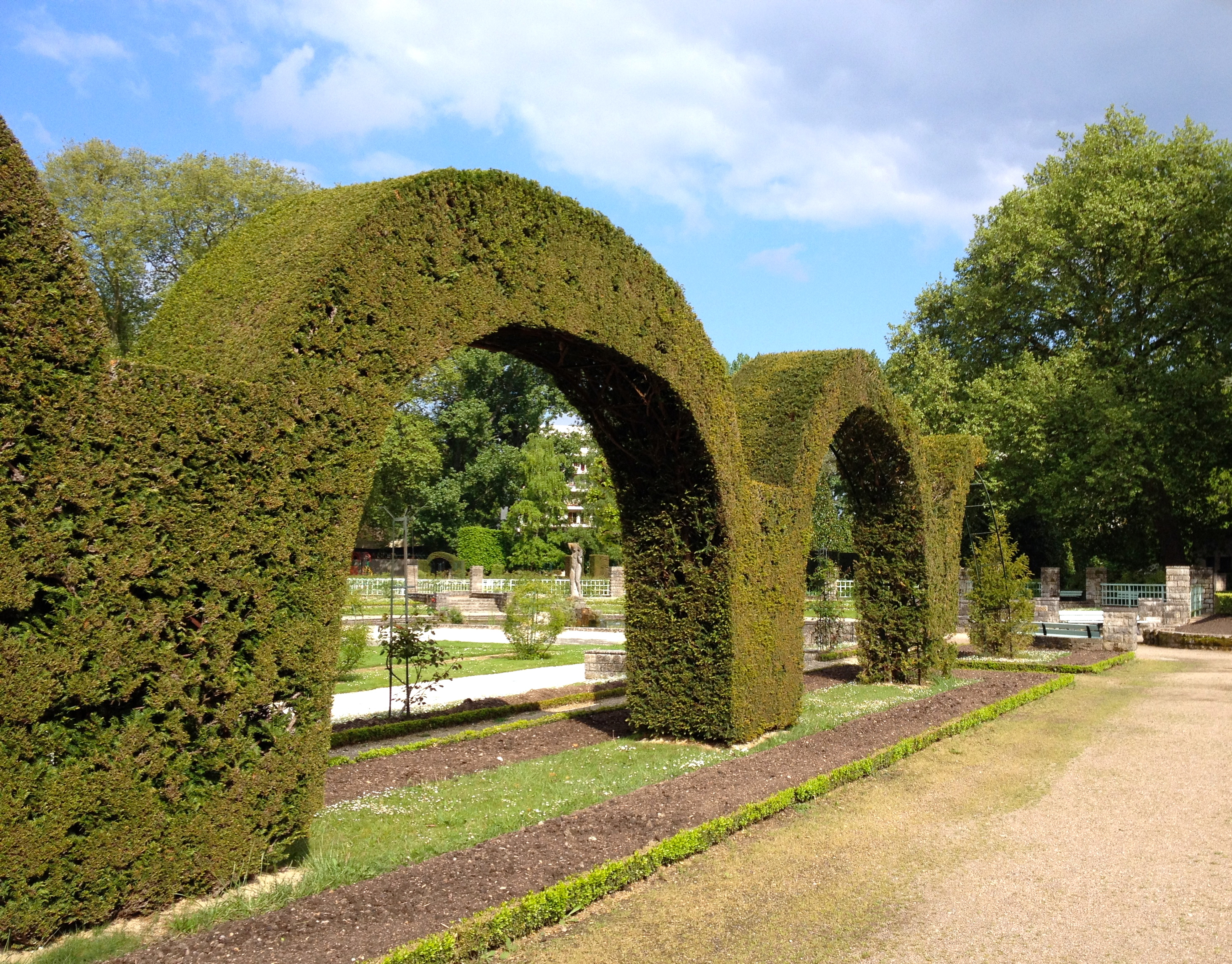
Southeast of Orléans, this hilly city, where Joan of Arc wintered before she was burned at the stake, rises up at the intersection of the Yèvre and Auron rivers in the Department of Cher and will charm the pants right off you with its half-timbered medieval houses, cobbled lanes, sculpted gardens and marshy marais—more on that tomorrow.

bourges_france_garden.jpg

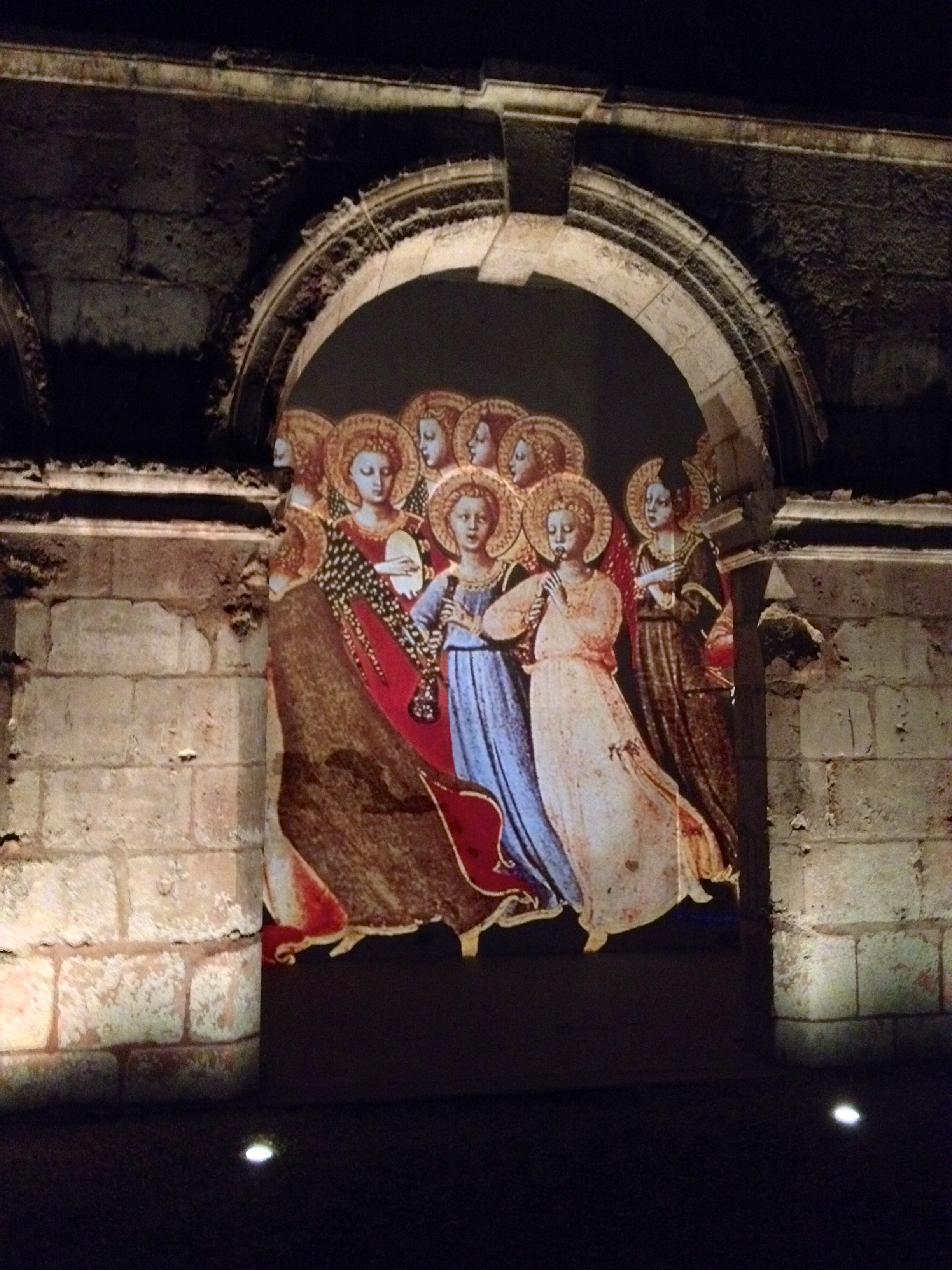
May is the perfect time to visit, as the town hosts Les Printemps de Bourges Contemporary Music Festival, (we were one weekend too late), and les Nuits Lumière (Illuminated Nights), an impressive light, sound and architectural show highlighting the city’s heritage (screened across the ancient buildings) on offer every Thursday, Friday and Saturday evenings, rain or moon-glow.

light_show_bourges_France.jpg

Summer may be an even better time to visit Bourges, as there were loads of signs heralding Été à Bourges and an impressive line-up of free, outdoor musical performances, of all shapes and sizes.

When all is said and done, Bourges is a super cool place to visit either on whim or as a planned stop on your itinerary. If you want to hear and feel what makes this complicated country tick, venture au coeur, to the heart of France.

heart_france_640

Vocabulaire

au coeur: in the center, at the heart

Été à Bourges: Summer in Bourges

faire le pont: to take a long weekend, literally to make the bridge

Les Printemps de Bourges: Bourges’ Springtime

No. 227: Huîtres: Where Have All the “Rs” Gone?

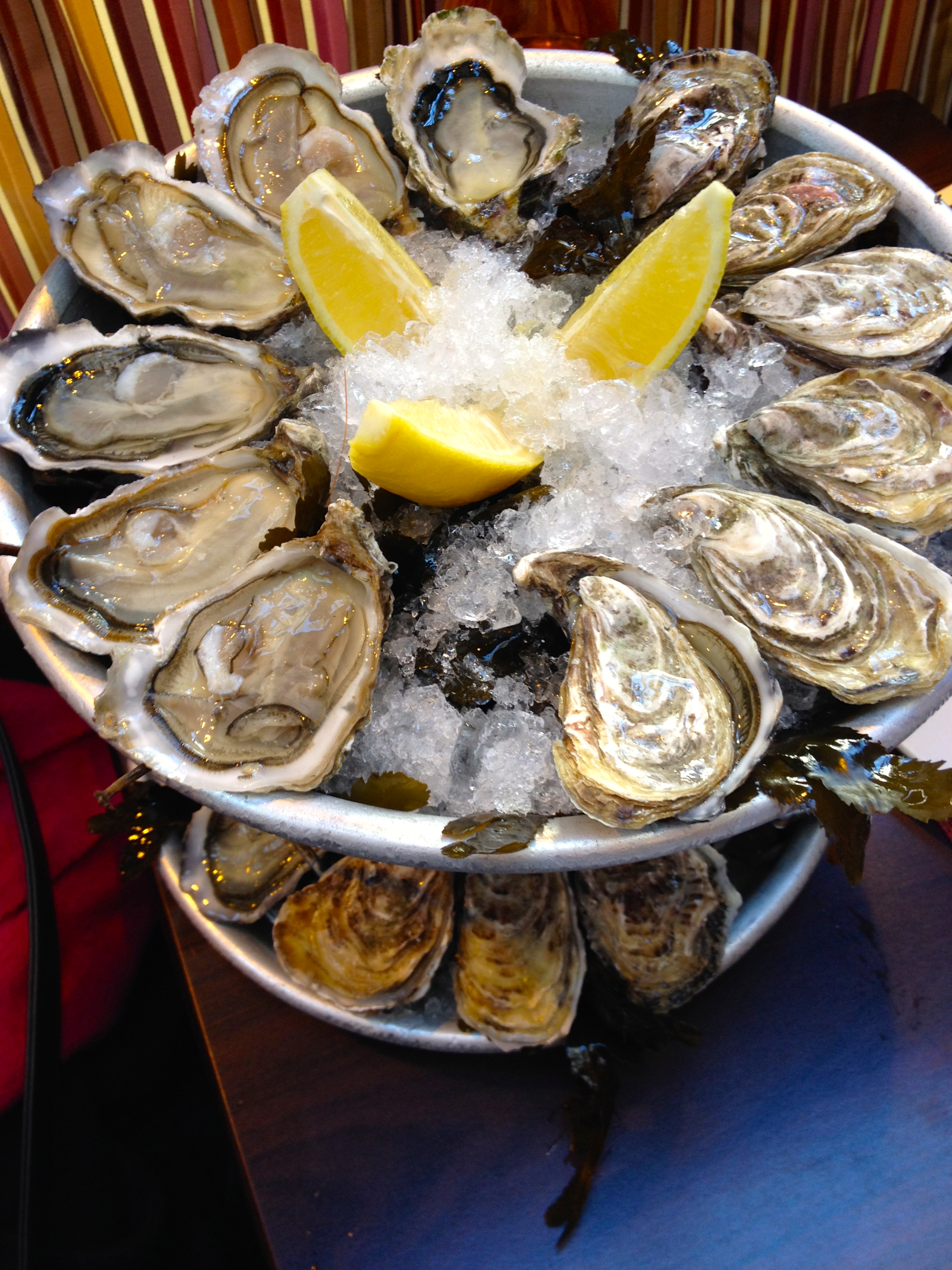
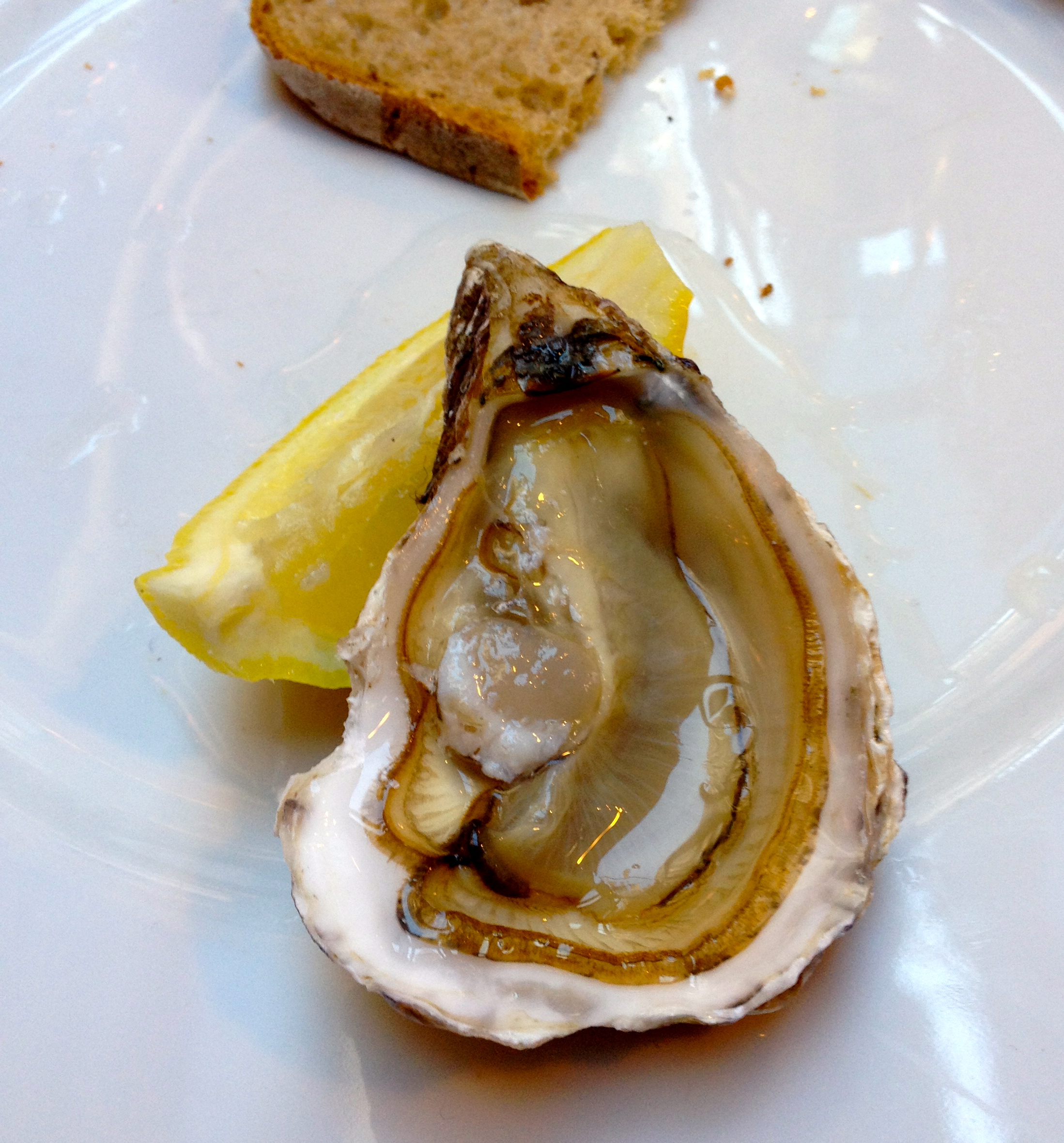
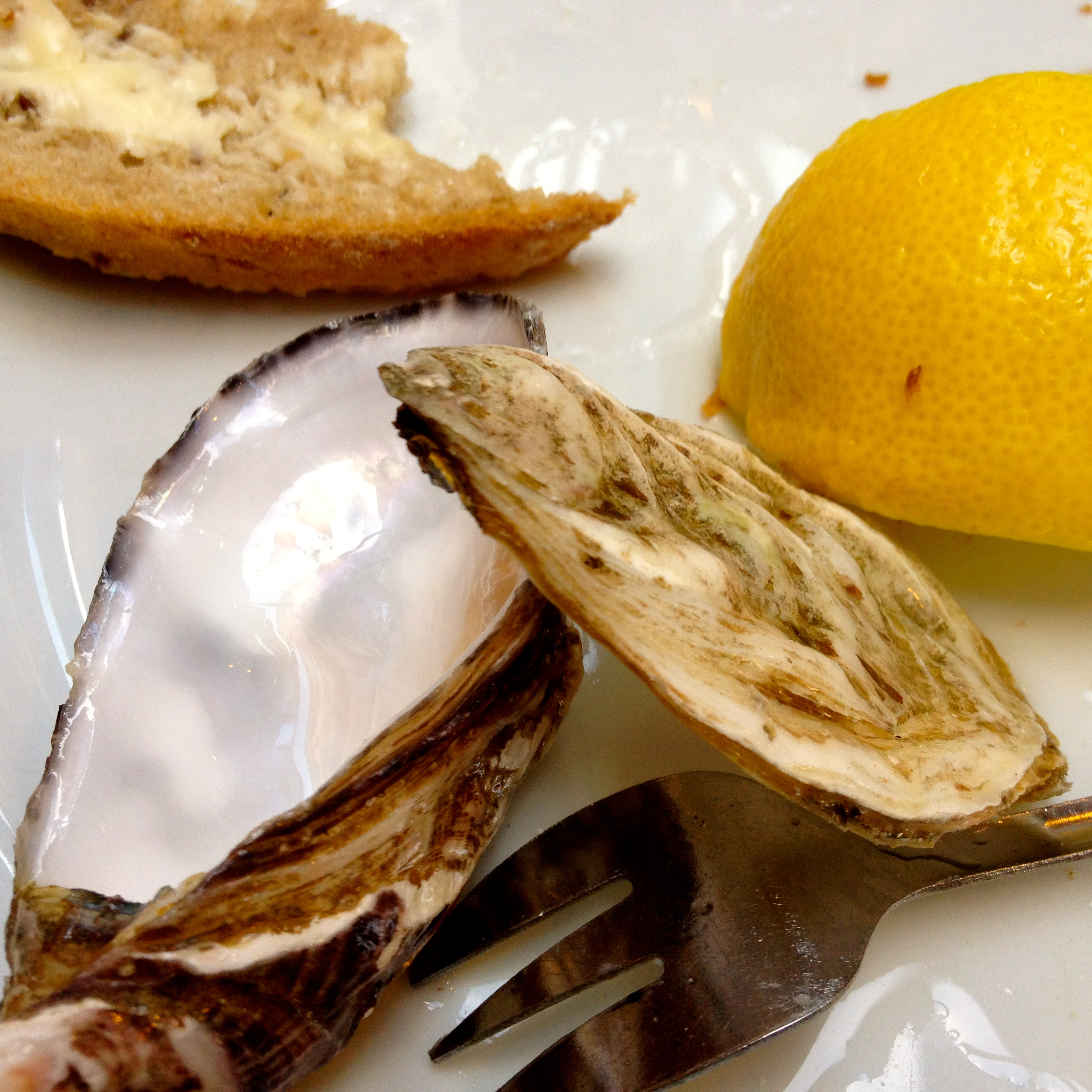
Yesterday was the end of oyster season. Sigh…

oyster_paris_france2. jpg

We have to wait for the next month with an “r” in it to come around before we can enjoy the best of the best huîtres in their proper seasons.

We did have a terrific fall and winter tasting season, and nearly 6-weeks of spring, but now it is May, and May is “mai” en français. Oh why, oh why, can’t “mai” be one of the thousands of French words with a string of silent letters? Why didn’t l’Académie française or one of the 40 all-knowing immortels slip in a silent “r” somewhere between May (mai) and August (août)?

As it is, we will need to wait until September (septembre)—123 days until oyster season rolls around again.

In the meantime, we’ll always have the memories…

oysters_paris_france.jpg

oyster_paris_france3. jpg


oyster_paris_france4. jpg


oysters_paris_france5.jpg

oysters_paris_france6.jpg

oysters_paris_france7.jpg


Vocabulaire

huîtres: oysters