No. 311: Mornings on the Loire River


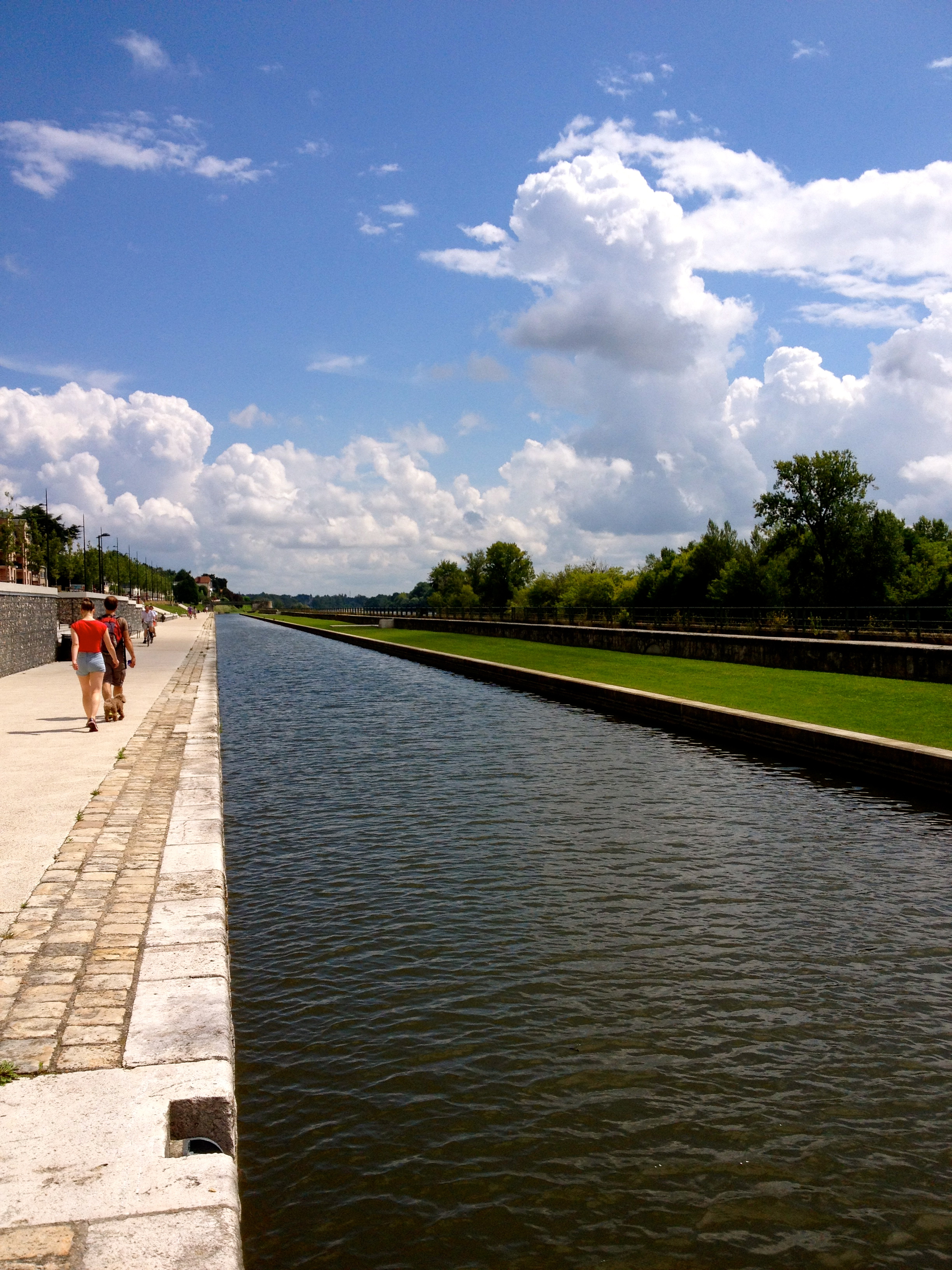

The Loire River, the longest river in France—flowing north and west for nearly 350 miles and spilling into the Atlantic Ocean south of Bretagne, is one of our favorite places to spend a morning.
Jul 20
The Loire River, the longest river in France—flowing north and west for nearly 350 miles and spilling into the Atlantic Ocean south of Bretagne, is one of our favorite places to spend a morning.
It is summertime in France and the open markets are bursting with color and flavor. Since barbecuing is technically illegal in Paris, given the fire hazard and all….we have to head to our local restos to get a plate of perfectly grilled vegetables. But nothing tastes better on a long summer’s night. Don’t you agree?

“Abbey steep, thrust there, far from land,
as a mansion fantastic, amazing as
a dream palace, strange and improbably beautiful “
Maupassant
“The church was magical
the sun streaming in
the divine voices echoing off the walls
I adored the abbey
the mud was scrumdillilious
the best mud ever…”
Button


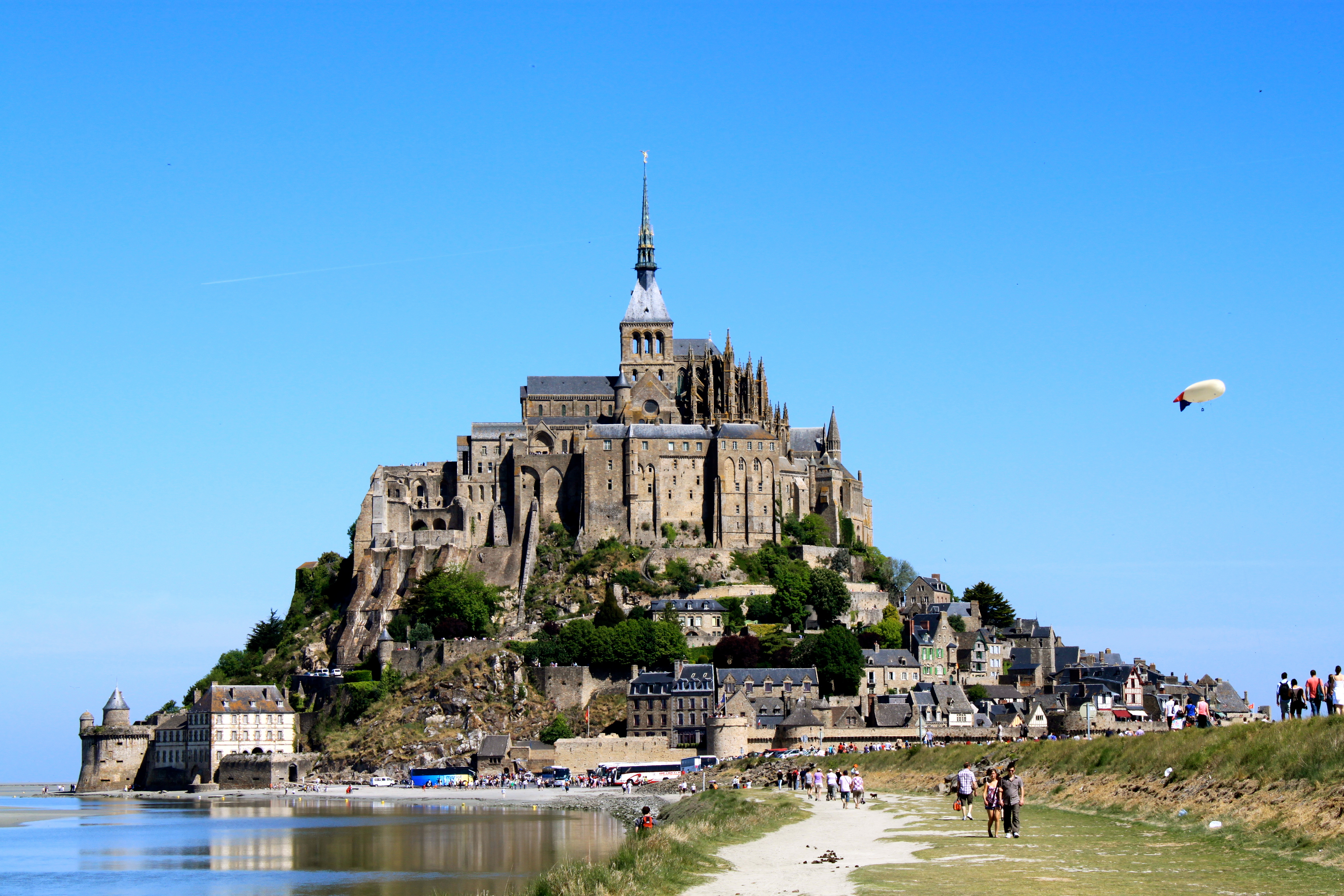
Between rock and sea, a sheer-sided citadel-like abbey rises 80-metres out of the sand and water magnificently dominating the surrounding low-lying region of Normandie. This is Mont Saint Michel. Towering above an immense bay beset by the highest tides in Europe, the sea spills in over a dozen miles in the space of just a few hours, creating one of the most breathtaking sites in France.
Mont Saint Michel dates back to the 700s when at the “request” of the Archangel Michel a local bishop consecrated a small church on the point. Over the centuries Benedictines monks settled on the rock and continued building an abbey and monastery. During the Hundred Years War military construction was added to fortify the compound. In the early Middle Ages ascetic Christians known as hermits chose this site to live in complete poverty, and in an attempt to be closer to God, continued to the abbey towards the heavens.
It became a great spiritual and intellectual centre and was one of the most important places of pilgrimage for the western world. Multitudes of men, women, and children arrived by the paths to paradise—hoping for “the assurance of eternity, given by the Archangel at judgment.”
During the days of the French Revolution, the abbey was ransacked and nearly demolished and the remains were turned into a prison. It was restored in the 19th century and is now considered one of France’s national treasures.
Although an active religious community resides in Mont Saint Michel and it is still a place of pilgrimage for the faithful, it is now more of a Mecca of buzzing tourists. Over three million visitors make the trek each year. Aside from the astounding citadel-abbey and IMAX-like vista, tourists come to play in the tides. If you have ever been to the Great Sand Dunes National Monument in Colorado you will understand exactly what type of sands surround the castle. At times the sea travels under the sand, creating traitorous pockets of quicksand, but most of the time it is merely harmless sinking sand, ready to delighting the young and old alike.


The small Normand village of inns, shops and taverns nestled below the abbey was built to house and water the pilgrims at the end of their journey. Nowadays as Superman rather crankily observed, “it represents the worst of humanity, packed like sardines” and pushing forward without regard for others. I was less bothered by the crowds. Instead they gave me an appreciation for what it must have been like centuries ago. The junky trinkets, hawking vendors, and overpriced scrummy eateries were all there to welcome the original pilgrims. Some things don’t change. At least we were afforded the modern conveniences of sewers and showers, clean drinking water and health codes. No plagues or rats; no stench of unbathed travelers, although the numbers of extremely overweight visitors—French no less—was an unsettling reminder of what awaits us in America.
Nonetheless, this picturesque meeting point of sand, sea, and sky, is a trip worth making.
Jul 1
Un après-midi à Honfleur as noted by Button and Maman…
water, sun, and sails
kaleidoscopes of color glide by
pulsating
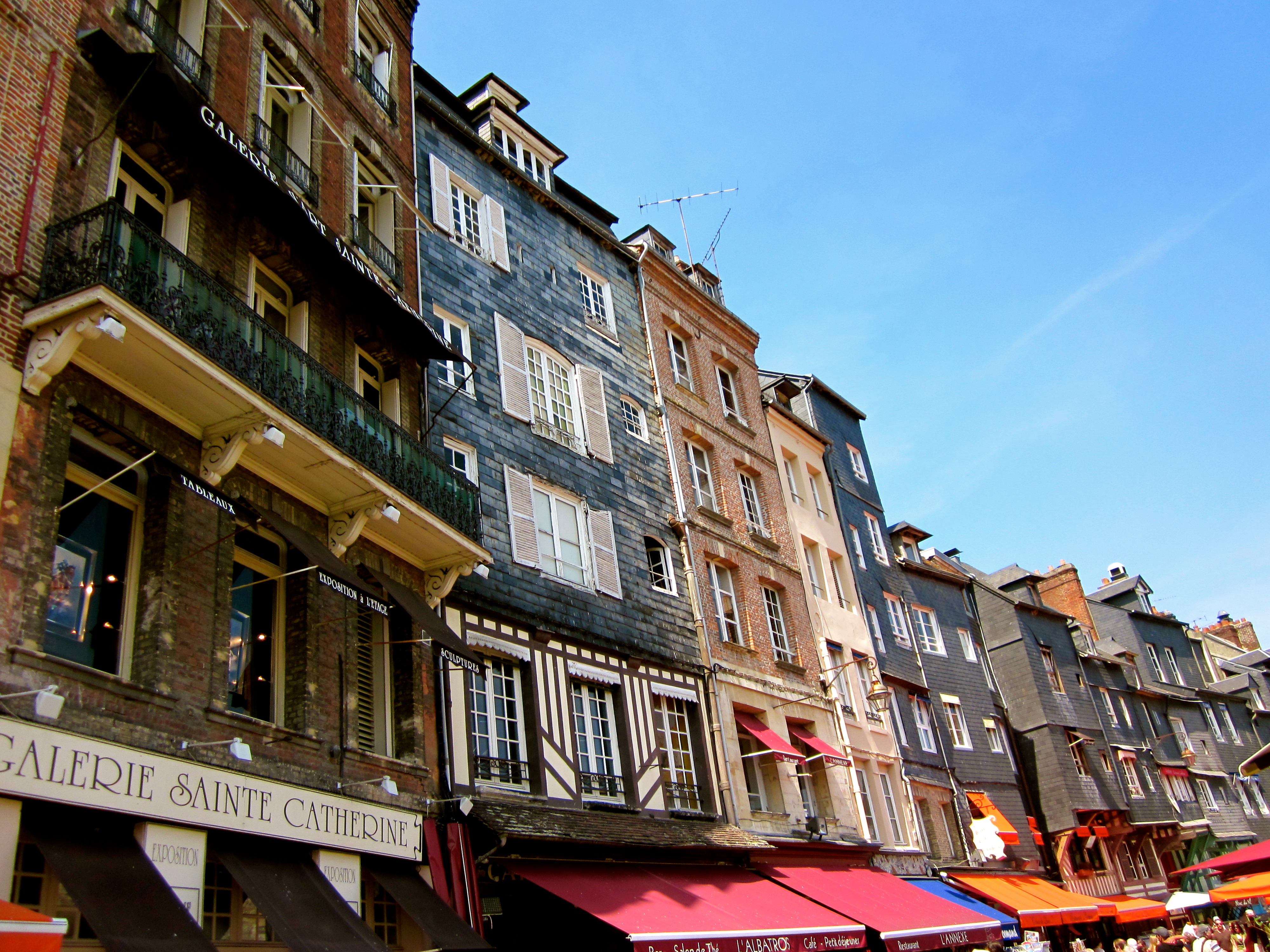
soaring skinny houses crisscrossed
and slanted
smashed together
on purpose
climb atop the steep knoll
view le vieux port
the English Channel and the Seine
all at one time
straddling it
the bridge to tomorrow
Normandie’s silver harp
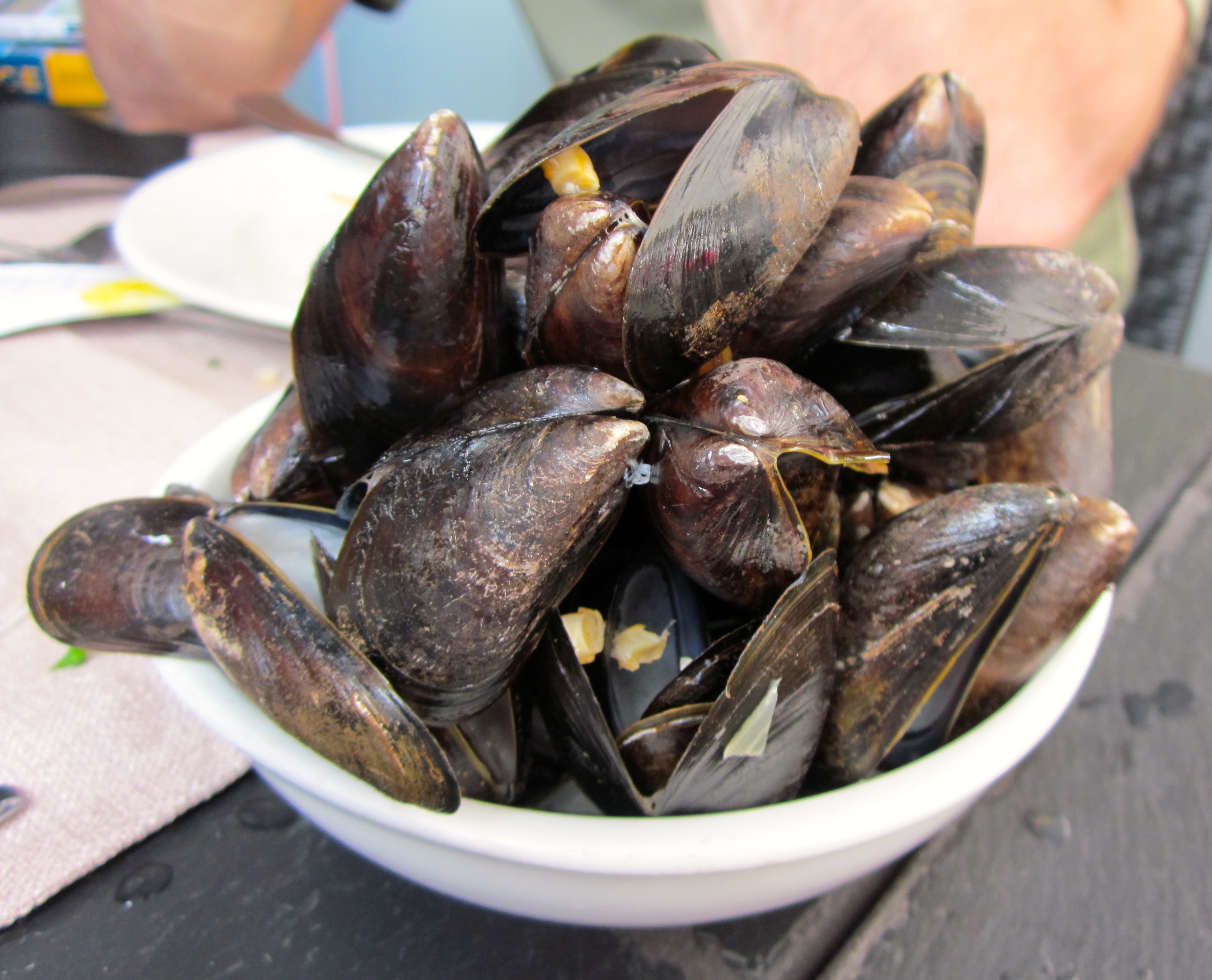
fruits de mer
and black muscles
crack
balls of apple glace
swimming in Calvados
tarte tatin
turned upside down
seafaring chapels eager to float
anchors and flowering croix
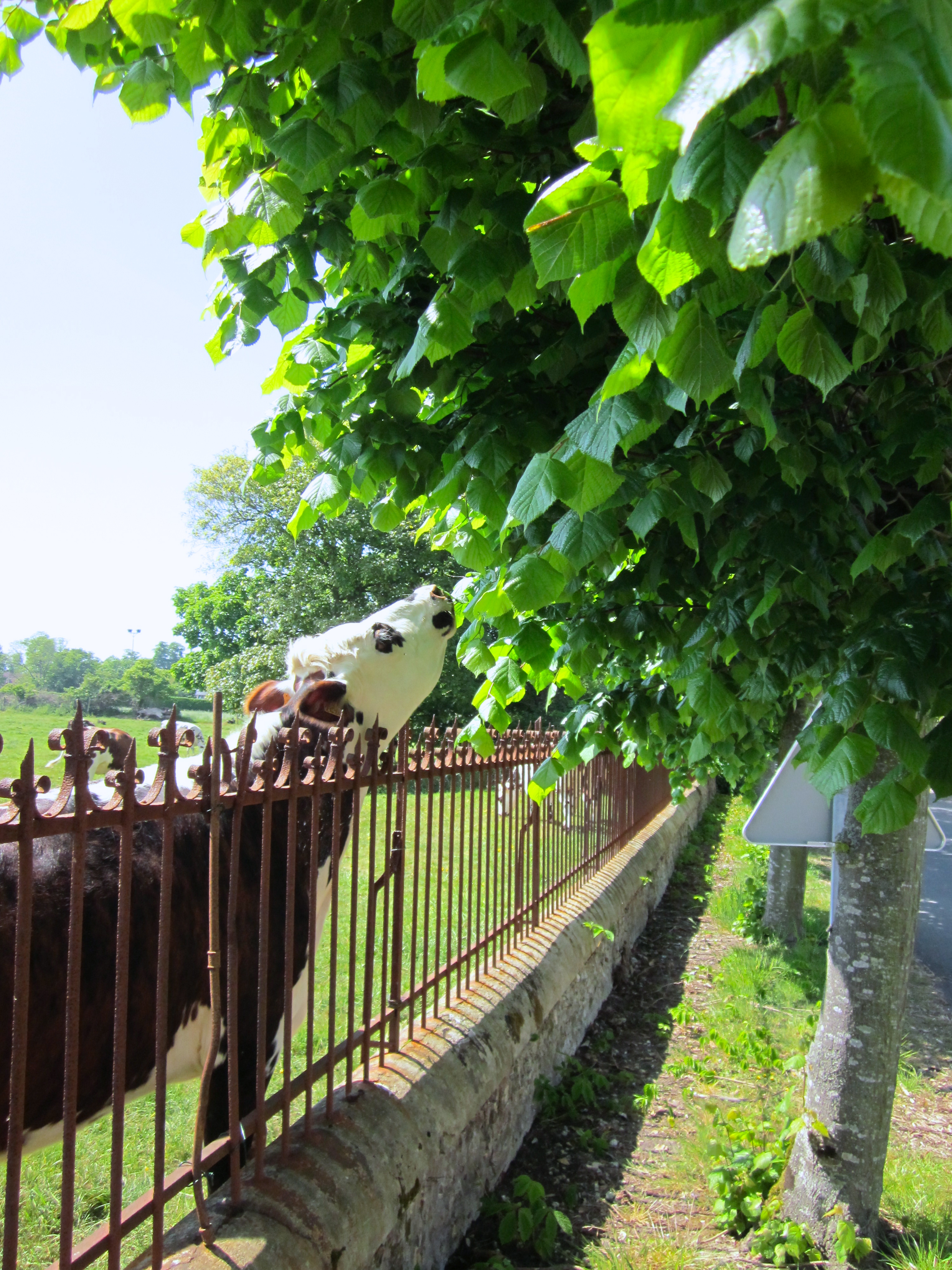
glorious cows
startling tongues
longing to plant kisses
on their noses
beyond the fence
artists past and present
remember to paint
vibrant sizzles
hankering for shorts
as the bridge went up
and the sailboats
went under


Jun 30
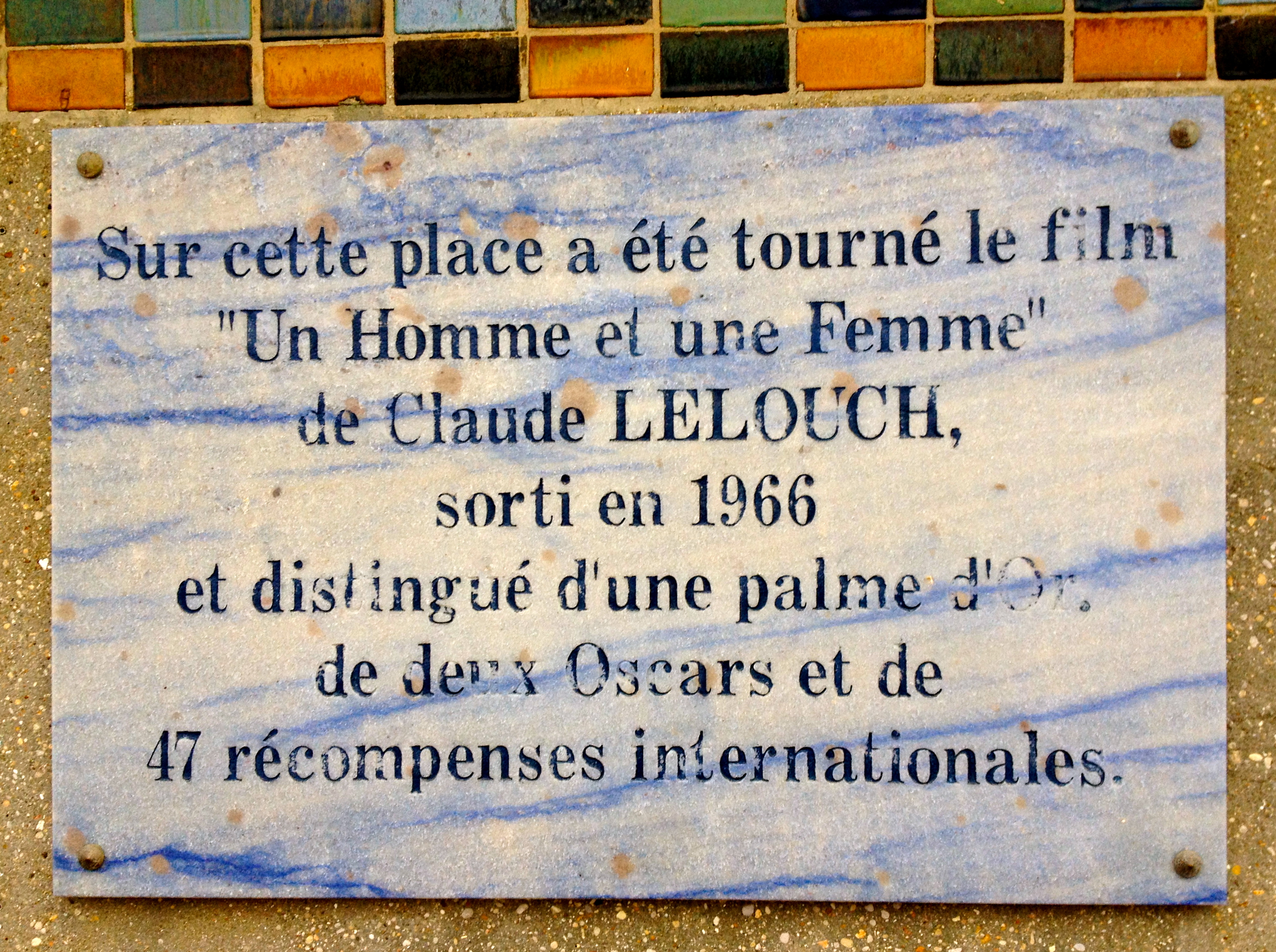
The wide golden seashore in Deauville plays a leading role in Un Homme et une Femme, the 1966 French film by Claude Lelouch that won nearly 50 international awards (including the Palme d’Or at Cannes and the Oscar for Best Foreign Language Film). It also led to decades of romantic road trips and rendezvous to this famous seaside town. While strolling along the storied boardwalk last evening, I came across this plaque, and was reminded that I needed to rewatch this classic romance with the impossibly gorgeous and very French Anouk Aimée.
If you haven’t seen the film, I am sure your subconscious is familiar with the ba-da-ba-da-da-da-da-da-da-ba-da-ba song by Francis Lai and Pierre Barouh which nips in and out of scenes throughout the film.
If you have seen it, as most good Francophiles have, you will remember that much of the film is told wordlessly through either very dramatic action, or through hearing the characters’ thoughts as they talk themselves through life. Watching it again this morning, it was hard not to giggle and I still haven’t shaken the da-ba-da-ba-das from my brain. If you need to swoon and grin and want a groovy soundtrack to carry your day, take a look at this celebrated beach scene from the strands of romantic Deauville. Bonne séance!
Jun 29
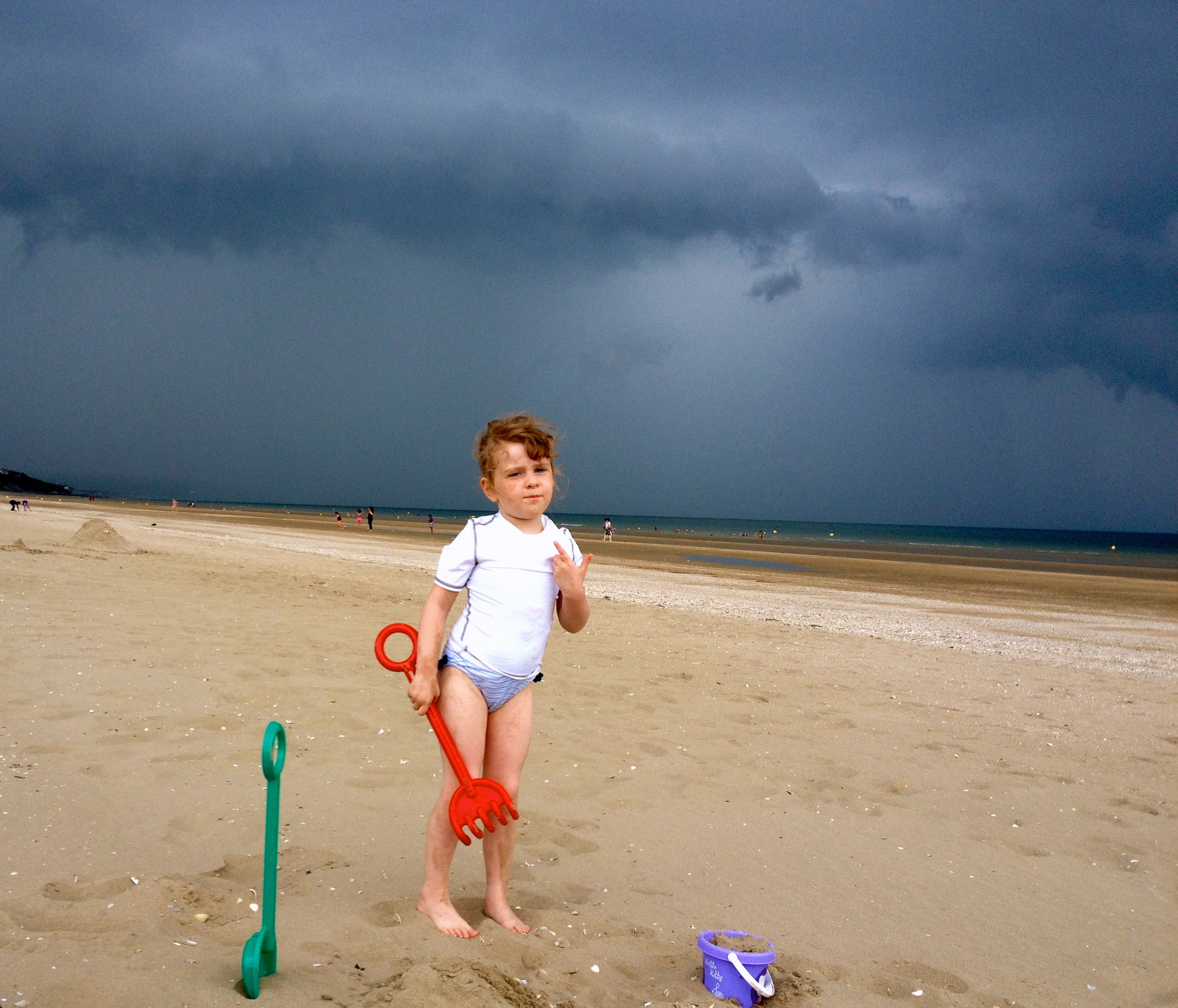
 We are wrapping up our quick getaway to the “Normandy Riviera”. It has been a lovely sojourn to celebrate Button turning 18 and the visit of a very dear friend and her 4-year-old fille. While the weather has been cool and grey, we have had a few hours of bright sun showers and sandy beach excursions followed by ominous, Armageddon skies, massive rain fall, and mad dashes across the notoriously wide strand in search of temporary shelter.

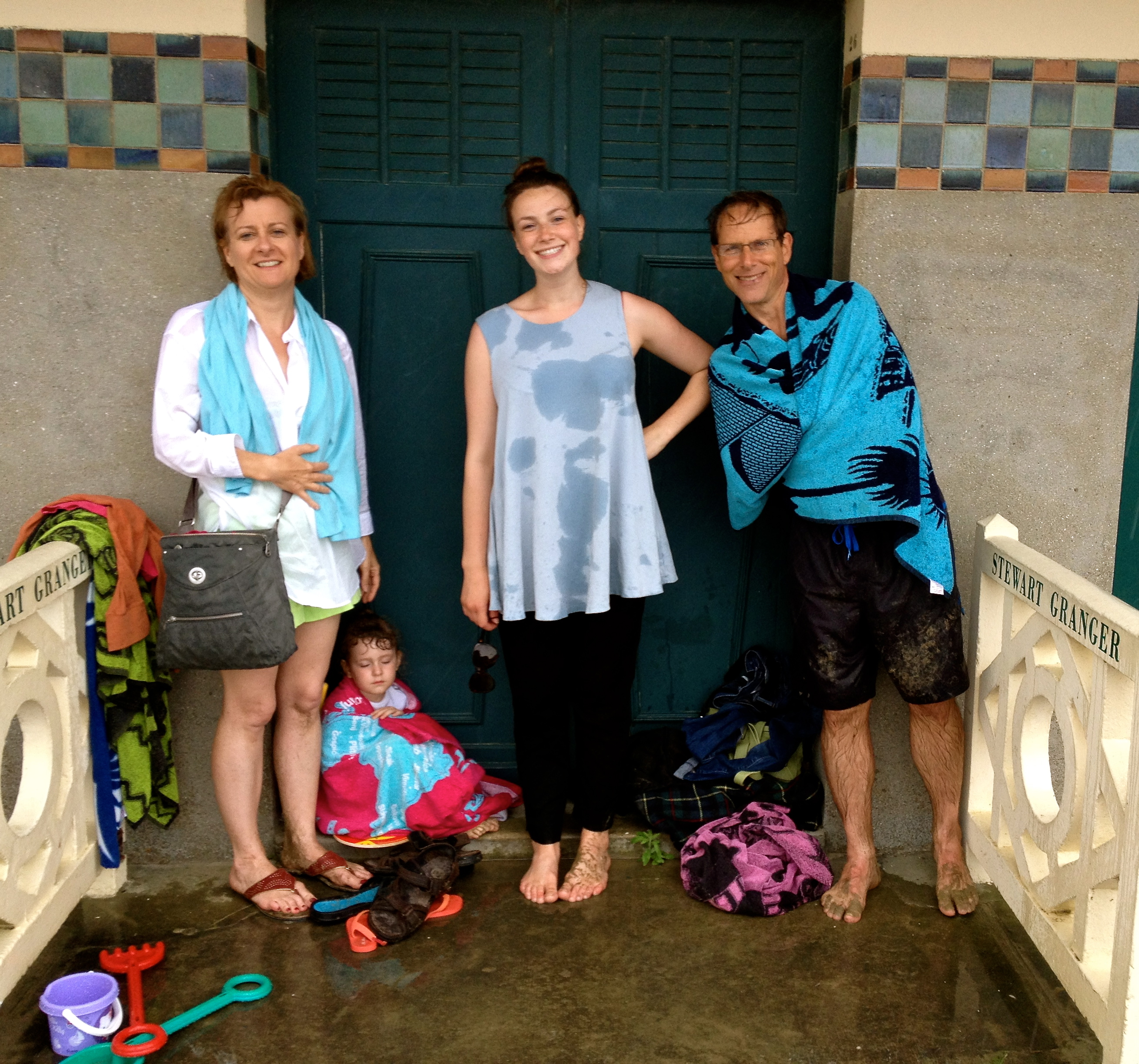 Still it has been well worth taking the quick (and inexpensive) hop to the fashionable seaside town of Deauville and the funky and family friendly beach town of Trouville. Separated by a tiny inlet that depending upon the hour and the tide, can be traversed by a wooden footpath or accessed exclusively by a water taxi, these sister cities are a perfect pair.

Deauville is the glamorous sister frequented by film stars, polo and horse-racing enthusiasts and high-stakes gamblers, while Trouville is the hip, but retro sister—a working fishing port, eulogized by artists and writers. Both towns offer the visitor a chance to lose themselves in the days of la Belle Époque. A Woody Allen movie in the making, the seaside towns are bursting with over 600 buildings protected as historical monuments. The lovely half-timbered houses so common in Normandy are complimented by the grand Art Nouveau casinos and Baroque-style buildings.

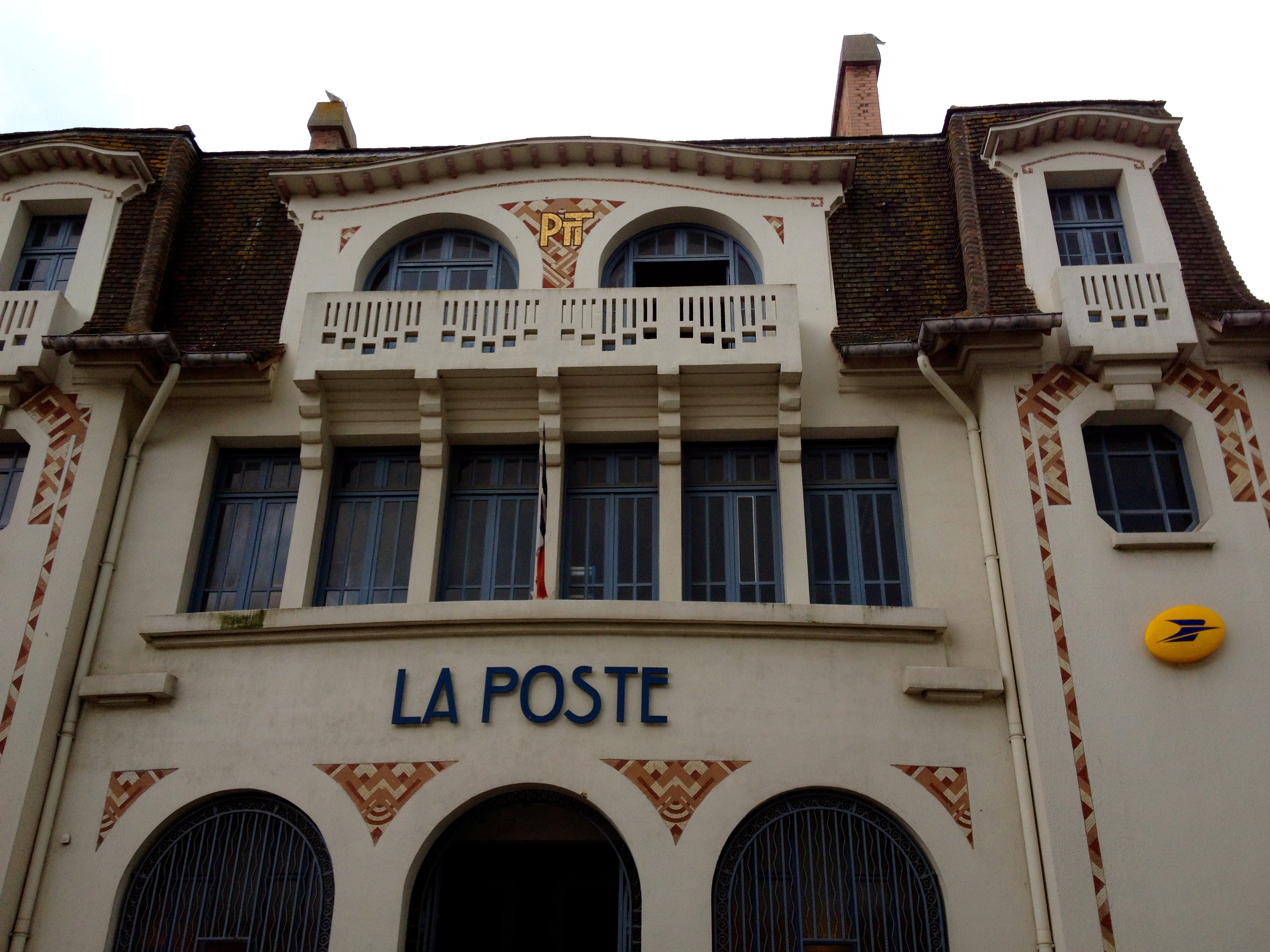

It is easy to imagine the Paris smart set roaring into town in the 1920s and strolling Deauville’s famous boardwalk, disrobing in the individual beach cabanas and sunbathing in their scandalous swim costumes under the expanse of multi-colored parasols. How I would love to go back in time and walk the wooden-planked promenade or sit among the deck-chairs and umbrellas and admire the spectacle.

Coco before she was Chanel (as you may remember from the movie) came to Deauville with her lover in 1913 and was so taken with the possibilities for dressing the beach, yachting, polo and racecourse crowd, that she was inspired to design a line of easygoing and wearable vêtements which she would eventually sell at her famous boutique in town. These days, Deauville is still considered a sophisticated shopping destination and continues to be a chic town packed with haute couture boutiques and stylish diversions.


Trouville, as I mentioned, is the more laid back sister, less expensive and super groovy, frequented by families and colorful bands of primary students exuberantly enjoying their first day ever on the long swaths of soft golden sand. The maritime town radiates the energy of the daily life of fishermen and sports one of the most interesting fish markets I have come across in France.


The connection to Trouville’s past can be seen in the many en plein air Impressionists painting inspired by sunbathers, dinghies, sailing boats and seascapes. Impressionist artist such as Boudin, Monet, Sisley and Pissarro flocked to Trouville (and Deauville) to capture the holidaymaking, harbor and stormy skies and Proust, Flaubert and Marguerite Duras all found inspiration in this fisherman’s village.
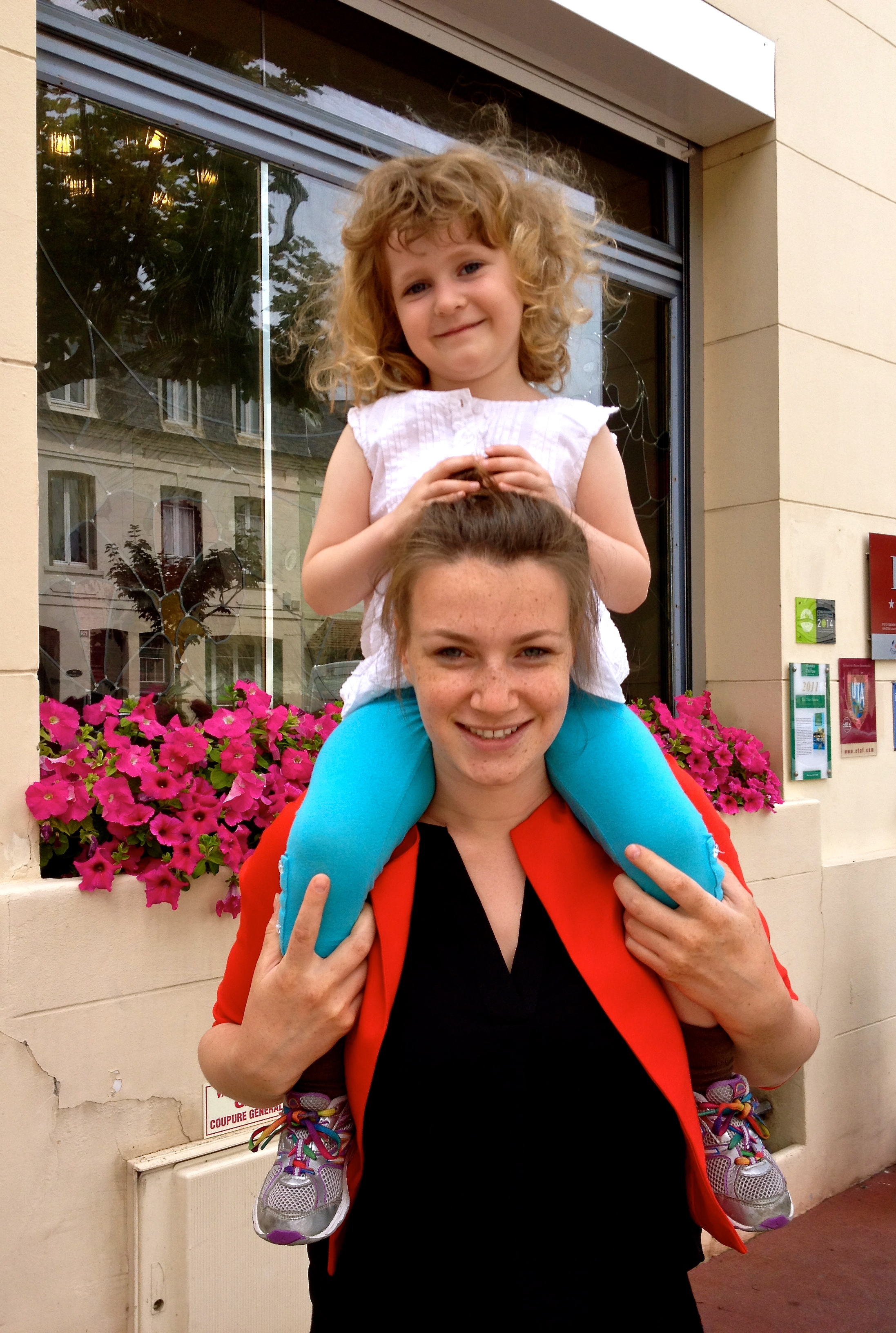
There are still plenty of artistic offerings in each town and I loved them both. If you are planning a trip to Paris and are the nostalgic sort fascinated by the Golden Age in France, I would highly recommend taking a detour to these sister cities.
Jun 27
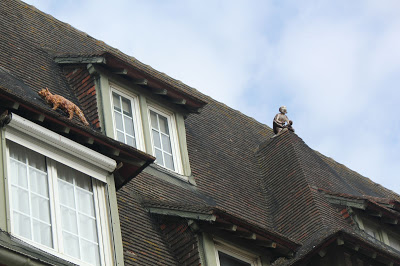
We are enjoying a relaxing, albeit extremely foggy and cool sojourn in Deauville. The rooftops are magnificent in this old school beach resort and I am charmed by the ceramic felines creeping about the gables and tiles.
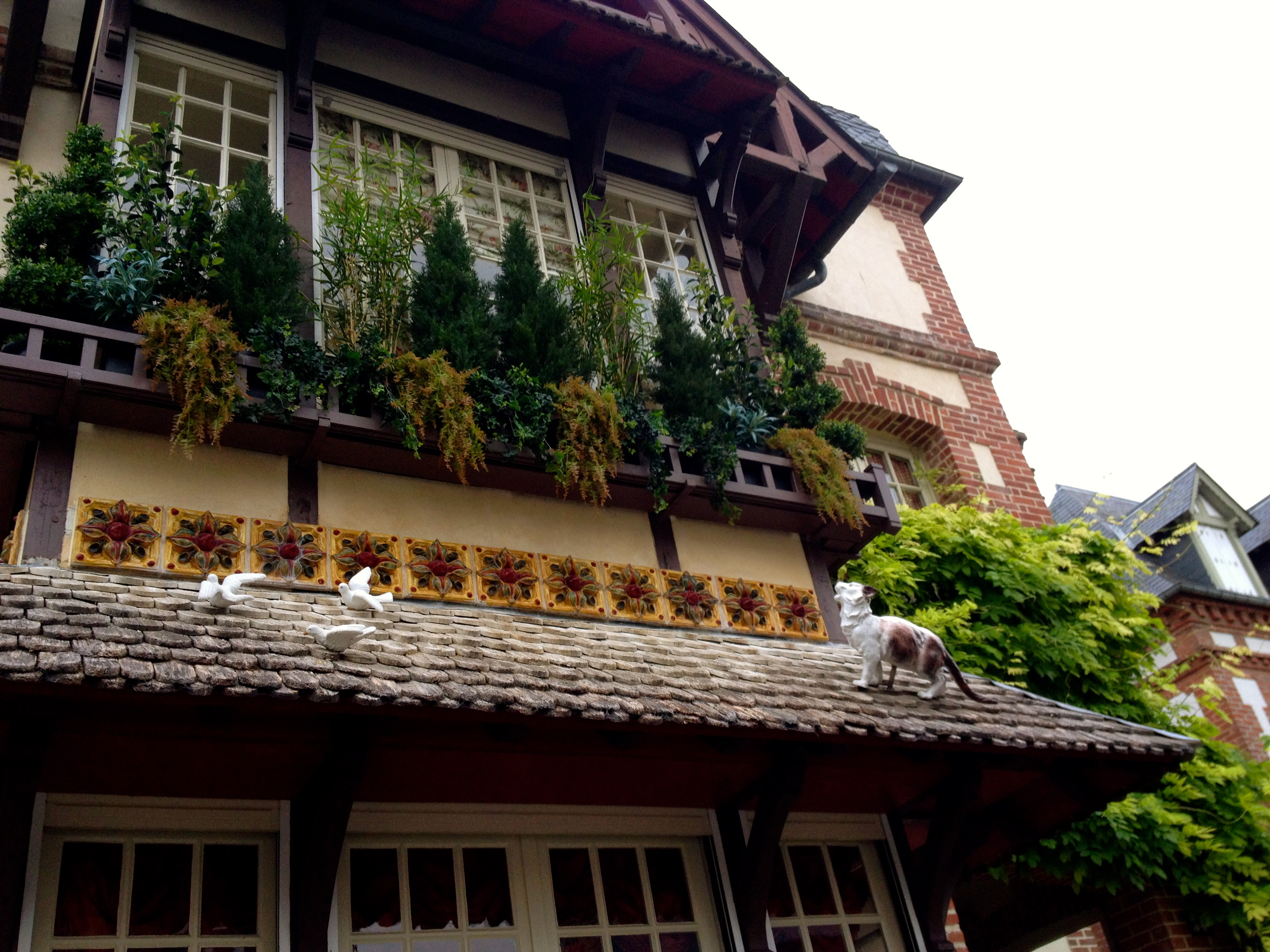
I am guessing they are there to keep the seagulls and pigeons at bay, but there has to be a more enchanting tale, nest ce pas? I have scoured the web but have yet to find a beguiling yarn. Does anyone know the legend of the cats (and squirrels) on the not-so-hot roofs of Deauville?




 365+ Things I Love About France