No. 219: One More Reason Bordeaux Makes Me Smile
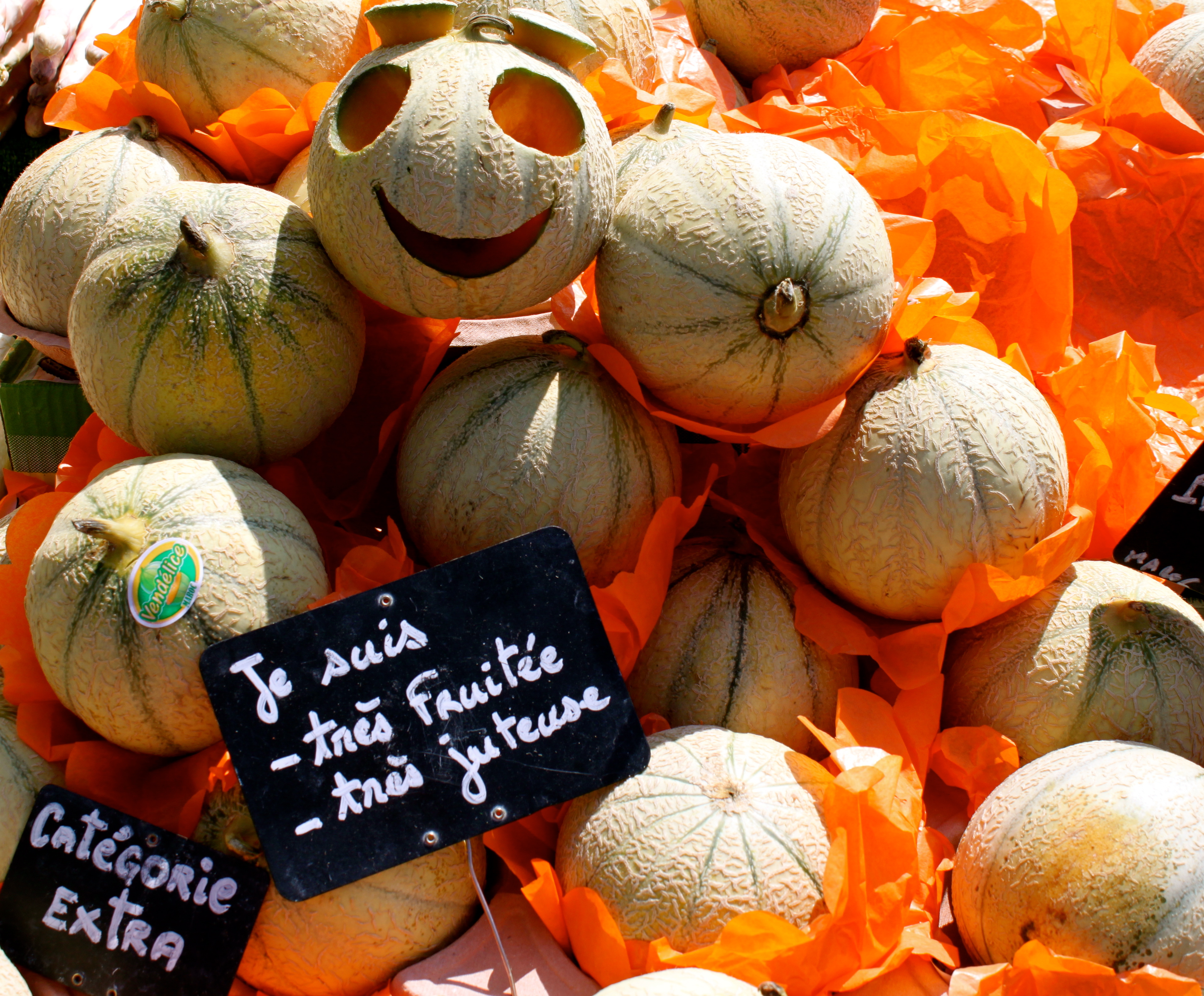
It’s all smiles on the Marché des Quais…thanks to a very friendly English vendeuse and her melons…
Apr 25

It’s all smiles on the Marché des Quais…thanks to a very friendly English vendeuse and her melons…
Apr 25
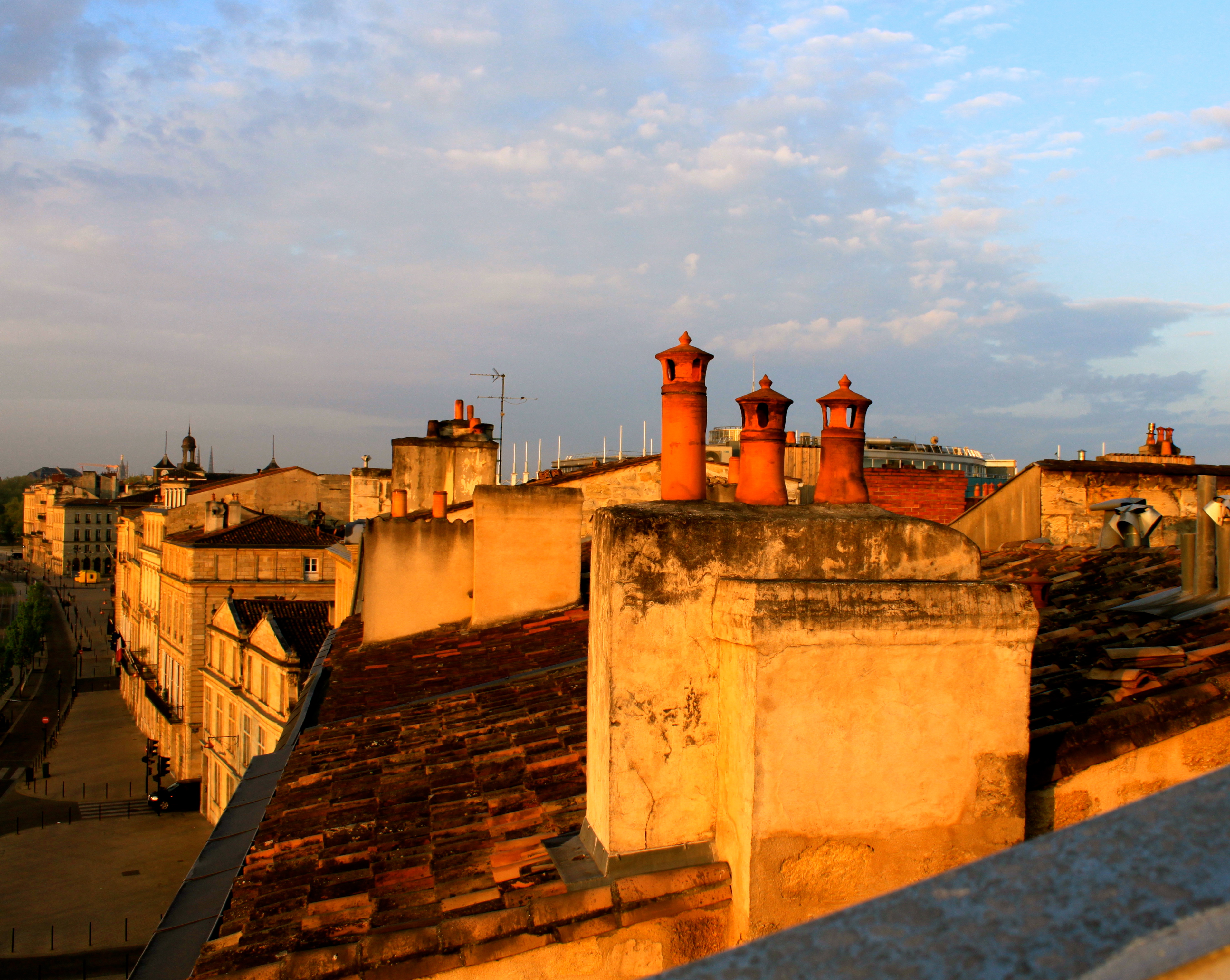
We are just back from our warm and relaxing trip to Bordeaux. I fell in love with la perle d’Aquitaine, as Bordeaux is known, and hope that sometime in my life I get to spend at least 365 days there. At the moment, it is the newest bee in my bonnet.
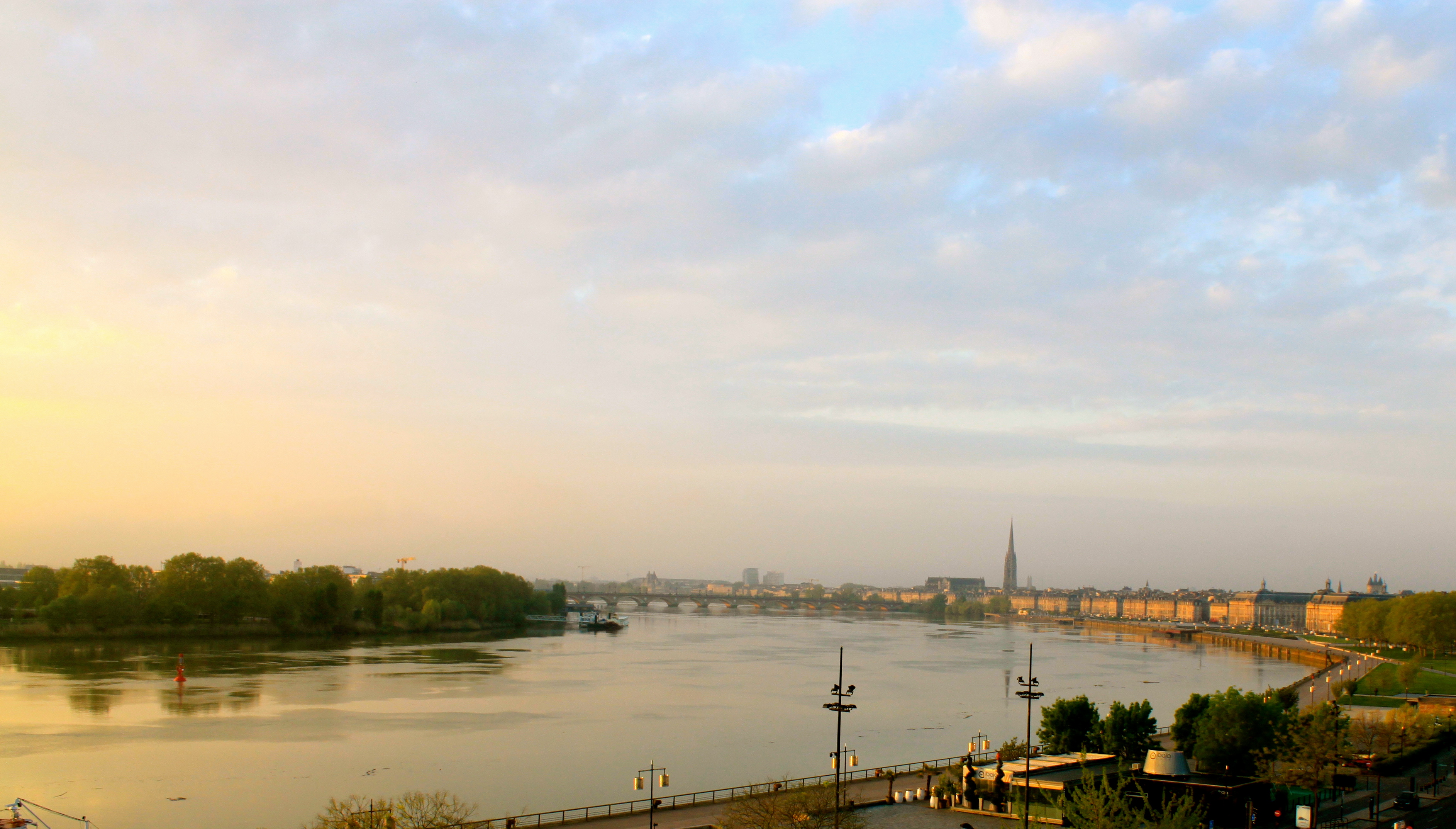
Bordeaux is France’s ninth largest city (with the sixth largest metropolitan area) and is the first French city Superman could see himself living in for the long-term. Three particular aspects of the city sealed the deal for us: the laid back, sporty, friendly and slow-speaking Bordelais(es), the fresh, multipurpose boardwalk, and the balmy, sunny weather.
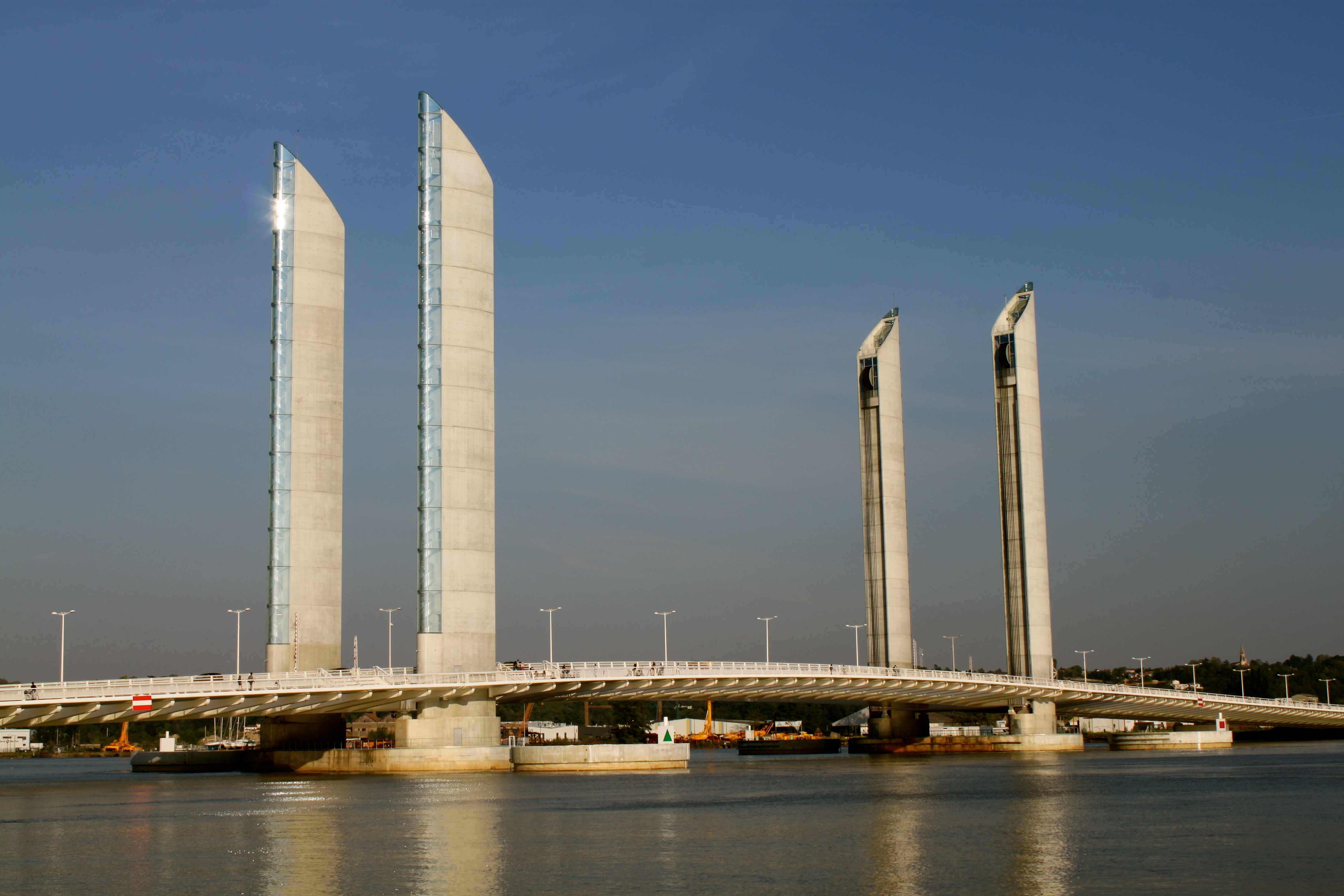
We were lucky to stay in a riverside apartment with a terrace in the charming Chartrons district near the historic UNESCO World Heritage part of the city and found that its inviting squares, funky neighborhoods, and lively markets made it the ideal city to meander through both on foot and bike. The city, famous for wine, is like a fine wine itself, offering the perfect balance of ageless grandeur and architecture, fresh, modern tones and more than a hint of fruitiness and fun.
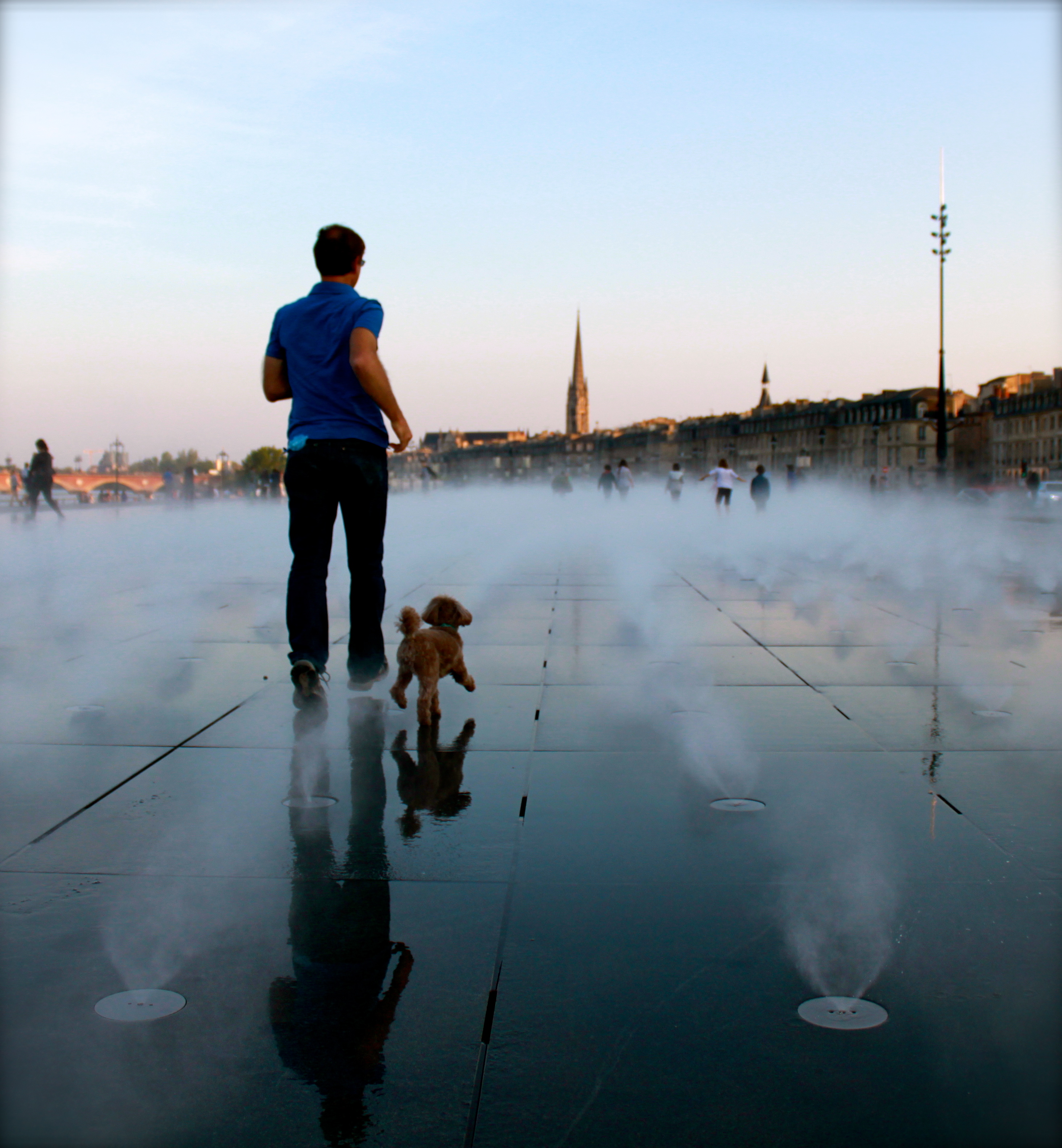
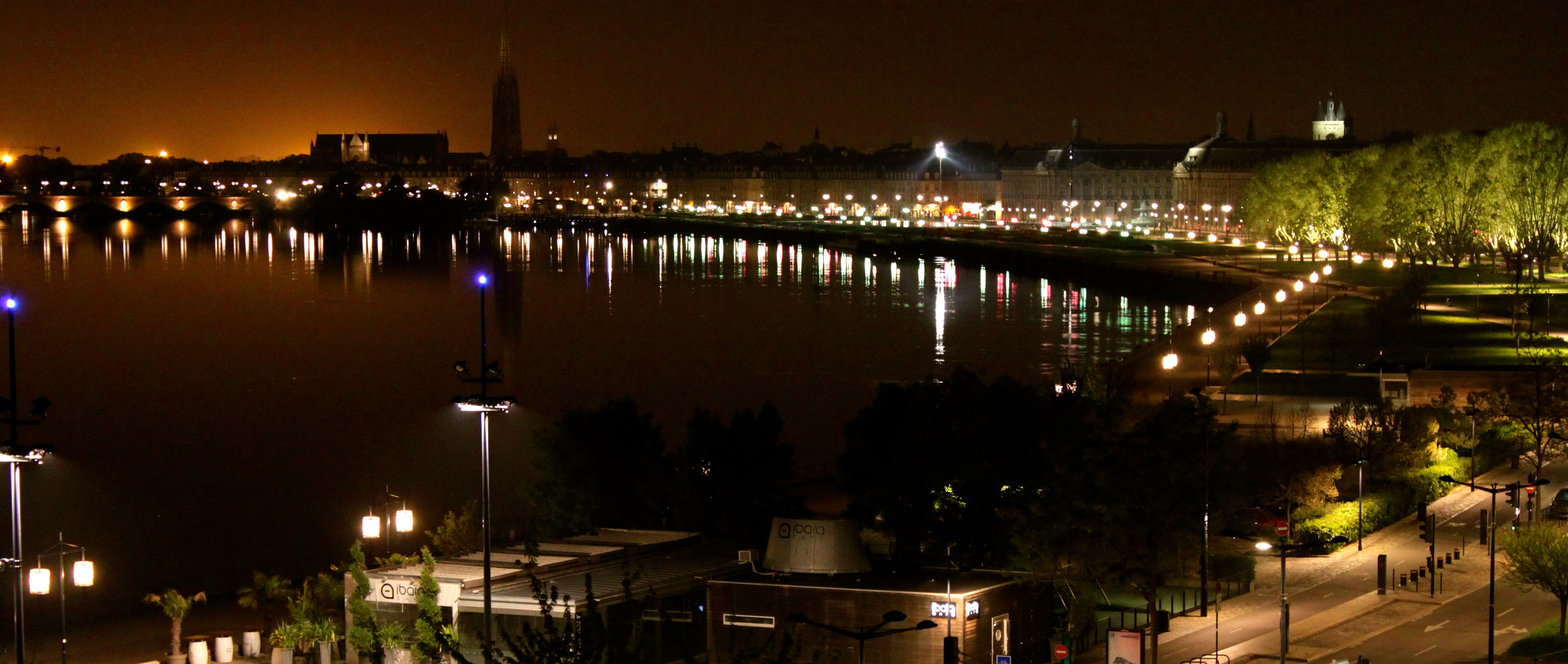
I posted earlier about what I’m calling Bordeaux’s Saint Marc’s Square, but is in fact called the miroir d’eau (water mirror). In my opinion, this central feature of the boardwalk lining the Garonne River is one of the most striking urban sites in France reflecting both the joyful heart of the city and the impressive Palais-de-la-Bourse. The boardwalk is a spot for young adults, extended families, casual wanderers and serious athletes all pulsing in sync. Rollerbladers duck and zoom, runners pant and croon, old couples hold hands and beam, youngsters scoot and skip, furry friends wrestle and romp, and vélos roll by, their cheery chimes announcing their approach.


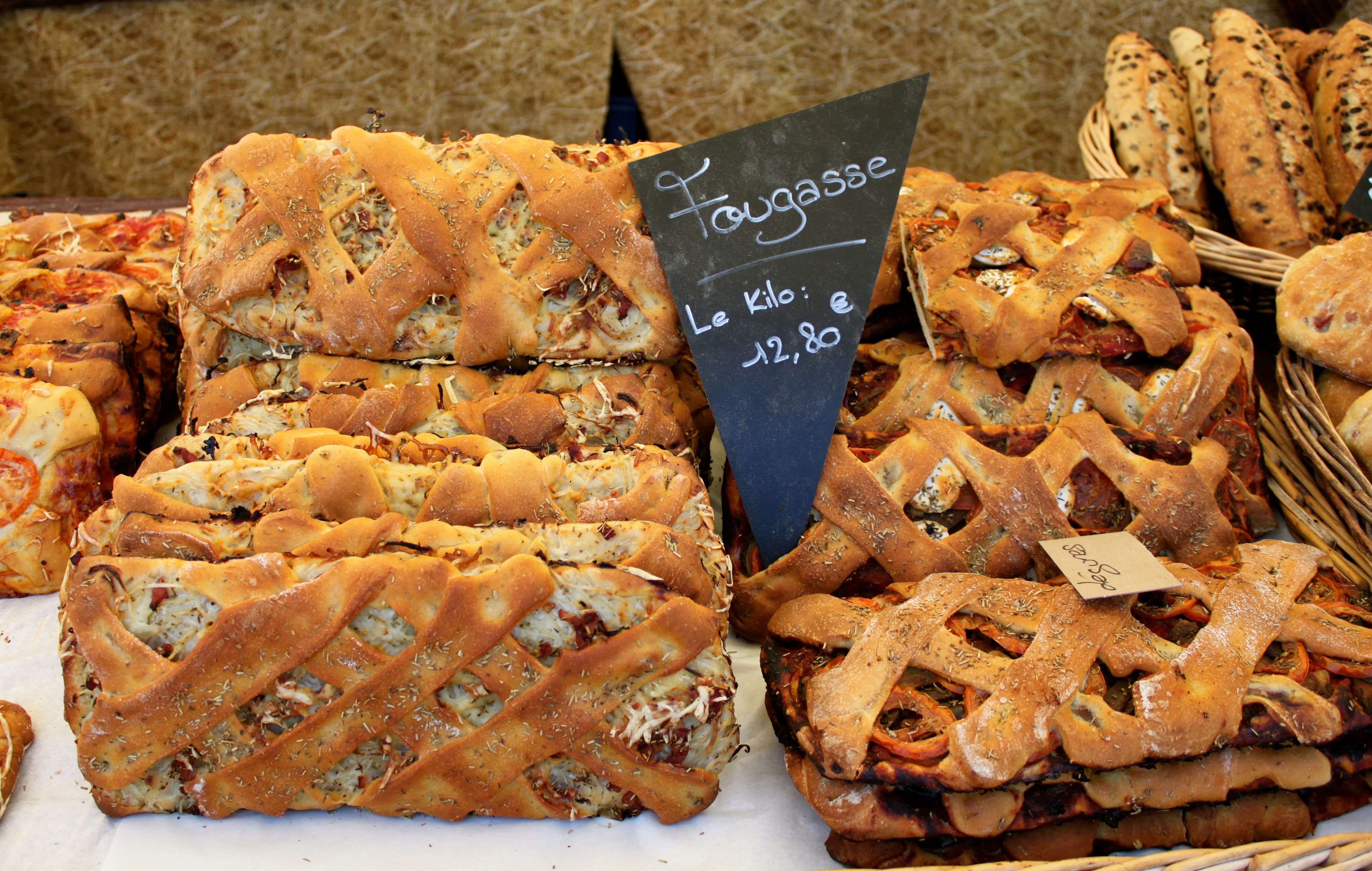
The city boasts numerous outdoor cafés, lots of spots for picnicking, live music jams, colorfully clad open-air tangoing, first-class museums, gorgeous architecture, fresh seafood (yummy oysters) and haute cuisine, and of course, caves for tasting the region’s wine. There is also an excellent farmers market on Sundays (Marché des Quais) selling all the usual suspects along with some of the unusual and distinctively Bordelaise spécialités. Comme ça:
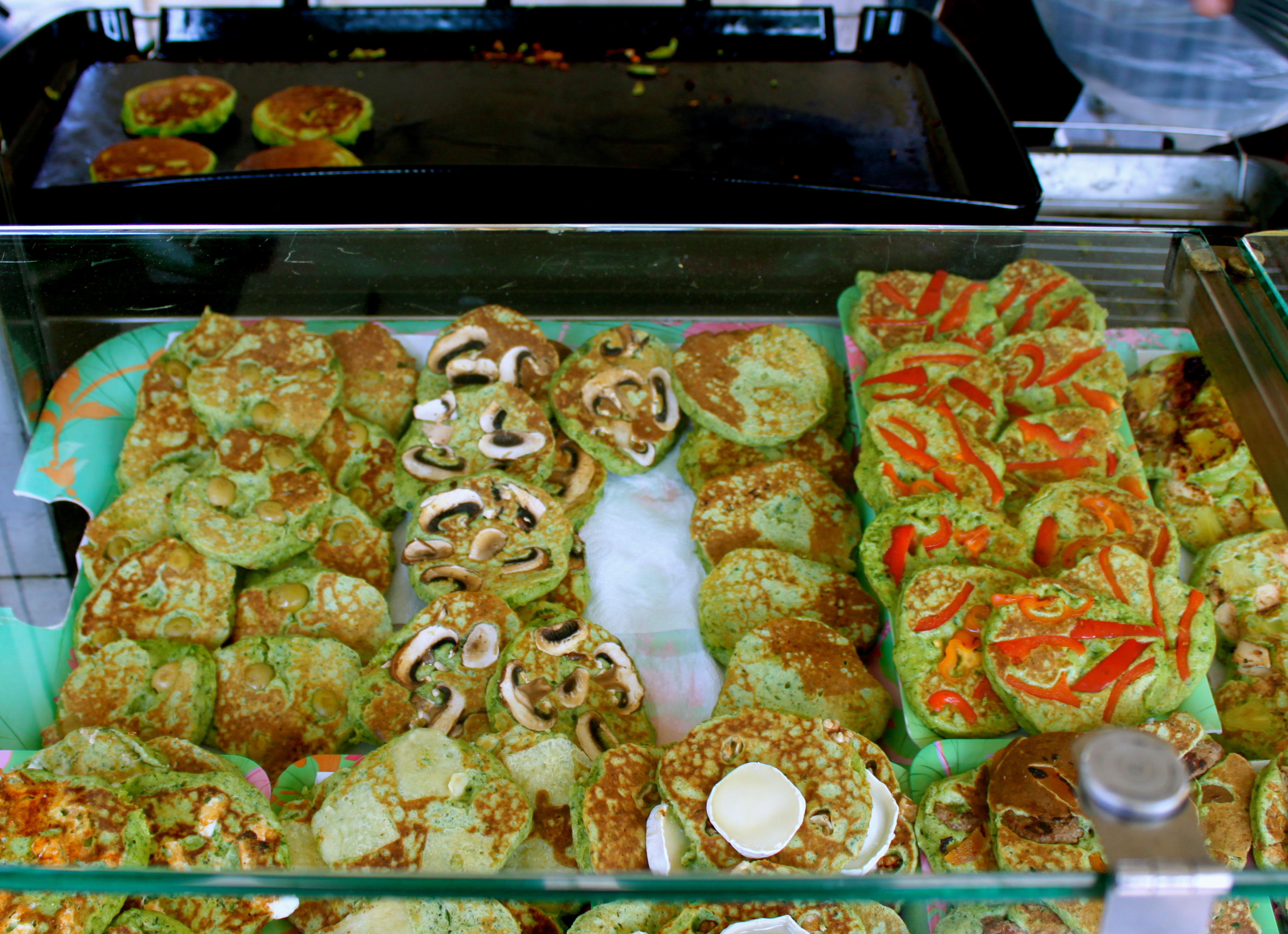
Farcou (herb pancakes) 3/5€ or 7/10€
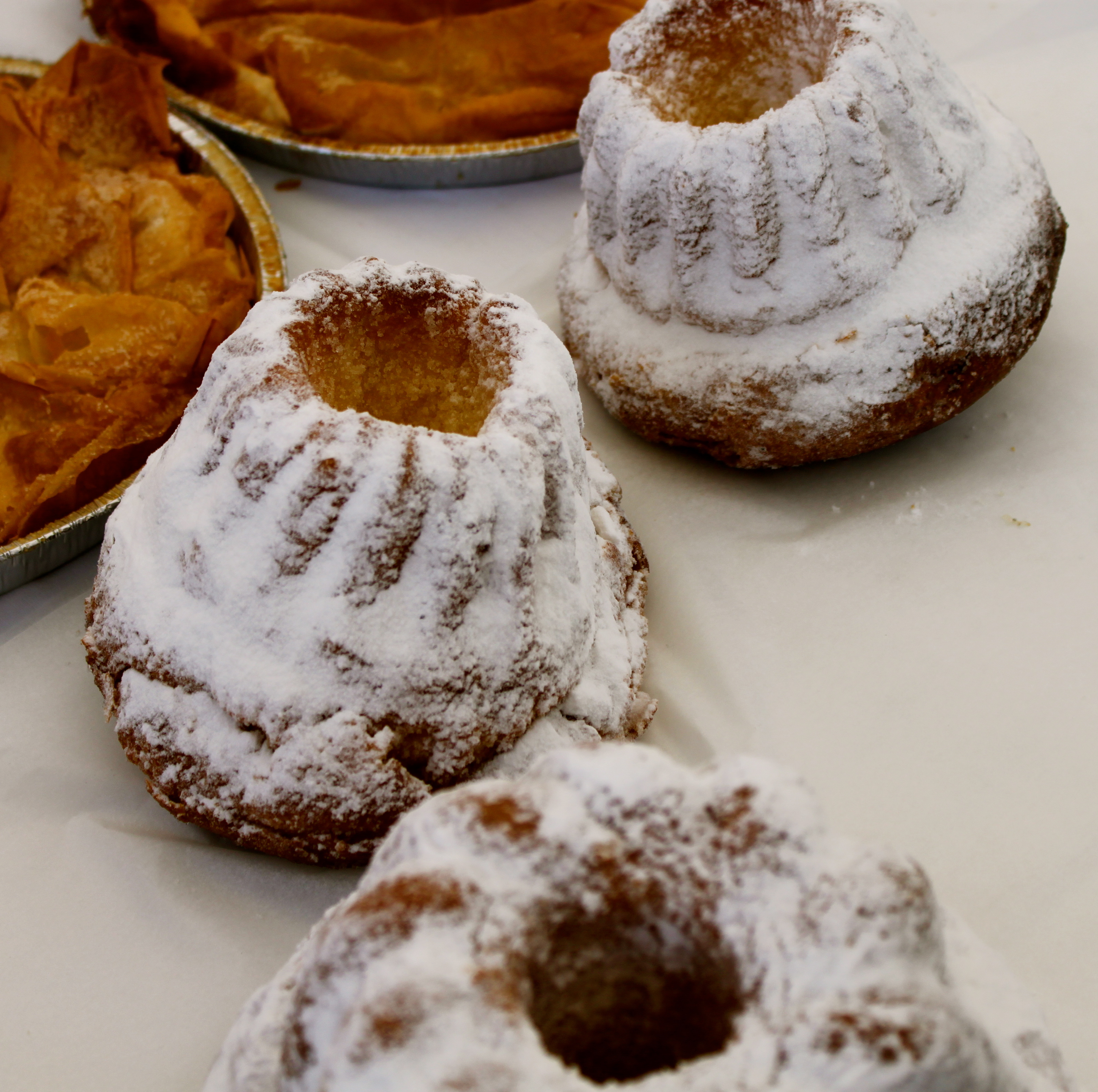
Kongloff…giant brioche cake with powder sugar
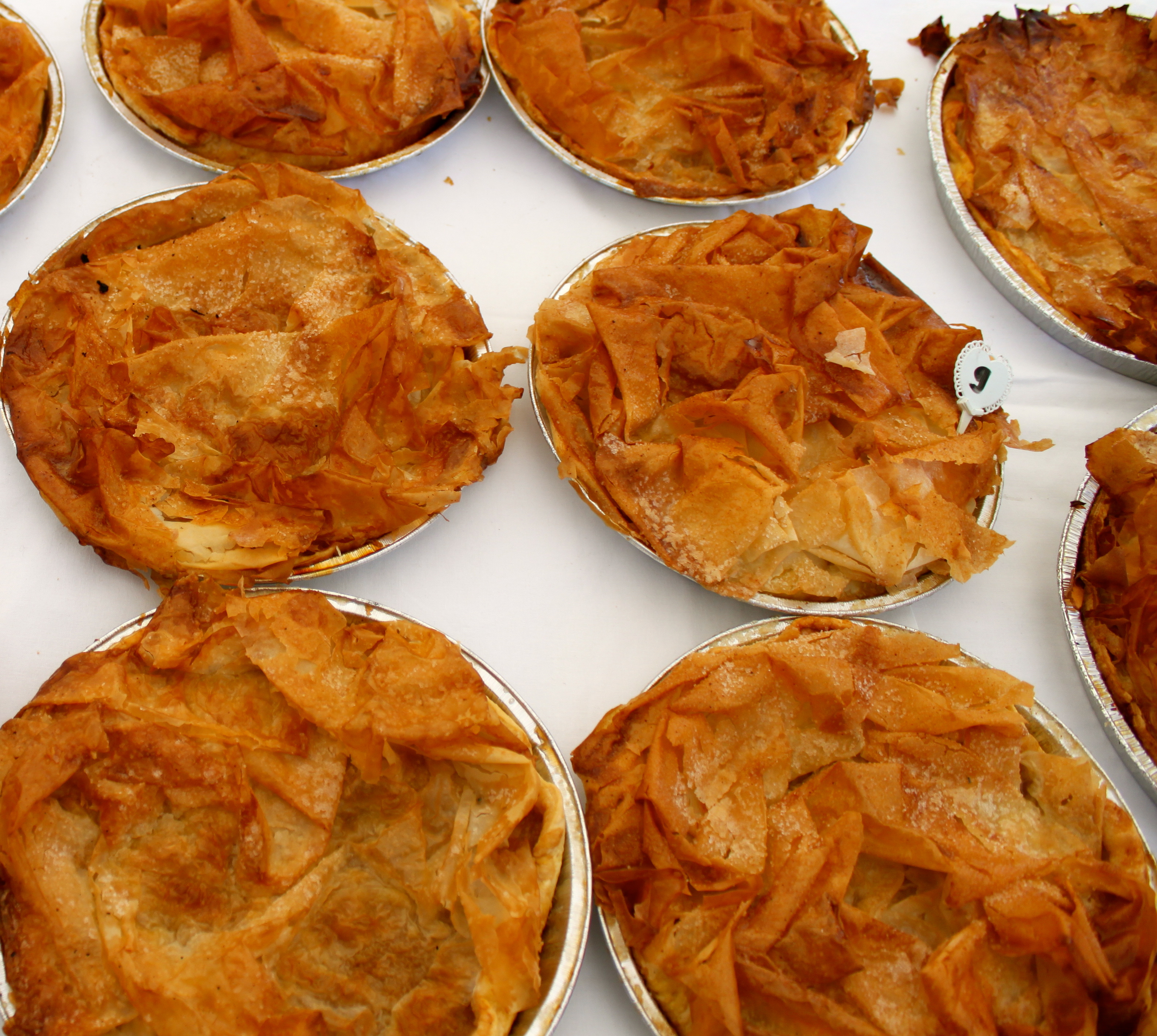
la petite croustades…filo, apples sauce and almond paste…
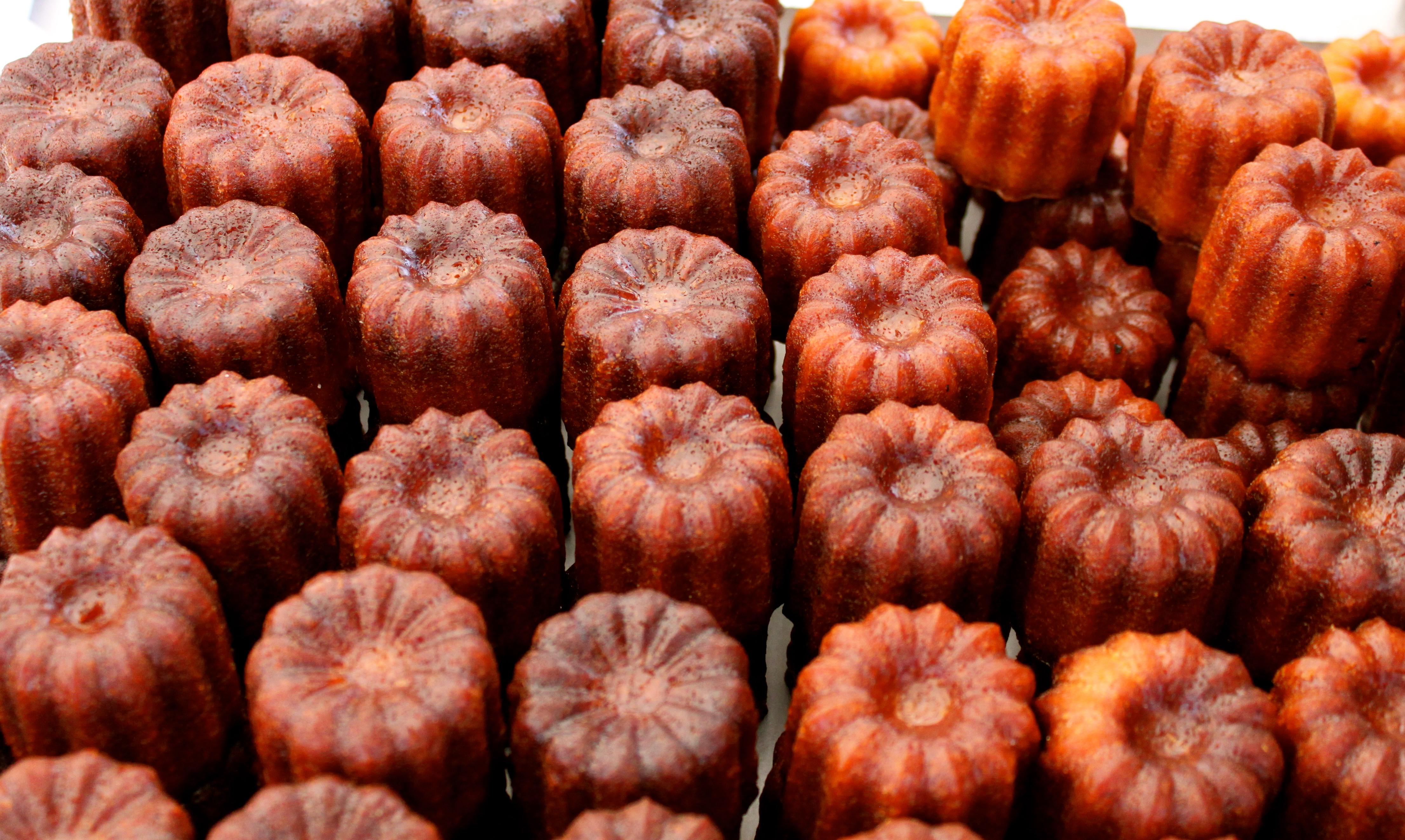
caneles de Bordeaux
As you may have noticed, I am totally smitten with Bordeaux and this region of France. The sparkling pearl of Aquitaine has a little something for everyone and is quite effectively enticing this Parisphile south…
Vocabulaire
Bordelais(es): people from Bordeaux
caves: wine cellars, storage space
Comme ça: Like this:
la perle d’Aquitaine: the pearl of Aquitaine (the Aquitaine pearl)
spécialités: specialties
Apr 24
In water one sees one’s own face, but in wine one beholds the heart of another…

Of course, the main reason to make the trip to Bordeaux is to taste, savor and purchase the regions fermented gold. The wine certainly is divine là-bas, and we did our fair share of goûter(-ing) some very fine wine in Bordeaux and the surrounding areas.
I already have a formidable Bordeaux wine connection à Paris (my sweet friend, Hélène), and I was excited to visit some of her recommended vineyards. Per her advice, we started our tasting in the Médoc region at the Château Maucaillou Moulis-en-Médoc.

Maucaillou, short for mauvais cailloux or bad pebbles, as the farmers of the Middle Ages deemed the land on which they could not get their important cereal and grain crops to sprout no matter how hard they tried, turns out not be such a bad patch of land. In fact, the mauvais terroir has become the perfect environment for producing some “highly expressive” wines. And, Chateau Maucaillou is the perfect place for a novice to learn about grapes, terroir, aging and tasting. The Château offers a 30-minute film (with English subtitles) explaining the winemaking process from field to bottle, followed by a tour and a (limited) tasting.


From Médoc we headed to a couple of other appellations, Pauillac and Margaux and sampled some more world famous wines. In Margaux we stumbled upon a small cave hosted by an amiable vintner who introduced me to the appellation, Saint Julien-Beychevelle, and the first wine that I have ever gone gaga for. En franglais, she patiently explained the unique and surprisingly complex terroir of this particular appellation and château that gives the wines so much character. After tasting three different offerings (and after three years of dropping in and out of wine tasting courses), I finally had an “ah-ha” moment, and completely flipped for a 2009 Château Moulin Riche. I don’t have the kind of money to become a wine snob, but if I did, the Moulin Riche is where I would be hanging out.

As it was, I talked Superman into buying one bottle for a special occasion, and we continued on through the rolling hills and vineyards along the rivers of Aquitaine. En route we visited the Louis Vuitton’s teensy-weensy château and mugged for the camera on his family home’s doorstep. We sampled some Frank Phélen from Saint-Estèphe, and ended the day with some heavenly full-flavored Pomerol mis en bouteille au Chateau Sablard du Grand Moine.

It was a perfect day in every way. I’m not sure how I came to be living this remarkable life. But I am grateful for every day, every hour, and every single minute. This break in Bordeaux’s wine country was certainly no exception. Chin chin Superman! Thanks for all you do and all you bring to our life in France.
When the modest pomme de terre arrived in Europe via the Andes Mountains in the 1500s, much like corn in modern day France, they were used only to feed hogs. They were also thought to cause leprosy.
However, in 1772, Monsieur Parmentier, a chemist by training, seeing the benefits of nourishing the famished masses with this compact carbohydrate, came up with a peculiar plot to trick the French into eating this humble tuber.
His plan? To plant a field of potatoes in the outskirts of Paris. His trick? To have arm guards watch over the crops in the daylight, and leave them unprotected when the sun went down. Convinced that the crop in the mysterious field must be valuable, the curious Parisians began to steal the potatoes under the cover of darkness and realized they were pretty darn good for dinner (and lunch and breakfast, I assume).


These days, I can’t imagine French cooking without potatoes. So many French dishes feature or are complimented by these earth apples, and parmentier, pronounced par-maan-tyé, is now used as an adjective to refer to mashed or boiled potatoes in some recipes.
I first became interested in Monsieur Parmentier when my friend Hélène served a delicious Parmentier de Confit de Canard at one of her winetasting. After several months of bugging her for the recipe, she invited a few of us over for a quick cooking lesson from a busy French woman’s kitchen.
This is when I discovered that French women are full of all sorts of secrets and shortcuts that make them seem super human in the kitchen when, in fact, they are mere mortals. In less than 2 hours we had prepared, cooked and eaten a perfect and delicious Parmentier de Confit de Canard accompanied by a fresh green salad and a lovely bottle of wine.


So what is the secret? A couple of hints: you won’t find the answer at the butcher’s, but you will find it at your local super marché; no need to head to the milkman’s—no butter, milk or crème fraîche required.
Now keep this on the low down, but the answer comes in a tin.


Only in France can you find a large can of duck legs perfectly preserved in their fat. Add one of Monsieur Parmentier jewels per person, and some garlic powder, and voilà! Parmentier de Confit de Canard Express.
Vocabulaire
Parmentier de Confit de Canard: a dish similar to shepherd’s pie, consisting of a layer of shredded roasted duck legs topped with a layer of mashed potatoes baked briefly at a high temperature to form a golden brown crust on top.
pomme de terre: potatoes; literally earth apples
super marché: supermarket


 365+ Things I Love About France