It is summertime in France and the open markets are bursting with color and flavor. Since barbecuing is technically illegal in Paris, given the fire hazard and all….we have to head to our local restos to get a plate of perfectly grilled vegetables. But nothing tastes better on a long summer’s night. Don’t you agree?
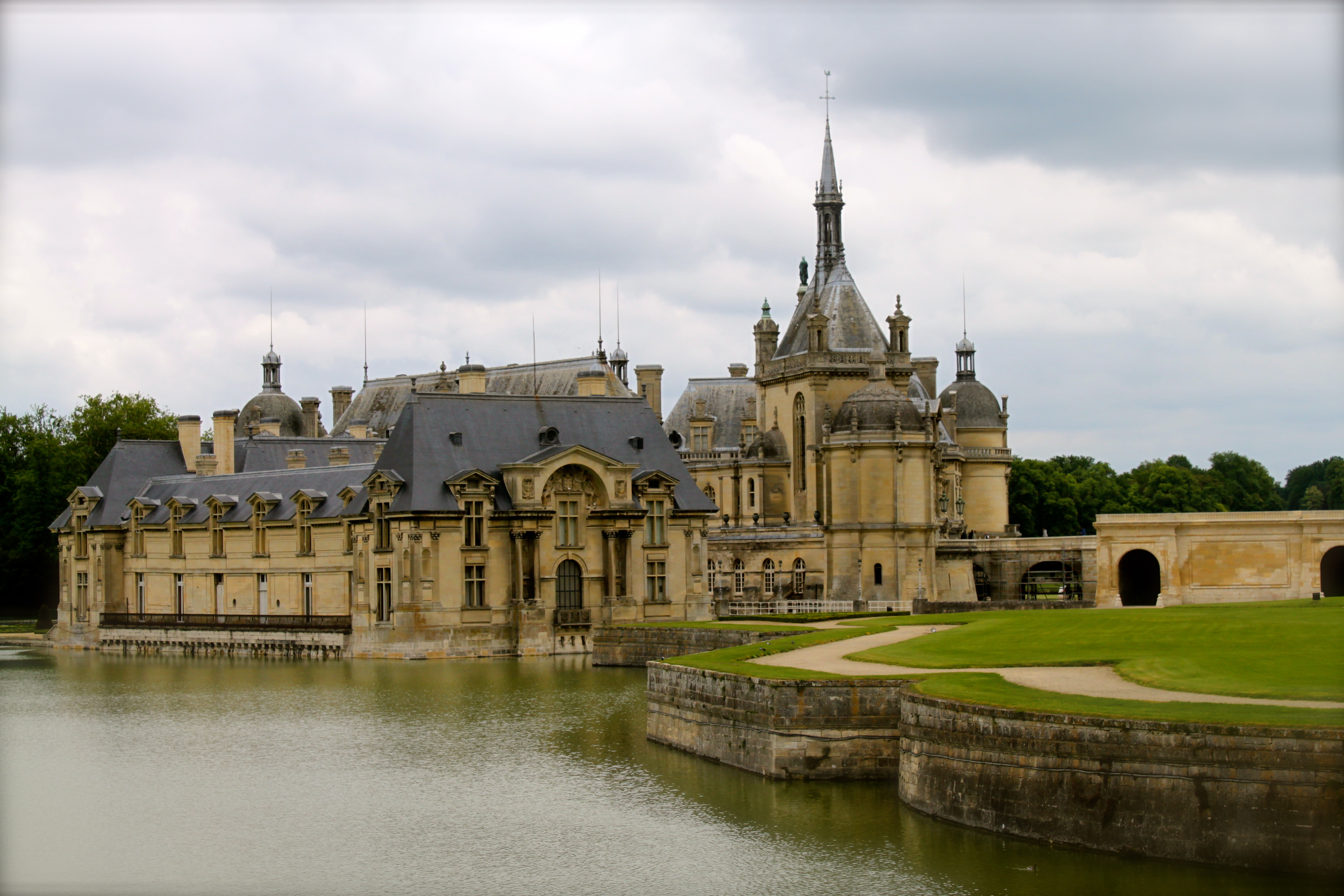
As if there weren’t enough lip-smacking things to gobble up in France, along comes the tried-and-true crème Chantilly fresh from the town of Chantilly in Picardy. This is not what you would call delicate whipped cream. It is a hardy, stand-alone dessert topper whose snowy peaks and designs hold their shapes after a good whisking, like a 60s beehive-hairdo shellacked with VO5 spray.
As the story goes, French Chef Vatel first came up with the recipe to help “stretch out” his short supply of cream during a banquet given by Fouquet honoring the Sun King. (Supposedly he never lived to taste the cream because he committed suicide during the banquet when he found out there was also a shortage of fish for the diners.)
His one-time secret recipe is now a standard in French cooking, and the essential ingredient for a perfect Chantilly cream is top-quality whole crème fraîche (fresh cream), with a bit of icing sugar, and pod of vanilla mixed in; But beware, precise whisking is a must as too many strokes will turn the cream to butter…not necessarily the worst outcome, mais probably not the best consistency for embellishing desserts.
When visiting Chantilly, be sure to order a big bowl of the delicious cream to share.
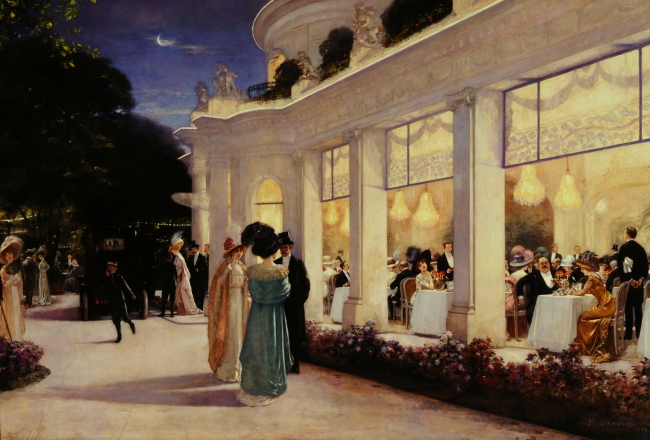
Kitcat was in town last weekend and since she is my “expo-kid”, we decided to make a leisurely visit to le Petit Palais and the wonderful exhibition ‘Paris 1900, The City of Entertainment’. I know I am a cliché, but I adore this period of French history, la belle époque, and turn-of-the-century Paris. I suspect there are many American Francophiles who do. If I had a time machine, I would slap on my button boots, slip on my pouter-pigeon blouse and trumpet-skirt, grab my feathered chapeau and set the dial for Paris, June 1900 and la Exposition Universelle…
Mais malheureusement, time machines are still a vision of the future, so an afternoon at le Petit Palais will have to suffice. Amazingly there are over 600 works on display in the gorgeous ‘small palace’ that was designed by Charles Girault for the exposition. I cannot imagine a more perfect venue than these halls where the hatted and coiffed western world came to discover what the new century held. It must have been a real lollapalooza!
The exhibition is organized into six ‘pavilions’ beginning with ‘Paris, window on the world’ featuring Gare de Lyon, Gare d’Orsay and Gare des Invalides, as well as Hector Guimard’s fabulous métro entrances. The expo ends with two pavilions focusing on the posh and wild world of entertainment on offer in Paris at the turn of the century—from opera to café singing, to Sarah Bernhardt and Debussy to brothels and circus acts, to everything else Baz Luhrmann would have us imagine in his fanciful film Moulin Rouge.
Filling the space in the middle are art nouveau posters and paintings, costumes, gowns, jewelry, everyday objects, objets d’art, sculptures, furniture, fine-arts, stained-glass windows, photographs and corridors filled with life-sized footage of revelers and curious fair-goers. A whole ‘pavillion’ is devoted to the myth of la Parisienne—the elegant Parisian women whose mystique still captures the imagination of women (and men) around the world.
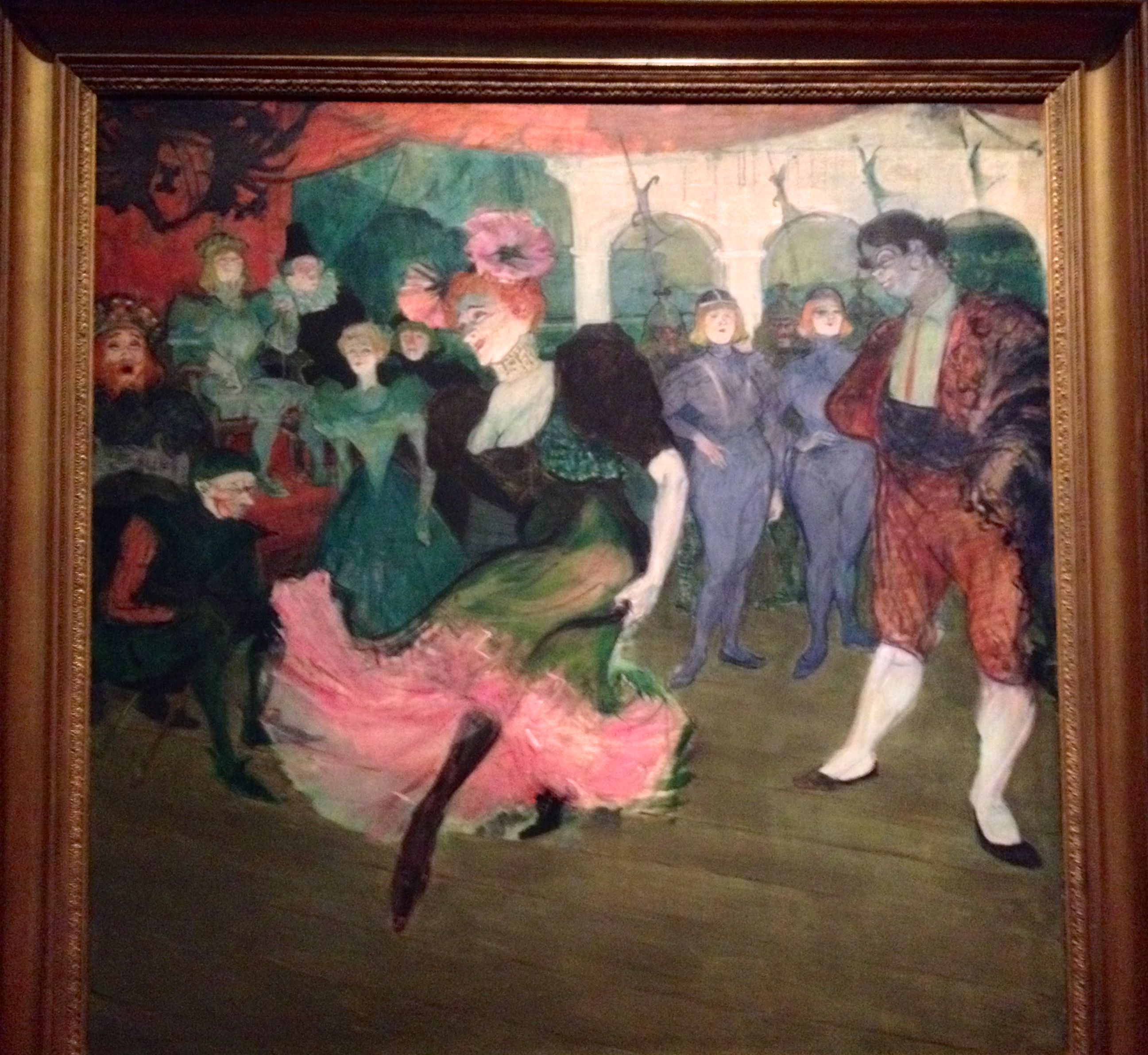
Cézanne, Monet, Renoir, Pissarro, and Vuillard, are featured alongside Gérôme, Bouguereau, Gervex, Béraud, Degas, Besnard and, of course, Rodin and Toulouse-Lautrec…le Chat Noir, anyone?
In lieu of a vrai time machine, this marvelous time capsule housed at le Petit Palais until August 17 will provide you with your Belle Époque fix and dazzle you with the promise and creativity from a storybook era long gone.
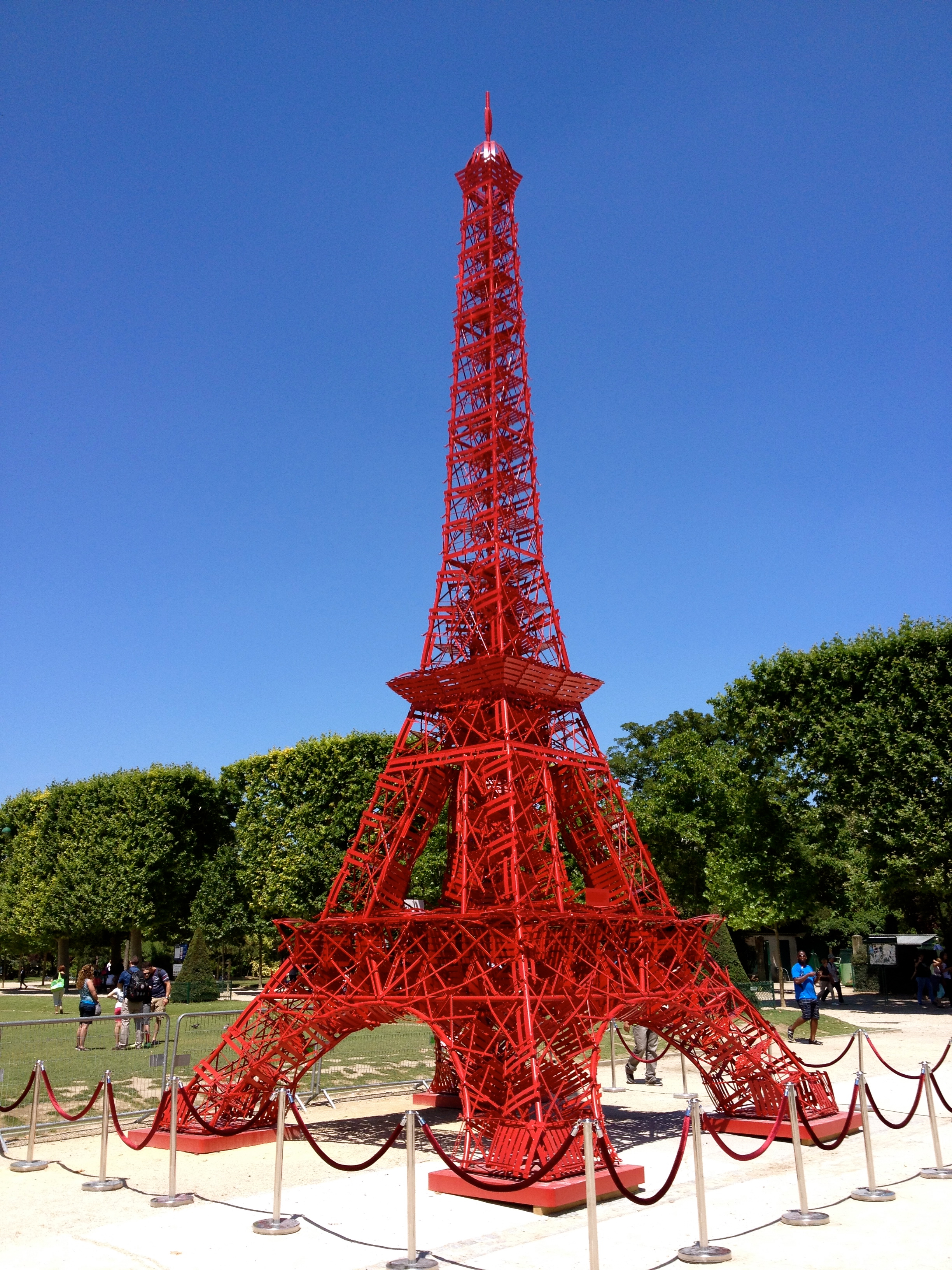
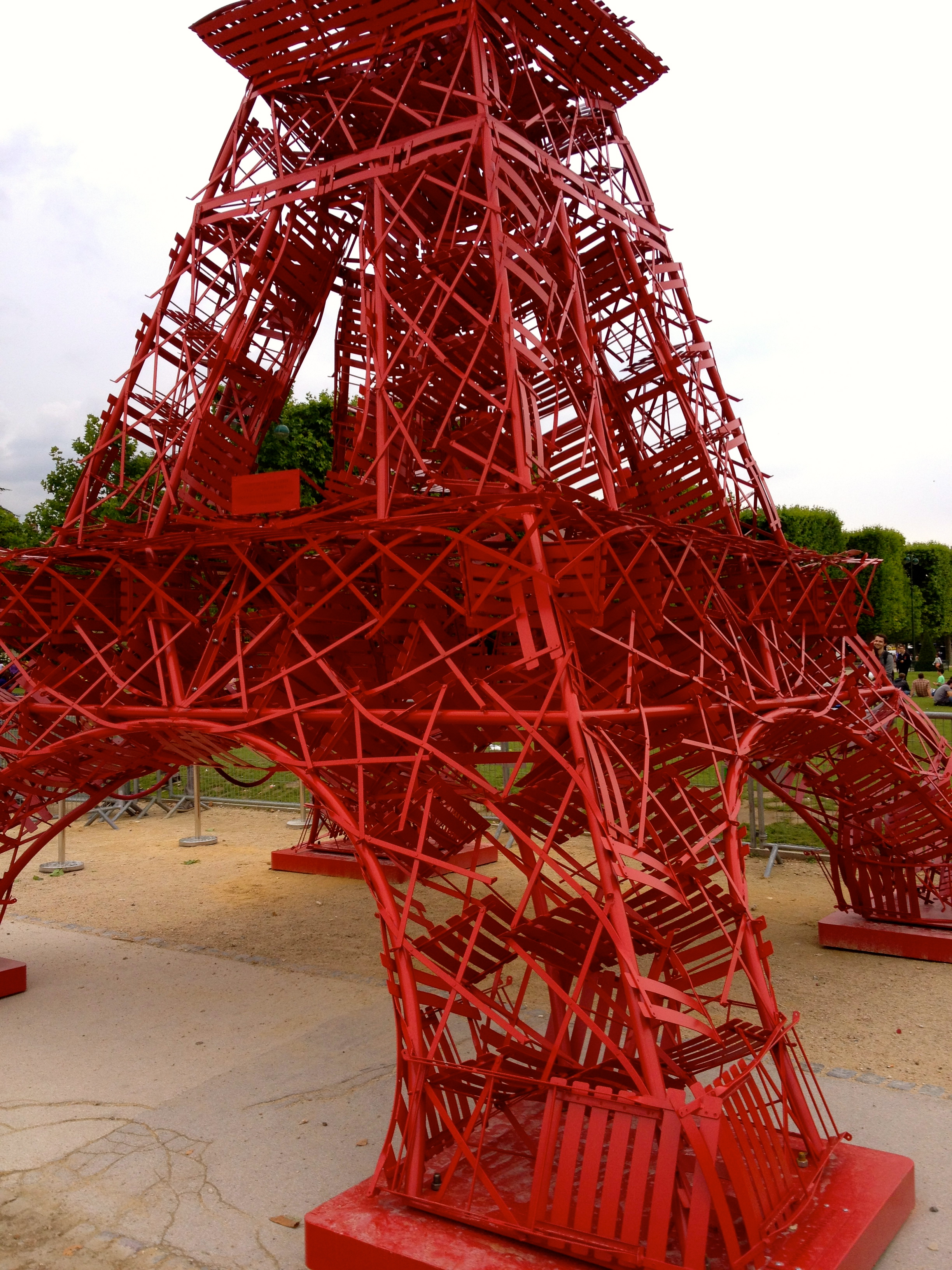
If you have been following my final 365-days in France, you know that I am mad for the Eiffel Tower and anything Eiffel inspired. For the past few weeks, we have been seeing double on the Champ de Mars, so I have been doubly happy…well it also helps that we have come to the end of five-weeks of back-to-back visitors, but that’s another story…
Even if I wasn’t overjoyed by the chance to reclaim our apartment, I would still be tickled pink (or crimson) by the two Eiffel Towers gracing the park en ce moment. A French company has temporarily set up a 40-foot red Eiffel Tower made from 324 café chairs to celebrate the upcoming 125th anniversary of Gustave’s most famous landmark.
The fire engine-red sculpture will only be on the Champ de Mars until tomorrow afternoon, although rumor has it, it is being secretly transferred to an undisclosed location somewhere else in the City of Light. Stay tuned.
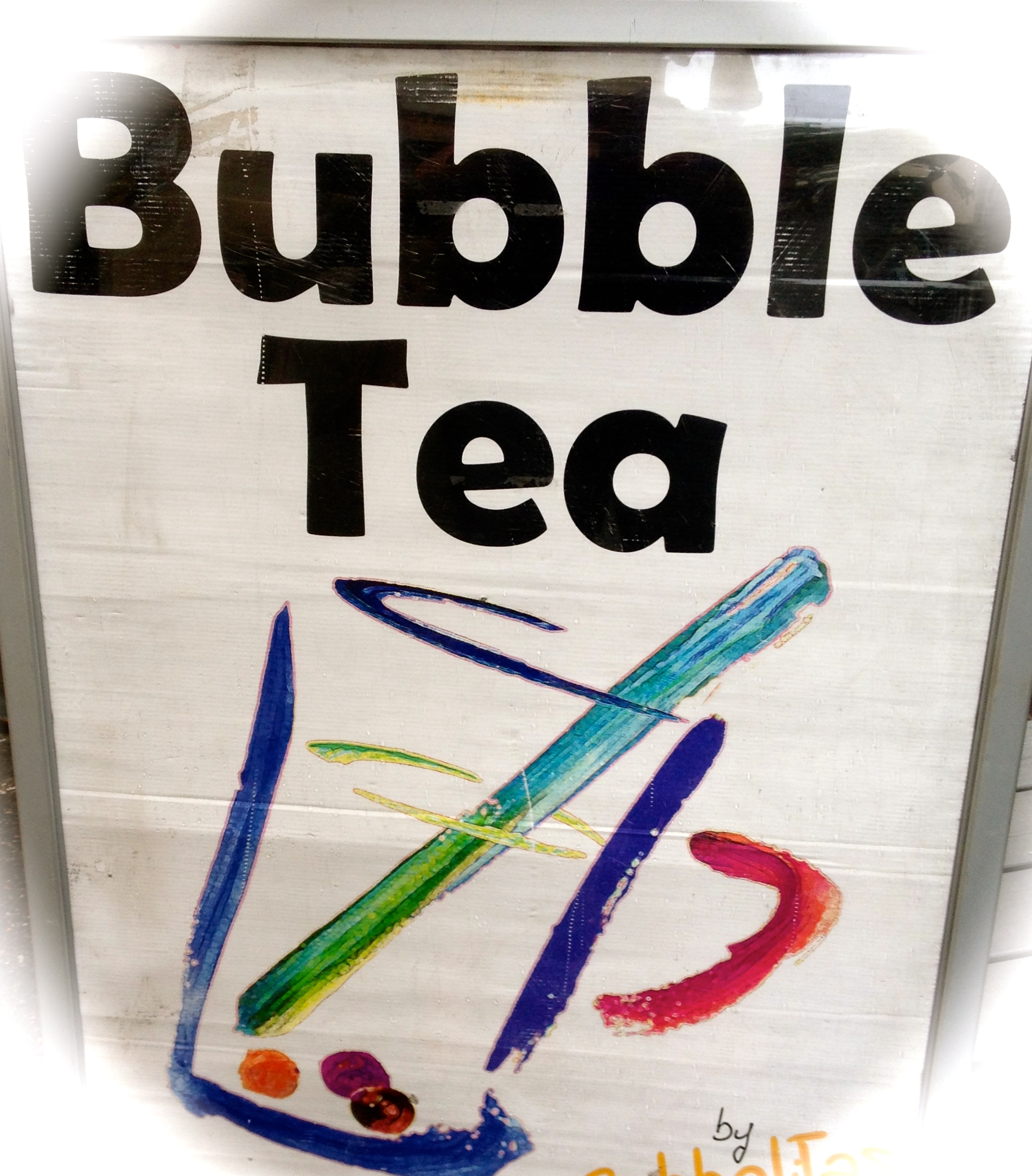
I know bubble tea was invented in Taiwan 30 years ago, but I never tasted it until I moved to Paris. It is a rare treat for me, and deadly calorific, but it is a favorite of Button’s, and we were out-and-about at the Centre Pompidou yesterday, so stopped in for a cuppa.
It is the “bobas” or the small tapioca pearls that she loves and that give the tea its name.
The Chinese prefer the bubble black tea, but I prefer the light almond-milk tea or the mango bubbles. What do you prefer?
a dream palace, strange and improbably beautiful “
Maupassant
“The church was magical
the sun streaming in
the divine voices echoing off the walls
I adored the abbey
the mud was scrumdillilious
the best mud ever…”
Button
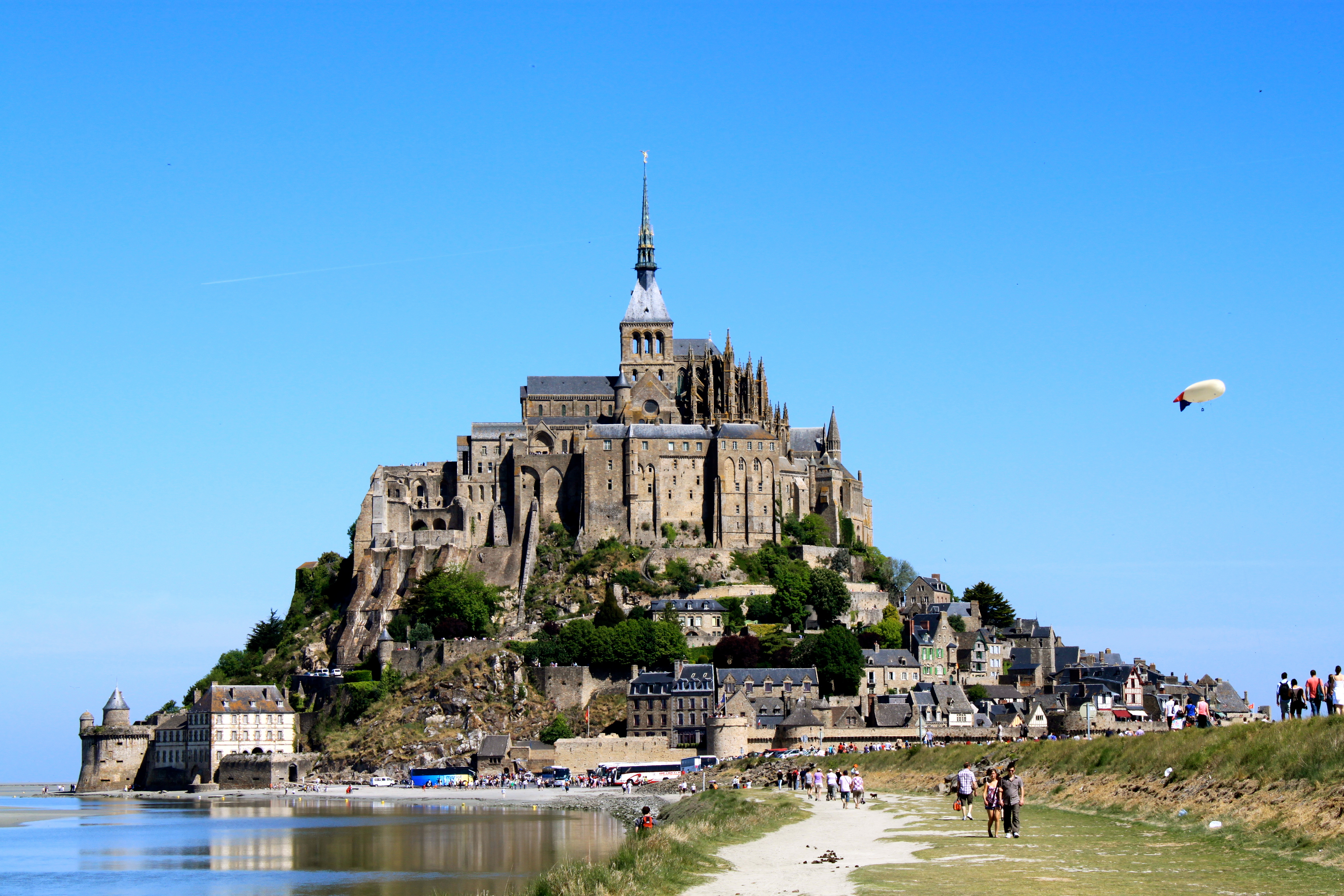
Between rock and sea, a sheer-sided citadel-like abbey rises 80-metres out of the sand and water magnificently dominating the surrounding low-lying region of Normandie. This is Mont Saint Michel. Towering above an immense bay beset by the highest tides in Europe, the sea spills in over a dozen miles in the space of just a few hours, creating one of the most breathtaking sites in France.
Mont Saint Michel dates back to the 700s when at the “request” of the Archangel Michel a local bishop consecrated a small church on the point. Over the centuries Benedictines monks settled on the rock and continued building an abbey and monastery. During the Hundred Years War military construction was added to fortify the compound. In the early Middle Ages ascetic Christians known as hermits chose this site to live in complete poverty, and in an attempt to be closer to God, continued to the abbey towards the heavens.
It became a great spiritual and intellectual centre and was one of the most important places of pilgrimage for the western world. Multitudes of men, women, and children arrived by thepaths to paradise—hoping for “the assurance of eternity, given by the Archangel at judgment.”
During the days of the French Revolution, the abbey was ransacked and nearly demolished and the remains were turned into a prison. It was restored in the 19th century and is now considered one of France’s national treasures.
Although an active religious community resides in Mont Saint Michel and it is still a place of pilgrimage for the faithful, it is now more of a Mecca of buzzing tourists. Over three million visitors make the trek each year. Aside from the astounding citadel-abbey and IMAX-like vista, tourists come to play in the tides. If you have ever been to the Great Sand Dunes National Monument in Colorado you will understand exactly what type of sands surround the castle. At times the sea travels under the sand, creating traitorous pockets of quicksand, but most of the time it is merely harmless sinking sand, ready to delighting the young and old alike.
The small Normand village of inns, shops and taverns nestled below the abbey was built to house and water the pilgrims at the end of their journey. Nowadays as Superman rather crankily observed, “it represents the worst of humanity, packed like sardines” and pushing forward without regard for others. I was less bothered by the crowds. Instead they gave me an appreciation for what it must have been like centuries ago. The junky trinkets, hawking vendors, and overpriced scrummy eateries were all there to welcome the original pilgrims. Some things don’t change. At least we were afforded the modern conveniences of sewers and showers, clean drinking water and health codes. No plagues or rats; no stench of unbathed travelers, although the numbers of extremely overweight visitors—French no less—was an unsettling reminder of what awaits us in America.
Nonetheless, this picturesque meeting point of sand, sea, and sky, is a trip worth making.
















 365+ Things I Love About France