Skip to content

No. 195: Poisson d’Avril
poisson_d'Avril

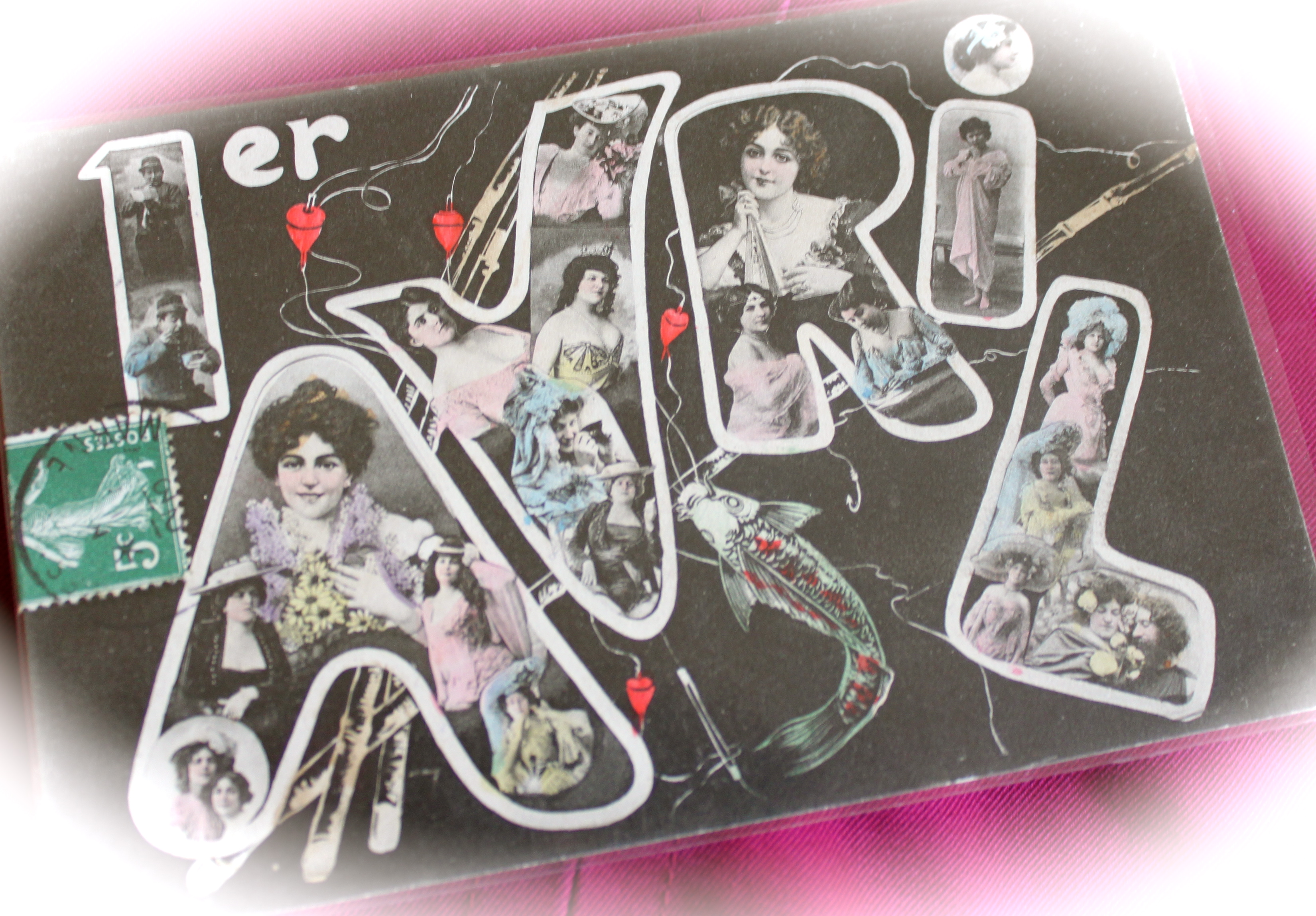
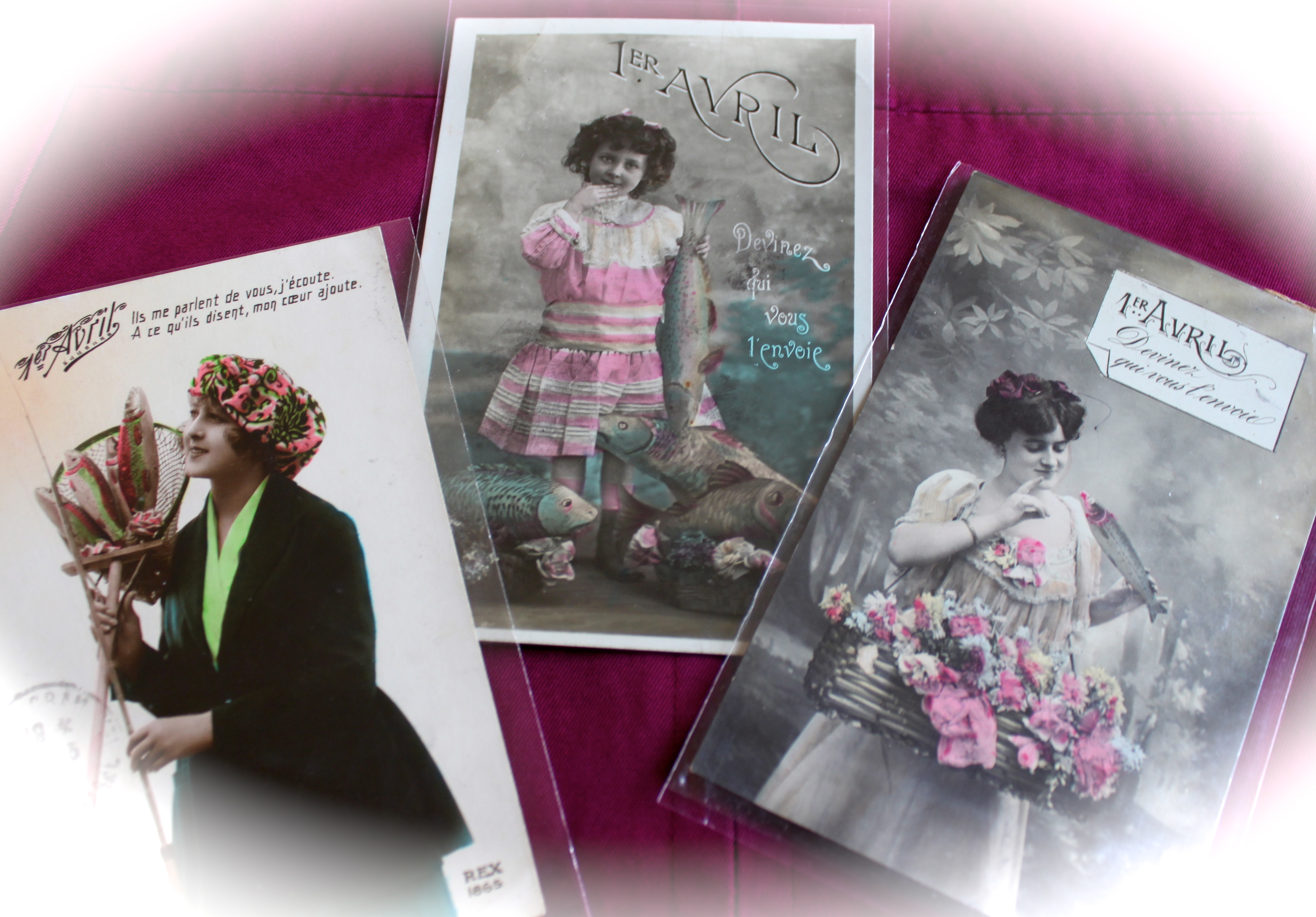
If you happen to be in France on April 1, beware of the fish.  Yes indeed, if you let yourself be duped or tricked, you’re not just a fool, but you’re also a poisson d’avril, or an April fish.

The jury is still out as to why you are a fish en français instead of just a fool, but so far this morning, I’ve already seen a bus full of prankster in my ‘hood, and they were all quite fishy-looking.

Out early with Taz, I spied a group of grade school children bounding off their coach and making merry, gamely tumbling over each other while trying to pin cut out paper fish on each others’ backs. Despite their teachers’ stern disciplinary warnings, les enfants could not help themselves, as fiendish squawks of “Poisson d’Avril” escaped their mugs announcing their foolery to the passing tourists.

I’ve always wondered about April Fools’ Day. As far as I know it is the only holiday dedicated specifically to hoodwinking your gullible friends and unsuspecting family members. For me, the French-fish-thing adds a whole new dimension to this goofy day.

There are several theories about where the fish imagery came from in relation to the first day of April en France, and they go from the simple to the more complex:

  • The most basic theory is that “April fish” simply refers to a young fish, or those easily caught (in a hoax);
  • While others reason that as April 1 falls within the Lenten season, the fish depict Christ, who was sometimes represented as a fish in early Christian times.
  • Still others insist that it is only the pagan Zodiac sign of Pisces (also a fish) falling during the month of April, that has led to all this fishy trickery.
  • But the historians, well they pin it all on King Charles IX of France and his edict to reform the calendar system and move the start of the year from the first day of April to the first day of January. As the story goes, the masses were either uninformed or resistant to this change, and continued to celebrate the New Year on April 1. Eventually they were mocked and made the butt of jokes by those who conformed to the new calendar. (Said jokes included: pretending to make a neighborly New Year’s calling on April 1 complete with a fresh Lenten fish to share, thus making a fool of those who accepted the gift and did not comply with the changing times and calendar.) In later centuries, this little joke changed to surreptitiously hooking a paper fish on the backs of those naive characters stubbornly hanging on to the past.
poisson_d'Arvil2.jpg

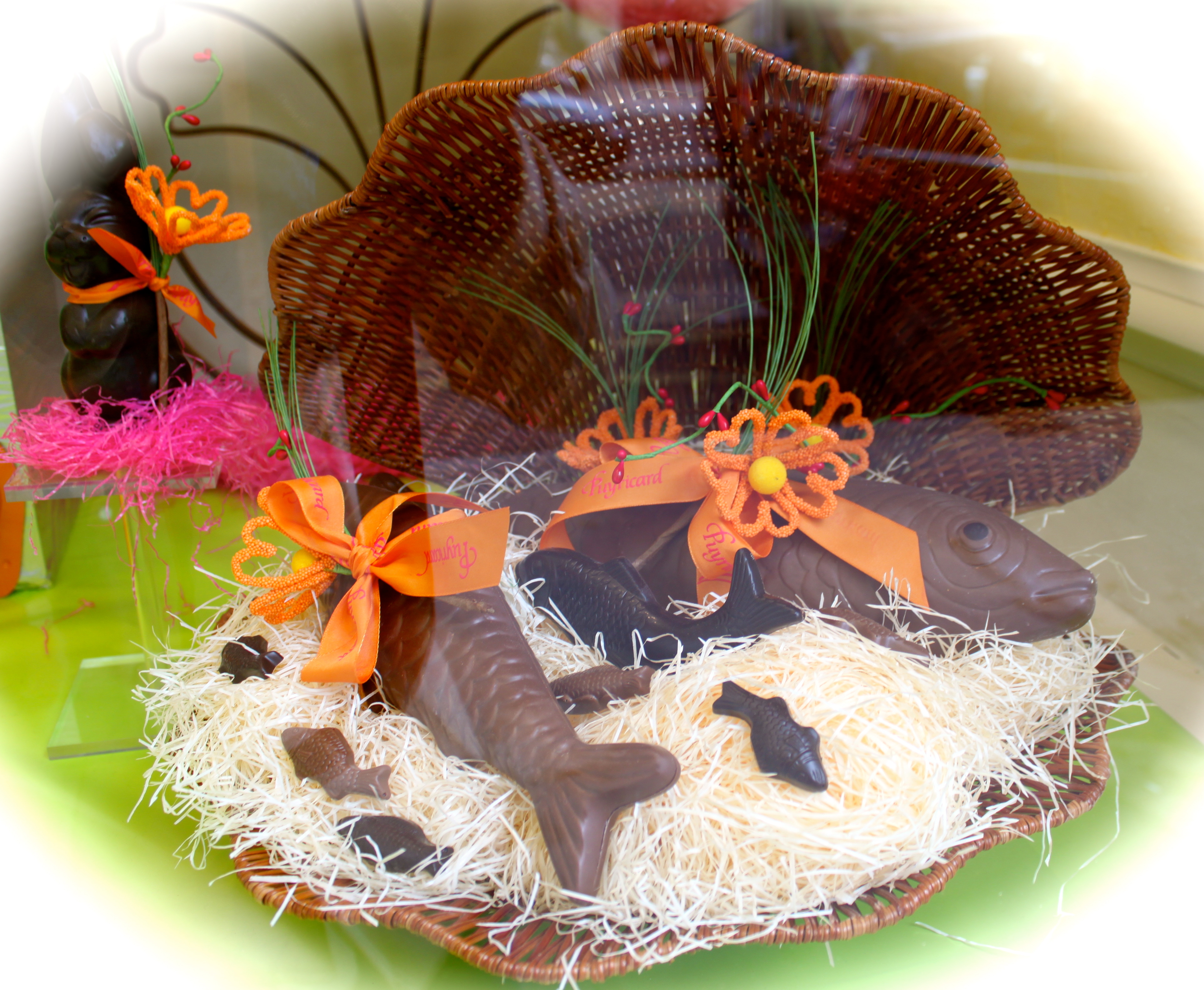
No matter the uncertainty behind all this French fishiness, there is one thing you can always be certain of in France. The French, God bless them all, cannot celebrate a holiday without some sort of beautiful and delicious food or pastry attached to it. The Poisson d’Avril is no exception. En ce moment, French pâtisseries, boulangeries, and chocolateries are currently filled to the brim with fish-themed and fish-shaped delights.

Hmmm…me thinks we might be having fish for dinner tonight…probably not salmon, but maybe something of the cocoa bean variety?
poisson_d'Arvil_chocolate_fish.jpg

No. 185-194: Ten Quick Things I Love About France

I’m behind on my posts because I actually started my blog on September 23 instead of September 1. Oh, to know me, is to know I’m almost always running late. It’s my fatal flaw. Occasionally I get super stressed that I won’t be able to make my goal of finishing the 365-things-I-love-about-France by August 31, so I have to sneak in these bundle-post occasionally to make up for lost time. Je vous prie d’accepter mes excuses.

Donc, here are Ten Quick Things I Love About France…I can’t quite fill a single post with each one, but I love them nonetheless.

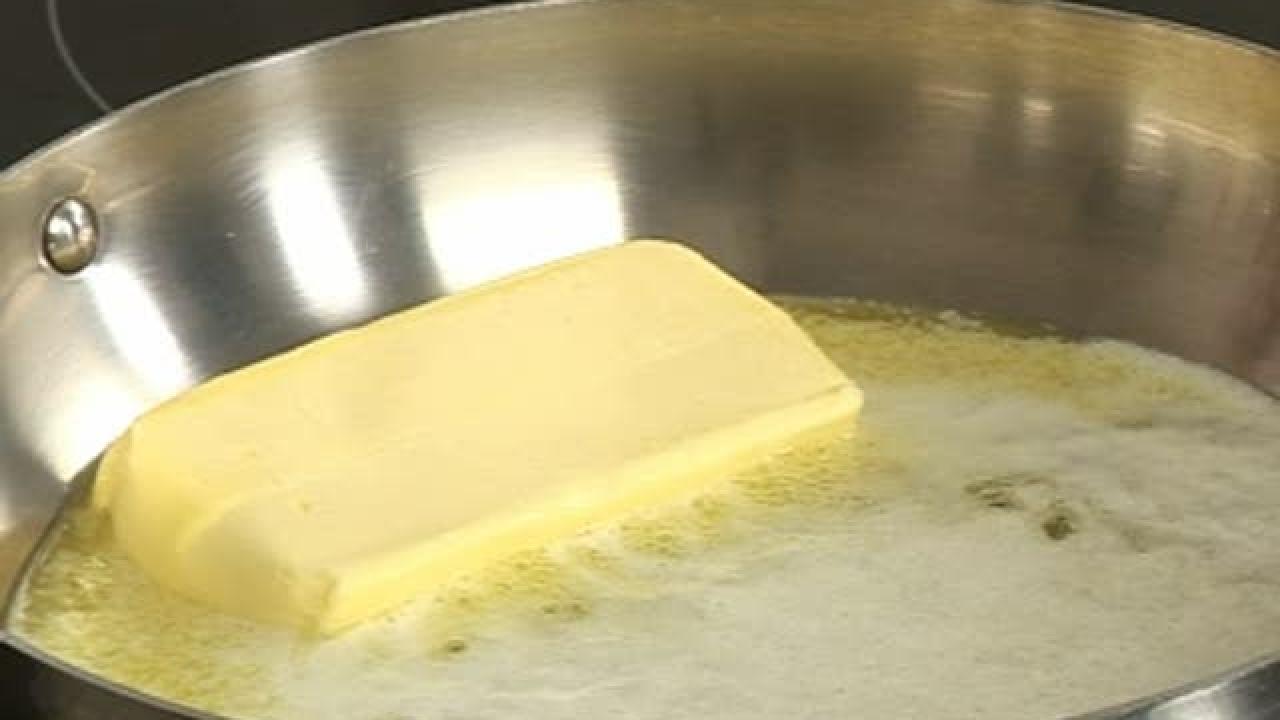
1. Salted Butter. Fresh creamy butter + salt crystals. Nothing more need be said.

source:matvpratique.com

source:matvpratique.com

2. International Hotel Chain Bathrooms. So clean and consistent, like a touch of home, plus they might even have a bidet. You never have to double foot it Turkish/French style. The trick is pretending you’re a guest. Ritz_bathroom_public.jpg

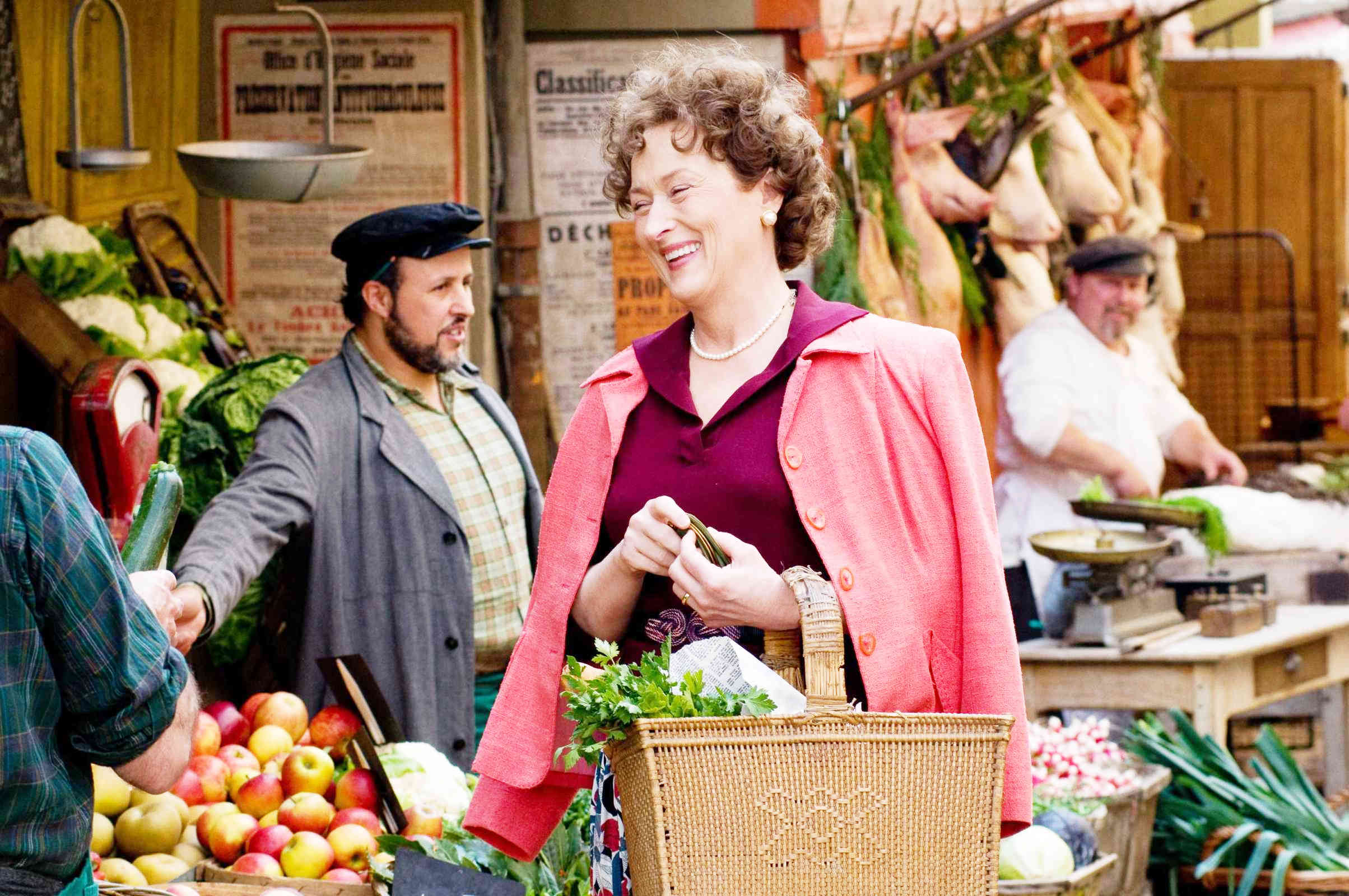
3. Straw Baskets for the Marché. They are simply charming.

Meryl Streep as Julia Child with her pannier typique.

Meryl Streep as Julia Child with her typique pannier.

4. Dodging French Families at the Bois de Boulogne (the large public park located on the edge of the 16e in Paris). Because if you are dodging them, three things are happening: it’s Sunday, the weather is good, and you’re on your bike.Bois_Paris.jpg

5. Aux Merveilleux de Fred Meringue Balls. “Heaven popped on a plate,” as Button would say.meringue_balls_paris_jpg

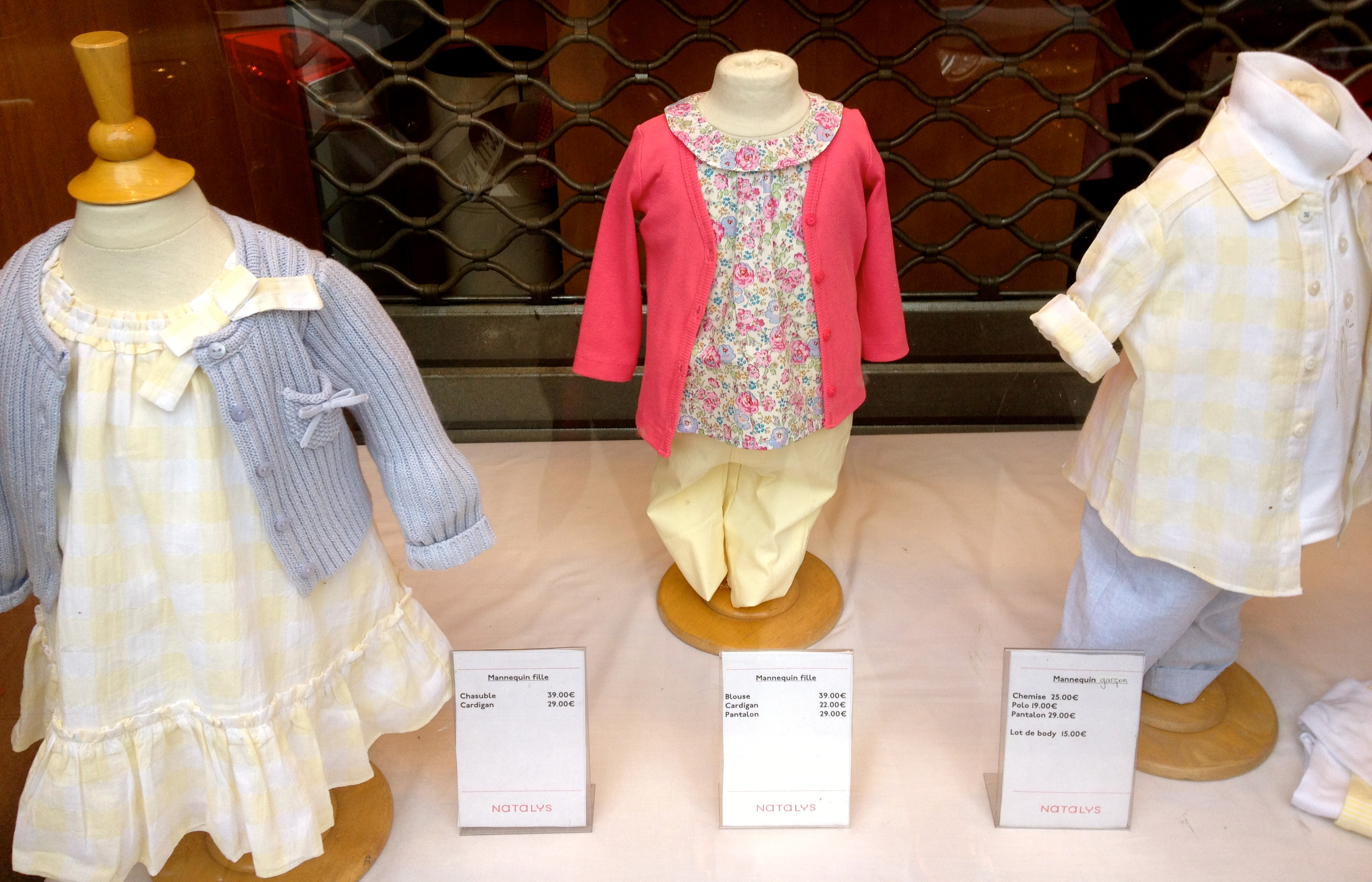
6. Adorable Children’s Clothing. I’ll have to stay in France until my (yet-to-be-born) grandchildren are grown.kids_clothing_paris.jpg

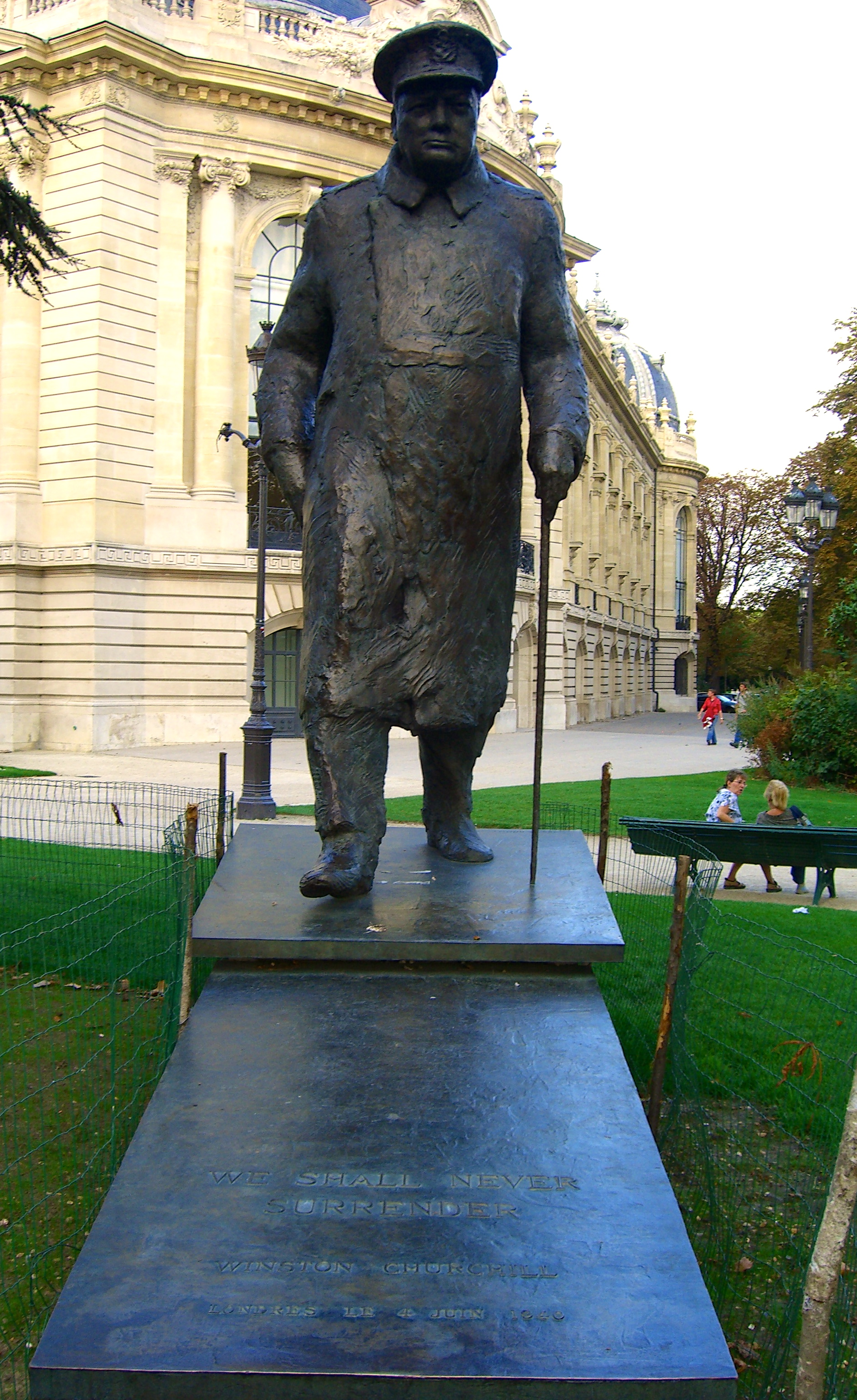
7. The Brits. As of 2012, there were 150,000 registered British Nationals living in France. Although they seem to prefer Spain—nearly 400,000 British subjects live there–I’m glad some have chosen to live here.churchhill_paris.jpg

8. Well-maintained Motorways. The tolls may be crazy expensive, but you get what you pay for, a smooth ride.AutorouteA71_france

9. Religieuses. Anything that looks this pretty and is deliciously edible is at the top of my pastry list.Religieuse1

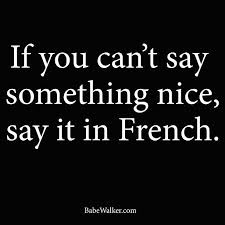
10. Merde. It almost sounds pretty, or at least gentile in French. Most things do (sound better) with that alluring French accent.

say_it_in_French.jpg


Vocabulaire:

Je vous prie d’accepter mes excuses: Please accept my apologizes.

No. 184: Laughing in French

I have to share this happy news with someone.

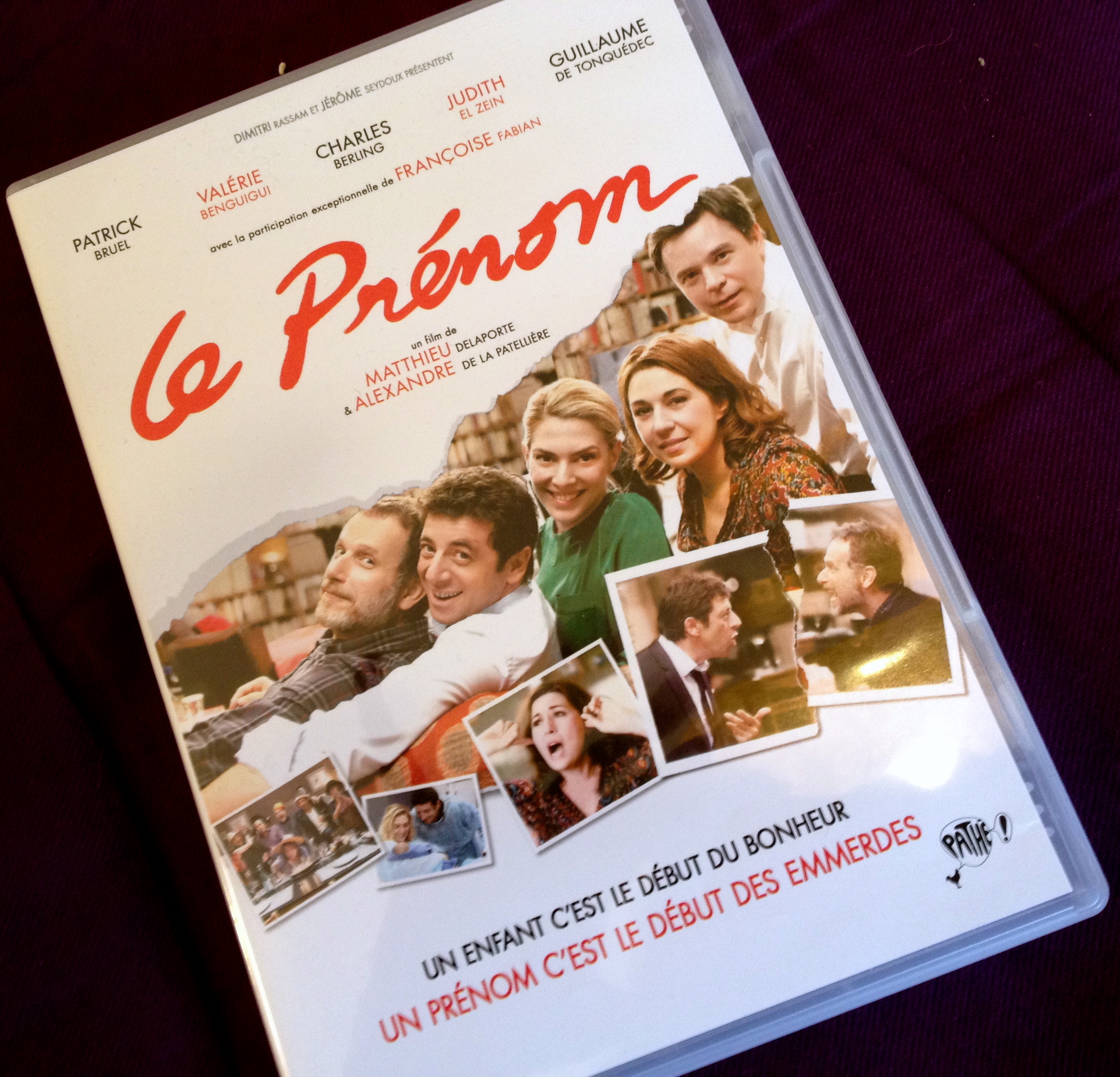
Last night I was able to watch the entire French film le Prénom in French (ok, avec sous-titres français) and understand almost everything that was going on. I actually laughed out loud at all the right times and cringed at the cringe-worthy moments, and thoroughly enjoyed myself.

The whole time I kept thinking, “Look at me understanding French!”

After 2½ years of struggling with this difficult language, being able to laugh in French seems like nothing short of a miracle.

Preénom-French-Film.jpg

Vocabulaire:

avec sous-titres français: with French subtitles

le Prénom: the first name / given name; a rapid fire, rich and funny dinner party comedy turned dinner disaster, starring the lovely Patrick Bruel. It was a huge hit in the French theatre before being made into a film. 

No. 183: Friendships, Mannequins and Some Parisian Inspiration

suzanne-heintz-paris.jpg

Not that my dear friend Suzanne Heintz needs any more publicity. She and her unusual family have finally gone viral over the last few weeks. But as I get her daily updates of who is featuring her story moment by moment (currently our Latin friends at BBC MUNDO), I got to thinking that this might be a story my readers would like.

It’s a story of friendship, faith, fate and a lot of stick-to-it-ness, with just a little bit of inspiration thrown in from this beautiful city I call home.

source: suzanneheintz.com

source: suzanneheintz.com

I met Suzanne nearly 30 years ago when we were working at the circulation desk at Norlin Library at the University of Colorado, Boulder. With Jeanne and Mary, we were four best friends, creative and funny, with the absolute belief that we could do anything we set our minds to. Nothing could stop the Four Musketeers. To this day, I think if you asked any of us, we would tell you without batting an eye, that working at Norlin Library was the best job we ever had. Those were the days of the Beautiful People of America (our tongue-in-cheek anti-sorority club), practical jokes, major crushes on our dishy coworker, John Duane, and keypunch computer cards.

circa 1992

circa 1992

After graduating from CU with Robert Redford in 1988, we all headed our separate ways, and tried to hang on to our devil-may-care attitude. I went on to study in Germany and Washington, D.C., married Superman, lived in Indonesia, moved back to Colorado to raise our girls, and eventually landed in Paris. Mary went on to New York and became an Emmy and DGA award-winning television Director and wonderful maman. Jeanne headed to the Peace Corps first and then onto Chile with her husband and daughter and eventually became a professor and Director of Political Science, at the Universidad de Concepción. And Suzie, well she went on to work in television and media as a Designer and Art Director.

The Beautiful People of America…later known as Beautiful People International

The Beautiful People of America…later known as Beautiful People International

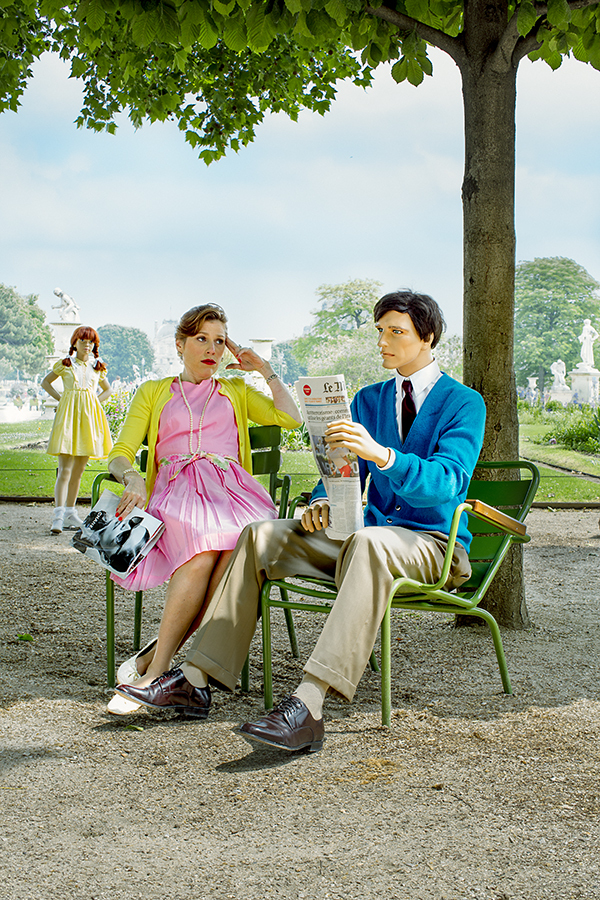
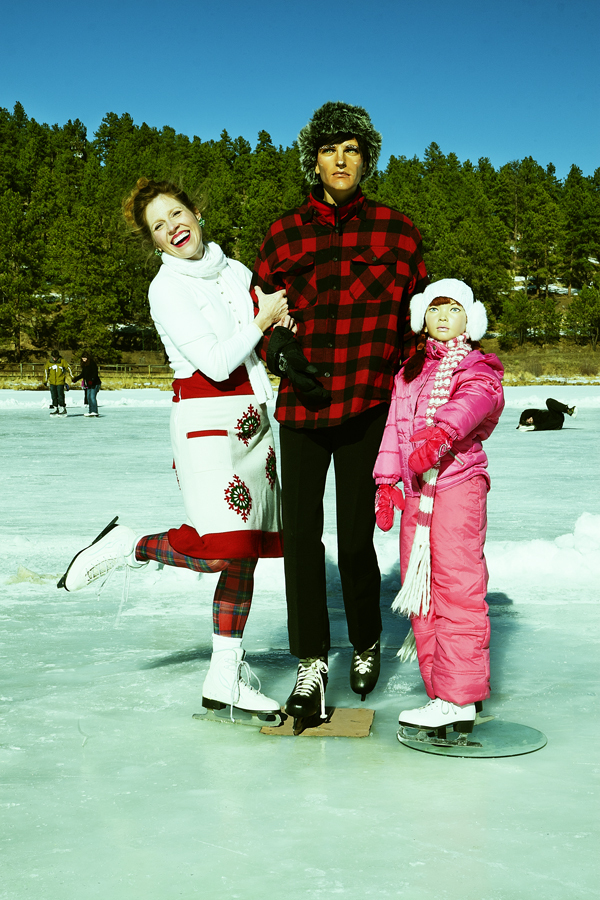
We all had our outside passions and dreams, and for Suzie it was photography. After a straw-breaking confrontation with her mom about her continuing “spinsterhood”, she decided to combine her love affair with the camera with her outrage at being expected to conform to societal norms. For almost 14 years now, Suzanne has been “satirizing the idea of conforming to a universally accepted way of life, married life”, that is. As you can imagine, the energy of battling the “external pressures of culture, and the internal pressures” she put on herself “to fit into the expectations” of society, built up over time, and thus her defiant project: Life Once Removed  was born.

source: suzanneheintz.com

source: suzanneheintz.com

This is not just a project photographing her mannequin family in comedic real life situations, this is a photography project and performance art piece with teeth and a valid point. Just take a look at her short, Playing House, recently screened at the Women’s Film Festival in Denver.

I have been lucky enough to dip in and out of this art project over the years. Sometimes helping her stage and photograph her fabulous family Christmas cards, sometimes brainstorming the next great shoot, and most recently hosting her (and her inflexible family) in Paris for the family vacation of a lifetime.

source: suzanneheintz.com

source: suzanneheintz.com

This vacation was a real labor of love and a true test of our friendship. Let’s just say mannequin wrangling is NOT for the faint of heart.

source: suzanneheintz.com

source: suzanneheintz.com

It was two weeks of constant dragging, assembling, dressing, re-dressing, salvaging broken digits, murmuring from my frightened guardienne, arguing with the gendarmerie, and stealing secret footage when they looked the other way. It was hours of holding heavy light kits, managing wardrobe malfunctions, retrieving lost batteries, applying bright red lipstick and too much hairspray, and dazzling smiles. Our nights were filled with foot massages, good wine, tears, aching shoulders, late night soul baring, and booming disagreements, followed by hours of laughter and lots of fine dance music.

My Paris girlfriends stepped up to help my outlandish and unknown friend. From chauffeuring to snapping shots and learning new skills, to translating and dealing with some stubborn French authoritarians, to recruiting family members to help out and standing for hours in the freezing June rain, to all of the above at once, I will always remember how this group of women came through in a pinch to help another women realize her dream. Chapeau! Chère Nicola, Emily, Julie and Catherine…and, bien sûr, Superman and my girlfriends’ hubbys too.

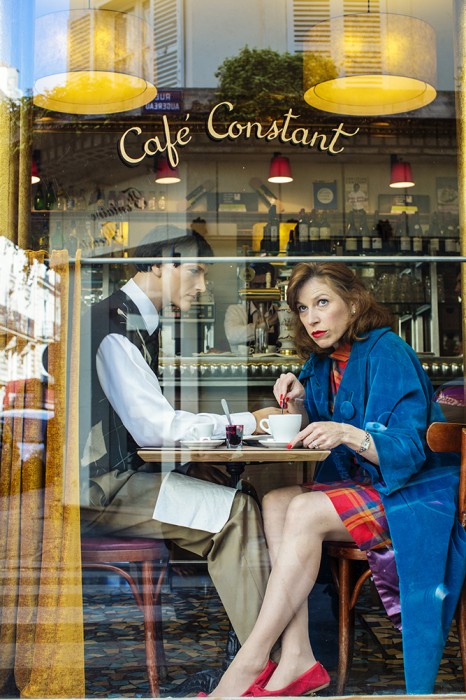
Cafe Constant source: suzanneheintz.com

source: suzanneheintz.com

And now after almost a decade and a half of doing the creative work, and nine months since our unusual visitors departed Paris, Suzie is finally having her moment in the sun. Hallelujah! It is so wonderful to see.

Chin Chin to you Suz! Thanks for reminding me that our devil-may-care ways of old are still the key to happiness and success, and that art is both important and hard.  But most importantly that it’s (also) kind of fun to do the impossible!*


Vocabulaire

Chapeau! Hats off! Congratulations! (and in my case, merci beaucoup mes amies!)

Chin Chin! Cheers!

gendarmerie: police

guardienne: caretaker (usually of an apartment building)

* it’s kind of fun to do the impossible! – Walt Disney


No. 181-182: Reims and Champagne Country

The other day, we made a quick trip to the city of Reims (pronounced ““rINce”—sort of rhymes with a nasally “France”) on our way to the Champagne region.

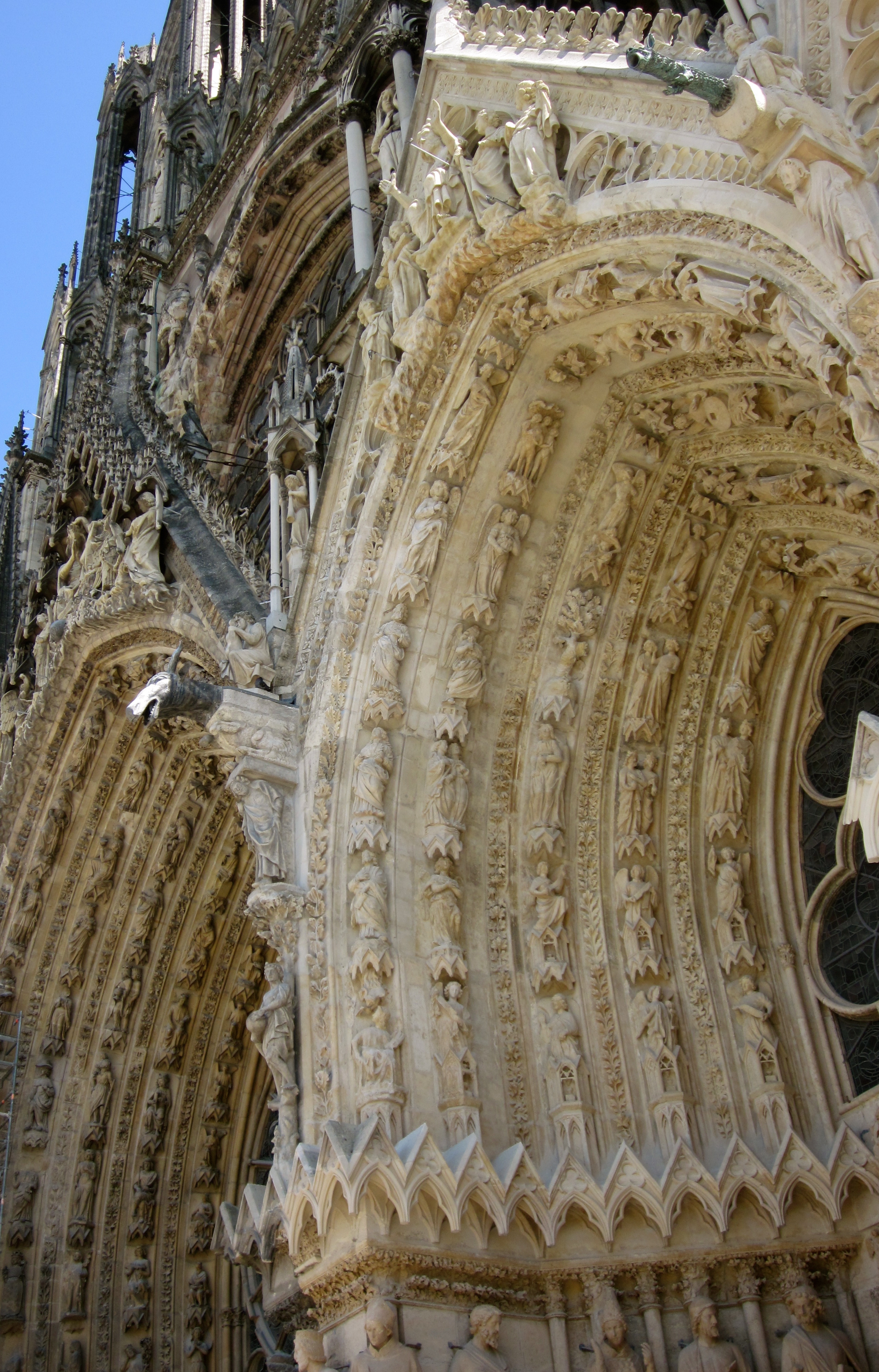
According to legend, Reims, 80 miles northeast of Paris, was founded by those naughty Roman brothers, Remus and Romulus, and houses some impressive Roman artifacts. Whether or not the brothers as founding fathers is true, Reims has always been an important city for the French monarchy, its beautiful cathedral could be called the Westminster Abbey of France. Not only was this historic cathedral the site of 25 royal coronations, it is also a glorious example of Gothic architecture.

reims-cathedral.jpg

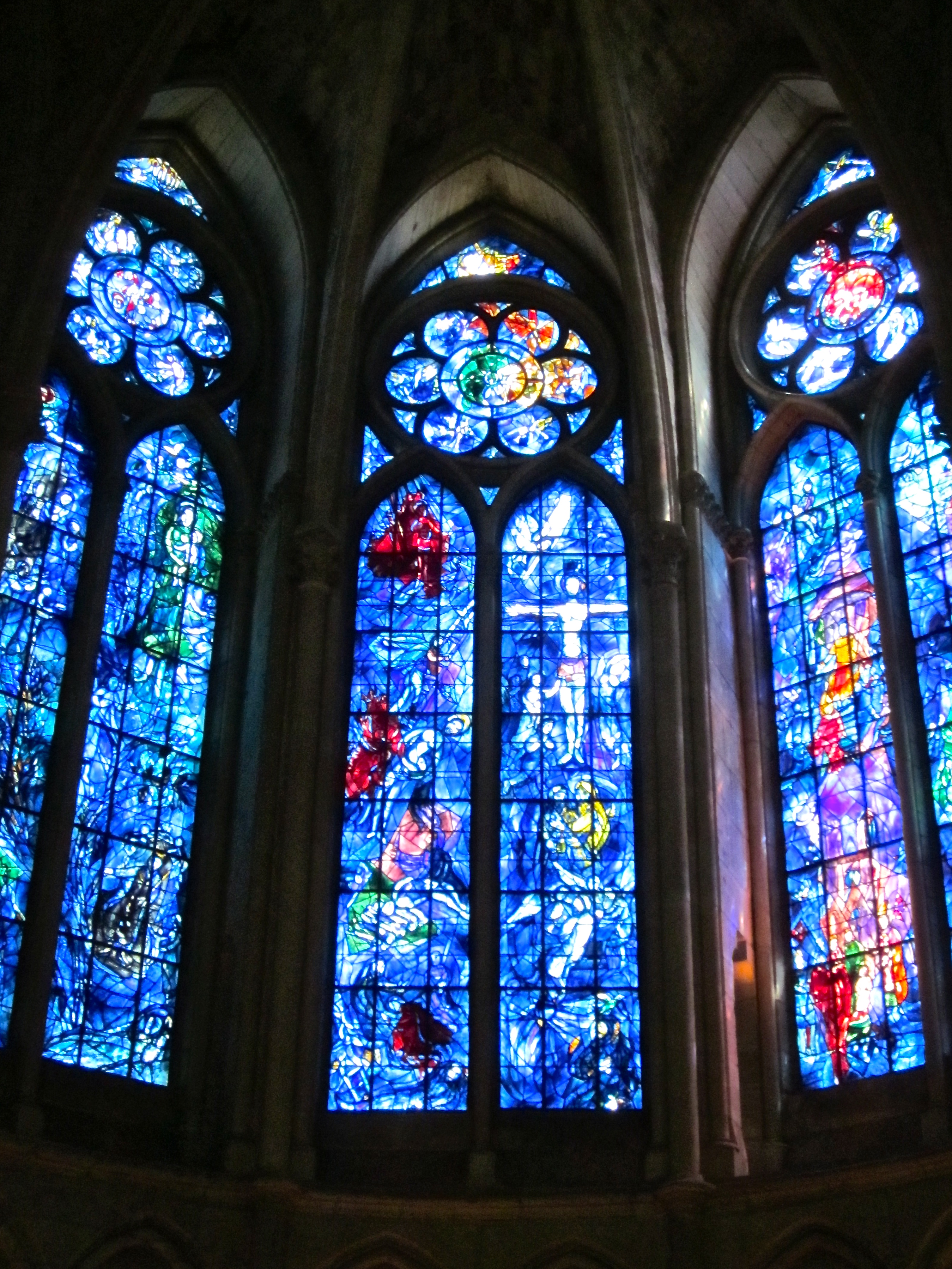
Unfortunately it sustained terrible damage during WWI and was further damaged during WWII. Thankfully it has been restored (no small thanks to John D. Rockefeller) to all its splendor. In addition to housing an amazing original rose window (dating from 1255), it also holds a luminous set of Marc Chagall’s stained-glass windows.The windows are dazzling and the church a welcoming spiritual home for believers and non-believers alike.

chagall-windows-reins. jpg

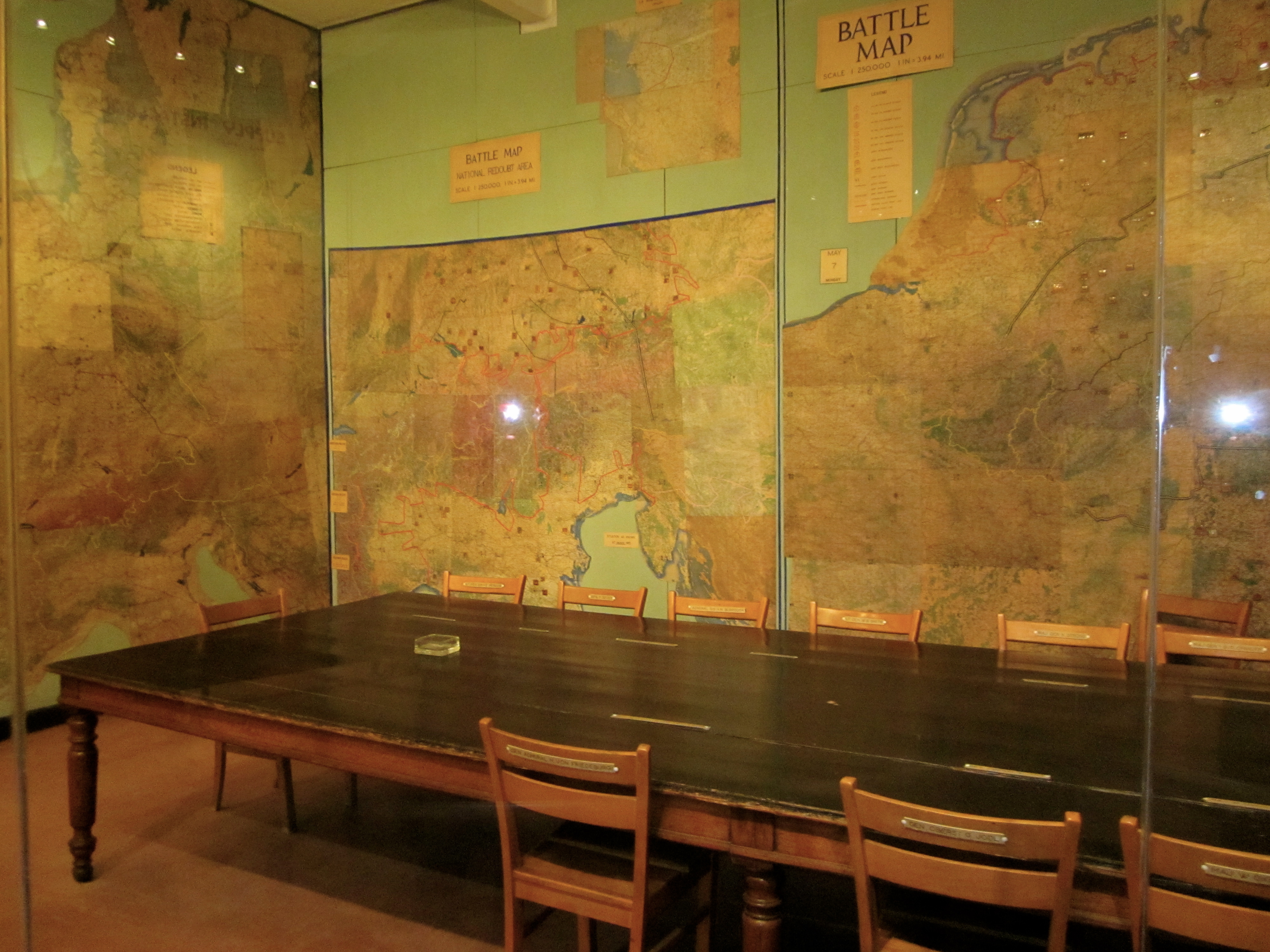
Reims is also famous for its red schoolhouse which now houses the Museum of Surrender (Musée de la Reddition). It was here that on May 7, 1945 at 2:41 in the wee hours of the morning, the Germans under General Jodl surrendered unconditionally to General Eisenhower, ending World War II in Europe. This fascinating museum houses photographs, press clippings, relics, and a good film detailing the last days of the war in France. The small signing room remains exactly as it was on that day in May and is exceptionally moving to see.

nazi-surrender-room-reims.jpg

From Reims we headed to the countryside on an arduous trek (someone had to do it) to learn the ins-and-outs of the journey champagne makes from grapevine to glass.

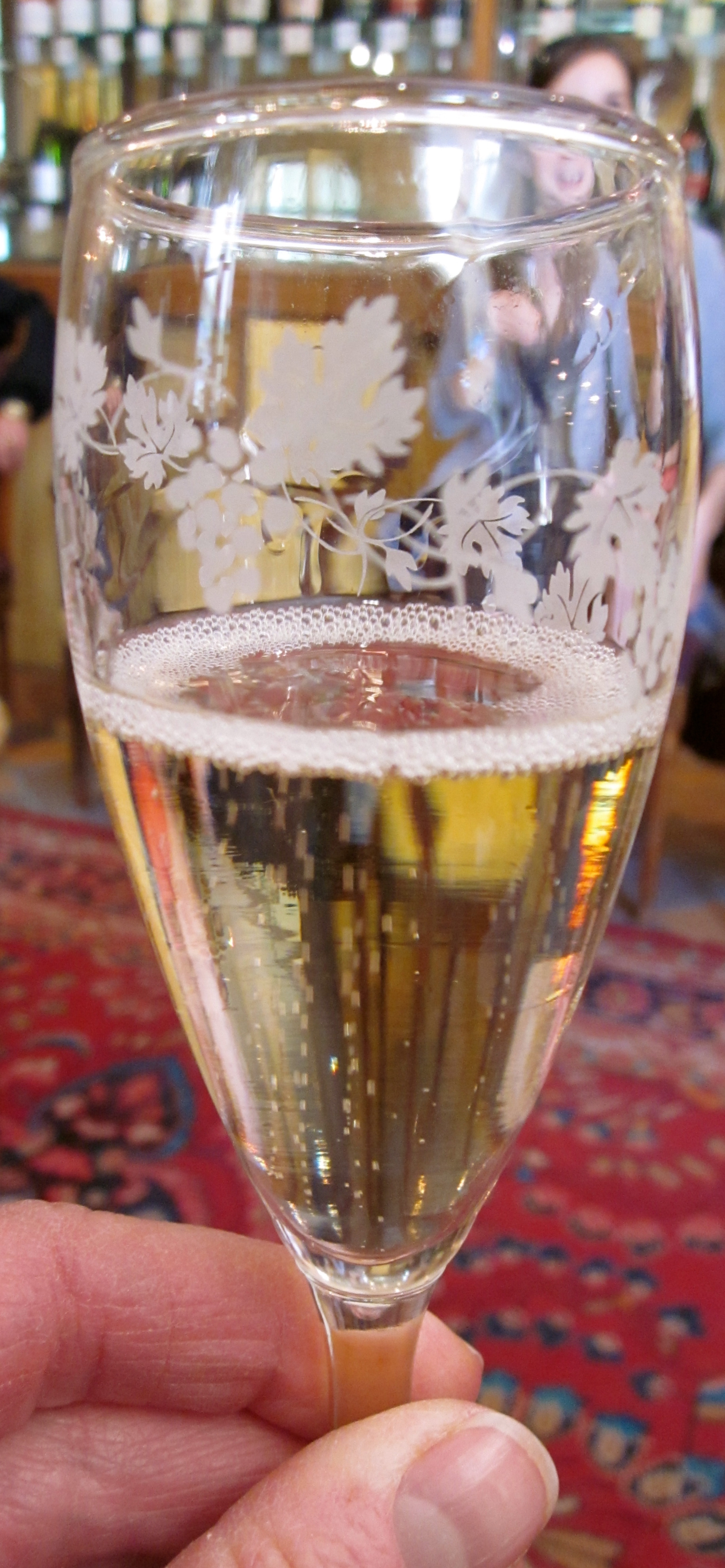
champagne-france.jpg

As you know, champagne gets its name from the region in France of the same name: a strictly defined area encompassing 634 villages in five different départaments. What you might not know is that during the Middle Ages, church wine used for the Eucharist was one decidedly sought after commodity. As luck would have it, the English preferred the “light and crisp” wines made in the Champagne region. Their high demand and the low supply led to the continued cultivation of grapes in the region, which with new techniques, eventually evolved into our favorite apéritif. Although the first sparkling wines were produced near Carcassonne, France, when the “sparkling” technique was applied to Champagne’s wines in the 1700s, champagne as we know it was born.

In our quest to appreciate and sample champagne, we toured both swanky champagne houses and homey and relaxed estates. In the name of research, we burrowed hundreds of metres below ground into the dark and chilly caves and listened to several Chef de Cave explain what makes champagne, champagne. Personally, I found the champagne making process fascinating and instructive. The tasting wasn’t so bad either.

I now understand why champagne is so expensive (the double fermentation process and a minimum of 2-years ageing) and the historic and climatic reasons that the grapes are grown in the Champagne region.

Next stop, Chablis…


Vocabulaire

Chef de Cave: The cellarmaster, who is typically the person in charge of the winemaking team. In the New World this person might be called a “winemaker”, but in many champagne houses the winemaking team is large, involving multiple winemakers, and the chef de cave is the one who heads the group and provides overall direction.

No. 180: Stravaganza: The Fine Art of Embroidery in Haute Couture

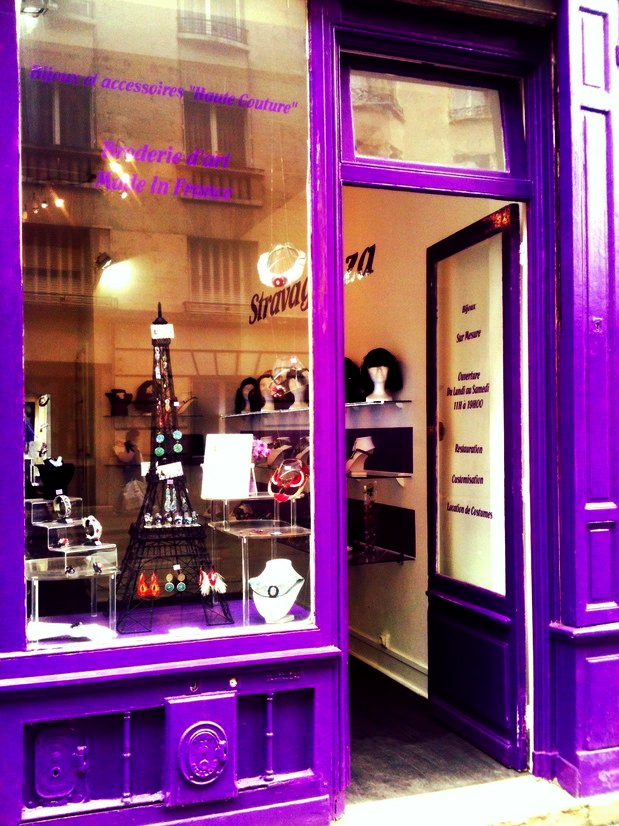
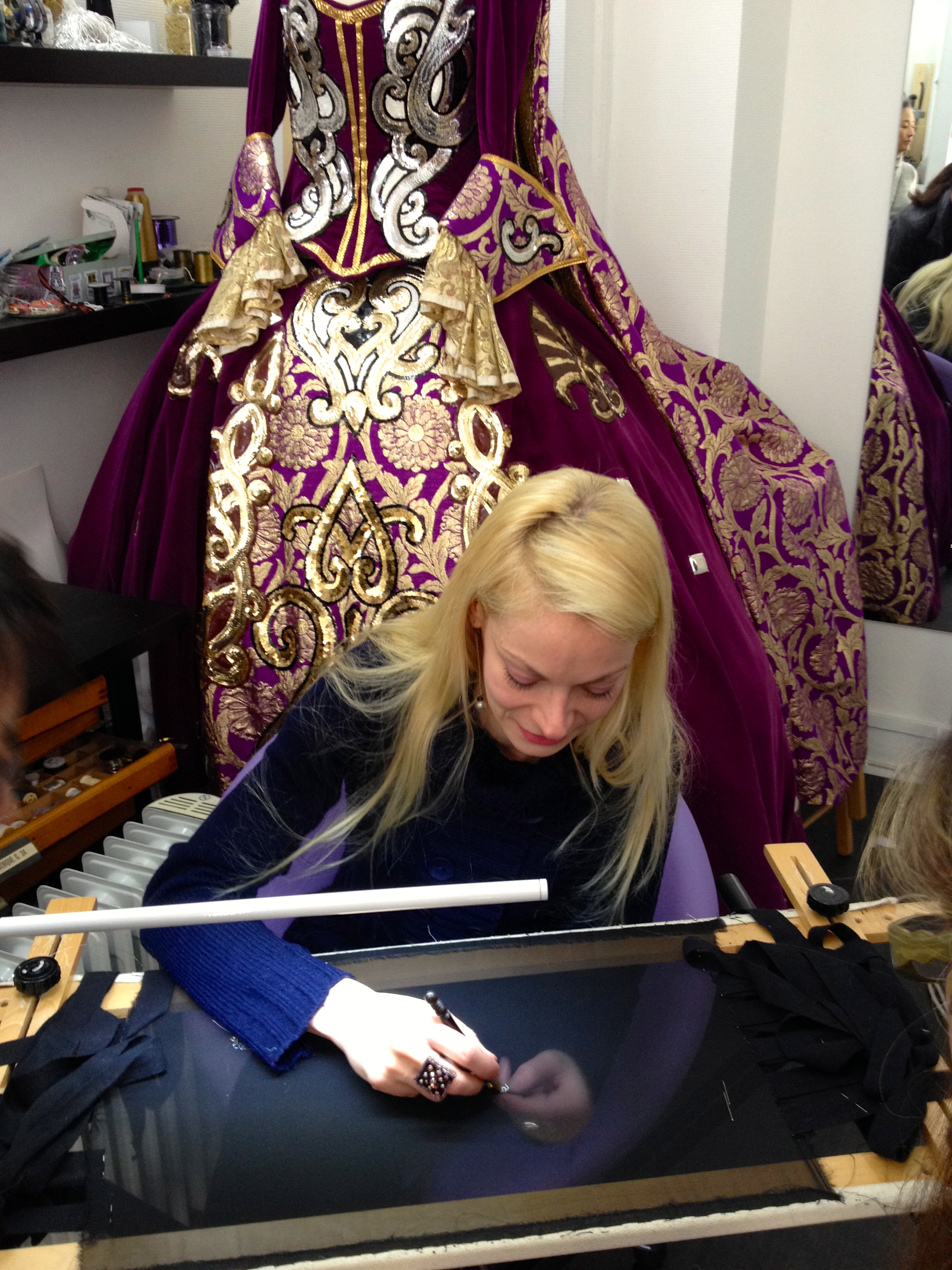
This morning I was thrilled to visit an atelier of another talented artisan, Fabienne Debastiani, at her purple digs in Paris.

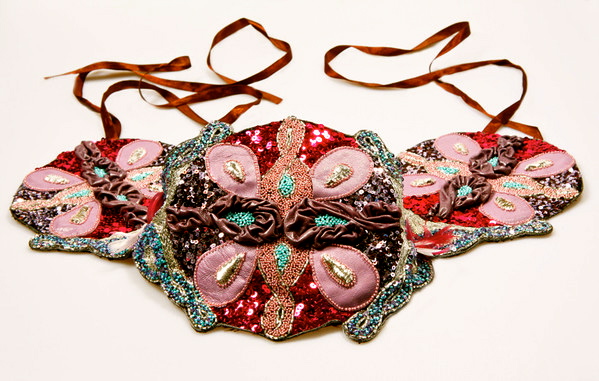
Fabienne is a passionate creator of jewelry, costumes and haute couture. She began her career as a dancer and choreographer and her handcrafted designs are heavily influenced by the world of cabaret and Cancan. Her specialty is fine embroidery and her work is breathtaking. Like the flower artists at La Maison Légeron, Fabienne, seems to magically spin gilded thread, tiny beads and sparkling sequence into exquisite, wearable art.

stravaganza=embroidery-paris.jpg

She is another one of Frances treasured artists who is taking care of the details.

source:www.bijoux-stravaganza.fr

source:www.bijoux-stravaganza.fr

All her pieces are one-of-a-kind, and each one reflects her enthusiasm for her craft and for life. Somehow she has managed to continue to combine her love of this unique handcraft with her passion for dance. She choreographs and dances throughout Paris and Versailles and even found the time to choreograph and perform in the Cancan scenes in Woody Allen’s Midnight in Paris. On top of that she has begun to hold embroidery workshops for the public sharing her joy of creating while helping to keep her craft alive. She is versatile and kind, and she moves through many different worlds, some days creating wedding gowns for real princesses, while on other days offering to repair this American’s treasured Siamese beaded clutch.

stravaganza-jewelry-paris3.jpg

The unique artisans of this country continue to astound me and never let me forget how important art is to a culture…just one more thing I love about France.

No. 179: Sylvain Chomet

Very recently a friend introduced me to the animator, illustrator, writer, director, BAFTA-winning and Oscar-nominated Sylvain Chomet. In the past week I have spent far too much time Googling him and illegally watching his movies. This guy is brilliant.

Born in Maisons-Laffitte in the banlieue of Paris, he started his career drawing and writing print comics. His first feature-length animated film, Les Triplettes de Belleville was nominated for two Oscars in 2003. This was followed seven years later by his next animated film L’Illusionniste (loosely) based on a 1956 script by Jacques Tati about his flawed and troubling relationship with his daughter. It tells the story of a struggling magician and a young woman who idolizes him.

Both films evoke mid-twentieth century French society and are quirky, especially Les Triplettes, which might be more accurately described as a bit on the creepy and Tim Burtonesque-side. While L’Illusionniste is also quirky, it had moments for me that reminded my of the animated film Up – at least in the way it deeply stirred my emotions.

A couple of weeks ago, the Simpsons (an animated American television show, in case you’ve been living under a rock…) gave Chomet the green light to direct the animation for the opening couch scene and add a Gallic twist…cue the snails, force-fed geese, accordion-playing Lisa, and the notoriously high-waisted men’s pants. Take a few seconds to see what I adore about Monsieur Chomet and let me know what you think about him.


Vocabulaire

banlieue: suburb