Skip to content

Posts from the ‘People’ Category

No. 110: Musicians on the Métro

Paris MetroI ride the métro a fair bit, especially when I am taking French classes. It’s not my preferred form of transport, that would be my feet or the Velib (the fantastic bike share program found throughout France). If those options won’t get me where I need to be, than I try to hop on a bus before heading underground.

But when I do have to head down under, the Paris métro is fast and efficient. It could be a little cleaner and I’d like it if it was less crowded, but all in all, it’s a marvelous system. Some days though, like in any big city, jumping on the métro in Paris can just be a slog. Everyone is cranky, no one smiles, and sometimes people smell.

It always cheers me up though when I open a carriage to find a musician entertaining the commuters. I’m not sure how the French feel about them. Not many travelers open their wallets when the musicians pass their cup, but they always brighten my day, and if I have cash, I toss something in.

Sometimes they are just singers alone with their speaker and microphone. Sometimes one musician may have six instruments. I have even seen a five-piece band. I was completely devastated when I missed the Hungarian sting quartet struggling to get their cellist off the métro just as I was getting on.

Paris Musicians on the Metro

And in case you are wondering, there is absolutely no shortage of accordion maestros in this town.

I’ve heard a lot of really bad Frank Sinatra, some so-so Edith Piaf, some crazy, lyrical poetry jam, some pretty decent opera, and a lot of average Paris café music.

Paris musicians

I give these people a lot of credit, we are not the friendliest crowd. But I for one am glad they choose to get up every day and try to earn a living. The good, the bad and the great, they all make me smile.

No. 109: Advice on Where to Pee

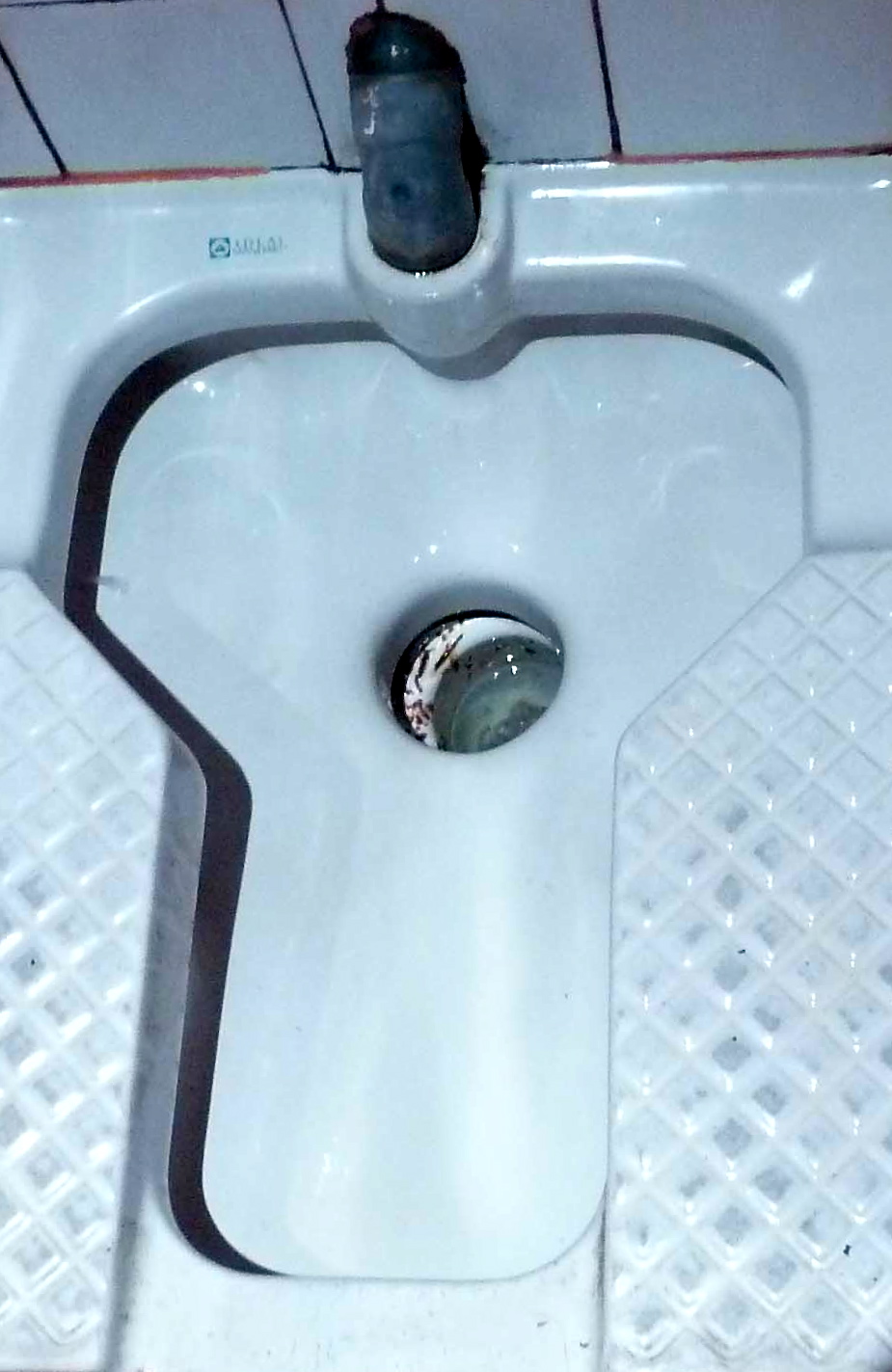
Anyone who has lived in France or visited knows that public bathrooms are not plentiful.  Unlike the States, cities in France often don’t provide nice communal toilettes for their residents and guests. If they do happen to sponsor some sort of toilette, it’s usually pretty dégoûtant, and often Turkish-style to boot. I was talking to a good French friend of mine who now lives in Washington, D.C. and when I asked her what she likes about living in the US, public toilets was on her Top 10 List.

Turkish, or as Brits call them, French toilet

Turkish, or as Brits call them, French toilet

Yep. In the U.S., if you need to pee when you’re out and about it’s never a worry. Public bathrooms are plentiful and most of the time clean, and you never have to squat over a hole to pee. En fait, my hometown of Golden, Colorado, boasts one of the “finest” public toilets in the Denver Metro area. We actually had a parade, lead by our plunger-waving Mayor, when our fancy public facility was opened (and christened the the Taj Mastall).

The Taj Mastall, Golden, Colorado

The Taj Mastall, Golden, Colorado

So, you can imagine my dismay when, coming from this small town that strongly valued public sanitation, I landed in a huge metropolis where public toilets are so few and far between. Perhaps this lack of facilities is why so many men in France pee in public gardens and on the street.

Mais, what about us girls? We can’t pee in the breeze.

Well it turns out Cécile Briand had the exact same question, and answered it by writing the nifty guidebook: Où faire pipi à Paris. (Where to pee in Paris).

Ou faire pipi a Paris

It is a brilliant little book that fits neatly in my purse, and c’est pain bénit, (it’s a godsend), especially for women.

She has listed (and updates yearly) 200 toilettes in Paris that are accessible to the public. Her guide, arranged by arrondissement and including handy maps, also includes a history of public toilets and is limited to only toilets which are:

si possible, sont agréables, en accès libre (sans fouille de sac ou rarement), gratuite et bien répartis dans la ville (when possible, pleasant, with open access (without or rarely having to have your bag searched, i.e. museums), free, and well located in the city.

While some of the toilets she lists aren’t up to American standards, at least I know that if nature calls, somewhere in my general vicinity I can faire pipi.

 Ou faire pipi a Paris

Vocabulaire

C’est pain bénit! It’s a godsend!

dégoûtant: disgusting

en fait: in fact

faire pipi: pee, go to the bathroom

mais: but

Où faire pipi à Paris? Where to pee in Paris

No. 108: Idioms from the Bakery

IMG_2289

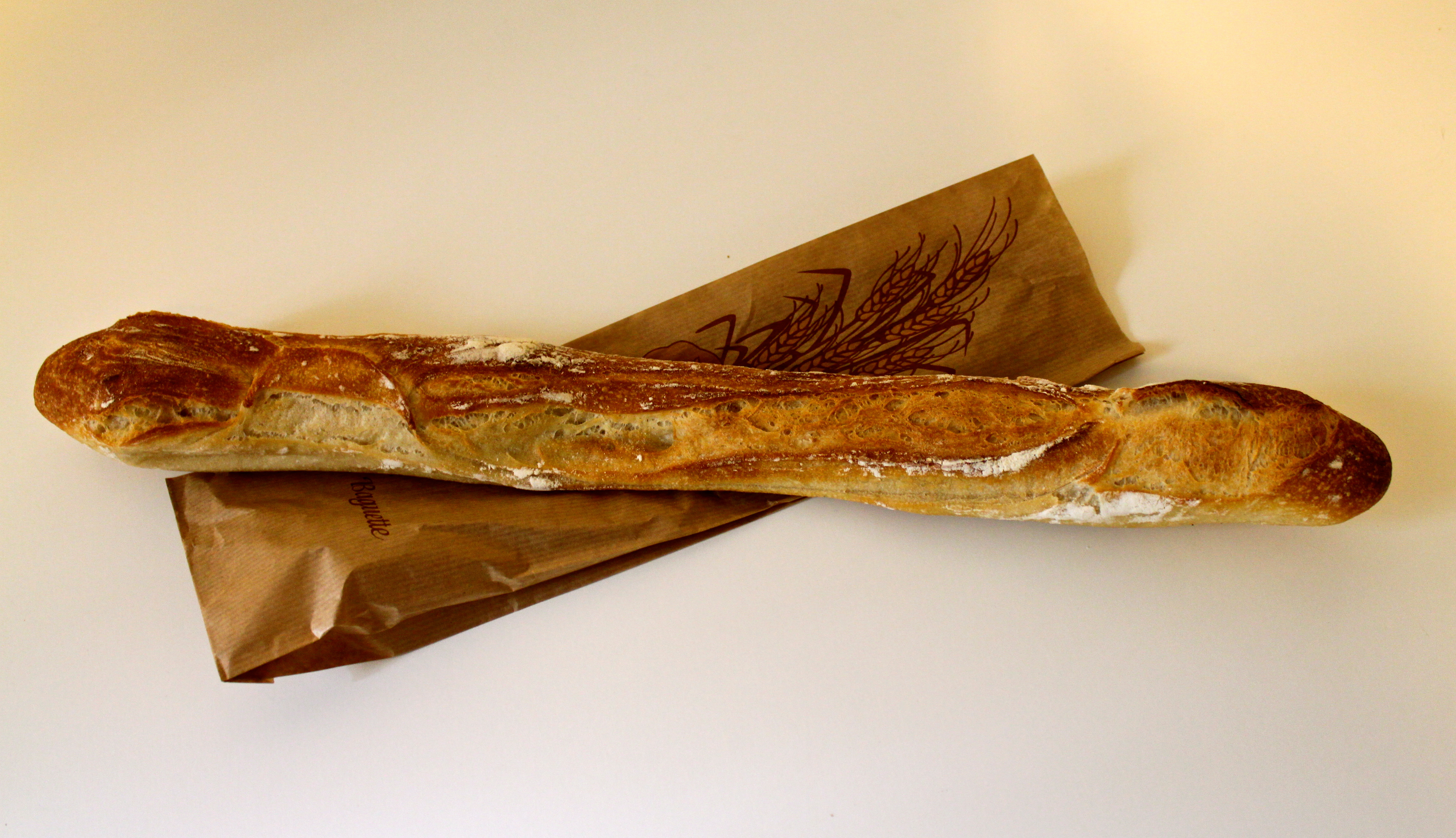
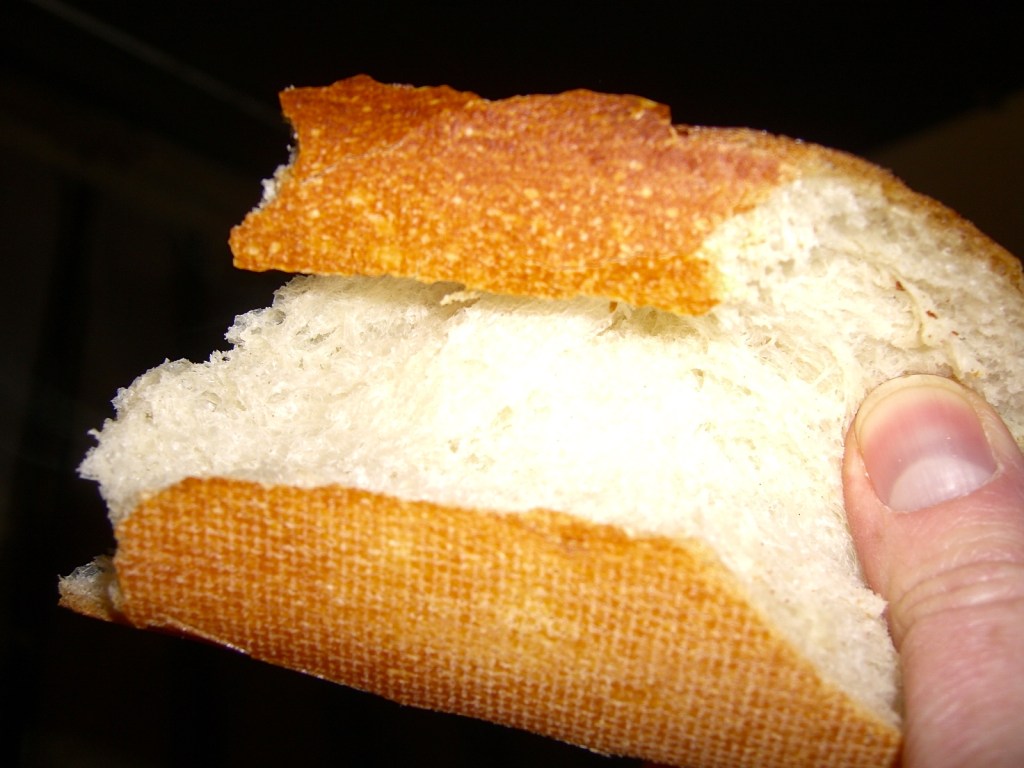
Bread. Glorious bread…

One of the many things France does right is bread. There are so many different types of bread to choose from in the boulangeries, it can get overwhelming at times. I had planned to do an extensive homage to bread this month, mais malheureusement, je suis au régime, and bread is one of my biggest weaknesses.

Donc, you will have to settle today for what I hope will be fun: idioms from the bakery or idiomes de pain.

Now, the first thing to know about bread is the French word for it: pain. No it is not p-a-i-n, as in agony, affliction, grief, heartache, and misery, but pain as in let’s-mix-some-flour-yeast-and-water-together-and-get-baking, and rather “Frenchily” pronounced: “pehn”.

One of my favorites expressions with “pain” which I hear the little boys shouting in my apartment corridors: Je vais au pain! Literally: I go to the bread, but meaning: I’m going to get the bread!

And we all need to get the bread. Bread is life, bread is sustenance, and bread is also clever when in the mouths of the French. Come have a taste.
Some happy exclamations:

C’est pain bénit! (This is blessed bread.) It’s a godsend!

Bon comme (du) bon pain! (Good like good bread) Extremely good!

Nul pain sans peine! (No bread without penalty) No pain, no gain!

A tragic saying:

If my father-in-law is a plus de la moitié de son pain cuit (his bread is more than more than half baked), sadly he won’t live long.

Are you a worrier?

Don’t tell your mother you’re avoir peur de manquer de pain (fear running out of bread) worried about the future.

Regarding money:

If your son has a job, he gagne son pain (earns his bread), make his living.

If you are a good bargain hunter, you can pick up something pour une bouchée de pain (for a mouthful of bread) cheap, or for a song.

If you are a lousy bargain hunter, you manger un pain trempé de larmes (eat bread soaked in tears), pay a lot for something.

If your product se vendre comme des petits pains (sell like rolls), it’s selling like hotcakes.

It’s bad if you être à l’eau et au pain sec (to be given only water and bread) because you are bankrupt.

Regarding work:

If you avoir du pain sur la planche (have bread on the board), you have a lot on your plate.

Looking for a doughy insult? Try these:

If somebody vendre son pain avant qu’il ne soit cuit (sell his bread before it is baked), they are a bit presumptuous or in American-speak, they “count their chickens before they’ve hatched.”

If your brother ne vaut pas le pain qu’il mange (doesn’t want the bread he eats), he is lazy.

If someone or something is à la mie de pain (the breadcrumbs), they are worthless, or unreliable.

If your friend mange son pain en son sac (eats his bread in his bag) he does it on the sly, and might not be trustworthy.

If your girlfriend pleure le pain qu’elle mange (cries the bread that she eats), she’s stingy.

Politicians may be accused of enlever à quelqu’un le pain de la bouche (take the bread from someone’s mouth) depriving someone of their livelihood.

If you savoir de quel côté son pain est beurré, (know which side your bread is buttered on), you are an opportunist.

Et enfin:

If you faire passer le goût du pain à quelqu’un (take away the taste of bread from somebody), you do them in, knock them off, or take them out, (kill them)…

…and then, I guess they are toast!

655px-Toast-2


Vocabulaire

boulangeries: bakeries

donc: so, therefore

idiomes de pain: bread idioms

Je vais au pain! I’m going to get the bread!

mais malheureusement, je suis au régime: but unfortunately I’m on a diet.

pain: bread


With special thanks to my French teacher Nicolas and my classmates, and About.com, please let us know where we went wrong.

No. 105-106: Fabophiles and the Galette des Rois

Along with every other French-themed blogger posting today on Epiphany, the Twelfth day of Christmas (marking the Magi’s visit to the Christ Child), I too have a story to tell about the Galette des Rois (the Kings Cake).

Galette des Rois

As you may already know, each year on January 6, the French gather to share this special cake made with flaky puff pastry and dense frangipane, a sweet almond filling. They cut the Galette des Rois so that each person sitting at the table plus one extra guest receives a piece. (In the olden days, the extra slice was given to the first needy person to pass by your home.)

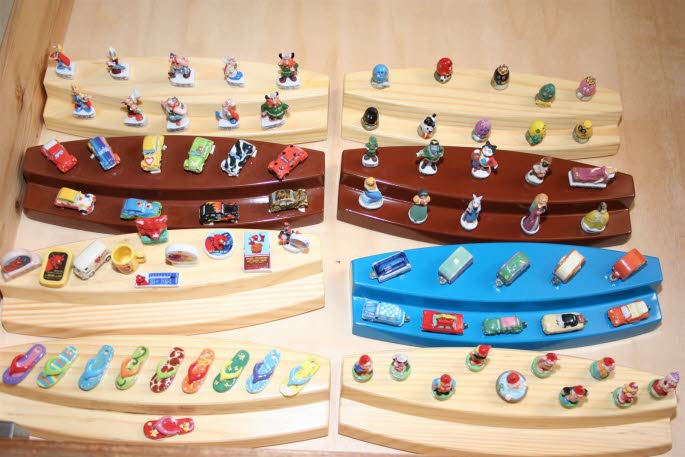
La fève, literally a broad bean, but these days a tiny porcelain or plastic charm, is hidden inside the cake. The lucky diner who finds it, (beware of cracking a tooth!), gets to be king of the feast or king for the day and sports a handsome paper crown.

Only a mild fan of the cake itself, I was interested in taking a broader look at the types of charms found inside these cake. In my three Epiphanies in France, I have only come across cheap plastic baby Jesus’s and mini, chipped royalty. It seemed to me that there had to be more.

And more there is. En fait, there is a pretty decent-sized blogosphere dedicated to “favophilie/fabophilie”.

In case you haven’t heard, a fabophile (or favophile) collects the beans and charms from the Galette des Rois. They call themselves “Fabos”.

photograph: isabelle-lottaz

photograph: isabelle-lottaz

The keenest Fabos seek out whole “series” of charms and, of course, those rare and hard to find models. From what I understand, there are three types of fèves: figurines, custom “beans”, and standard “beans”.

The figurines originally started out representing holy figures, the Christ Child, and royalty. Now it seems that anything goes—from religious icons to cartoon characters to celebrities.

Custom beans are the most valuable as they are limited additions, often brand marked, and sometimes quite expensive. For these beans the sky’s the limit—depicting cutesy animals to kitchen utensils to great works of art.

The standard beans are mass manufactured and sold to any-old-buyer (such as your local boulanger). These ordinary fèves are sold by the box and often repurposed by us homespun chefs who put them in our own cakes.

In addition to the three categories of fèves, there is another thing to look for if you’re thinking of becoming a Fabo: the finish, your choice: matte or glossy.

So if you are really gung-ho about collecting, you could in fact amass two sets of everything, shiny AND dull.

Truth be told, and actually quite scarily, had I grown up in France, it’s likely I would be a very serious fabophile, knee deep in tiny porcelain treasures and a good 10 kilos heavier from slogging through the Galette des Rois in search of my prize.

mes fèves so far this year...

mes fèves so far this year…

If you want to make your own fancy one at home, hop over to David Lebovitz’s blog for a fabulous but time intensive recipe. If you want the quick and easy version check back in a few days for Galette des Rois à la Rachel.

Vocabulaire

boulanger: baker

en fait: in fact

fabophile / favophile: a person who collects fèves; Febo for short.

favophilie / fabophilie: the act of collecting fèves

frangipane: a thick almond filling

Galette des Rois: the Kings Cake, eaten on Epiphany and throughout January; in the U.S. it is also eating during the lead up to Mardi Gras.

une fève: the tiny porcelain/plastic prize found inside the Galatte des Rois; also a broad bean or fava bean.


Number 104: Being a Fake Tourist

I am the first to admit that living in a foreign country (even France—or maybe especially France) can be exhausting.

It’s very true in Paris that the Parisians can wear you down, from the careless cigarettes in your face on a crowded street, to the glaring games of chicken on the narrow sidewalks, to their indifference and superiority when you try to converse in French, it all gets kind of old after awhile…

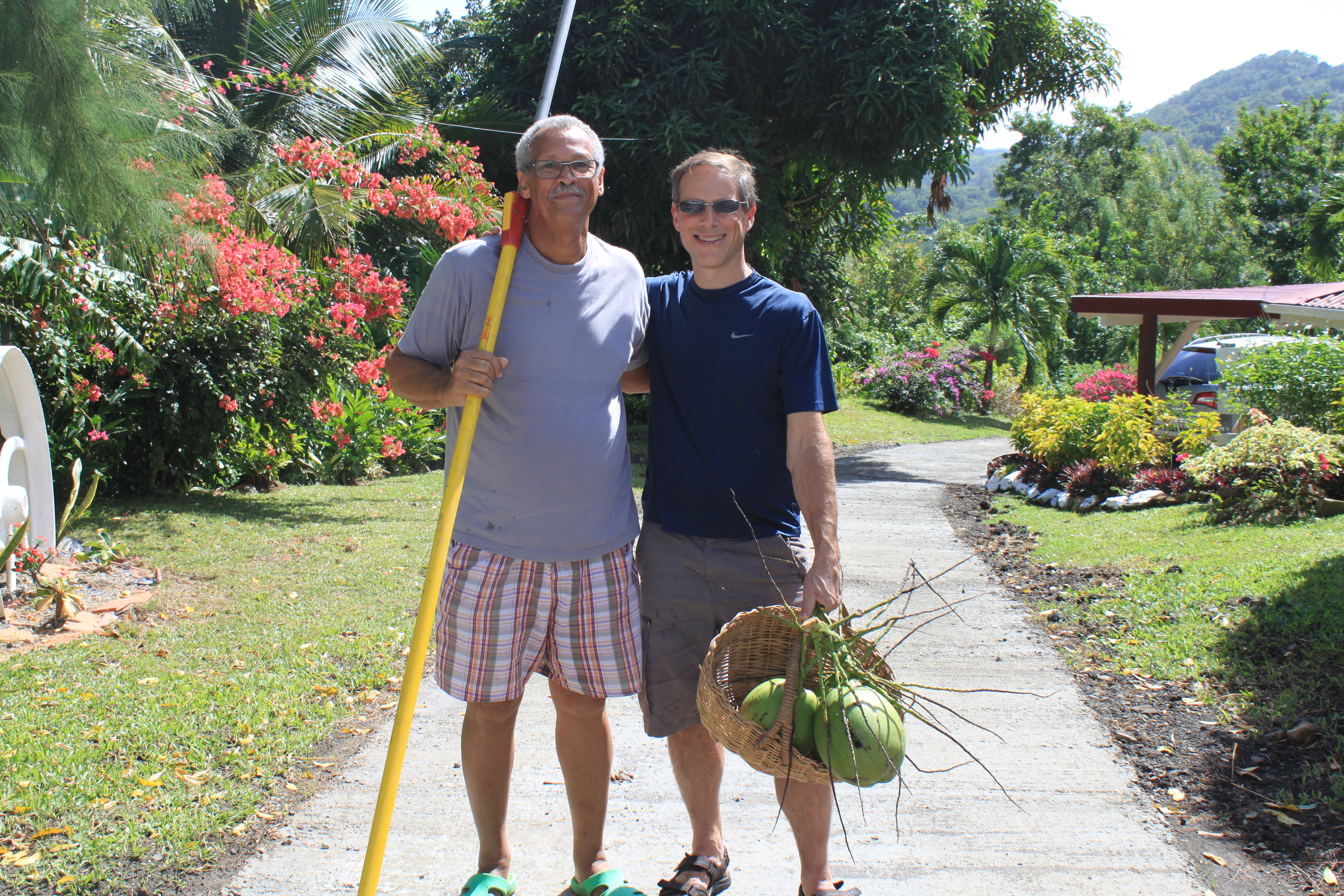
…especially after you have spent 2 weeks in a much friendlier and relaxed part of France being bowled over by overtly pleasant French people.

Martinique

But being a fulltime temporary residence of a strange land does have its benefits.  In addition to the obvious ones: getting to really know your new home, making personal connections, experiencing life the way the natives do, etc., there is one less obvious benefit that I like to take advantage of every now and then: being a fake tourist.

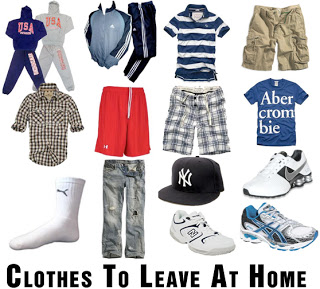
I don’t do this very often, but there are days in my beloved France when I just want the mental break from trying to be too French, or from stressing out about getting my grammar and pronunciation right. I give my feet a break from wearing uncomfortable, but beautiful, shoes. I give up on eating small acceptable portions, and instead, I allow my casual, optimistic American upbringing to take the lead.

source: the sauvybackpacker.com

source: the sauvybackpacker.com

On these rare days I consciously let myself go into tourist-mode and breathe a sigh of relief.

Okay, so I don’t go as far as slipping on my running shoes, white socks, workout clothes and baseball cap. I don’t strap on a fanny pack and wander cluelessly in the bike lanes. I don’t use my really loud outside voice to press on as if no one else in this entire country can follow my conversation or understand English. And I certainly don’t make grand exclamations about how things would be better if the French just did it the American way.

What I do do is generously allow myself to see this city and country as if I had never set one teeny tiny toe on the other side of the Atlantic. I open my eyes wide and pretend I am a complete newbie, and…ssshhhh….I don’t speak French, at all. (Don’t tell anyone.)

Oh, and sometimes I scandalize those moody, dark Parisians by wearing a pink coat!

IMG_0402 2

On fake-tourist-days, I allow myself to peruse the tourist trinkets and bargain with the North Africans selling black market handbags. I stand in other people’s way and take pictures of important monuments. If the weather is nice, I’ll take a cheap cruise on the Seine. When the spirit moves me, I might buy a slice of pizza or possibly a hotdog, or even an American candy bar in lieu of a salad Périgourdine or a 3€ maître-made piece of chocolate. I will smile at strangers and I’ve been known to inquire as to how they are feeling. It’s all so freeing.

source: parisbysite2011.tumblr.com

source: parisbysite2011.tumblr.com

Hmmm….when I see all this freedom in writing, it occurs to me that maybe I ought to play at being a fake tourist more often, except of course for the speaking French part…I’ll save that luxury for the days when I really need a break.

Vocabulaire

maître: master

salad Périgourdine: Perigord salad; a salad originating in the Perigord region of France and consisting of crisp lettuce, cooked or preserved duck giblets, bread cubes, chopped walnuts, walnut oil, and wine vinegar


No. 103: New Beginnings

artwork: Thomas Gouin

I’ve fallen a little bit behind on my postings post-holiday.

This is not the way I envisioned starting off this New Year, but sometimes “life happens” and the universe throws you a curve ball when you are least expecting it, forcing you to change course a little bit and refocus your energy.

But I am back now and reenergized by my resolutions to TRY not to beat myself up when things don’t go exactly as scheduled.

I hope to be more accepting of life just happening, rather than being planned, and be more kind to myself when I fail. I’d like to ease up on the reins and be more willing to go with the flow, be more gracious and giving, and smile more easily and often. But most of all, I want to spend more time in the present and less time dwelling on the past or preparing for the future.

That’s what I love about the challenge of this blog and my pledge to find one thing a day that brings me joy in this complex country. To me, this January represents not only the opportunity to reflect on the past, but a promise of a fresh start. And who doesn’t love a fresh start?

1513332_10152134899590921_1016176970_n

Reflecting on “fresh starts” over the last few days has reinforced in me the transformative power of our move to France.

Along with the excitement and steep learning curve that comes with an international move, I have also had the opportunity not only to begin to reinvent myself, but also to discover new things about myself and learn to be less risk adverse. While new beginnings and personal transformations certainly aren’t emblematic of life in France exclusively, they are of MY life in France.

Moving to Paris has given me the opportunity to see the world from a whole new perspective and to be part of an expat and French community that supports and nourishes me. It has certainly been humbling and challenging to be out of my comfort zone when it comes to learning a new language and trying to understand a different culture. But living here has pushed me to grow intellectually, gain confidence and remember who I am and what makes me happy.

In Paris I have been very lucky indeed to walk out my front door and be inspired by the physical beauty of this city I love. The architecture, the food, the culture, the attention to detail, the language, the people—they all still take my breath away. For all the good, bad and annoying things this country has to offer, I am grateful.

copyright: nancy benioff 2013

Alors, to my new readers in cyberland, and my dear friends and family, I wish you all the desire

  • to claim a fresh start in some aspect of your life,
  • to lose the fear, even for just a moment, to try (and maybe fail) at something you’ve always wanted to do,
  • and the ability to laugh and be gentle with yourself no matter the outcome.

Thanks for reading and supporting me, here is to your 365 days of something you love…bonne année!

365days

No. 102: ‘Ti Punch

IMG_9861

‘Ti Punch, short for petit punch and best pronounced “tee paunch”, is the boisson préférée en Martinique. I’d never heard of it before this adventure. Superman, a bit more experienced, jumped right into the island vibe and enjoyed one on the Air Caraibes flight over.

unnamed

I had hoped to get to one of the rhum distilleries yesterday and learn about the process of making rhum from sugar cane, but oh la vache, our gas tank is still presque à sec, so we are only making short trips here and there, hoping we will have enough gas to make it to the airport.

Even though I’m not a hard alcohol enthusiast, I have come around to enjoying this punch over the last few weeks. It’s a simple and casual drink and it goes down smoothly.

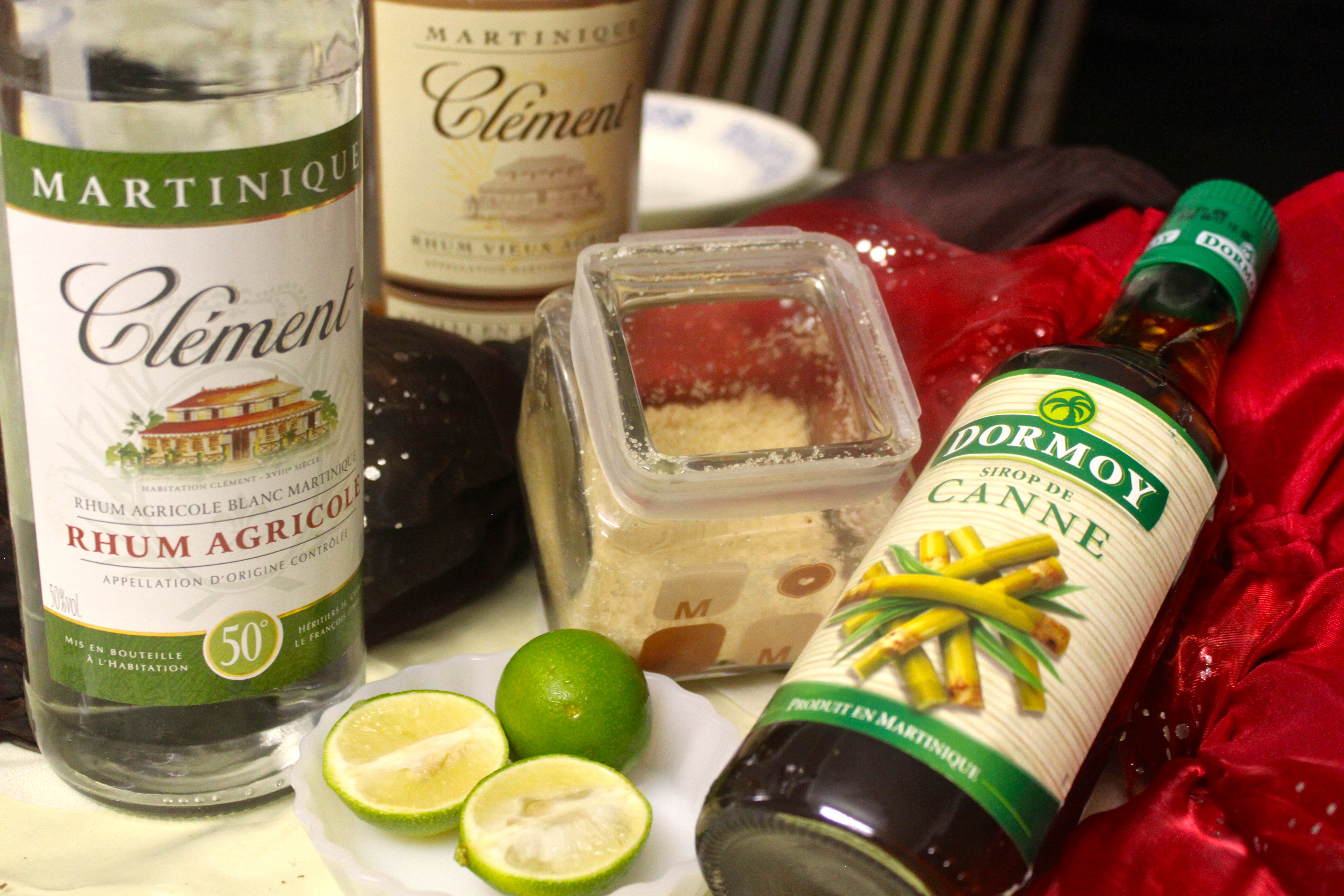
‘Ti Punch is a combination of rhum, lime juice and cane sugar, all of which can be found freshly grown/made in this tiny island paradise. What I like about this easygoing drink is that en famille it is served déconstruit/deconstructed. Meaning, the rhum, limes and sirop de canne or sugar are put on the table and each person mixes their own drink to suit their tastes.

IMG_9829

IMG_9850

As my dad used to say: “choose your poison”, or as I heard this week: chacun prepare sa propre mort (each prepares their own death).

Here is a simple recipe to get you started:

‘Ti Punch

2 fingers of Rhum Agricole

½-1 small Keylime, juiced

1-2 tsp cane sugar or cane syrup

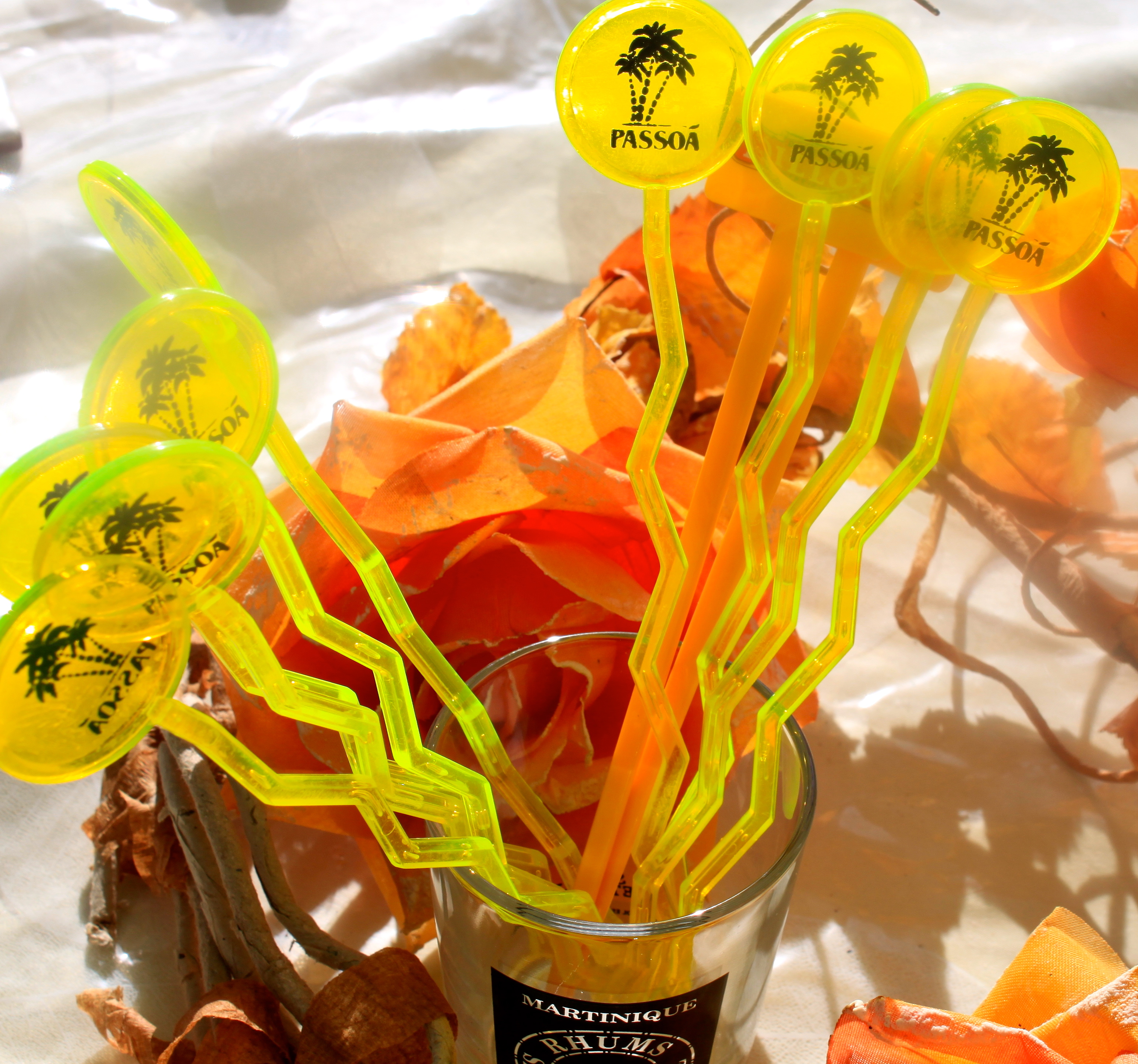
Serve over ice and stir with a bois lélé (swizzle stick). Usually served as an aperitif—or, en Martinique, when the spirit moves you. Try spicing up the syrup with a bit of cinnamon or allspice to make it more festive.

Vocabulaire

An nou pran on lagout : Let’s have a glass of rum; créole

aperitif: before dinner drink

bois lélé: swizzle stick, créole

boisson préférée en Martinique: preferred drink in Martinique.

chacun prepare sa propre mort: each prepares their own death

en famille: with family (at a family get together)

oh la vache: holy cow

presque à sec: almost empty (as in the gas tank); literally, almost dry

rhum agricole: rum made from freshly-squeezed sugar cane juice and then distilled

sèk-sèk : a small glass of pure rum, créole.

Shrubb; rum made with marinated orange or tangerine rinds, served at Christmas

sirop de canne: cane syrup

un planteur: fruit juice and rum