Skip to content

Posts from the ‘Food’ Category

No. 114: Things I Never Thought I Would Eat but Have, or Might…

Some days I go to the outdoor marchés and marvel at all the weird and wonderful things on offer. Today was one of those days, as my friend and cooking teacher Marie-Françoise introduced me to a new French word: le tripier.

Le tripier is a very special kind of butcher, not the kind you go to to get your everyday ordinary cuts of meat. I’m not even sure there is a comparable word or profession in the U.S. The best definition I can come up with is the “tripe butcher”. For those of you who aren’t quite sure what tripe is, it’s the first or second stomach of a cow, oxen, sheep, goats or other ruminant that is used as food.
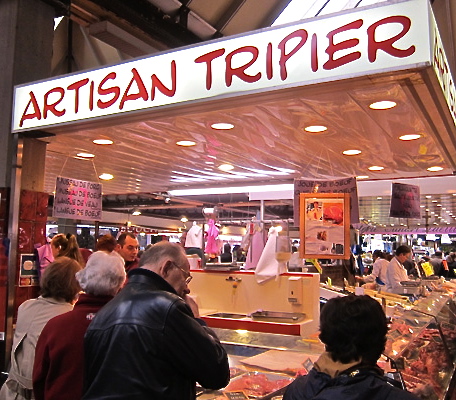
source: le blog de boulogne billancourt

source: le blog de boulogne billancourt

Mais le tripier doesn’t just specialize in stomach number 1 and stomach number 2, no, no, he has several refrigerated cases full of all sorts of animal parts you’ve probably never, ever considered eating.
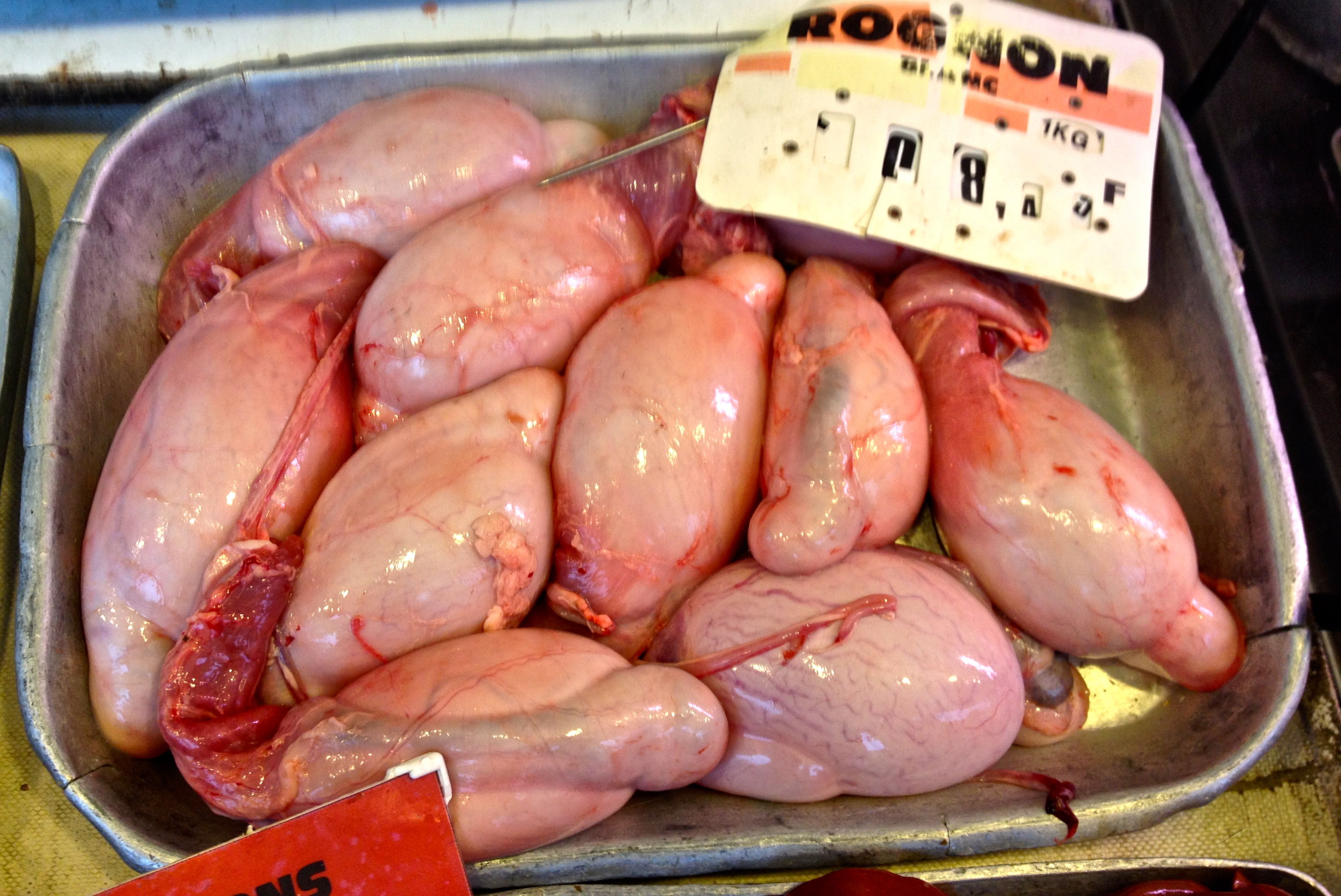
rognon blanc…white kidneys

rognon blanc…white kidney

Mais les Français, ils mangent tout!
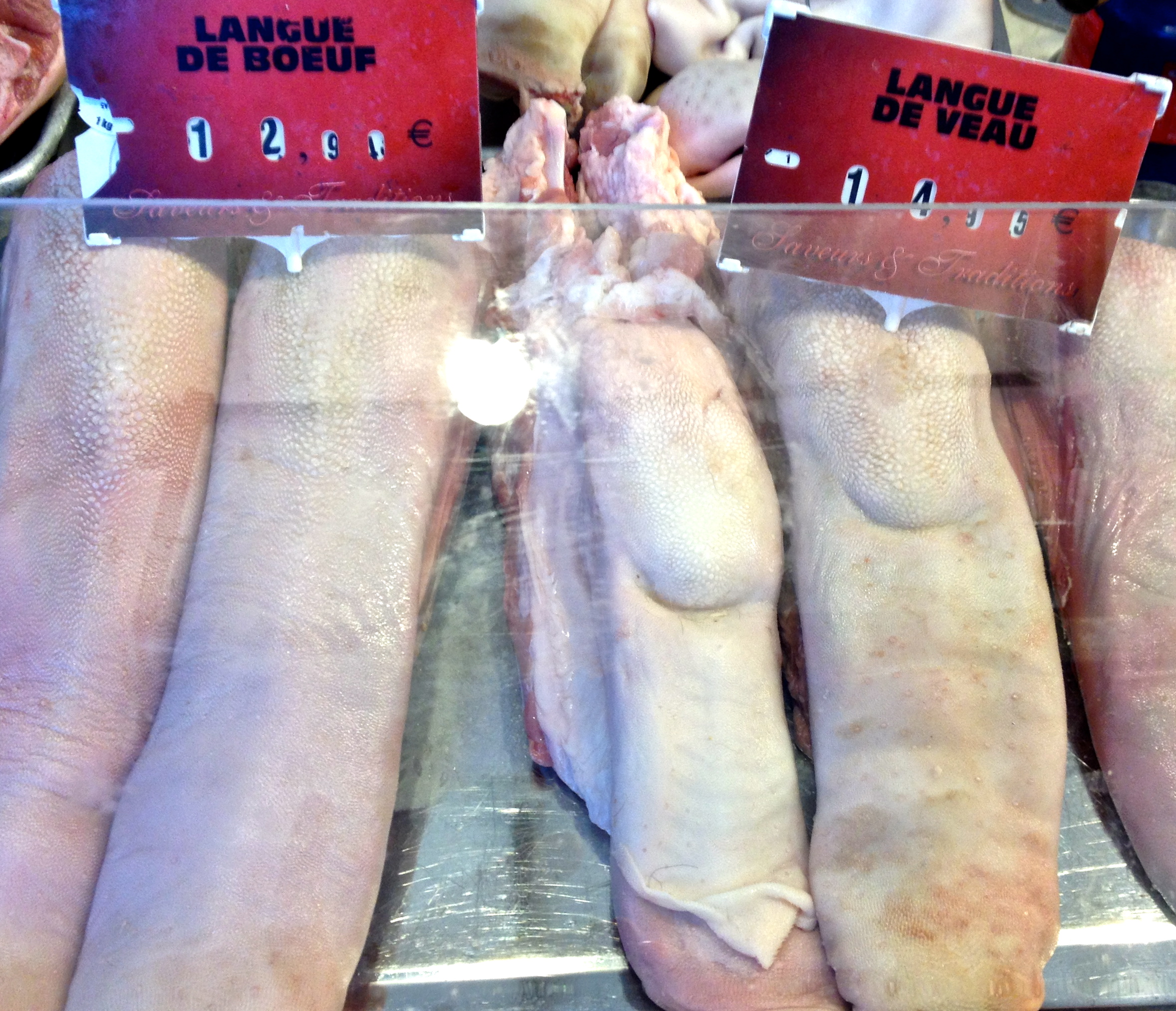
langue...tongue

langue…tongue

Or, as I heard in class today, “Tout est bon dans le cochon!” (All parts of the pig are good!)

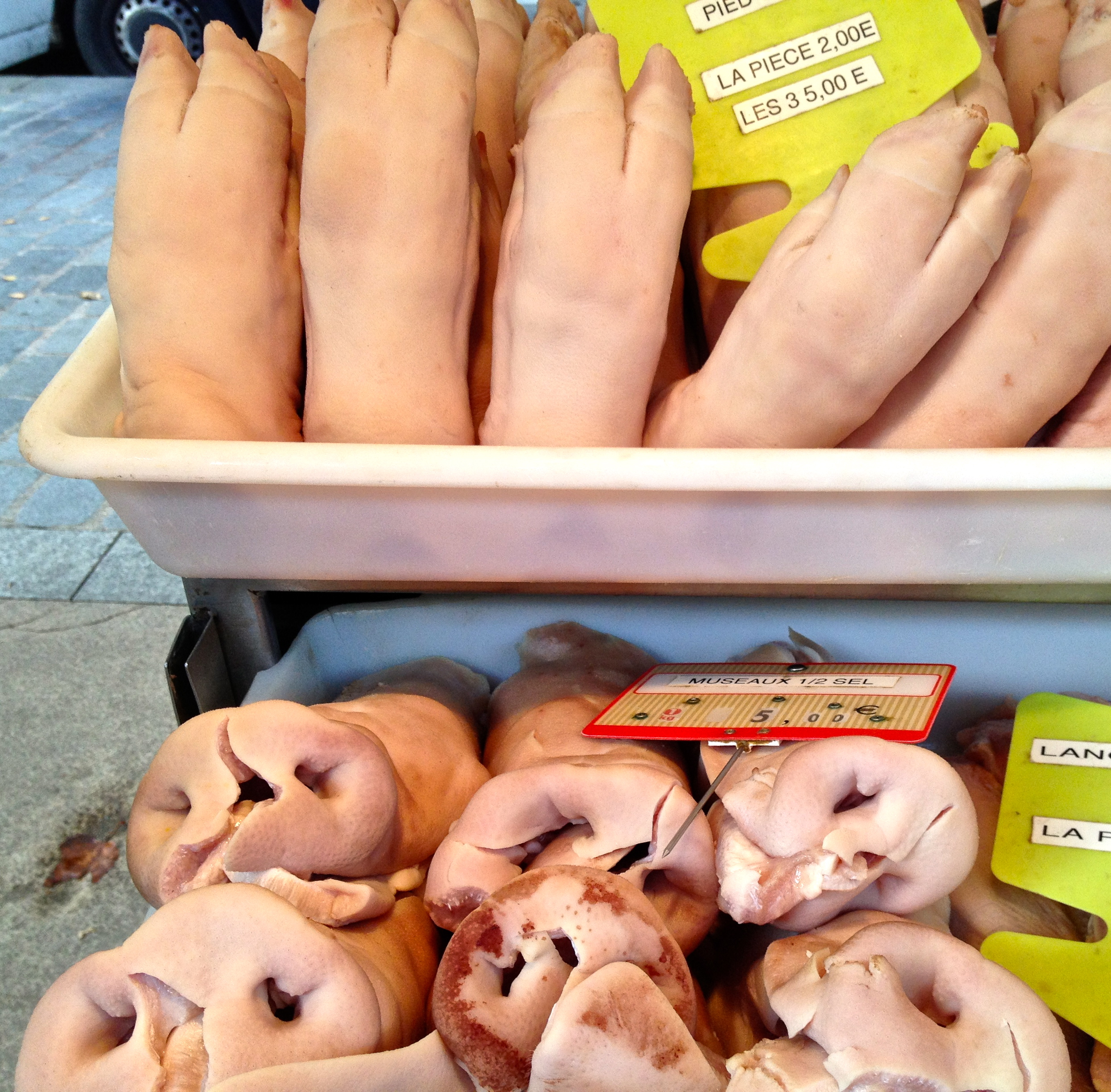
pieds de porc...pigs' feet

pieds de porc…pigs’ feet

les oreilles de porc…pigs' ears

les oreilles de porc…pigs’ ears

museau de porc...pig snout

museau de porc…pig snout…usually served chopped in a vinaigrette

Le tripier not only supplies the home chef with ears, snouts, feet and stomachs, he also has a real “know-how”, a second sense if you will, and can provide his clients with detailed culinary advice on exactly how to cook these curious cuts, and how to eat it. If you get in good with the man, he’ll even save the crème de la crème of the bits and bops you never even knew you wanted.

Here is a small sample of what else you might find at a good tripier stall. It’s not for the faint-hearted.

Vocabulaire

crème de la crème: cream of the crop

le tripier: tripe butcher

Mais les Français, ils mangent tout! But the French, they eat it all!

marchés: outdoor markets; farmer’s market
No. 113: La Truffe

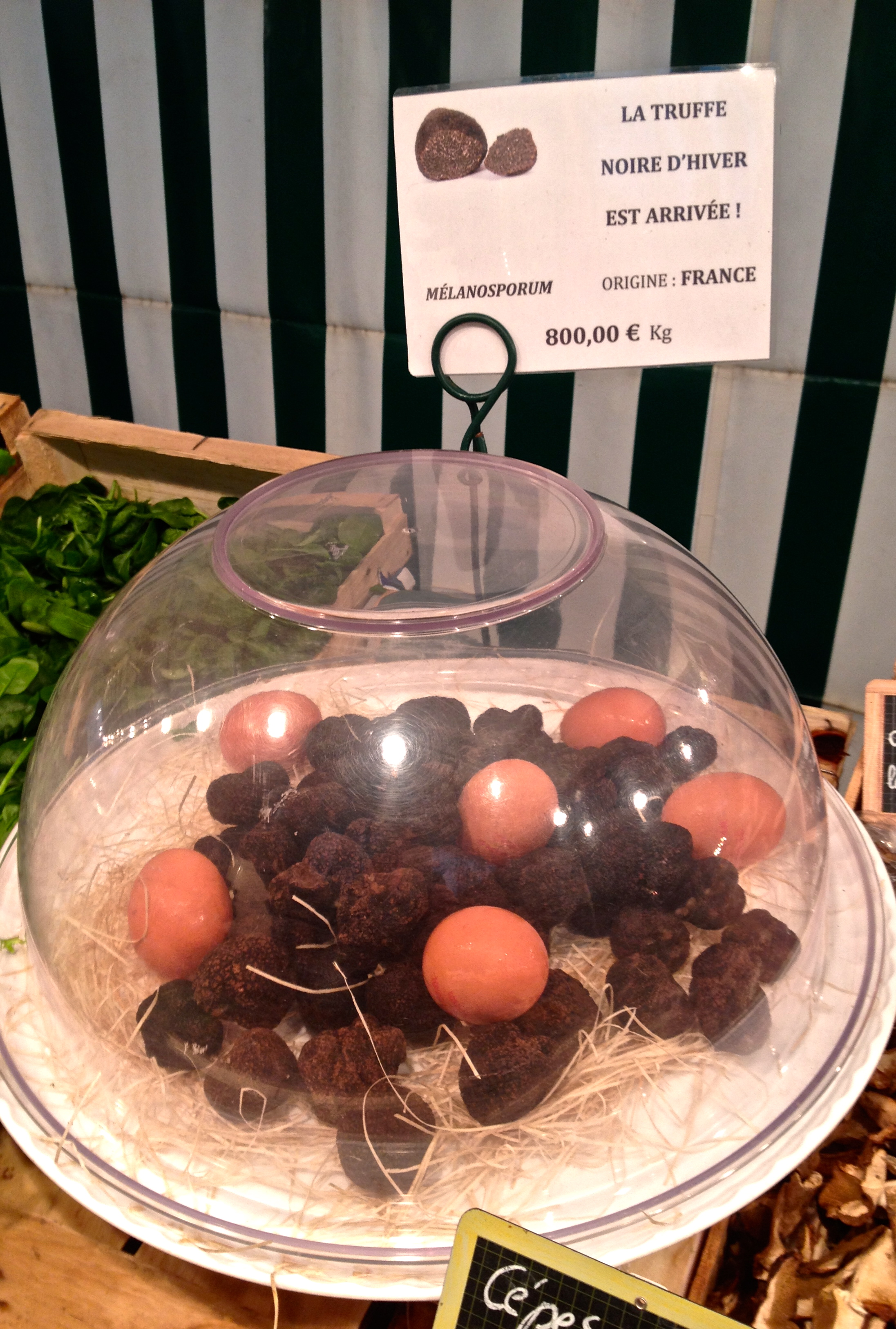
Black Gold!

Black Gold!

La Truffe Noire d’Hiver est Arrivée! And what a bargainonly 800€ Kgbut, you only need one!

Vocabulaire

la truffe: truffle

No. 112: Spéculoos

I don’t think Spéculoos originated in France, but for me it will always remind me of France because this is where I first discovered it. Even though it’s not at its height of popularity en ce moment, it can still be found everywhere, in all its various incarnations.

Speculoos

In case you have been living under a log, Spéculoos / Speculaas / Spekulatius is a thin and crispy spiced, shortcrust cookie, which was traditionally baked around Saint Nicolas Day in Germany, Belgium and the Netherlands. Nowadays you can find the cookies year-round in your local grocery store. Spéculoos biscuits always have some sort of impression stamped on the front of the cookie, originally related to Christmas, but these days it can be a branding swoosh, an animal, a figure, or really anything your heart desires.

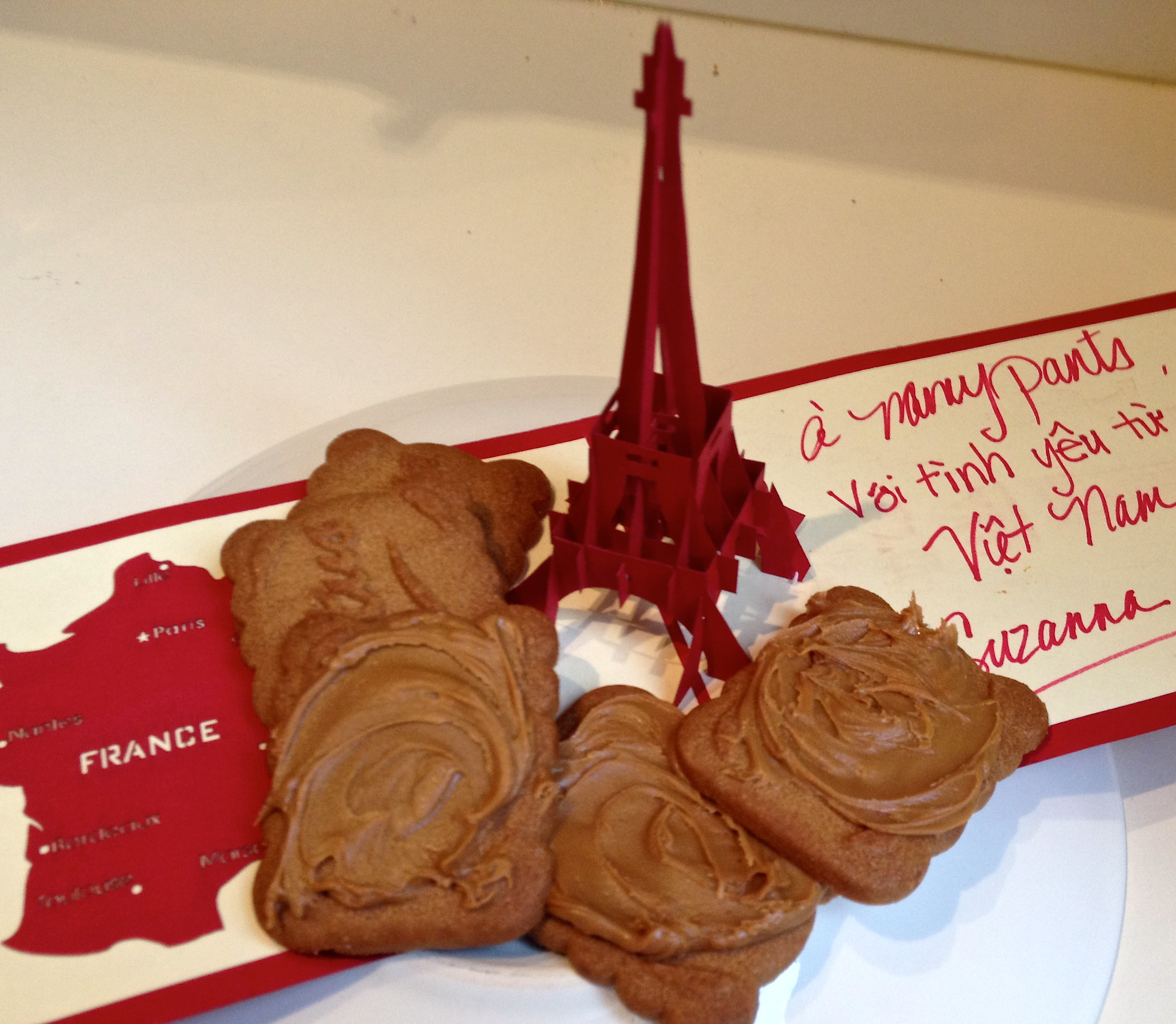
Speculoos Paris

How about some Spéculoos on Spéculoos?

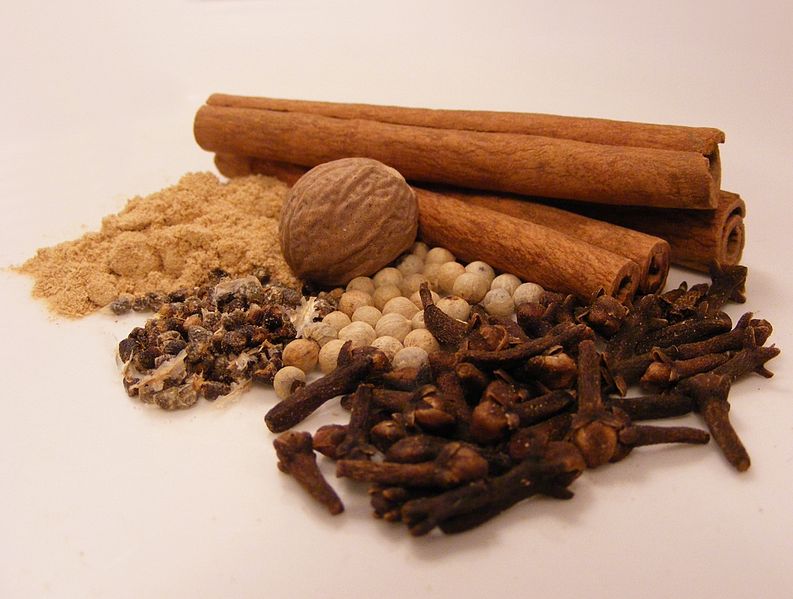
The combination of ginger, cloves, cinnamon, nutmeg, cardamom and white pepper, along with plenty of butter, I’m sure, is what makes these cookies so addictive. They are an excellent accompaniment to hot chocolate or coffee. Sometimes French cafés serve them, in lieu of a small piece of chocolate, when they bring your boisson chaud.

793px-Speculaaskruiden

Relatively recently, a couple of companies in Belgium decided that the cookie itself wasn’t enough. They decided the world needed a Spéculoos spread. Apparently they were right…people seem to be crazy for it.

It looks like peanut butter and comes in a jar like peanut butter, but it tastes nothing like the good old American standby. It is literally a spread made from crushed cookies and vegetable oil. It’s super high in calories, and pretty darn delicious in small quantities or by the spoonful.

Adding Spéculoos cookies and Spéculoos spread to make desserts even more decadent seems to be the game. As well as flavoring different baked goods with Spéculoos, I’ve also seen savory meat dishes cooked with Spéculoos.

So far this week, I’ve come across a Spéculoos apple tarte, a bacon-kiwi-Spéculoos pancake stack, a friend who eats oatmeal, bananas and Spéculoos before she goes running, Spéculoos covered popcorn, a Spéculoos macaron (bien sûr), Spéculoos ice cream, Spéculoos milkshakes, and the traditional moelleux au chocolat filled with melted Spéculoos instead of chocolate.

Of course Picard and a couple of boulangeries around town are featuring special Galette des Rois filled with chocolate and Spéculoos instead of frangipane.

I see the draw when it’s used in a dessert, but I think only the diehard fans will be inclined to order Stir Fried Chicken and Spéculoos Lettuce Wraps or Roasted Pork Fillets  drizzled with a Spéculoos Sauce.

Vocabulaire

bien sûr: of course

boisson chaud: hot drink

en ce moment: at the moment

Galette des Rois: Kings cake, a puffed pastry cake filled with almond paste and served on Epiphany and during January.

moelleux au chocolat: an individual-sized chocolate cake filled with melted chocolat; lava cake.


No. 108: Idioms from the Bakery

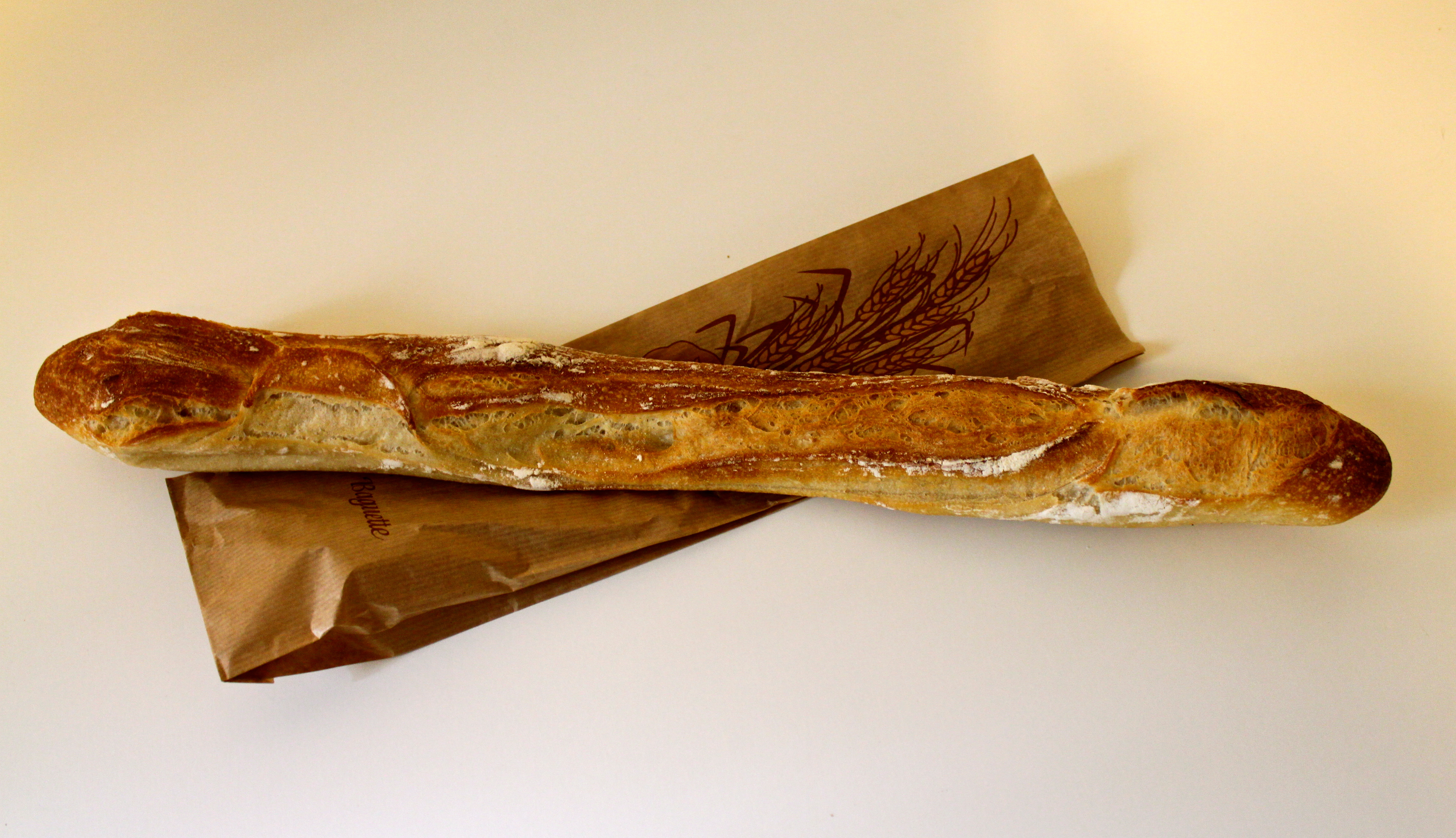
IMG_2289

Bread. Glorious bread…

One of the many things France does right is bread. There are so many different types of bread to choose from in the boulangeries, it can get overwhelming at times. I had planned to do an extensive homage to bread this month, mais malheureusement, je suis au régime, and bread is one of my biggest weaknesses.

Donc, you will have to settle today for what I hope will be fun: idioms from the bakery or idiomes de pain.

Now, the first thing to know about bread is the French word for it: pain. No it is not p-a-i-n, as in agony, affliction, grief, heartache, and misery, but pain as in let’s-mix-some-flour-yeast-and-water-together-and-get-baking, and rather “Frenchily” pronounced: “pehn”.

One of my favorites expressions with “pain” which I hear the little boys shouting in my apartment corridors: Je vais au pain! Literally: I go to the bread, but meaning: I’m going to get the bread!

And we all need to get the bread. Bread is life, bread is sustenance, and bread is also clever when in the mouths of the French. Come have a taste.

Some happy exclamations:

C’est pain bénit! (This is blessed bread.) It’s a godsend!

Bon comme (du) bon pain! (Good like good bread) Extremely good!

Nul pain sans peine! (No bread without penalty) No pain, no gain!

A tragic saying:

If my father-in-law is a plus de la moitié de son pain cuit (his bread is more than more than half baked), sadly he won’t live long.

Are you a worrier?

Don’t tell your mother you’re avoir peur de manquer de pain (fear running out of bread) worried about the future.

Regarding money:

If your son has a job, he gagne son pain (earns his bread), make his living.

If you are a good bargain hunter, you can pick up something pour une bouchée de pain (for a mouthful of bread) cheap, or for a song.

If you are a lousy bargain hunter, you manger un pain trempé de larmes (eat bread soaked in tears), pay a lot for something.

If your product se vendre comme des petits pains (sell like rolls), it’s selling like hotcakes.

It’s bad if you être à l’eau et au pain sec (to be given only water and bread) because you are bankrupt.

Regarding work:

If you avoir du pain sur la planche (have bread on the board), you have a lot on your plate.

Looking for a doughy insult? Try these:

If somebody vendre son pain avant qu’il ne soit cuit (sell his bread before it is baked), they are a bit presumptuous or in American-speak, they “count their chickens before they’ve hatched.”

If your brother ne vaut pas le pain qu’il mange (doesn’t want the bread he eats), he is lazy.

If someone or something is à la mie de pain (the breadcrumbs), they are worthless, or unreliable.

If your friend mange son pain en son sac (eats his bread in his bag) he does it on the sly, and might not be trustworthy.

If your girlfriend pleure le pain qu’elle mange (cries the bread that she eats), she’s stingy.

Politicians may be accused of enlever à quelqu’un le pain de la bouche (take the bread from someone’s mouth) depriving someone of their livelihood.

If you savoir de quel côté son pain est beurré, (know which side your bread is buttered on), you are an opportunist.

Et enfin:

If you faire passer le goût du pain à quelqu’un (take away the taste of bread from somebody), you do them in, knock them off, or take them out, (kill them)…

…and then, I guess they are toast!

655px-Toast-2


Vocabulaire

boulangeries: bakeries

donc: so, therefore

idiomes de pain: bread idioms

Je vais au pain! I’m going to get the bread!

mais malheureusement, je suis au régime: but unfortunately I’m on a diet.

pain: bread


With special thanks to my French teacher Nicolas and my classmates, and About.com, please let us know where we went wrong.

No. 105-106: Fabophiles and the Galette des Rois

Along with every other French-themed blogger posting today on Epiphany, the Twelfth day of Christmas (marking the Magi’s visit to the Christ Child), I too have a story to tell about the Galette des Rois (the Kings Cake).

Galette des Rois

As you may already know, each year on January 6, the French gather to share this special cake made with flaky puff pastry and dense frangipane, a sweet almond filling. They cut the Galette des Rois so that each person sitting at the table plus one extra guest receives a piece. (In the olden days, the extra slice was given to the first needy person to pass by your home.)

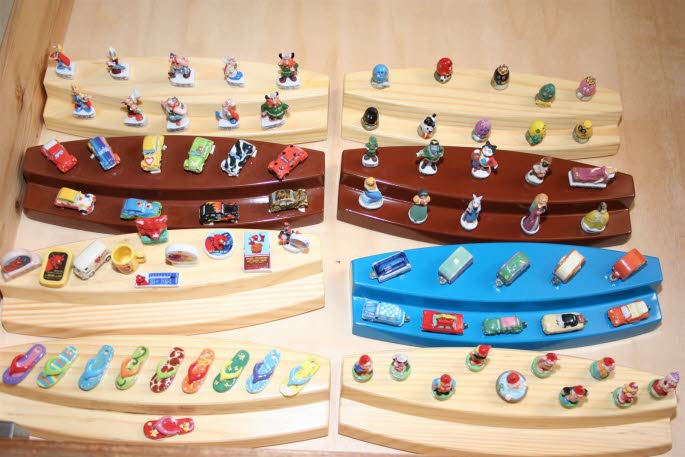
La fève, literally a broad bean, but these days a tiny porcelain or plastic charm, is hidden inside the cake. The lucky diner who finds it, (beware of cracking a tooth!), gets to be king of the feast or king for the day and sports a handsome paper crown.

Only a mild fan of the cake itself, I was interested in taking a broader look at the types of charms found inside these cake. In my three Epiphanies in France, I have only come across cheap plastic baby Jesus’s and mini, chipped royalty. It seemed to me that there had to be more.

And more there is. En fait, there is a pretty decent-sized blogosphere dedicated to “favophilie/fabophilie”.

In case you haven’t heard, a fabophile (or favophile) collects the beans and charms from the Galette des Rois. They call themselves “Fabos”.

photograph: isabelle-lottaz

photograph: isabelle-lottaz

The keenest Fabos seek out whole “series” of charms and, of course, those rare and hard to find models. From what I understand, there are three types of fèves: figurines, custom “beans”, and standard “beans”.

The figurines originally started out representing holy figures, the Christ Child, and royalty. Now it seems that anything goes—from religious icons to cartoon characters to celebrities.

Custom beans are the most valuable as they are limited additions, often brand marked, and sometimes quite expensive. For these beans the sky’s the limit—depicting cutesy animals to kitchen utensils to great works of art.

The standard beans are mass manufactured and sold to any-old-buyer (such as your local boulanger). These ordinary fèves are sold by the box and often repurposed by us homespun chefs who put them in our own cakes.

In addition to the three categories of fèves, there is another thing to look for if you’re thinking of becoming a Fabo: the finish, your choice: matte or glossy.

So if you are really gung-ho about collecting, you could in fact amass two sets of everything, shiny AND dull.

Truth be told, and actually quite scarily, had I grown up in France, it’s likely I would be a very serious fabophile, knee deep in tiny porcelain treasures and a good 10 kilos heavier from slogging through the Galette des Rois in search of my prize.

mes fèves so far this year...

mes fèves so far this year…

If you want to make your own fancy one at home, hop over to David Lebovitz’s blog for a fabulous but time intensive recipe. If you want the quick and easy version check back in a few days for Galette des Rois à la Rachel.

Vocabulaire

boulanger: baker

en fait: in fact

fabophile / favophile: a person who collects fèves; Febo for short.

favophilie / fabophilie: the act of collecting fèves

frangipane: a thick almond filling

Galette des Rois: the Kings Cake, eaten on Epiphany and throughout January; in the U.S. it is also eating during the lead up to Mardi Gras.

une fève: the tiny porcelain/plastic prize found inside the Galatte des Rois; also a broad bean or fava bean.


No. 102: ‘Ti Punch

IMG_9861

‘Ti Punch, short for petit punch and best pronounced “tee paunch”, is the boisson préférée en Martinique. I’d never heard of it before this adventure. Superman, a bit more experienced, jumped right into the island vibe and enjoyed one on the Air Caraibes flight over.

unnamed

I had hoped to get to one of the rhum distilleries yesterday and learn about the process of making rhum from sugar cane, but oh la vache, our gas tank is still presque à sec, so we are only making short trips here and there, hoping we will have enough gas to make it to the airport.

Even though I’m not a hard alcohol enthusiast, I have come around to enjoying this punch over the last few weeks. It’s a simple and casual drink and it goes down smoothly.

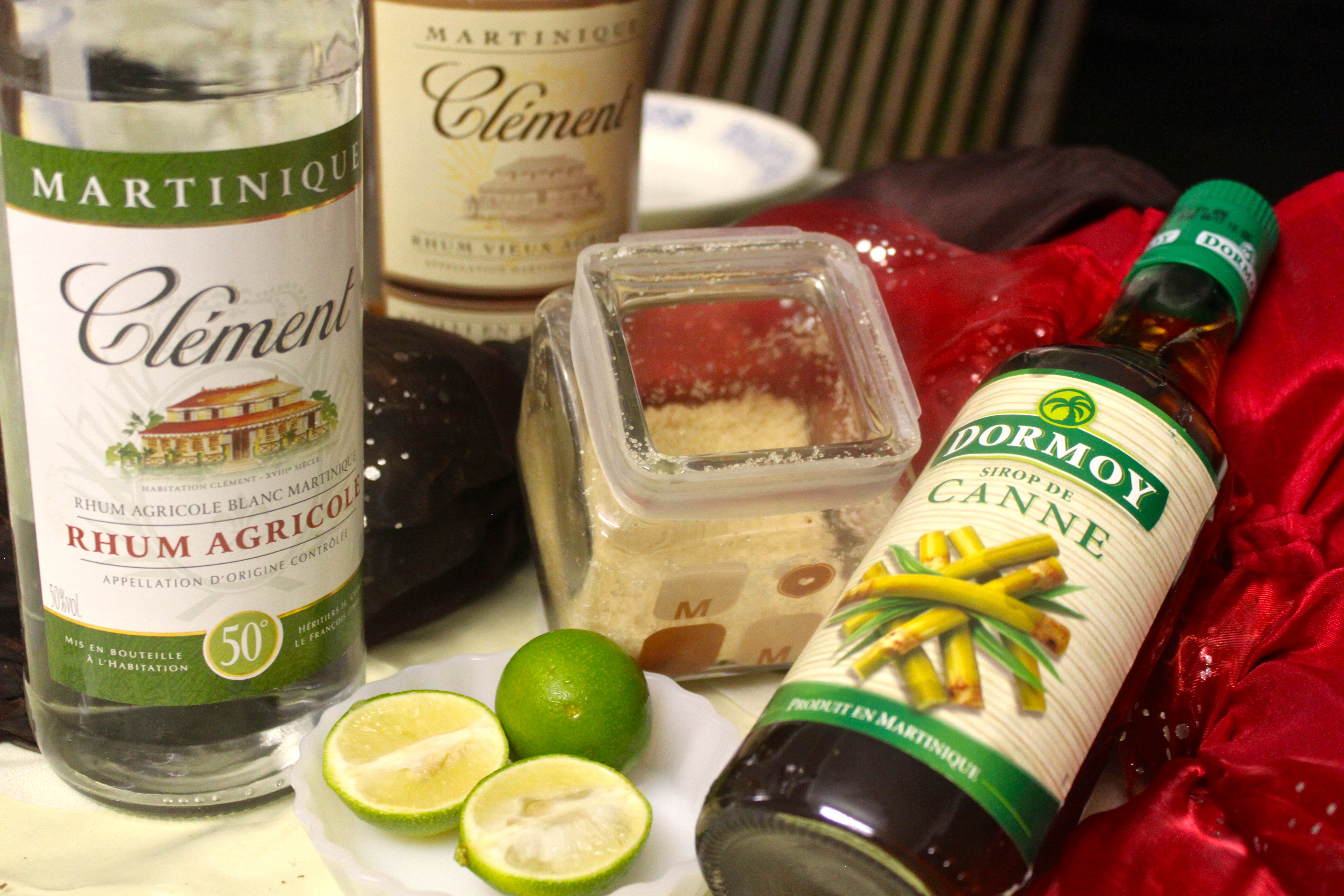
‘Ti Punch is a combination of rhum, lime juice and cane sugar, all of which can be found freshly grown/made in this tiny island paradise. What I like about this easygoing drink is that en famille it is served déconstruit/deconstructed. Meaning, the rhum, limes and sirop de canne or sugar are put on the table and each person mixes their own drink to suit their tastes.

IMG_9829

IMG_9850

As my dad used to say: “choose your poison”, or as I heard this week: chacun prepare sa propre mort (each prepares their own death).

Here is a simple recipe to get you started:

‘Ti Punch

2 fingers of Rhum Agricole

½-1 small Keylime, juiced

1-2 tsp cane sugar or cane syrup

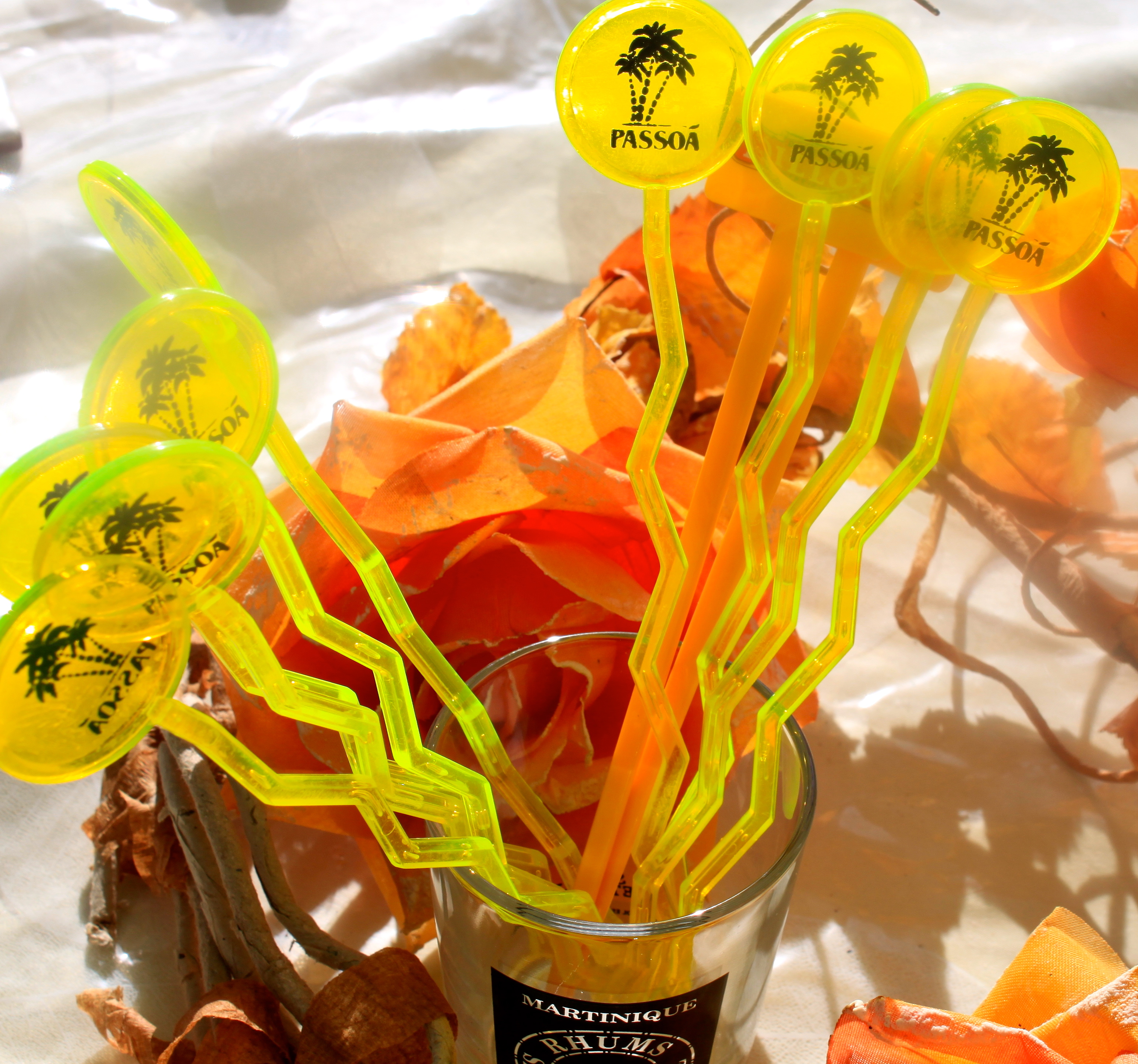
Serve over ice and stir with a bois lélé (swizzle stick). Usually served as an aperitif—or, en Martinique, when the spirit moves you. Try spicing up the syrup with a bit of cinnamon or allspice to make it more festive.

Vocabulaire

An nou pran on lagout : Let’s have a glass of rum; créole

aperitif: before dinner drink

bois lélé: swizzle stick, créole

boisson préférée en Martinique: preferred drink in Martinique.

chacun prepare sa propre mort: each prepares their own death

en famille: with family (at a family get together)

oh la vache: holy cow

presque à sec: almost empty (as in the gas tank); literally, almost dry

rhum agricole: rum made from freshly-squeezed sugar cane juice and then distilled

sèk-sèk : a small glass of pure rum, créole.

Shrubb; rum made with marinated orange or tangerine rinds, served at Christmas

sirop de canne: cane syrup

un planteur: fruit juice and rum

No. 94: Le Réveillon

71144759

All day yesterday (Christmas Eve), the friendly Martiniquais were wishing each other (and us) un bon Réveillon. Le Réveillon is the huge feast traditionally following la Messe de Minuit.

Although not many of my French friends attend midnight mass, they certainly wouldn’t miss out on le Réveillon. The meal can run into the wee hours of the morning, and usually includes a pause for the older children (the little ones are already tucked in bed) to open their presents from Père Noël.

In Paris le Réveillon is not for the faint of heart (or for the vegetarian in your life). No self-respecting Réveillon would be complete without foie gras, oysters, smoked salmon, a chestnut stuffed capon, turkey, or goose, and possibly some assortment of wild game.

For some families this late evening meal is the gastronomic highlight of the entire year.

This year we stuck to our family tradition of fondue, followed by snuggling together to watch a Christmas movie (usually A Christmas Story, but this year It’s a Wonderful Life), while happily ensconced in our petite maison en Martinique.

While each region in mainland France has its own slight variation on the traditional Christmas menu (in Provence, apparently it includes 13 dessert!), the Réveillon en Martinique is made up of an entirely different menu.

IMG_9345

I’m lucky enough to know this because our landlords here (or our Martiniquais grandparents) were kind enough to recreate le Réveillon for Christmas lunch today. After four appetizers and five main course dishes, we all had the top button of our pants undone. The highlights of the feast included accras (fried fish and vegetable dumplings), petits patés Créole (bite sized savory meat pies, filled with langoustine, shrimp or pork), smoked caramelized ham, cooked yellow-fleshed bananas with tender pork ragu, and of course, Punch coco.

On my I-don’t-think-I’ll-eat-that-again list: Boudin noir —a fat sausage of spicy pig’s blood.

Donc, a Christmas very well spent. I am so grateful for our new friends, this wonderfully diverse country and all the marvelous encounters we have had along the way.

Joyeux Noël à toutes et à tous une bonne nuit.

Vocabulaire

Joyeux Noël à toutes et à tous une bonne nuit. Merry Christmas to all and to all a good night.

la Messe de Minuit: midnight mass

le Reveillon: Christmas/New Year’s Eve feast, literally, eve, from the verb réveiller, to wake up, awaken, or revive.

petite maison en Martinique: small house in Martinique