No. 219: One More Reason Bordeaux Makes Me Smile
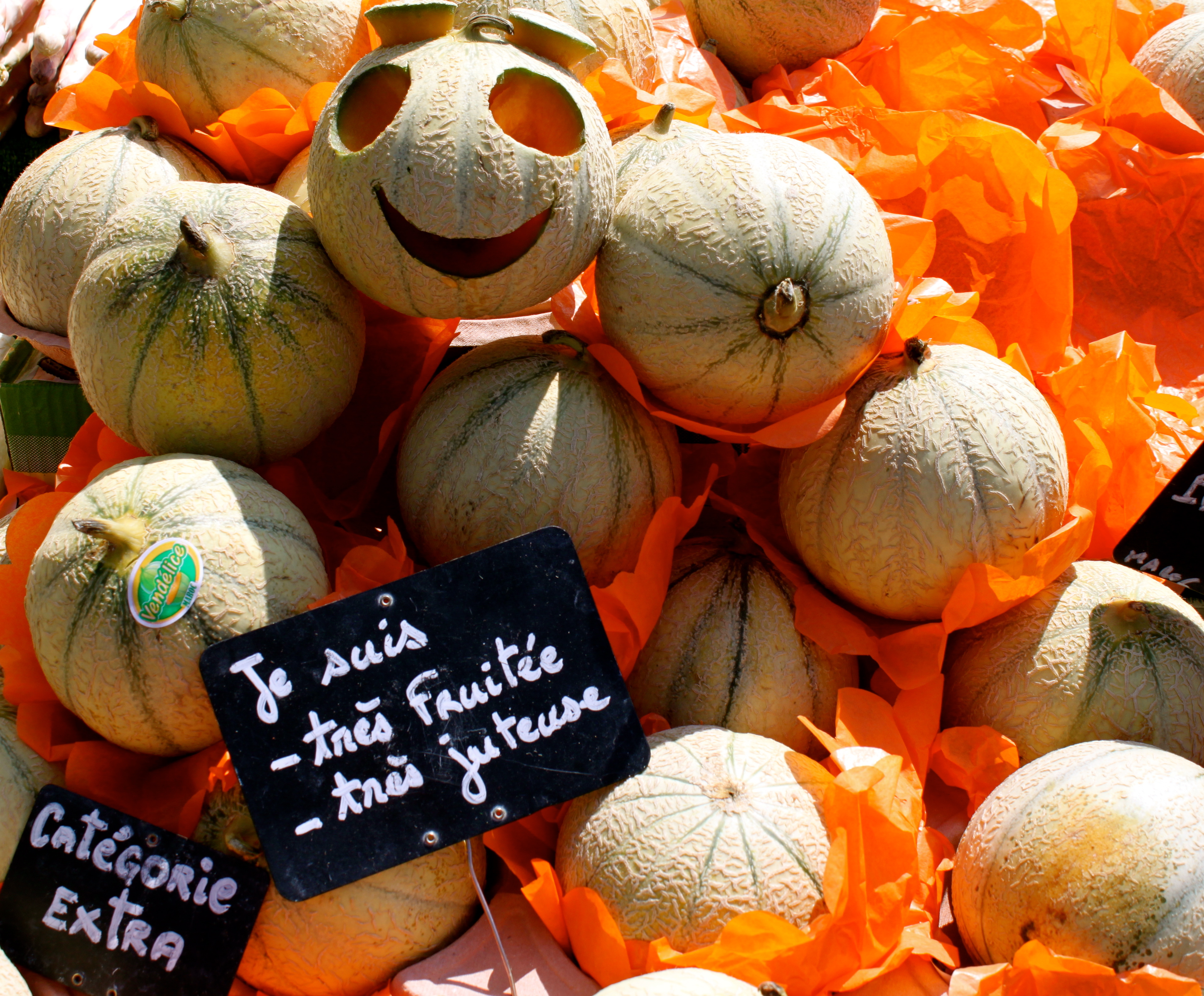
It’s all smiles on the Marché des Quais…thanks to a very friendly English vendeuse and her melons…
Apr 25

It’s all smiles on the Marché des Quais…thanks to a very friendly English vendeuse and her melons…
Apr 24
In water one sees one’s own face, but in wine one beholds the heart of another…

Of course, the main reason to make the trip to Bordeaux is to taste, savor and purchase the regions fermented gold. The wine certainly is divine là-bas, and we did our fair share of goûter(-ing) some very fine wine in Bordeaux and the surrounding areas.
I already have a formidable Bordeaux wine connection à Paris (my sweet friend, Hélène), and I was excited to visit some of her recommended vineyards. Per her advice, we started our tasting in the Médoc region at the Château Maucaillou Moulis-en-Médoc.

Maucaillou, short for mauvais cailloux or bad pebbles, as the farmers of the Middle Ages deemed the land on which they could not get their important cereal and grain crops to sprout no matter how hard they tried, turns out not be such a bad patch of land. In fact, the mauvais terroir has become the perfect environment for producing some “highly expressive” wines. And, Chateau Maucaillou is the perfect place for a novice to learn about grapes, terroir, aging and tasting. The Château offers a 30-minute film (with English subtitles) explaining the winemaking process from field to bottle, followed by a tour and a (limited) tasting.


From Médoc we headed to a couple of other appellations, Pauillac and Margaux and sampled some more world famous wines. In Margaux we stumbled upon a small cave hosted by an amiable vintner who introduced me to the appellation, Saint Julien-Beychevelle, and the first wine that I have ever gone gaga for. En franglais, she patiently explained the unique and surprisingly complex terroir of this particular appellation and château that gives the wines so much character. After tasting three different offerings (and after three years of dropping in and out of wine tasting courses), I finally had an “ah-ha” moment, and completely flipped for a 2009 Château Moulin Riche. I don’t have the kind of money to become a wine snob, but if I did, the Moulin Riche is where I would be hanging out.

As it was, I talked Superman into buying one bottle for a special occasion, and we continued on through the rolling hills and vineyards along the rivers of Aquitaine. En route we visited the Louis Vuitton’s teensy-weensy château and mugged for the camera on his family home’s doorstep. We sampled some Frank Phélen from Saint-Estèphe, and ended the day with some heavenly full-flavored Pomerol mis en bouteille au Chateau Sablard du Grand Moine.

It was a perfect day in every way. I’m not sure how I came to be living this remarkable life. But I am grateful for every day, every hour, and every single minute. This break in Bordeaux’s wine country was certainly no exception. Chin chin Superman! Thanks for all you do and all you bring to our life in France.
Apr 5
Apr 3
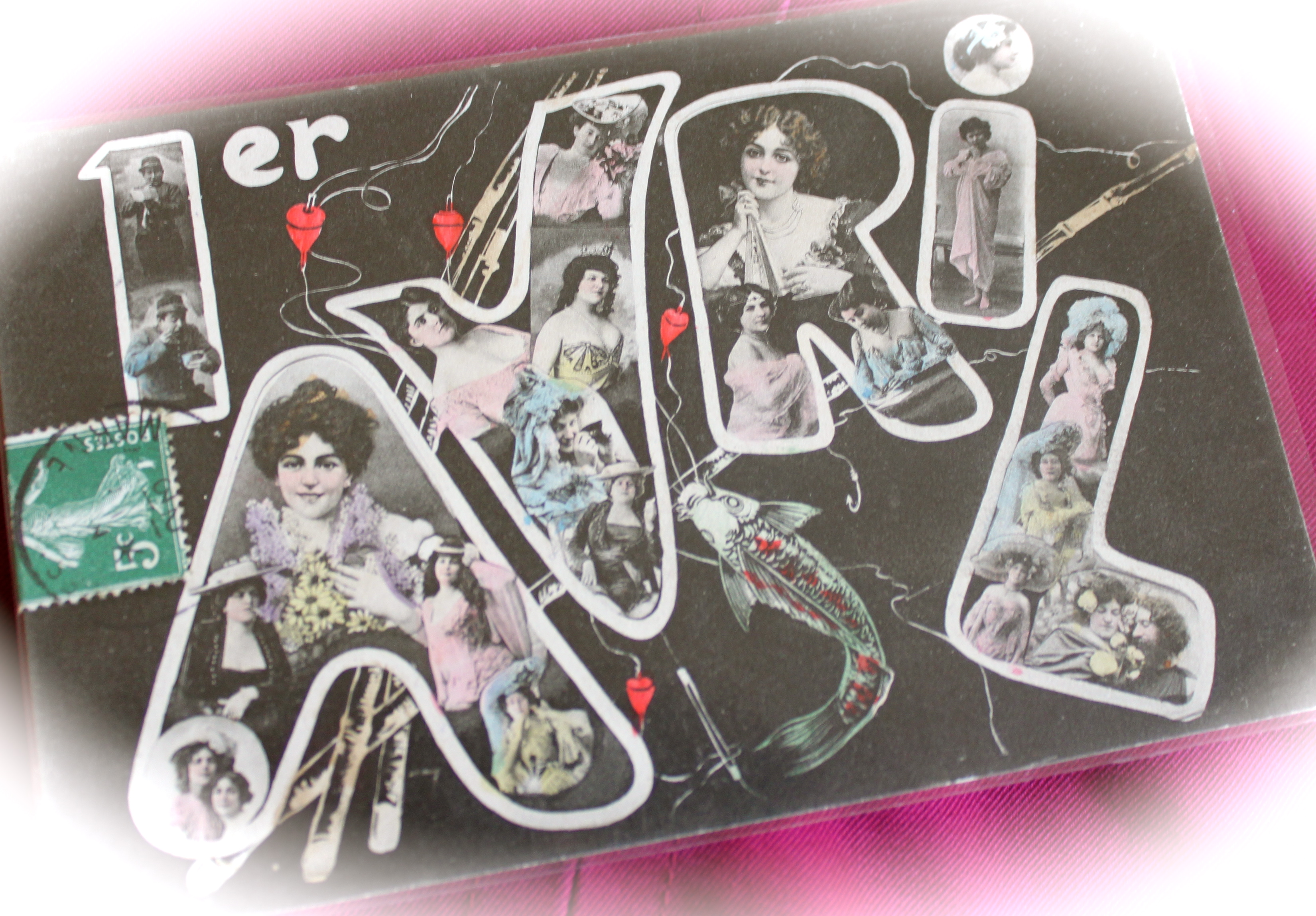
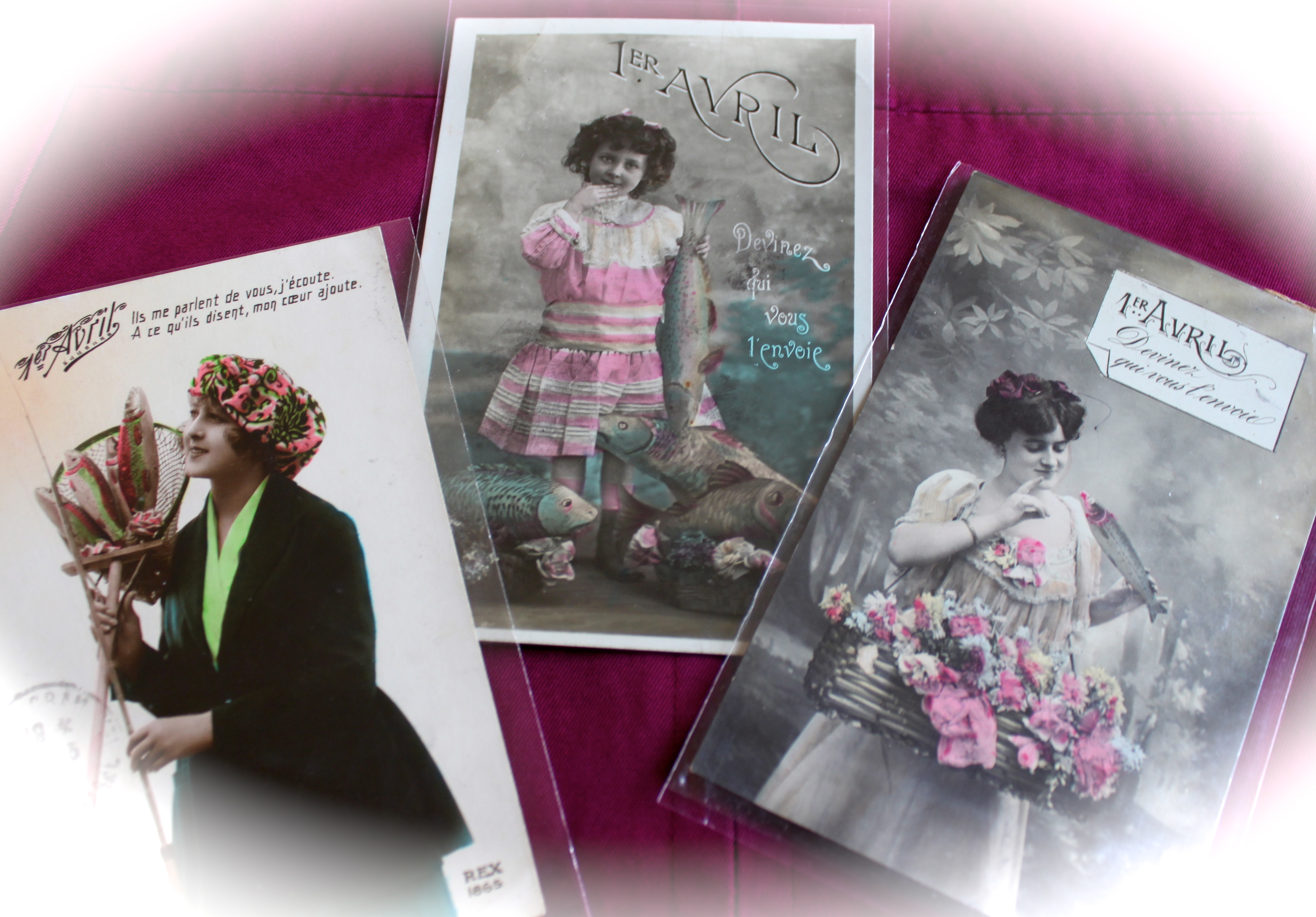
If you happen to be in France on April 1, beware of the fish. Yes indeed, if you let yourself be duped or tricked, you’re not just a fool, but you’re also a poisson d’avril, or an April fish.
The jury is still out as to why you are a fish en français instead of just a fool, but so far this morning, I’ve already seen a bus full of prankster in my ‘hood, and they were all quite fishy-looking.
Out early with Taz, I spied a group of grade school children bounding off their coach and making merry, gamely tumbling over each other while trying to pin cut out paper fish on each others’ backs. Despite their teachers’ stern disciplinary warnings, les enfants could not help themselves, as fiendish squawks of “Poisson d’Avril” escaped their mugs announcing their foolery to the passing tourists.
I’ve always wondered about April Fools’ Day. As far as I know it is the only holiday dedicated specifically to hoodwinking your gullible friends and unsuspecting family members. For me, the French-fish-thing adds a whole new dimension to this goofy day.
There are several theories about where the fish imagery came from in relation to the first day of April en France, and they go from the simple to the more complex:
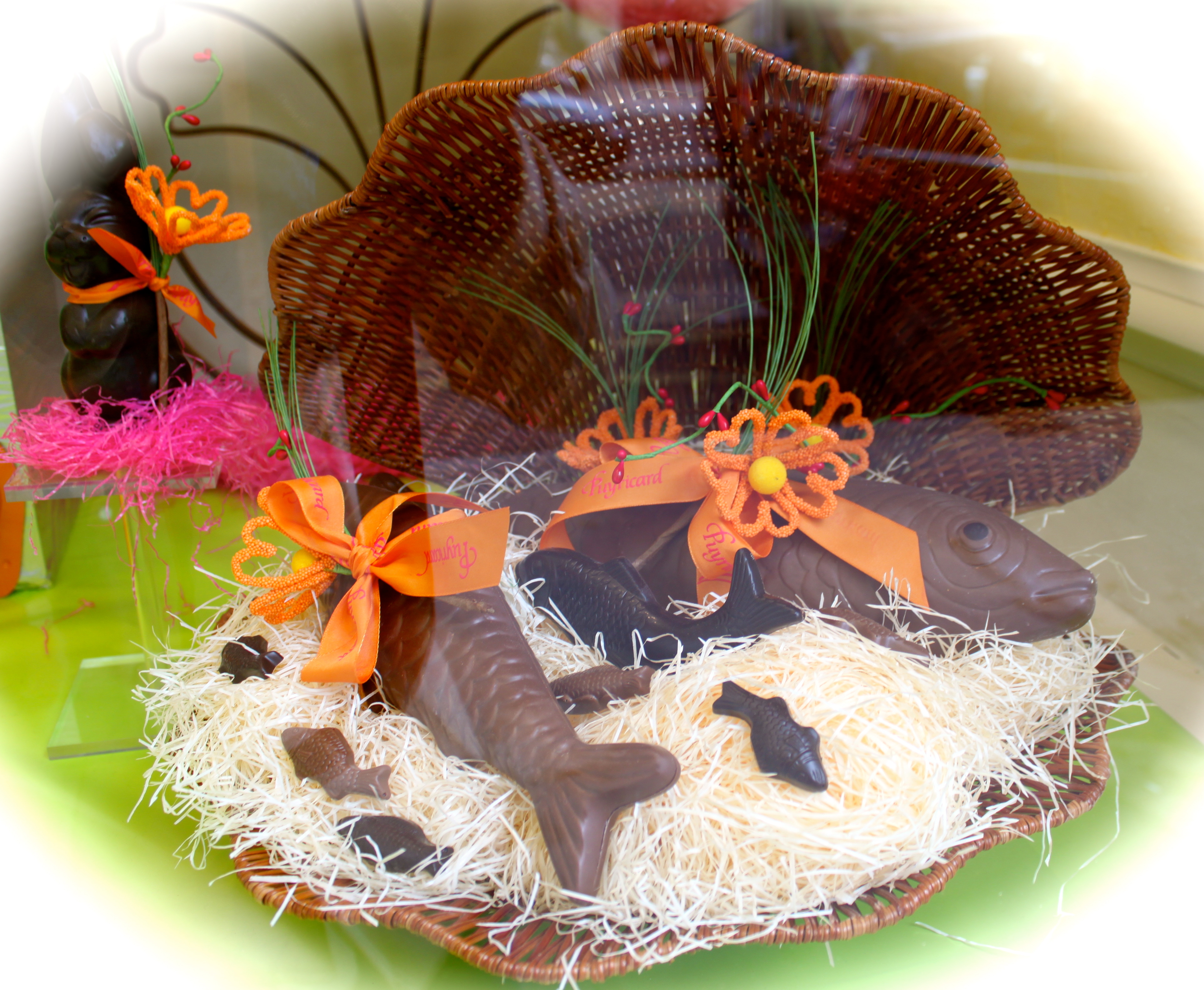
No matter the uncertainty behind all this French fishiness, there is one thing you can always be certain of in France. The French, God bless them all, cannot celebrate a holiday without some sort of beautiful and delicious food or pastry attached to it. The Poisson d’Avril is no exception. En ce moment, French pâtisseries, boulangeries, and chocolateries are currently filled to the brim with fish-themed and fish-shaped delights.
Hmmm…me thinks we might be having fish for dinner tonight…probably not salmon, but maybe something of the cocoa bean variety?
Mar 27
The other day, we made a quick trip to the city of Reims (pronounced ““rINce”—sort of rhymes with a nasally “France”) on our way to the Champagne region.
According to legend, Reims, 80 miles northeast of Paris, was founded by those naughty Roman brothers, Remus and Romulus, and houses some impressive Roman artifacts. Whether or not the brothers as founding fathers is true, Reims has always been an important city for the French monarchy, its beautiful cathedral could be called the Westminster Abbey of France. Not only was this historic cathedral the site of 25 royal coronations, it is also a glorious example of Gothic architecture.
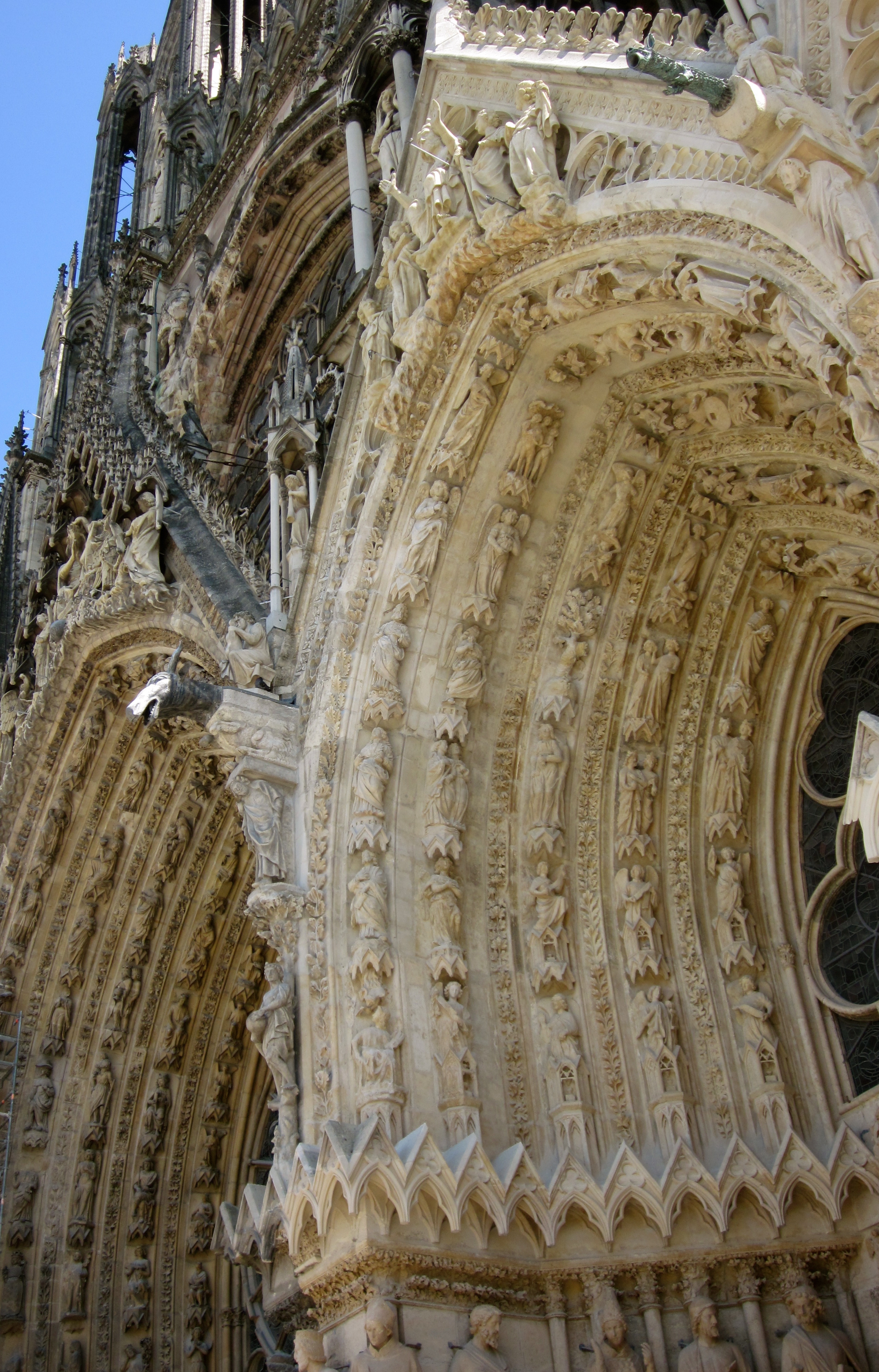
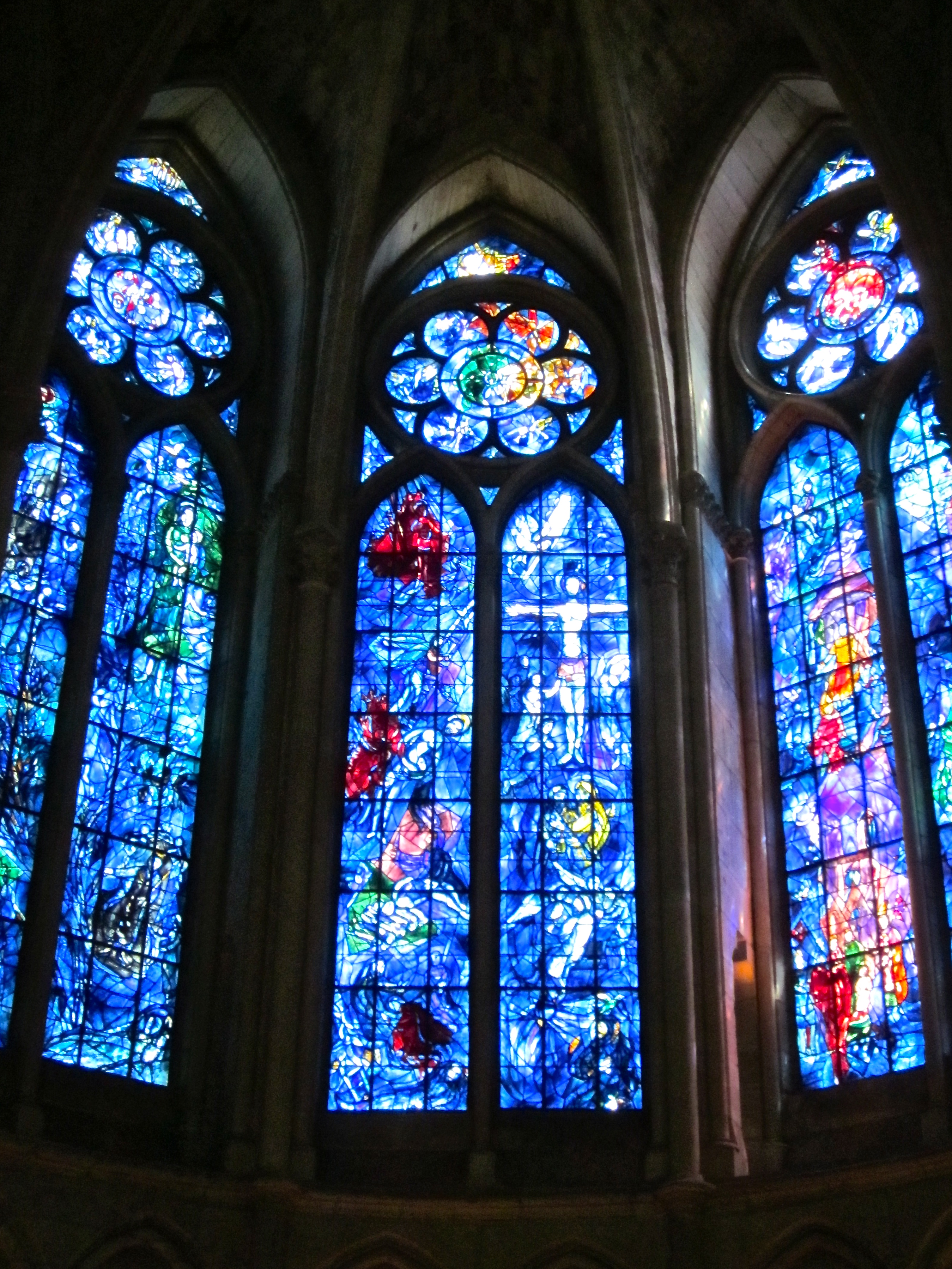
Unfortunately it sustained terrible damage during WWI and was further damaged during WWII. Thankfully it has been restored (no small thanks to John D. Rockefeller) to all its splendor. In addition to housing an amazing original rose window (dating from 1255), it also holds a luminous set of Marc Chagall’s stained-glass windows.The windows are dazzling and the church a welcoming spiritual home for believers and non-believers alike.
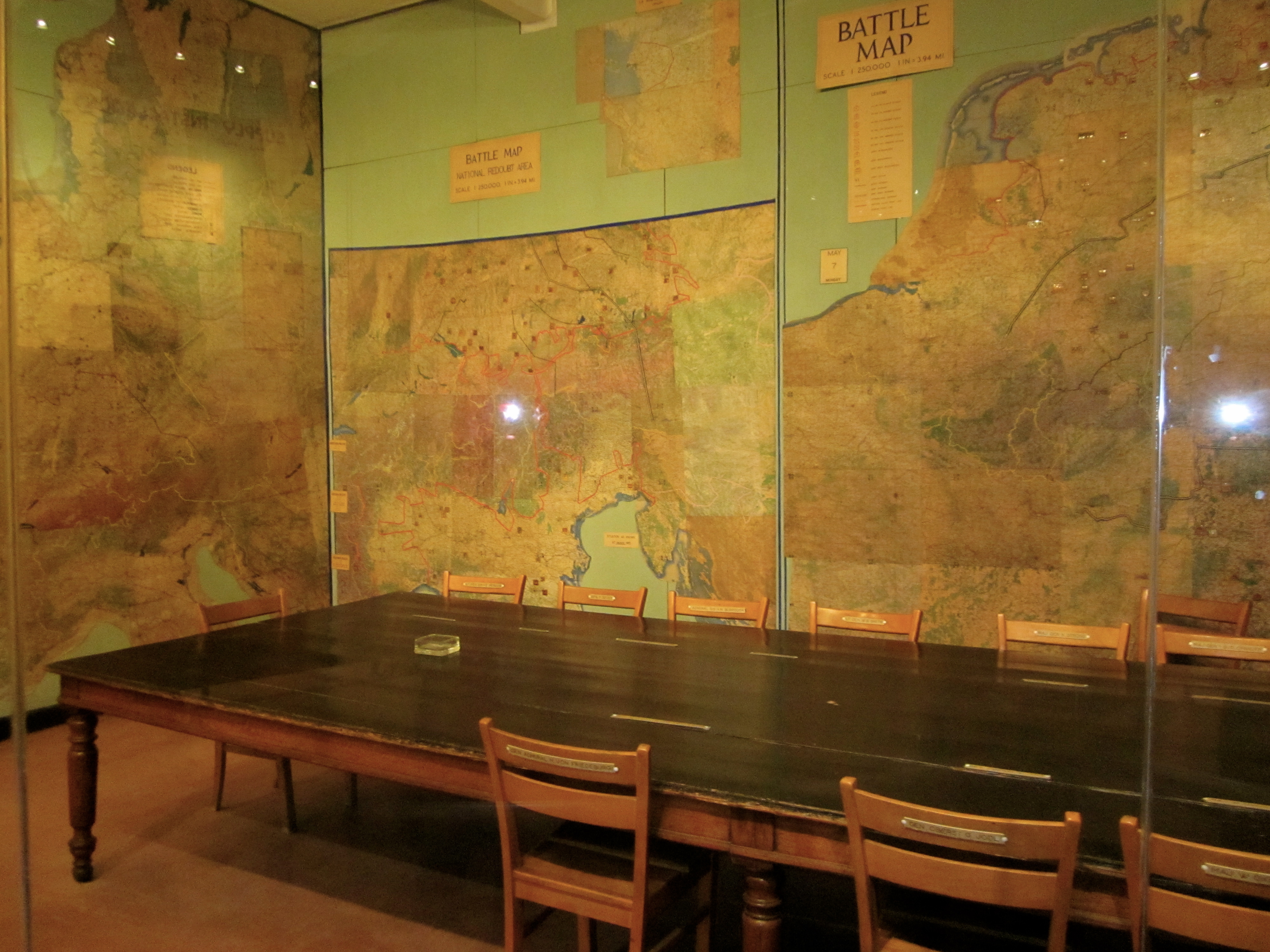
Reims is also famous for its red schoolhouse which now houses the Museum of Surrender (Musée de la Reddition). It was here that on May 7, 1945 at 2:41 in the wee hours of the morning, the Germans under General Jodl surrendered unconditionally to General Eisenhower, ending World War II in Europe. This fascinating museum houses photographs, press clippings, relics, and a good film detailing the last days of the war in France. The small signing room remains exactly as it was on that day in May and is exceptionally moving to see.
From Reims we headed to the countryside on an arduous trek (someone had to do it) to learn the ins-and-outs of the journey champagne makes from grapevine to glass.
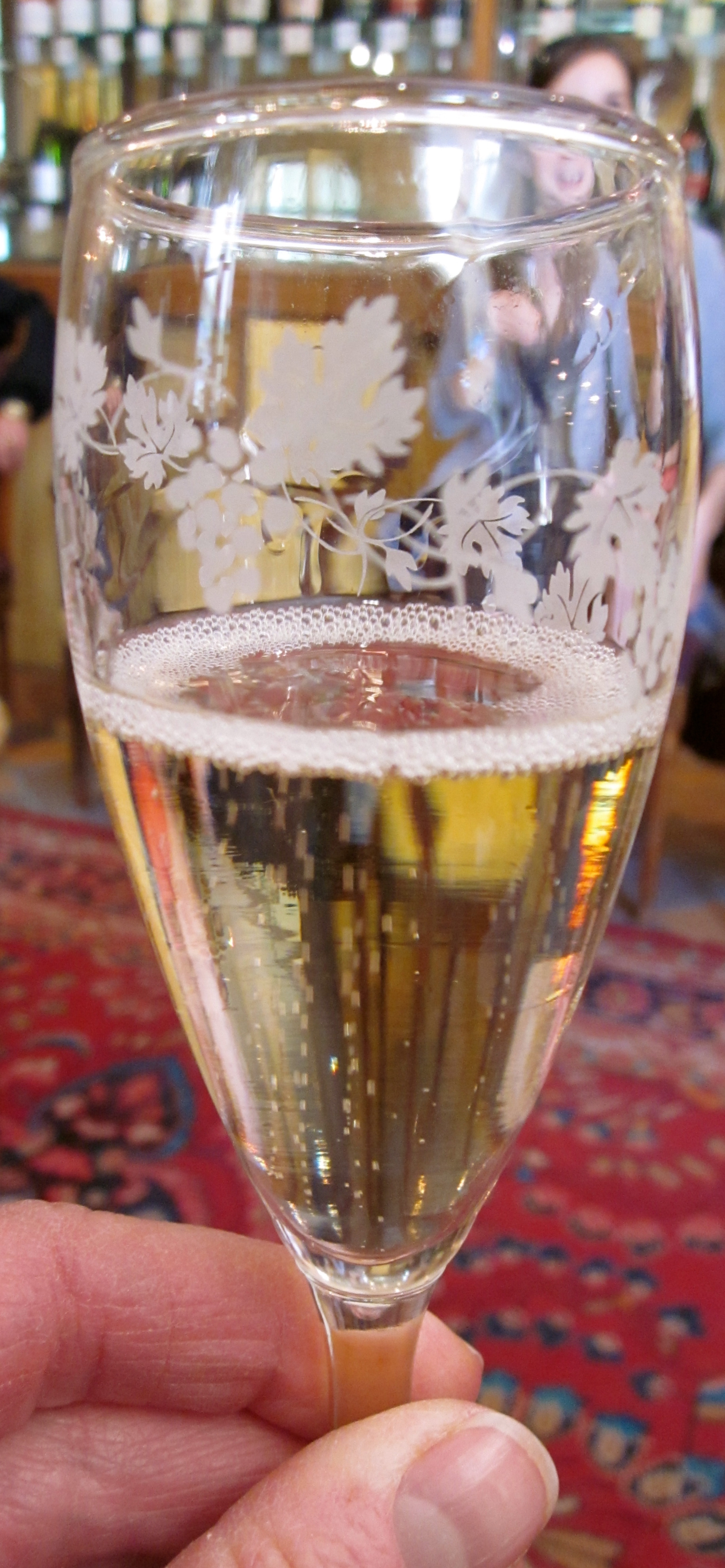
As you know, champagne gets its name from the region in France of the same name: a strictly defined area encompassing 634 villages in five different départaments. What you might not know is that during the Middle Ages, church wine used for the Eucharist was one decidedly sought after commodity. As luck would have it, the English preferred the “light and crisp” wines made in the Champagne region. Their high demand and the low supply led to the continued cultivation of grapes in the region, which with new techniques, eventually evolved into our favorite apéritif. Although the first sparkling wines were produced near Carcassonne, France, when the “sparkling” technique was applied to Champagne’s wines in the 1700s, champagne as we know it was born.
In our quest to appreciate and sample champagne, we toured both swanky champagne houses and homey and relaxed estates. In the name of research, we burrowed hundreds of metres below ground into the dark and chilly caves and listened to several Chef de Cave explain what makes champagne, champagne. Personally, I found the champagne making process fascinating and instructive. The tasting wasn’t so bad either.


I now understand why champagne is so expensive (the double fermentation process and a minimum of 2-years ageing) and the historic and climatic reasons that the grapes are grown in the Champagne region.
Next stop, Chablis…
Vocabulaire
Chef de Cave: The cellarmaster, who is typically the person in charge of the winemaking team. In the New World this person might be called a “winemaker”, but in many champagne houses the winemaking team is large, involving multiple winemakers, and the chef de cave is the one who heads the group and provides overall direction.
Mar 20

Known to us Americans as arugula—I don’t think it is generally loved in my native land. Mais, moi, I find it especially delicious. I am absolutely nutty for its pungent and spicy horseradish-like flavor. A member of the mustard family, the Italians call it ruchetta or rucola. The Greeks say roka. The Brits call it rocket. Superman calls it therapy, and has been growing it on our windowsills since January. Unfortunately two stormy February days knocked out the first crop, but the second crop is starting to take hold, and the third extra crop will be planted this weekend. Roquette is extremely easy and satisfying to grow, even in window boxes and it does well in the cooler spring weather.
It is brilliant with tomatoes, capsicum, radicchio, and shavings of Parmigiano-Reggiano, or tossed with slices of pear and Bleu d’Auvergne. It makes a refreshing and tangy pesto accompaniment to meat, and is perfect sprinkled on goat cheese pizza, Italian bruschetta, or tucked into any sandwich.

It is a fancy-pants cancer fighting food, a palate cleanser, and as an extra bonus, it is thought to be an aphrodisiac, said to “excite the sexual desire of drowsy people.” Hmmm…
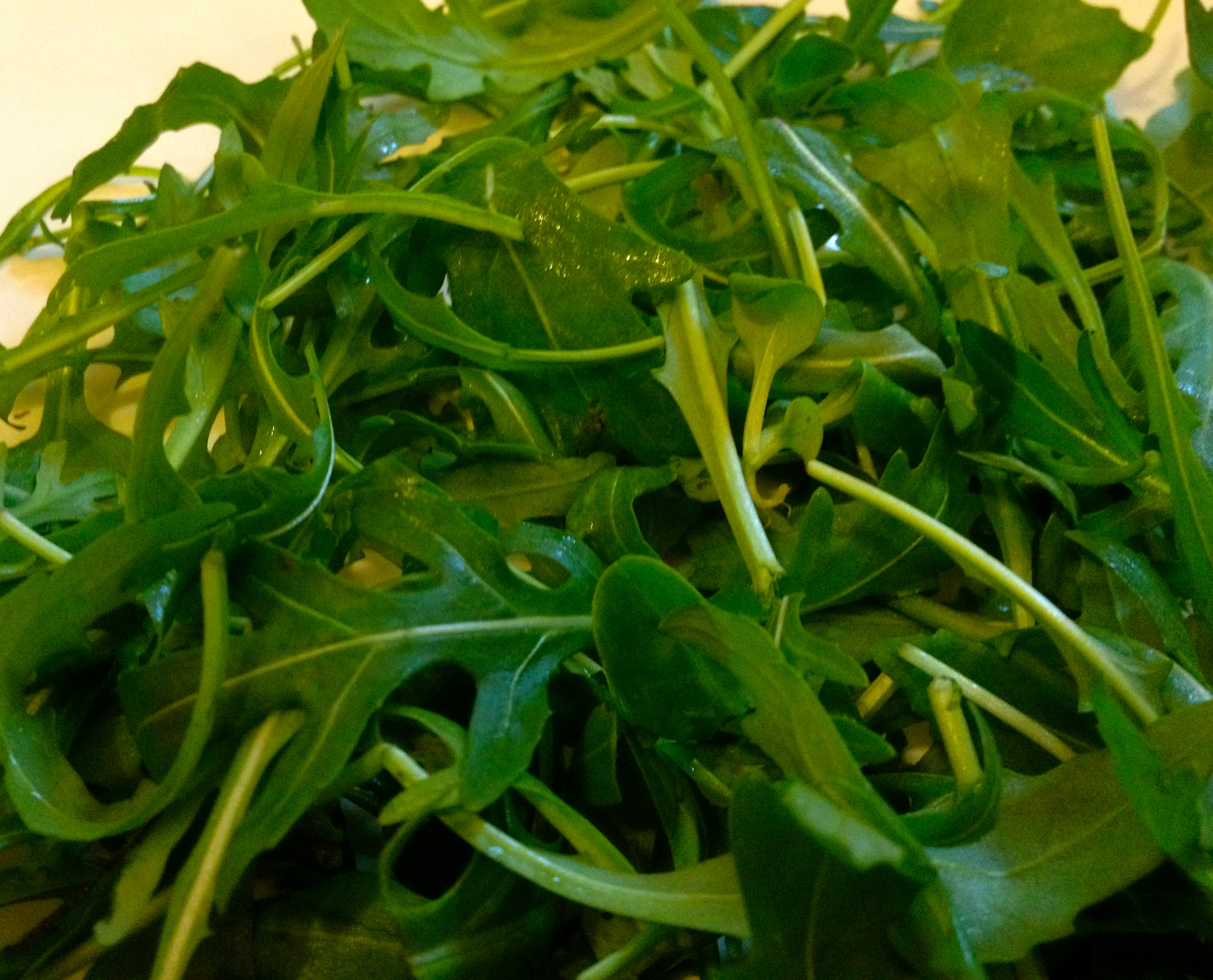
Maybe this tired mom should pick up an extra demi-kilo at the market tomorrow.









 365+ Things I Love About France