Skip to content

Posts from the ‘Buildings/Architecture’ Category

No.296: Normandie—Mont Saint Michel
mont_saint_michel_france.jpg

Abbey steep, thrust there, far from land,

as a mansion fantastic, amazing as

a dream palace, strange and improbably beautiful “

Maupassant


“The church was magical

the sun streaming in

the divine voices echoing off the walls

I adored the abbey

the mud was scrumdillilious

the best mud ever…”

Button

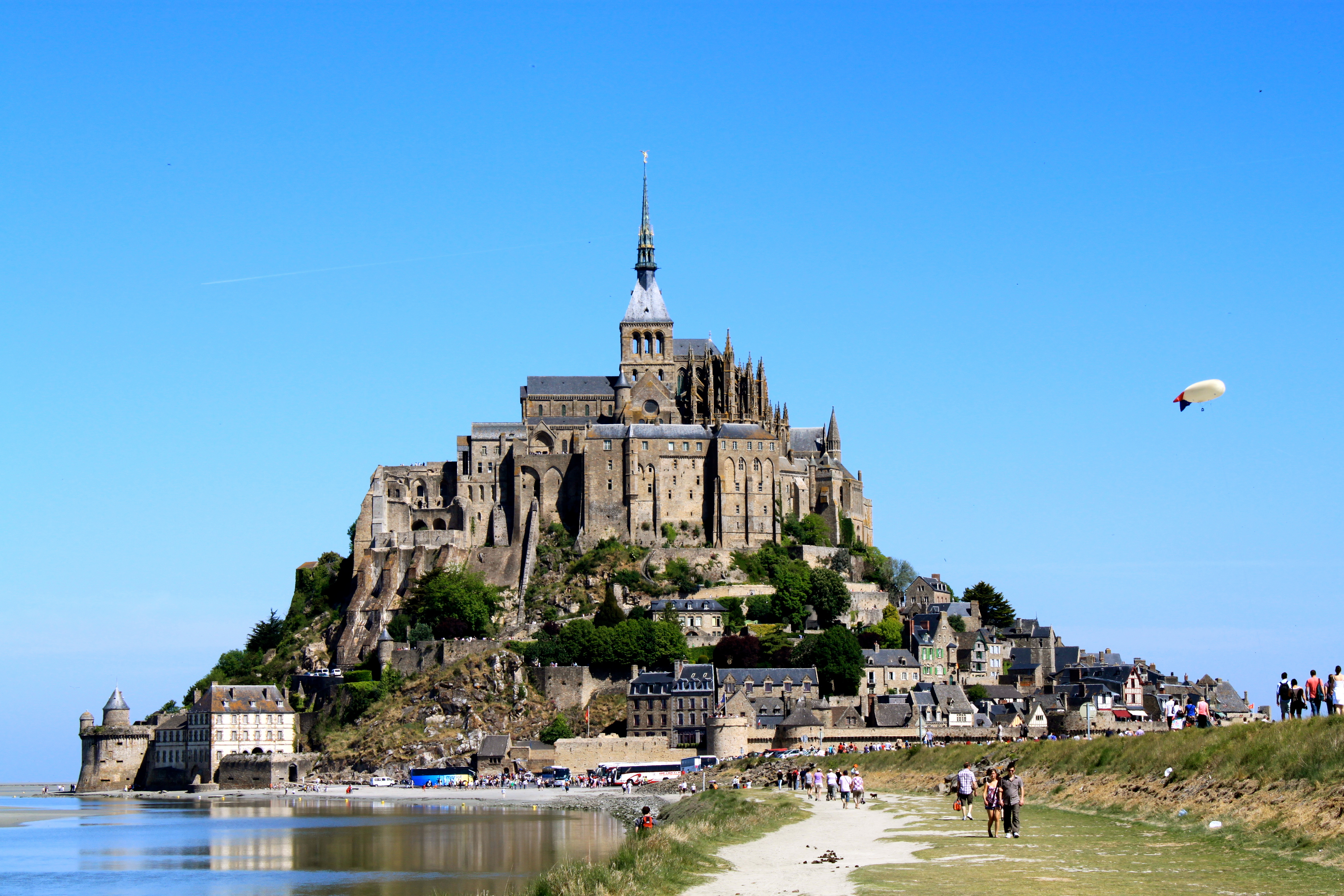
Between rock and sea, a sheer-sided citadel-like abbey rises 80-metres out of the sand and water magnificently dominating the surrounding low-lying region of Normandie. This is Mont Saint Michel. Towering above an immense bay beset by the highest tides in Europe, the sea spills in over a dozen miles in the space of just a few hours, creating one of the most breathtaking sites in France.

Mont Saint Michel dates back to the 700s when at the “request” of the Archangel Michel a local bishop consecrated a small church on the point. Over the centuries Benedictines monks settled on the rock and continued building an abbey and monastery. During the Hundred Years War military construction was added to fortify the compound. In the early Middle Ages ascetic Christians known as hermits chose this site to live in complete poverty, and in an attempt to be closer to God, continued to the abbey towards the heavens.

It became a great spiritual and intellectual centre and was one of the most important places of pilgrimage for the western world. Multitudes of men, women, and children arrived by the paths to paradise—hoping for “the assurance of eternity, given by the Archangel at judgment.”

During the days of the French Revolution, the abbey was ransacked and nearly demolished and the remains were turned into a prison. It was restored in the 19th century and is now considered one of France’s national treasures.

Although an active religious community resides in Mont Saint Michel and it is still a place of pilgrimage for the faithful, it is now more of a Mecca of buzzing tourists. Over three million visitors make the trek each year. Aside from the astounding citadel-abbey and IMAX-like vista, tourists come to play in the tides. If you have ever been to the Great Sand Dunes National Monument in Colorado you will understand exactly what type of sands surround the castle. At times the sea travels under the sand, creating traitorous pockets of quicksand, but most of the time it is merely harmless sinking sand, ready to delighting the young and old alike.

The small Normand village of inns, shops and taverns nestled below the abbey was built to house and water the pilgrims at the end of their journey. Nowadays as Superman rather crankily observed, “it represents the worst of humanity, packed like sardines” and pushing forward without regard for others. I was less bothered by the crowds. Instead they gave me an appreciation for what it must have been like centuries ago. The junky trinkets, hawking vendors, and overpriced scrummy eateries were all there to welcome the original pilgrims. Some things don’t change. At least we were afforded the modern conveniences of sewers and showers, clean drinking water and health codes. No plagues or rats; no stench of unbathed travelers, although the numbers of extremely overweight visitors—French no less—was an unsettling reminder of what awaits us in America.

Nonetheless, this picturesque meeting point of sand, sea, and sky, is a trip worth making.
No. 295: Après-midi à Honfleur

Un après-midi à Honfleur as noted by Button and Maman…

honfleur2.jpg

water, sun, and sails

kaleidoscopes of color glide by

pulsating

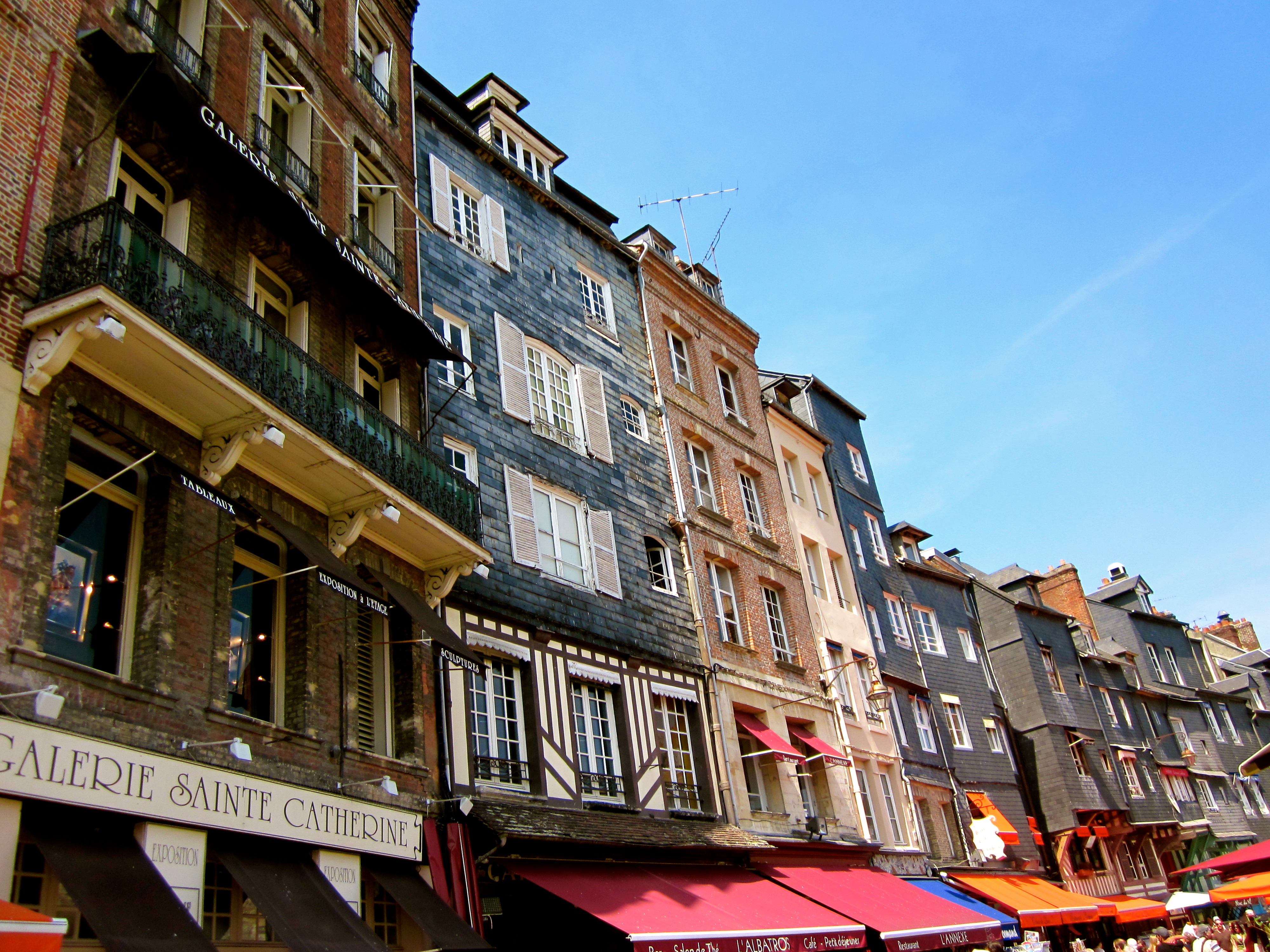
soaring skinny houses crisscrossed

and slanted

smashed together

on purpose


climb atop the steep knoll

view le vieux port

the English Channel and the Seine

all at one time

straddling it

the bridge to tomorrow

Normandie’s silver harp


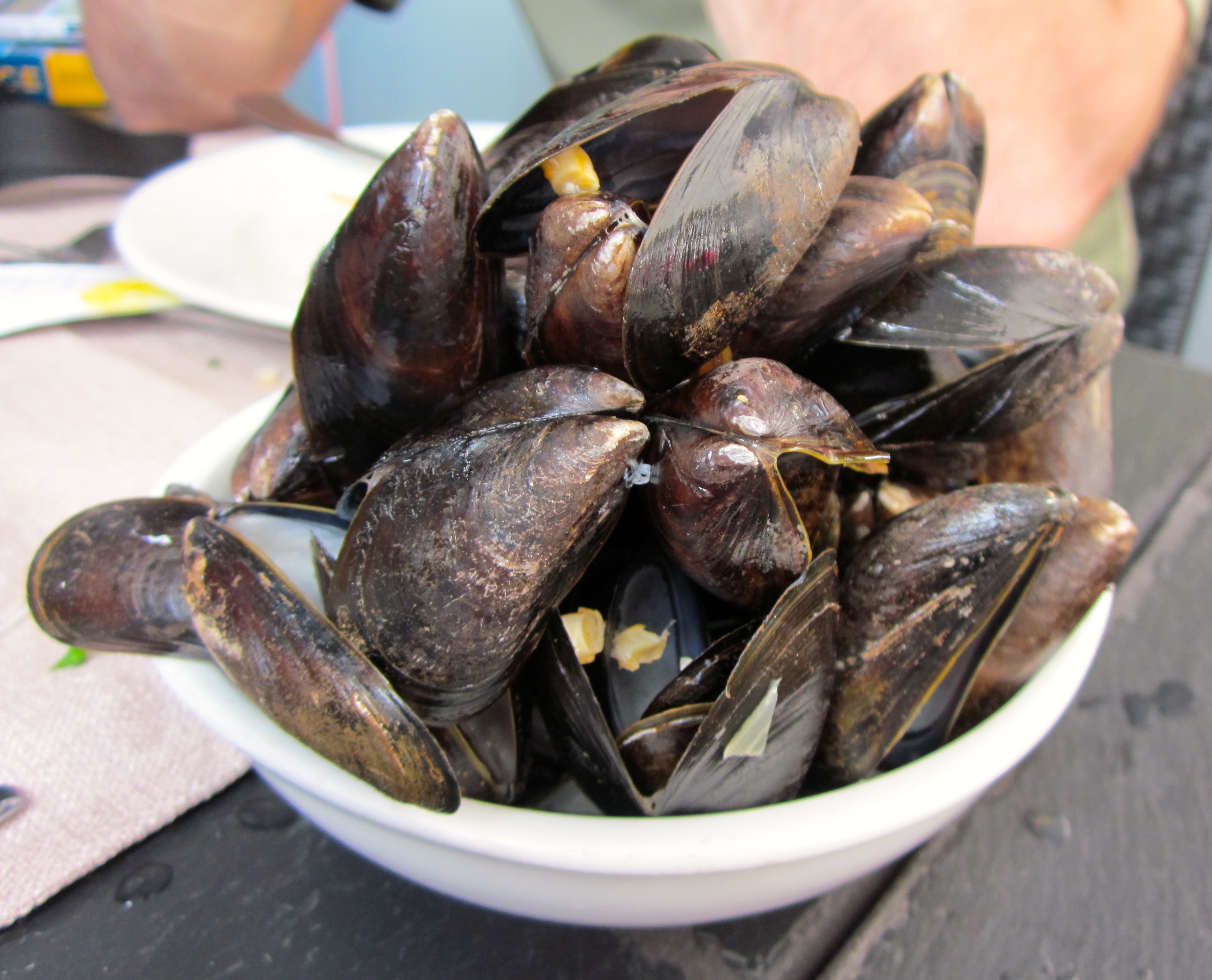
fruits de mer

and black muscles

crack

balls of apple glace

swimming in Calvados

tarte tatin

turned upside down


seafaring chapels eager to float

anchors and flowering croix

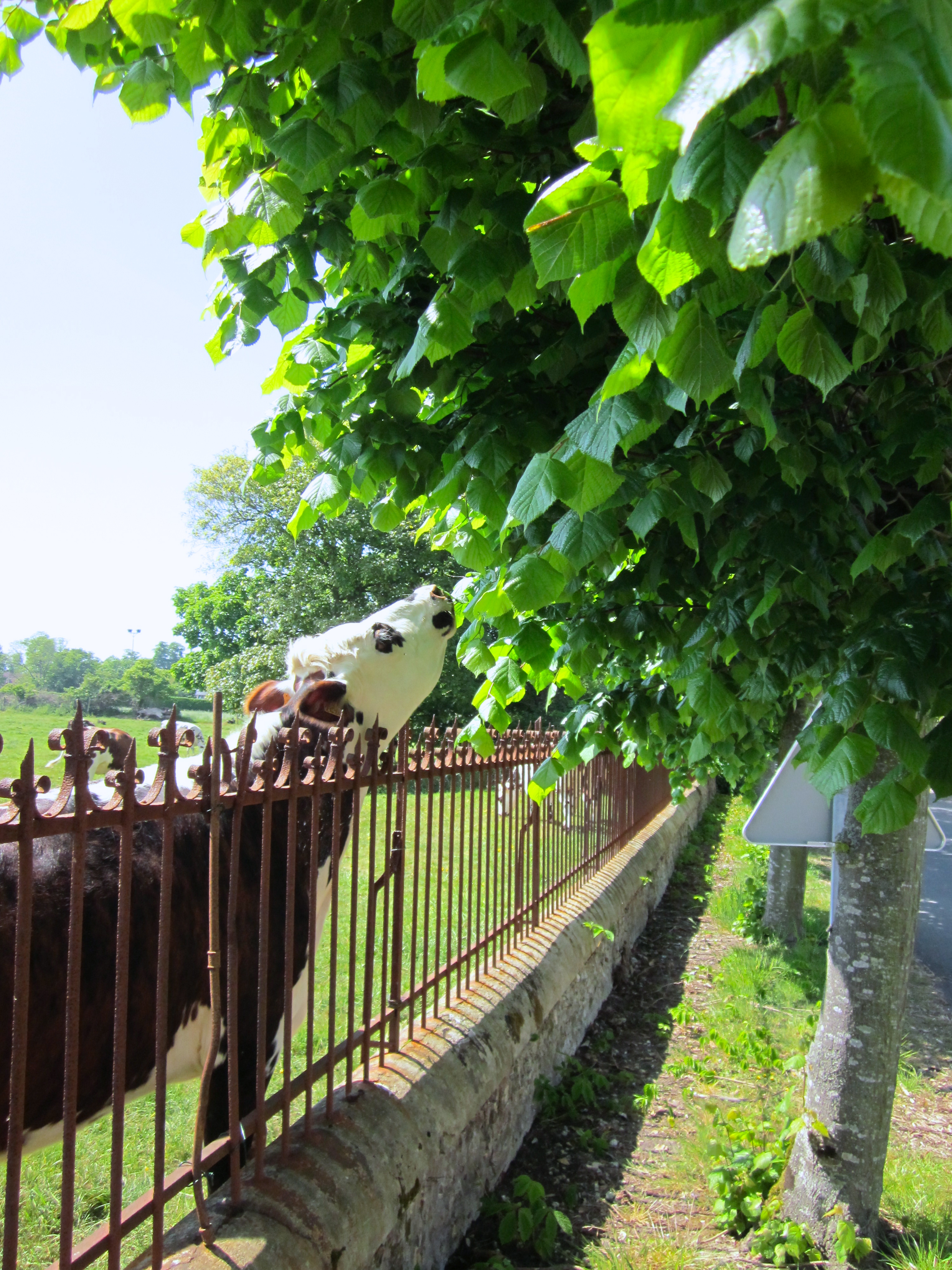
glorious cows

startling tongues

longing to plant kisses

on their noses

beyond the fence


artists past and present

remember to paint

vibrant sizzles

hankering for shorts

as the bridge went up

and the sailboats

went under

honfleur6.jpg


No. 289-290: Deauville and Trouville

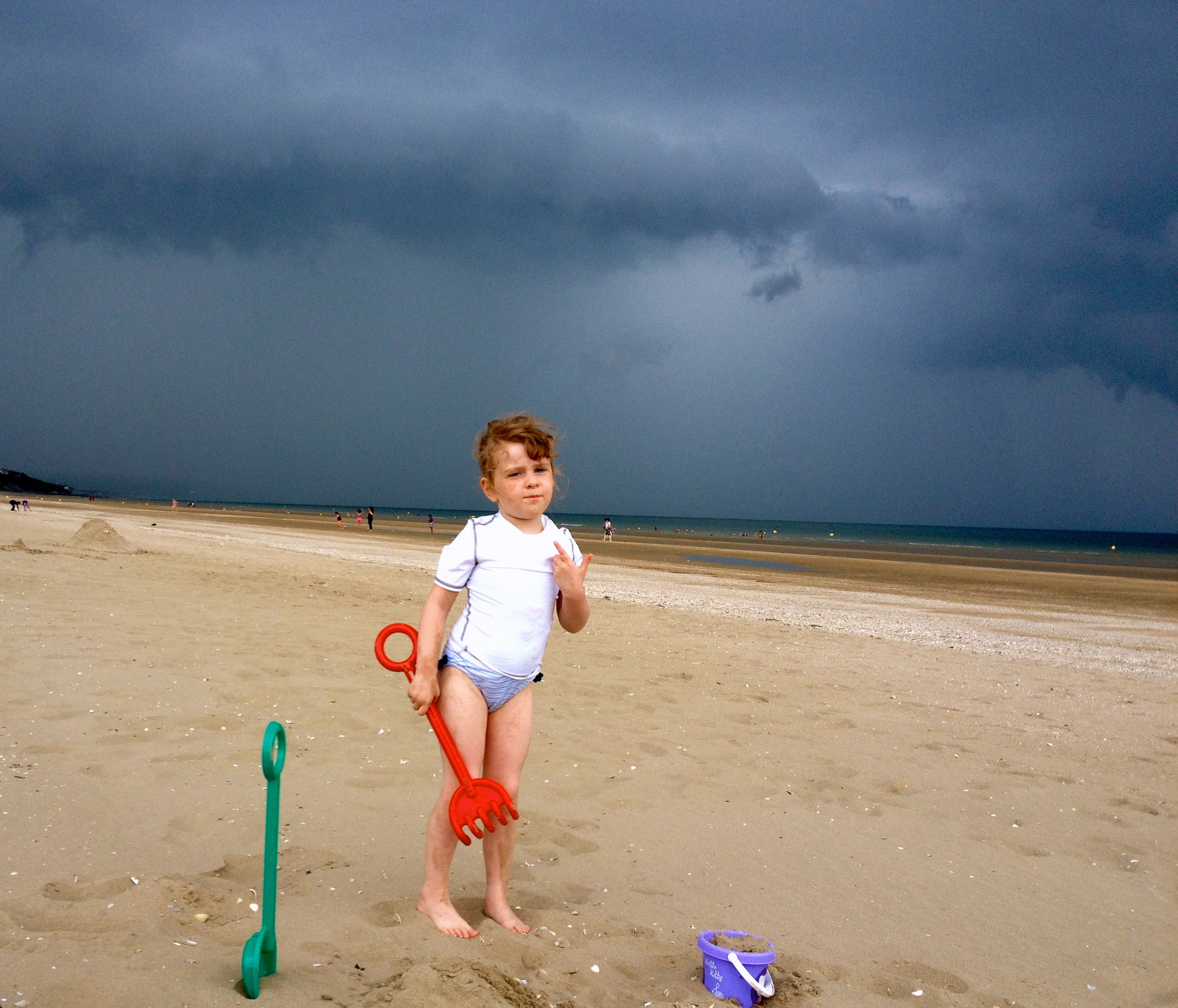
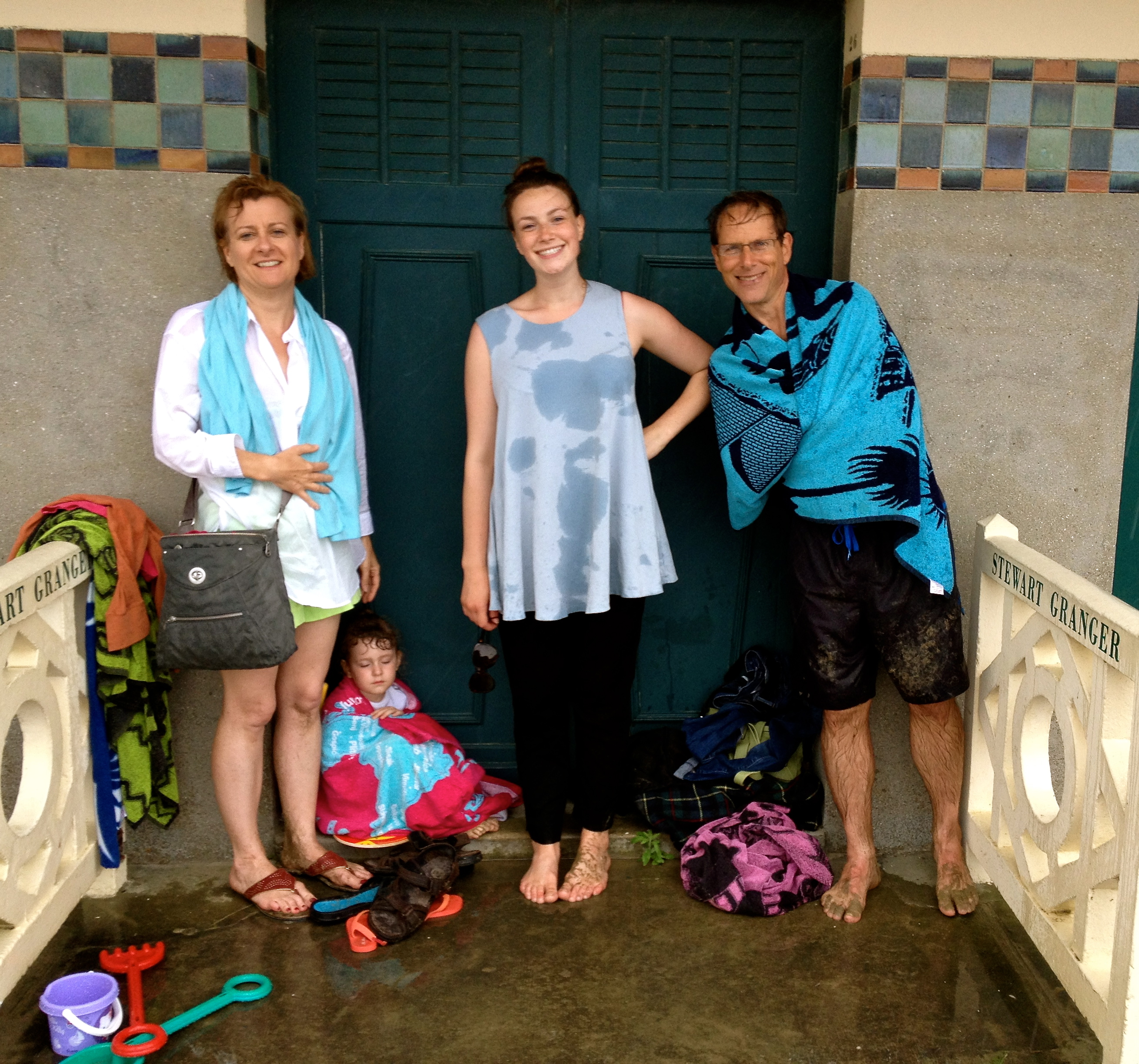
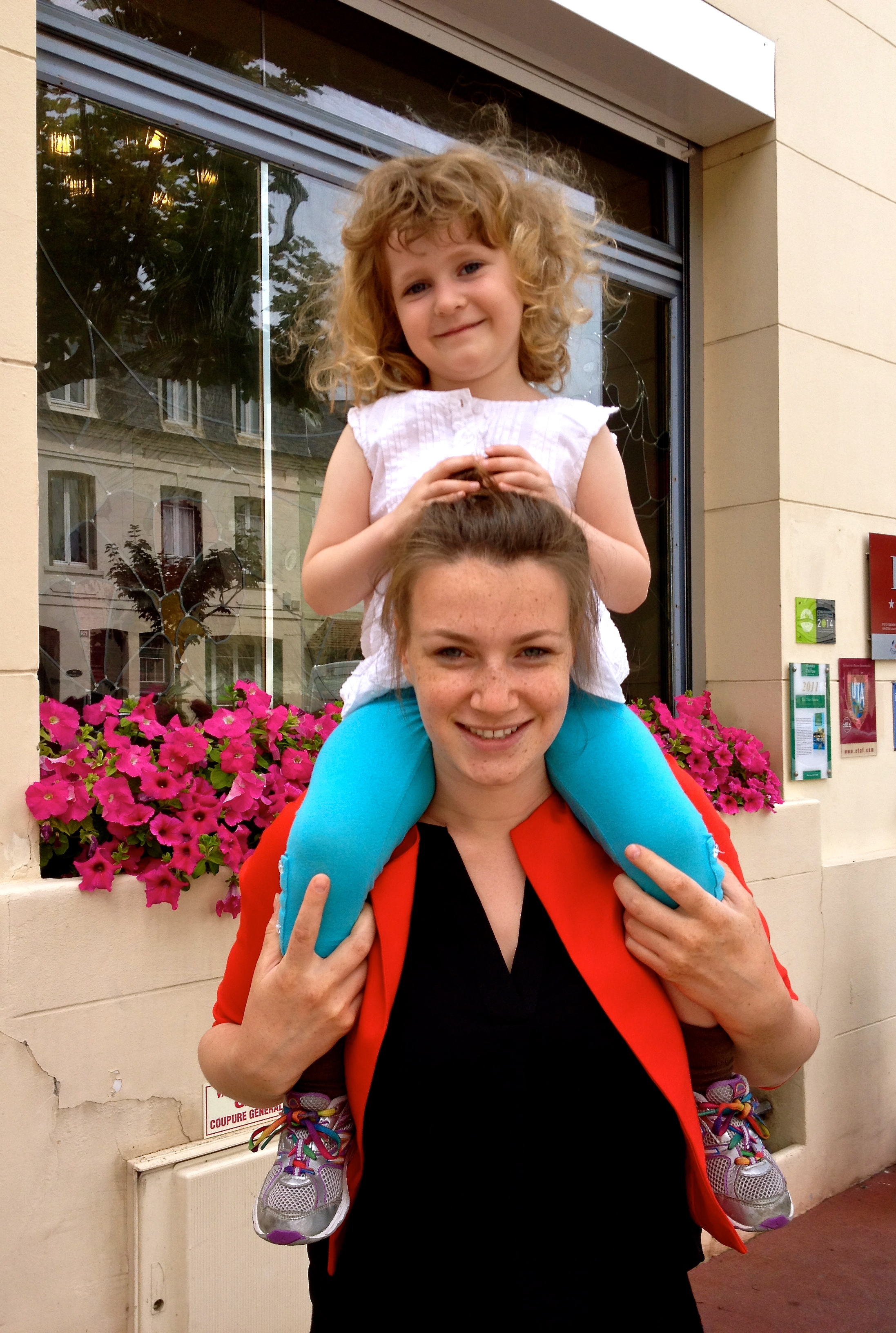
deauville.jpgWe are wrapping up our quick getaway to the “Normandy Riviera”. It has been a lovely sojourn to celebrate Button turning 18 and the visit of a very dear friend and her 4-year-old fille. While the weather has been cool and grey, we have had a few hours of bright sun showers and sandy beach excursions followed by ominous, Armageddon skies, massive rain fall, and mad dashes across the notoriously wide strand in search of temporary shelter.

deauville_beach3.jpgdeauville_beach2.jpgdeauville_beach4.jpgStill it has been well worth taking the quick (and inexpensive) hop to the fashionable seaside town of Deauville and the funky and family friendly beach town of Trouville. Separated by a tiny inlet that depending upon the hour and the tide, can be traversed by a wooden footpath or accessed exclusively by a water taxi, these sister cities are a perfect pair.

Trouville.jpg

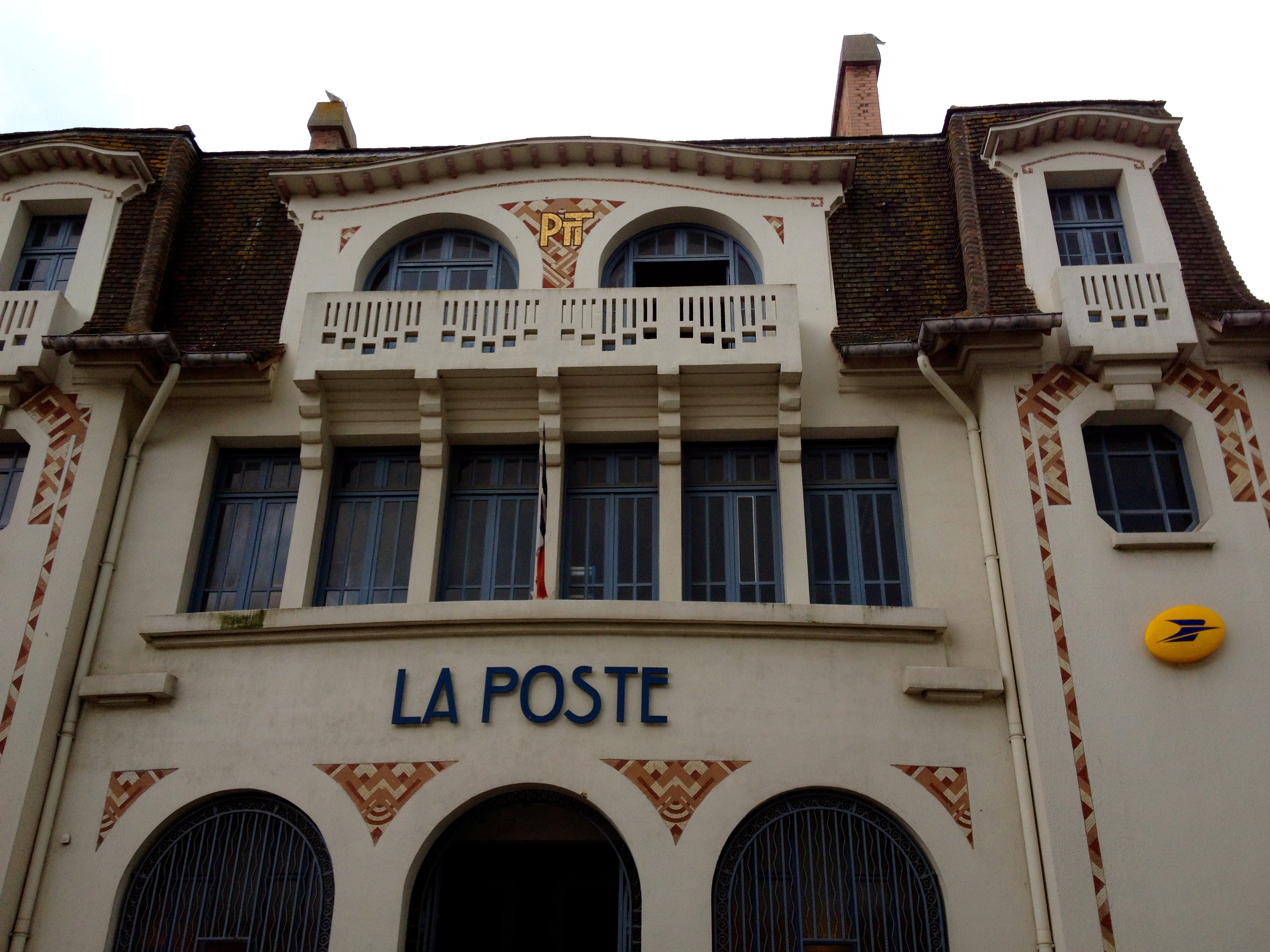
Deauville is the glamorous sister frequented by film stars, polo and horse-racing enthusiasts and high-stakes gamblers, while Trouville is the hip, but retro sister—a working fishing port, eulogized by artists and writers. Both towns offer the visitor a chance to lose themselves in the days of la Belle Époque. A Woody Allen movie in the making, the seaside towns are bursting with over 600 buildings protected as historical monuments. The lovely half-timbered houses so common in Normandy are complimented by the grand Art Nouveau casinos and Baroque-style buildings.

Deauville_architecture.jpgDeauville_architecture2.jpgDeauville_architecture3.jpg

It is easy to imagine the Paris smart set roaring into town in the 1920s and strolling Deauville’s famous boardwalk, disrobing in the individual beach cabanas and sunbathing in their scandalous swim costumes under the expanse of multi-colored parasols. How I would love to go back in time and walk the wooden-planked promenade or sit among the deck-chairs and umbrellas and admire the spectacle.

deauville_beach.jpg

Coco before she was Chanel (as you may remember from the movie) came to Deauville with her lover in 1913 and was so taken with the possibilities for dressing the beach, yachting, polo and racecourse crowd, that she was inspired to design a line of easygoing and wearable vêtements which she would eventually sell at her famous boutique in town. These days, Deauville is still considered a sophisticated shopping destination and continues to be a chic town packed with haute couture boutiques and stylish diversions.

Trouville, as I mentioned, is the more laid back sister, less expensive and super groovy, frequented by families and colorful bands of primary students exuberantly enjoying their first day ever on the long swaths of soft golden sand. The maritime town radiates the energy of the daily life of fishermen and sports one of the most interesting fish markets I have come across in France.

trouville_art_nouveau.jpg

trouville_beach.jpg

The connection to Trouville’s past can be seen in the many en plein air Impressionists painting inspired by sunbathers, dinghies, sailing boats and seascapes. Impressionist artist such as Boudin, Monet, Sisley and Pissarro flocked to Trouville (and Deauville) to capture the holidaymaking, harbor and stormy skies and Proust, Flaubert and Marguerite Duras all found inspiration in this fisherman’s village.

There are still plenty of artistic offerings in each town and I loved them both. If you are planning a trip to Paris and are the nostalgic sort fascinated by the Golden Age in France, I would highly recommend taking a detour to these sister cities.

trouville.jpg

No. 288: Cats on a Wet Deauville Roof

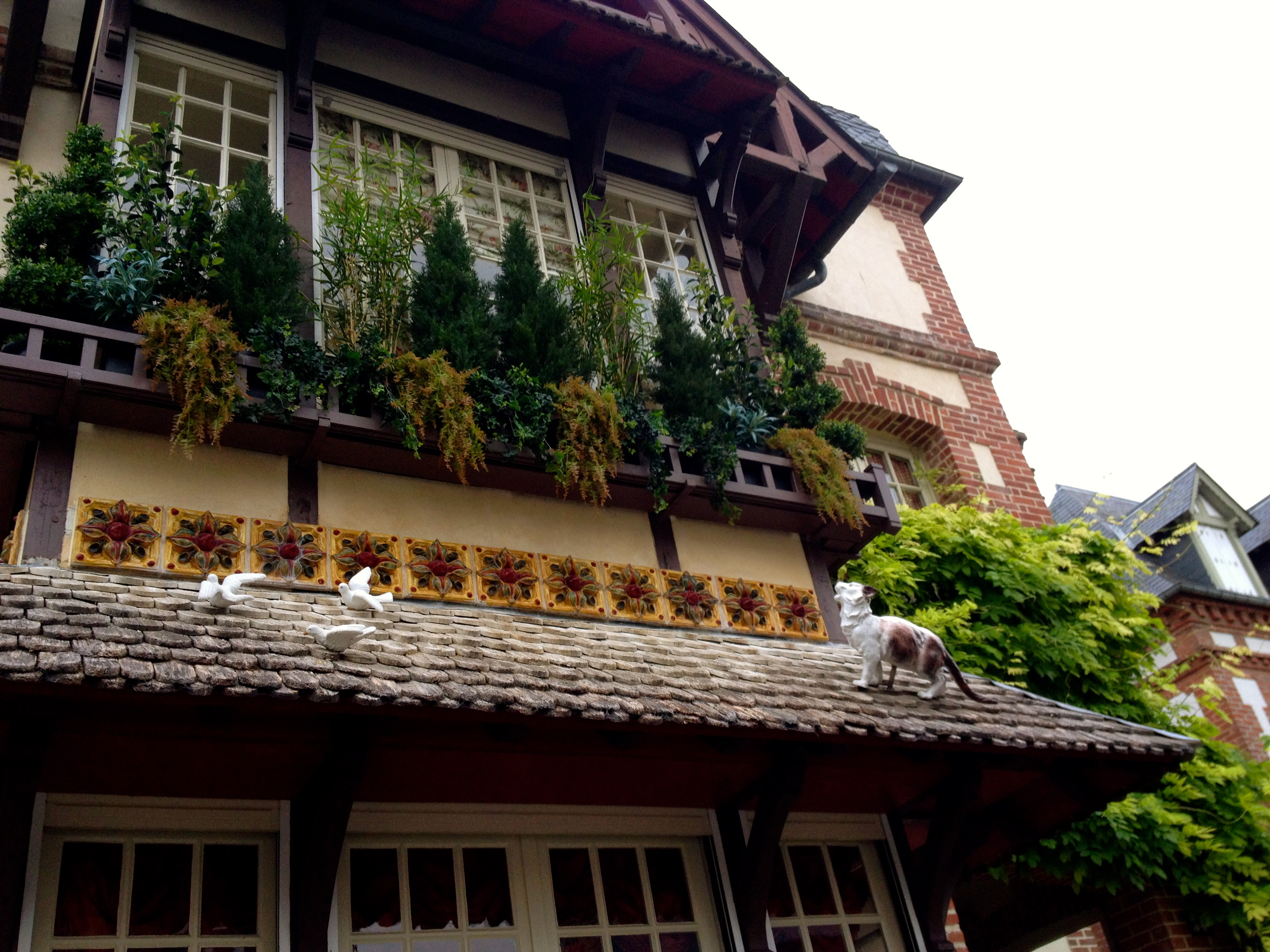
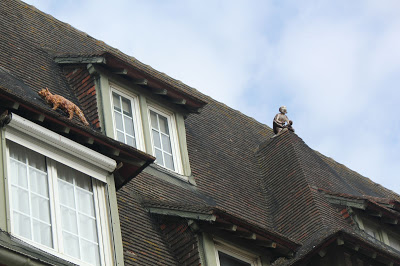
We are enjoying a relaxing, albeit extremely foggy and cool sojourn in Deauville. The rooftops are magnificent in this old school beach resort and I am charmed by the ceramic felines creeping about the gables and tiles.

deauville_cats_rooftops.jpg

I am guessing they are there to keep the seagulls and pigeons at bay, but there has to be a more enchanting tale, nest ce pas? I have scoured the web but have yet to find a beguiling yarn. Does anyone know the legend of the cats (and squirrels) on the not-so-hot roofs of Deauville?

deauville_cats_rooftops.jpg

No. 273: Spectacular Lightning

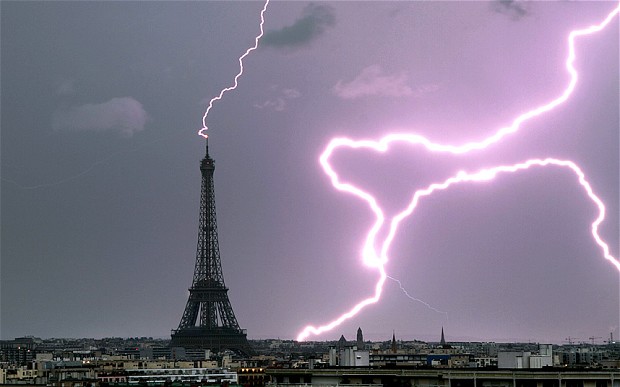
Lightning strikes the top and to the side of the Eiffel Tower in Paris Photo: BERTRAND KULIK/CATERS

Lightning strikes the top and to the side of the Eiffel Tower in Paris Photo: BERTRAND KULIK/CATERS

We have had two crazy storm here in Paris over the last few nights. I was too chicken to go outside and photograph them, and the photos I took from my windows did not do the storms justice, so I grabbed this gorgeous picture off of google images (source: BERTRAND KULIK/CATERS).

I am a sucker for thunder and lightning storms. I love them and I fear them, and these past two nights have been spectacular–with snarling roars and jagged streaks striking the tip of my beloved tower.

No. 258-261: Monet, Giverny, “en plein air” and l’Orangerie

giverny_monet.jpg

It is difficult not to develop an affinity for Claude Monet when you live in France, especially in Paris. One of my favorites of the Impressionist’s movement (along with Renoir, and Boudin, bien sûr), M. Monet’s works can be found in numerous museums in Paris, as well as at his beloved Giverny, where you can walk among his self-designed and hand-planted gardens that inspired so much of his work, and oggle at the reflections in the pond of his famous water lilies and Japanese footbridge.

giverny_monet2.jpg

Claude Monet was a man with a vision and visionary friends who rejected the old school approach to landscape painting and looked to nature herself as his teacher. He was a patience observer of the natural world, and found solace and pleasure in watching the play of light, timing and seasons on his subjects.

Supported by his parents, he attended the Le Havre School of the Arts and was befriended and mentored by Eugéne Boudin himself. It was Boudin who introduced him to the idea of painting “en plein air” (outdoor).

Sargent_MonetPainting

Every spring I steel myself to face the throngs of tourists who gather at Giverny, and every year despite the crowds, I’m always glad I’ve made the pilgrimage. Even with what seems like thousands of Russian voyagers snapping thousands of photos, Giverny still offers a flavorful feast for the senses.

His gardens at Giverny are like his paintings—gaily colored patches that are sometimes a bit muddled and cluttered, but at the same time perfectly composed. His estate is split into two gardens. The first is the walled garden laid out in stunning symmetrical flowerbeds with a splendid path running down the middle, sheltered with iron trellises and climbing blooms. The second garden is the water garden—home to the famous Japanese bridge and water-lilied pond reflecting the blue sky, white clouds, wisteria, and weeping willows that line the shore.

Monet spent more than 40 years planting and painting at Giverny. I find it fascinating to think about him and his family meticulously planting their gardens first – creating a tangible, living piece of art—while at the same time envisioning what he would produce on the canvas. I am enchanted by this man who essentially created his artwork twice—first shaping it in nature and then sitting among it and putting it forth on the canvas.

As fond as he was of painting his garden, pond, and water lilies, Monet was also inspired by the banks of Seine and frequently painted en plain air. He traveled throughout the Mediterranean and was especially inspired by Venice, and continued his outdoor works in London, but at Giverny, his famous paintings literally come to life. It’s pure magic.

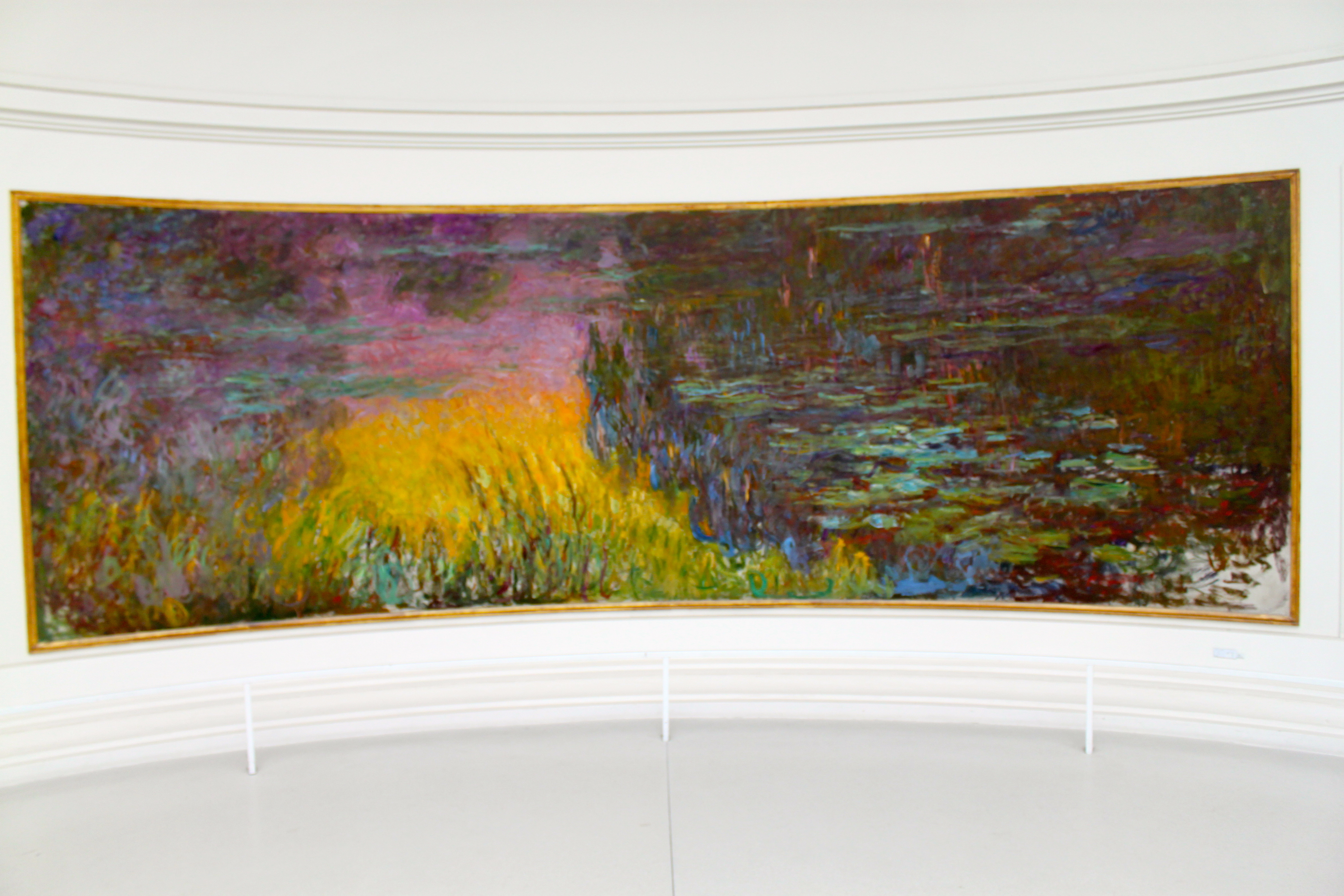
If you don’t have enough time (or patience) to make the trip to Giverny in the spring or summer, I highly recommend stopping by l’Orangerie in Paris where you can see his famous nympheas (water lilies) in a gorgeous space built specifically for them blooming all year long.

monet_orangerie.jpg monet_orangerie2.jpg

Other places to see Monet in Paris:

The Musée d’Orsay and the Marmottan-Monet Museum which has a wonderful permanent Monet collection and is currently hosting what I have heard is an amazing expo: Les Impressionnistes en privé: Cent chefs-d’oeuvre de collections particulières. (The Impressionists in private: One hundred masterpieces from private collections.)


No. 230: Bourges: France’s Heartland

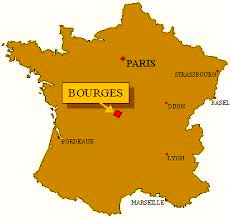
map_france-Bourges.jpgWe are a couple of days back from faire(ing) le pont in Bourges.

This was one of those completely unexpected, point-to-a-place-on-the-map-where-we-can-afford-the-train-tickets type of getaway. It turned out to be an excellent choice.

Bourges lies almost exactly in the center of France, so now if/when I have to leave France, I can say, both that I left my heart in France, and that I have been to the heart of France.

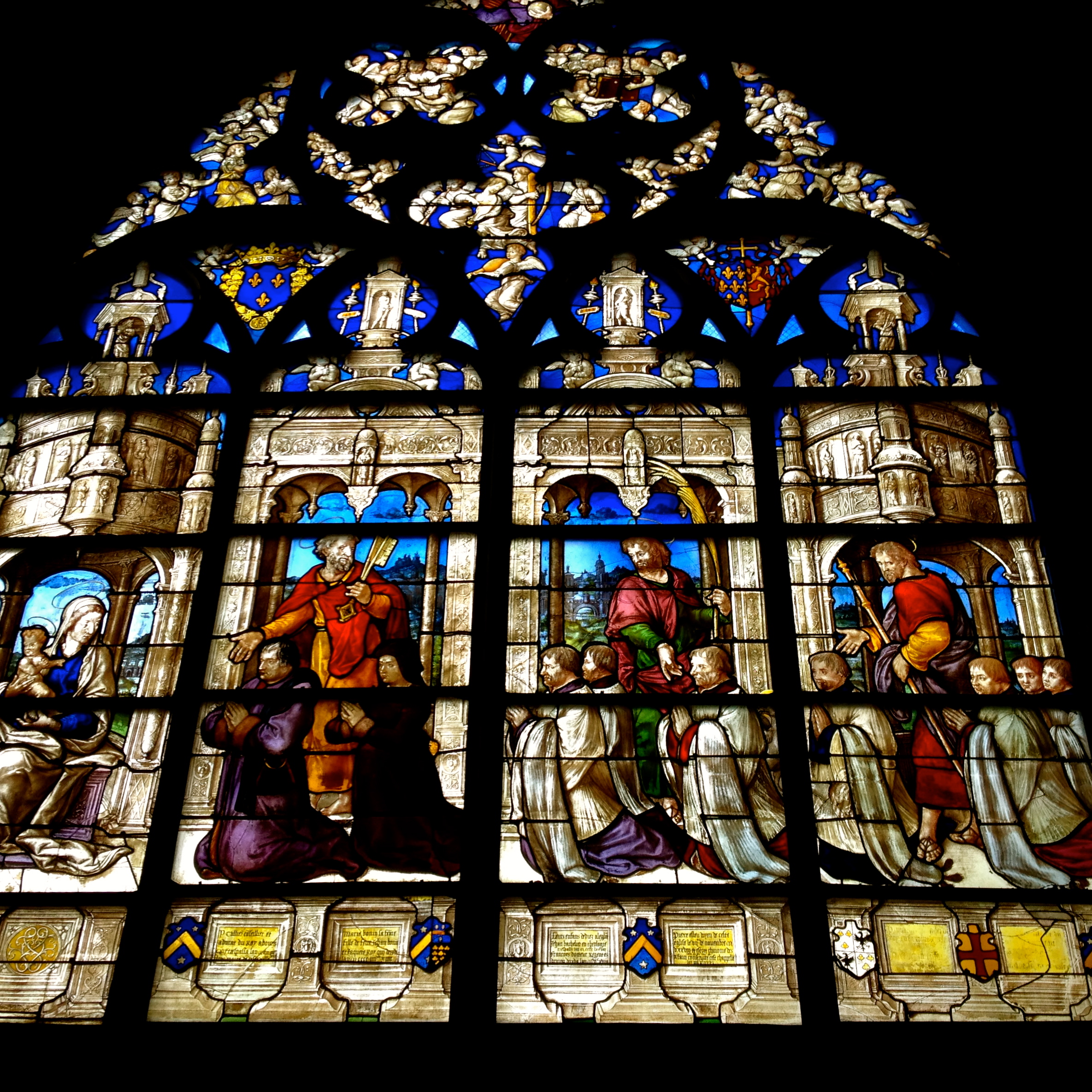
Bourges is a classic French town housing one of the great Gothic cathedrals of Europe, Sainte-Etienne, a UNESCO world heritage site, known for its stunning stained-glass windows, some dating back as far as the 13th century, an amazingly accurate astronomical clock, and its arched-entrance, chiseled with eerie carvings illustrating a grim Judgment Day.

bourges_cathedral.window.jpg

According to our bed and breakfast host, guests tend to use Bourges as an overnight stop when traveling north-to-south or vice versa. But I would say Bourges is worthy of a long weekend, to allow you the time to get to know the picturesque town surrounded by rivers, listen to the pealing church bells, soak up the rich history, and experience the relaxed and friendly locals.

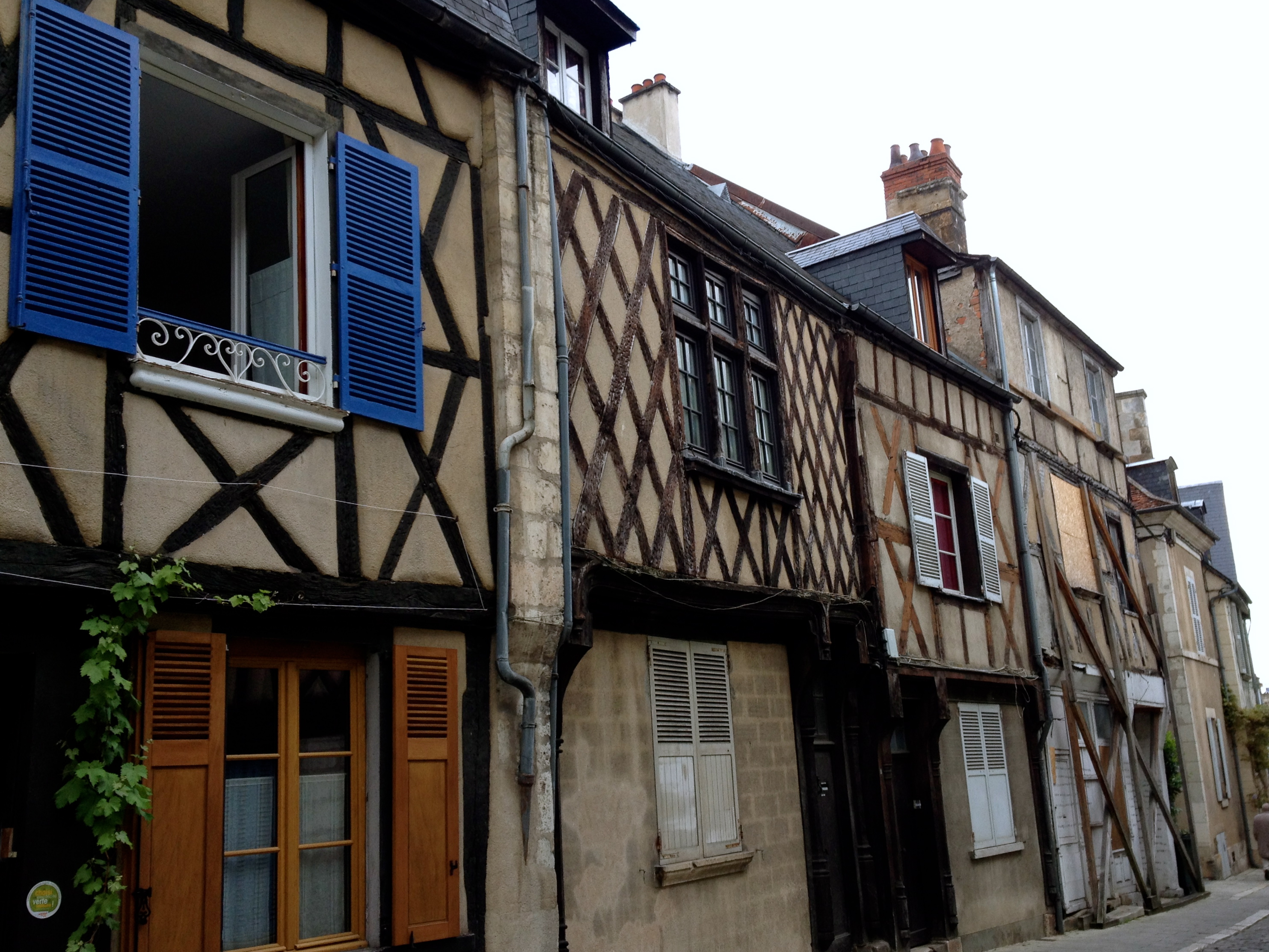
bourges_france_medieval_houses.jpg

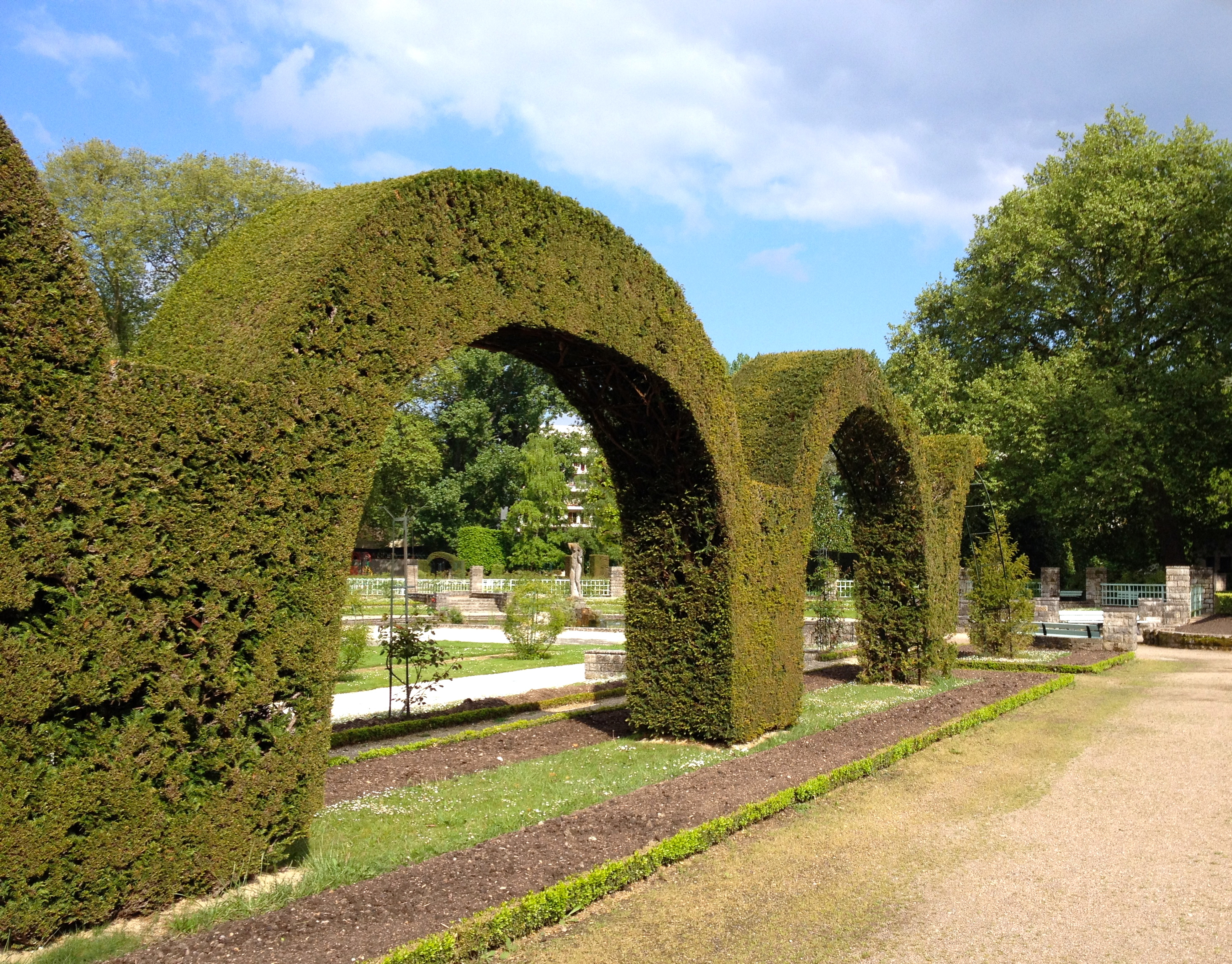
Southeast of Orléans, this hilly city, where Joan of Arc wintered before she was burned at the stake, rises up at the intersection of the Yèvre and Auron rivers in the Department of Cher and will charm the pants right off you with its half-timbered medieval houses, cobbled lanes, sculpted gardens and marshy marais—more on that tomorrow.

bourges_france_garden.jpg

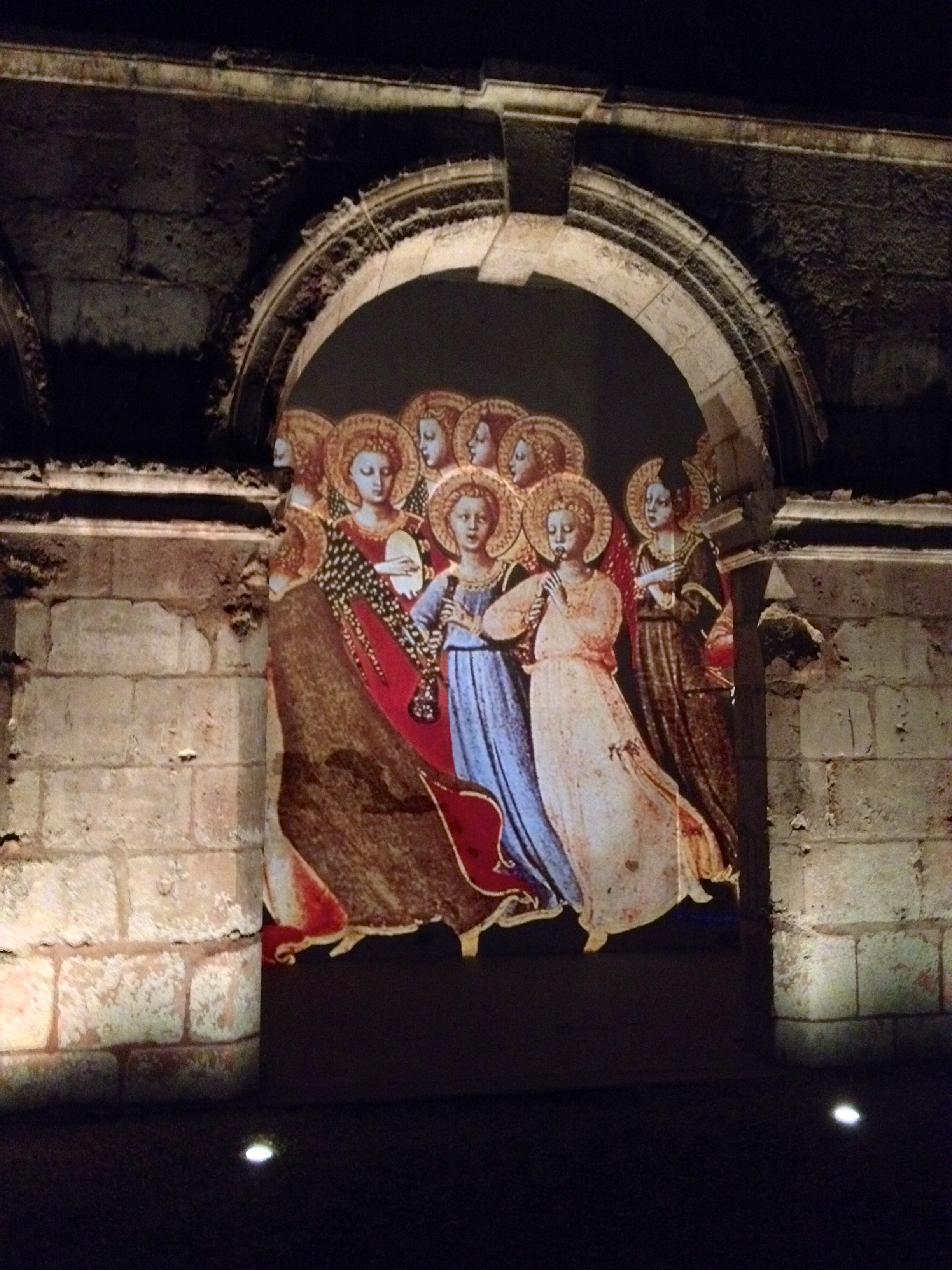
May is the perfect time to visit, as the town hosts Les Printemps de Bourges Contemporary Music Festival, (we were one weekend too late), and les Nuits Lumière (Illuminated Nights), an impressive light, sound and architectural show highlighting the city’s heritage (screened across the ancient buildings) on offer every Thursday, Friday and Saturday evenings, rain or moon-glow.

light_show_bourges_France.jpg

Summer may be an even better time to visit Bourges, as there were loads of signs heralding Été à Bourges and an impressive line-up of free, outdoor musical performances, of all shapes and sizes.

When all is said and done, Bourges is a super cool place to visit either on whim or as a planned stop on your itinerary. If you want to hear and feel what makes this complicated country tick, venture au coeur, to the heart of France.

heart_france_640

Vocabulaire

au coeur: in the center, at the heart

Été à Bourges: Summer in Bourges

faire le pont: to take a long weekend, literally to make the bridge

Les Printemps de Bourges: Bourges’ Springtime