Skip to content

Posts from the ‘Art’ Category

No: 262: le Musée Marmottan Monet

Jardin-Musee-Marmottan-Monet-Paris-blog-hotel-elysees-mermoz

I was so inspired by Giverny and Claude Monet, I decided to make the short trip to one of Paris’ secret treasures, le Musée Marmottan Monet, to take in the exceptional expo marking 80 years since the museum opened. The expo: Les Impressionnistes en privé: Cent chefs d’oeuvre de collections particulières (The Private Impressionists: One-hundred Masterpieces from Private Collections) did not disappoint. I could sit for hours in this spacious and manageable museum, especially on a rainy day, which it was, and simply Zen-out, and be taken away to Monet’s gardens and Londonscapes, Morisot’s femmes, Degas’ dancers, Renoir’s portraits and parties, and Pissarro’s campagne.

The Marmottan is not usually on the standard tourist itinerary, so you can enjoy your viewing without worrying about taking an elbow in the ribs or competing for the best view. Serenity and tranquility are the two words that come to mind when I visit this maison-turned-museum. It’s like coming home to your (extremely wealthy) dotting aunt’s manor and taking an almost private tour.

museum_marmottan-paris.jpg

I am a bit reluctant to share the details of one of my favorite Parisian escapes, so please don’t let the word spread too far.


Musée Marmottan-Monet

2, rue Louis-Boilly, 76016

Mardi au dimanche de 10h à 18h

Dernière entrée: 17h30 
Nocturne; le jeudi jusqu’à 20 h 
Dernière entrée: 19h30

Fermé au public le lundi


Vocabulaire

campagne: countryside

femmes: women

No. 258-261: Monet, Giverny, “en plein air” and l’Orangerie

giverny_monet.jpg

It is difficult not to develop an affinity for Claude Monet when you live in France, especially in Paris. One of my favorites of the Impressionist’s movement (along with Renoir, and Boudin, bien sûr), M. Monet’s works can be found in numerous museums in Paris, as well as at his beloved Giverny, where you can walk among his self-designed and hand-planted gardens that inspired so much of his work, and oggle at the reflections in the pond of his famous water lilies and Japanese footbridge.

giverny_monet2.jpg

Claude Monet was a man with a vision and visionary friends who rejected the old school approach to landscape painting and looked to nature herself as his teacher. He was a patience observer of the natural world, and found solace and pleasure in watching the play of light, timing and seasons on his subjects.

Supported by his parents, he attended the Le Havre School of the Arts and was befriended and mentored by Eugéne Boudin himself. It was Boudin who introduced him to the idea of painting “en plein air” (outdoor).

Sargent_MonetPainting

Every spring I steel myself to face the throngs of tourists who gather at Giverny, and every year despite the crowds, I’m always glad I’ve made the pilgrimage. Even with what seems like thousands of Russian voyagers snapping thousands of photos, Giverny still offers a flavorful feast for the senses.

His gardens at Giverny are like his paintings—gaily colored patches that are sometimes a bit muddled and cluttered, but at the same time perfectly composed. His estate is split into two gardens. The first is the walled garden laid out in stunning symmetrical flowerbeds with a splendid path running down the middle, sheltered with iron trellises and climbing blooms. The second garden is the water garden—home to the famous Japanese bridge and water-lilied pond reflecting the blue sky, white clouds, wisteria, and weeping willows that line the shore.

Monet spent more than 40 years planting and painting at Giverny. I find it fascinating to think about him and his family meticulously planting their gardens first – creating a tangible, living piece of art—while at the same time envisioning what he would produce on the canvas. I am enchanted by this man who essentially created his artwork twice—first shaping it in nature and then sitting among it and putting it forth on the canvas.

As fond as he was of painting his garden, pond, and water lilies, Monet was also inspired by the banks of Seine and frequently painted en plain air. He traveled throughout the Mediterranean and was especially inspired by Venice, and continued his outdoor works in London, but at Giverny, his famous paintings literally come to life. It’s pure magic.

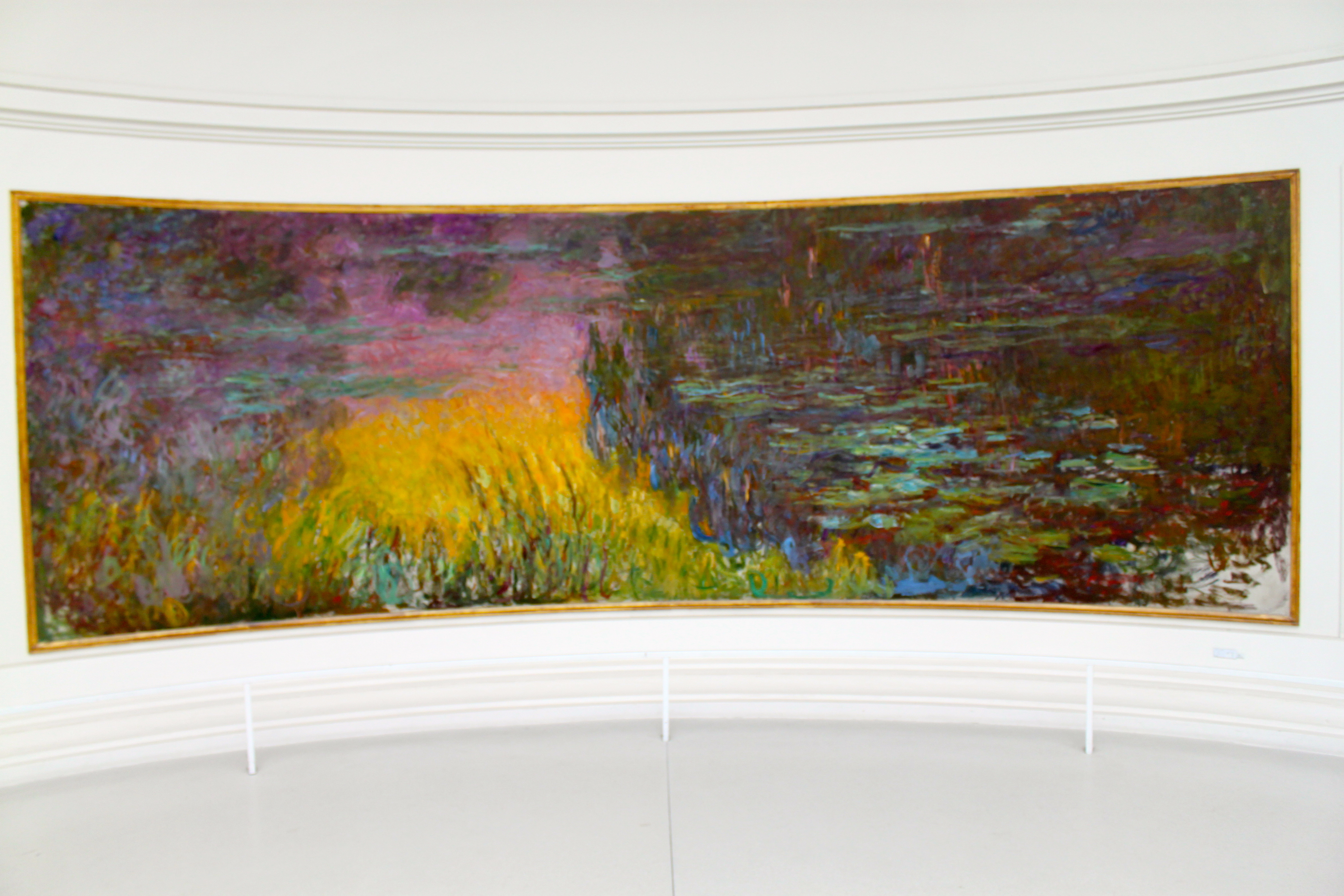
If you don’t have enough time (or patience) to make the trip to Giverny in the spring or summer, I highly recommend stopping by l’Orangerie in Paris where you can see his famous nympheas (water lilies) in a gorgeous space built specifically for them blooming all year long.

monet_orangerie.jpg monet_orangerie2.jpg

Other places to see Monet in Paris:

The Musée d’Orsay and the Marmottan-Monet Museum which has a wonderful permanent Monet collection and is currently hosting what I have heard is an amazing expo: Les Impressionnistes en privé: Cent chefs-d’oeuvre de collections particulières. (The Impressionists in private: One hundred masterpieces from private collections.)


No. 231-233: Marshland, Potager, and Groovy Scarecrows


bourges_marais.jpg

While I enjoyed the medieval houses and formidable cathedral in Bourges, what I really loved was the secret world of the marais. Strolling through les Marias de Bourges is a must for anyone missing green space or the earthy comfort of their vegetable garden or potager.

bourges_marais_gardens.jpg

bourges_marais_gardens2.jpg

Just a stone’s skip away from Sainte-Etienne Cathedral, the marshlands surrounding Bourges at one time assured the defense of the city, but now serve as lovingly cultivated family gardens, supplying the city with fresh fruit and vegetables. The marais spans more than 330 acres—enough space for over 1,000 garden plots neatly carved out of the calm waters and green and flowering foliage and provides a unique space for nature and relaxation for residents and visitors alike.

source: Office de Tourisme de Bourges

source: Office de Tourisme de Bourges

bourges_marais7.jpg

It was heaven for Superman and Taz, and Button and I were reminded how great it feels to breathe fresh air and wander through a friendly and welcoming place and smile at the locals as they traversed the canals on foot bridges and boats. Each pint-sized plot had some sort of maisonnette (some more appealing than others), a sweet sign announcing what is theirs, and for the creative jardiniers among them, a groovy scarecrow or two to keep the birds at bay.

I was completely hooked. France continues to surprise me with her quaint and quiet charm. I will miss the Fête des Marais this August, but it is the newest item on my bucket list for 2015. If you are in France the end of August, make your reservations now. It is sure to be magical.


Vocabulaire

jardiniers: gardeners

maisonnette: small house

marais: marshland

potager: vegetable garden


No. 227: Huîtres: Where Have All the “Rs” Gone?

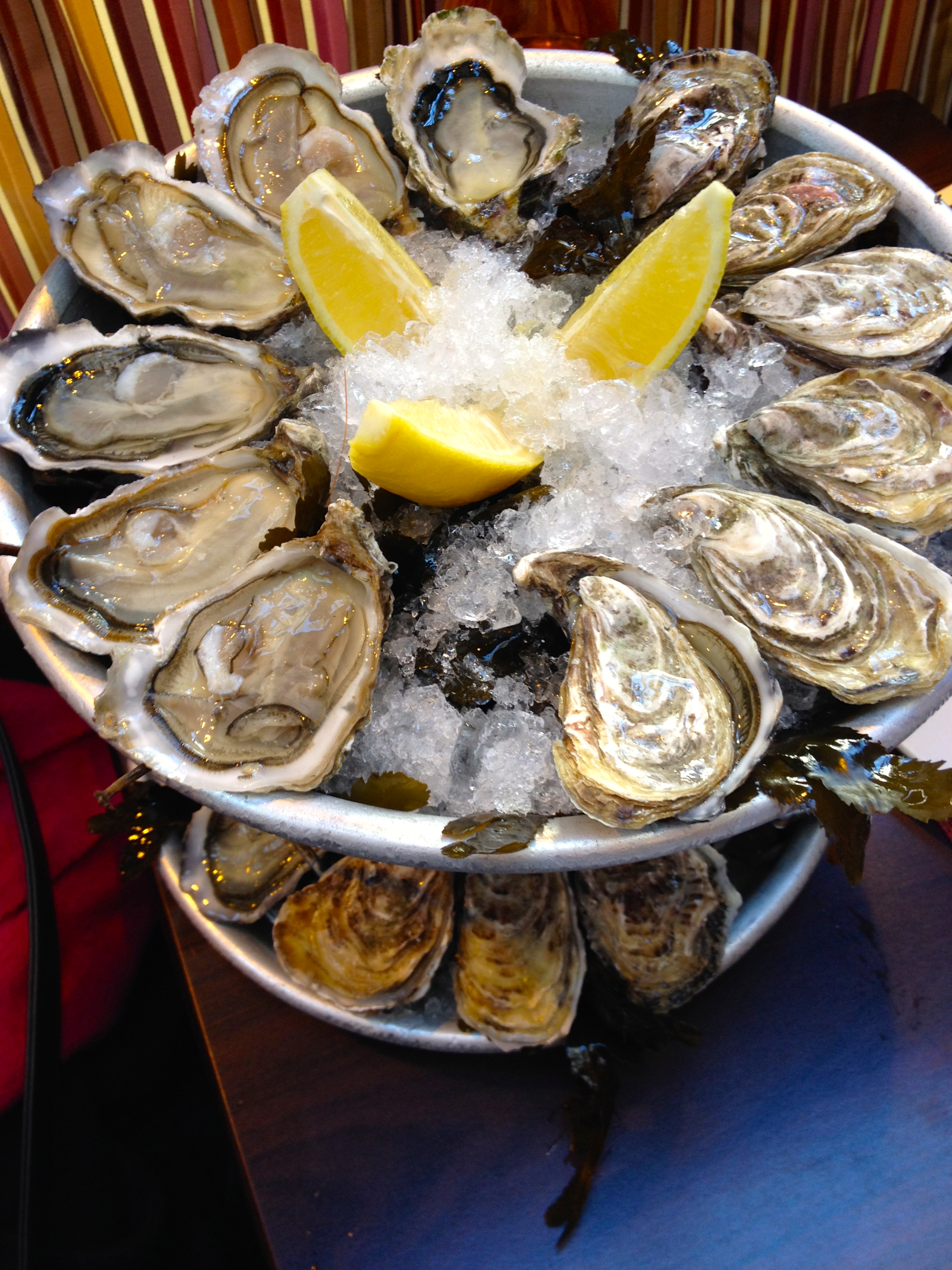
Yesterday was the end of oyster season. Sigh…

oyster_paris_france2. jpg

We have to wait for the next month with an “r” in it to come around before we can enjoy the best of the best huîtres in their proper seasons.

We did have a terrific fall and winter tasting season, and nearly 6-weeks of spring, but now it is May, and May is “mai” en français. Oh why, oh why, can’t “mai” be one of the thousands of French words with a string of silent letters? Why didn’t l’Académie française or one of the 40 all-knowing immortels slip in a silent “r” somewhere between May (mai) and August (août)?

As it is, we will need to wait until September (septembre)—123 days until oyster season rolls around again.

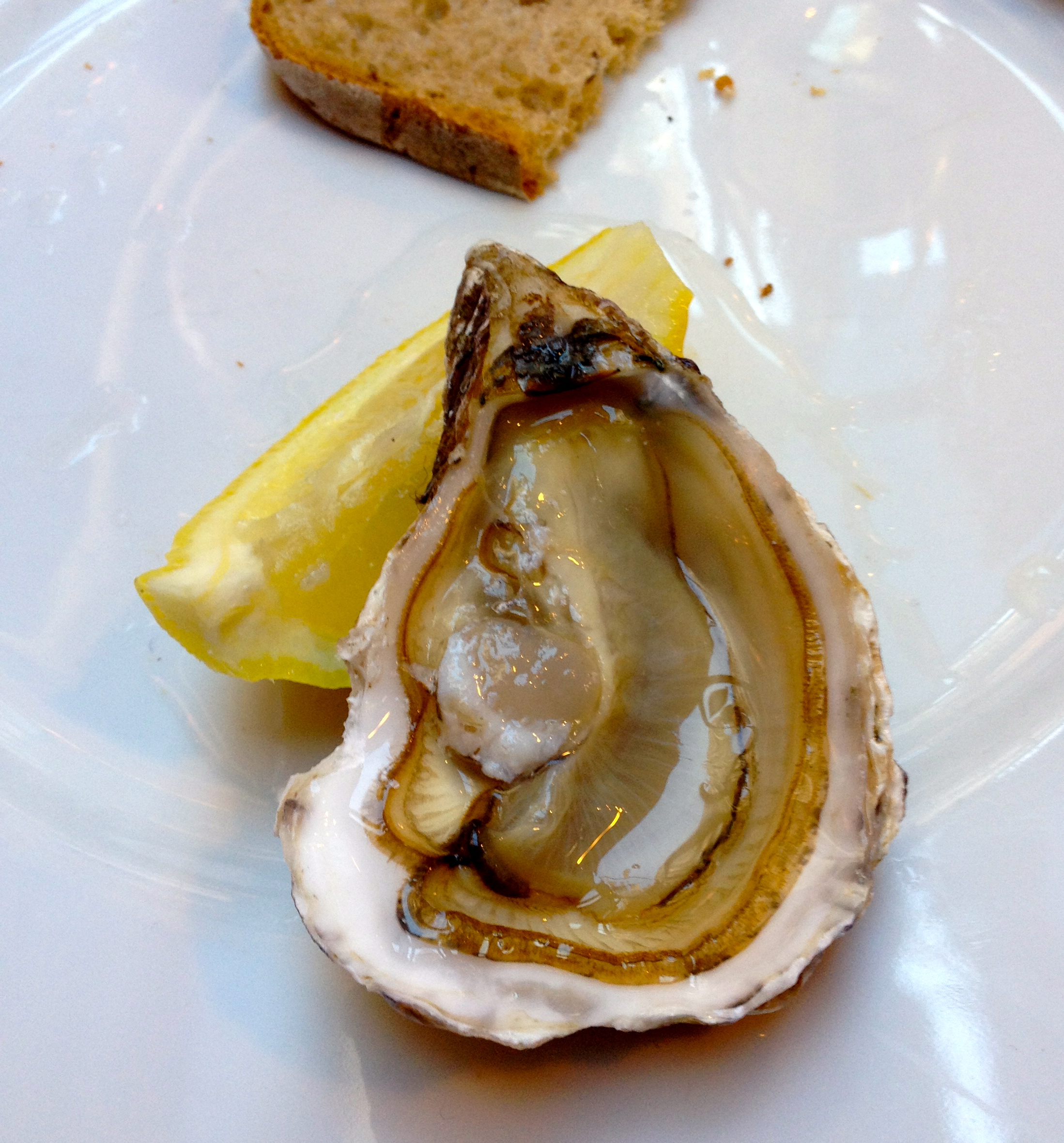
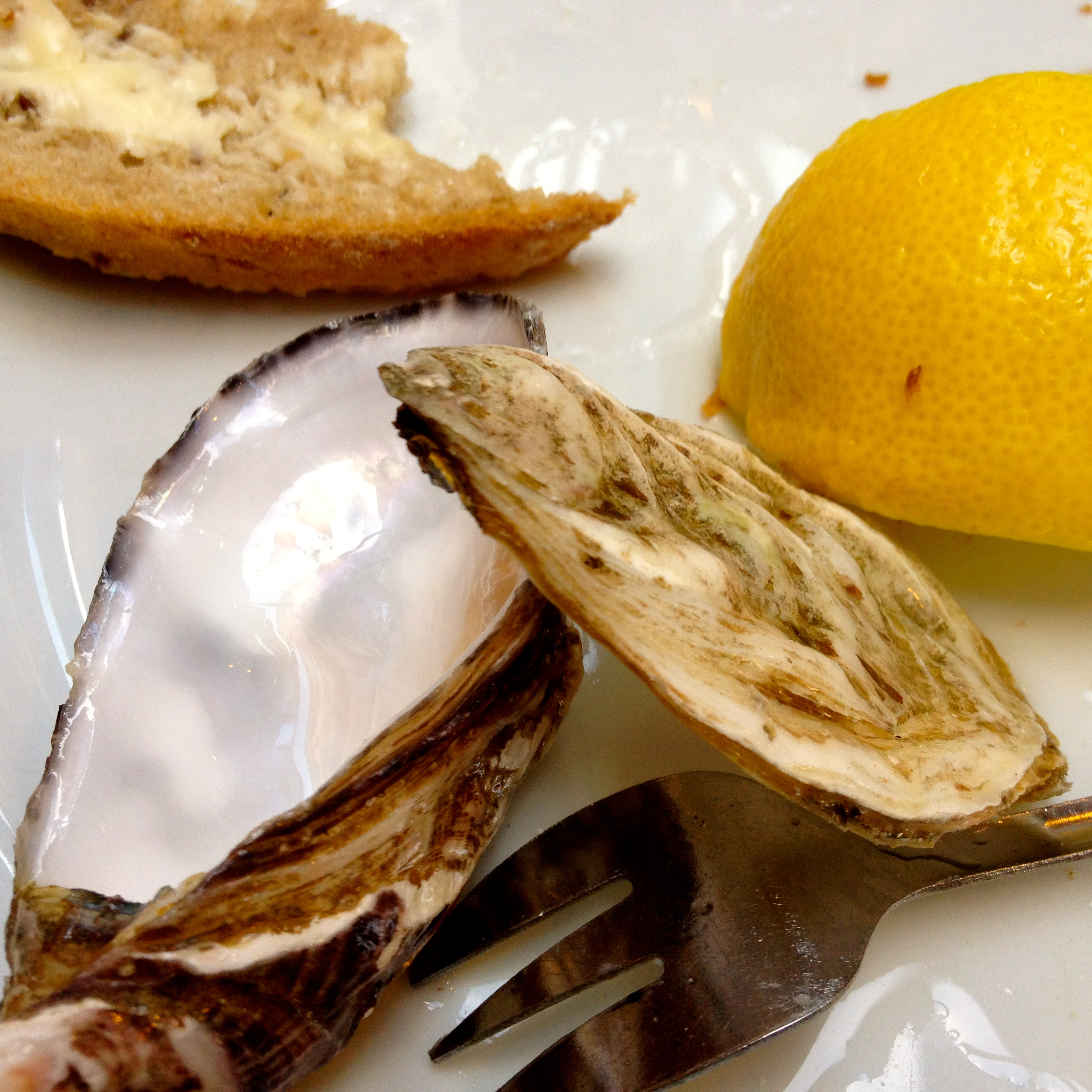
In the meantime, we’ll always have the memories…

oysters_paris_france.jpg

oyster_paris_france3. jpg


oyster_paris_france4. jpg


oysters_paris_france5.jpg

oysters_paris_france6.jpg

oysters_paris_france7.jpg


Vocabulaire

huîtres: oysters


No 206: Bordeaux’s Saint Mark’s Square

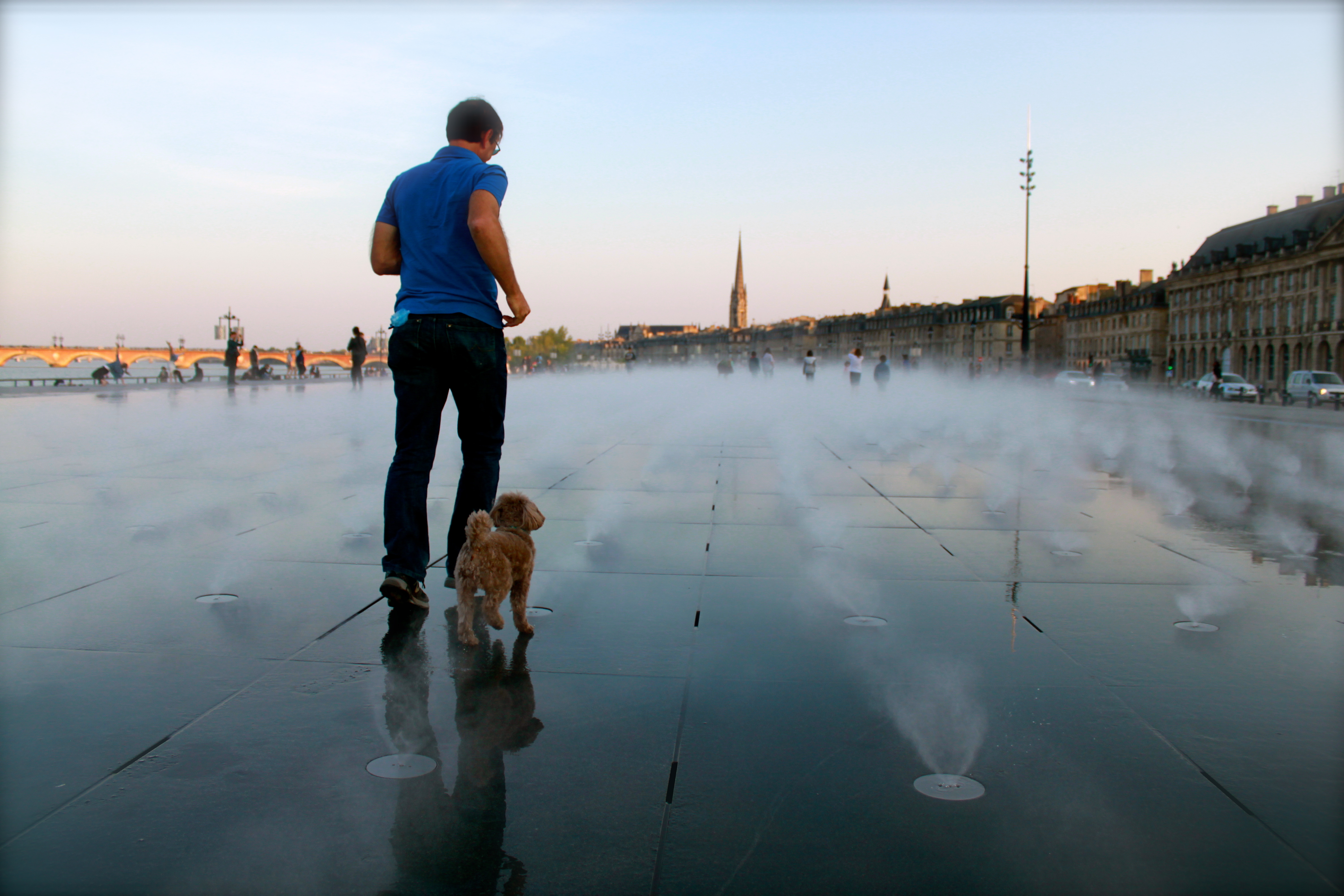
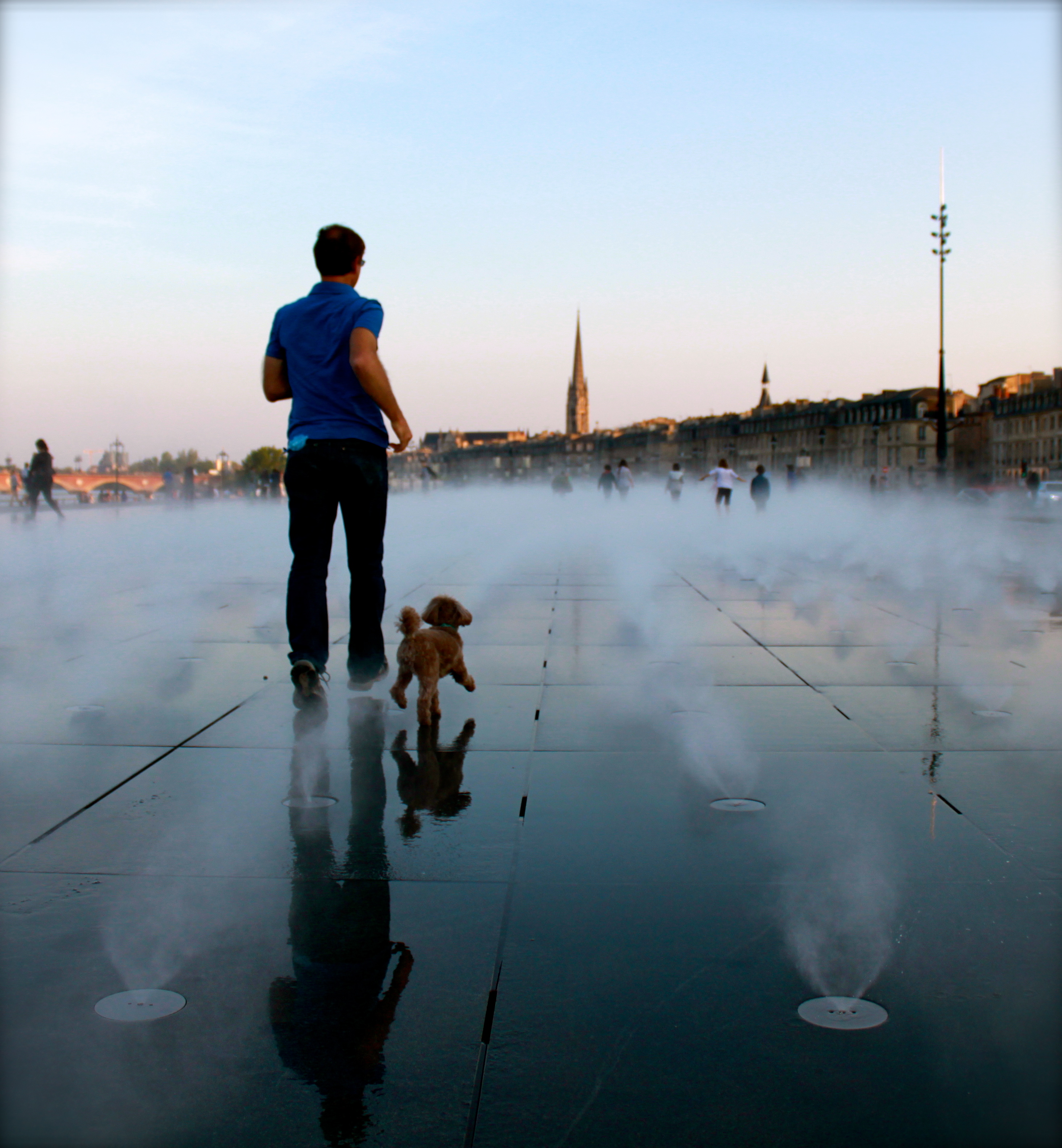
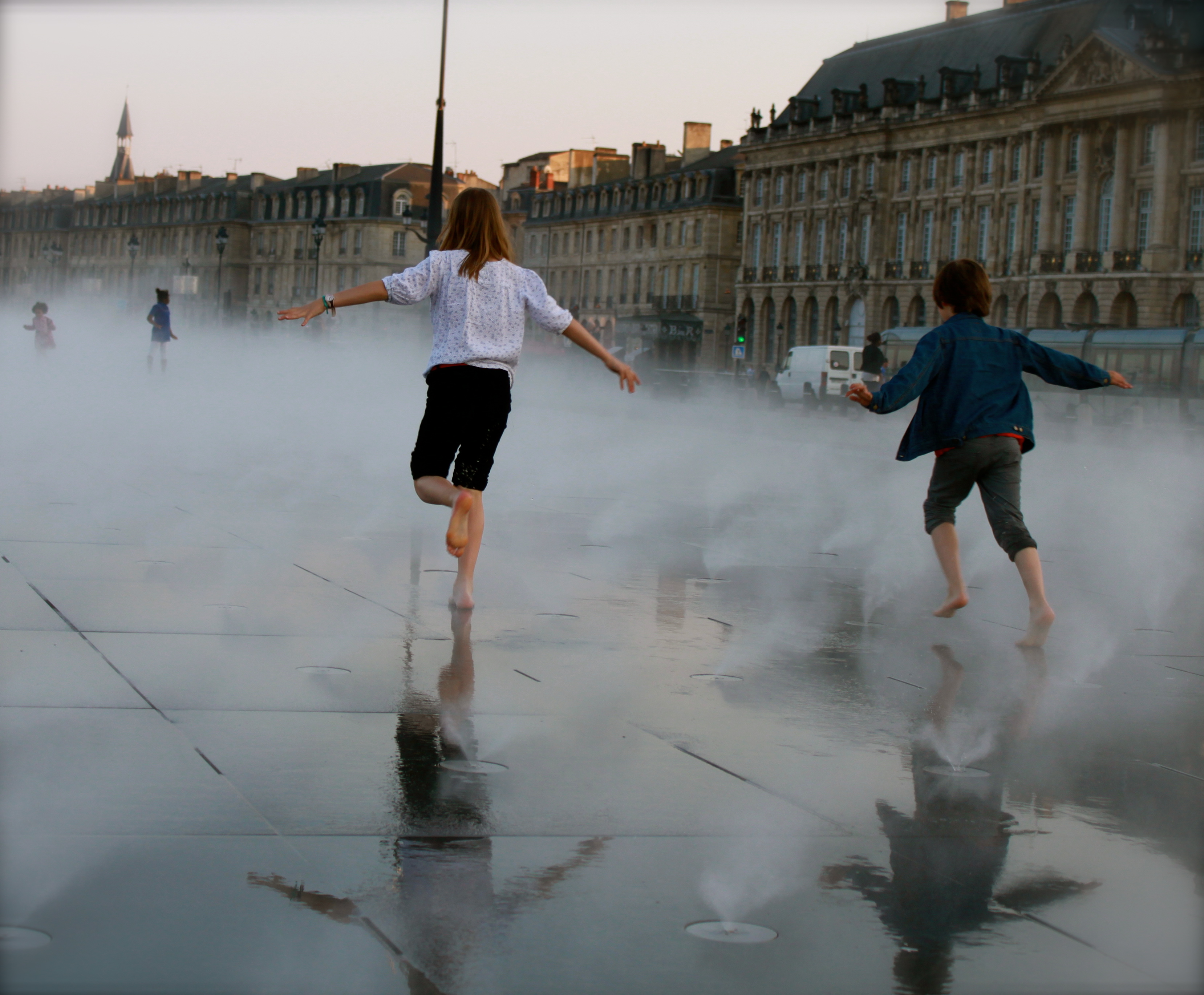
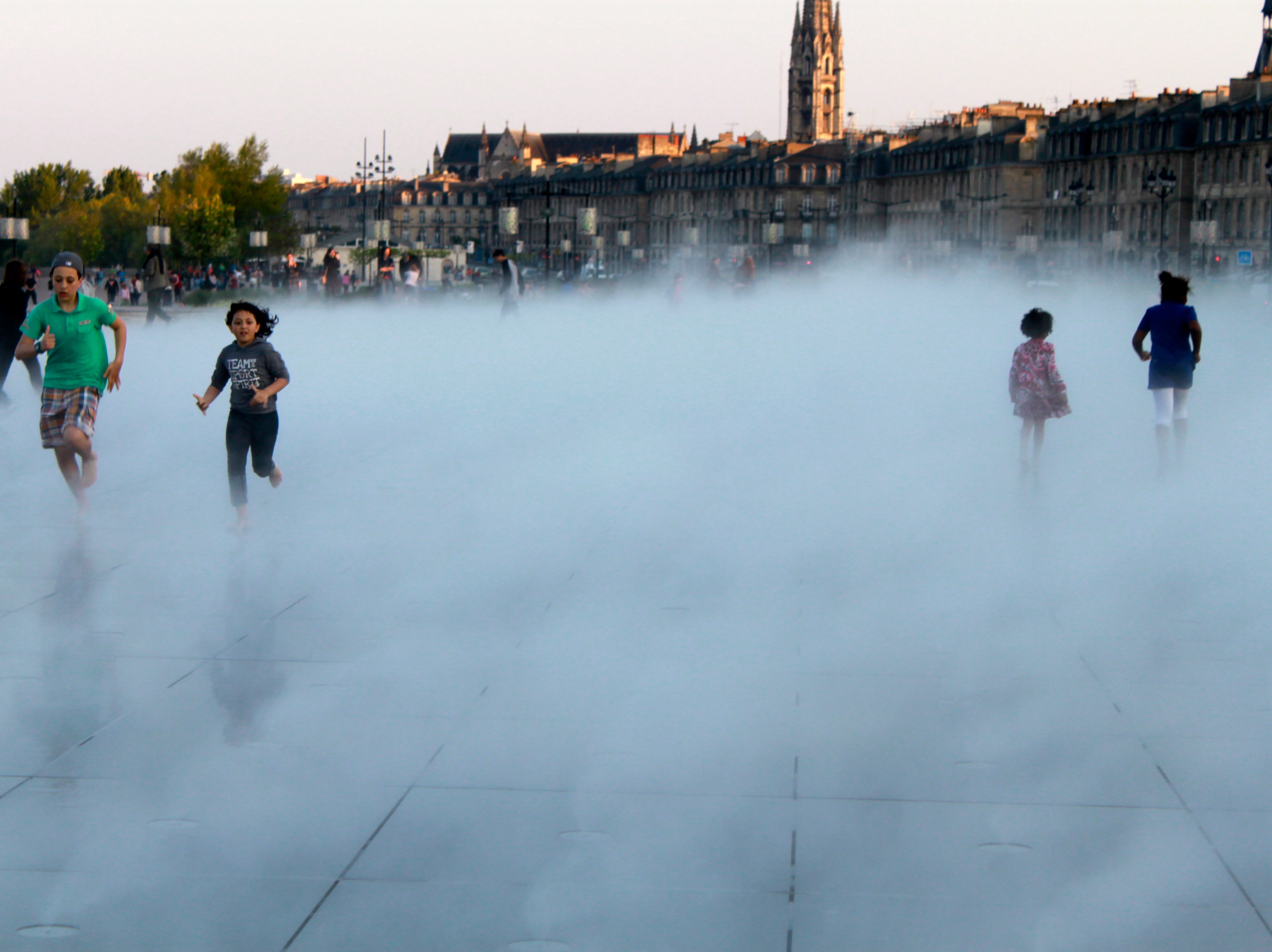
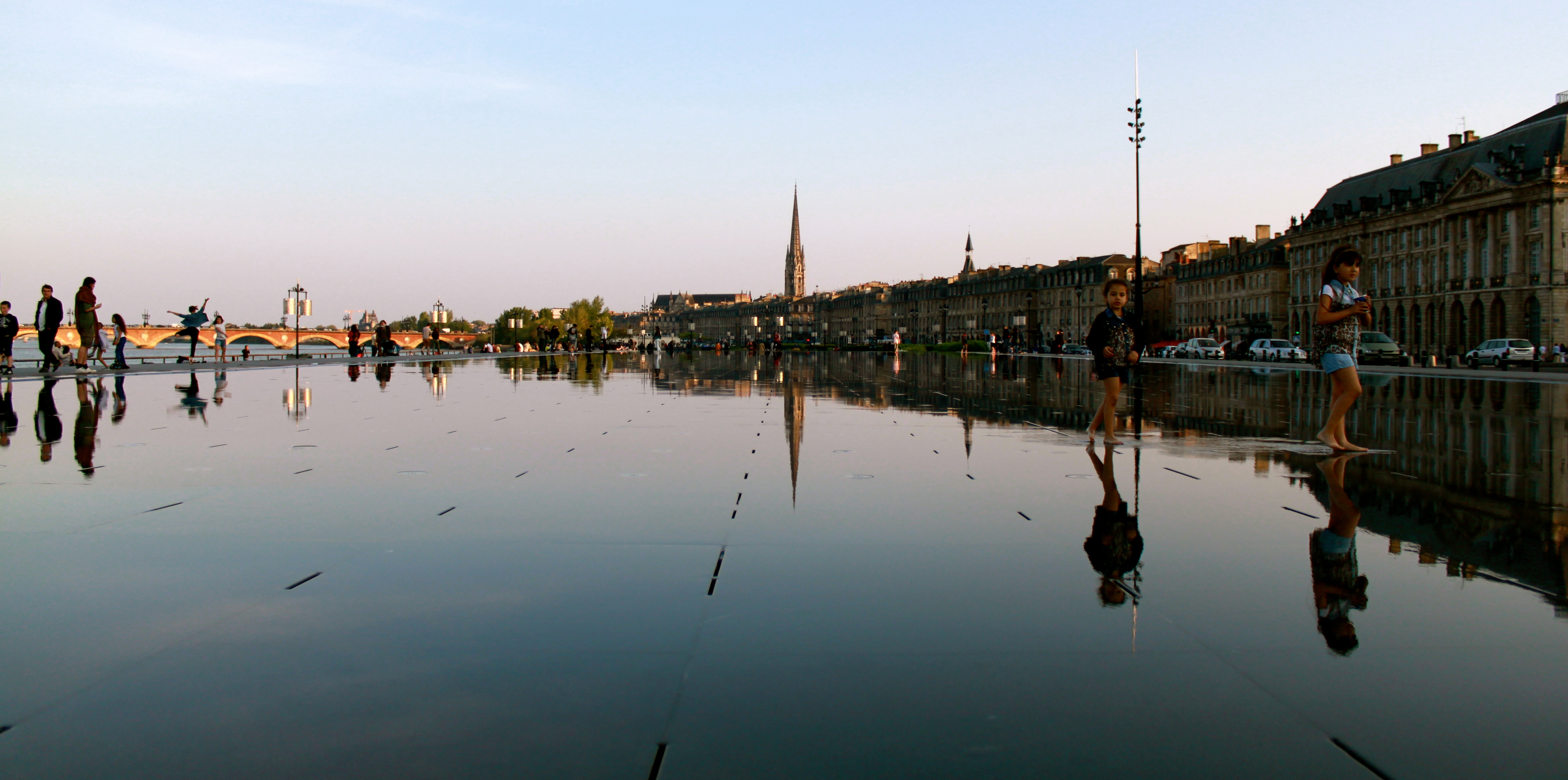
Inspired by the winter flooding on Venice’s St. Mark’s Square, the 3,000 square meters water feature on Bordeaux’s well-designed boardwalk, floods with a thin layer of water followed by an apocalyptic mist effect when the water mysteriously disappears on the hour. 
 (Architects: P. Gagnet and Atelier R. Landscape Architects: Michel and Claire Corajoud)

bordeaux_water_feature.jpgbordeaux_water_feature2.jpgbourdeaux_water_feature3.jpgbourdeaux_water_feature4.jpgbourdeaux_water_feature5.jpg

bourdeaux_water_feature6.jpgbourdeaux_water_feature7.jpgbourdeaux_water_feature7.jpgbourdeaux_water_feature8.jpgbourdeaux_water_feature9.jpgbourdeaux_water_feature10.jpg

No. 183: Friendships, Mannequins and Some Parisian Inspiration

suzanne-heintz-paris.jpg

Not that my dear friend Suzanne Heintz needs any more publicity. She and her unusual family have finally gone viral over the last few weeks. But as I get her daily updates of who is featuring her story moment by moment (currently our Latin friends at BBC MUNDO), I got to thinking that this might be a story my readers would like.

It’s a story of friendship, faith, fate and a lot of stick-to-it-ness, with just a little bit of inspiration thrown in from this beautiful city I call home.
source: suzanneheintz.com

source: suzanneheintz.com

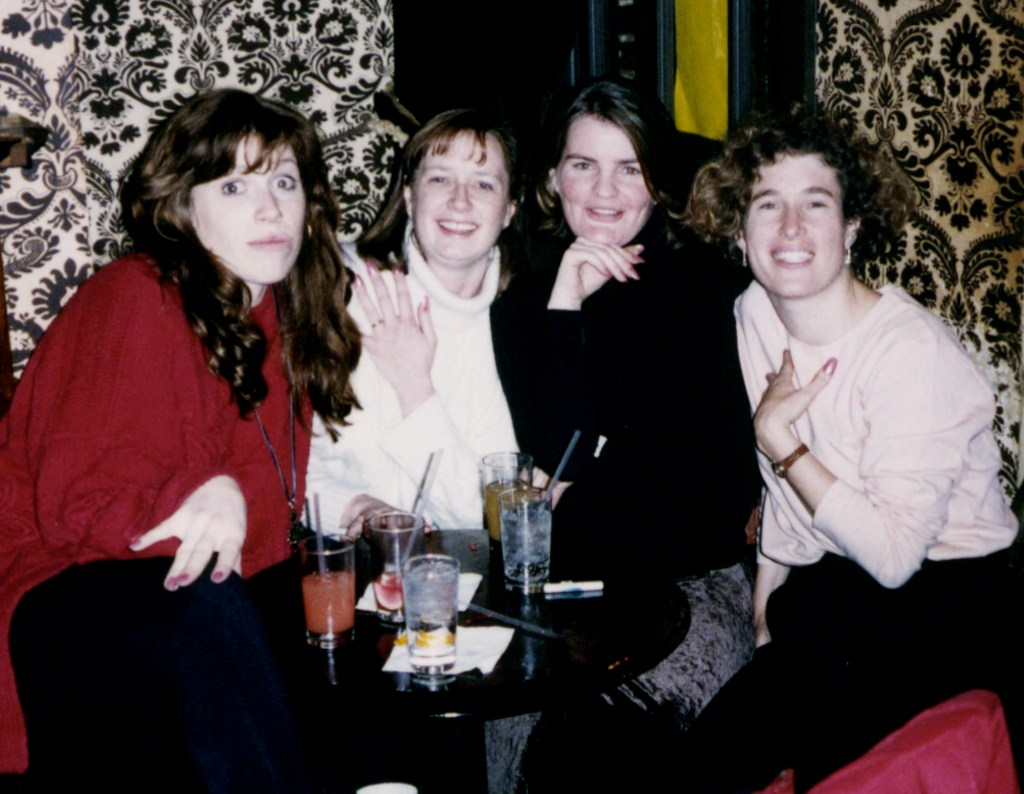
I met Suzanne nearly 30 years ago when we were working at the circulation desk at Norlin Library at the University of Colorado, Boulder. With Jeanne and Mary, we were four best friends, creative and funny, with the absolute belief that we could do anything we set our minds to. Nothing could stop the Four Musketeers. To this day, I think if you asked any of us, we would tell you without batting an eye, that working at Norlin Library was the best job we ever had. Those were the days of the Beautiful People of America (our tongue-in-cheek anti-sorority club), practical jokes, major crushes on our dishy coworker, John Duane, and keypunch computer cards.
circa 1992

circa 1992

After graduating from CU with Robert Redford in 1988, we all headed our separate ways, and tried to hang on to our devil-may-care attitude. I went on to study in Germany and Washington, D.C., married Superman, lived in Indonesia, moved back to Colorado to raise our girls, and eventually landed in Paris. Mary went on to New York and became an Emmy and DGA award-winning television Director and wonderful maman. Jeanne headed to the Peace Corps first and then onto Chile with her husband and daughter and eventually became a professor and Director of Political Science, at the Universidad de Concepción. And Suzie, well she went on to work in television and media as a Designer and Art Director.
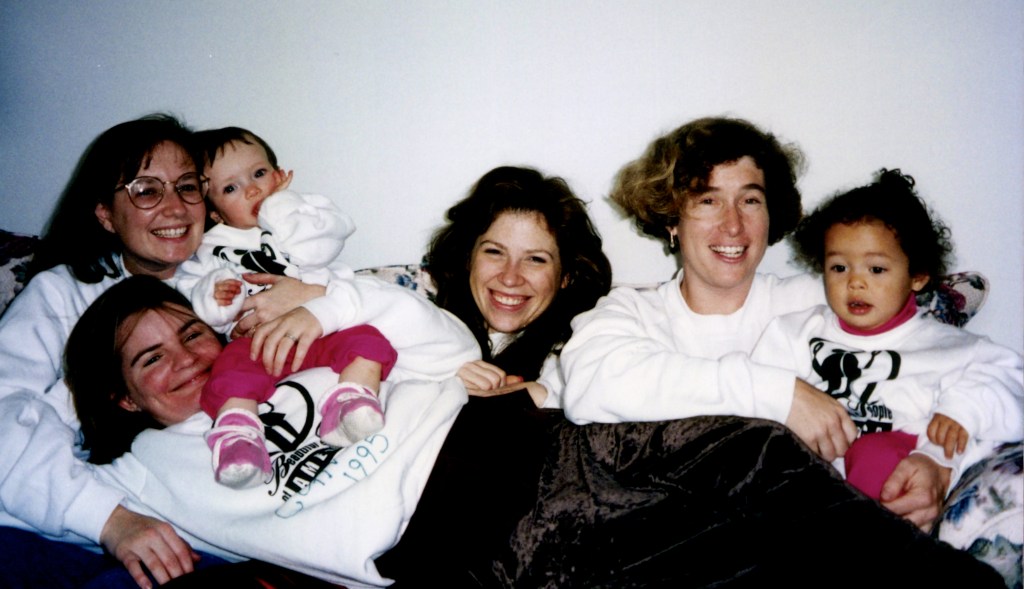
The Beautiful People of America…later known as Beautiful People International

The Beautiful People of America…later known as Beautiful People International

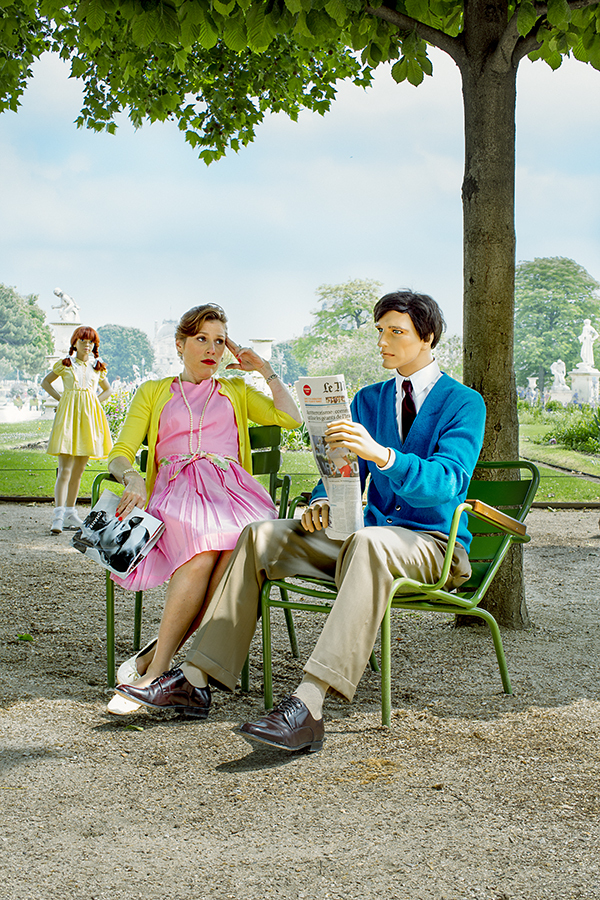
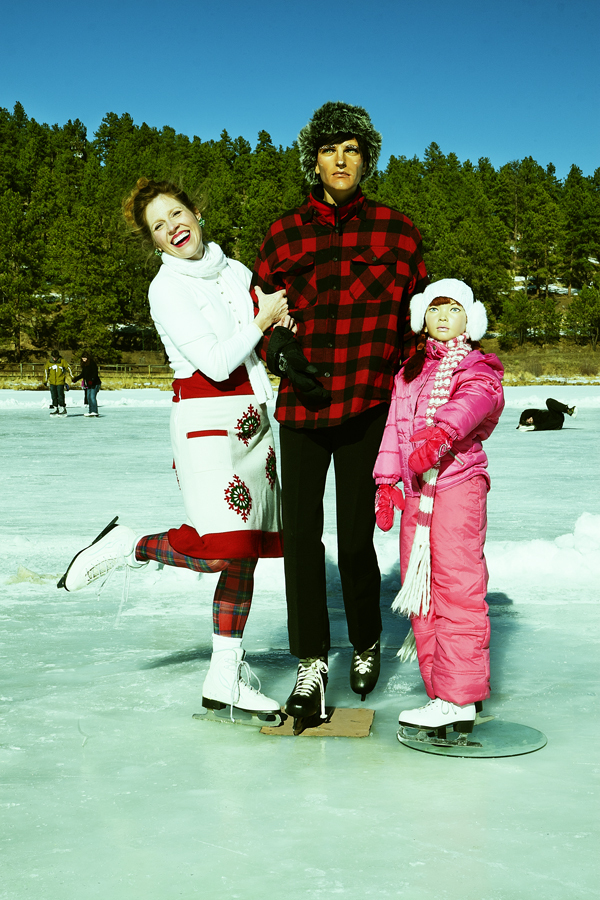
We all had our outside passions and dreams, and for Suzie it was photography. After a straw-breaking confrontation with her mom about her continuing “spinsterhood”, she decided to combine her love affair with the camera with her outrage at being expected to conform to societal norms. For almost 14 years now, Suzanne has been “satirizing the idea of conforming to a universally accepted way of life, married life”, that is. As you can imagine, the energy of battling the “external pressures of culture, and the internal pressures” she put on herself “to fit into the expectations” of society, built up over time, and thus her defiant project: Life Once Removed  was born.

source: suzanneheintz.com

source: suzanneheintz.com

This is not just a project photographing her mannequin family in comedic real life situations, this is a photography project and performance art piece with teeth and a valid point. Just take a look at her short, Playing House, recently screened at the Women’s Film Festival in Denver.

I have been lucky enough to dip in and out of this art project over the years. Sometimes helping her stage and photograph her fabulous family Christmas cards, sometimes brainstorming the next great shoot, and most recently hosting her (and her inflexible family) in Paris for the family vacation of a lifetime.
source: suzanneheintz.com

source: suzanneheintz.com

This vacation was a real labor of love and a true test of our friendship. Let’s just say mannequin wrangling is NOT for the faint of heart.

source: suzanneheintz.com

source: suzanneheintz.com

It was two weeks of constant dragging, assembling, dressing, re-dressing, salvaging broken digits, murmuring from my frightened guardienne, arguing with the gendarmerie, and stealing secret footage when they looked the other way. It was hours of holding heavy light kits, managing wardrobe malfunctions, retrieving lost batteries, applying bright red lipstick and too much hairspray, and dazzling smiles. Our nights were filled with foot massages, good wine, tears, aching shoulders, late night soul baring, and booming disagreements, followed by hours of laughter and lots of fine dance music.

My Paris girlfriends stepped up to help my outlandish and unknown friend. From chauffeuring to snapping shots and learning new skills, to translating and dealing with some stubborn French authoritarians, to recruiting family members to help out and standing for hours in the freezing June rain, to all of the above at once, I will always remember how this group of women came through in a pinch to help another women realize her dream. Chapeau! Chère Nicola, Emily, Julie and Catherine…and, bien sûr, Superman and my girlfriends’ hubbys too.

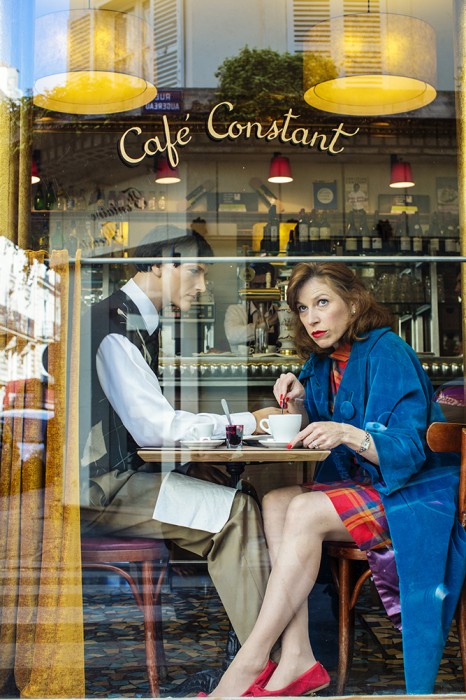
Cafe Constant source: suzanneheintz.com

source: suzanneheintz.com

And now after almost a decade and a half of doing the creative work, and nine months since our unusual visitors departed Paris, Suzie is finally having her moment in the sun. Hallelujah! It is so wonderful to see.

Chin Chin to you Suz! Thanks for reminding me that our devil-may-care ways of old are still the key to happiness and success, and that art is both important and hard.  But most importantly that it’s (also) kind of fun to do the impossible!*


Vocabulaire

Chapeau! Hats off! Congratulations! (and in my case, merci beaucoup mes amies!)

Chin Chin! Cheers!

gendarmerie: police

guardienne: caretaker (usually of an apartment building)

* it’s kind of fun to do the impossible! – Walt Disney


No. 180: Stravaganza: The Fine Art of Embroidery in Haute Couture

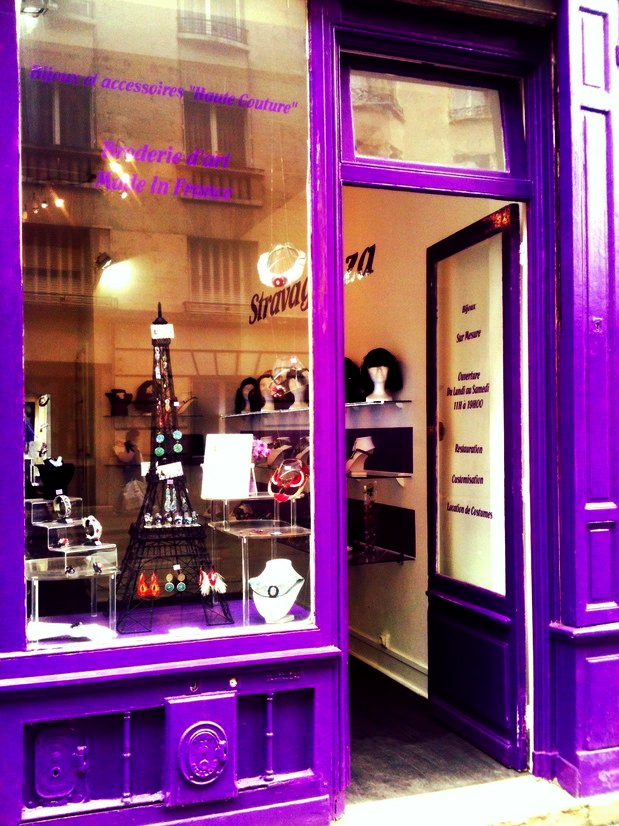
This morning I was thrilled to visit an atelier of another talented artisan, Fabienne Debastiani, at her purple digs in Paris.

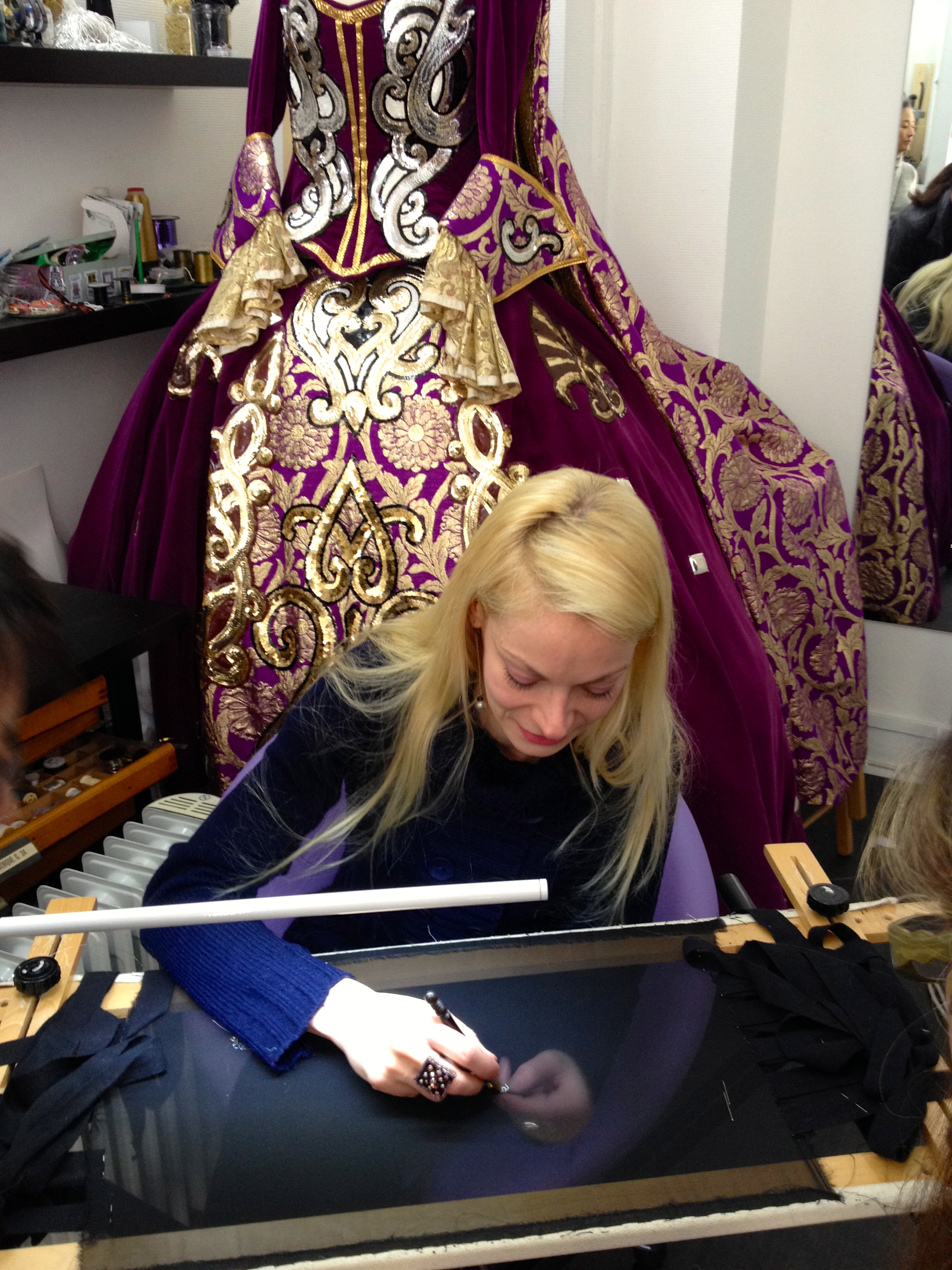
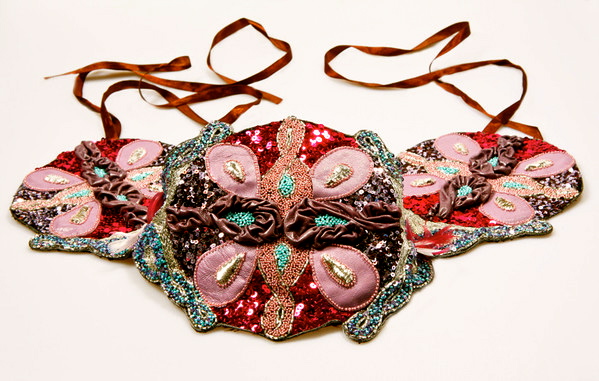
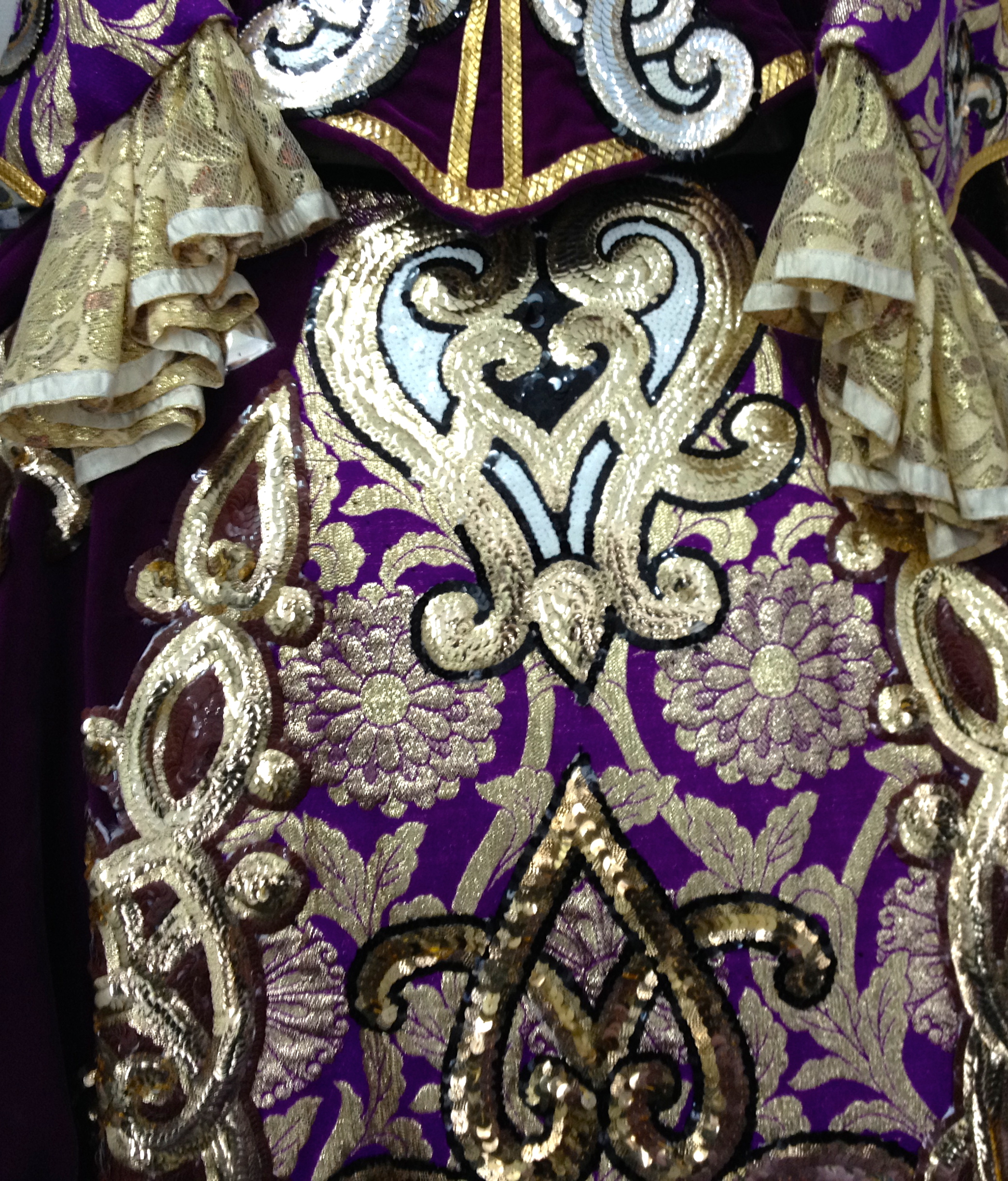
Fabienne is a passionate creator of jewelry, costumes and haute couture. She began her career as a dancer and choreographer and her handcrafted designs are heavily influenced by the world of cabaret and Cancan. Her specialty is fine embroidery and her work is breathtaking. Like the flower artists at La Maison Légeron, Fabienne, seems to magically spin gilded thread, tiny beads and sparkling sequence into exquisite, wearable art.

stravaganza=embroidery-paris.jpg

She is another one of Frances treasured artists who is taking care of the details.

source:www.bijoux-stravaganza.fr

source:www.bijoux-stravaganza.fr

All her pieces are one-of-a-kind, and each one reflects her enthusiasm for her craft and for life. Somehow she has managed to continue to combine her love of this unique handcraft with her passion for dance. She choreographs and dances throughout Paris and Versailles and even found the time to choreograph and perform in the Cancan scenes in Woody Allen’s Midnight in Paris. On top of that she has begun to hold embroidery workshops for the public sharing her joy of creating while helping to keep her craft alive. She is versatile and kind, and she moves through many different worlds, some days creating wedding gowns for real princesses, while on other days offering to repair this American’s treasured Siamese beaded clutch.

stravaganza-jewelry-paris3.jpg

The unique artisans of this country continue to astound me and never let me forget how important art is to a culture…just one more thing I love about France.