Skip to content

Posts from the ‘Around France’ Category

No. 328-330: Mighty Climbers, Mont Blanc and Raclette

I love driving through France. It gives you a strong appreciation of how quickly the geography changes, and as the landscape changes, so do the people, languages and cuisines.

We just passed through the French Alps, or the Savoie, famous in the summer for her high, snow-capped mountains, pristine lakes and chic spa towns. Paragliding, hiking and climbing above and among the vast fields of wild flowers seem to be the activities of choice. With the backdrop of Europe’s highest mountain, Mont Blanc, it is indeed a spectacular part of France.

Trying to get to our next destination as quickly as possible, we were a bit disheartened to see that the wait time to travel to Italy via the tunnel burrowed through the majestic mountain was nearly 2 hours. Hungry and tired, we made a snap decision to dine in the small resort town of les Houches about 6-kilometers from Chamonix. This impromptu-pretty-village stop turned out to be a brilliant break, as the quiet town is nestled directly under the impressive mountain. Old wooden Savoyard farmhouses and restaurants dot the ski-town, and the centre ville boasts a sweet country church along with a friendly and relaxed atmosphere, all with a 360-degree view of Mont Blanc.
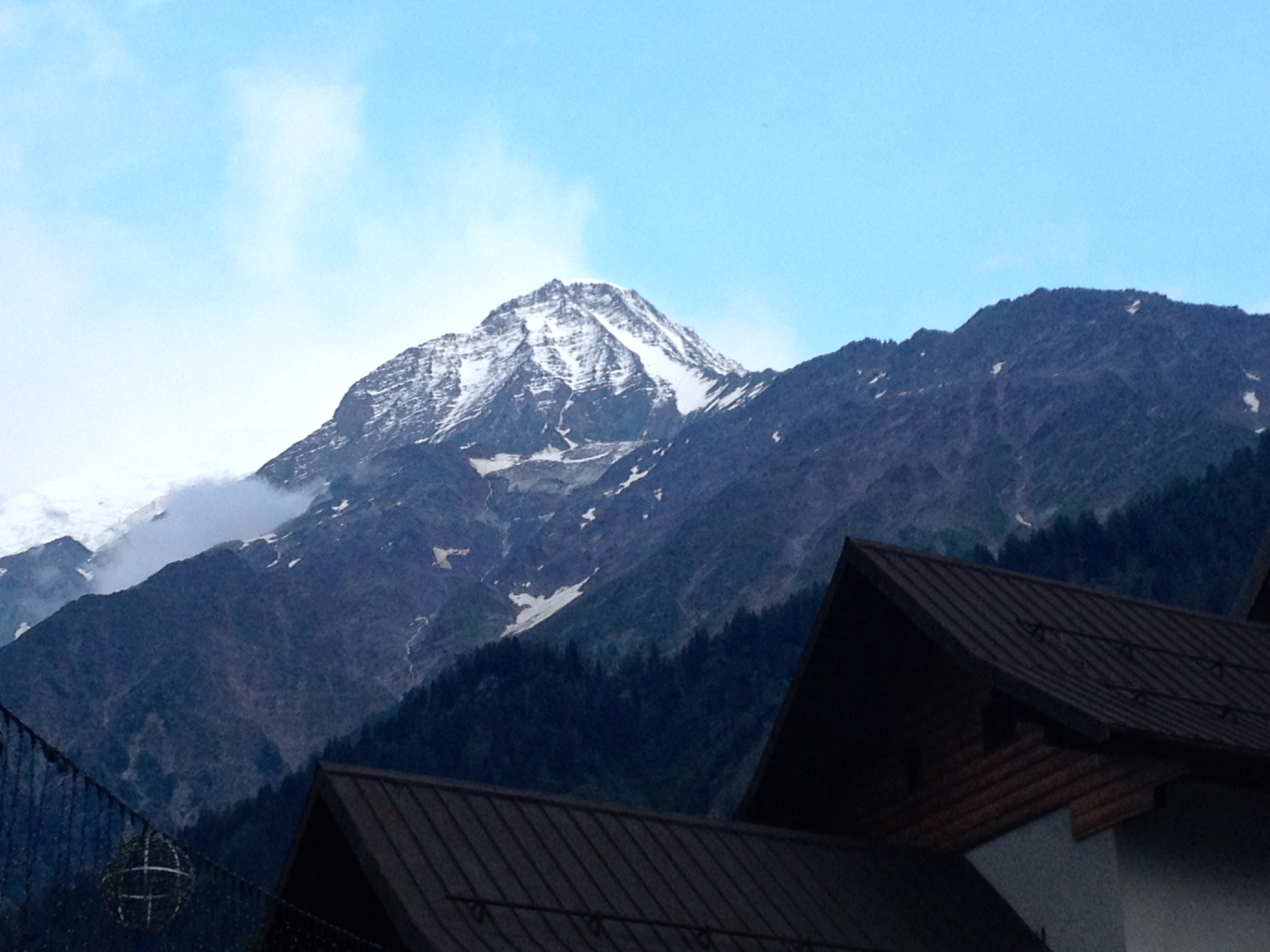
mont_blanc_les_houches.jpg

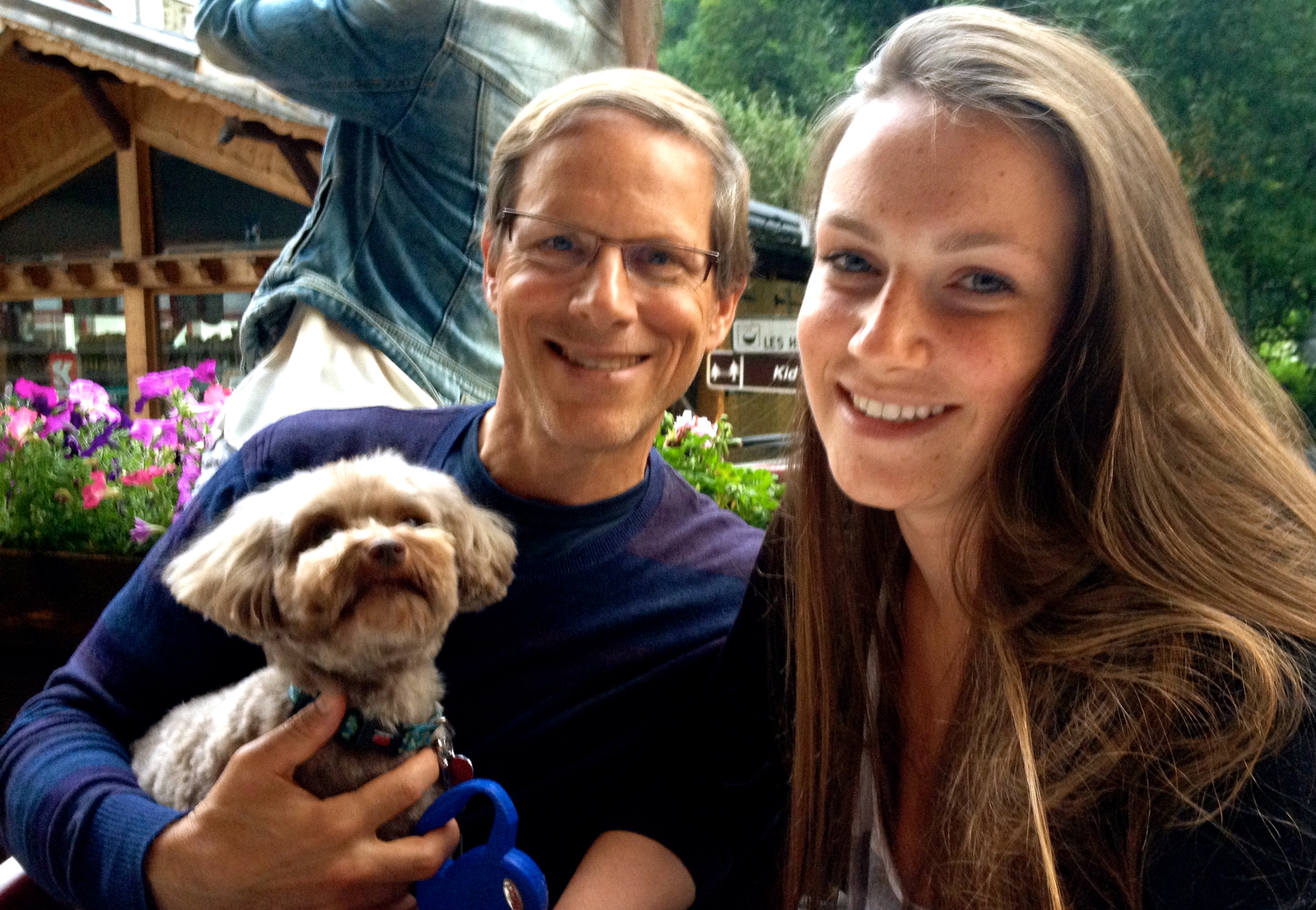
les-houches-France.jpgWe found a traditional resto with a warm-enough terrace (the weather is oddly cool for August), and tucked ourselves in next to a jolly young Scotsman who was bursting to tell someone about his marvelous achievement. It turns out that les Houches is the starting point of the popular ‘Tour de Mont Blanc’ trek, and our humble, but proud, Scottish lad had, after four previous attempts, just succeeded in summiting his highland foe. Although completely caught up in his enthusiasm, I was at first less than impressed that it had taken him four separate trips to the mountain to realize his dream. But as he continued to regale us with his story, I began to understand the skill and dangers involved in trekking the Alp’s highest peak. While the scenery is magnificent on the way up, the trail gets quite rugged, and the final, exposed, snow and ice-covered summit ridge sounds harrowing. En fait, not only is Mont Blanc Europe’s highest apex, it is also the deadliest. As he modestly described his dramatic high-altitude climb and final achievement, I felt so pleased for him. Proud, like a big sister delighted for her brother. He also told us about the well-appointed hut system and fabulous food to be had on the trek, which all seemed so very French to me.

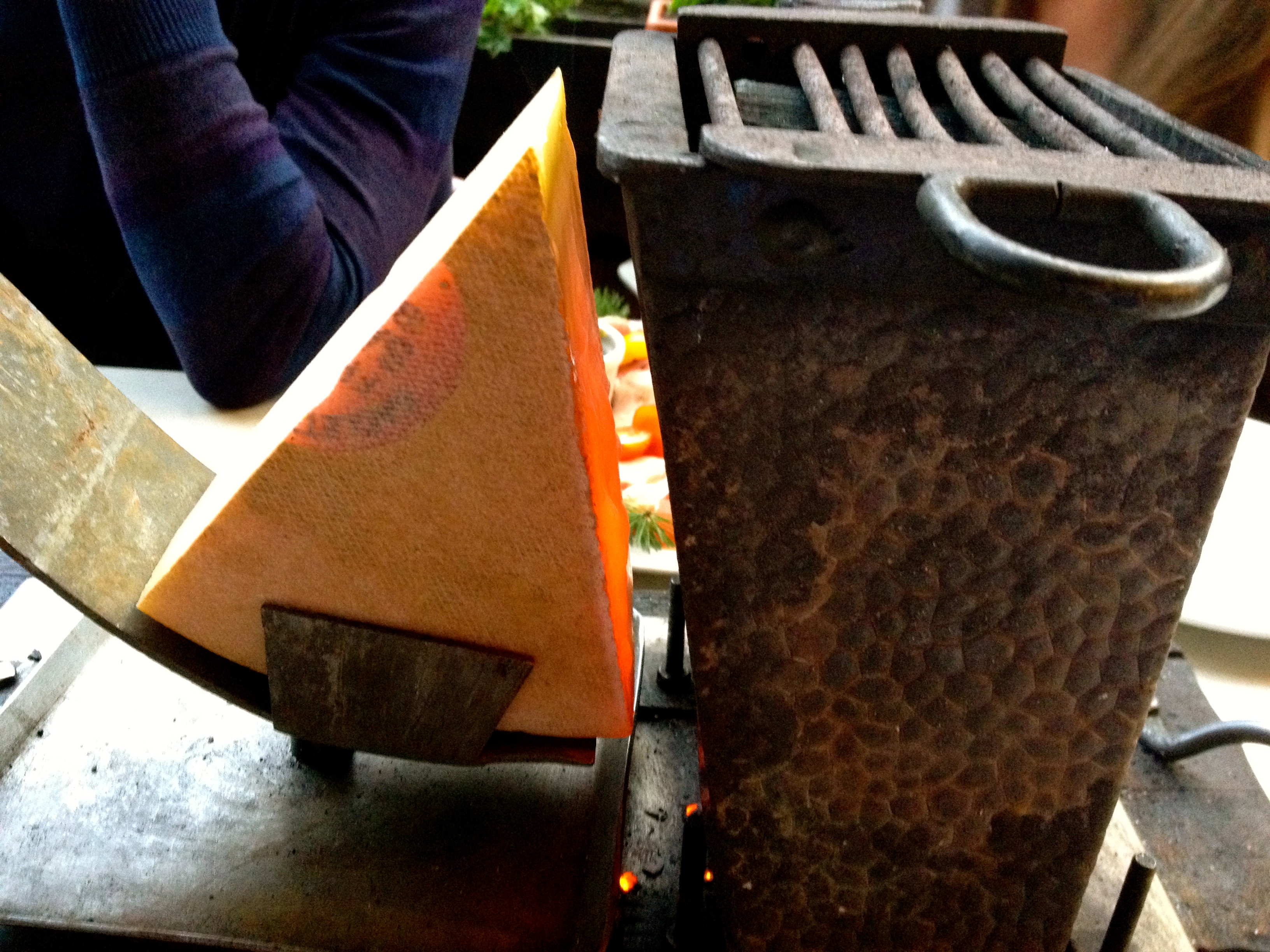
This brings me of course to our own fabulous and calorific Savoyard meal in les Houches: Raclette.
raclette-french-alps3,jpg

If you have never had raclette, you should. Although it originated in the Swiss Alps, you can order it all over France, but it is especially delicious down here in the Chamonix Valley. There are centuries of tradition behind this simple feast (first mentioned in writings as early as 1291!), but as far as I can tell, things haven’t changed much. This semi-hard, mild, and slightly salty cows’-milk cheese (also called Raclette) was, and is still, easy to transport and yummy to eat; shepherds and farmers originally ate it over an open campfire as they broke from work. They would place a block of cheese by the fire, and as it became soft, they would drizzle the melted cheese over potatoes, onions and pickles.

“Raclette” comes from the French word racler, meaning “to scrape.” It is a bit like fondue, but you have to work a little harder and be quick on the draw to scrape the cheese as it melts from the rind. I have used the modern fancy Raclette grills at the homes of French families in Paris, but I much prefer the old-style Raclette board to enjoy this delicious fare. The warm, rich and scrumptious cheese heaped on boiled potatoes, and these days charcuterie, accompanied by crunchy pickles and healthy green salad is perfectly perfect for warming the body and soul in the cool mountain air.
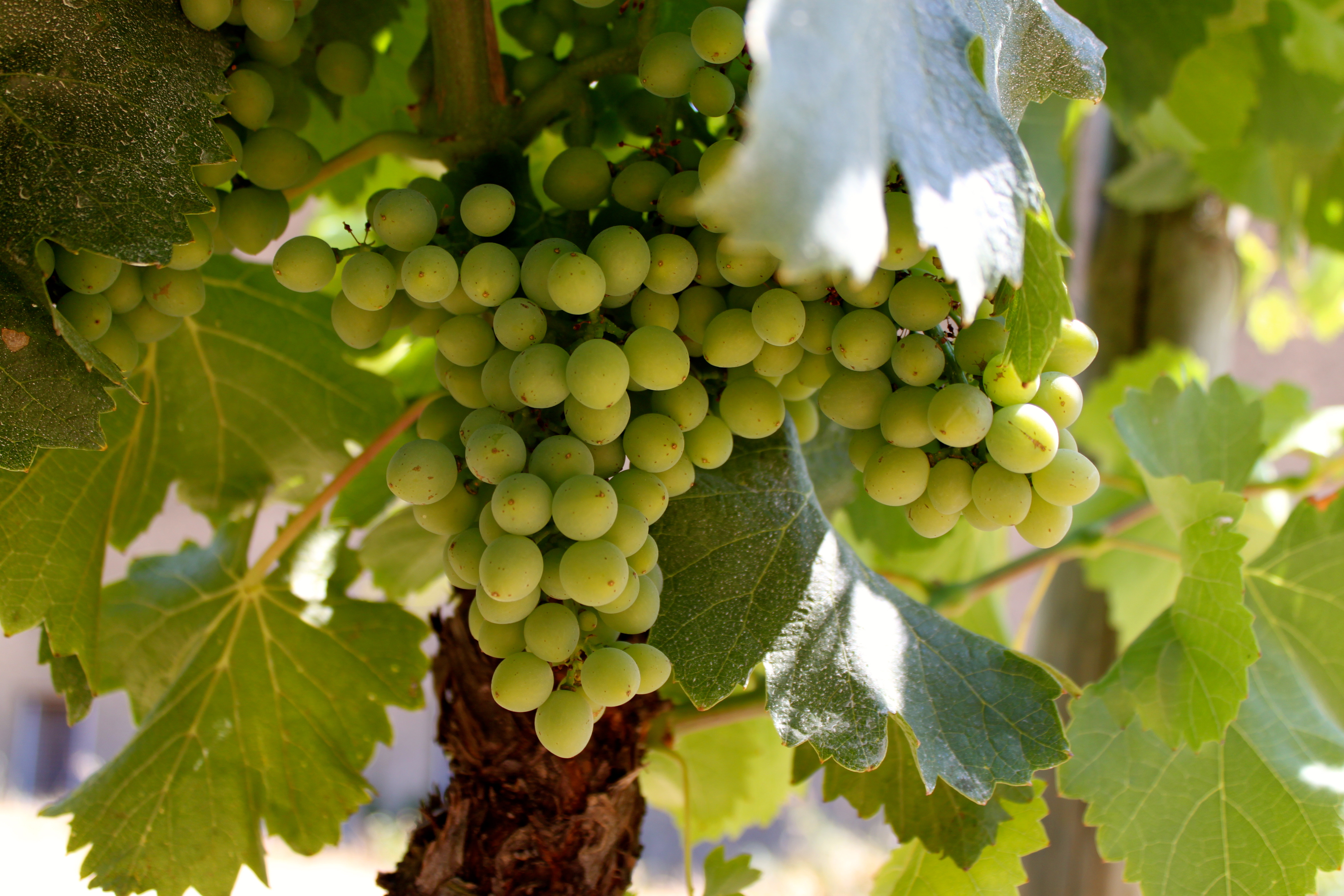
No. 327: Grapes

grapes_france.jpg

France’s Major White Grape Varieties

Grape Variety and Region(s)
Chardonnay: Burgundy; Champagne; Languedoc
Chenin Blanc: Loire Valley
Sauvignon Blanc: Bordeaux; Loire Valley; southwestern France; Languedoc
Gewürztraminer: Alsace
Pinot Gris: Alsace
Pinot Blanc: Alsace
Marsanne: Rhône Valley
Muscadet: Loire Valley
Riesling: Alsace
Roussanne: Rhône Valley
Sémillon: Bordeaux; Southwest France
Viognier: Rhône Valley; Languedoc

France’s Major Red Grape Varieties

Grape Variety and Region(s)
Cabernet Sauvignon: Bordeaux; Southwest France; Languedoc
Cabernet Franc: Loire Valley; Bordeaux; Southwest France
Carignan: Rhône Valley; Southern France
Cinsault: Rhône Valley; Southern France
Gamay: Beaujolais
Grenache: Rhône Valley; Southern France
Merlot: Bordeaux; Southwest France; Languedoc
Malbec: Southwest France; Bordeaux
Mourvèdre: Rhône Valley; Southern France
Pinot Noir: Burgundy; Champagne
Syrah: Rhône Valley; Southern France

Source: Grape Varieties Grown in France – For Dummies

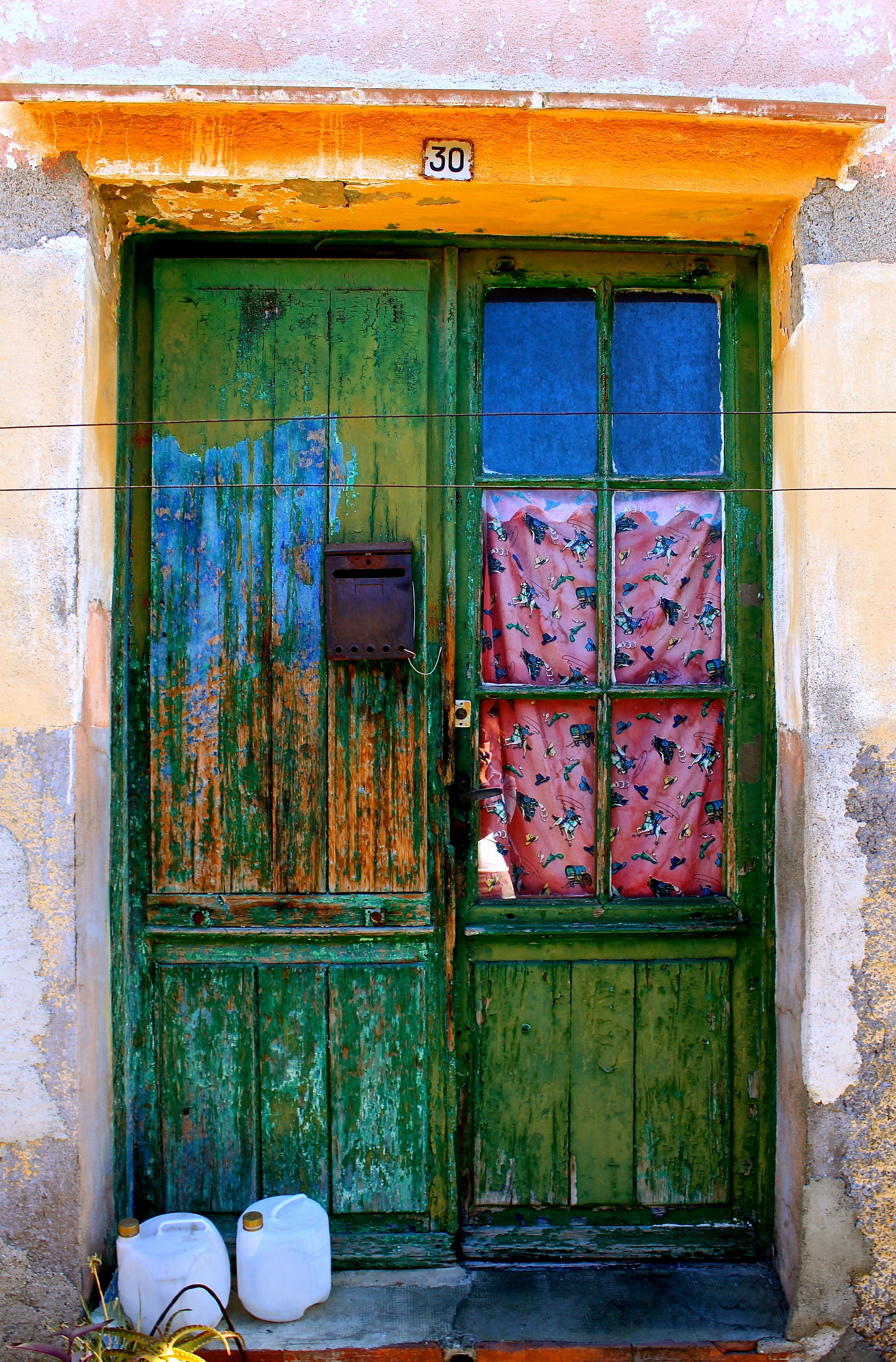
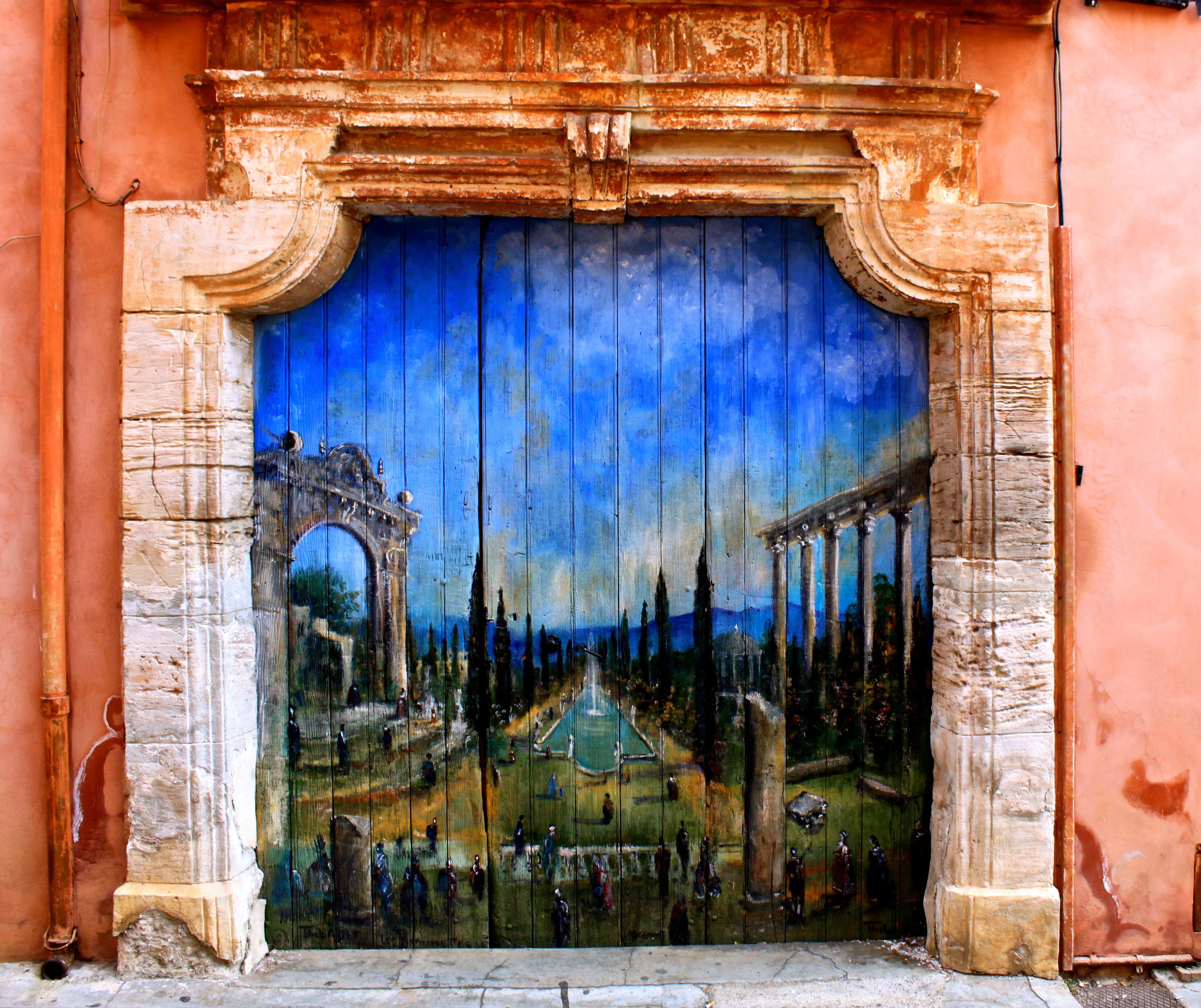
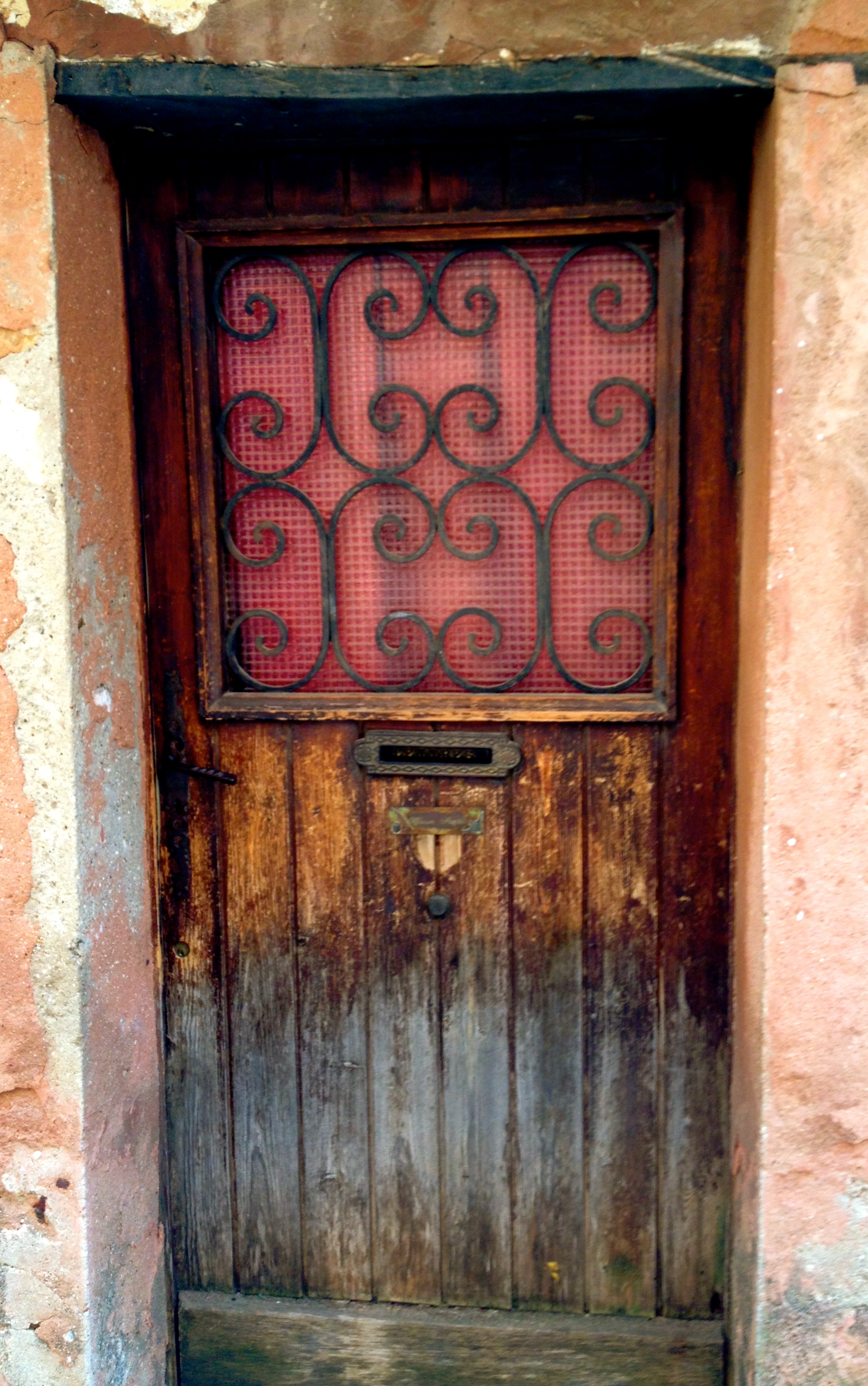
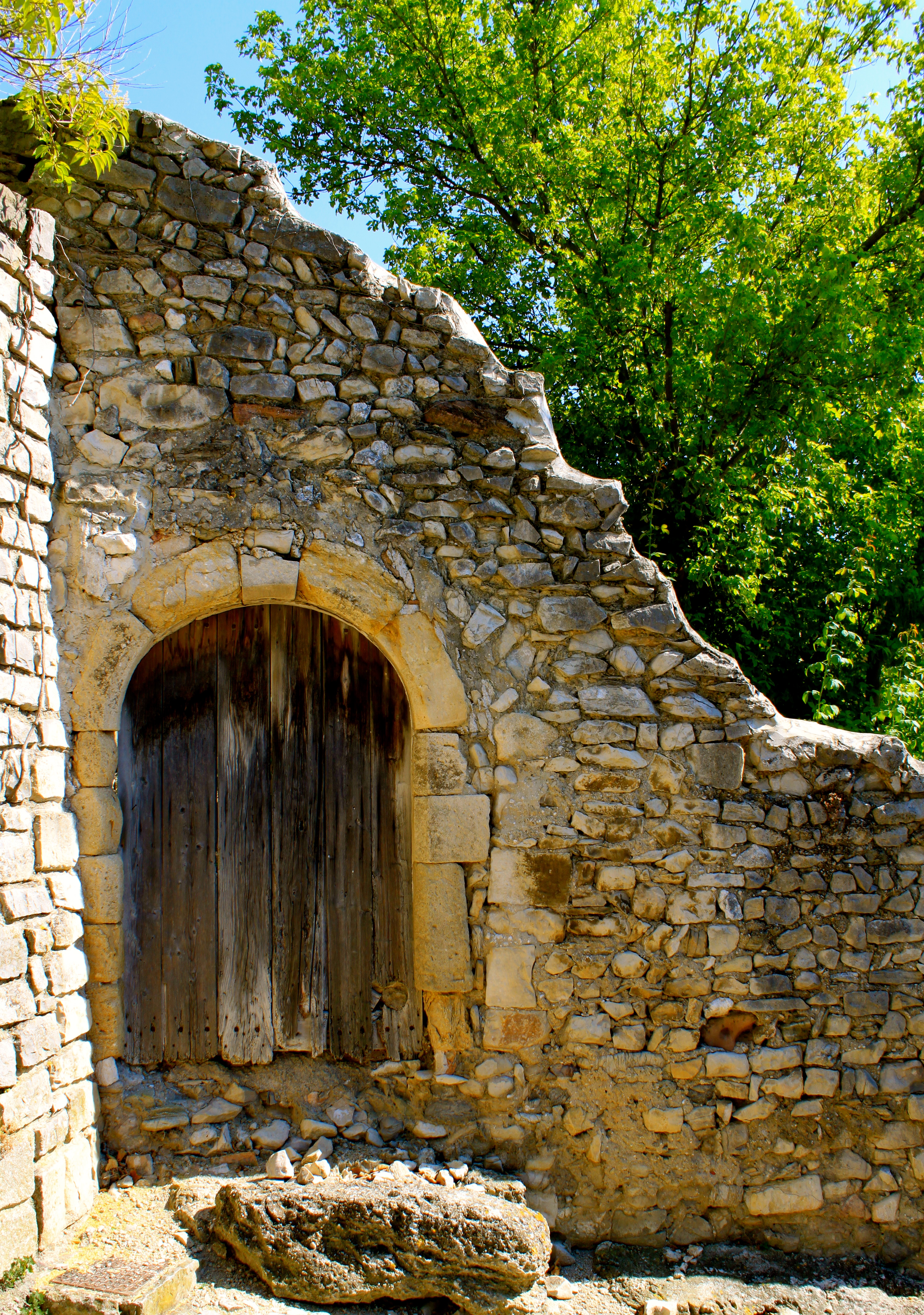
No. 326: French Doors

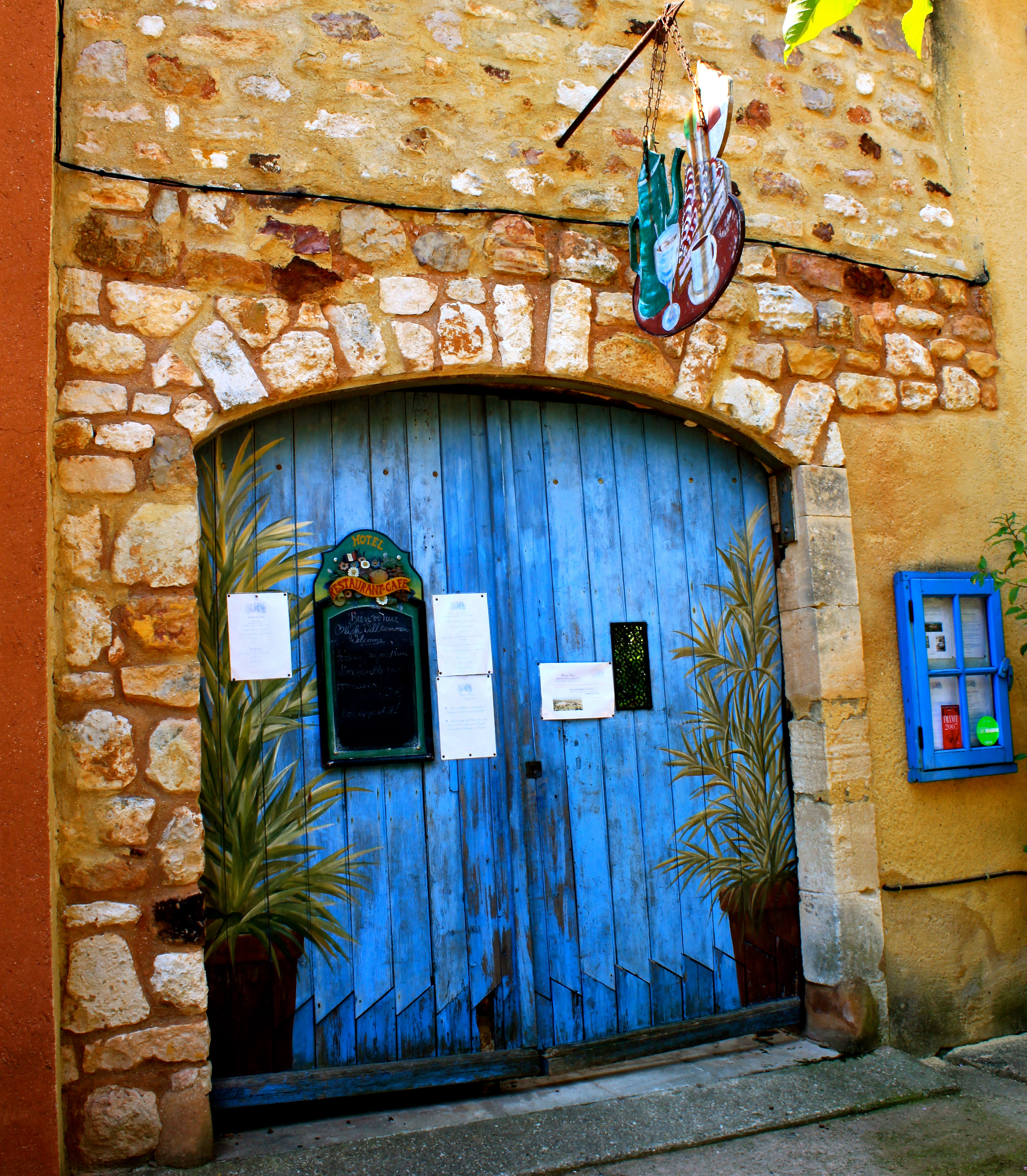
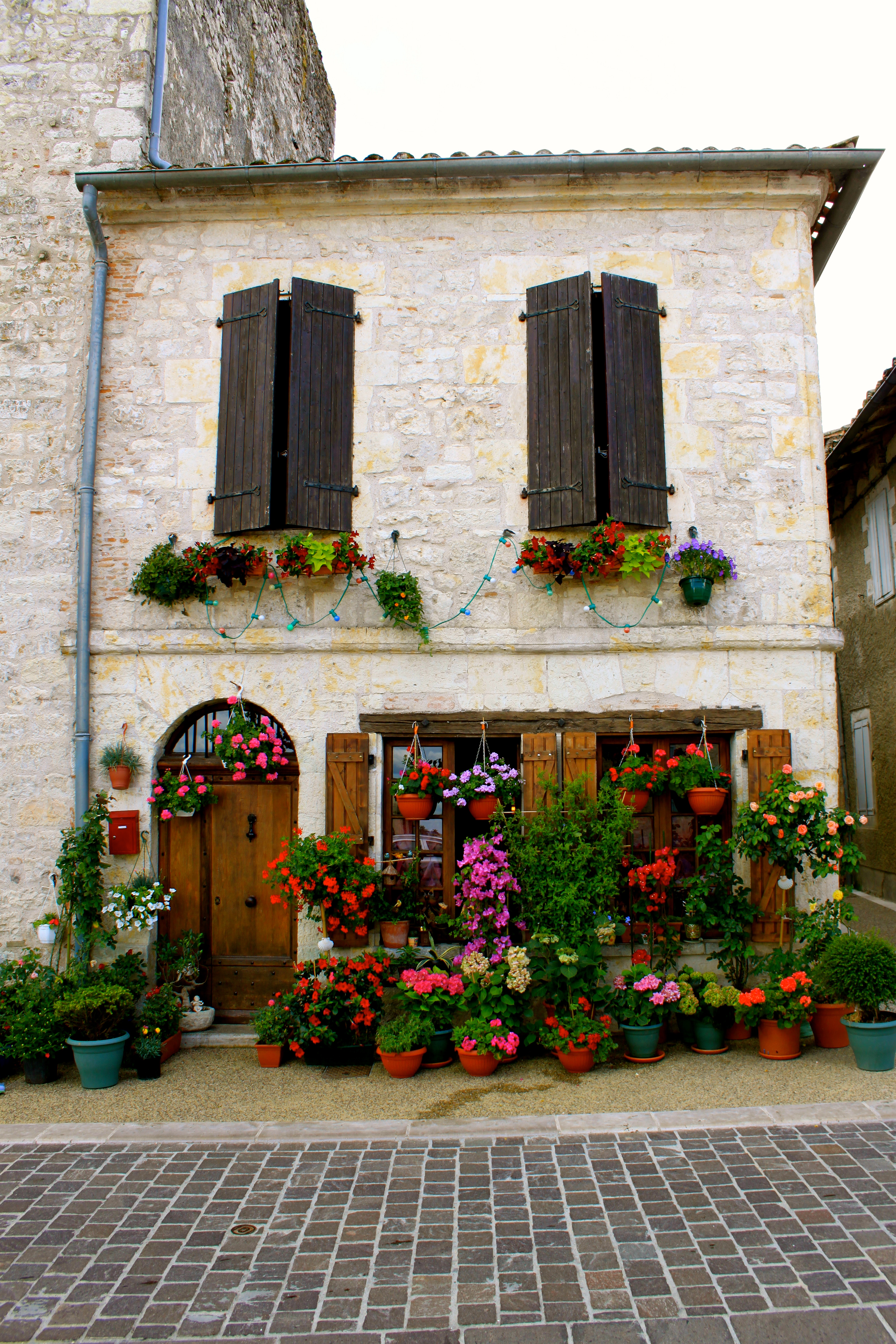
provence_door4.jpg

provence_door5.jpg

provence_door6.jpg

door_provence9.jpg

door_provence.jpg

provence_france8.jpg

No. 323-325: The City of Painters, Matisse Encore and André Derain

Making our way across southern France on what we are calling our farewell tour, we passed through the Languedoc coastal region, an area heavily influenced by the Moors, Charlemagne, and of course Spain. We landed in the small resort town of Collioure, 15 minutes from the Spanish border, in what is arguably one of the worst hotels we have ever stayed in, but literally a stone’s throw away from la plage and the action of this enticing seaside village. It takes a good day for the place to grow on you. It is hard to get over the peak season crowds, the complete lack of parking, and the blaring nightlife. But in the end, the pastel houses like so many cool shavings of Italian ice and the perfectly pebble beaches have won us over.

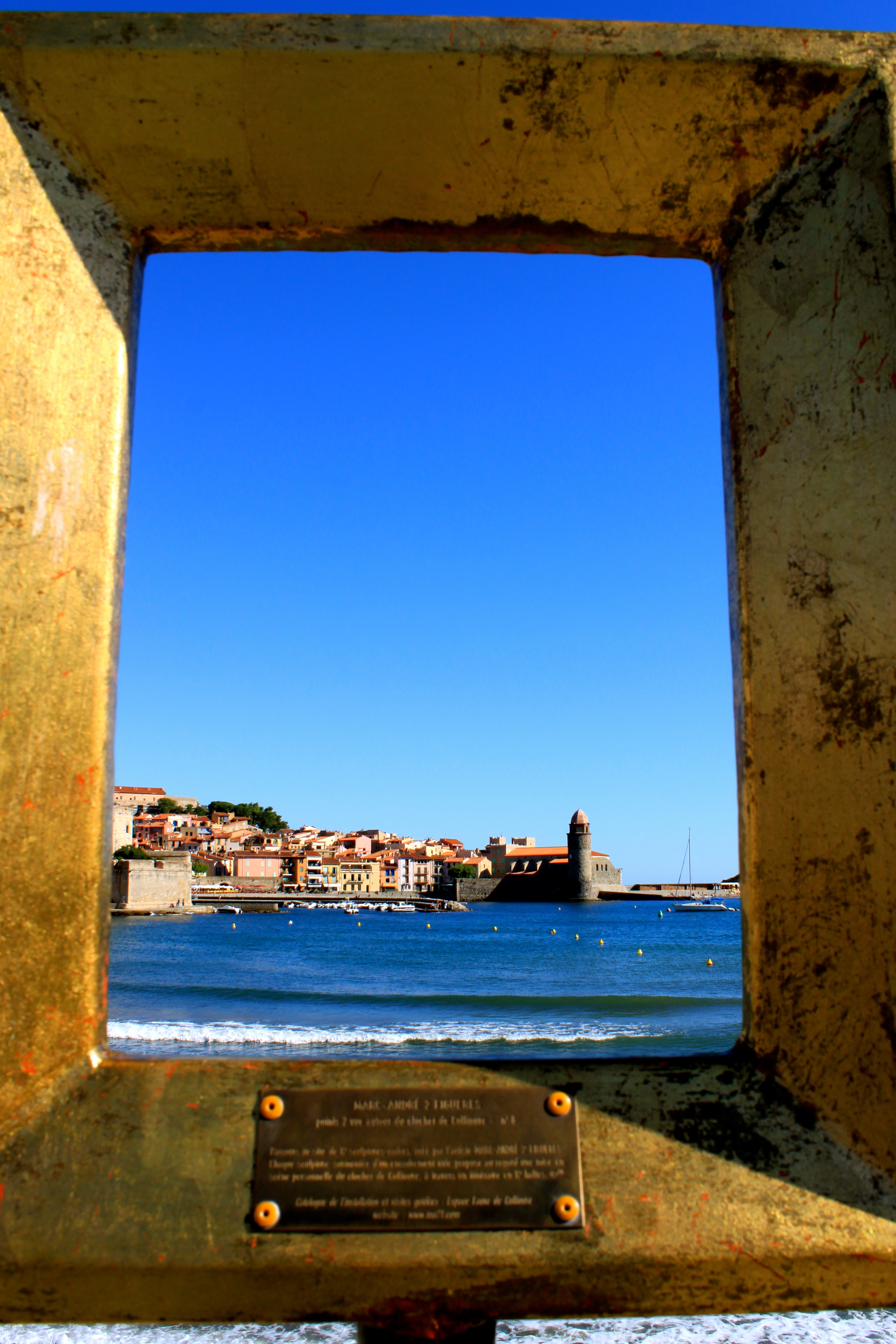
What I find breathtaking about Collioure is the cacophony of color. From the beach umbrellas and bikinis to the rooftops and shutters to the sailboats’ sails and covers, this one time fishing hamlet is a visual banquet. A once-mighty fortress, a winking lighthouse, and a churning windmill enhance the town’s delicious scene, all nestled in the shade of the magnificent Pyrenees. Collioure_france7.jpg The saturation, sharpness, and shifting of colors is terrifically appealing. While Venice has her mystical light and the blending and bending of water and color that sometimes blurs the edges, Collioure has her petulant perimeters and distinctive frames. At any given time of the day, the Mediterranean turns from a calming turquoise to a deep azure to a stark cobalt blue. The rooftops roll from cool clay, to burnt orange, to fiery brown. Broad palm trees bind the boardwalk, their trunks and fronds so deliberate and precise, proof to me at least, that the gods were involved in shaping this marvelous canvas.

Collioure_france9.jpg

I suspect that Henri Matisse, André Derain, Marc Chagall, Salvador Dali and Pablo Picasso shared this belief too. Scattered throughout the museums of Europe are marvelous paintings inspired by their own visits to this enchanting seaside town and the colorful Catalan harbor. The tourist office makes it easy to follow in the footsteps of Matisse and Derain with “Le chemin du Fauvisme”, a route lined with copies of their works placed at the spots where they were originally painted, allowing viewers to compare the paintings to the existing view.

Following the narrow cobbled streets through the charming chalk-colored houses dripping with Bougainvillea, the view of the sea is always a constant, and it is easy to understand why Collioure is considered the birthplace of the Fauvist Movement. According to Derain, the rare quality of the light was their muse; and as Matisse claimed, “No sky in all France is more blue than that of Collioure.” Today, Collioure is still a thriving art town with around thirty different artists living and painting here. It is a gem of a ville. If I had the talent to paint, I would make it my home too.

Collioure_france2.jpg

No. 322: Let the Sun(flowers) Shine In

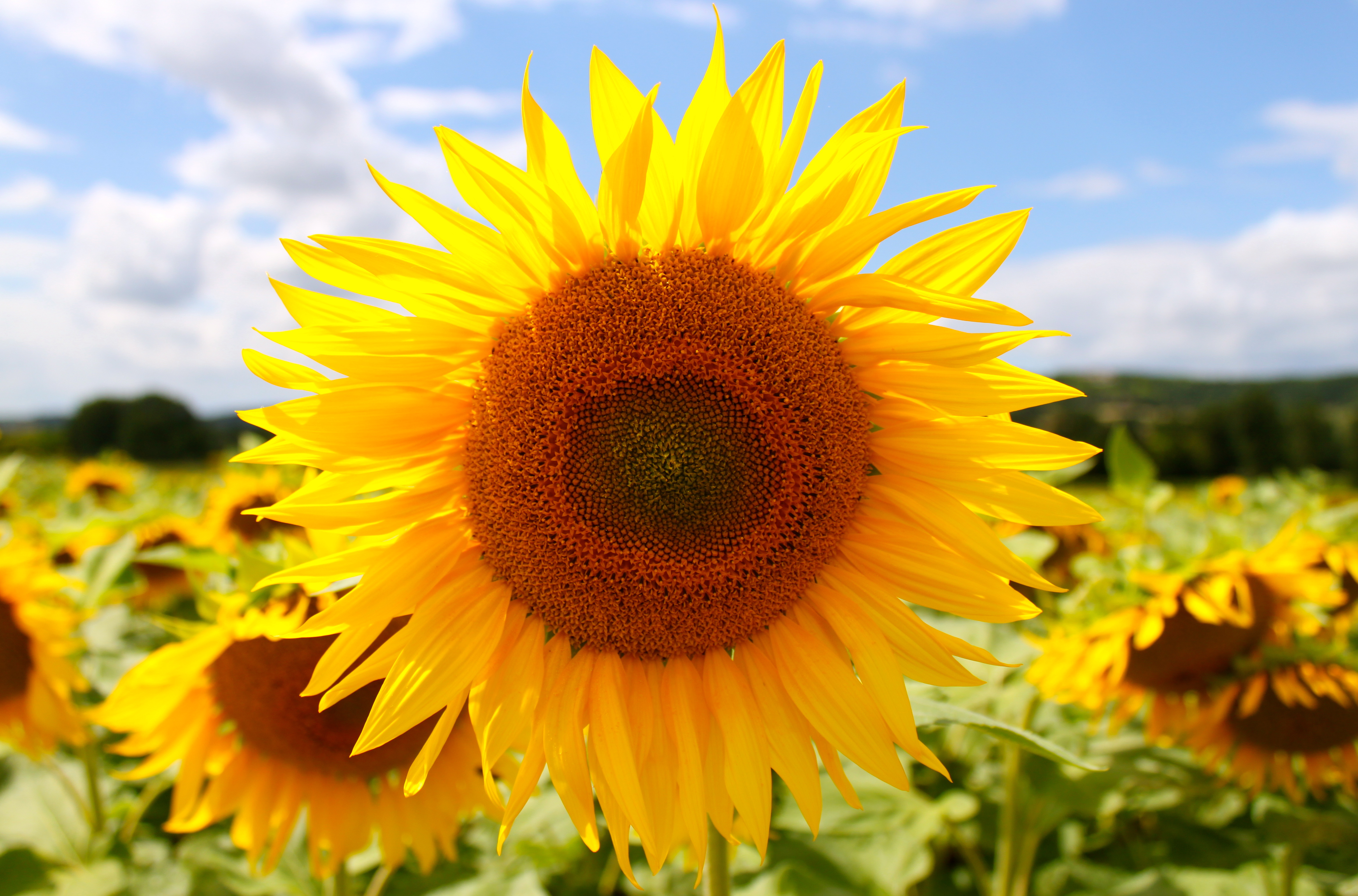
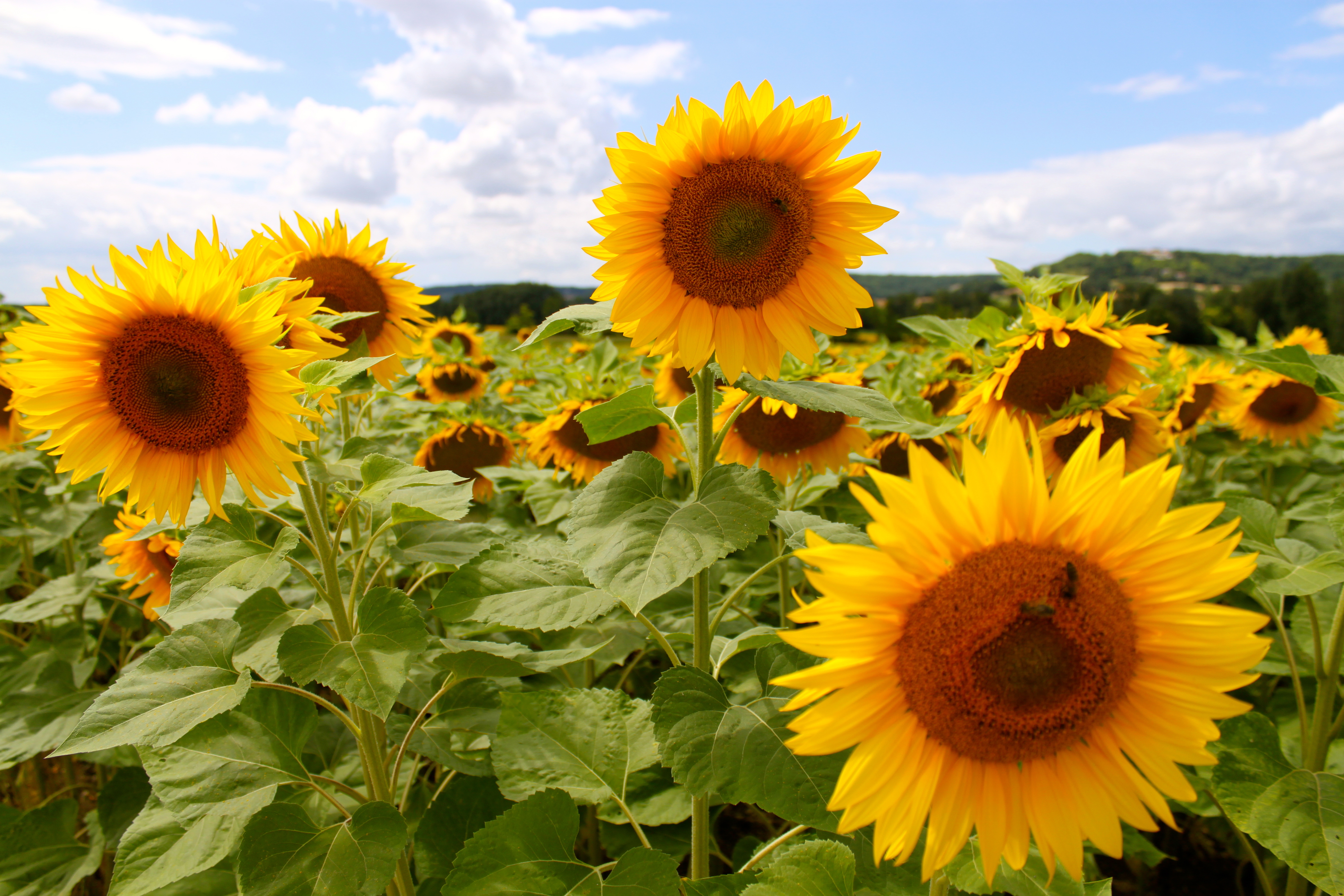
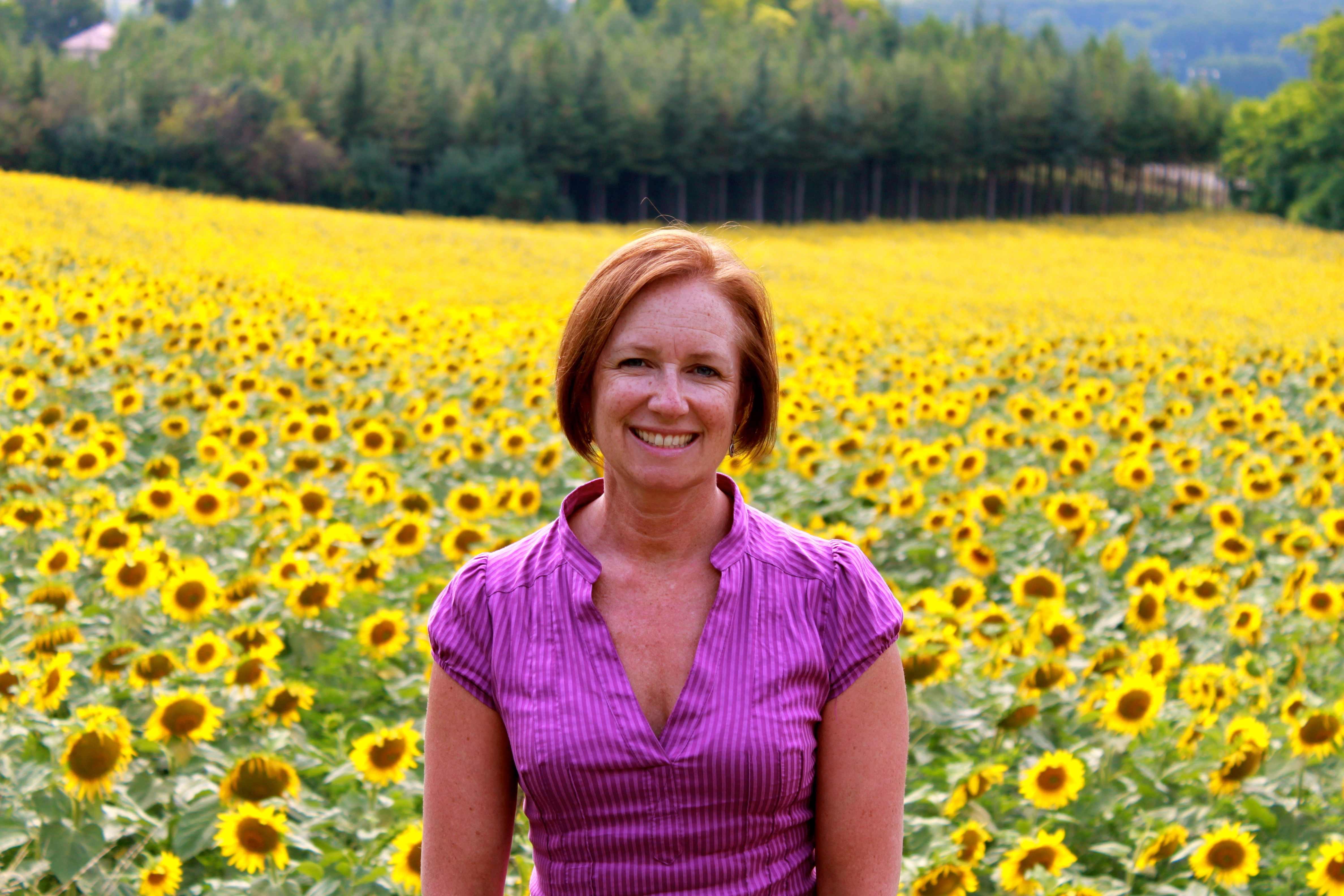
sunflowers_provence_france3.jpgsunflowers_provence_france2.jpgsunflowers_provence_france.jpgsunflowers_provence_france6.jpgsunflowers_provence_france5.jpgsunflowers_provence_france7.jpg

No. 321: Lavender Fields Forever

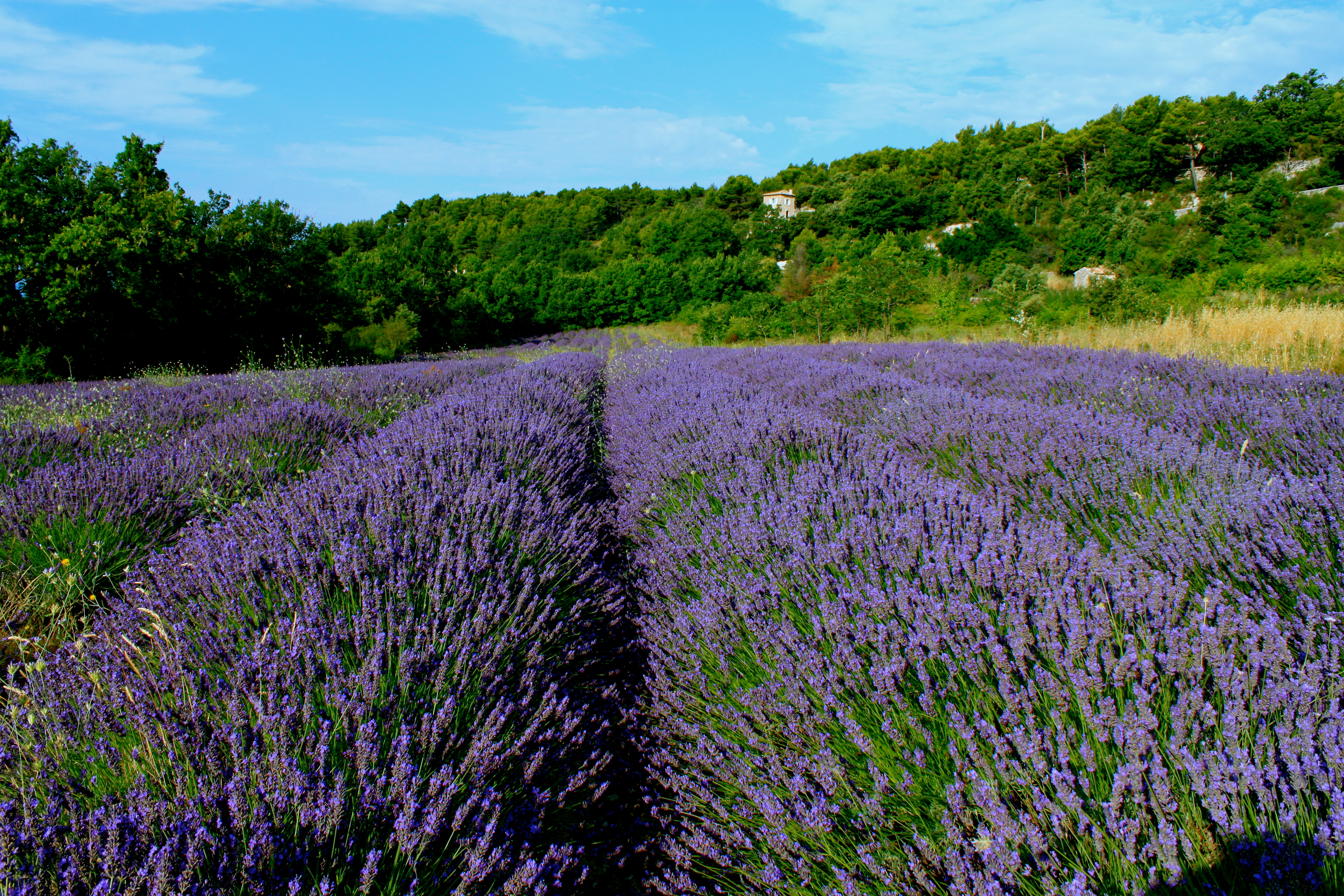
lavendar_provence_France.jpg

lavendar_provence_France3.jpg

No. 318-320: Henri Matisse, the Cut-outs, and the Chapelle du Rosaire

henri_matisse_cutouts.jpg

I had the privilege of spending the afternoon with Henri Matisse and his cut-outs at the Tate Modern in London a month ago. The expo, Matisse Cut-outs, ranks in the top-5 of my all time favorite expositions in the history of me. It was simply remarkable, and a once in a lifetime opportunity to see so many of his fanciful and inventive works all in one place.

Matisse came to this scissors and paper form of art late in life. It was a brave and radical departure from what was going on in the art world and the real world at the time. One critic described his new form of expression as “a pot of paint flung in the face of the public.”

At the time he started the cutout phase of his career, he was mostly confined to bed. Sheets of pre-painted paper in every color he could imagine, piled high in his bedroom were his palette. His many pairs of scissors were his only tools. Working from his bed, he cut the shapes and his glamorous assistants would move them around his bedroom walls. Together they would trim and slash the pieces until the picture he had in his mind was realized. I imagine the room in a shower of colored paper, trimmings flutter down and swirling around as the work emerged.

Working during the dark days of the WWII, Matisse sought to created a world in harmony and peace, and heartily embraced his carefree and colorful cutouts. He defied the Nazis and the blacked out windows with his outrageous colors and forms. Rotating, inverting and changing his art as he worked must have been quite liberating in a time of occupation and strife. As the war wore on, his extraordinary works became both grander and, at the same time, simpler. He produced an enormous body of work, both in number and size.

I would have loved to be a fly on the wall in his bedroom studio in Vence, France and watch him work with those dazzling piles of paper, a cane tipped with charcoal to draw his visions, those hypnotizing gliding scissors, and a simple bamboo wand (and elegant assistants) to place them on the studio walls.


The Tate Modern expo is jammed-packed with so many of his famous pieces, but I was particularly taken with his blue nudes. It was striking to see all four of these joyful and seemingly effortless women in the same room at the same time, I was also caught by one of his most abstract works, The Snail, and the fascinating story of how it was recently and lovingly resorted by the museum.

A spiritual soul, his art wasn’t limited to wall cutouts, in his last years, at the age of 77, he began worked on the redesign of the small Dominican Chapel of the Rosary (Chapelle du Rosaire) on the hills above the Mediterranean at Vence, not far from Nice. The views of the sea from the chapel are stunning as is the chapel itself. Rising up from the rocky terrain, the blue and white tiles and the lofty cross, bejeweled with gilded fires and crescents, seem to rise out of nowhere. Matisse “wanted those entering the chapel to feel themselves purified and lightened of their burdens,” and that he has achieved. The chapel is his self-proclaimed chef-d’oeuvre. “It isn’t perfect, but it is my masterpiece…and the fruit of (my) whole working life,” he asserted. He was the architect, designer and artist from start to finish. Everything is Matisse’s work from the altar and furnishings to the liturgical items, and simplistic passion triumphs throughout. The stained-glass windows are of course breathtaking, especially in contrast to the stark white walls. First designed as cutouts, they are humble, yet dramatic, as are the priests’ vestments, still worn for mass today. A perfect study in how stripping away the details lead to the most pure expression, it is a colorful and calm escape. Simply exquisite.

Matisse Cut-outs, Tate Modern, London

ends 7 September 2014

Chapelle du Rosaire
466 av. Henri Matisse, F – 06140 Vence, France

Hours: Tue and Thu 10am-11.30am, 2pm-5.30pm;
Mon, Wed and Sat 2pm-5.30pm
closed Fri, Sun and Bank Holidays