Skip to content

Posts from the ‘Around France’ Category

No. 30: Marseille

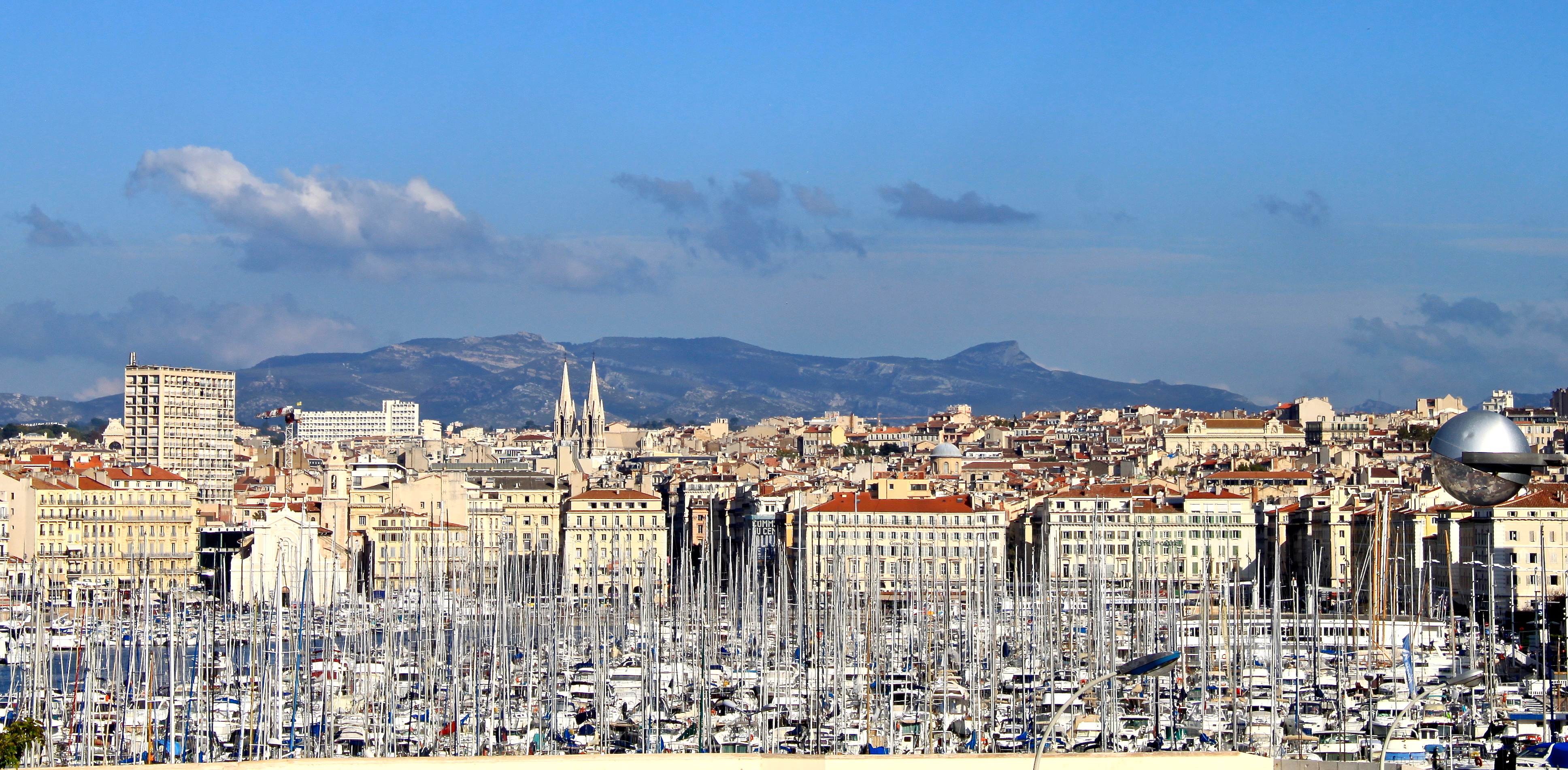
IMG_8137When Superman first decided we were going to Marseille for un p’tit week-end, I was a bit skeptical. But since he was planning and paying, I decided to just go with it…come what may. After all, my only experience with Marseille was a 4-day homestay in high school when my shockingly mature and impossibly gorgeous chain smoking host sister talked me in to cutting off most of my hair and buying a very expensive pair of pink and black striped pirate pants.

But during the month leading up to our visit, whenever I told my friends (both French and foreign) we were headed to Marseille, most of them asked, “Why?” and several told me, “Ce n’est pas une belle ville. C’est dangereux!” They wondered if I knew about all the crime in the city and was a prepared to fend off the pickpockets.

Feeling a bit discouraged I decided to checked my two “go-to” France guidebooks: Rick Steves’ FRANCE 2009 and Fedor’s FRANCE 2014. Turns out Rick doesn’t even mention Marseille, France’s second largest city, at all (at least in the 2009 version), and Fedor’s 800+ page book only gives the city seven pages, three of which list hotels and restaurants. What the heck??

So I went with very low expectations this past weekend and sadly, upon arrival the city seemed to match those expectations. On first appearance Marseille was gritty, dirty, poor, crowded, and loud, very, very loud. It reminded me of some cities we have visited in Egypt or Israel. Vibrant, but a little sketchy, dingy and rundown.

But within a day, the city began to grow on me because, frankly, Marseille is the real deal, not the cleaned up and polished deal, you find in Paris.

As a port city Marseille was heavily bombed during WWII and then rebuilt in the 1950, serving as an entrance for millions of immigrants during the ‘50s and ’60. There are French citizens from many different cultures, particularly North Africans, mostly Algerians. Refreshingly the people of Marseille come in all different shapes, sizes and colors. There was a lot of smiling going on, while at the same time wizened looks of lives intensely lived. The population looked genuine. No living in a bubble going on there. It seemed to me like hardship combined with ease, the residents taking life in stride.

I absolutely loved the colors of Marseille, from the clothing and cars, to the hair and jewelry and the shoes and the skin. The beautiful Mediterranean backdrop compliments it all.

It’s an active city with lots of runners, cyclists, volleyball clubs and, of course, sailors. The beaches aren’t filled with tourist, but rather local families playing silly games with their children in the surf. People say, “Excuse me,” when they collide. Even the waiters were friendly and kind (always a bonus in France).

I’m so very glad we went.

Bravo Superman and listen up all you travel writers: Marseille is guidebook worthy. Give it another go!

Vocabulaire

Ce n’est pas une belle ville. C’est dangereux! It’s not a nice city. It’s dangerous.

un p’tit week-end: a long weekend get-away 

No. 29: Autumn Colors in Provence

No. 28: Les petites villes provençales: Cassis

This sweet, low-key town in coastal Provence with soft-hued houses built at funky angles along the seashore is the perfect place to spend an uncrowded and uncharacteristically warm October day.  After a trip to the lively Friday market (filled with the French sweets made best in southern France: calissons, navettes, nougats, candied fruit and sugared almonds), we picnicked on a small-coved beach surrounded by dramatic walls of white limestone. The warm sun, gentle breeze and cooling sea mist were the perfect remedy for our grey-weathered Parisians souls.

Vocabulaire

les petites villes provençales: small Provençale towns

une navette: shuttle service, commute; also a Provençale cookie shaped like a rowboat and flavored with orange blossom, lemon, anise, almonds, chocolate chips and even lavender. For the recipe for these “sugar shuttles”, please click here.

No. 27: Les Calanques, Cassis

IMG_8352

So, this is how the conversation went:

Superman: “I want to go to the calanques!”

Nancy:  “What are the calanques?”

Superman: “ Fjords.”

Nancy: “What’s a fjord?”

Superman: “Fingers in a bay.”

Vocabulaire:

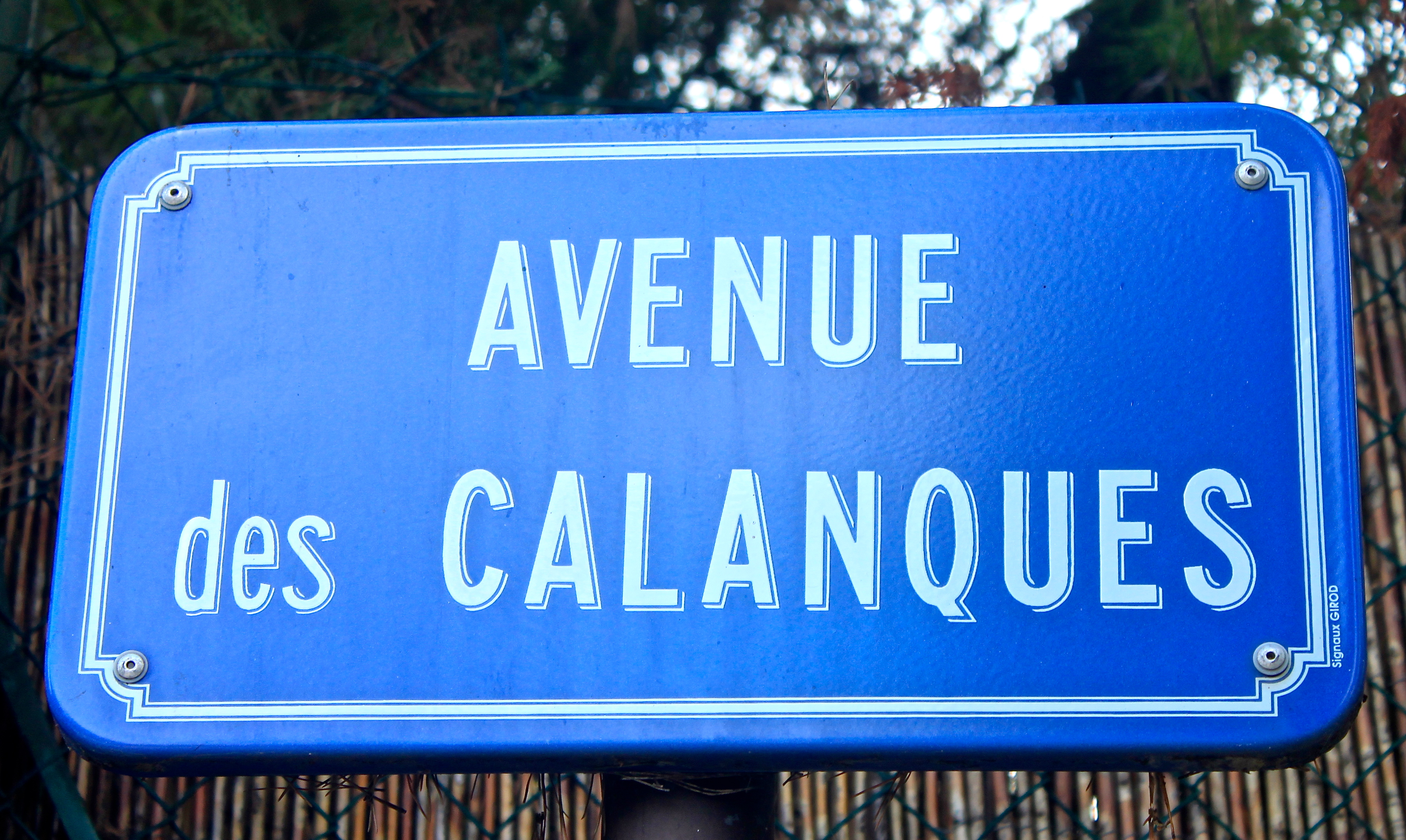
calanques: a steep-walled inlet, cove, or bay that is developed in limestone, dolomite, or other carbonate strata and found along the Mediterranean coast. This calanque is Port Miou. Located in Cassis, 30 km southeast of Marseille.

No. 26: Small(er) People

Initially I thought I’d call this post: Small People.

However, upon reflection, I have concluded that the French actually aren’t as small as they are rumored to be. Only a few short years ago the French were considered small compared to Americans, but now it appears that smaller is the more accurate adjective. The “e-r”, sadly, is a necessary addition.

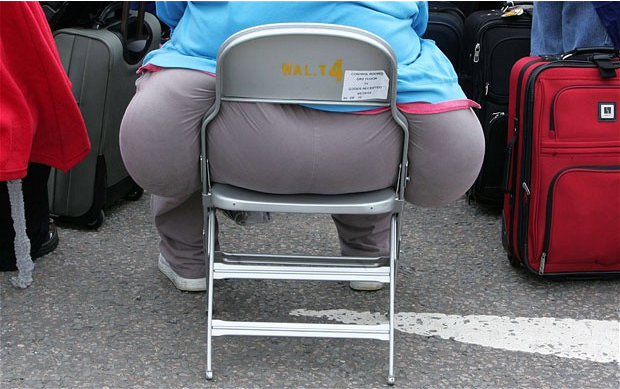
That said, the Frenchies are still thinner than their American counterparts. Americans claims a 35 percent obesity rate, and this difference in girth is very obvious when you cross the ocean after being away for a long time.

I certainly don’t want to rail against overweight people, but I must admit, I am discouraged by the aspects of our culture that make it so easy to become overweight and complacent. It’s difficult to see so many big folks living large in America.

I recognize that I live in a bit of a bubble in Paris, but the number of extremely hefty people I have seen this past week in America has alarmed me. It’s a HUGE problem (in all senses of the word) for the USA, and it pains me to see that our bad habits and patterns are beginning to make their way to the other side of the Atlantic.

While the French can still claim the title of the slimmest people in Europe, a previously unfathomable 15 percent of France’s population are now obese and over 30 percent are considered overweight. And according to an article recently published in the Daily Telegraph “the most significant weight gains (are) among 18 to 24-year-olds, whose obesity levels have shot up by 35 percent in the past three years.”

French actor Gerard Depardieu Photo: REX FEATURES

French actor Gerard Depardieu Photo: REX FEATURES

I find those statistics staggering and disturbingly familiar. For a country that prides itself on eating small portions, fresh food, and family meals, the French-don’t-get-fat-myth doesn’t quite ring true anymore.

No.25: Small Cars

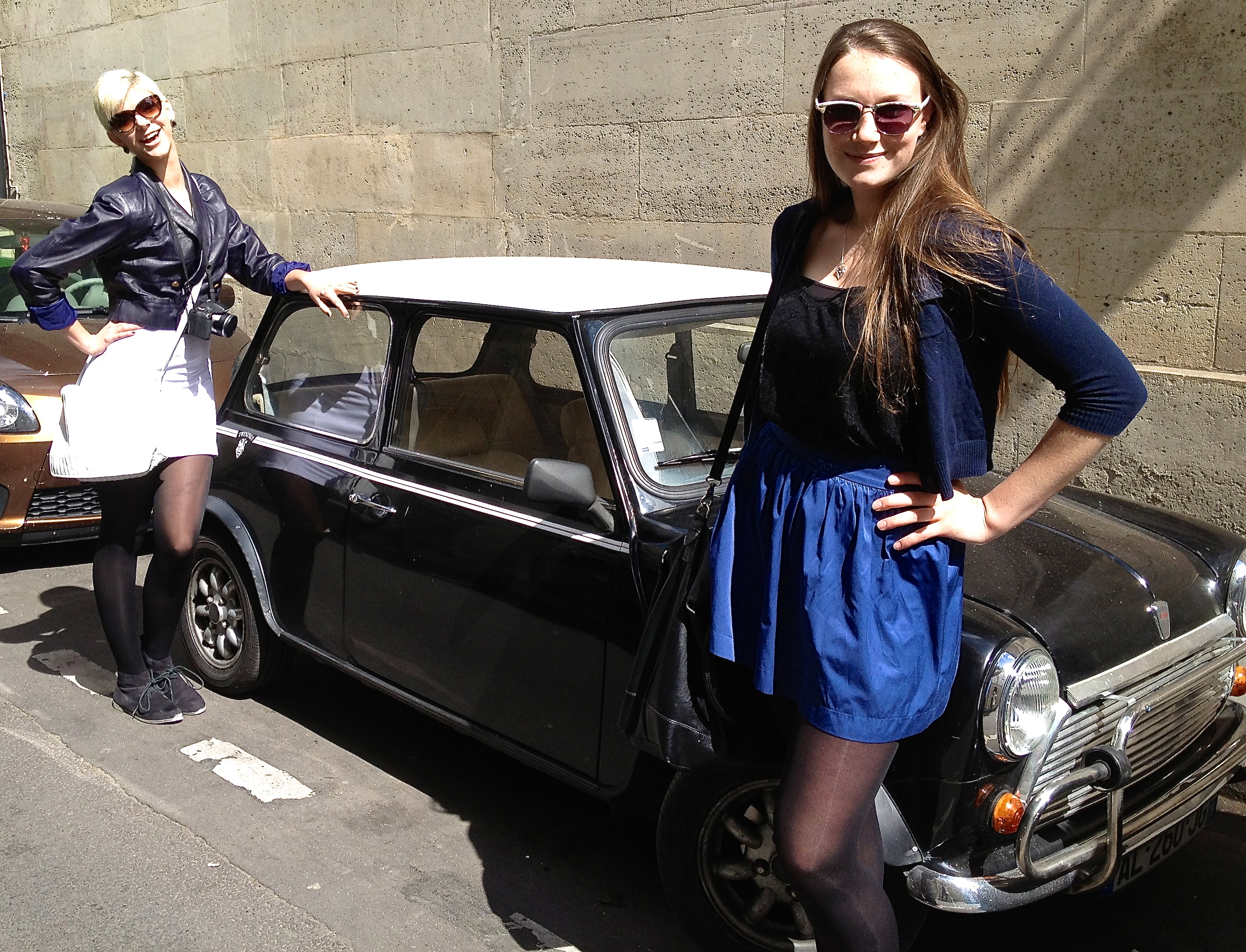
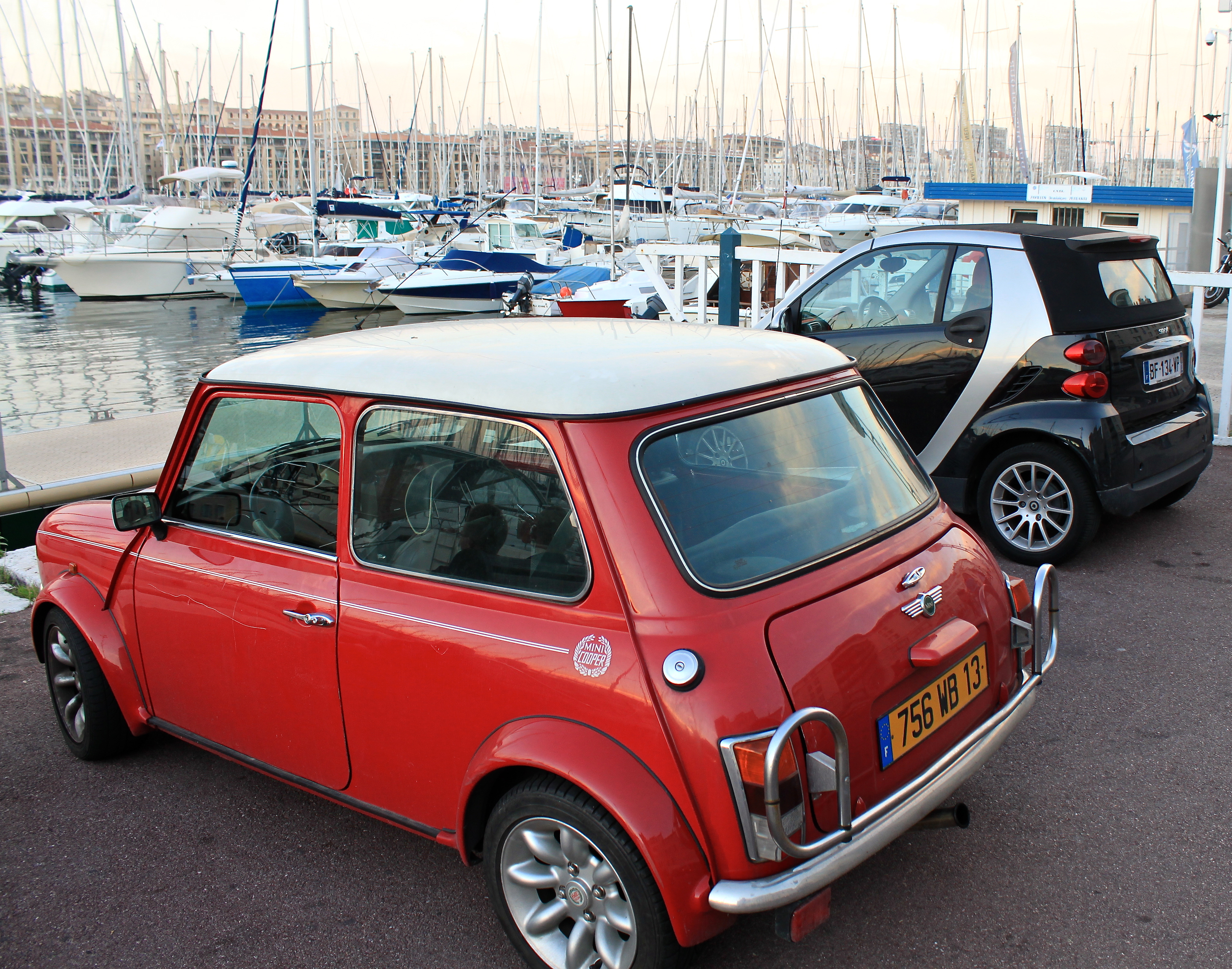
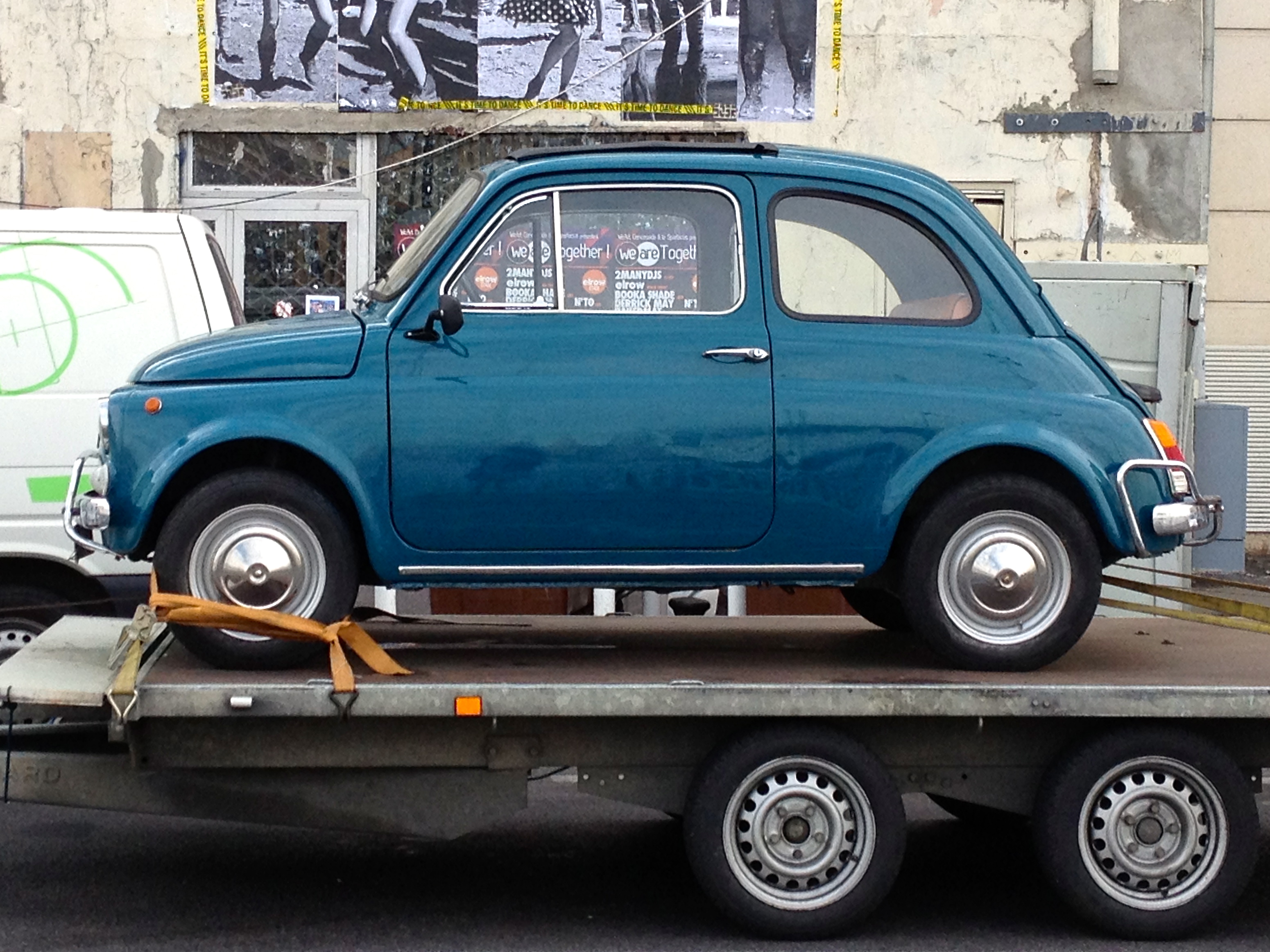
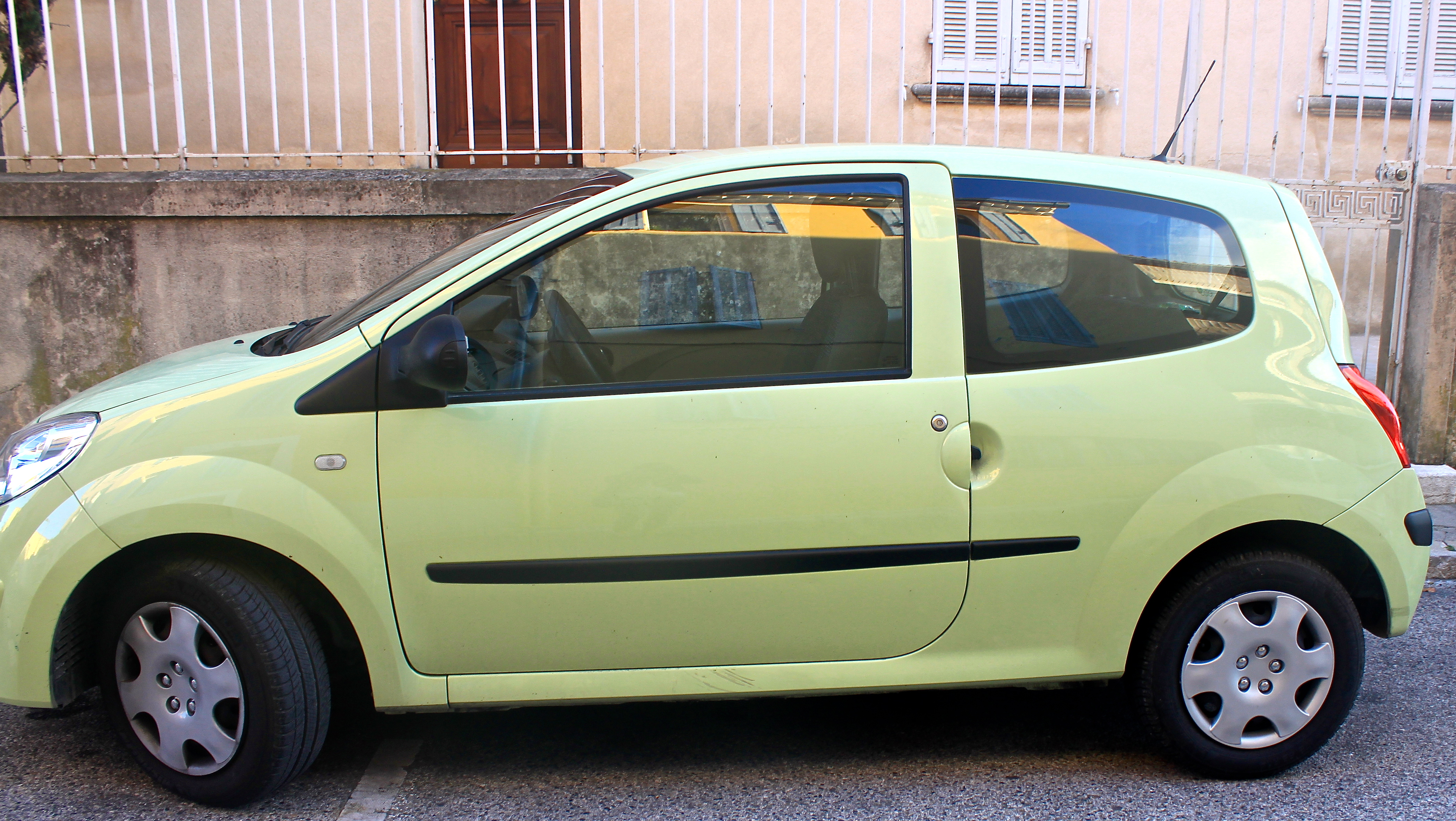
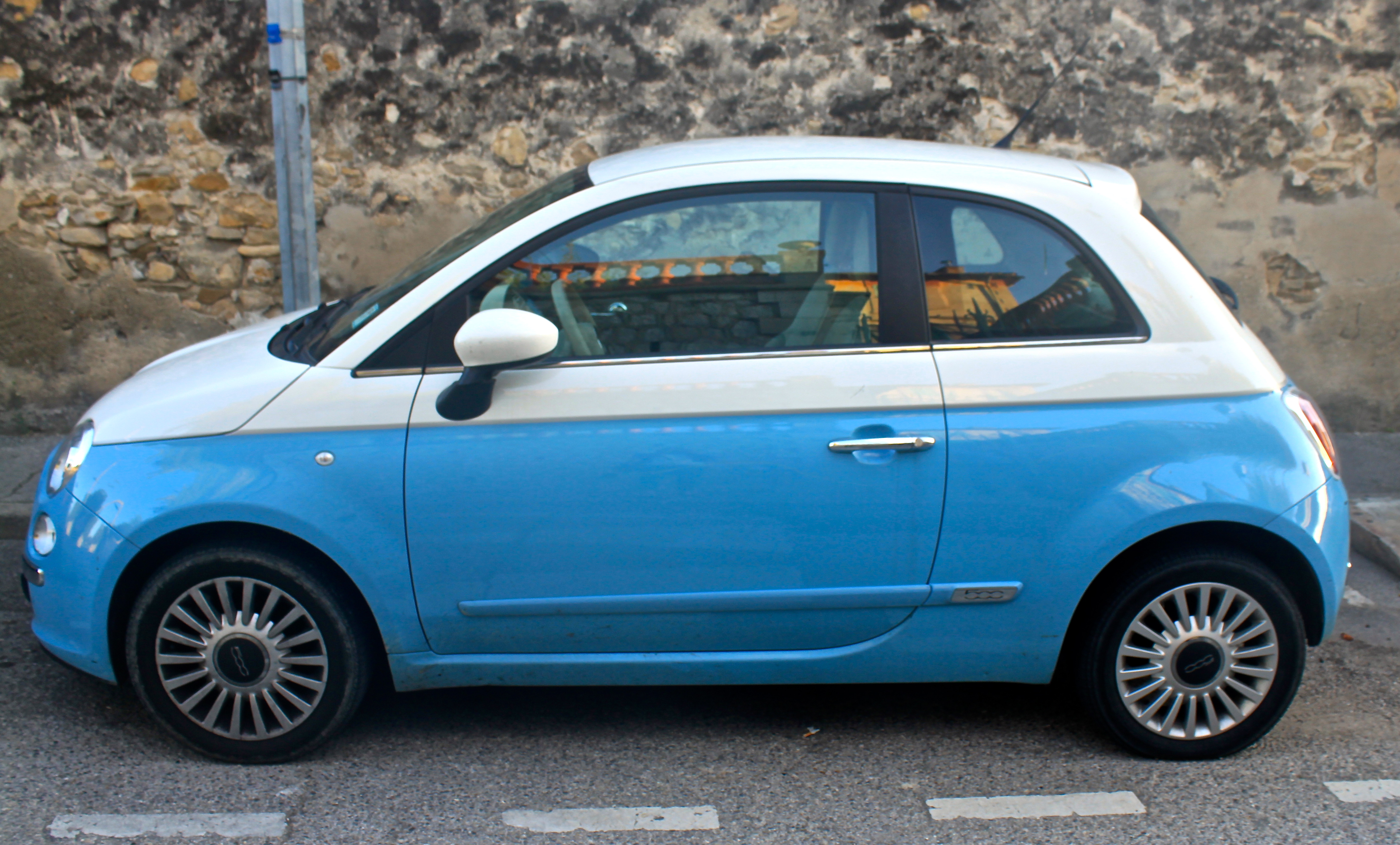
I love the small cars in France: infinitely better for the environment and pretty darn adorable. Très mignon indeed.

IMG_8207

IMG_1700

IMG_8370

IMG_8368

Vocabulaire

très mignon: very cute

No. 24: Less Fast Food on Offer

…but sadly, a growing industry in France…

As I continue my unanticipated one-week sojourn in America, I am still overwhelmed. I am flabbergasted by the amount of fast food on offer in the land of the free.

flicker.com

flicker.com

I have a 15 minute drive to the YMCA where I have been working out. This morning as I drove my 10 miles, I passed 16 different fast food establishments. I am not in the part of the country where I grew up and there are certainly some interesting choices I’ve never heard of : Eggroll Hut Filipino, Five Guys Burgers & Fries, Captain D’s Seafood Kitchen, Checker’s Drive in, and Churches Chicken, but so far, I haven’t been tempted. However, I seem to be the only one sticking to green smoothies at breakfast time.  Each and every one of the fast food  chains I drove by had at least three or four cars lined up at the drive-thru and more than a large handful of cars in the parking lots…and it was only 7:00 am.

According to statisticbrain.com, as of April 2013, the number of fast food restaurants in America was 160,000, with 50 million Americans served each day and an annual fast food revenue of $110 Billion. Truly, une véritable catastrophe! I know that fast food is the reality in the US and a huge industry, but I really hate to see it making headway into France.

quel dommage...the French are lovin' it too...

quel dommage…the French are lovin’ it too…

Yes, it turns out my France, the country I so often associate with gastronomie and fresh ingredients, is being propped up by fast-food revenues. Fast food chains, according to NPR, now account for 54 percent of all restaurant sales in France. Bon sang! It breaks my heart. There are now more than  a 1,200 McDonald’s in France, which is only 199 shy of what the grand ol’ state of Texas (roughly the same size as France) boasts.

Quel dommage! It really bums me out.

source: aht.seriouseats.com - by j.edwards

source: aht.seriouseats.com – by j.edwards

Still, I am grateful all these other chains have not yet made it across the ocean. I hope that France grows more of a backbone, and remembers that real food and real ingredients can continue to define their country, if only they don’t give in…

Vocabulaire

Bon sang! Damn, damn it!

gastronomie: gastronomy

Quel dommage! What a shame! That’s too bad.

une véritable catastrophe: a real disaster/catastrophe