Skip to content

Posts from the ‘Around France’ Category

No. 214-215: Bordeaux Wine Country and Château Moulin Riche

In water one sees one’s own face, but in wine one beholds the heart of another…

Bordeaux_Riverfront_view. jpg

Of course, the main reason to make the trip to Bordeaux is to taste, savor and purchase the regions fermented gold. The wine certainly is divine là-bas, and we did our fair share of goûter(-ing) some very fine wine in Bordeaux and the surrounding areas.

I already have a formidable Bordeaux wine connection à Paris (my sweet friend, Hélène), and I was excited to visit some of her recommended vineyards. Per her advice, we started our tasting in the Médoc region at the Château Maucaillou Moulis-en-Médoc.

chateau-maucaillou.jpg

Maucaillou, short for mauvais cailloux or bad pebbles, as the farmers of the Middle Ages deemed the land on which they could not get their important cereal and grain crops to sprout no matter how hard they tried, turns out not be such a bad patch of land. In fact, the mauvais terroir has become the perfect environment for producing some “highly expressive” wines. And, Chateau Maucaillou is the perfect place for a novice to learn about grapes, terroir, aging and tasting. The Château offers a 30-minute film (with English subtitles) explaining the winemaking process from field to bottle, followed by a tour and a (limited) tasting.

From Médoc we headed to a couple of other appellations, Pauillac and Margaux and sampled some more world famous wines. In Margaux we stumbled upon a small cave hosted by an amiable vintner who introduced me to the appellation, Saint Julien-Beychevelle, and the first wine that I have ever gone gaga for. En franglais, she patiently explained the unique and surprisingly complex terroir of this particular appellation and château that gives the wines so much character. After tasting three different offerings (and after three years of dropping in and out of wine tasting courses), I finally had an “ah-ha” moment, and completely flipped for a 2009 Château Moulin Riche. I don’t have the kind of money to become a wine snob, but if I did, the Moulin Riche is where I would be hanging out.

bordeaux_saint_julien_wine.jpg

As it was, I talked Superman into buying one bottle for a special occasion, and we continued on through the rolling hills and vineyards along the rivers of Aquitaine. En route we visited the Louis Vuitton’s teensy-weensy château and mugged for the camera on his family home’s doorstep. We sampled some Frank Phélen from Saint-Estèphe, and ended the day with some heavenly full-flavored Pomerol mis en bouteille au Chateau Sablard du Grand Moine.

vuitton_chateau_Bordeaux.jpg

It was a perfect day in every way. I’m not sure how I came to be living this remarkable life. But I am grateful for every day, every hour, and every single minute. This break in Bordeaux’s wine country was certainly no exception. Chin chin Superman! Thanks for all you do and all you bring to our life in France.
No. 213: The View Out My Window

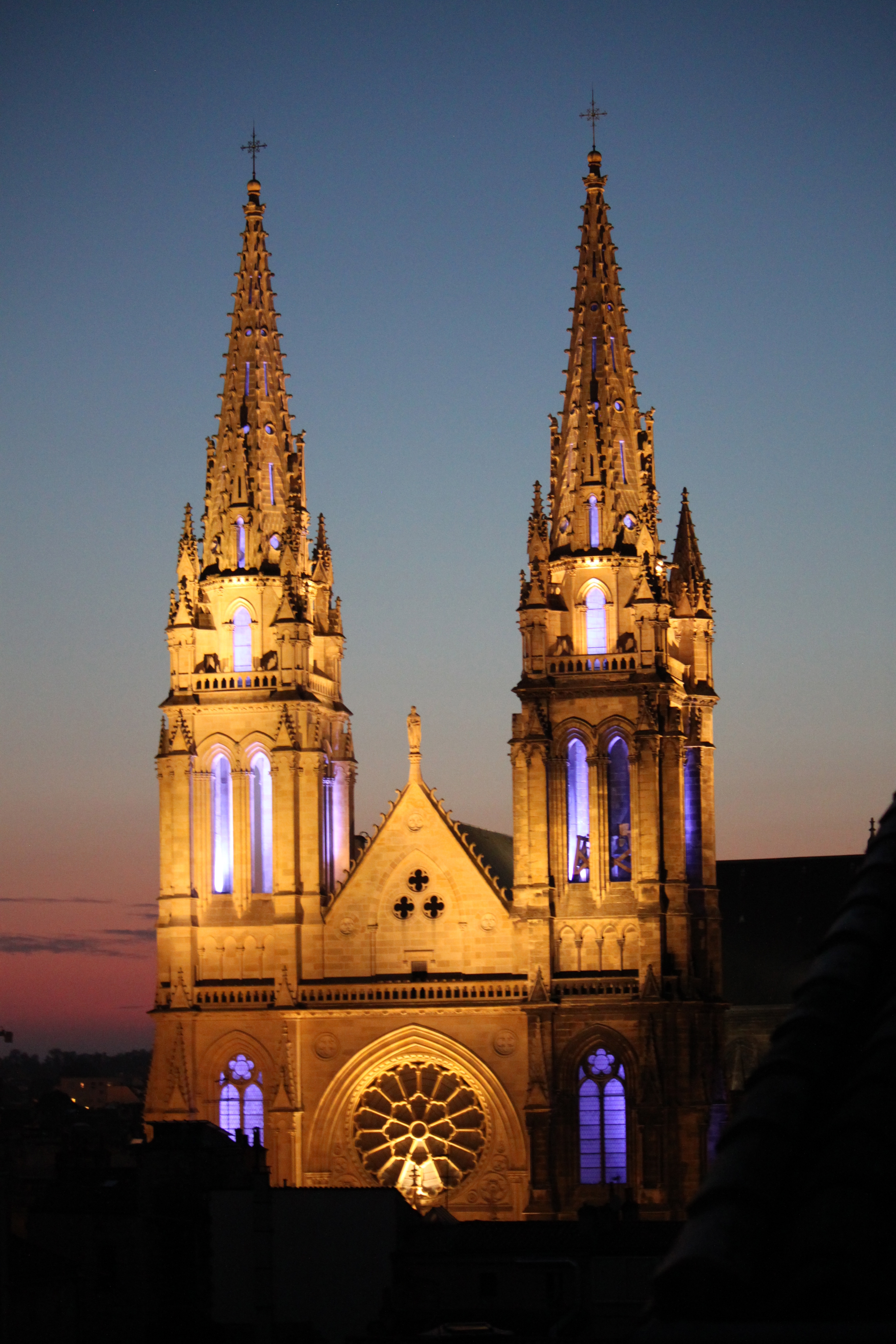
Notre Dame à Bordeaux

Notre Dame à Bordeaux

No. 212: Lundi de Pâques

easter_cupcakes_paris.jpg

Another one of the things I love about France is the country’s dedication to national holidays, especially in the springtime.

While most of my friends and family stateside are back at work today, us lucky folks in France are quietly enjoying Easter Monday sans travail. I remember envying my friends who had kids in Catholic schools when we lived in the Wild West, their children never seemed to be in school.

Now that we live in France, we don’t have to play hooky from school, we can, even as lapsed Catholics, benefit from the excess of sanctioned religious and national holidays during April and May. This is a particularly good year as all the “one-off” spring holidays fall during the week. In fact we only have one full week of school/work during the month of May.

And as I mentioned, today, Easter Monday, is actually a national holiday in this Catholic nation, so even if you’re not a believer, you still get to spend today recovering from the holiday, sort of a vacation from your vacation, which in my opinion is the best way to end a vacation.

Vocabulaire

Lundi de Pâques: Easter Monday

sans travail: without work

No. 207-209: A Château, Playing Dress up, and the Best Picnic Spot Ever

After living in France for a while, you sometimes begin to take for granted certain things that, to short-term visitors, seem exceptional. Warm crusty baguettes around every corner? Bien sûr! Stunning architecture? Tout à fait. World-class museums? Naturellement. Fairytale châteaux? Toutes sont les mêmes.

En fait, I started this blog to help me avoid becoming one of those jaded expat, and to instead, find the extraordinary every single day.

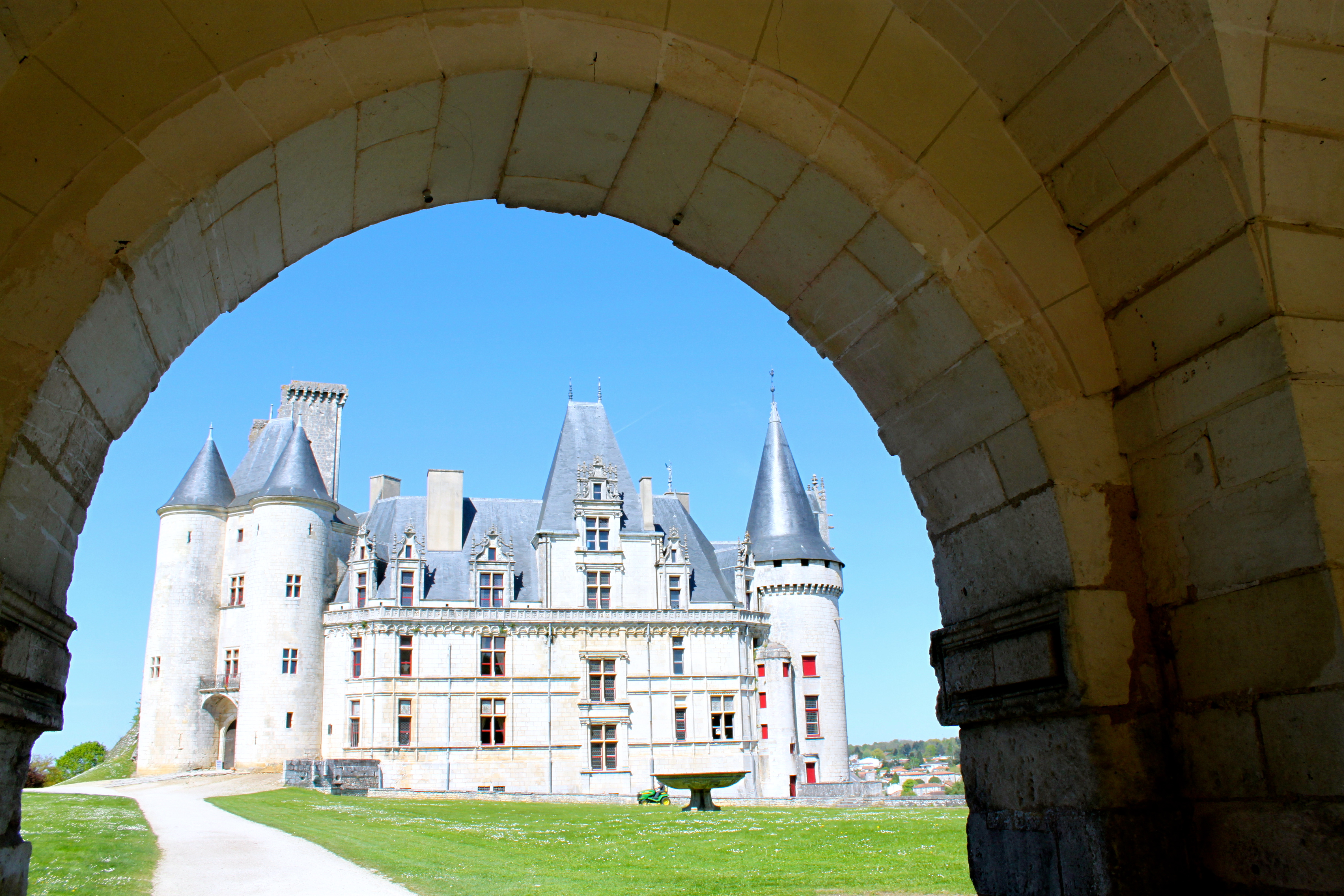
I was reminded of the crazy wonderfulness of this country yesterday as we got turned around on our drive through Aquitaine and strayed into the Limousin region. In France, one wrong turn, and the next thing you know, you may find yourself standing in front of Sleeping Beauty’s Castle.

château_rochefouclauld_benioff.jpg

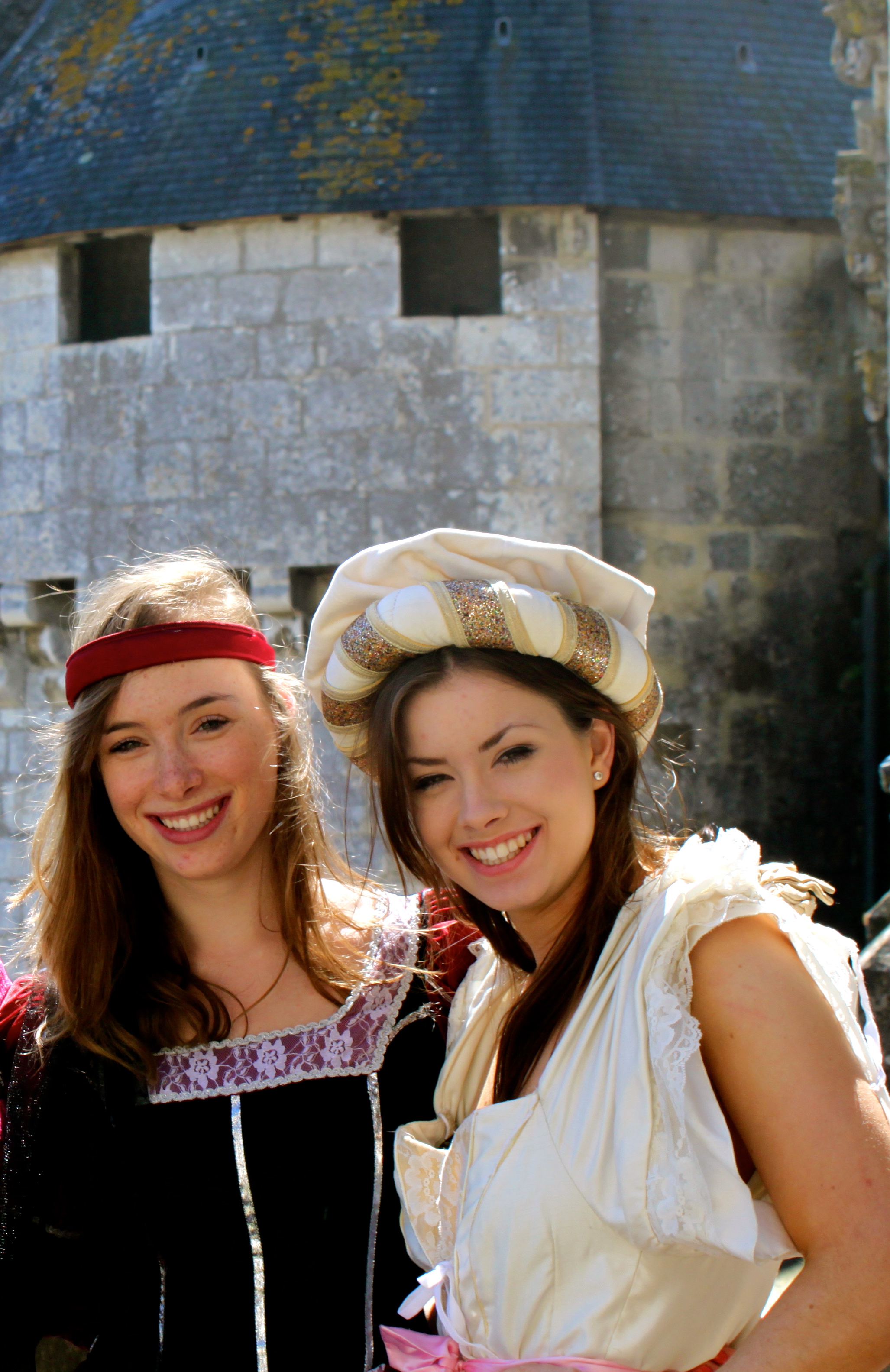
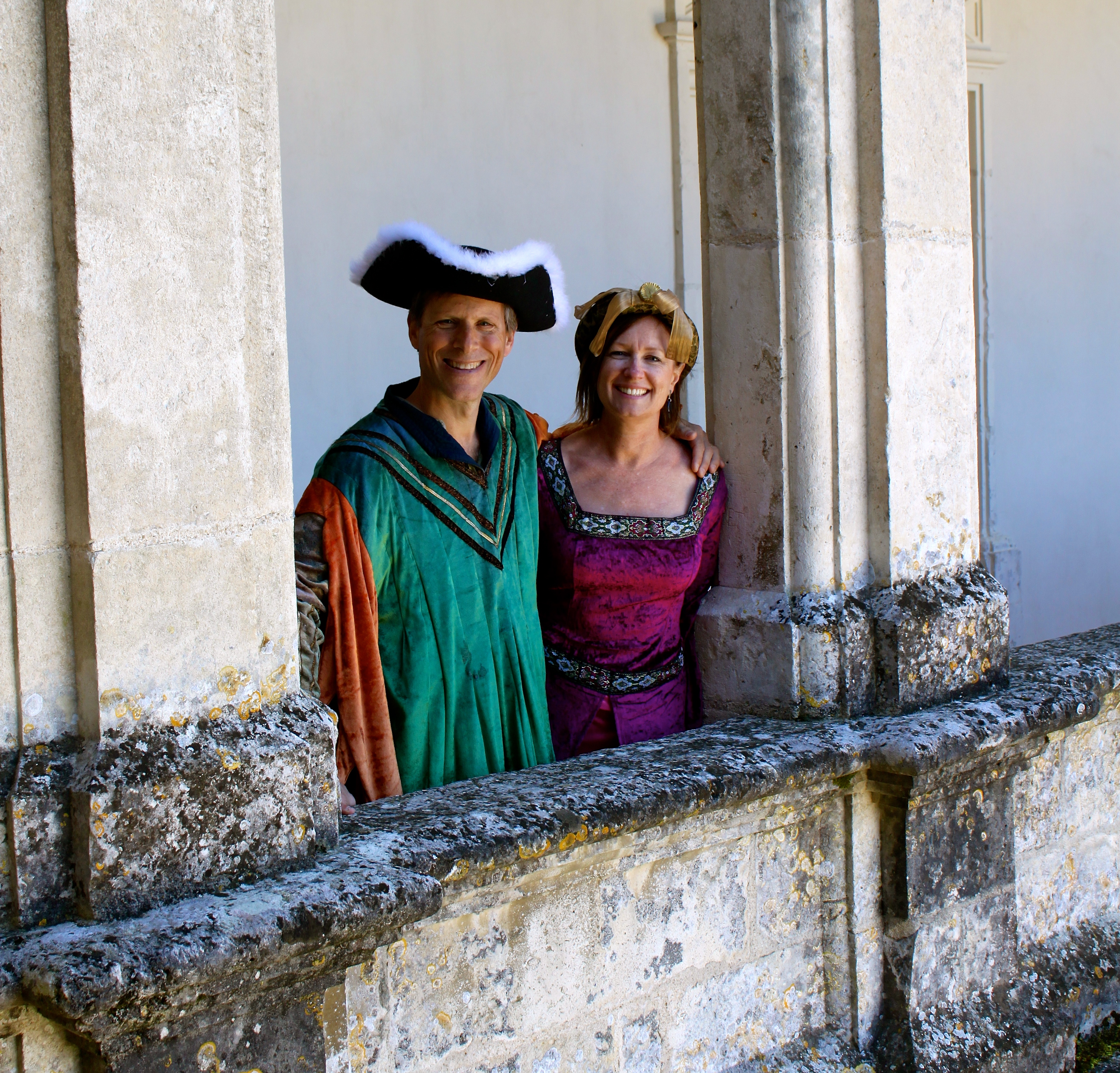
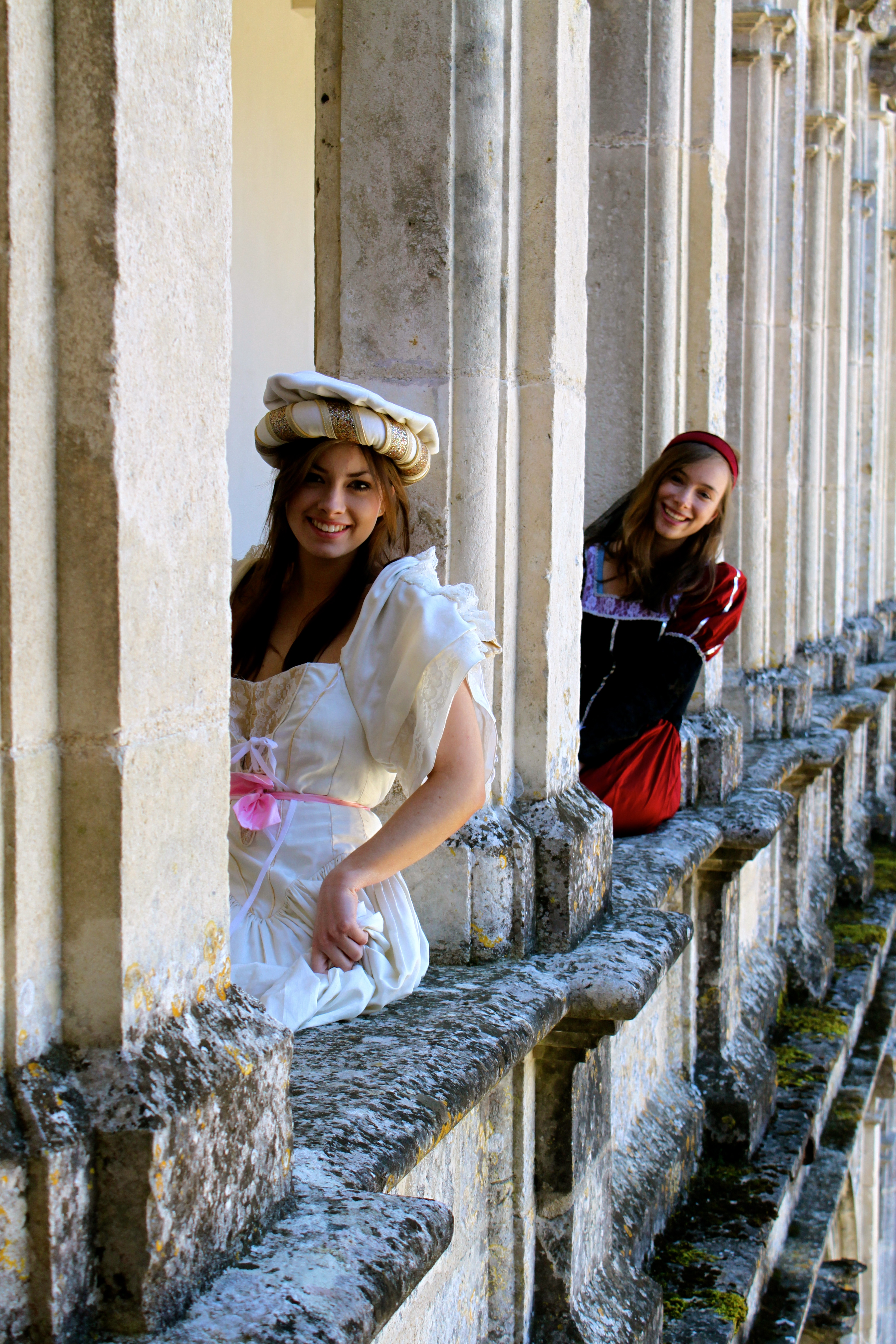
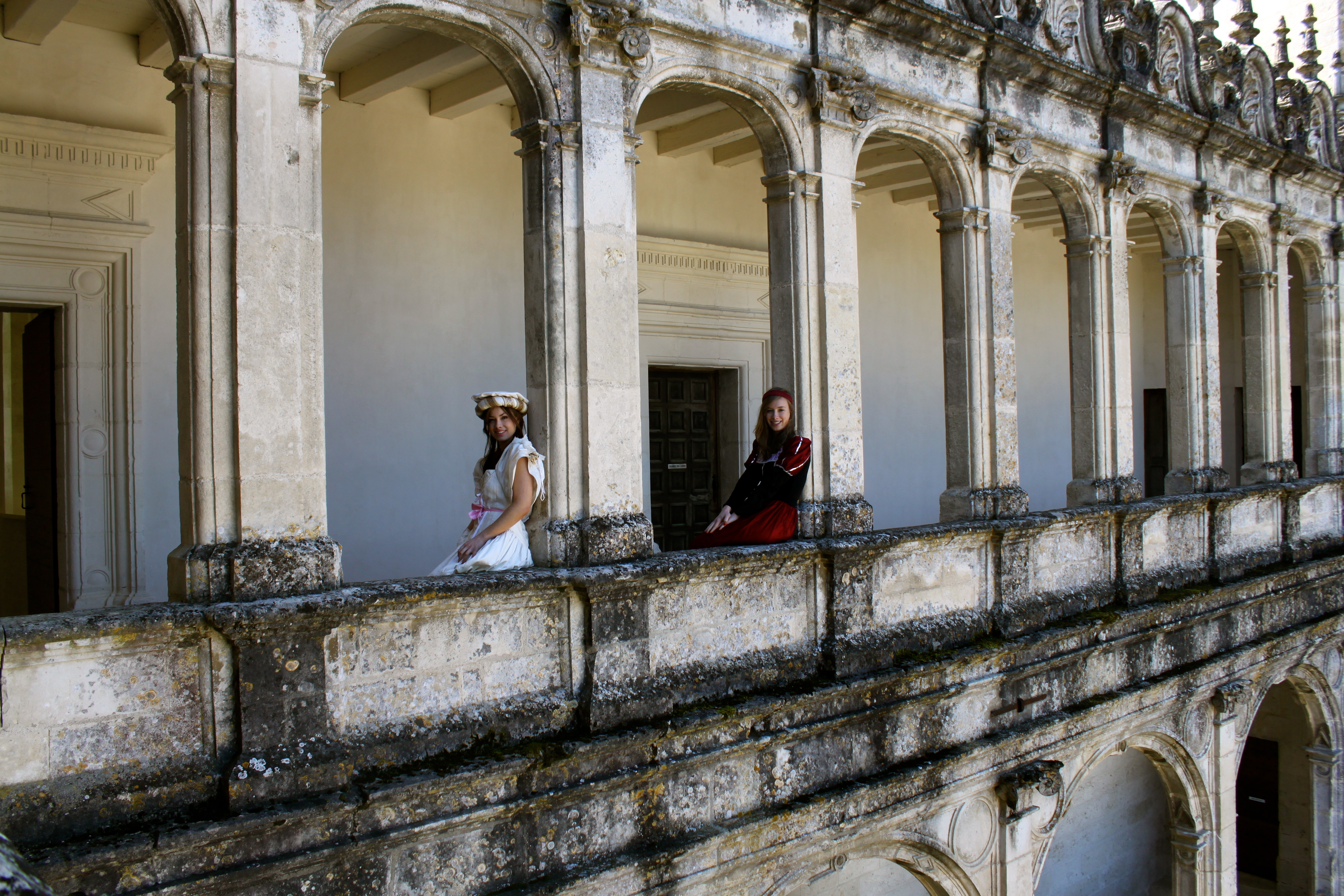
Château Rochefoucauld, une petite maison, is easily the most fun and friendly château we have ever stumbled across. As I mentioned, from the outside, it is all Disney, but on the inside, it is like an Italian palazzo with a magnificent courtyard that evokes Renaissance Italy. It is a château that has been in the family for over 1,000 years, and its spiral staircases, elegant rooms, and bursting libraries are still used by the 19th Duke Rochefoucauld and his young family. Not only are there family portraits painted by French masters lining the walls, there are also black and white photographs, glossy Polaroid’s and normal Kodak moment framed and displayed for all to see. It’s like the modern regal family went out for a stroll and left the doors unlocked to (un)wanted guests.

château_rochefouclauld_benioff6.jpg

There are lots of things to see and do at Château Rochefoucauld, from snaking through the strange cave in the basement, to touching the real roche, to pretending to cook up a royal feast in the original kitchens, to resting your weary head on the beds in the servants’ chilly rooms. But most fun of all, is an entire room dedicated to dress up clothes for all aspiring royals, the young and the old included. Think medieval kings and queens, wenches and jesters, mad hatters and knights. Once dressed, you are free to roam the entire castle, ramparts and all.

château_rochefouclauld_benioff15.jpg

château_rochefouclauld_benioff14.jpg

château_rochefouclauld_benioff13.jpgchâteau_rochefouclauld_benioff12.jpgchâteau_rochefouclauld_benioff11.jpgchâteau_rochefouclauld_benioff10.jpg

After satisfying your theatrical bent and maybe, say, acting out a scene or two from the new princess movie Frozen, the caretakers are happy to let you picnic on the daisy-filled lawn just beyond the castle doors…with your dog!

château_rochefouclauld_benioff16.jpg

C’est bien extraordinaire…even for France.

château_rochefouclauld_benioff17.jpg

Vocabulaire

Bien sûr! Of course!

C’est bien extraordinaire: it’s (very) extraordinary

En fait: in fact

Naturellement: Naturally

Tout à fait: quite, absolutely

Toutes sont les mêmes. They’re all the same.

une petite maison: a small house


No 206: Bordeaux’s Saint Mark’s Square

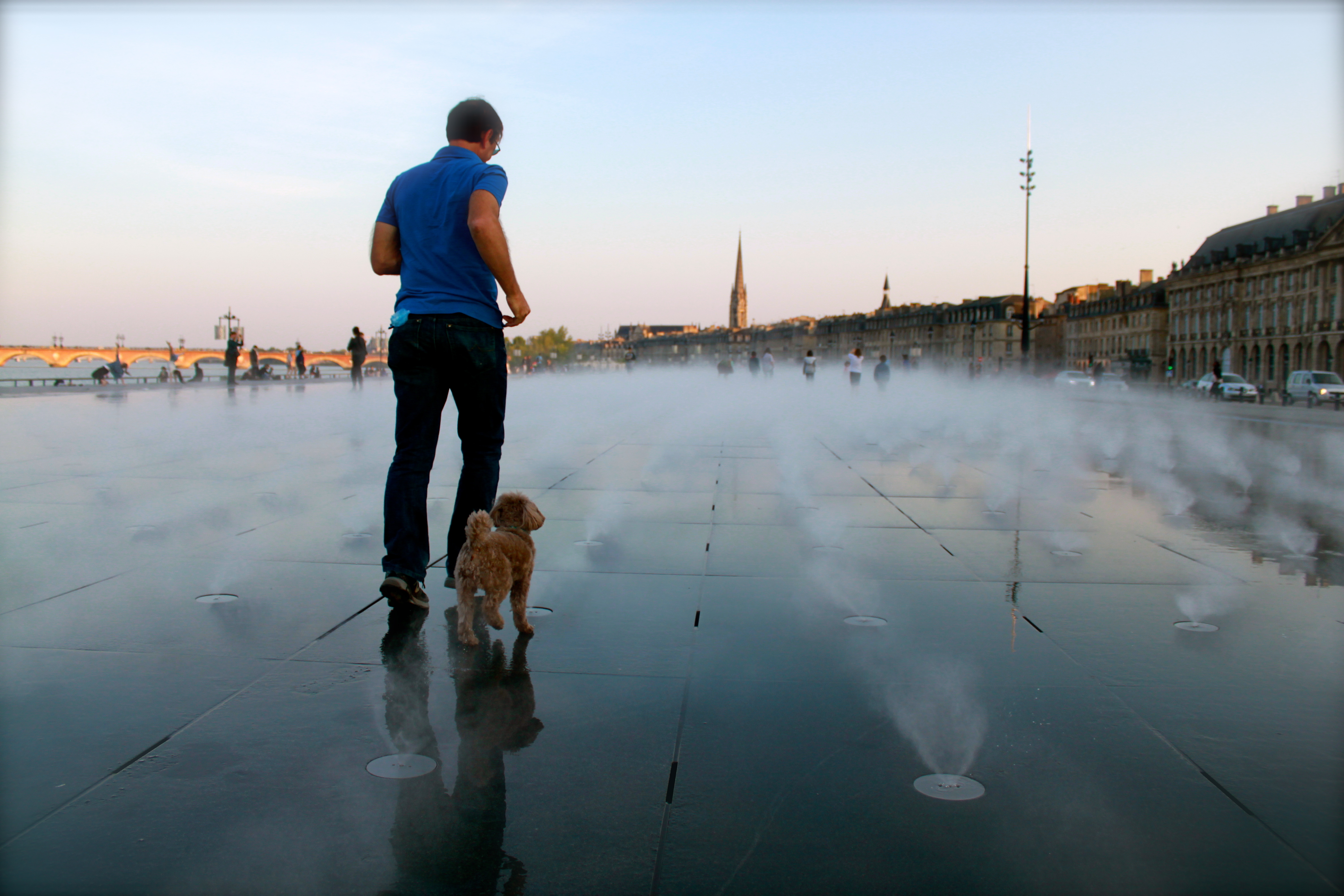
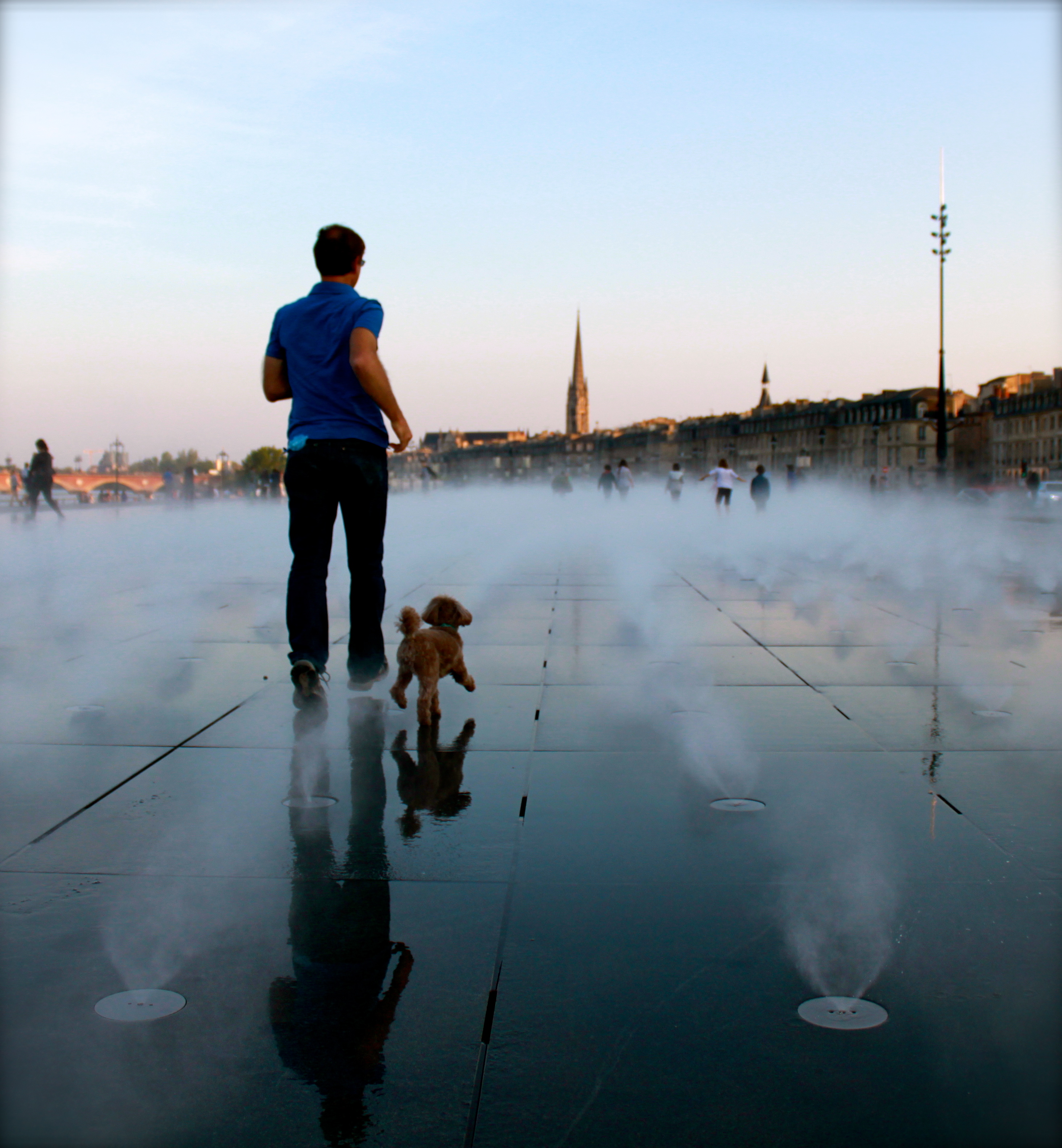
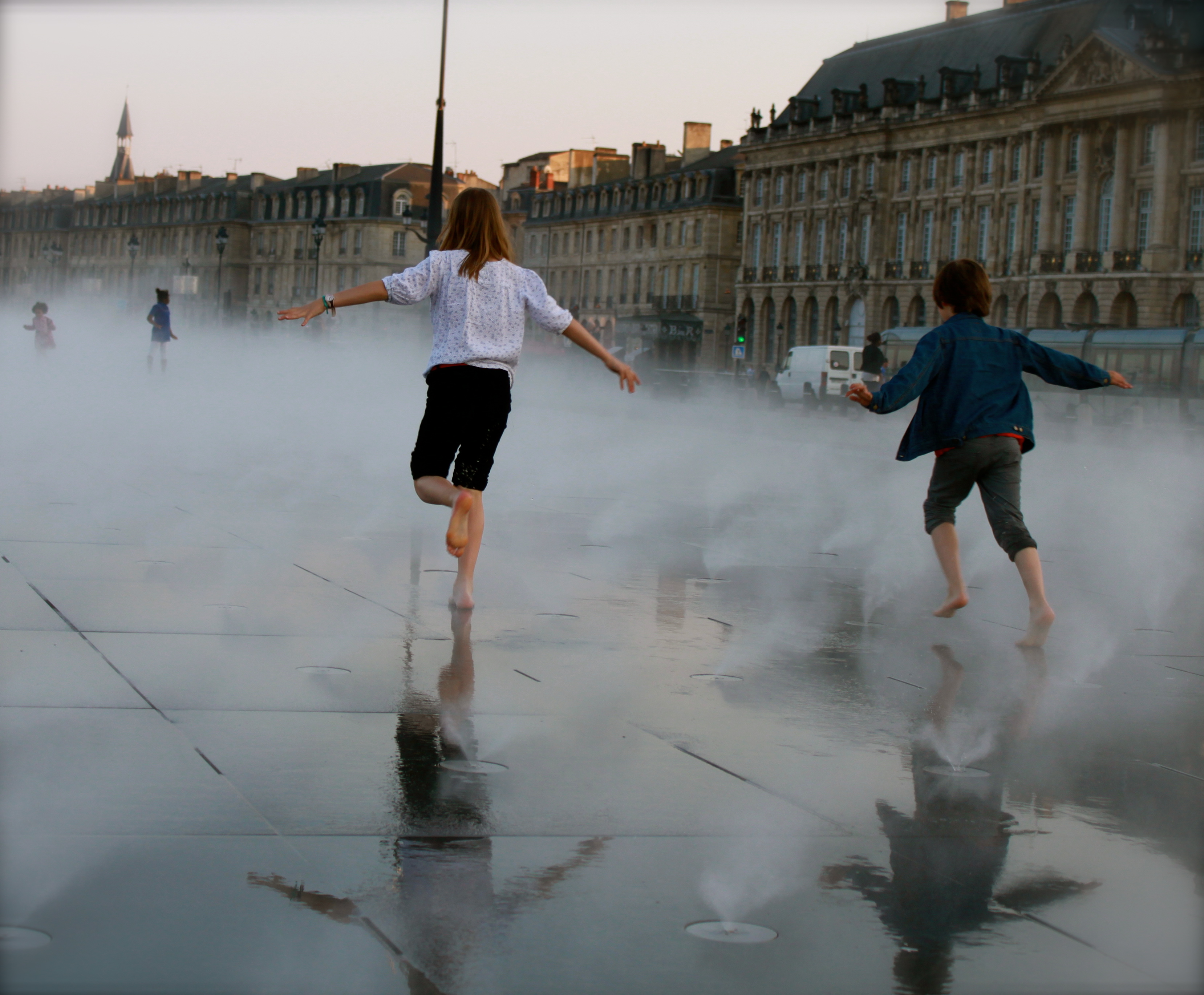
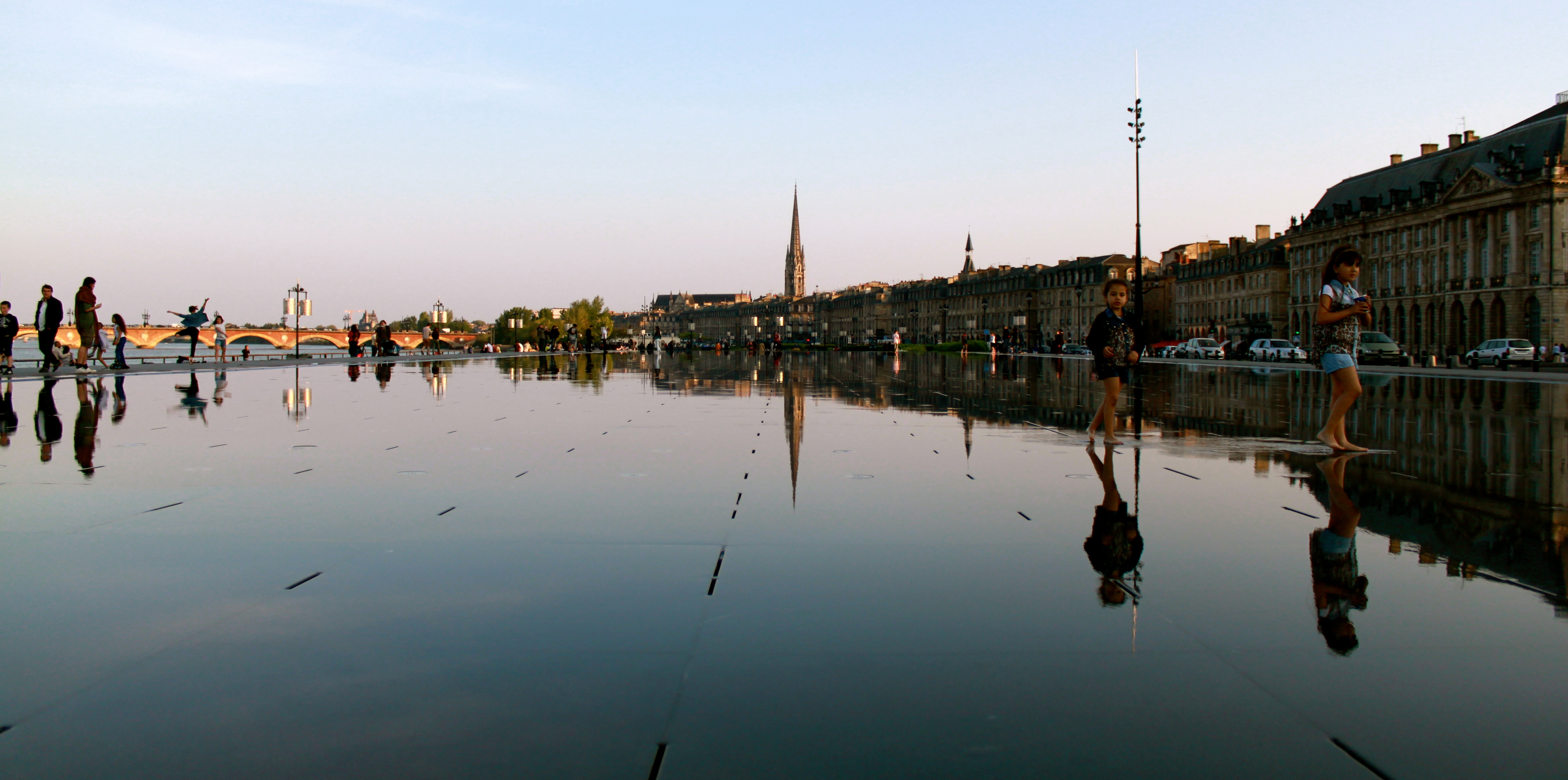
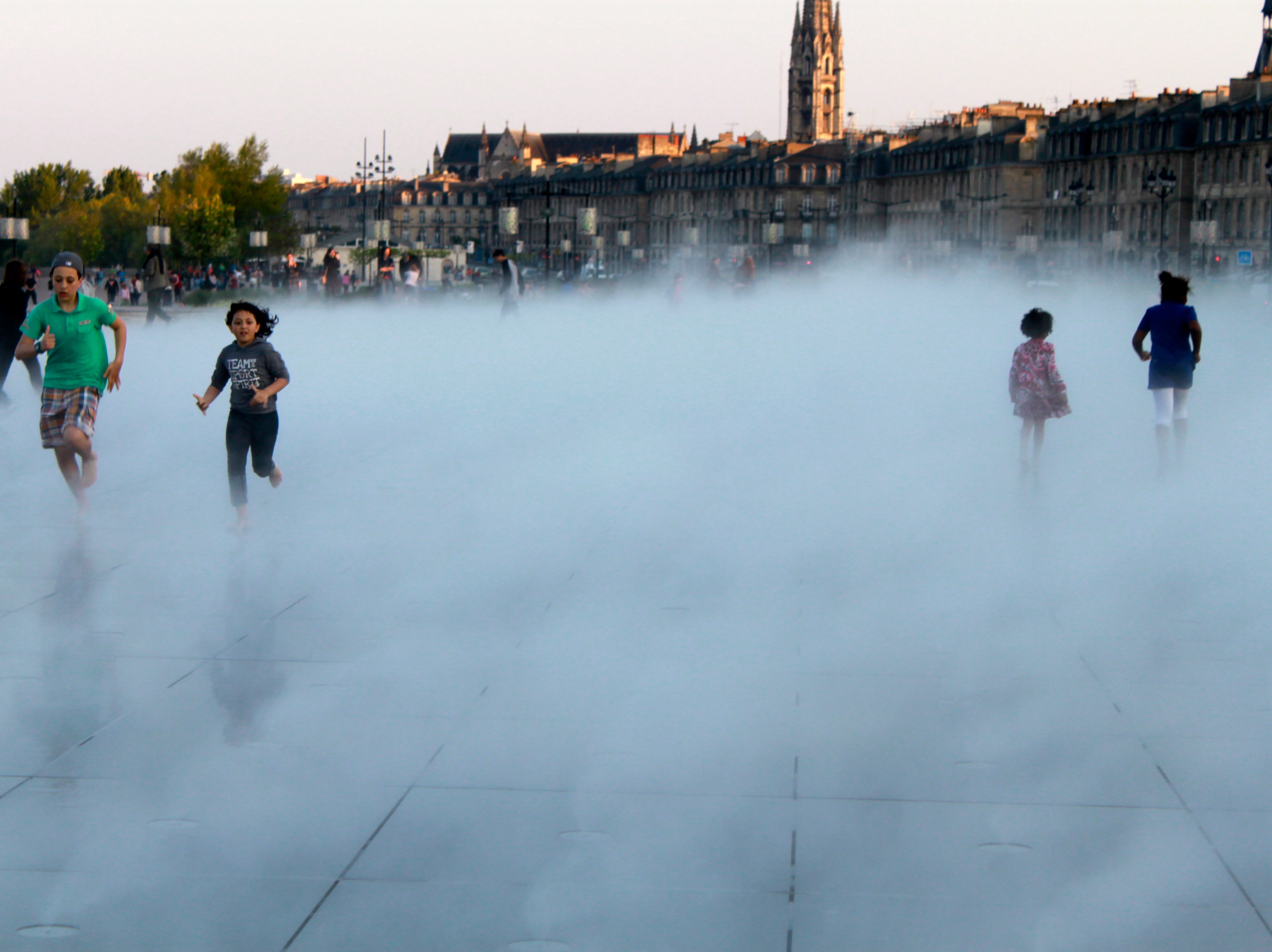
Inspired by the winter flooding on Venice’s St. Mark’s Square, the 3,000 square meters water feature on Bordeaux’s well-designed boardwalk, floods with a thin layer of water followed by an apocalyptic mist effect when the water mysteriously disappears on the hour. 
 (Architects: P. Gagnet and Atelier R. Landscape Architects: Michel and Claire Corajoud)

bordeaux_water_feature.jpgbordeaux_water_feature2.jpgbourdeaux_water_feature3.jpgbourdeaux_water_feature4.jpgbourdeaux_water_feature5.jpg

bourdeaux_water_feature6.jpgbourdeaux_water_feature7.jpgbourdeaux_water_feature7.jpgbourdeaux_water_feature8.jpgbourdeaux_water_feature9.jpgbourdeaux_water_feature10.jpg

No. 181-182: Reims and Champagne Country

The other day, we made a quick trip to the city of Reims (pronounced ““rINce”—sort of rhymes with a nasally “France”) on our way to the Champagne region.

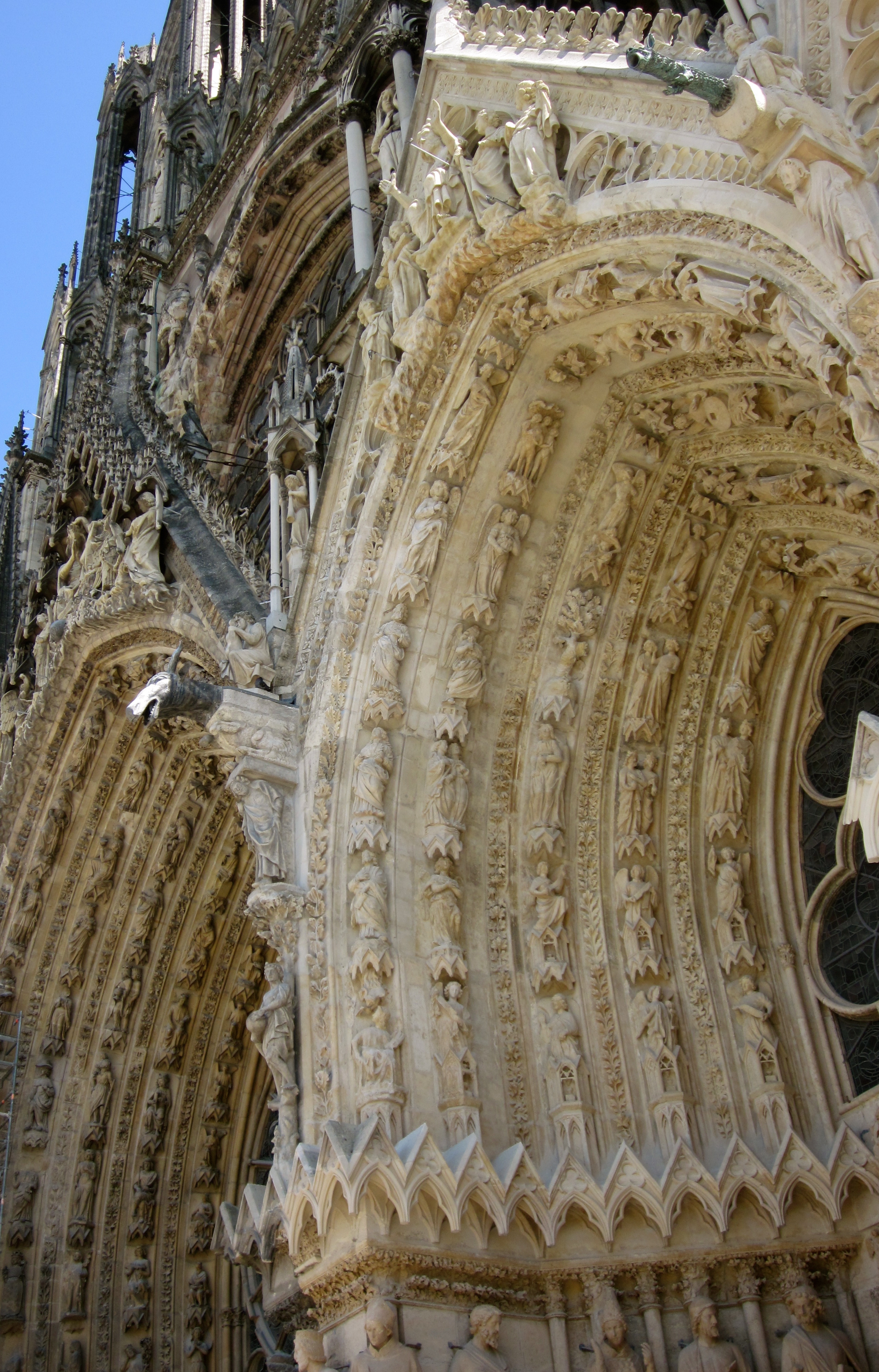
According to legend, Reims, 80 miles northeast of Paris, was founded by those naughty Roman brothers, Remus and Romulus, and houses some impressive Roman artifacts. Whether or not the brothers as founding fathers is true, Reims has always been an important city for the French monarchy, its beautiful cathedral could be called the Westminster Abbey of France. Not only was this historic cathedral the site of 25 royal coronations, it is also a glorious example of Gothic architecture.

reims-cathedral.jpg

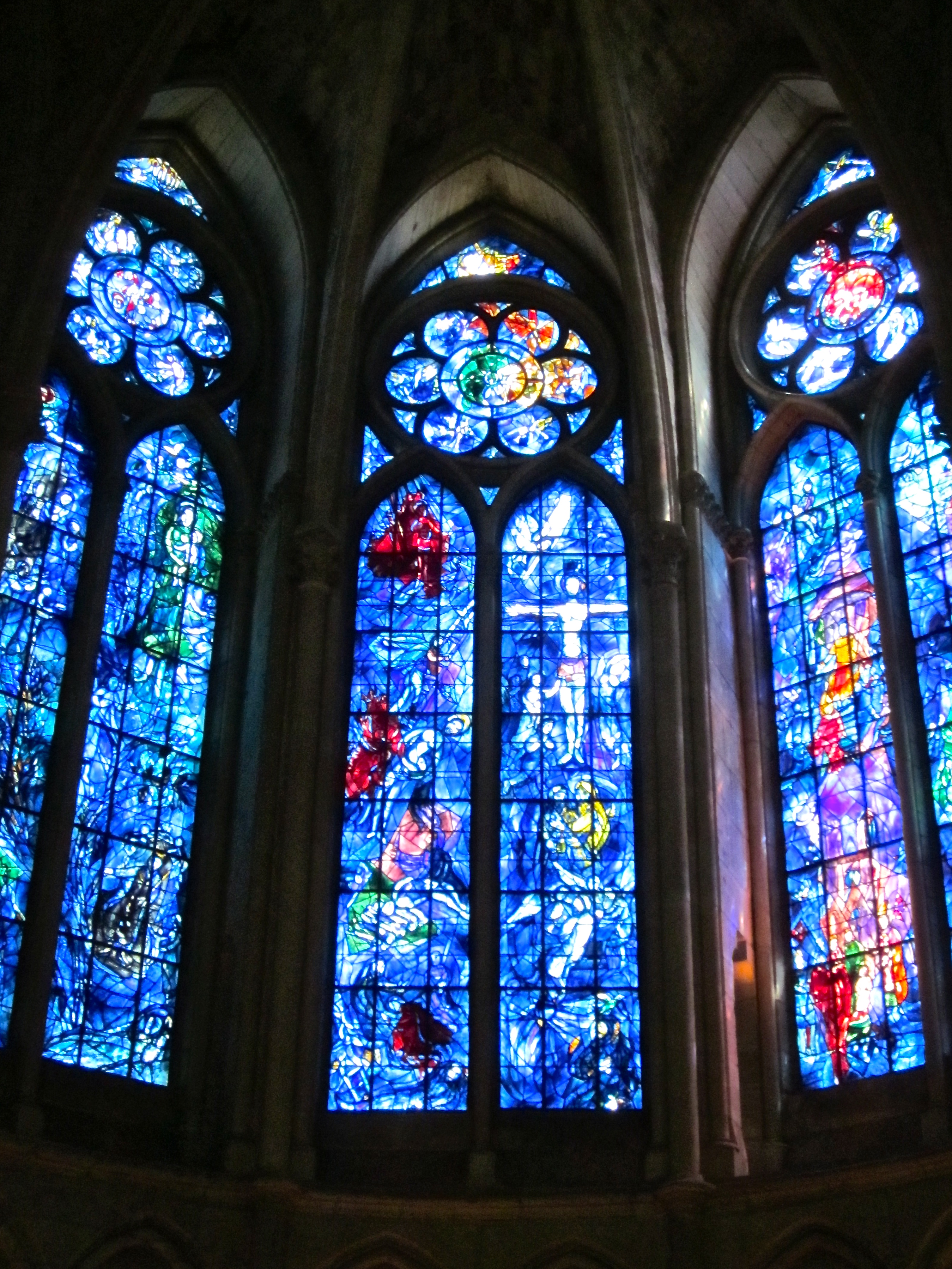
Unfortunately it sustained terrible damage during WWI and was further damaged during WWII. Thankfully it has been restored (no small thanks to John D. Rockefeller) to all its splendor. In addition to housing an amazing original rose window (dating from 1255), it also holds a luminous set of Marc Chagall’s stained-glass windows.The windows are dazzling and the church a welcoming spiritual home for believers and non-believers alike.

chagall-windows-reins. jpg

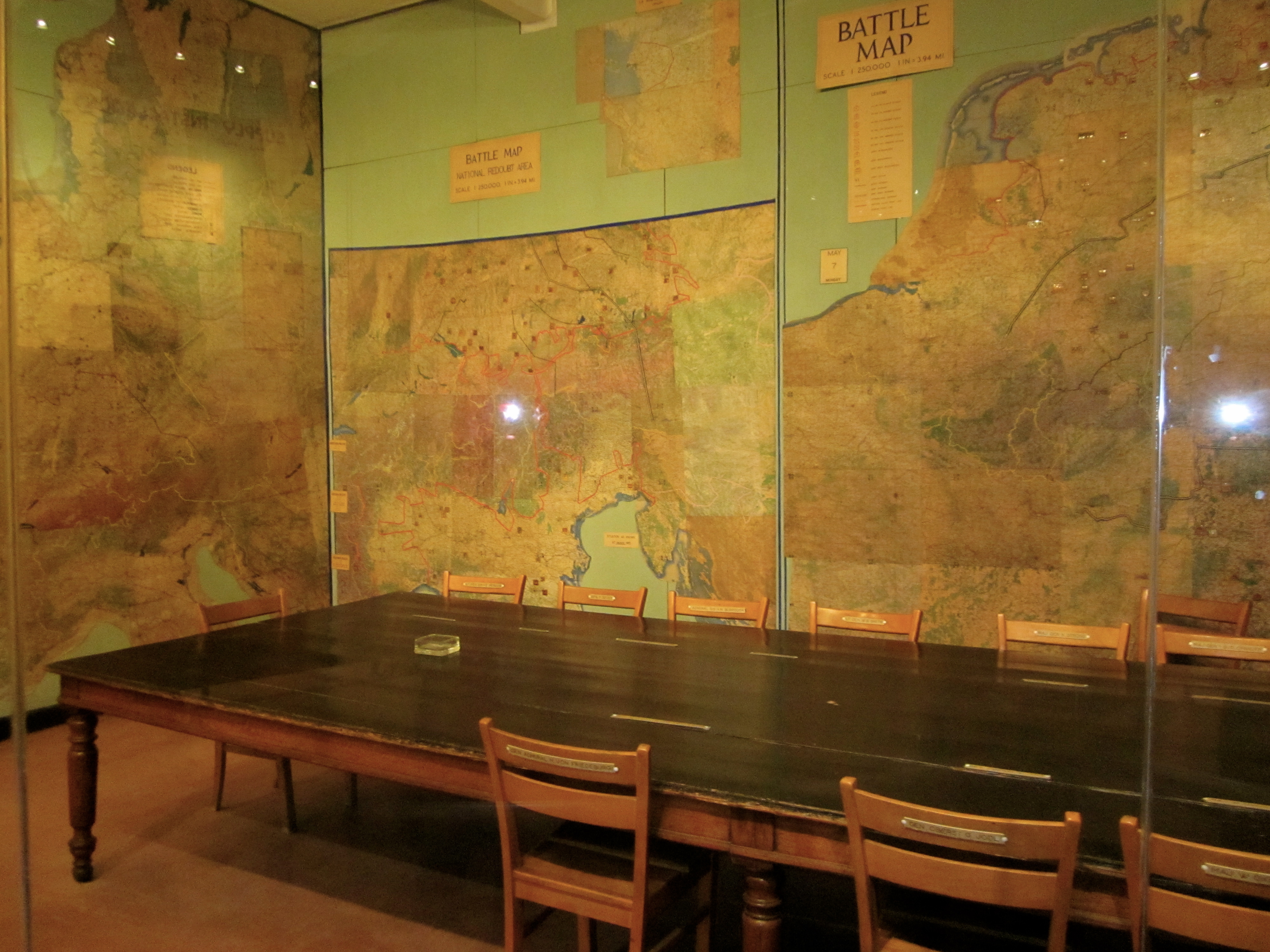
Reims is also famous for its red schoolhouse which now houses the Museum of Surrender (Musée de la Reddition). It was here that on May 7, 1945 at 2:41 in the wee hours of the morning, the Germans under General Jodl surrendered unconditionally to General Eisenhower, ending World War II in Europe. This fascinating museum houses photographs, press clippings, relics, and a good film detailing the last days of the war in France. The small signing room remains exactly as it was on that day in May and is exceptionally moving to see.
nazi-surrender-room-reims.jpg

From Reims we headed to the countryside on an arduous trek (someone had to do it) to learn the ins-and-outs of the journey champagne makes from grapevine to glass.
champagne-france.jpg

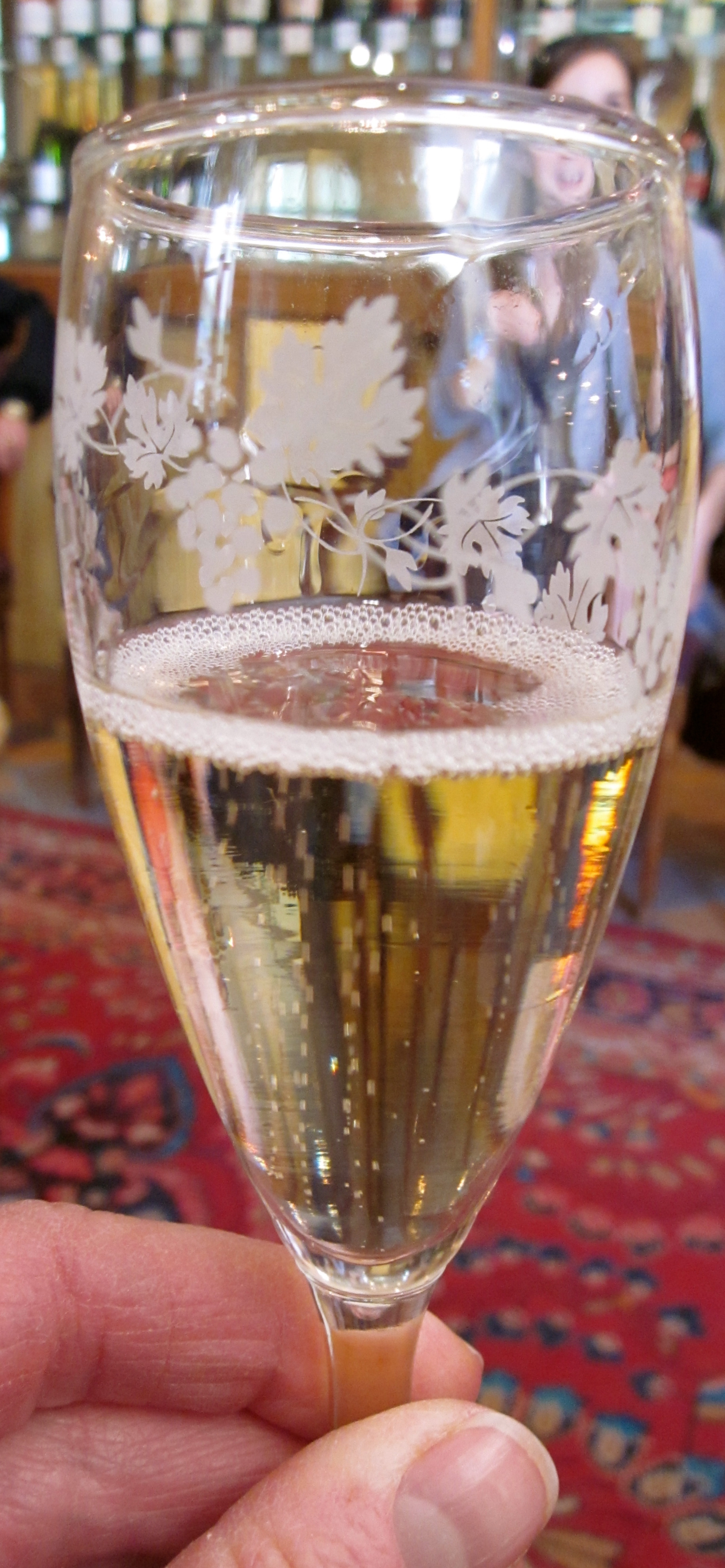
As you know, champagne gets its name from the region in France of the same name: a strictly defined area encompassing 634 villages in five different départaments. What you might not know is that during the Middle Ages, church wine used for the Eucharist was one decidedly sought after commodity. As luck would have it, the English preferred the “light and crisp” wines made in the Champagne region. Their high demand and the low supply led to the continued cultivation of grapes in the region, which with new techniques, eventually evolved into our favorite apéritif. Although the first sparkling wines were produced near Carcassonne, France, when the “sparkling” technique was applied to Champagne’s wines in the 1700s, champagne as we know it was born.

In our quest to appreciate and sample champagne, we toured both swanky champagne houses and homey and relaxed estates. In the name of research, we burrowed hundreds of metres below ground into the dark and chilly caves and listened to several Chef de Cave explain what makes champagne, champagne. Personally, I found the champagne making process fascinating and instructive. The tasting wasn’t so bad either.

I now understand why champagne is so expensive (the double fermentation process and a minimum of 2-years ageing) and the historic and climatic reasons that the grapes are grown in the Champagne region.

Next stop, Chablis…


Vocabulaire

Chef de Cave: The cellarmaster, who is typically the person in charge of the winemaking team. In the New World this person might be called a “winemaker”, but in many champagne houses the winemaking team is large, involving multiple winemakers, and the chef de cave is the one who heads the group and provides overall direction.

No. 179: Sylvain Chomet

Very recently a friend introduced me to the animator, illustrator, writer, director, BAFTA-winning and Oscar-nominated Sylvain Chomet. In the past week I have spent far too much time Googling him and illegally watching his movies. This guy is brilliant.

Born in Maisons-Laffitte in the banlieue of Paris, he started his career drawing and writing print comics. His first feature-length animated film, Les Triplettes de Belleville was nominated for two Oscars in 2003. This was followed seven years later by his next animated film L’Illusionniste (loosely) based on a 1956 script by Jacques Tati about his flawed and troubling relationship with his daughter. It tells the story of a struggling magician and a young woman who idolizes him.

Both films evoke mid-twentieth century French society and are quirky, especially Les Triplettes, which might be more accurately described as a bit on the creepy and Tim Burtonesque-side. While L’Illusionniste is also quirky, it had moments for me that reminded my of the animated film Up – at least in the way it deeply stirred my emotions.

A couple of weeks ago, the Simpsons (an animated American television show, in case you’ve been living under a rock…) gave Chomet the green light to direct the animation for the opening couch scene and add a Gallic twist…cue the snails, force-fed geese, accordion-playing Lisa, and the notoriously high-waisted men’s pants. Take a few seconds to see what I adore about Monsieur Chomet and let me know what you think about him.

http://www.youtube.com/watch?v=AOi5OF7gAiM


Vocabulaire

banlieue: suburb